
2027 Best Psychology Degree Programs Ranking in Texas

Co-Founder and Chief Data Scientist
Choosing the right psychology degree program in Texas can shape your future in meaningful ways. To help with this important decision, the Research.com team of data scientists has created the 2027 Best Psychology Degree Programs Ranking in Texas. This ranking offers clear insights into top programs, making it easier to find the perfect fit for your goals.
By exploring this article, you'll gain confidence in selecting a program that supports your dreams. A psychology degree opens doors to exciting careers and personal growth-your journey starts here.
Key benefits of getting psychology degree in Texas
- Salary for psychology degree graduates: Graduates in Texas can expect competitive wages, such as a Marketing Research Analyst earning around $83,190 annually, and Human Resources Specialists making about $76,060 per year, reflecting strong earning potential.
- Potential career paths: A psychology graduate from the University of Texas might pursue roles in clinical research, marketing analysis, or human resources, showcasing the degree's versatility in various rewarding fields.
- Benefits of online psychology degrees: Online programs, like those from Texas A&M University, offer flexibility and convenience, allowing students to balance studies with work or family life while gaining the same valuable skills as traditional degrees.
- 2027 Best Psychology Degree Programs Ranking in Texas
- What can I expect from psychology degree in Texas?
- Where can I work with psychology degree in Texas?
What can I expect from psychology degree in Texas?
Imagine walking the halls of the University of Texas at Austin, where graduates often reminisce about stretching their budgets but feeling rewarded by the hands-on internships that shaped their clinical skills. In Texas, the average cost to pursue a psychology bachelor's degree hovers between $10,000 and $12,000 annually at public universities for residents, a figure that often feels like an investment in both passion and future impact.
Private institutions like Texas Tech University might ask for a steeper price, yet many students find relief through assistantships or scholarships that lighten the financial load while deepening research experience.
One graduate recalls balancing late-night study sessions with part-time work but cherishing the affordable access to cutting-edge labs in counseling psychology at Texas A&M University. This blend of reasonable tuition and experiential learning creates a fertile ground for those committed to understanding the human mind without drowning in debt.
Where can I work with psychology degree in Texas?
Imagine stepping out of a bustling University of Texas campus, degree in hand, ready to make waves in Houston's mental health clinics or Austin's vibrant school systems. Psychology graduates in Texas tap into a mosaic of careers-from crafting soothing therapy plans in urban hospitals to analyzing workforce dynamics in Dallas's corporate towers. Those with advanced degrees find themselves designing innovative treatment plans while others support community programs tackling substance abuse or child welfare.
One grad's journey might take them to a school district, where they become a vital counselor for struggling teens, blending empathy with research skills honed at Texas A&M. Another could shape organizational culture for a growing Texas business, applying industrial-organizational psychology learned through hands-on internships around San Antonio. The thrill? Knowing your work fuels lives across healthcare, education, business, and social services simultaneously.
Texas's evolving mental health landscape fuels this diversity. You're not just getting a job-you're joining a vibrant network of changemakers fueled by shared training and local licensure, transforming communities while growing your passion in a state that truly needs it.
Graduates from psychology programs at places like the University of Texas at Austin or Texas A&M find themselves stepping into a world of diverse earnings that reflect their unique paths. For example, a fresh psychology graduate landing a role as a Clinical Research Associate can expect around $62,370 annually, a solid starting point for those eager to blend science and compassion.
Meanwhile, individuals drawn to human resources-where understanding human behavior is key-often enjoy a mean annual wage of about $76,060 in Texas. Imagine applying your psychology insights to help companies thrive, all while securing a competitive salary.
Marketing Research Analyst positions, attracting psychology graduates fascinated by consumer behavior, boast mean earnings near $83,190 yearly. This can feel empowering for recent grads from Texas Tech or Baylor, combining psychology with savvy business acumen.
Even roles like Survey Researcher, with salaries around $62,370, offer a gateway for curious minds to shape data-driven decision-making across industries. These numbers sketch an encouraging financial portrait, proving that studying psychology in Texas can open rewarding doors beyond traditional therapy rooms.
- Annual tuition for in-state students at public Texas universities ranges from $10,000 to $15,000, while private universities may charge over $30,000 per year.
- Employment of psychologists in Texas is expected to grow slightly faster than the national average, driven by demand in healthcare, education, and social services.
- Entry-level psychologists with a bachelor's degree typically earn $45,000 to $55,000 annually, with master's or doctoral degree holders earning between $75,000 and $95,000.
- Licensure to practice psychology in Texas often requires a doctoral degree, supervised experience, and passing the EPPP exam; additional licenses like LPC exist for counseling professionals.
- Practicum and internship experiences are commonly available at Texas universities and are essential for licensure and gaining hands-on experience.
Imagine starting your journey in psychology at the University of Texas at Austin, where the typical undergraduate path sweeps you through about four enthusiastic years of discovery. Graduates often remember balancing sweeping general education with fascinating psychology courses, each semester unfolding like a new chapter in understanding the human mind.
Venture further, and a master's degree-say, at Texas A&M University-calls for roughly two years of focused study, where students dive deeper into specialized topics. Many recall the thrill of applying theory to real-world counseling scenarios, feeling the satisfying weight of expertise growing semester by semester. The experience is intense but full of promise, especially for those eying roles in mental health or behavioral research.
Doctoral endeavors-like those at Baylor University-stretch the timeline from five to seven years, weaving coursework, clinical practice, and a demanding dissertation into a fulfilling tapestry. Graduates reminisce about their transformative years, forging careers while navigating rigorous demands, fueled by passion and Texas-sized perseverance.
When budgeting for an online psychology degree in Texas, students must weigh tuition, technology fees, and potential savings on commuting and housing. While in-state public institutions may average $7,000–$10,000 per year, private and out-of-state online options can exceed $25,000 annually. To benchmark affordability, it’s helpful to compare similar offerings in neighboring regions-in Missouri, for example, you can explore the Most Affordable Online Bachelor's in Psychology Degree Programs Ranking in Missouri, which highlights programs charging under $15,000 per year without sacrificing accreditation or student support. Key factors driving cost differences include:
- Credit-hour pricing models: Some Texas universities cap per-credit costs at $300, while others charge a flat rate per semester.
- Fee structures: Online students often encounter technology or distance-education fees ranging from $100 to $500 per term.
- Residency discounts: Many public institutions extend in-state tuition rates to neighboring states through reciprocity agreements. To maximize value, consider programs offering:
- Competency-based credits for prior learning, trimming overall credit requirements.
- Flat-rate tuition plans that allow unlimited course loads within a semester.
- Bundled service packages, including career counseling, digital libraries, and virtual labs. By comparing Texas offerings against the Missouri affordability benchmark and leveraging tuition-reducing options, prospective psychology majors can craft an online plan that balances cost with quality, ensuring academic rigor and real-world preparation without excessive debt.
A graduate from Texas A&M shares how their online psychology degree felt like navigating a digital forest-flexible paths appeared at every turn, letting them study between work shifts and family dinners. They embraced the freedom, tuning in to lectures from their favorite café rather than a crowded classroom. Meanwhile, a University of Texas on-campus alum recalls the electric energy of bustling hallways, impromptu hallway chats with professors, and the hum of the psychology lab-spaces that sparked spontaneous insights and friendships.
Tuition? Both paths dance around similar numbers-about $10,000 a year for Texas public schools-but online learners savor hidden savings from skipped commutes and dorm fees, while campus students bask in full access to libraries and hands-on equipment.
Practicums paint a vivid picture: campus students often stroll into internships arranged by their universities, while online peers become local explorers, hunting for approved placements to collect essential field hours.
Ultimately, Texas online students cultivate tech savvy and self-discipline amidst familiar surroundings, while on-campus learners thrive within structured rhythms cradled by university walls and face-to-face camaraderie.
To practice as a licensed psychologist in Texas, graduates must navigate a multi-step certification process overseen by the Texas State Board of Examiners of Psychologists. First, candidates apply for provisional licensure upon completing an APA-accredited doctoral program and 1,750 hours of supervised pre-doctoral experience. Next, they must pass the Examination for Professional Practice in Psychology (EPPP) and the Texas Jurisprudence Exam, which assesses knowledge of state laws and ethical standards. After earning provisional status, applicants accumulate an additional 1,750 hours of supervised post-doctoral experience before qualifying for full licensure. Continuing education (CE) is mandatory to maintain licensure in Texas. Licensed psychologists must complete 40 hours of CE every two years, including at least six hours in ethics and four hours in laws and regulations. Workshops, online seminars, and professional conferences are popular CE formats, ensuring practitioners stay current with best practices in assessment, intervention, and cultural competence. Failure to meet CE requirements can result in license suspension, underscoring the importance of planning ahead to fulfill annual obligations. For students weighing program costs and long-term career goals, researching cost-efficient degree options can lower overall debt while preserving educational quality. Prospective enrollees in Missouri might explore the Most Affordable Online Bachelor's in Psychology Degree Programs Ranking in Missouri to compare tuition rates and accreditation standards, then apply similar criteria when selecting a Texas institution. By understanding licensure pathways and aligning program choices with budgetary constraints, future psychologists can streamline their journey from graduation to full professional practice. Beyond licensure, many psychologists pursue specialty certifications-such as board certification in clinical psychology through the American Board of Professional Psychology (ABPP)-to enhance credibility and career prospects. Specialty certification typically requires additional supervised hours, passing a board exam, and submitting a practice sample for peer review. This advanced credential signals expertise to employers, insurance panels, and clients, reinforcing the value of strategic planning in both education and certification.
When tallying the average cost of a psychology degree in Texas, the numbers tell a story of contrasts shaped by residency and institution type. Imagine a psychology undergraduate navigating the vibrant halls of the University of Texas at Austin: as an in-state student, their total cost gently averages around $11,688, blending affordability with access to top-tier research labs. Yet, for the out-of-state peer drawn to Texas A&M University, this figure nearly quadruples, showcasing a total cost near $39,947. This gulf exemplifies how Texas psychology degree tuition and fees morph depending on your student origin and university choice.
Graduate students chasing mastery in psychological sciences often find themselves investing similarly robust sums, with some programs nudging the annual sticker price upward. One such graduate recounted juggling practicum experiences alongside budgeting for textbooks and testing materials-small yet real expenses that add texture to the financial canvas. The pursuit of a psychology degree in Texas thus blends calculated investment with enriching academic rewards.
For those exploring pathways that align budget with passion, searching through affordable psychology programs in Texas offers hopeful alternatives. These programs balance quality education with practical tuition considerations, lighting the way to fulfilling psychology careers without the looming shadow of overwhelming debt.

Building a robust alumni network is a critical component of any successful psychology degree program in Texas. Many prospective students overlook the long-term benefits of connecting with alumni who have traversed similar academic and career paths. An active alumni network fosters mentorship opportunities, career development workshops, and informal peer-to-peer advice that can be instrumental in navigating the competitive job market. For instance, graduates often mention how alumni events and dedicated networking sessions opened doors to internships in mental health clinics, research positions, and even leadership roles within organizations. Moreover, institutions that emphasize ongoing professional development tend to offer continuous support-including career counseling, resume clinics, and alumni-led mentoring-that directly impacts a graduate’s ability to secure desirable positions after completing their studies. Engaging with experienced professionals not only builds confidence but also creates channels for sharing industry insights and best practices. If you are looking to further accelerate your career, consider exploring options like psychology masters online programs, which seamlessly integrate accelerated curricula with expansive alumni networks. Ultimately, the strength of an institution’s alumni community can significantly enhance your educational experience and career prospects, making it a key factor in choosing the best psychology degree program in Texas.
Imagine diving into your psychology degree at the University of Texas, feeling the thrill of discovery without the weight of tuition anxiety. Federal Pell Grants can chip away at that $10,000-$15,000 annual public tuition, offering up to $7,395 if you qualify, freeing up your mind for thoughts of Freud instead of finances. Many Texas A&M psychology students echo the relief from snagging these grants and federal loans, which come with friendlier interest rates and flexible repayment, turning loans into manageable stepping stones rather than burdens.
Then there's the Texas Grant, a local hero helping public college students handle expenses-sometimes covering up to $5,000 yearly. Private colleges, like Rice University, have the Tuition Equalization Grant, leveling the cost battlefield. Think of departmental scholarships at these institutions as secret rewards for your dedication, recognizing your leadership and academic spotlight within psychology.
And work-study? It's like getting paid while shaping your resume-psych students often gain firsthand experience in counseling centers or research labs, making every dollar earned a step closer to your future career.
Navigating accreditation and licensure is a critical step for psychology students in Texas, ensuring programs meet state and professional standards. Prospective students should verify that their chosen institution holds American Psychological Association (APA) approval for clinical tracks or is regionally accredited by organizations such as the Southern Association of Colleges and Schools Commission on Colleges (SACSCOC). Accreditation not only guarantees curriculum rigor but also influences eligibility for licensure exams and graduate study. Once enrolled in an accredited program, students must plan for the Examination for Professional Practice in Psychology (EPPP), administered by the Association of State and Provincial Psychology Boards. Texas candidates register through the Texas State Board of Examiners of Psychologists, which requires completion of supervised practicum hours-typically 1,500 to 2,000 under a licensed psychologist’s mentorship. Graduates benefit from programs that publish EPPP pass rates and provide dedicated test preparation resources, enhancing confidence and success. For those seeking alternative credentials in behavior analysis, many Texas psychology graduates pursue Board Certified Behavior Analyst (BCBA) certification. Accredited master’s programs with approved course sequences and practicum hours streamline the path to licensure, and students can compare costs and curriculum through cheapest online bcba programs. Choosing a program that aligns coursework with Behavior Analyst Certification Board (BACB) requirements ensures eligibility for the BCBA exam upon graduation. Finally, graduates should engage with state licensure boards early-reviewing application deadlines, fee schedules, and jurisprudence exams specific to Texas. By selecting accredited institutions, tracking supervised experience, and leveraging program resources for EPPP and BACB exam prep, students establish a clear, efficient route from degree completion to professional licensure.
To dive into a psychology degree in Texas, you need more than just curiosity-you need a solid academic foundation. Graduates from the University of Texas at Austin often reminisce about their early days, where a minimum GPA around 2.5 to 3.0 and completion of core high school courses like English, math, and science unlocked their doors to this fascinating field. Many started with SAT or ACT scores, though some schools now embrace test-optional policies, easing nerves for those who felt pressure from standardized tests.
Graduate hopefuls at Texas A&M University share how having a bachelor's degree with strong psychology coursework and a 3.0+ GPA became their ticket to advanced study. They needed GRE scores, thoughtful letters of recommendation, and vivid personal statements that painted their journey into the human mind. Some even talked about vibrant research experiences that shaped their understanding before stepping into the classroom.
These prerequisites aren't just boxes to tick-they are stepping stones in Texas's diverse academic landscape, encouraging you to build a meaningful path toward impacting psychological science and practice.
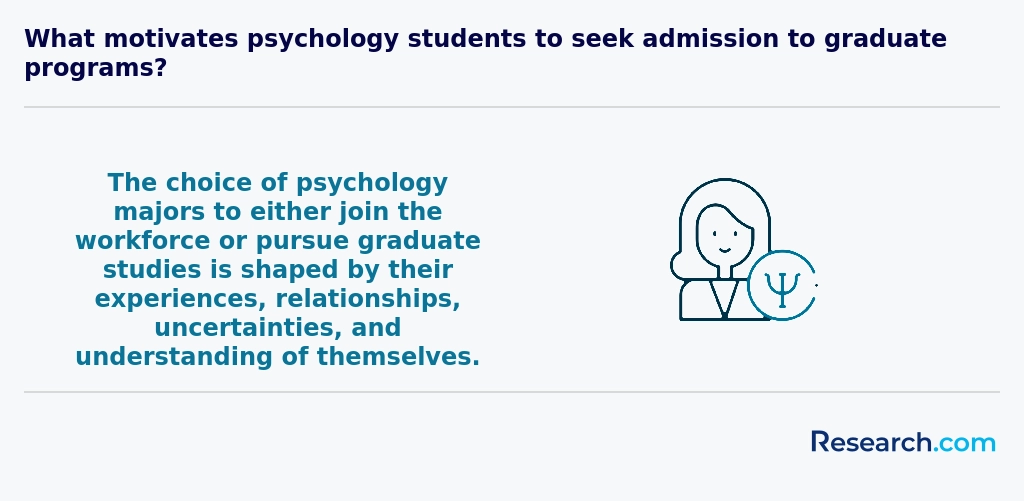
When considering a psychology degree in Texas, one of the most crucial factors to weigh is the cost of the program and its potential return on investment. Prospective students should research the various options available, including affordable psychology programs in Texas, to find a program that fits their budget and aligns with their career goals. By understanding the cost of tuition, fees, and living expenses, as well as the potential salary ranges for psychology graduates in Texas, students can make informed decisions about their educational investments. Additionally, exploring financial aid options, such as scholarships and assistantships, can help alleviate the financial burden of pursuing a psychology degree. Ultimately, the key to making a wise decision is to carefully evaluate the costs and benefits of each program, considering factors such as academic rigor, practical experience, and career support, to ensure that the chosen program provides a strong foundation for a successful and fulfilling career in psychology.
At Texas universities like UT Austin or Texas A&M, psychology students dive headfirst into courses that feel less like textbooks and more like the blueprint of the human mind. Imagine starting with Introduction to Psychology, where graduates recall feeling amazed as they unpacked concepts explaining why we tick the way we do. It's not just theory; it's connecting everyday quirks to brain waves and impulses.
Research Methods in Psychology is another cornerstone, turning curious minds into scientific detectives. These courses train you to design experiments and interpret data, skills prized by Texas employers focused on evidence-based solutions. Picture yourself planning a study on social behavior, inspired by lively campus debates at institutions such as Texas State University.
Biological and Cognitive Psychology courses reveal how nerve cells whisper secrets that shape everything from a smile to a memory flash. Graduates often share how these classes changed their perspectives on mental health and sparked passion for clinical or counseling pathways.
Developmental and Social Psychology deepen this journey, showing how people evolve and influence one another-from childhood playgrounds in Houston to college dorms in Dallas. Coupling this with discussions on ethics ensures Texas students leave ready to make meaningful impacts in real communities.
Imagine diving into clinical psychology at a Texas university, where graduates describe the thrill of working hands-on with diverse communities craving mental health support. Popular across the state, this specialization taps into a shared hope to heal and understand minds, thriving amid Texas's growing demand for expert clinicians. Meanwhile, industrial-organizational psychology offers a different vibe-imagine crafting workplace innovations in Houston's bustling corporate hubs, making employees happier and productivity soar. This exemplifies one of the many Texas psychology program concentration options, perfectly tailored to the sprawling industries here. Developmental psychology students at colleges across Texas often share moments of awe, studying human growth in real time-from toddlers to seniors-aligning academic rigor with heartfelt research.
Forensic psychology, gaining ground in Texas thanks to the expanding criminal justice system, lets students channel curiosity into understanding offenders. Plus, niches like school psychology support Texas's vast public education system, often linked to licensing perks. If you're considering various paths, exploring psychology masters online offers even more specialized adventures.
Choosing the best psychology degree in Texas can feel like navigating a labyrinth of possibilities. Picture a graduate walking through the sprawling campus of the University of Texas at Austin, where vibrant research labs buzz with breakthrough insights, or a master's student at Texas A&M University collaborating on community mental health projects. Their stories echo the vital interplay between program prestige, faculty passion, and real-world application. For those hunting for affordable psychology colleges Texas offers, the challenge is balancing quality education with tuition costs near the $10,000 mark for in-state students, all while keeping an eye on program accreditation and licensure requirements.
Imagine yourself weighing options in the quiet corners of a library, sifting through programs with unique specializations-from forensic psychology to industrial-organizational fields. Graduates often reveal that flexibility through online or hybrid formats was a game changer in managing work and study. If cost is a key factor, exploring the cheapest online bcba programs can provide surprising pathways to a credible degree without geographic limits. This approach makes entering the world of psychology both exciting and attainable.
Ultimately, the best psychology degree programs in Texas are those that combine rigorous academics with hands-on internships and vibrant community ties-elements graduates describe as the heartbeat of their education and future careers.
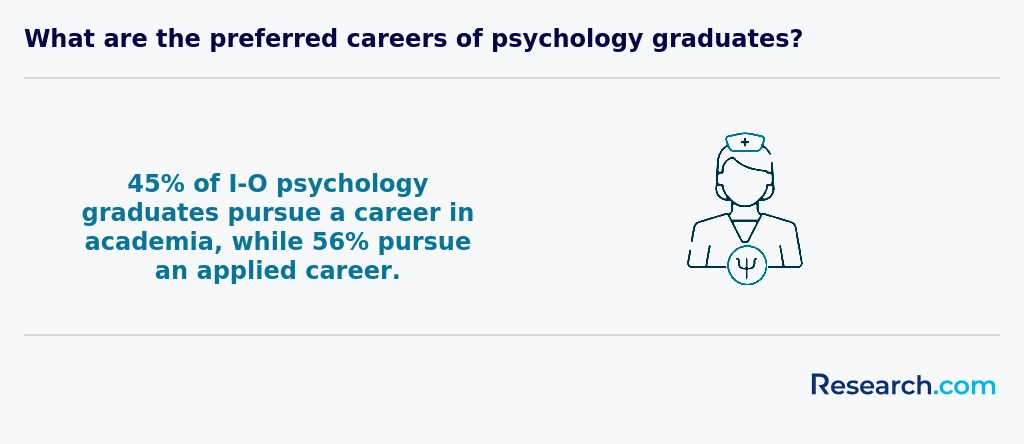
A psychology degree in Texas unlocks vibrant pathways that radiate across clinical settings, schools, and bustling businesses. Graduates from Texas universities often find themselves immersed in the rewarding challenge of clinical psychology, diagnosing and healing minds amidst the dynamic urban pulse of Houston or the collegiate atmosphere of Austin. These roles require deep dedication and doctoral study, but the personal fulfillment blossoms from genuinely transforming lives.
Others dive into school psychology, navigating the hallways of Texas classrooms where mental well-being can spark profound change. Master's and doctoral graduates from well-known colleges embrace this path, feeling the daily impact of supporting students' emotional landscapes, a key example of job opportunities for psychology graduates Texas eagerly offers.
For those drawn to the cerebral thrill of research, Texas's academic and private institutions pulse with possibilities. Here, psychology graduates unravel mysteries of the mind, from cognitive science to neuroscience, igniting new insights that ripple through society.
Industrial-organizational psychology is another magnet for Texas grads, where psychology principles blend with corporate culture to boost morale and productivity in cities like Dallas. This expanding niche reflects exciting psychology career options in Texas.
Prospective students curious about affordable degree options can explore the Most Affordable Online Bachelor's in Psychology Degree Programs Ranking in Missouri as a nearby, budget-friendly alternative to embark on their transformative journey.
Graduates with a psychology degree in Texas dive into a bustling job market fueled by a population of over 30 million and a diverse array of mental health needs. Whether they've honed their skills at flagship schools like the University of Texas at Austin or Texas A&M, these new professionals find opportunities in healthcare, schools, and government agencies where clinical and counseling psychology roles are expanding rapidly. These careers offer more than a paycheck-they create rewarding, impactful lives helping communities thrive.
Many psychology students share stories of starting as case managers or research assistants, gaining valuable experience and earning $40,000 to $50,000 while dreaming of clinical practice. The Texas psychology career opportunities grow as insurance coverage widens and behavioral health tech sectors boom, paving multiple pathways for graduates. Balancing tuition costs-ranging from $9,000 annually at public universities to $30,000 at private schools-against this upward job trajectory is essential for those considering psychology degrees in the Lone Star State. Persistent learners also explore accelerated bachelors degrees online to jumpstart their journey.
2027 Best Psychology Degree Programs Ranking in Texas
Investing in your education is a significant decision that can shape your future, and the Research.com team understands the importance of making informed choices. To assist prospective students in Texas, we have meticulously crafted the "2027 Best Psychology Degree Programs Ranking in Texas." Our commitment to quality, credibility, and accuracy is reflected in the extensive research and analysis conducted to compile this ranking.
We utilized the following reputable data sources to ensure a comprehensive evaluation of psychology programs:
By exploring this ranking, readers will gain valuable insights into the best psychology degree programs available in Texas, empowering them to make well-informed educational decisions. For more details on our methodology, please visit our Research.com methodology page.


Frequently Asked Questions About psychology
Psychology degree students in Texas can maximize their learning experience by engaging in both academic and practical opportunities. Texas hosts over 50 institutions offering psychology programs, including research universities like The University of Texas at Austin and Texas A&M University, known for their strong faculty and resources. Students benefit from participating in internships, research projects, and campus organizations related to mental health.
According to the Texas Higher Education Coordinating Board, involvement in experiential learning improves graduate outcomes and job readiness. Networking with professionals through local psychological associations enhances career prospects. Additionally, utilizing campus counseling centers for practicum experience supports skill development in clinical settings.
The field of psychology in Texas is expanding beyond traditional areas like clinical and counseling psychology. Emerging niches include neuropsychology, which studies brain-behavior relationships, and forensic psychology, applying psychological principles within the legal system. These areas offer growing career opportunities as both the healthcare and legal sectors evolve.
Another rising niche is health psychology, focusing on how psychological factors affect physical health and chronic illness management. Texas' diverse and aging population increases demand for specialists in this field.
Additionally, industrial-organizational psychology is gaining attention, helping Texas businesses improve workplace productivity and employee well-being. According to the U.S. Bureau of Labor Statistics, employment for psychologists in Texas is expected to grow by 12% through 2030, reflecting expanding roles.
After earning a psychology degree in Texas, preparing for the job market involves multiple strategic steps. Many graduates pursue internships or practicum experiences during their studies to build practical skills and professional networks. According to the Texas Behavioral Health Executive Council, licensed psychologists must complete supervised hours, which enhances employability.
Staying informed about Texas-specific licensing requirements, such as those enforced by the Texas State Board of Examiners of Psychologists, is essential for clinical careers. Additionally, graduates benefit from joining organizations like the Texas Psychological Association for networking and job resources.
Data from the U.S. Bureau of Labor Statistics shows that psychology-related employment in Texas is projected to grow by 14% through 2030, highlighting the importance of experience and credentials when entering this competitive market.
Employers in Texas highly value specific skills in psychology degree graduates. Strong communication abilities top the list, as professionals must clearly explain complex psychological concepts to clients and colleagues. Critical thinking and analytical skills are essential for evaluating research data and developing treatment plans. Texas employers also seek proficiency in ethical decision-making, reflecting adherence to state and national psychological standards.
Additionally, cultural competence is increasingly important in Texas's diverse population, helping psychologists provide effective care to various communities. According to the Texas Workforce Commission, employers prefer candidates with practical experience in research or clinical settings. Familiarity with data analysis software is a plus, aligning with growing research opportunities statewide.
Finding internships in Texas relevant to a psychology degree involves a strategic approach. Start by exploring university career centers, which often have partnerships with local hospitals, clinics, and research facilities. Texas is home to numerous psychology-related organizations, such as the Texas Psychological Association, which offer internship listings and networking opportunities.
Another effective method is to visit health systems and community organizations in major cities like Houston, Dallas, and Austin, where behavioral health services are abundant. According to the Bureau of Labor Statistics, Texas employs over 50,000 psychologists and mental health counselors, creating many internship opportunities.
Online platforms such as Handshake and the Texas Workforce Commission's job board also provide updated internship listings specifically for psychology students.
A psychology degree in Texas can significantly enhance career mobility and advancement opportunities. According to the Texas Workforce Commission, employment for psychologists in the state is projected to grow by 17% from 2021 to 2031, faster than the average for all occupations.
Graduates with a bachelor's degree often start in entry-level roles such as case management or behavioral technician positions. Advanced degrees, like a master's or doctorate, open doors to licensed psychology careers, clinical roles, and higher salaries, with median wages exceeding $80,000 annually in Texas.
Professional licensure requirements in Texas encourage continuous education and specialization, which promote upward mobility within healthcare, education, or corporate settings.
Studying for a psychology degree in Texas equips students with skills applicable to various interdisciplinary roles. Many Texas institutions integrate coursework that blends psychology with fields like education, healthcare, and social services. This approach reflects regional workforce needs, where collaboration among professionals is essential.
Texas colleges often emphasize research methods and data analysis, preparing graduates to work alongside experts in business, public health, and criminal justice. According to the Texas Higher Education Coordinating Board, psychology graduates frequently find roles in multidisciplinary teams due to their understanding of human behavior and critical thinking.
Internships and practicum experiences in diverse settings also enhance students' abilities to function effectively in interdisciplinary environments, making Texas psychology programs a well-rounded choice.
Choosing between a thesis and a non-thesis psychology degree program in Texas depends on your career goals and interests. Thesis programs require original research, which benefits students aiming for doctoral studies or research positions.
Non-thesis programs usually focus on coursework and practical skills, suitable for those who want to enter the workforce directly, such as counseling or human services roles.
In Texas, around 35% of psychology graduate students opt for thesis tracks, according to the Texas Higher Education Coordinating Board. Thesis programs can take longer-often two to three years-while non-thesis options may allow faster completion.
Consider your time, interest in research, and post-degree plans when deciding between these options.
Students based in Texas interested in studying psychology abroad have several avenues to consider. Many Texas universities offering psychology degrees, such as the University of Texas at Austin and Texas A&M, have established study abroad partnerships with institutions worldwide. These programs allow students to earn credits toward their psychology degrees while experiencing different cultural approaches to the field. According to the Texas Higher Education Coordinating Board, approximately 15% of Texas undergraduates participate in study abroad, with psychology being one of the popular majors.
Additionally, students can explore exchange programs through organizations like IES Abroad or CIEE, which tailor experiences for psychology students. Such programs often include internships or research opportunities aligned with psychology. International options frequently focus on clinical, social, or developmental psychology, providing diverse perspectives beneficial for future careers. It is important for students to verify credit transfer policies and seek advising to ensure abroad coursework aligns with degree requirements in Texas institutions.
Students pursuing psychology degrees in Texas have various part-time job opportunities that align with their academic and career goals. Common positions include research assistants at universities, where students gain hands-on experience in experimental design and data analysis. Texas universities such as the University of Texas at Austin often have openings for undergraduates in ongoing psychology studies.
Additionally, mental health technician roles in local clinics and hospitals allow students to observe clinical settings and assist professionals. According to the Texas Workforce Commission, jobs in mental health support are expected to grow by over 20% in the next decade.
Positions like academic tutoring or peer counseling also complement coursework by reinforcing psychological concepts and communication skills, enhancing students' resumes for future graduate programs. These roles usually offer flexible hours suitable for balancing school commitments.
Psychology students in Texas have access to numerous networking opportunities that can significantly enhance their academic and professional growth. Many universities, such as the University of Texas at Austin and Texas A&M, host psychology clubs and seminars where students connect with faculty and peers. These events often include guest speakers from local mental health organizations and research institutions.
Additionally, Texas has active chapters of national organizations like the American Psychological Association (APA) and the Association for Psychological Science (APS), which offer conferences, workshops, and mentoring programs. According to the APA, Texas ranks among the top states in psychology research funding, providing students with broad exposure to cutting-edge work.
Internships and practicum placements in Texas healthcare systems, schools, and nonprofit agencies further enhance networking by linking students to local professionals. Universities often partner with these institutions, facilitating direct industry connections that can lead to job offers after graduation.
Alumni networks provide significant advantages for psychology degree students in Texas by offering mentorship, professional connections, and job opportunities. Many Texas universities with psychology programs, such as the University of Texas at Austin and Texas A&M, maintain active alumni groups that regularly host networking events and workshops. According to a 2023 report by the Texas Higher Education Coordinating Board, over 65% of psychology graduates find employment through contacts made within alumni networks. These connections help students access internships and licensure guidance, which are critical steps for careers in psychology. Alumni networks also foster a sense of community and ongoing professional development.
Customizing a psychology degree in Texas allows students to tailor their education to specific career objectives. Many universities offer specializations such as clinical, counseling, forensic, or industrial-organizational psychology. Choosing electives and internships aligned with your interests is key to gaining relevant experience.
Texas boasts over 50 accredited institutions offering psychology programs, with several ranked nationally for research and professional training, according to the Texas Higher Education Coordinating Board. Additionally, students can pursue dual degrees or certificates in related fields like social work or education to broaden career options.
Career-focused customization also involves engaging with Texas-based organizations, gaining licensure knowledge, and utilizing faculty expertise. This approach optimizes readiness for roles in mental health services, corporate settings, or academic research, meeting the diverse demands of Texas's psychology job market.
Psychology students in Texas often face several challenges during their academic journey. One significant difficulty is managing the rigorous coursework combined with practical training requirements. According to the Texas Higher Education Coordinating Board, psychology programs frequently require internships or supervised hours, which adds time and complexity to degree completion.
Financial concerns are also common. The average cost of attending a public university in Texas for psychology majors can exceed $30,000 per year when including tuition, fees, and living expenses, posing a barrier for many students without sufficient scholarships or financial aid.
Additionally, competition for research positions and graduate program placements can be intense, given that Texas has a large number of psychology students but a limited number of high-demand opportunities.
With a psychology degree in Texas, graduates can pursue various professional certifications to enhance their careers. One common certification is the Licensed Professional Counselor (LPC), which requires a master's degree, supervised experience, and passing the Texas state exam. LPCs often work in mental health counseling and therapy.
Another prominent certification is the Licensed Psychologist credential, which requires a doctoral degree, supervised hours, and successful completion of national and state exams. This license allows independent practice and diagnosis of mental disorders in Texas.
Other certifications include Certified Alcohol and Drug Counselor (CADC) and Board Certified Behavior Analyst (BCBA), valuable for those interested in substance abuse or behavioral therapy fields. Texas workforce data shows growing demand for such licensed professionals in community mental health roles.
Applying to psychology programs in Texas requires a clear, focused approach. Start by researching programs accredited by the American Psychological Association (APA), as this ensures quality and eligibility for licensure. Highlight your academic achievements, especially in psychology and related sciences. Texas universities often value applicants with strong GPAs-aim for 3.5 or higher to be competitive, according to Texas Higher Education Coordinating Board data.
Showcase relevant experience such as internships, research projects, or volunteer work in mental health settings. Tailor your personal statement to reflect your commitment to psychology and goals that align with the specific Texas program. Finally, provide strong recommendation letters from professors or professionals familiar with your skills.
A psychology career in Texas offers avenues aligned with global trends emphasizing mental health and human behavior study. Internationally, psychology applies diverse cultural perspectives, influencing approaches to therapy, research, and policy. The U.S. Bureau of Labor Statistics reports that psychology jobs in Texas grow as demand rises, partly due to increased awareness of mental health.
The global demand for psychology professionals reflects the universal need for mental health services and organizational behavior expertise. Texas universities provide degrees that prepare students for roles in counseling, clinical psychology, and research, mirroring worldwide career paths.
Texas, a multicultural state, encourages psychologists to understand diverse populations, a perspective vital in today's interconnected world. Licensing requirements in Texas, regulated by the Texas State Board of Examiners of Psychologists, ensure standards comparable to international norms.
Gaining practical experience during a psychology degree in Texas is essential for career preparation. Many Texas universities encourage students to participate in internships or practicum placements at local hospitals, counseling centers, or research labs. For example, the Texas Higher Education Coordinating Board reports that about 60% of psychology undergraduates engage in such hands-on experiences before graduation.
Students can also join faculty-led research projects, gaining skills in data collection and analysis. Volunteering with community mental health organizations further enhances understanding of real-world challenges. Additionally, some programs require supervised fieldwork to meet licensure prerequisites for advanced psychology careers in Texas.
Choosing the right concentration within a psychology degree program in Texas depends on your career goals and interests. Popular concentrations include clinical, counseling, forensic, and industrial-organizational psychology. Texas colleges often tailor these options to meet regional employment needs; for example, the Texas Workforce Commission reports high demand for clinical psychologists due to mental health initiatives in the state.
Consider how each concentration aligns with licensure requirements and job opportunities. Clinical psychology typically requires further graduate study and supervised hours for licensing in Texas. Forensic psychology can be ideal if you are interested in legal systems, while industrial-organizational psychology focuses on workplace behavior and is growing.
Examine specific programs and their faculty expertise, as well as internship or practicum availability, which are key to practical experience in Texas settings. Reviewing curriculum details and speaking to advisors will help you make an informed choice grounded in local industry trends.
- 2027 Best Psychology Degree Programs Ranking in Louisiana
- 2027 Best Psychology Degree Programs Ranking in Kansas
- 2027 Best Psychology Degree Programs Ranking in Colorado
- 2027 Best Psychology Degree Programs Ranking in Arizona
- 2027 Best Psychology Degree Programs Ranking in Alabama
- 2027 Best Psychology Degree Programs Ranking in Georgia
- 2027 Best Psychology Degree Programs Ranking in Florida
- 2027 Best Psychology Degree Programs Ranking in Iowa
- 2027 Best Psychology Degree Programs Ranking in Illinois
- 2027 Best Psychology Degree Programs Ranking in Indiana
See What Experts Have To Say About Studying Psychology
Read our interview with Psychology experts

Robin M. Kowalski. Ph.D.
Psychology Expert
Professor of Psychology
Clemson University

Elizabeth L. Jeglic Ph.D.
Psychology Expert
Professor of Psychology
City University of New York

Catherine Caldwell-Harris, Ph.D.
Psychology Expert
Associate Professor of Psychology
Boston University

- 2025-2026 Cost of Attendance https://www.utsouthwestern.edu/education/students/financial-aid/cost-of-attendance/graduate/
- Bachelor of Arts (B.A.) Major in Psychology https://mycatalog.txstate.edu/undergraduate/liberal-arts/psychology/psychology-ba/
- A Career in Psychology: 17 Paths | USAHS https://www.usa.edu/blog/career-path-in-psychology/
- Ontario Psychological Association - Networking and Community Resources https://www.psych.on.ca/become-a-member-(1)/member-services/networking-and-community-resources
- Student psychological helpline – challenges and (non) ... https://www.archivespp.pl/pdf-205962-131609
- Texas Online Psychology Degree Programs https://www.onlinepsychologydegrees.com/states/texas/
- Have You Found a Niche? https://www.apaservices.org/practice/business/marketing/building/niche
- Best Types Of Online Psychology Degrees 2025 https://www.psychology.org/degrees/
- Study Psychology Abroad | Go Overseas https://www.gooverseas.com/study-abroad/psychology
- What can I do with a psychology degree? https://www.hull.ac.uk/study/undergraduate/courses/psychology-bsc-hons/what-can-i-do-with-a-psychology-degree


