
2027 Best Online Psychology Degree Programs Ranking in the Midwest

Co-Founder and Chief Data Scientist
Exploring psychology as a field offers a rewarding path to understanding human behavior and making a positive impact in communities. For students in the Midwest, finding the right online psychology degree program is a crucial step toward a fulfilling career.
This article features the 2027 Best Online Psychology Degree Programs Ranking in the Midwest, developed by the Research.com team of data scientists. It helps you navigate options with clear, data-driven insights to identify programs worth considering.
Reading this guide will empower your decision-making and bring you closer to achieving your educational goals confidently.
Key benefits of getting online psychology degree in the Midwest
- Salary for psychology degree graduates in the Midwest can be rewarding, with roles like Human Resources Specialists earning an average of $76,060 annually and Marketing Research Analysts making around $83,190. These figures highlight solid earning potential in diverse fields connected to psychology.
- Potential career paths include roles such as Clinical Research Associate or Survey Researcher, both with average annual wages near $62,370, showing that psychology graduates from universities like the University of Michigan can pursue varied and fulfilling jobs.
- Online psychology degrees offer flexible learning ideal for Midwest students balancing work or family, as shown by graduates from institutions like Western Governors University who appreciate the convenience without sacrificing quality education.
- 2027 Best Online Psychology Degree Programs Ranking in the Midwest
- What can I expect from online psychology degree in the Midwest?
- Where can I work with online psychology degree in the Midwest?
What can I expect from online psychology degree in the Midwest?
The average cost of an online psychology degree in the Midwest typically ranges between $6,000 and $12,000 per year for in-state tuition at public universities. Graduates from institutions like the University of Illinois Springfield often highlight this affordability as a key factor in their decision-making process, enabling them to pursue their studies without incurring heavy debt. For working adults balancing jobs and family commitments, these programs offer flexible schedules that match real-life demands while maintaining academic quality.
Students frequently report positive experiences with the blend of asynchronous lectures and synchronous discussions, which create a supportive virtual learning environment. At Indiana State University, graduates note the value of practicum placements integrated into the curriculum, often arranged locally, which provide hands-on experience critical for future mental health careers. With tuition costs below national averages, many Midwestern online psychology students- including military veterans-appreciate the practical and financial accessibility these programs offer.
Where can I work with online psychology degree in the Midwest?
Graduates with an online psychology degree in the Midwest find diverse employment opportunities fueled by an 8% projected growth in psychology jobs through 2031, according to the U.S. Bureau of Labor Statistics. Many graduates work in healthcare settings, such as hospitals and rehabilitation centers in Illinois and Ohio. For example, those from the University of Minnesota often secure roles as mental health counselors or behavioral health technicians in cities like Minneapolis.
Another common path is school psychology, with graduates from Midwest schools frequently filling roles as school counselors or special education coordinators in K-12 districts. These positions address critical student behavioral health challenges and are in high demand across states like Michigan.
Corporate sectors also welcome psychology graduates, especially in human resources and employee wellness programs within Midwestern manufacturing hubs. Additionally, research roles at universities such as Ohio State University offer assistant or coordinator positions, enhancing clinical or cognitive psychology initiatives.
Understanding state licensure requirements is essential, as many roles need specific certifications. Graduates often express satisfaction entering meaningful careers that directly impact their communities while benefiting from reputable Midwest institutions known for applied psychology education.
Graduates holding an online psychology degree in the Midwest can expect varied earnings influenced by their chosen career path. For instance, Human Resources Specialists, a common role for psychology majors, earn a mean annual wage of about $76,060, according to U.S. Bureau of Labor Statistics data. Marketing Research Analysts, who often apply psychological principles in consumer behavior analysis, report higher average salaries around $83,190 annually.
Many graduates from well-regarded programs at Midwest institutions like the University of Michigan or Indiana University find rewarding roles as Clinical Research Associates or Survey Researchers, each earning roughly $62,370 per year. These jobs blend research skills and psychological knowledge, offering competitive pay while fostering professional growth. Entry-level positions such as childcare workers average around $32,070, typically appealing to those building foundational experience.
Graduates often share positive sentiments about gaining practical skills online that translate well into regional job markets. The Midwest's blend of metropolitan and community settings creates diverse opportunities that match a range of salary expectations, reinforcing psychology's value as a versatile degree choice in this area.
- The cost for a bachelor's degree in psychology in the Midwest ranges from $10,000 to $20,000 per year for in-state students, which is lower than the national average.
- Graduate psychology programs in the region typically cost between $12,000 and $30,000 depending on the school and program length.
- Entry-level psychology jobs in the Midwest start near $40,000 annually, with experienced professionals earning between $60,000 and $75,000.
- The psychology job market is expected to grow about 8% in the next decade, matching the national growth rate for this field.
- Licensure generally requires an accredited degree, clinical hours, and passing an exam; online degrees from Midwest schools usually meet educational standards for licensure.
Completing an online psychology degree in the Midwest typically ranges between three to seven years, depending on the degree level and program structure. Undergraduates pursuing a Bachelor of Arts or Science in Psychology usually finish in about three to four years if enrolled full-time. Graduates from institutions like the University of Missouri often share how accelerated options helped them complete their degrees faster, balancing work and family.
Master's programs, such as those offered at Illinois State University, commonly require two to three years full-time, though part-time paths can extend duration to around four years. Online learners appreciate flexible pacing, which aligns well with personal commitments. Doctoral degrees, including Ph.D. and Psy.D. tracks, extend from five to seven years, blending online coursework with in-person clinical training; many Midwest graduates recount the challenge but satisfaction of integrating research with hands-on internships.
Transfer credits and course load adjustments further tailor duration, allowing many students to navigate their timelines effectively. These timeframes reflect both regional educational norms and positive student experiences at major Midwest universities, underscoring the achievable flexibility of online psychology degrees in this region.
A robust online psychology program goes beyond delivering coursework-it also provides comprehensive student support, a user-friendly learning platform, and resources that foster academic and professional growth. Many leading Midwest institutions excel in offering dedicated academic advising, technical support, online tutoring, and career services that guide students throughout their educational journey. These resources are designed to help students navigate challenges and maximize the benefits of remote learning by promoting interactive engagement, fostering community connections, and streamlining communication with faculty. Moreover, some programs offer accelerated pathways that cater to motivated learners; for instance, you might explore what are the fastest accelerated masters of psychology online degree programs to jumpstart your career while balancing work and personal commitments. Emphasizing an inclusive learning environment, these programs integrate virtual libraries, discussion forums, and responsive support teams that ensure students stay connected and informed-an essential factor in achieving academic success and professional readiness in today's competitive job market.
Online psychology degrees in the Midwest, such as those offered by universities in Illinois and Ohio, provide students with the flexibility to manage coursework alongside jobs and family responsibilities. Graduates frequently report feeling empowered by the ability to access lectures and assignments on their own schedules, making it easier to stay engaged despite busy lives.
In contrast, students attending on-campus programs at Midwestern colleges often emphasize the value of face-to-face interactions. These allow direct participation in research labs and clinical practicum settings, essential for specialties like counseling psychology. One graduate recalled how group discussions and in-person mentoring at a public university enhanced their practical skills and professional confidence.
Cost also differs: while on-campus tuition ranges from $10,000 to $20,000 annually for in-state students, online programs sometimes offer lower costs by eliminating housing and commuting fees, though some institutions charge equivalent tuition for both formats. Both pathways meet rigorous accreditation standards, ensuring graduates receive quality education whether they study online or in person.
Accreditation is the cornerstone of any reputable online psychology program in the Midwest, ensuring that your degree meets rigorous academic standards and qualifies you for licensure. Most top-ranked institutions hold regional accreditation from bodies like the Higher Learning Commission (HLC), while select clinical and counseling tracks pursue programmatic approval from the American Psychological Association (APA). When researching programs, verify both regional and APA accreditation on the university’s website or the U.S. Department of Education database. State licensure requirements vary across the Midwest, but typically include completion of an accredited bachelor’s or master’s degree, supervised clinical hours, and passing a national exam such as the Examination for Professional Practice in Psychology (EPPP). For example, Illinois mandates 3,360 supervised hours and a passing EPPP score, while Ohio requires 1,500 hours under a licensed psychologist plus the EPPP and state jurisprudence exam. Prospective students should consult their state psychology board to understand specific timelines and documentation procedures. Financially mindful applicants may also explore cost-effective accredited programs. Prospective students on a budget can compare options in our Inexpensive Online Bachelor’s in Psychology Degree Programs listing, which features regionally accredited colleges offering competitive tuition rates without compromising quality. By selecting an accredited program and planning for state-specific licensure steps early-such as internship placements with approved supervisors and budgeting for examination fees-you’ll streamline your pathway from graduation to professional practice. This proactive approach not only maximizes your return on investment but also bolsters your eligibility for financial aid, graduate school admission, and employment in healthcare, education, or corporate sectors across the Midwest.
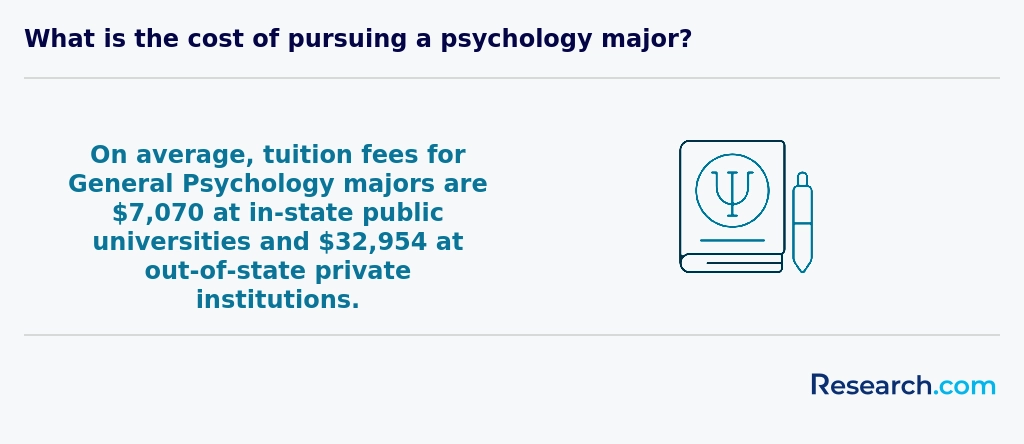
The average cost of an online psychology degree in the Midwest typically centers around $42,780 for the entire program. In-state students benefit from significantly lower tuition rates, with median total costs near $40,680, reflecting the strong public university presence in the region. Out-of-state learners face a higher financial investment, with median total costs rising to about $55,800. Midwest public institutions such as the University of Nebraska-Lincoln and Michigan State University have been noted by graduates for providing affordable yet quality online education experiences, helping them balance educational goals with budget constraints.
Midwest online psychology degree tuition fees vary according to residency status and program type. Bachelor's degrees usually range from $7,000 to $12,000 annually for in-state students, while graduate programs command higher sums, averaging $12,000 to over $30,000 depending on the level of study and school. Doctoral students find costs sometimes exceed $50,000 but highlight the value as a worthwhile investment toward career advancement.
Many students appreciate the flexibility and cost savings of online study, including reduced expenses for commuting and housing. Additionally, the availability of scholarships and financial aid often plays a crucial role in managing expenses. Graduates often recall how the combination of affordable Midwest tuition and financial support helped make earning their degree feasible and rewarding.
Prospective students curious about accelerated studies and faster completion can explore options summarized in what are the fastest accelerated masters of psychology online degree programs, helping them find routes that fit both their timelines and budgets.
Online psychology students in the Midwest can explore various scholarships and financial assistance options to help fund their education. One notable scholarship is the Psi Chi Undergraduate Scholarship, which recognizes academic excellence and involvement in psychology-related activities. Additionally, the American Psychological Association (APA) offers various scholarships and grants for psychology students, including the APA Scholarship Program and the APA Division 17 Scholarship. Students can also consider applying for the National Science Foundation's (NSF) Graduate Research Fellowship Program, which provides funding for graduate students pursuing research-based degrees in psychology. Many universities in the Midwest also offer institutional scholarships, such as the University of Illinois's Psychology Department Scholarship and the University of Wisconsin-Madison's Psychology Scholarship. Furthermore, students can explore external scholarships, like the National Alliance on Mental Illness (NAMI) Scholarship and the American Psychological Foundation (APF) Scholarship. To increase their chances of receiving financial assistance, students should research and apply for multiple scholarships, and also consider part-time jobs, internships, or assistantships to help offset the costs of their education. By taking advantage of these financial aid opportunities, online psychology students in the Midwest can focus on their studies and achieve their academic goals without excessive financial burden.
Students pursuing online psychology degrees in the Midwest often secure federal student aid such as Pell Grants, which offer up to $7,395 annually for those demonstrating financial need, significantly alleviating tuition costs. For instance, graduates from the University of Illinois at Urbana-Champaign describe Pell Grants as essential in reducing their debt burden. Additionally, federal Direct Loans provide flexible repayment options, with graduate psychology students eligible for Direct Unsubsidized Loans up to $20,500 per year.
State-specific scholarships further benefit residents attending institutions like Ohio State University or Michigan State University. Programs such as the Illinois Student Assistance Commission (ISAC) and Ohio College Opportunity Grant are frequently cited by alumni as critical supports for managing expenses in online programs.
Institutional scholarships, including merit- and need-based awards tailored for distance learners, are common at many Midwestern universities. Graduates highlight these as pivotal in making education affordable. Moreover, professional organizations such as regional chapters of the American Psychological Association or Psi Chi offer targeted scholarships, enhancing financial support.
Employer tuition assistance also plays a key role, especially for working professionals balancing studies and careers across the Midwest, providing partial or full course reimbursements.
Ensuring your online psychology degree is accredited and meets state licensure requirements is critical for professional credibility and career mobility. Accredited programs signal high academic standards, while proper licensure allows graduates to practice clinically or counsel in schools, hospitals, and private settings. Key Accreditation Bodies:
- Regional Accreditation: Look for institutions accredited by agencies recognized by the U.S. Department of Education (e.g., HLC, NCA).
- American Psychological Association (APA): APA accreditation is required for many clinical and counseling psychology licenses.
- Council for Accreditation of Counseling and Related Educational Programs (CACREP): Essential for counseling psychology and school counseling tracks. State Licensure Steps: 1. Degree from an APA- or CACREP-accredited program. 2. Supervised clinical experience (typically 1,500–4,000 hours, depending on state). 3. Passing the Examination for Professional Practice in Psychology (EPPP) or National Counselor Examination (NCE). 4. Application to your state board and completion of any additional jurisprudence exams. Supplementary Credentials: For those interested in behavioral interventions, programs offering Board Certified Behavior Analyst (BCBA) coursework can be indispensable. Prospective students seeking specialized training may explore aba online masters programs to fulfill BCBA requirements and enhance employability. Tips for Verifying Program Legitimacy:
- Check the university’s accreditation status on the U.S. Department of Education website.
- Review state psychology board regulations to confirm that an online degree satisfies residency and practicum requirements.
- Contact admissions advisors to clarify licensure pathways and internship placements. By prioritizing accredited programs and understanding licensure prerequisites, students can confidently navigate their educational journey and lay a solid foundation for a successful psychology career in the Midwest.
Enrolling in an online psychology degree in the Midwest typically begins with meeting clear prerequisites that vary by academic level. Undergraduates must hold a high school diploma or GED, with universities like the University of Illinois offering programs that welcome students boasting a GPA around 2.5 to 3.0. Many Midwest schools have relaxed standardized test requirements, increasing accessibility and inspiring graduates who appreciated this flexibility.
Graduate applicants, such as those aiming for programs at Michigan State University, must present a bachelor's degree-often in psychology or a related field-with a minimum GPA near 3.0. Conditional admission options sometimes allow students to complete prerequisite courses online, which many find encouraging and motivational.
For doctoral candidates at institutions like Ohio State University, prerequisites intensify: a master's or substantial psychology coursework is critical, alongside clinical or research experience. Although GRE scores may be requested, some institutions waive these, understanding diverse applicant backgrounds, creating a more inclusive and hopeful application process.
Earning an online psychology degree in the Midwest is just the first step toward a professional career; obtaining the proper licensure and certification ensures you can practice legally and competitively. Requirements vary by state but typically include: • Degree Accreditation: Graduates must hold a regionally accredited bachelor’s degree (or higher) in psychology. To minimize tuition expenses before advancing toward licensure, students may consider exploring Inexpensive Online Bachelor's in Psychology Degree Programs that meet accreditation standards. • Supervised Experience: Most states mandate 1,500–3,000 hours of supervised clinical experience. For example, Illinois requires 1,920 hours under a licensed psychologist, while Indiana and Ohio each demand 3,000 post-master’s supervised hours. • Examinations: Candidates generally must pass the Examination for Professional Practice in Psychology (EPPP) and, in some states, a jurisprudence or ethics exam. Passing scores vary but often align with Association of State and Provincial Psychology Boards (ASPPB) guidelines. • State Board Application: Once education, experience, and exams are complete, applicants submit transcripts, supervisor evaluations, and background checks to their state licensing board-such as the Ohio Board of Psychology or the Illinois Department of Financial and Professional Regulation. By understanding these steps and aligning your online program choices with licensure criteria, you can streamline your path from graduation to a fully credentialed psychology professional in the Midwest.
Online psychology degree programs in the Midwest typically include foundational courses such as Introduction to Psychology, offering students a clear overview of key theories, and Developmental Psychology, which explores human growth through relatable life stages. Graduates from universities like the University of Illinois or Michigan State University often reflect on how Abnormal Psychology helped them understand mental health conditions they encountered during internships or volunteer work.
Research Methods and Statistics are crucial courses that equip students with skills to design and analyze studies, an area many online learners find empowering when applying data in real-world psychological research. Biological Psychology also plays a significant role, connecting brain function to behavior in ways students find fascinating and applicable to clinical and counseling scenarios common in Midwest communities.
Further, programs emphasize counseling techniques, social psychology, and cognitive processes to prepare students effectively for careers in mental health or human resources-fields actively growing in Illinois, Ohio, and Michigan. Practical experience through capstones or internships, frequently encouraged by popular colleges, helps students build confidence and hands-on skills relevant to licensure in these states.
Online psychology degree specializations Midwest programs commonly include clinical, counseling, industrial-organizational, forensic, and developmental psychology. Clinical psychology focuses on diagnosing and treating mental health disorders, with graduates from popular Midwest colleges often reporting rewarding experiences applying therapeutic techniques learned online. Counseling psychology prepares students to support emotional and social challenges, aligning well with the rising 19% national growth in licensed counselor demand. Students appreciate the practical, ethical skill-building in these programs, enhancing their readiness for licensure and practice.
Industrial-organizational psychology is favored by those aiming to improve workplace culture and productivity; Midwest businesses frequently seek such expertise, making it a strategic choice for graduates pursuing corporate roles. Forensic psychology attracts students interested in the intersection of mental health and law enforcement, with online programs providing niche training that resonates with graduates working alongside legal systems. Developmental psychology focuses on lifespan growth, drawing students motivated by careers in education and child development. Many students at well-regarded regional institutions value the flexibility these Midwest psychology degree concentration options offer while preparing for diverse careers.
Tuition costs in the region typically range between $10,000 and $30,000 annually, often lower for in-state students, making the programs accessible. Graduates also explore aba online masters programs to complement their skill sets, reflecting the dynamic paths enabled by these offerings.
Choosing the best accredited online psychology degrees Midwest involves verifying accreditation by bodies such as the American Psychological Association or regional organizations like the Higher Learning Commission. Graduates from well-accredited Midwestern institutions often highlight how this recognition streamlined their licensure process and graduate school applications. Curriculum variety is equally critical; many online programs offer specializations like clinical or forensic psychology, enabling students to tailor their studies toward practical career paths. For example, online learners at prominent Midwestern universities appreciate practicum placements within nearby communities, combining flexibility with vital hands-on experience.
Cost differences can be stark; public universities in the Midwest average around $10,000 annually for in-state tuition, while private schools may exceed $20,000. Graduates emphasize weighing financial aid and total costs carefully to avoid unforeseen debt. For those seeking affordable online psychology programs in the Midwest, exploring options via Inexpensive Online Bachelor's in Psychology Degree Programs is beneficial.
Graduates with an online psychology degree in the Midwest frequently pursue careers as licensed mental health counselors, therapists, or behavioral health technicians, especially in states like Illinois, Ohio, and Michigan where licensure requires a master's degree and supervised experience. Psychology-related positions in this region are growing, with Illinois reporting a 12% increase in mental health counselor jobs from 2020 to 2030, indicating a strong regional demand aligned with workforce needs.
Many online graduates from prominent Midwestern institutions find opportunities as case managers or human resource assistants, roles that leverage psychology training in diverse settings. Others advance to doctoral programs focusing on clinical, school, or industrial-organizational psychology - the latter being particularly relevant given the Midwest's concentration of manufacturing and corporate sectors.
Furthermore, online psychology degree careers Midwest include research roles at universities and public health organizations. Graduates involved with universities such as the University of Michigan have contributed to evidence-based behavioral research supporting regional health initiatives. For students weighing costs, the average program price range of $10,000 to $30,000 per year at public universities enhances access to these career pathways. To explore affordable options, consider programs highlighted in Inexpensive Online Bachelor's in Psychology Degree Programs.
The job market for online psychology degree jobs Midwest is robust, driven by steady regional demand across healthcare, education, and social services. Graduates from reputable institutions such as the University of Michigan and Ohio State University report positive employment outcomes, finding roles like behavioral health specialist or research coordinator within state health networks. Employers highly regard online degrees, especially when combined with licensure or certification, reflecting a shift in acceptance post-pandemic.
Midwest psychology degree career outlook includes competitive salaries ranging from $40,000 to $60,000 annually for entry-level positions, with experienced psychologists earning up to $83,000 in states like Illinois. Many graduates appreciate the practical skill development found in online programs that prepare them for rural and urban settings alike, emphasizing communication and cultural competence.
Cost remains a key advantage for Midwest students, with online program tuition generally between $7,000 and $12,000 yearly. Students seeking advancement often explore easiest masters programs to get into that balance affordability with quality education, enabling career progression without excessive debt.
2027 Best Online Psychology Degree Programs Ranking in the Midwest
Investing in your education is a significant decision that can shape your future, and the Research.com team understands the importance of making informed choices. To assist prospective students in the Midwest, we have meticulously crafted the "2027 Best Online Psychology Degree Programs Ranking in the Midwest." Our commitment to quality, credibility, and accuracy is reflected in the extensive research and analysis conducted to compile this ranking.
We utilized the following reputable data sources to ensure a comprehensive evaluation of psychology programs:
By exploring this ranking, readers will gain valuable insights into the best online psychology degree programs in the Midwest, empowering them to make informed and confident decisions about their educational journeys. For more details on our methodology, please visit our Research.com methodology page.
# 1 position
University of Wisconsin-Madison
Master of Educational Psychology: Professional Educators


# 5 position
Kansas State University
Master of Psychology with an emphasis in Industrial and Organizational Psychology

# 7 position
University of Missouri
Doctor of Psychiatric Mental Health Nurse Practitioner (Across the Lifespan)
# 8 position
Augustana University
M.Ed. SPED-ABA Master of Education in Special Education-Applied Behavior Analysis

# 9 position
Bethel University, Minnesota
Bachelor of Psychology


# 12 position
Missouri University of Science and Technology
Master of Industrial-Organizational Psychology



Frequently Asked Questions About psychology
Students pursuing online psychology degrees in the Midwest can maximize their learning by actively engaging with virtual class discussions and utilizing regional academic resources. Many Midwest universities offer virtual tutoring and counseling services designed to support psychology students throughout their studies. According to the National Center for Education Statistics, approximately 65% of psychology majors in the U.S. benefited from online academic support in 2022, underscoring its value.
Furthermore, joining local psychology associations, such as the Midwest Psychological Association, provides networking and internship opportunities relevant to their geographic area. Staying informed about Midwest-specific psychological research and trends through university webinars and journals enhances practical understanding.
Regular time management and participation in simulation tools or case studies offered by their institutions also contribute greatly to success in online psychology programs.
Emerging niches within the psychology field are shaping new career opportunities for students pursuing online degrees, especially in the Midwest. One growing area is health psychology, which focuses on how mental, emotional, and social factors influence physical health. According to the American Psychological Association, demand for health psychologists is expected to rise by 14% nationally through 2030.
Another developing specialty is industrial-organizational psychology, which applies psychological principles to workplace productivity and employee well-being. This niche is attractive in the Midwest due to the region's diverse manufacturing and service industries.
Additionally, forensic psychology is gaining prominence, with the Bureau of Labor Statistics projecting faster-than-average job growth in this field. For students interested in technology, neuropsychology is expanding as research advances in brain-behavior relationships.
After completing an online psychology degree in the Midwest, preparing for the job market involves strategic steps. Start by gaining practical experience through internships or volunteer work, which are highly valued by Midwestern employers. According to the Bureau of Labor Statistics, psychology-related jobs in the Midwest are expected to grow by about 8% through 2031, emphasizing the importance of hands-on skills.
Networking with local psychology associations and attending regional conferences can connect you with professionals and potential employers. Additionally, obtaining relevant certifications, such as Licensed Psychological Associate (LPA) in states like Illinois, can enhance job prospects. Make sure to tailor your resume to reflect both your degree and applicable experience.
Employers in the Midwest value psychology graduates who demonstrate strong analytical and critical thinking skills. These abilities enable professionals to assess behavioral data effectively and support evidence-based interventions. According to the Bureau of Labor Statistics, problem-solving skills are consistently highlighted in job postings for psychological assistants and counselors across Midwestern states.
Communication is another essential skill. Graduates must convey complex psychological concepts clearly to clients, colleagues, and stakeholders. The American Psychological Association emphasizes cultural competence and ethical awareness as crucial, especially given the Midwest's diverse populations.
Research experience, often gained through online programs, also sets candidates apart. Familiarity with statistical software and data interpretation can enhance employability in clinical and applied psychology roles throughout the region.
Finding internships in the Midwest for psychology students involves utilizing regional resources and university partnerships. Many Midwestern schools collaborate with local healthcare providers, mental health clinics, and social service agencies to offer internship placements aligned with psychology curricula.
Students should explore platforms like Handshake or the American Psychological Association's internship listings, which include Midwestern opportunities. Networking through local chapters of professional organizations such as the Midwest Psychological Association also helps identify openings.
According to the National Association of Colleges and Employers, around 70% of internships in the Midwest lead to job offers, highlighting the value of securing relevant experience. Additionally, contacting university career centers dedicated to online students ensures access to region-specific internship guides and support.
An online psychology degree in the Midwest can significantly enhance career mobility and advancement opportunities. Many employers recognize accredited online psychology programs from established Midwestern universities, valuing flexibility alongside quality education. According to the Bureau of Labor Statistics, the Midwest expects a 13% growth in psychologist employment by 2031, creating more job openings.
Graduates often move into roles such as clinical psychologists, counselors, or human resource specialists. Online degrees offer the chance to build relevant skills through internships and supervised experiences, which are crucial for licensure and career advancement. This flexibility helps students maintain employment while studying, making career progression more attainable.
Institutions like the University of Iowa and Michigan State University report strong graduate employment rates locally, reflecting the value of their online degrees in the regional job market.
Studying for a psychology degree in the Midwest offers strong preparation for interdisciplinary roles due to the region's emphasis on collaborative learning and practical application. Many Midwestern universities integrate psychology with fields like social work, education, and healthcare, reflecting workforce demands. According to the National Center for Education Statistics, Midwestern institutions award a significant portion of psychology degrees combined with minors or certificates in related fields.
Online psychology programs in the Midwest often include coursework in statistics, ethics, and human development, essential for interdisciplinary careers. This broad foundation enables graduates to work effectively in teams, addressing complex social and health issues with diverse perspectives.
The region's focus on community engagement and research opportunities also strengthens skills needed in interdisciplinary settings, aligning with employer expectations across sectors such as mental health, marketing, and public policy.
Choosing between a thesis and a non-thesis psychology degree in the Midwest depends largely on your career goals. A thesis program emphasizes research and is ideal if you plan to pursue a doctoral degree or work in research-heavy roles. According to the National Center for Education Statistics, approximately 40% of psychology master's students in the Midwest opt for thesis tracks for this reason.
Non-thesis programs focus more on practical skills, suitable for those entering clinical practice or counseling. These often include internships or applied projects. Many Midwest online programs, such as those at the University of Illinois Springfield, offer this option to accommodate working professionals.
Consider the type of learning you prefer and your future plans when deciding.
Midwestern students interested in studying psychology abroad typically explore exchange programs or partnerships facilitated by their home institutions. While online psychology degrees dominate in the Midwest, some universities offer study-abroad opportunities that allow students to gain international experience without interrupting their U.S. degree progress.
For example, programs affiliated with the Midwest Psychological Association often promote global research collaboration, enhancing practical exposure. According to the National Center for Education Statistics, about 15% of Midwestern psychology undergraduates participate in study-abroad experiences, mainly in Europe and Canada.
Such options enable students to access diverse psychological perspectives and research methodologies while maintaining online or in-person enrollment domestically.
Part-time job opportunities in the Midwest that complement psychology degree education often include roles such as behavioral technician, research assistant, and mental health aide. These positions provide practical experience in applying psychological principles outside the classroom. For example, behavioral technicians in states like Illinois and Ohio support clients with developmental disabilities, offering valuable hands-on learning.
Research assistants at Midwestern universities contribute to ongoing psychological studies, enhancing both academic knowledge and research skills. According to the Bureau of Labor Statistics, employment for mental health counselors in the Midwest is expected to grow by 15% by 2031, indicating increasing opportunities in this sector. Such roles allow students to align work experience directly with their educational goals.
Online psychology students in the Midwest have access to diverse networking opportunities through local professional organizations and university-sponsored events. Groups like the Illinois Psychological Association and the Michigan Psychological Association offer workshops, conferences, and virtual meetups that foster connections among students and professionals.
Regional psychology conferences, such as the annual meeting hosted by the Midwest Psychological Association, provide platforms for students to present research and engage with experts. Many Midwestern universities also support student chapters of national bodies like the American Psychological Association, which facilitate mentorship and career guidance.
Additionally, Midwestern online programs often encourage internships and practicum placements within local clinics and agencies, enabling invaluable face-to-face networking that complements online interactions.
Alumni networks play a crucial role in supporting online psychology degree students in the Midwest. These networks often provide access to professional connections that can help with internships, job placements, and mentorship opportunities. According to the National Association of Colleges and Employers (NACE), 85% of jobs are filled through networking, making alumni connections vital for career advancement.
Midwest institutions tend to have strong regional alumni groups, offering events and online platforms tailored for psychology graduates. This creates a supportive community, especially valuable for online learners who may lack on-campus interaction. Additionally, these networks often share job leads and industry updates specific to the Midwest psychology job market.
Customizing an online psychology degree in the Midwest allows students to align their studies with specific career goals. Many Midwestern universities offer elective courses in areas like clinical psychology, counseling, or industrial-organizational psychology. According to the National Center for Education Statistics, flexibility in course selection increased by 15% at Midwestern institutions from 2018 to 2023.
Students can also choose programs accredited by the American Psychological Association (APA), which is essential for licensure in states like Illinois and Ohio. Additionally, some schools provide internship or practicum opportunities that match local job markets, helping students gain relevant hands-on experience.
Advisors in these programs typically work with students to tailor coursework and fieldwork based on personal career ambitions, ensuring graduates meet professional standards common in the Midwest's psychology job sector.
Online psychology students in the Midwest often face challenges related to limited local internship placements. Many psychology programs require practical experience, but rural areas in states like Iowa and Nebraska have fewer opportunities compared to urban centers. According to the National Center for Education Statistics, this can delay graduation timelines for some students.
Additionally, inconsistent internet connectivity poses a significant hurdle, especially in regions with underserved broadband infrastructure. This affects participation in synchronous lectures and access to digital resources.
Finally, students report difficulty in building peer and faculty connections remotely, which are crucial for mentorship and professional networking within the psychology field.
With an online psychology degree, students in the Midwest can pursue several professional certifications to enhance their careers. Common certifications include becoming a Licensed Professional Counselor (LPC) or Licensed Clinical Social Worker (LCSW), which require a master's degree plus supervised clinical hours. For those interested in specialized fields, certifications such as Certified Alcohol and Drug Counselor (CADC) are accessible and regulated by state boards in the Midwest.
Additionally, certifications like the Board Certified Behavior Analyst (BCBA) are available for graduates focusing on applied behavior analysis. According to the National Board for Certified Counselors, the demand for these certifications in the Midwest continues to grow alongside mental health services.
To write a winning application for an online psychology program in the Midwest, start by researching accredited institutions recognized by the American Psychological Association or regional accreditors like the Higher Learning Commission. Midwest schools often emphasize clear career goals in psychology, so articulate your motivation and how the program fits your professional plans.
Highlight relevant experience, such as internships or volunteer work in mental health settings, even if informal. Use strong, specific examples that show your commitment to psychology. Midwest programs value applicants who demonstrate both academic readiness and practical engagement.
Prepare a concise, well-organized personal statement, and ensure your letters of recommendation come from professionals familiar with your work ethic or academic ability. According to the National Center for Education Statistics, online enrollment in Midwest psychology programs has grown steadily, making competition stronger, so polished application materials are crucial.
Psychology careers in the United States, including the Midwest, reflect a growing global interest in mental health and human behavior. The U.S. Bureau of Labor Statistics forecasts a 8% job growth for psychologists through 2031, which aligns with international trends emphasizing psychological well-being.
Globally, practitioners often specialize in areas like clinical, counseling, and industrial-organizational psychology, which are also prominent fields within the Midwest. Midwest universities offering online psychology degrees follow accreditation standards that support global recognition of these programs.
International collaboration and research in psychology continue expanding, benefiting U.S. graduates seeking careers influenced by diverse psychological perspectives and methodologies.
Gaining practical experience while studying for an online psychology degree in the Midwest often involves completing internships or practicum placements at local mental health facilities, schools, or community organizations. Many Midwestern universities with online programs collaborate with nearby agencies to help students fulfill these requirements. According to the American Psychological Association, hands-on training is critical for licensure and enhances job prospects.
Students can also participate in virtual internships or research projects under faculty supervision, which are becoming more common. The Midwest offers diverse opportunities, from urban centers like Chicago to smaller communities, where psychology students can build practical skills and professional networks.
Choosing the right concentration within an online psychology degree program in the Midwest involves assessing your career goals and interests. The Midwest offers various specializations, including clinical, counseling, educational, and industrial-organizational psychology. According to the Bureau of Labor Statistics, industrial-organizational psychology is growing faster than average in the region, making it a promising field.
Consider program accreditation and whether the concentration aligns with licensure requirements in your state. Reviewing faculty expertise and available resources can also guide your choice. Finally, explore demand for psychologists in the Midwest through resources like the National Science Foundation and regional employment data to make an informed decision.
See What Experts Have To Say About Studying Psychology
Read our interview with Psychology experts

Joann Farrell Quinn, Ph.D., MBA
Psychology Expert
Director at the College of Medicine Department of Medical Education
Morsani College of Medicine

Elizabeth L. Jeglic Ph.D.
Psychology Expert
Professor of Psychology
City University of New York

Robin M. Kowalski. Ph.D.
Psychology Expert
Professor of Psychology
Clemson University

- What Certifications Can I Get With A Bachelor's In Psychology? https://www.psychology.org/resources/certification-skills-for-psychology-major-resumes/
- Ontario Psychological Association - Networking and Community Resources https://www.psych.on.ca/become-a-member-(1)/member-services/networking-and-community-resources
- Alumni Perspectives - Meet Our FPN Alumni https://www.aanmelder.nl/alumni-perspectives-june-2023
- Doctor of Clinical Psychology Program https://www.midwestern.edu/academics/degrees-programs/college-health-sciences/doctor-clinical-psychology-program
- Online Psychology Schools in Wisconsin https://www.onlinepsychologydegrees.com/states/wisconsin/
- Community Psychology in Global Perspective http://siba-ese.unisalento.it/index.php/cpgp
- Sample letters in psychology https://www.mystudies.com/en-in/human-and-social-sciences/psychology/letter-model/
- Society for the Teaching of Psychology https://teachpsych.org/page-1784686/8675326
- Online Psychology Major https://www.hamline.edu/academics/online-bachelors-psychology-major
- FAFSA Approved Medical Programs | Midwest Institute MO https://www.midwestinstitute.edu/financial-aid/





