
2027 Most Valuable Nursing Degree Programs Ranking in Fayette

Co-Founder and Chief Data Scientist
Choosing the right nursing degree program can shape your future in many rewarding ways. This article presents the 2027 Most Valuable Nursing Degree Programs Ranking in Fayette, carefully crafted by the Research.com team of data scientists. It's designed to guide you through the best options available locally, helping you make a well-informed decision.
Whether you're just starting or seeking to advance your career, understanding which programs offer the most value is key. Reading this will empower you with clear insights and confidence.
Key benefits of getting nursing degree in Fayette
- Salary for nursing degree graduates: Graduates working as Registered Nurses in Fayette can expect a mean annual wage of $94,480, while Operating Room Nurses earn significantly more, with an average salary of $128,490, offering rewarding financial stability.
- Career paths: A typical Fayette nursing graduate finds diverse opportunities ranging from Public Health Nursing to Emergency Room Nursing, ensuring flexibility and growth in various healthcare environments.
- Online degree benefits: Completing a nursing degree online from a popular Fayette university allows students to balance work and study efficiently, making career advancement more accessible and less stressful compared to traditional programs.
- 2027 Most Valuable Nursing Degree Programs Ranking in Fayette
- What can I expect from nursing degree in Fayette?
- Where can I work with nursing degree in Fayette?
What can I expect from nursing degree in Fayette?
When considering the cost of pursuing a nursing degree in Fayette, you'll find that tuition varies depending on the type of program and institution. For example, graduates from community colleges offering Associate Degree in Nursing programs often share how affordable their education was, typically costing between $4,000 and $8,000 per year for in-state students. This makes starting your nursing journey accessible without overwhelming financial stress.
On the other hand, those who pursued their Bachelor of Science in Nursing at Fayette's local universities experienced slightly higher tuition, generally ranging from $10,000 to $20,000 annually. Many graduates recall that these programs offered robust financial aid packages and scholarships that helped lighten the burden, making the investment worthwhile.
Imagine walking through campus halls at these institutions, surrounded by peers who balance classroom theory with hands-on clinical rotations in nearby hospitals. The practical experience you gain directly complements the cost, preparing you confidently for your future career. Knowing this can help you plan both financially and academically as you take your first steps into nursing in Fayette.
Where can I work with nursing degree in Fayette?
Graduates from Fayette's nursing programs often find themselves welcomed across diverse healthcare settings, a testament to the strong reputation of local colleges in preparing skilled nurses. Many step into roles at Fayette Memorial Hospital, working in dynamic units like emergency care or surgical nursing, where quick thinking and compassion are everyday demands. Others share how community health centers become fulfilling workplaces, allowing them to focus on preventive care and chronic disease management-a perfect fit if you're passionate about making a real difference in local neighborhoods.
Long-term care facilities and assisted living centers also offer rewarding opportunities. Imagine supporting an elderly patient with gentle care and rehabilitation, knowing your work improves their quality of life. Home healthcare agencies, increasingly popular among recent graduates from Fayette's nursing colleges, provide flexible, hands-on roles helping patients recover at home, blending medical expertise with heartfelt personal connection.
For those inspired to grow further, nursing education, administration, or research paths within Fayette's healthcare organizations await. These options reflect the depth of career possibilities that start right here, fueled by the excellent training and community ties you'll build throughout your studies.
Graduates with a nursing degree in Fayette can expect rewarding earnings that reflect both their dedication and the robust healthcare market in the region. For example, registered nurses typically earn around $94,480 annually, which aligns well with the U.S. Bureau of Labor Statistics data. This figure is especially encouraging for students completing their degree programs at well-known Fayette colleges, where hands-on training prepares them for these roles confidently.
Many graduates find themselves stepping into roles as clinical nurse educators or public health nurses, both offering similar mean annual wages near $94,480. These positions are not only financially stable but also provide fulfilling opportunities to impact community health directly-a reality many Fayette nursing alumni proudly share.
For those aiming higher, operating room nursing stands out with a mean salary of $128,490, rewarding advanced skills and specialization. Fayette students who pursue these paths often describe the combination of competitive pay and meaningful work as a powerful motivator during their studies.
One graduate recently reflected on how the supportive faculty at a Fayette nursing program helped build both skill and confidence to pursue well-paying specialty nursing roles. Such experiences underscore the positive trajectory a nursing degree in Fayette can offer.
- Tuition for nursing programs in Fayette ranges from $12,000 to $25,000 for associate degrees and $30,000 to $45,000 for bachelor's degrees.
- Entry-level registered nurses in Fayette earn about $58,000 annually, with salaries rising to around $75,000 after five to ten years of experience.
- The nursing job market in Fayette is growing steadily, with demand driven by an aging population and expanding healthcare facilities.
- Most nursing programs include supervised clinical hours in local hospitals, providing essential hands-on training for licensure and job readiness.
- Nursing programs in Fayette are generally accredited by the ACEN or CCNE, ensuring they meet national education standards.
In Fayette, completing a nursing degree depends largely on the path you choose, and each offers a unique journey worth pursuing. Many graduates from local community colleges share how the Associate Degree in Nursing (ADN) took them about 2 to 3 years, blending hands-on clinical experiences with practical classroom learning. This route allows you to start working as a Registered Nurse relatively quickly, opening doors to rewarding opportunities sooner.
For those attending universities that offer a Bachelor of Science in Nursing (BSN), like Fayette State University, expect a more comprehensive experience that typically takes around 4 years. Graduates often highlight the pride and confidence gained from deeper leadership training and broader clinical exposure, preparing them for advanced roles in healthcare.
Accelerated BSN programs in Fayette also attract students who already hold degrees and want to fast-track their nursing careers in as little as 12 to 18 months. These programs can feel intense but inspire a thrilling sense of accomplishment as you transition quickly into nursing.
Many students appreciate part-time or hybrid options offered at local schools, allowing them to balance work and study over 3 to 6 years, proving that dedication and flexibility can make your nursing dream achievable on your own terms.
When evaluating nursing programs in Fayette, MO, it's crucial to consider the accreditation status and quality assurance measures in place. Accreditation from recognized bodies such as the Commission on Collegiate Nursing Education (CCNE) or the Accreditation Commission for Education in Nursing (ACEN) ensures that the program meets rigorous standards for nursing education. Prospective students should look for programs that have undergone a thorough evaluation process, demonstrating their commitment to providing high-quality education. For instance, students interested in valuable nursing programs in Missouri can explore options that have been accredited by these reputable organizations. By choosing an accredited program, students can be confident that they are receiving the education and training necessary to succeed in their nursing careers.
Choosing between an online and an on-campus nursing degree in Fayette often depends on your personal lifestyle and learning preferences. Graduates from Fayette's well-regarded state universities often share how on-campus programs gave them meaningful face-to-face time with instructors and hands-on experience in labs-an advantage when mastering clinical skills.
Conversely, those who balanced family or work commitments found online programs ideal for flexibility. They could access lectures on their own schedule while still completing essential in-person clinical hours at local hospitals.
Imagine a nursing student at a Fayette community college who works full-time but progresses steadily thanks to part-time online options. Or picture another who thrives in the energizing atmosphere of campus life, building connections with peers and faculty during on-site classes.
Costs also differ; Fayette's public colleges offer affordable tuition for on-campus students, but online learners may pay extra technology fees. Despite differences, both paths demand dedication and clinical practice, molding you into a compassionate, skilled nurse ready to serve your community.
Graduating from an accredited nursing program in Fayette, MO is only the first step toward practicing as a registered nurse. To become licensed and maintain professional standing, follow these core requirements:
- Complete an accredited nursing curriculum approved by the Missouri State Board of Nursing, ensuring eligibility for the NCLEX-RN exam.
- Register with Pearson VUE and schedule your NCLEX-RN, the national licensure exam assessing clinical competencies.
- Submit your license application, official transcripts and background check materials to the Missouri State Board of Nursing, along with required fees.
- Pass the NCLEX-RN exam to receive your initial RN license; Missouri’s current pass rates exceed 87%, reflecting strong program preparation.
- Renew your license every two years by completing at least 24 contact hours of approved continuing education and submitting renewal fees.
For aspiring students, verifying program accreditation-such as those highlighted in our nursing school california guide-can streamline eligibility for licensure and ensure a smooth pathway to employment.
When considering the average nursing degree cost in Fayette, expect to invest around $17,850 for in-state students, which reflects the median total cost at local institutions. Many graduates from popular colleges in Fayette describe feeling a strong sense of achievement knowing they secured quality education without the heavy burden of exorbitant tuition fees. Public universities in Fayette offer Bachelor of Science in Nursing (BSN) programs priced reasonably compared to private options, providing a valuable opportunity for students to pursue nursing without overwhelming debt.
For students exploring shorter programs like the Associate Degree in Nursing (ADN) or Licensed Practical Nurse (LPN) certificates, community colleges in Fayette often present even more affordable paths. These programs typically cost under $7,000 total, making the total cost of nursing programs Fayette 2027 friendly for those balancing work and study. Additional expenses for uniforms, clinical fees, and testing can add up, but many students successfully manage these through scholarships and financial aid, which greatly ease the financial pressure.
Graduates frequently mention how the local affordability combined with hands-on clinical opportunities helped them build confidence and practical skills. It's important to factor in these extra costs alongside tuition when making your financial plans. Students also find it rewarding to explore resources and support tailored to nursing students, which can be crucial for overcoming the nursing education challenges faced throughout the journey.

Accreditation and licensure exam performance are critical indicators of nursing program quality in Fayette, MO. All top nursing schools in Fayette must hold accreditation from recognized bodies such as the Commission on Collegiate Nursing Education (CCNE) or the Accreditation Commission for Education in Nursing (ACEN). These accreditations ensure that curricula meet national standards, which directly impacts graduates’ readiness for the NCLEX-RN exam. Recent data shows that Central Methodist University boasts a 92% first-time NCLEX pass rate, while the University of Central Missouri reports an 89% pass rate. State Fair Community College graduates achieved an impressive 87% rate, underscoring the effectiveness of hands-on clinical rotations and faculty mentorship. Prospective students should verify each program’s published NCLEX outcomes, as higher pass rates often correlate with stronger clinical training and comprehensive exam prep resources. For those interested in advancing beyond the RN level, exploring accelerated pathways is essential. After earning your BSN in Fayette, you might consider our list of the best accelerated nurse practitioner online programs to fast-track your career into advanced practice roles. Accurate accreditation status and strong NCLEX performance data provide assurance that you’re choosing a program aligned with both regulatory requirements and industry expectations.
If you're studying nursing in Fayette, financial aid can truly ease your journey, making those tuition bills far less daunting. Graduates from community colleges near Fayette often praise Pell Grants, which can cover thousands without the worry of repayment. Imagine focusing fully on your studies without the cloud of debt-that's the power of programs like the Pell Grant or FSEOG, especially for those demonstrating financial need.
Direct Subsidized Loans are another real help, as any interest stops accumulating while you're enrolled, giving students at local universities breathing room to learn and grow. Many nursing grads recall how combining these loans with state-funded aid, like the Georgia HOPE Scholarship, made education accessible and affordable.
Local hospitals and nonprofits also support promising students with scholarships, encouraging you to contribute back to Fayette's healthcare community. Plus, work-study roles in clinics let you earn while gaining precious hands-on experience, bringing textbook lessons to life. Many find comfort knowing that after graduation, options like tuition reimbursement and loan forgiveness can lighten the financial load as you begin your vital nursing career.
One of the most telling indicators of a nursing program’s quality is its NCLEX-RN pass rate, as it directly reflects how well students are prepared for licensure and entry into professional practice. In Fayette, MO, top programs consistently report first-time pass rates exceeding 90%, demonstrating robust curricula, expert faculty guidance, and well-structured review courses. For example, Central Methodist University’s BSN cohort achieved a 95% first-time pass rate in 2023, while the Associate Degree in Nursing at State Fair Community College reported a 92% success rate. To support students in mastering the NCLEX-RN, many institutions integrate dedicated licensure prep modules throughout the curriculum. These often include practice question banks, simulation lab assessments, and weekly review workshops led by nurse educators. Graduates frequently cite these resources as instrumental to their confidence and readiness: “The targeted review sessions made the difference between feeling overwhelmed and walking into the exam calm and prepared,” recalls one alum. Achieving a high pass rate not only boosts program reputation but also accelerates career advancement. Nurses who pass on their first attempt secure jobs more quickly and can pursue advanced roles sooner. For those looking to fast-track into graduate nursing, exploring the easiest direct-entry MSN programs can open pathways to leadership, advanced practice, and education roles immediately after initial licensure. By choosing a Fayette, MO program with proven NCLEX-RN success, prospective students ensure a strong foundation for both immediate entry and future academic progression.
To enroll in a nursing degree program in Fayette, you must first hold a high school diploma or GED-this essential foundation prepares you for the challenging coursework ahead. Many graduates from institutions like Fayette State College recall how completing prerequisite courses such as human anatomy, microbiology, and nutrition gave them a strong head start.
Beyond coursework, expect to submit standardized test scores like the ACT or SAT, though some Fayette schools have adapted these requirements recently, easing the path during uncertain times. Letters of recommendation and personal statements are key; they offer a chance to showcase your passion and commitment. Sharing volunteer experiences in healthcare settings demonstrates real-world readiness, a tip shared by many successful alumni.
Clinical placements in Fayette hospitals demand background checks and drug screenings, making these steps mandatory. Finally, maintaining a competitive GPA-usually between 2.5 and 3.0-is vital to secure your spot in nursing programs, a standard well-understood by graduates who found it motivating.
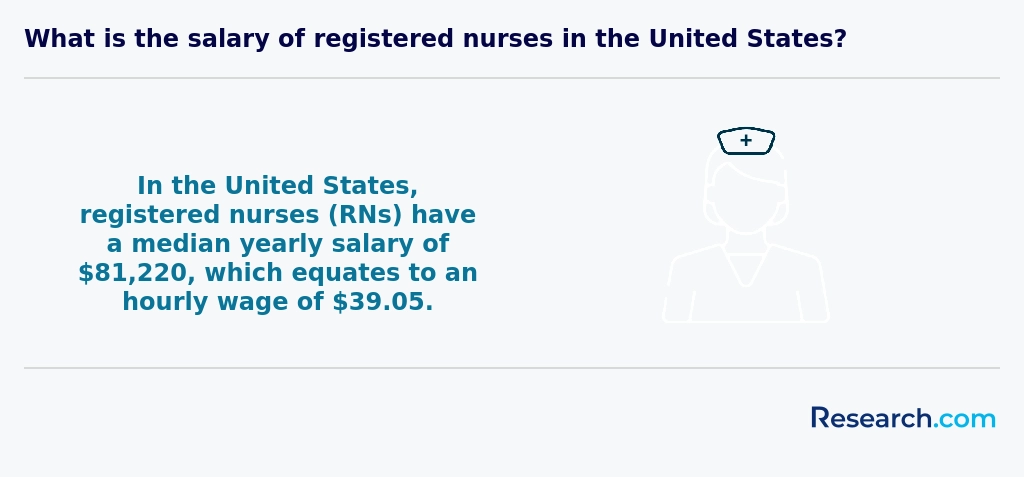
Understanding program outcomes is critical when evaluating nursing degrees in Fayette, MO. Employers and accreditation bodies heavily weigh NCLEX-RN first-time pass rates as a measure of program quality. For example, Central Methodist University boasts a 94% first-time NCLEX pass rate over the past three cohorts, while State Fair Community College reports an impressive 91% pass rate, exceeding the national average of 88%. These statistics not only reflect rigorous academic preparation but also underscore graduates’ readiness for licensure and practice. Key outcome metrics to consider:
- Graduation Rate: Programs in Fayette, MO, report average graduation rates between 85% and 92%, indicating strong student support services and effective curricula.
- NCLEX-RN First-Time Pass Rate: A pass rate above 90% is a hallmark of high-quality instruction and clinical readiness.
- Employment Rate: Within six months of graduation, over 95% of nursing alumni in Fayette secure positions in hospitals, outpatient clinics, or specialty settings.
- Advanced Placement: Approximately 30% of BSN graduates pursue MSN or DNP pathways within two years, reflecting the solid academic foundation provided by local institutions. When comparing value across regions, affordability should align with outcomes. Even if you’re considering programs beyond Missouri, our Cheapest Online Nursing Degree Programs Ranking in Arizona offers insight into cost-effective online nursing degrees that maintain strong NCLEX performance. By analyzing graduation and pass rates alongside tuition and fees, you’ll identify programs that deliver both economic and professional returns. Before applying, request detailed outcome reports from admissions offices and verify state board accreditation. Prioritizing NCLEX pass rates and employment statistics empowers prospective students in Fayette, MO, to choose nursing programs that translate into licensure success and long-term career stability.
Nursing degree programs in Fayette offer a well-rounded set of courses designed to build confidence and competence. Graduates from popular institutions here often highlight how foundational classes like anatomy and physiology gave them a clear picture of the human body, making real patient care feel less daunting.
Students at local colleges quickly discover the importance of nursing-specific courses such as Fundamentals of Nursing and Pharmacology, where they learn to safely administer medications and master essential patient care techniques. Imagine confidently explaining medication effects to a patient-this is where your coursework makes that possible.
Programs also include Medical-Surgical Nursing and Maternal and Child Health Nursing, preparing you to support individuals through surgeries or childbirth, often recalling how practical labs turned theoretical knowledge into hands-on skills. Mental Health Nursing and Community Health Nursing classes teach approaches to compassionate care beyond hospitals, reflecting the diverse needs encountered in Fayette's communities.
Finally, leadership courses shape students into future nurse managers, giving many graduates the assurance to take on supervisory roles with pride and purpose.
If you're pursuing a nursing degree in Fayette, expect to explore a range of specializations tailored to meet local healthcare needs and your personal passion. Graduates from popular colleges here often highlight the Family Nurse Practitioner (FNP) track, which equips nurses to manage health care for families across all ages-imagine being the trusted healthcare partner for generations in your community. Others find their calling in Psychiatric-Mental Health Nursing, supporting patients through counseling and medication management in real-life clinical settings.
Pediatric Nursing is another rewarding specialization, focusing on the well-being of infants and adolescents, where many Fayette nursing career paths and specialties intersect with community health. Graduates who specialize in Geriatric Nursing emphasize the importance of compassionate care for the elderly, a growing population in Fayette. Emergency Nursing prepares students to thrive under pressure, dealing with trauma and urgent interventions in busy emergency departments.
Hands-on experience through clinical rotations in Fayette's hospitals is a common thread among successful learners, providing vital exposure to their chosen fields. For those seeking additional opportunities, nursing externships Alabama programs nearby can also enhance practical skills and boost job readiness early on.
Choosing the best nursing degree in Fayette means weighing your goals against the realities of each program. Graduates from local colleges often emphasize how an Associate Degree in Nursing gets them quickly into clinical practice, especially when affordability matters in the affordable nursing degrees Fayette cost comparison. Meanwhile, those pursuing a Bachelor of Science in Nursing relish broader opportunities-higher salaries and leadership roles that many Fayette hospitals now require.
For example, numerous graduates praise Fayette's universities for their strong clinical partnerships, allowing hands-on experience in nearby health systems. This real-world training builds confidence and skills, making licensure exams and real nursing feel achievable. Schools with high NCLEX-RN pass rates show their commitment to student success.
If you envision advanced roles, starting with a BSN or exploring accelerated programs can pave the way. Consider checking out options like online nursing degrees new jersey internships for flexibility combined with quality learning.

Graduates with a nursing degree in Fayette find a wealth of nursing career opportunities in Fayette that allow them to thrive in environments ranging from busy hospitals to specialized clinics. Many alumni from Fayette's respected nursing programs share how they started as registered nurses in local hospitals, earning around $68,000 annually, and felt empowered by the direct impact they made caring for patients. For example, some have specialized in pediatric or geriatric nursing, helping vulnerable populations in meaningful ways that deeply fulfil their passion for patient care.
Others have pursued critical care and emergency nursing, roles that demand quick thinking and resilience, often recalling intense yet rewarding moments when their skills saved lives. Fayette colleges equip students for such challenges through hands-on training, nurturing confidence and competence. Expanding horizons through advanced degrees, graduates explore paths as nurse practitioners or specialists by gaining further credentials. For those interested, exploring nurse practitioner licensure is a practical next step that many Fayette nurses recommend.
Many nursing degree holders in Fayette also find joy contributing to healthcare beyond the bedside, stepping into education and administration roles. Nurse educators shape future nurses at local universities, inspired by the ongoing need for skilled professionals. This broad spectrum of nursing degree job prospects Fayette broadens your ability to make a difference while matching your unique talents and ambitions.

The nursing job outlook in Fayette is exceptionally encouraging for graduates holding nursing degrees. Many who have completed their education at well-known colleges in Fayette find themselves quickly employed in hospitals, outpatient centers, and community health organizations. These graduates often share stories of feeling confident and prepared as they step into roles where their skills are valued and needed.
Fayette nursing career opportunities span a wide range of settings, with employers frequently seeking those who hold a Bachelor of Science in Nursing or higher. The regional demand for nurses is strong, reflecting national trends, which means graduates often enjoy steady job openings paired with competitive salaries. This local stability allows recent nursing graduates to focus on growing their clinical expertise and exploring advanced roles like nurse practitioner or clinical nurse specialist.
Those considering where to study can explore the best BSN programs dallas, which offer solid preparation and connect students to Fayette's expanding healthcare network. Pursuing a nursing degree here is a practical, rewarding choice for building a meaningful career.
2027 Most Valuable Nursing Degree Programs Ranking in Fayette
Investing in your education is a significant decision that can profoundly impact your future, and the Research.com team fully acknowledges the responsibility that comes with helping prospective students make informed choices. To support students in Fayette, we have carefully developed the "2027 Most Valuable Nursing Degree Programs Ranking in Fayette." Our dedication to quality, credibility, and accuracy is demonstrated through rigorous research and comprehensive analysis behind this ranking.
We utilized the following reputable data sources to ensure a thorough evaluation of nursing degree programs:
By reviewing this ranking, readers will gain valuable insights into the most valuable nursing degree programs offered in Fayette, empowering them to choose the best educational path. For a detailed explanation of how this ranking was created, please visit our Research.com methodology page.
# 1 position
Central Methodist University-College of Graduate and Extended Studies
Bachelor of Science in Nursing

# 2 position
Central Methodist University-College of Liberal Arts and Sciences
Bachelor of Science in Nursing

Frequently Asked Questions About nursing
Nursing degree students in Fayette can maximize their learning by actively engaging in clinical practice opportunities offered through local hospitals and healthcare facilities. Hands-on experience is essential to build skills and confidence. Fayette's partnerships with facilities like Saint Francis Hospital provide valuable placements for students.
Additionally, students should take advantage of simulation labs, which many Fayette nursing programs offer. These labs help reinforce critical thinking and patient care techniques in a controlled environment.
Joining nursing student organizations can also enhance learning by promoting networking and leadership skills. According to the U.S. Bureau of Labor Statistics, practical experience combined with academic knowledge significantly improves nursing competency and employability.
Emerging niches within the nursing field are shaping the future of healthcare, particularly in regions like Fayette. One fast-growing area is geriatric nursing, prompted by the increasing elderly population in the US. The US Census Bureau reports that by 2030, one in five Americans will be 65 or older, creating greater demand for nurses specialized in elderly care.
Another important specialty is telehealth nursing, which has expanded rapidly since the COVID-19 pandemic. Nurses in this niche manage remote patient monitoring and virtual consultations, improving access to care in rural parts of Fayette.
Mental health nursing is also gaining prominence due to rising awareness of mental wellness. According to the National Alliance on Mental Illness, 1 in 5 adults in the US experience mental illness annually, increasing the need for qualified psychiatric nurses.
These niches offer Fayette nursing students promising career paths aligned with both local and national healthcare trends.
After completing a nursing degree in Fayette, preparing for the job market involves several key steps. First, obtaining licensure by passing the NCLEX-RN exam is mandatory to practice as a registered nurse (RN) in the state. Fayette has a competitive healthcare sector, with the Tennessee Department of Labor projecting a 12% growth in RN employment through 2030.
Building practical experience via clinical internships or volunteering in local hospitals enhances employability. Networking with Fayette healthcare providers and joining professional organizations like the Tennessee Nurses Association can open job opportunities.
Additionally, updating your resume to highlight hands-on skills and certifications such as BLS or ACLS increases your market readiness.
Employers in Fayette seek nursing graduates with strong clinical skills and effective communication abilities. According to the Tennessee Board of Nursing, practical patient care and proficiency in electronic health records are essential. Critical thinking and decision-making skills are also highly valued, helping nurses manage complex healthcare situations efficiently.
Interpersonal skills play a vital role, as nurses often collaborate with diverse healthcare teams and patients. Additionally, adaptability to fast-paced environments and knowledge of safety protocols are key. Local healthcare facilities report that graduates who demonstrate empathy and cultural competence tend to perform better in Fayette's growing medical community.
Finding nursing internships in Fayette involves a combination of research and networking. Many local hospitals and healthcare facilities, such as Fayette Medical Center and Starcare Specialty Hospital, offer structured internship programs for nursing students. These programs provide hands-on clinical experience critical for licensure and employment.
Students should contact career services at Fayette-area colleges, like Fayetteville State University, which often have partnerships with medical providers. Additionally, the North Carolina Board of Nursing website provides updated lists of authorized clinical sites.
Starting your search early and submitting applications by the deadlines, usually in spring or early summer, is essential to secure placements.
Obtaining a nursing degree in Fayette significantly enhances career mobility and advancement opportunities within the local healthcare system. Registered nurses (RNs) with an associate or bachelor's degree often qualify for higher-paying roles and specialized positions. According to the Bureau of Labor Statistics, Fayette's healthcare sector is growing steadily, with nursing jobs projected to increase faster than average through 2030.
Nursing degrees enable access to advanced certifications and leadership roles, such as nurse manager or clinical nurse specialist, which typically require at least a Bachelor of Science in Nursing (BSN). Fayette hospitals and clinics increasingly prefer BSN-prepared nurses due to evidence linking higher education with improved patient outcomes, as noted by the American Nurses Association.
Higher education also supports mobility across various healthcare settings in Fayette, including acute care, outpatient facilities, and public health, thus broadening employment prospects. Local nursing programs often have partnerships with healthcare providers, facilitating internships and job placements.
Studying for a nursing degree in Fayette offers strong preparation for interdisciplinary roles by emphasizing collaboration skills essential in today's healthcare settings. Programs often include coursework on communication, teamwork, and leadership alongside clinical training, equipping students to work effectively with physicians, pharmacists, social workers, and therapists.
Local healthcare systems in Fayette prioritize integrated care, meaning nursing students gain practical experience in multidisciplinary teams during clinical rotations. According to data from the Fayette County Health Department, over 65% of clinical placements involve such settings, highlighting the program's focus on cooperative practice.
Furthermore, nursing curricula align with recommendations from the American Association of Colleges of Nursing, promoting competencies in cultural sensitivity and care coordination. These prepare graduates to handle complex patient needs in diverse healthcare environments.
When choosing between a thesis and a non-thesis nursing degree program in Fayette, prospective students should consider their career goals and learning preferences. Thesis programs typically require original research and a formal written dissertation, preparing students for roles in academia, research, or advanced clinical leadership.
Non-thesis options, on the other hand, focus more on practical skills and coursework, which may suit those aiming for immediate clinical practice or management positions. According to the National Center for Education Statistics, about 40% of nursing master's graduates nationwide choose thesis tracks, highlighting their appeal for research-oriented careers.
In Fayette, where healthcare employers prioritize evidence-based practice, completing a thesis can strengthen critical thinking skills, but a non-thesis degree offers quicker entry into the workforce.
Students based in Fayette interested in studying nursing abroad have several paths to consider within the US higher education system. Many nursing programs offer exchange agreements with international universities, allowing Fayette students to earn clinical experience overseas while completing their degrees at home institutions. Additionally, some Fayette colleges participate in study abroad programs focusing on global health and nursing practices.
It is important to evaluate programs accredited by the Commission on Collegiate Nursing Education (CCNE) or the Accreditation Commission for Education in Nursing (ACEN) to ensure credits transfer smoothly. According to the National League for Nursing, about 15% of nursing students nationwide engage in some form of international study or clinical rotation, an opportunity increasingly accessible to Fayette residents through expanding university partnerships.
Prospective students should consult Fayette's local nursing schools' international program coordinators for tailored guidance. Opportunities vary widely, from semester-long placements to short-term global health projects, providing diverse options according to individual goals and financial considerations.
In Fayette, part-time job opportunities that align well with nursing degree education include roles such as certified nursing assistant (CNA), medical receptionist, and home health aide. These positions offer practical experience in patient care and healthcare environments, essential for nursing students. According to the U.S. Bureau of Labor Statistics, CNAs in the Fayette region earn an average hourly wage of $14.50, which supports students financially while building relevant skills.
Hospitals and nursing homes in Fayette often seek part-time workers, providing flexible shifts compatible with academic schedules. Additionally, volunteering in healthcare settings can enhance clinical knowledge and networking opportunities. Local workforce reports highlight steady demand for healthcare support roles, making these jobs particularly valuable for nursing students.
Nursing students in Fayette have access to a variety of networking opportunities that enhance their professional growth. Local institutions often host career fairs and nursing-specific events where students can connect with healthcare employers and experienced nurses. Fayette's healthcare community includes several hospitals and clinics that collaborate with nursing programs for clinical rotations, providing students with hands-on experience and valuable contacts.
Additionally, nursing students can join state and national nursing organizations, such as the Tennessee Nurses Association, which offer local chapters and events in Fayette. These organizations provide access to mentorship, conferences, and continuing education. According to the Bureau of Labor Statistics, nurses with professional networks tend to find jobs 15% faster, highlighting the importance of these connections.
Alumni networks provide significant advantages for nursing degree students in Fayette by offering extended professional connections. These networks connect current students with experienced graduates who can share guidance on clinical placements and job opportunities, crucial in a competitive healthcare job market. According to the American Association of Colleges of Nursing, 85% of nursing graduates secure employment through networking efforts within their first year. Fayette's nursing programs often encourage engagement with alumni to foster mentorship relationships and facilitate introductions to local hospitals and clinics.
The support from alumni can also help students navigate licensing exam preparation and continuing education options. Alumni may organize workshops and career fairs, enhancing students' readiness for entering nursing practice.
Customizing a nursing degree program in Fayette allows students to align their education with specific career goals. Many local institutions offer flexible options, such as choosing electives focused on specialties like pediatric, geriatric, or critical care nursing. Fayette's proximity to several healthcare facilities provides opportunities for tailored clinical experiences.
Students can also engage in certificate programs or dual degrees to enhance skills in areas like nurse leadership or informatics. According to the Tennessee Board of Nursing, hands-on clinical hours vary by program but generally exceed 500 hours, which can be selected to match career interests.
Advisors at Fayette schools guide students in developing individualized academic plans, ensuring course selections meet licensure and certification requirements.
Nursing students in Fayette face several common challenges as they pursue their degrees. Balancing rigorous coursework with clinical rotations is a primary concern, often requiring careful time management to succeed. Clinical experiences can be demanding, with students expected to apply theoretical knowledge in fast-paced healthcare settings. According to data from the Tennessee Board of Nursing, Fayette County students report stress related to adapting to diverse patient needs and maintaining performance under pressure.
Financial constraints also affect many students, as nursing programs can be costly and may require unpaid clinical hours. Additionally, the need to pass the NCLEX exam adds pressure, with statewide pass rates reflecting the difficult transition from student to professional nurse.
Nursing degrees in Fayette open the door to several professional certifications that enhance career opportunities. Graduates commonly pursue Registered Nurse (RN) licensure, which is required to practice. Beyond the RN license, specialties include certifications such as Certified Nurse Practitioner (CNP), Certified Nurse Midwife (CNM), and Certified Registered Nurse Anesthetist (CRNA).
Other important credentials include the Certified Clinical Nurse Specialist (CNS) and certifications in areas like pediatrics, oncology, and geriatrics. According to the Tennessee Board of Nursing, nurses in Fayette County increasingly seek advanced certifications to meet local healthcare demands.
Holding these certifications typically requires passing exams administered by bodies such as the American Nurses Credentialing Center (ANCC) or the National Certification Corporation (NCC). Employers in Fayette value certification as it demonstrates expertise and commitment to quality care.
Writing a winning application for a nursing program in Fayette begins with thorough preparation. Applicants should carefully review the specific program requirements, as many local schools prioritize a minimum GPA of 3.0 in science and math courses. Including relevant healthcare experience, such as volunteering or CNA certification, strengthens the application by demonstrating practical commitment.
Essay submissions must clearly express a passion for nursing and understanding of Fayette's community health needs. Strong letters of recommendation from academic or healthcare professionals are essential and should highlight your work ethic and interpersonal skills.
According to the Tennessee Board of Nursing, Fayette programs often require passing the TEAS exam with scores above 60%. Early application submission is advised, as Fayette nursing classes typically fill quickly due to high demand.
The nursing profession is recognized worldwide for its critical role in healthcare delivery. In the U.S., including Fayette, nursing offers diverse career paths supported by robust education and licensing systems. According to the Bureau of Labor Statistics, registered nursing jobs in the U.S. are projected to grow 9% from 2022 to 2032, reflecting sustained demand.
Globally, nurses are essential to managing public health challenges and improving patient outcomes. The U.S. system emphasizes evidence-based practice, technology integration, and advanced education options such as BSN and MSN degrees.
Fayette's nursing schools contribute to this global workforce, preparing graduates for both local care needs and international standards. This alignment enhances the mobility and relevance of nursing credentials worldwide.
Gaining practical experience while studying for a nursing degree in Fayette is essential for building clinical skills and confidence. Most accredited nursing programs in Fayette incorporate clinical rotations as a core part of the curriculum. These rotations take place in local hospitals, clinics, and long-term care facilities, allowing students to work alongside experienced nurses.
Additionally, Fayette's healthcare system offers various internships and volunteer opportunities. Students often engage with institutions such as Fayette Medical Center, providing exposure to real-world patient care. According to the Tennessee Center for Nursing, 85% of nursing students in the region report participating in hands-on clinical experiences before graduation.
Some local programs also support simulation labs that replicate medical scenarios, helping students practice safely before direct patient contact.
Choosing the right concentration within a nursing degree program in Fayette requires understanding your career goals and the local healthcare demands. Popular nursing concentrations include family health, gerontology, pediatrics, and mental health. According to the Tennessee Center for Nursing, Fayette County has a growing elderly population, making gerontology a promising field.
Consider the clinical opportunities available in Fayette hospitals and clinics, as hands-on experience is crucial. Research program accreditation and whether it prepares you for licensure exams like the NCLEX-RN.
Additionally, reflect on your interests in patient care settings and specialty areas, as this can shape your long-term satisfaction and job prospects.
- 2027 Most Valuable Nursing Degree Programs Ranking in Kansas City
- 2027 Most Valuable Nursing Degree Programs Ranking in Saint Louis
- 2027 Most Valuable Nursing Degree Programs Ranking in Peoria
- 2027 Most Valuable Nursing Degree Programs Ranking in Omaha
- 2027 Most Valuable Nursing Degree Programs Ranking in Lincoln
- 2027 Most Valuable Nursing Degree Programs Ranking in Sioux City
- 2027 Most Valuable Nursing Degree Programs Ranking in Memphis
- 2027 Most Valuable Nursing Degree Programs Ranking in Chicago
- 2027 Most Valuable Nursing Degree Programs Ranking in Indianapolis
- 2027 Most Valuable Nursing Degree Programs Ranking in Milwaukee
See What Experts Have To Say About Studying Nursing
Read our interview with Nursing experts


- Client Challenge https://www.springerpflege.de/nursing-graduates-perceived-future-career-pathway-and-career-shi/50653658
- Know more about thesis vs non- thesis: what is the difference? https://studyfans.com/en/blogs/816
- How Do Nurses Navigate Career Advancement? | NursingEducation https://nursingeducation.org/insights/career-advancement/
- Search Nursing Jobs - ANA Career Center https://jobs.ana.org/
- Work-life balance | Careers Crossroads | RCN Careers Resources | Royal College of Nursing https://www.rcn.org.uk/Professional-Development/Your-career/Nurse/Career-Crossroads/Career-Ideas-and-Inspiration/work-life-balance
- Polish Graduate tracking system - articles https://ela.nauka.gov.pl/en/labor-market/graduates_with_the_strongest_work_experience_before_commencing_their_studies
- Top Skills Employers Want in Practical Nursing Graduates https://vervecollege.edu/what-employers-look-for-in-practical-nursing-graduates/
- Getting RN Experience After Graduation https://www.allnursingschools.com/articles/getting-rn-experience/
- Do I Have to Write a Thesis to Complete a Master’s Degree in Nursing? https://www.bestmasterofscienceinnursing.com/faq/write-thesis-complete-masters-degree-nursing/
- What Are the Best RN Certifications for Your Career? https://credenzahealth.com/career-advice/what-are-the-best-rn-certifications-for-your-career





