2027 Most Affordable Nursing Degree Programs Ranking in Provo

Co-Founder and Chief Data Scientist
If you're considering a nursing degree in Provo, finding an affordable program that fits your goals is essential. The 2027 Most Affordable Nursing Degree Programs Ranking in Provo was created by the Research.com team of data scientists to help students make well-informed decisions.
This article highlights the best nursing programs based on cost and quality, making it easier for you to choose wisely.
Getting a nursing degree can open doors to a rewarding career, and we're here to support your journey every step of the way.
Key benefits of getting nursing degree in Provo
- Salary for nursing degree graduates: Graduates in Provo can expect strong salaries, with Registered Nurses earning around $94,480 annually and Operating Room Nurses earning up to $128,490 per year, offering a rewarding financial future.
- Career paths: Nursing degree holders from local colleges in Provo often find opportunities in diverse roles such as Public Health Nurse or Emergency Room Nurse, providing fulfilling options to match various interests and lifestyles.
- Benefits of online nursing degrees: Completing a nursing degree online through Provo-based universities allows flexible scheduling and faster program completion, making it easier to balance work and study while advancing your career confidently.
- 2027 Most Affordable Nursing Degree Programs Ranking in Provo
- What can I expect from nursing degree in Provo?
- Where can I work with nursing degree in Provo?
What can I expect from nursing degree in Provo?
The average cost of pursuing a nursing degree in Provo varies significantly depending on the type of program and institution. For example, students enrolling in the four-year Bachelor of Science in Nursing (BSN) program at Brigham Young University (BYU) can expect tuition and fees to be in the range typical of private universities, which is higher than at local public institutions.
Graduates from BYU often highlight that the investment reflects the comprehensive curriculum and accredited clinical experiences integrated with local healthcare facilities. Meanwhile, those opting for a quicker Associate Degree in Nursing (ADN) at Utah Valley University (UVU) benefit from more affordable tuition, often completing their studies in two years, which reduces overall educational expenses and accelerates entry into the workforce.
With Provo's NCLEX-RN pass rates aligning with national averages, and average entry-level salaries around $60,000, many nursing students report that tuition costs are balanced by strong employment prospects.
Where can I work with nursing degree in Provo?
Nursing graduates from institutions like Brigham Young University in Provo find robust employment pathways across multiple healthcare settings. Many secure roles at Utah Valley Hospital, where demand for registered nurses spans emergency, pediatrics, oncology, and surgical units. This aligns with Utah Department of Workforce Services projections of a 20% growth in healthcare jobs locally, reflecting strong job security.
Graduates often describe rewarding experiences working in outpatient clinics and private medical practices, focusing on family health and geriatrics. These positions offer more personalized patient interaction compared to hospital settings. Additionally, home healthcare and hospice services provide meaningful opportunities to deliver care in patients' homes, which appeals to nurses valuing direct community impact.
Several graduates with advanced degrees pursue academic roles at local colleges, combining clinical expertise with teaching. Public health nursing roles in community health centers engage nurses in disease prevention and wellness promotion, adding policy and education responsibilities to their careers.
Long-term care and rehabilitation facilities also employ many nursing degree holders, offering stable work with aging and recovering populations. These diverse options allow Provo-trained nurses to align career paths with personal interests and community needs.
Graduates from nursing programs in Provo, such as those at Utah Valley University, can expect solid salary prospects rooted in the local healthcare market. Registered nurses in Provo typically earn a mean annual wage around $94,480, or about $45.42 per hour, according to the latest BLS data. This wage reflects a substantial step above entry-level salaries, giving recent graduates confidence in rewarding careers.
For those who specialize further, roles like Clinical Nurse Educator, Public Health Nurse, and Emergency Room Nurse also offer mean salaries near $94,480 annually. Many nursing graduates find this versatility encouraging, as it allows them to explore different career paths while maintaining competitive pay.
Graduates advancing to Operating Room Nurse positions report even higher wages, with an average annual salary reaching $128,490 and hourly wages around $61.78. This reflects the value of specialized skills acquired post-graduation and intensive clinical training typical in Provo's nursing programs.
Many nursing graduates share that these salary levels make juggling student loans manageable and fuel optimism about long-term financial growth, especially when working in Provo's steadily expanding healthcare environment.
- Tuition for nursing degrees at public universities in Provo typically ranges from $5,000 to $9,000 per year for in-state students.
- Private nursing programs in the area may charge over $20,000 annually, plus additional costs for supplies and exam preparation.
- Registered Nurses in Provo start with salaries between $58,000 and $63,000 per year, increasing to $75,000-$85,000 with experience.
- The job market for Registered Nurses in Utah is projected to grow by 16% through 2031, driven by an aging population and healthcare demand.
- Graduates need to pass the NCLEX-RN exam to become licensed nurses, and most Provo programs have high pass rates for this exam.
Completing a nursing degree in Provo varies by the program chosen, with most students finding clear timelines based on their goals. For instance, an Associate Degree in Nursing (ADN) typically takes about two years at local community colleges, preparing graduates quickly for the NCLEX-RN and entry-level roles. Many students appreciate this fast track as it allows them to enter the workforce promptly while gaining practical experience.
Alternatively, pursuing a Bachelor of Science in Nursing (BSN) at institutions like Brigham Young University usually requires four years of full-time study. Graduates from such programs often share how the comprehensive curriculum in nursing theory and leadership equips them for advanced opportunities. Accelerated BSN tracks are also available for those who already hold a bachelor's degree, reducing completion time to 12-18 months, which appeals to career changers eager to move swiftly.
For more specialized roles, Master of Science in Nursing degrees add roughly two additional years post-BSN. Many full-time Provo students find balancing studies with life rewarding, feeling motivated by the progress and positive professional prospects ahead.
Accreditation is a critical factor in evaluating nursing programs in Provo, UT, as it ensures that curricula meet rigorous standards set by bodies like the Commission on Collegiate Nursing Education (CCNE) or the Accreditation Commission for Education in Nursing (ACEN). Accredited programs not only qualify graduates to sit for the NCLEX-RN exam but also strengthen eligibility for scholarships and federal financial aid. Prospective students should verify each school’s accreditation status through the Utah Board of Nursing website and review published NCLEX pass rates to gauge program effectiveness. NCLEX pass rates for ADN and BSN programs in Provo consistently exceed the national average of 85%. For example, Utah Valley University reports a first-time pass rate of 92%, while Brigham Young University maintains a 95% pass rate, reflecting strong preparatory curricula and dedicated faculty support. High pass rates correlate with comprehensive clinical partnerships at facilities like Utah Valley Hospital and rural outreach sites. For those exploring parallel pathways in practical nursing, our analysis of the best ohio lpn program highlights top LPN options outside of Utah that share accredited frameworks and robust licensure outcomes. By prioritizing accreditation and NCLEX success metrics, students can make informed decisions and invest in programs that deliver both quality education and licensure readiness.
On-campus nursing degrees in Provo, such as those at Brigham Young University or Utah Valley University, immerse students in a structured environment with in-person lectures, labs, and clinical rotations arranged by the school. Graduates often recall the immediate access to campus resources like simulation labs and peer study groups, which foster collaboration and confidence. This face-to-face setting is particularly valuable for mastering hands-on skills under supervision in local healthcare facilities.
Conversely, online nursing programs offer flexibility, allowing students to balance work or family while studying remotely. Online learners appreciate the ability to progress at their own pace but need strong self-discipline to manage assignments without daily classroom accountability. Although virtual, these programs still mandate clinical hours, with students often responsible for arranging local placements independently in medically rich Provo areas.
Cost differences are notable: on-campus options generally involve higher tuition and living expenses, while online degrees reduce commuting and housing costs. Regardless of format, accredited programs in Provo yield comparable licensing exam pass rates, reassuring students that both paths effectively prepare them for nursing careers.
After earning your nursing degree in Provo, you must secure licensure and consider specialty certifications for career advancement:
- Graduate from a CCNE- or ACEN-accredited ADN or BSN program
- Apply to Utah’s Division of Occupational and Professional Licensing (DOPL) and complete fingerprinting
- Register for and schedule the NCLEX-RN exam with Pearson VUE
- Pass the NCLEX-RN to earn your active Utah RN license
- Maintain licensure through required continuing education hours
Optional specialty certifications (e.g., CCRN, CPN) can boost your credentials and salary potential. For broader program comparisons and exam-prep support, check out top nursing schools in florida.
The average cost of a nursing degree in Provo reflects a balance between affordability and quality education, especially for students attending well-known institutions such as Utah Valley University (UVU) and Brigham Young University (BYU). Data shows that in-state students can expect a median total cost of approximately $6,688, making nursing programs in Provo accessible for many local residents. Out-of-state students face a higher median total cost around $18,444, which still remains competitive compared to similar private nursing programs nationally.
Graduates from UVU often mention the advantage of shorter associate degree programs combined with reasonable tuition fees, which typically range from $15,000 to $30,000 depending on residency and program length. This affordability enables students to pursue their nursing goals without excessive financial stress. BYU's private BSN program charges a flat tuition rate of about $12,000 annually, which attracts many students seeking a reputable nursing degree with manageable tuition fees. Students appreciate this blend of a strong curriculum and costs that are competitive against other private universities.
Additional costs such as supplies, lab fees, and uniforms usually add $1,500 to $3,000 per year. This should be factored into the total expenses but is often offset by financial aid and scholarships. Those interested in affordable nursing programs Provo tuition fees should consider these factors alongside the institution quality. For a comprehensive view of options, prospective students can explore the most affordable nursing programs in Utah, which highlights various programs that balance cost and quality for nursing students in the region.

Accreditation and licensure success are critical indicators of a nursing program’s quality. In Provo, UT, all major institutions hold accreditation from recognized bodies such as the Commission on Collegiate Nursing Education (CCNE) or the Accreditation Commission for Education in Nursing (ACEN). Equally important is the NCLEX-RN pass rate, which reflects how well programs prepare students for real-world practice. Recent data shows: • Brigham Young University (CCNE-accredited): 95% first-time NCLEX-RN pass rate • Utah Valley University (CCNE-accredited): 92% first-time pass rate • Provo College (ACEN-accredited): 88% first-time pass rate These rates exceed the national average of 87%, demonstrating strong academic rigor and clinical preparation in Provo. Prospective students should verify accreditation status and review published pass rates on program websites to ensure they meet both educational standards and state board requirements. For those considering advanced practice roles, our comprehensive guide to affordable graduate options is available in the Low Cost Online Master's in Nursing Degree Programs Ranking in Texas, which highlights accredited MSN pathways designed for flexibility and cost-effectiveness.
Nursing students in Provo, including those at institutions like Utah Valley University, can access a variety of financial aid options to manage tuition costs, which typically range from $6,000 to $15,000 annually. Federal aid is a major resource; applying through FAFSA unlocks Pell Grants that provide up to $7,395 per year without repayment, easing the burden for many students. Federal student loans are available with flexible repayment plans, including income-based options, giving graduates room to breathe financially after studies.
State aid also plays a significant role, with programs such as the Utah Regents' Scholarship supporting academically strong in-state nursing students. Graduates often share how this has made their education more affordable and kept them committed to local healthcare careers.
Locally, organizations like the Utah Nurses Association offer scholarships requiring academic merit and community service, creating a supportive network for nursing students in Provo. Additionally, some programs provide employer-sponsored aid or loan forgiveness for those willing to work in underserved areas, offering practical pathways toward career growth while reducing debt.
When considering nursing programs in Provo, UT, one crucial aspect is affordability. Prospective students should research the total cost of attendance, including tuition, fees, and additional expenses such as books and uniforms. To make informed decisions, it's essential to compare costs across different institutions and programs. For instance, those interested in pursuing an affordable nursing degree can explore options like the most affordable nursing programs in Utah, which can provide valuable insights into budget-friendly options. Additionally, understanding the various financial aid opportunities available, such as scholarships, grants, and federal loans, can significantly impact the overall affordability of a nursing degree. By carefully evaluating these financial considerations, aspiring nurses can make informed choices that align with their budget and career aspirations.
Enrolling in a nursing degree program in Provo requires applicants to have a high school diploma or GED, which parallels national standards. For example, nursing graduates from Utah Valley University recall how completing prerequisite courses in biology, chemistry, and anatomy helped them confidently navigate clinical practices early on. These science foundations are essential for understanding patient care and medical procedures.
Some programs in Provo may request ACT or SAT scores, but many prioritize strong grades in prerequisite subjects and relevant healthcare experience. Practical criteria like passing a background check and drug screening are mandatory, reflecting the ethical responsibilities nursing students face in real clinical environments.
Additional requirements often include completing college-level courses such as English composition and microbiology, maintaining a GPA between 2.5 and 3.0, and submitting recommendation letters or personal statements. Many nursing students share that volunteer work or credentials like CNA certification provided valuable firsthand insight into healthcare teamwork and patient interaction.
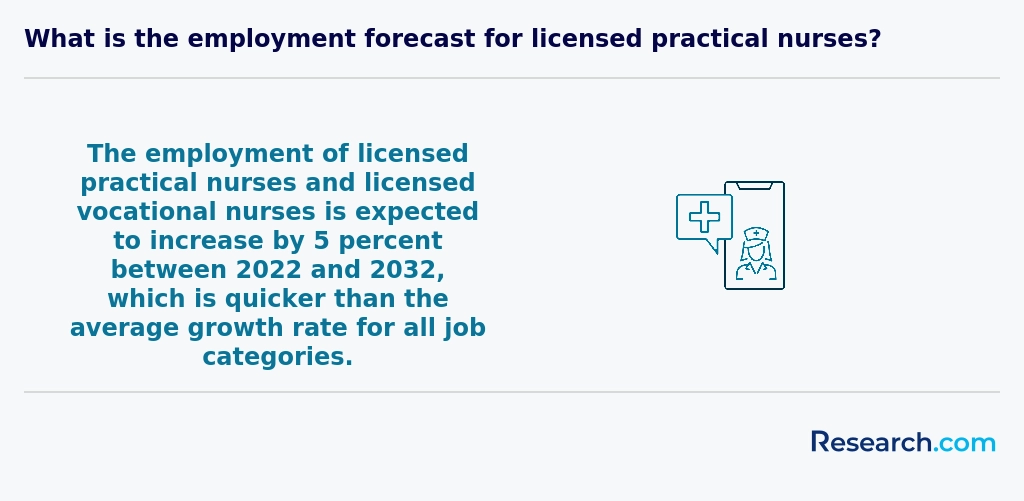
Accreditation ensures that nursing programs meet rigorous educational standards set by bodies such as the Commission on Collegiate Nursing Education (CCNE) and the Accreditation Commission for Education in Nursing (ACEN). In Provo, Utah Valley University and Brigham Young University both hold CCNE accreditation, while several community college ADN tracks are ACEN-approved. Choosing an accredited program not only guarantees quality instruction but also fulfills eligibility requirements for siting for the NCLEX-RN exam and state licensure. NCLEX-RN pass rates are a key indicator of program effectiveness. For 2023, BYU reported a first-time pass rate of 95%, UVU achieved 92%, and local ADN programs averaged 88%. These figures exceed the national benchmark of 85%, reflecting strong curriculum alignment with exam content and robust student support services. Prospective students should review annual pass-rate reports on program websites and state board dashboards to compare performance over time. After graduation, graduates must apply through the Utah Nurse Practice Act and submit official transcripts to the Utah Division of Occupational and Professional Licensing (DOPL). Fingerprinting, background checks, and proof of immunizations are required before licensure is granted. While researching RN pathways, many students also weigh the value of LVN training; understanding the lvn program cost can help you compare entry-level options and plan your financial aid strategy accordingly.
Nursing degree programs in Provo typically begin with foundational courses such as human anatomy and physiology, microbiology, and chemistry for health sciences. Graduates from institutions like Utah Valley University often recall the clarity these courses provided, establishing a solid baseline for understanding patient care.
Specialized nursing classes then build on this foundation. Courses in nursing fundamentals, pharmacology, pathophysiology, and health assessment are common. Students frequently describe hands-on labs and simulations that made complex concepts more approachable and boosted their confidence in clinical settings.
Clinical practicums are emphasized, with students gaining real-world experience in hospitals and community health centers across Provo. Practicums include adult health nursing, maternal and child health, pediatrics, and mental health nursing-key areas reflected in local healthcare demands.
Advanced classes in nursing ethics, leadership, healthcare policy, and research methods equip students to think critically and lead in diverse healthcare environments. Many graduates highlight how these courses prepared them for challenging yet rewarding roles in Utah's evolving medical sector.
Nursing degree specializations in Provo commonly include pathways tailored to diverse healthcare needs. The Registered Nurse (RN) to Bachelor of Science in Nursing (BSN) specialization is prevalent, allowing graduates from local universities to enhance leadership skills and clinical expertise. Other popular tracks involve Family Nurse Practitioner (FNP), focusing on primary care across lifespan, and Pediatric Nursing, which aligns well with Provo's expanding community health initiatives. Graduates have shared that pursuing these specializations in Provo felt rewarding, often citing hands-on experiences within nearby hospitals like Utah Valley Hospital as a key advantage.
Programs also emphasize Geriatric Nursing to address Utah's aging population and Psychiatric and Mental Health Nursing, meeting growing mental health demands. Acute Care Nursing prepares students for intensive hospital roles, reflecting local healthcare priorities. For students seeking affordable nursing programs with specializations Provo offers competitive tuition, ranging from $5,000 to $10,000 annually, significantly lower than national averages.
Those interested in practical advice may find valuable insights by exploring the best ohio lpn program, as it provides comparative data useful for understanding regional nursing education standards elsewhere.
Choosing the best nursing degree in Provo requires analyzing program accreditation, affordability, and practical experience opportunities. Graduates from Utah Valley University and Brigham Young University emphasize the importance of attending programs accredited by agencies recognized by the U.S. Department of Education and the Commission on Collegiate Nursing Education (CCNE). Such accreditation ensures eligibility for the NCLEX-RN licensure exam and smooth entry into nursing careers. In Provo, selecting affordable nursing schools near Provo Utah is crucial; public institutions offer in-state tuition between $5,000 and $9,000 annually, substantially under the national average.
Program format also matters. Students report that hybrid and accelerated programs, common at local universities, accommodate work schedules while maintaining rigorous clinical placements. Clinical experience within local hospitals often provides diverse, hands-on learning environments. Furthermore, considering program outcomes like high NCLEX pass rates and support services such as tutoring strengthens student success. For those comparing costs, exploring resources on lvn program cost can provide useful financial insights.

Nursing degree graduates in Provo have diverse career paths available, primarily starting as registered nurses in hospitals, clinics, or long-term care facilities. The Utah Department of Workforce Services projects a 15% growth in registered nurse employment from 2020 to 2030, highlighting strong demand for healthcare jobs with nursing degree Provo graduates. Many pursue specialization in advanced roles such as Family Nurse Practitioner, Certified Nurse Midwife, or Certified Registered Nurse Anesthetist, often requiring further education at institutions like Utah Valley University.
Graduates recall the supportive learning environment and practical experience gained through clinical rotations, boosting confidence and readiness for real-world healthcare challenges. Several find opportunities beyond direct patient care, including roles in hospital administration, nursing education, and health policy. The region's expanding healthcare sector, driven by an aging population, creates additional openings in geriatric and home health nursing.
For those interested in advancing their credentials online, resources like the Low Cost Online Master's in Nursing Degree Programs Ranking in Texas offer affordable pathways to higher qualifications, facilitating career growth in this dynamic field.
The nursing job outlook Provo is robust, reflecting strong demand fueled by a growing healthcare sector in Utah Valley. Graduates from local universities, known for their nursing programs, consistently find diverse employment opportunities in hospitals like Utah Valley Hospital and various outpatient clinics. Many new nurses appreciate the career stability and the chance to specialize as nurse practitioners or licensed practical nurses, which can lead to higher salaries and professional growth.
Employment opportunities for nurses in Provo benefit from a projected job growth exceeding 20% through 2031, well above the national average. Graduates often share positive experiences about balancing their education costs with promising salary prospects, as median registered nurse wages hover around $74,000 annually. This balance makes Provo an attractive location to both study and work in nursing.
Students from well-regarded nursing programs in the area increasingly explore options to accelerate their career paths through online accelerated bachelor degree programs, helping them enter the workforce faster while managing educational expenses effectively.
2027 Most Affordable Nursing Degree Programs Ranking in Provo
Investing in your education is a significant decision that can shape your future, and the Research.com team understands the importance of making informed choices. To assist prospective students in Provo, we have meticulously crafted the "2027 Most Affordable Nursing Degree Programs Ranking in Provo." Our commitment to quality, credibility, and accuracy is reflected in the extensive research and analysis conducted to compile this ranking.
We utilized the following reputable data sources to ensure a comprehensive evaluation of nursing degree programs:
By exploring this ranking, readers will gain valuable insights into the most affordable nursing degree programs available in Provo, enabling them to make informed decisions about their educational paths. For more details on our methodology, please visit our Research.com methodology page.

# 3 position
Provo College
Bachelor of Science in Nursing

# 4 position
Rocky Mountain University of Health Professions
Master of Science in Nursing

Frequently Asked Questions About nursing
Nursing degree students in Provo can enhance their learning by engaging actively in clinical rotations at local healthcare facilities, such as Utah Valley Hospital. These hands-on experiences provide exposure to real patient care and diverse medical conditions. According to the Utah Board of Nursing, practical experience significantly improves licensure exam pass rates.
Students should also utilize campus resources like simulation labs, often available at institutions such as Brigham Young University, to practice clinical skills in a controlled environment. Collaborative study groups and tutoring can further reinforce understanding of complex topics.
Additionally, staying informed about state nursing licensure requirements and pursuing professional networking opportunities in Provo's healthcare community can help students build strong career foundations.
The nursing field in Provo is evolving rapidly, with several emerging niches gaining attention. One growing area is gerontological nursing, driven by Utah's increasing elderly population. According to the Utah Department of Health, Provo's senior demographic is expected to grow by 20% over the next decade, raising demand for specialized care.
Another niche is telehealth nursing, which expanded during the COVID-19 pandemic and remains vital. Nurses skilled in technology and remote patient monitoring are highly sought after in Provo's healthcare facilities.
Additionally, psychiatric-mental health nursing shows strong growth, addressing rising awareness of mental health issues nationwide, including Utah. These specialties offer varied opportunities for nursing graduates in Provo.
After completing a nursing degree in Provo, preparing for the job market involves several important steps. First, graduates must pass the NCLEX-RN exam to obtain licensure as a registered nurse in Utah. According to the Utah Department of Commerce, the NCLEX pass rate remains a key indicator for employers evaluating new candidates.
Building practical experience is also crucial. Many Provo healthcare facilities, including Utah Valley Hospital, offer residency or internship programs for new nurses, which can improve employability.
Networking with local nursing associations such as the Utah Nurses Association can help connect graduates to job openings. Additionally, continuing education through certifications in specialties like pediatrics or geriatrics may increase job prospects.
The healthcare sector in Provo is growing steadily, with a 12% employment increase forecasted for nurses by 2030, according to the Bureau of Labor Statistics.
Employers in Provo seek nursing graduates with strong clinical skills, excellent communication, and critical thinking abilities. According to the Utah Department of Health, effective patient care depends heavily on nurses who can accurately assess conditions and quickly adapt to emergencies.
Provo nursing employers also value teamwork and cultural competence due to the area's diverse patient demographics, including a growing Hispanic community. Familiarity with electronic health record (EHR) systems is increasingly important, as many local hospitals, like Utah Valley Hospital, prioritize digital documentation.
In addition, time management and empathy are essential. The Provo workforce trend reports highlight that nurses balancing heavy caseloads while maintaining compassionate care stand out to hiring managers.
Overall, graduates demonstrating these skills are better positioned to contribute positively in Provo's healthcare settings.
Finding nursing internships in Provo involves exploring local healthcare facilities and educational partnerships. Key places to seek opportunities include Intermountain Healthcare's Utah Valley Hospital and community clinics, which often collaborate with nursing programs for student placements.
Many nursing schools in Provo integrate clinical rotations in their curriculum, helping students gain internships as part of their degree requirements. Contacting the career services or nursing department at institutions like Brigham Young University can provide updated listings of available internships. According to the Utah Department of Workforce Services, Provo's healthcare sector is growing, increasing demand for nursing interns.
Students should also check state nursing associations and online portals such as the Utah Nurses Association for internship announcements relevant to Provo.
A nursing degree significantly enhances career mobility and advancement opportunities in Provo. With Provo's growing healthcare sector, degree holders, especially those with a Bachelor of Science in Nursing (BSN), are preferred for a variety of roles beyond entry-level positions. According to the U.S. Bureau of Labor Statistics (BLS), registered nurses with advanced credentials tend to earn higher salaries and have better job stability.
Locally, Intermountain Healthcare and other Provo medical centers often require or strongly prefer BSN-prepared nurses for leadership roles. Holding a nursing degree also facilitates eligibility for specialized certifications, which further improve employability and promotion prospects. Overall, investing in a nursing degree in Provo aligns with current market demands and supports professional growth.
Studying for a nursing degree in Provo offers strong preparation for interdisciplinary roles through programs that emphasize collaboration across healthcare fields. Local institutions integrate clinical experiences where nursing students work alongside physicians, pharmacists, social workers, and therapists. This exposure develops communication and teamwork skills essential in modern healthcare settings.
According to Utah Nursing Workforce reports, Provo's nursing programs align curricula with national standards promoting interprofessional education. This approach addresses complex patient needs by encouraging nurses to understand diverse healthcare perspectives.
Furthermore, partnerships with nearby hospitals and clinics in Provo provide real-world settings where students apply interdisciplinary practices, enhancing their readiness for collaborative patient care environments after graduation.
Choosing between a thesis and a non-thesis nursing degree program in Provo depends largely on your career goals and learning preferences. Thesis programs typically emphasize research skills, requiring students to conduct original research and write a comprehensive paper. This path may suit those aiming for roles in nursing research, education, or pursuing a doctoral degree later.
Non-thesis programs often focus more on practical skills and clinical experience, ideal for students planning to enter advanced practice or administrative roles immediately after graduation. According to the Utah Board of Nursing, clinical competency is a key criterion for licensure in the state.
Consider the time commitment as thesis tracks often extend completion time by several months due to research demands. Also, thesis programs may provide opportunities for collaboration with faculty on funded research projects, which could benefit those interested in academia.
Evaluating the curriculum details and speaking with advisers at Provo's nursing schools can clarify which format aligns best with your professional ambitions.
Students based in Provo interested in studying nursing abroad have several pathways available within the U.S. higher education system. Many local institutions, such as Brigham Young University, offer study abroad programs or partnerships with foreign universities, allowing students to gain international clinical experience while earning credits toward their nursing degree.
Additionally, students can enroll in U.S.-accredited online nursing programs that include international practicums. According to the National League for Nursing, about 15% of nursing students nationwide participate in global health experiences, which can be accessed through exchange programs facilitated by their home institutions.
Students should also consider language proficiency and licensing requirements, as these factors impact eligibility for clinical placements overseas. Resources like the American Association of Colleges of Nursing provide guidance on navigating such options safely and effectively.
Students pursuing nursing degrees in Provo can benefit from several part-time job opportunities that align well with their education. Positions such as Certified Nursing Assistant (CNA) or Medical Technician provide hands-on patient care experience and are often available in local hospitals like Utah Valley Hospital and nursing homes throughout the area. According to the Utah Department of Workforce Services, CNAs in Provo earn an average of $14 to $18 per hour, allowing students to support themselves financially while gaining relevant skills.
Additionally, roles in home health care agencies offer flexible hours and practical exposure to patient needs in community settings. Volunteering or working as a pharmacy technician can also enhance knowledge of medications and healthcare protocols, complementing academic learning effectively.
Nursing students in Provo have several networking opportunities that connect them with healthcare professionals and peers. Local institutions such as Brigham Young University offer student nursing organizations and chapter events affiliated with the National Student Nurses' Association. These provide chances to attend conferences and workshops focused on nursing careers and skills development.
Furthermore, Provo's proximity to major medical centers, including Utah Valley Hospital, allows students to participate in clinical rotations and internships, fostering direct contact with practicing nurses and healthcare leaders. Community health fairs and nursing career events often take place locally, enhancing students' professional connections.
According to the Utah Nurses Association, engaging in statewide nursing groups can broaden networks beyond Provo, improving job prospects post-graduation.
Alumni networks provide valuable support for nursing degree students in Provo by offering access to experienced professionals and local job opportunities. These networks often facilitate mentorship programs connecting current students with graduates working in Provo's healthcare facilities, such as Utah Valley Hospital. According to the Utah Nurses Association, schools in Provo with strong alumni engagement report higher employment rates within six months of graduation. Furthermore, alumni events help students build connections that can lead to internships and clinical placements, which are crucial for gaining hands-on experience. Networking through alumni also aids in staying informed about local nursing trends and continuing education opportunities.
Customizing a nursing degree program in Provo involves selecting courses, clinical experiences, and specializations that align with your career ambitions. Many nursing programs in Utah, including those accessible to Provo residents, offer options such as pediatrics, geriatrics, or psychiatric nursing as focus areas. This allows students to gain expertise suited to specific healthcare settings.
Students can often choose between different degree paths, such as ADN, BSN, or RN-to-BSN, which may impact career opportunities and advancement. Additionally, Provo-area institutions collaborate with local healthcare providers to offer diverse clinical placements, enabling practical experience tailored to your interests.
According to the Utah Department of Health, the demand for nurses with specialized skills is growing rapidly, making customization not only beneficial but essential for competitive employment.
Nursing students in Provo often face several challenges related to the demands of both academic coursework and clinical practice. The rigorous curriculum requires strong time management skills as students balance studying, lab work, and hands-on clinical hours. According to the Utah Board of Nursing, clinical placements can be competitive due to limited spots at local hospitals, which sometimes delays students' progress.
Financial strain is another common issue. The average cost of nursing programs in Utah can range significantly, and many students rely on part-time jobs while studying. Stress and burnout rates among nursing students in Provo align with national trends, as reported by the National Student Nurses' Association, highlighting the emotional demands of patient care alongside academics.
With a nursing degree in Provo, graduates can pursue several professional certifications to enhance their careers. Common certifications include the Registered Nurse (RN) license, which is mandatory and granted after passing the NCLEX-RN exam. Beyond this, nurses often aim for specialty certifications such as Certified Emergency Nurse (CEN) or Certified Medical-Surgical Registered Nurse (CMSRN).
Advanced degrees allow for certifications like Family Nurse Practitioner (FNP) or Clinical Nurse Specialist (CNS). According to the Utah Nursing Workforce report, certified nurses in Utah, including Provo, earn on average 15% more than non-certified counterparts.
Local healthcare employers in Provo often prefer nurses with certifications in IV therapy or pediatric care, reflecting regional healthcare demands. Pursuing these certifications demonstrates advanced expertise and commitment, increasing job opportunities in Provo's competitive market.
Applying to a nursing program in Provo requires careful preparation to stand out. Start by ensuring your academic records reflect strong performance in science and math courses, as competitive programs like those at Utah Valley University emphasize these subjects. Highlight any healthcare-related experience, such as volunteer work or employment in medical settings, to demonstrate commitment. Many programs in Provo ask for letters of recommendation; choose referees familiar with your work ethic and passion for nursing.
Craft a clear, concise personal statement explaining why you want to pursue nursing and your career goals. According to data from the Utah Board of Nursing, programs here receive hundreds of applications annually but accept a limited number, making a well-written application essential.
The nursing profession is highly valued worldwide for its essential role in healthcare systems. In the United States, including Provo, nursing careers offer strong job stability and growth. According to the U.S. Bureau of Labor Statistics, employment of registered nurses is projected to grow 6% from 2021 to 2031, faster than the average for all occupations.
Globally, nurses are critical in responding to health crises such as pandemics and aging populations. Many countries recognize U.S. nursing degrees, which can enhance opportunities for international work.
In Provo, local colleges align their nursing programs with nationwide standards, ensuring graduates meet licensure requirements across states.
Gaining practical experience while studying for a nursing degree in Provo is essential for success in the healthcare field. Many nursing programs in the area, including those at Utah Valley University, incorporate clinical rotations as part of their curriculum. These placements allow students to work alongside licensed nurses in local hospitals and clinics, providing hands-on patient care.
Additionally, Provo offers opportunities for internships and volunteering at health centers and community hospitals like Utah Valley Hospital. These experiences help students develop skills in real-world settings and build professional networks.
According to the Utah Board of Nursing, clinical hours are a mandatory requirement for licensure, typically ranging from 500 to 700 hours depending on the program. This ensures that all nursing graduates in Provo have adequate practical training before entering the workforce.
Choosing the right concentration within a nursing degree program in Provo involves understanding your career goals and local healthcare needs. Provo's nursing programs typically offer concentrations like pediatric, geriatric, or psychiatric nursing, each addressing different patient populations.
Consider job demand in Utah: the Utah Department of Workforce Services reports growth in registered nursing positions by 15% over the next decade, with high demand for family and adult care nurses. Evaluate your interests alongside these trends to align your education with job prospects.
Additionally, review program curricula and clinical opportunities at Provo schools to ensure hands-on experience in your preferred concentration area.
- 2027 Most Affordable Nursing Degree Programs Ranking in Salt Lake City
- 2027 Most Affordable Nursing Degree Programs Ranking in Denver
- 2027 Most Affordable Nursing Degree Programs Ranking in Colorado Springs
- 2027 Most Affordable Nursing Degree Programs Ranking in Phoenix
- 2027 Most Affordable Nursing Degree Programs Ranking in Tempe
- 2027 Most Affordable Nursing Degree Programs Ranking in Los Angeles
- 2027 Most Affordable Nursing Degree Programs Ranking in San Francisco
- 2027 Most Affordable Nursing Degree Programs Ranking in San Diego
- 2027 Most Affordable Nursing Degree Programs Ranking in El Paso
- 2027 Most Affordable Nursing Degree Programs Ranking in Seattle
See What Experts Have To Say About Studying Nursing
Read our interview with Nursing experts


- Types of Nursing Degrees-Which One Is Yours? https://www.allnursingschools.com/how-to-get-into-nursing-school/degree-options/
- Interdisciplinary Education and Practice https://www.aacnnursing.org/news-data/position-statements-white-papers/interdisciplinary-education-and-practice
- What Nursing Degree Is Right for Me? | Maryville Nursing https://nursing.maryville.edu/blog/what-nursing-degree-is-right-for-me
- Enhancement of Learning Abilities of Student Nurses: Teaching and Learning Strategies | IntechOpen https://www.intechopen.com/chapters/86566
- How Do Nurses Navigate Career Advancement? | NursingEducation https://nursingeducation.org/insights/career-advancement/
- 10 Nursing Fields That Are Growing in Demand https://promedcert.com/blog/10-nursing-fields-that-are-growing-in-demand
- Essential Tips for Nursing Students to Advance Their Careers https://almanaltraining.com/essential-tips-for-nursing-students-to-advance-their-careers/
- How to Choose the Right Nursing Program for Your Career Goals - Maria College https://mariacollege.edu/blog/how-to-choose-the-right-nursing-program-for-your-career-goals
- What Are the Best RN Certifications for Your Career? https://credenzahealth.com/career-advice/what-are-the-best-rn-certifications-for-your-career
- Medical University of GdaÅsk https://admission.mug.edu.pl/29318.html