2027 Best Nursing Degree Programs Ranking in Utah

Co-Founder and Chief Data Scientist
Choosing the right nursing degree program in Utah can shape your future career and open doors to rewarding opportunities. This article presents the 2027 Best Nursing Degree Programs Ranking in Utah, developed by the Research.com team of data scientists to guide you with reliable information.
Exploring these programs will help you find options that fit your goals, schedule, and budget. Whether you're starting your nursing journey or advancing your skills, understanding these rankings makes the decision easier and more confident.
Getting a nursing degree is a meaningful step toward making a positive impact on healthcare and your community.
Key benefits of getting nursing degree in Utah
- Nursing degree graduates in Utah can earn competitive salaries, with Registered Nurses and Public Health Nurses averaging around $94,480 annually, while Operating Room Nurses can earn up to $128,490, reflecting rewarding financial opportunities.
- Career paths for nursing graduates from Utah's universities include roles like Clinical Nurse Educator and Emergency Room Nurse, offering diverse and fulfilling options in healthcare settings statewide.
- Obtaining a nursing degree online from a reputable Utah college allows flexible scheduling and the ability to balance work and study, making education more accessible without compromising quality.
- 2027 Best Nursing Degree Programs Ranking in Utah
- What can I expect from nursing degree in Utah?
- Where can I work with nursing degree in Utah?
What can I expect from nursing degree in Utah?
The average cost of a nursing degree in Utah dances between ambition and reality, much like the journey of a student balancing clinical shifts with study marathons. For ADN programs, which many grasp at to dive quickly into nursing roles, tuition hovers around $6,000 to $12,000, depending on the institution and residency status. Imagine a graduate from Salt Lake Community College who, while juggling part-time jobs, finds this pathway affordable enough to keep the dream alive without drowning in debt.
BSN programs at universities like the University of Utah sway higher, often landing near $30,000 to $50,000 for the full four-year dance. Yet, these graduates cherish the broader vistas-leadership skills, research savvy-that make the investment glow brighter. One graduate remembers late nights in the Eccles Health Sciences Library, trading stories with peers about clinical rotations in sprawling Utah hospitals.
MSN degrees nudge costs upward, sometimes $20,000 to $40,000 for advanced expertise with specialties. But students feel the electric pulse of possibility, especially through hybrid options that mold study into busy lives across Utah's wide-open valleys and bustling cities.
Where can I work with nursing degree in Utah?
Graduates from Utah's nursing programs, such as those at the University of Utah or Weber State University, find themselves stepping into vibrant roles across the state's healthcare tapestry. Imagine a recent graduate energized after clinical rotations at Salt Lake City's bustling hospitals, now confidently navigating patient care in trauma units or maternity wards.
Others discover rewarding paths in outpatient care centers and clinics in Provo or Ogden, where they offer specialized family health and pediatric services, blending science with heartfelt community connection. The rising elder population calls many nurses to long-term care settings, where compassion turns routine care into moments of dignity for residents in nursing homes or assisted living facilities.
Some graduates channel their passion toward public health by joining state initiatives in rural areas, becoming the vital link in disease prevention and health education. Meanwhile, those drawn to leadership or academia find opportunities as nurse managers or educators, shaping Utah's next generation of caregivers amid the inspiring setting of local colleges.
Graduates from nursing programs in Utah, such as those at the University of Utah or Weber State University, often step into the workforce with a mean annual wage of about $94,480 as registered nurses-a solid start reflecting both Utah's healthcare demand and cost of living. Imagine finishing your clinical rotations and landing a role as a public health nurse or clinical nurse educator, both roles sharing this rewarding salary benchmark. It's not just a paycheck; it's a foundation for growth.
Walk a little further into specialty nursing, and the numbers get even more exciting. Operating room nurses in Utah, for example, earn an impressive average of $128,490 annually, bringing a whole new level of financial confidence. Picture yourself mastering the art and science of surgery support, your skills commanding this premium pay.
Many Utah nursing graduates feel motivated knowing salaries aren't static. Experience, certifications, and the choice of urban or rural healthcare settings significantly adjusts earnings, rewarding dedication with escalating income. Nursing in Utah offers a pathway not just to a stable career, but to a flourishing one that evolves with your ambition.
- Nursing programs in Utah include ADN, BSN, and MSN degrees offered by accredited institutions.
- The cost for a BSN at public universities ranges from $20,000 to $50,000, while ADN programs cost about $10,000 to $20,000.
- Additional expenses may include books, supplies, and licensing exam fees.
- Nursing jobs in Utah are growing due to population increase and higher healthcare demands.
- Starting salaries for new nurses range from $60,000 to $70,000, with experienced nurses earning $80,000 to $90,000 or more.
- Passing the NCLEX-RN exam is required for nursing licensure in Utah.
In Utah, completing a nursing degree feels like embarking on a transformative journey through time itself. Imagine a student diving into an ADN program at a community college, discovering practical nursing skills within just two years-fast-tracking their path to becoming a registered nurse. These graduates often speak of the rush and reward of stepping into the workforce so swiftly, gaining hands-on experience early.
Meanwhile, those enrolled in a BSN program at the University of Utah or Brigham Young University embrace a fuller four-year odyssey, weaving leadership, research, and public health knowledge into their clinical training. Graduates from these programs often share how the extended timeline deepened their confidence, expanding their nursing horizons beyond bedside care into broader roles.
For the ambitious ADN holders, accelerated BSN or RN-to-BSN programs compress the journey to as little as a year, or stretch it to two if part-time, combining urgency with flexibility. Each pathway pulses with its own energy and passion, reflecting a vibrant nursing community grounded in Utah's unique educational landscape.
Before you can practice as a registered nurse in Utah, follow these key steps:
- Complete an accredited nursing program (CCNE or ACEN).
- Submit your application, official transcripts, fingerprint background check, and fees to the Utah Board of Nursing.
- Register for and pass the NCLEX-RN exam through Pearson VUE.
- Receive your RN license and maintain it with biennial renewal and required continuing education.
For nurses aiming to expand their scope of practice and leadership roles, consider doctoral-level training through the cheapest online dnp programs.
Imagine balancing your family life while attending Weber State University's online nursing program, logging in after bedtime to catch lectures and complete assignments at your own pace. This freedom feels like a superpower, letting you steer your education around daily chaos. Meanwhile, a graduate from the University of Utah shares how walking into campus's simulation labs sparked instant energy-a buzzing hive of hands-on learning and face-to-face camaraderie that online screens can't replicate.
Online nursing degrees in Utah flex with your life, blending virtual classrooms with required local clinical hours that root your skills in real hospitals nearby. On-campus students dive headfirst into resource-rich environments, like updated libraries and study groups forming right after class to tackle tough nursing concepts together. Both paths navigate the same Utah Board of Nursing standards, but the choice dances between digital independence and immersive connection, shaped by your personal rhythm and scene.
Utah’s top nursing schools maintain robust clinical partnerships with leading healthcare institutions and cutting-edge simulation centers to ensure students gain diverse, real-world experience. For example, the University of Utah College of Nursing collaborates with Intermountain Healthcare hospitals, providing students early access to intensive care units, pediatric wards, and rural clinics. Meanwhile, Brigham Young University offers a high-fidelity simulation lab featuring life-like manikins and virtual reality scenarios, allowing learners to practice emergency response, medication administration, and patient assessment in a risk-free environment. These immersive learning opportunities are complemented by faculty-led debriefings, where personalized feedback sharpens clinical judgment and decision-making skills. Clinical rotations extend beyond urban hospitals to community health centers, enabling students to serve underrepresented populations and understand public health dynamics. Affiliations with long-term care facilities help learners develop expertise in geriatric nursing, while partnerships with outpatient clinics introduce them to preventive care and wellness initiatives. Some programs also offer specialty simulation modules-such as neonatal resuscitation and trauma triage-to prepare students for high-pressure scenarios. For students exploring alternative program structures, our Low Cost Online Nursing Degree Programs Ranking in Kansas highlights how other institutions integrate clinical and simulation components. By combining hands-on practica with advanced simulation technology, Utah nursing programs deliver a comprehensive training environment that equips graduates to excel across all healthcare settings.
The average cost of a nursing degree in Utah weaves a story of balance between ambition and affordability. For in-state students pursuing their nursing dreams at places like the University of Utah or Utah Valley University, the tuition and fees usually hover around $9,620. This figure represents a gateway not just to a career but to a tapestry of enriching experiences and hands-on learning. Graduates often recall long evenings spent mastering clinical skills, turning those tuition dollars into palpable confidence in patient care.
Many find that the journey is more than just numbers; it's the blend of cost and opportunity that shapes their future. Private colleges such as Westminster College might ask for a higher investment, yet they offer intimate class sizes and specialized programs that some students cherish deeply. The affordable nursing school in Utah options reflect that smart financial navigation is possible without sacrificing quality or ambition.
When evaluating Utah nursing degree tuition and fees, it's vital to consider additional essentials like textbooks, clinical supplies, and licensing preparation. Those extras spring to life in the stories of graduates who remember the thrill of their first clinical rotation, a moment worth every cent spent. The median total cost across the state lands near $31,768, an investment that many feel echoes in their future paychecks and professional pride.

Prospective students should weigh program outcomes-graduation rates, NCLEX-RN pass percentages, and employment metrics-when comparing Utah nursing schools. Leading institutions in the 2024 ranking report graduation rates above 90%, first-time NCLEX pass rates exceeding 88%, and job placement rates near 95% within six months of graduation. Such data not only reflect curricular rigor but also predict timely entry into the workforce and return on educational investment. Transparency around these outcomes is essential. Accredited programs typically publish annual outcome reports on their websites and accreditation portals, detailing cohort sizes, licensure exam performance, and graduate employment across hospitals, clinics, and community health settings. Tracking these statistics over one- and five-year post-graduation periods offers additional insight into long-term career advancement and industry demand for program alumni. To explore how outcome reporting aligns with program design, consider RN-to-BSN pathways that emphasize both academic support and clinical excellence-such as the university of phoenix rn to bsn-which provides detailed NCLEX pass rates and placement data for nurses advancing to a Bachelor of Science in Nursing.
Imagine starting your nursing journey at the University of Utah or Weber State College, where financial aid isn't just a hope but a lifeline. Many graduates recall the relief of unlocking Pell Grants through FAFSA, covering much of their tuition costs-an absolute game-changer when tuition sits between $7,000 and $9,000 annually. Beyond federal aid, the Utah Opportunity Scholarship offers up to $2,000 a year, easing the burden for those maintaining good grades and a sharp focus on their nursing goals.
Scholarships from groups like the Utah Nurses Foundation feel like personalized cheers, acknowledging dedication and ambition. These range from modest awards to substantial sums, often awarded for commitment to underserved communities, transforming dreams into tangible support.
Picture a graduate working in a rural clinic, seeing their student loans shrink thanks to the Utah Primary Care Network Loan Repayment Program-a reward for serving where help is most needed. Meanwhile, many Utah nursing schools extend care through institutional grants and flexible payment plans, making education a collaborative effort invested in your success.
The pursuit of a nursing degree in Utah can be a costly endeavor, making it essential for prospective students to consider the affordability of their education. For those seeking budget-friendly options, researching the most affordable nursing schools is a critical step. By exploring these options, students can make informed decisions that balance their educational goals with financial constraints. Looking for an affordable nursing school in Utah can be a daunting task, given the numerous institutions offering nursing programs. However, understanding the average costs, financial aid opportunities, and the return on investment can help narrow down the choices. Graduates from affordable nursing programs in Utah often highlight the value of their education, not only in terms of cost but also in the quality of training and the opportunities it affords in the healthcare sector.
To step into the world of nursing in Utah, imagine the blueprint every aspiring nurse follows: a high school diploma or GED as the golden ticket. Graduates from the University of Utah's nursing program often recall that this basic credential unlocks the door to ADN or BSN pathways, setting the stage for rigorous academic adventures.
Prerequisite courses play the role of trusty sidekicks. Picture yourself diving into biology labs at Weber State College, peering through microscopes to uncover the mysteries of human anatomy and microbiology. Chemistry and math classes sharpen your analytical sword, while English and communication courses polish your ability to advocate with heart and clarity-because nurses tell stories through care.
Several graduates relay that a GPA near 3.0 is more than numbers; it's proof of your resilience under pressure. Some schools, like Salt Lake Community College, bring in the TEAS exam as a checkpoint, assessing your readiness like a gatekeeper of knowledge.
Beyond books, envision hands-on moments as CNAs, where empathy and skill fuse in real hospital hallways-experience Utah's clinical environments firsthand and hear those rewarding patient gratitude stories that fuel your passion.
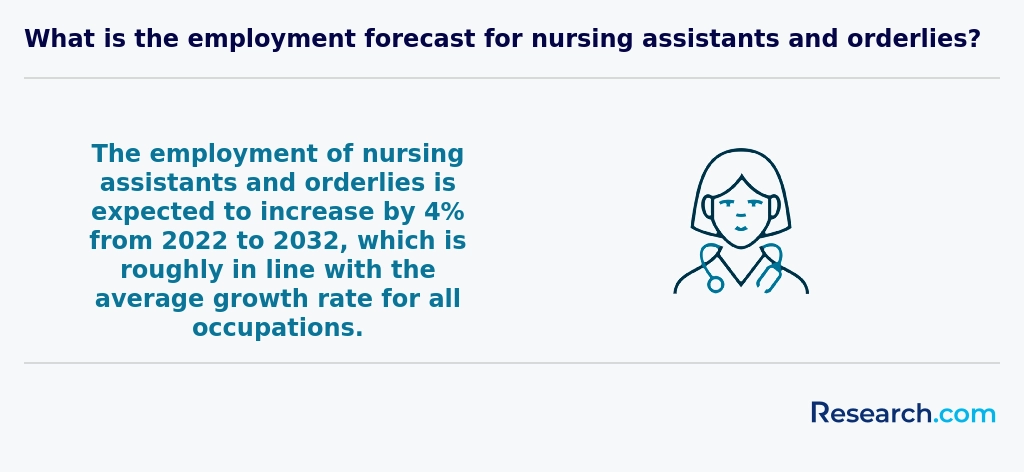
One of the most critical milestones for nursing students in Utah is the NCLEX-RN exam, which determines licensure and readiness for clinical practice. Utah’s top nursing programs boast NCLEX-RN pass rates well above the national average of 88%, with the University of Utah reporting a 95% first-time pass rate and Weber State University achieving 92%. To support these outcomes, programs integrate targeted preparation strategies:
- Comprehensive Review Courses: Dedicated NCLEX prep workshops, led by faculty with clinical experience, reinforce key content areas such as pharmacology, medical-surgical nursing, and pediatric care.
- Simulation Labs: High-fidelity patient simulators replicate exam-style scenarios, enabling students to practice critical thinking under timed conditions.
- Study Groups and Tutoring: Peer-led review sessions and one-on-one tutoring are available on campus, fostering collaborative learning and personalized feedback.
- Online Resources: Many programs provide access to question banks and adaptive learning platforms, allowing students to track progress and identify weak areas. Beyond undergraduate offerings, accelerated pathways-such as direct entry MSN programs for non nurses online-also incorporate NCLEX preparation modules, ensuring non-nurse graduates transition confidently into registered nurse roles. By combining rigorous academic instruction with practical exam strategies, Utah nursing schools maintain exceptional licensure success, preparing graduates to meet the state’s healthcare demands with competence and confidence.
Diving into a nursing degree in Utah means immersing yourself in a vibrant mix of courses that truly shape you for frontline care. Imagine sitting in a lively lecture at the University of Utah, absorbing the complex dance of Anatomy and Physiology, where graduates recall marveling at the intricate design of the human body - a foundation for every patient encounter.
Picture lab sessions where you, like students at Weber State University, watch microbes under the microscope in Microbiology, understanding the stealthy ways infections spread and how to stop them in their tracks. Pharmacology then opens a gateway to mastering medications, with stories of fellow classmates confidently preparing safe doses during clinicals in Salt Lake City hospitals.
Students share how Nursing Fundamentals build their confidence in vital signs and patient care basics, while Health Assessment sharpens their senses to detect subtle health changes-a skill honed during hands-on practicum rotations.
Ethics and law courses resonate deeply, reminding students that every choice has meaning within Utah's healthcare system. With each class-from mental health nursing to community health-graduates feel a growing readiness to meet the state's rising demand for compassionate, skilled nurses.
Diving into nursing degree specializations in Utah reveals a vibrant tapestry of clinical and leadership paths that ignite passion and purpose. Picture a graduate from the University of Utah, energized after mastering Family Nurse Practitioner skills, ready to offer holistic care to families from toddlers to grandparents. Another from Weber State University, deeply proud of their pediatric nursing expertise, feels a rush of fulfillment seeing healthy kids thriving. These Utah nursing programs with specialization options embrace everything from gerontological nursing, addressing the unique challenges of the aging population, to Psychiatric-Mental Health Nursing where compassion meets critical care.
In the bustling classrooms and clinical floors, students embrace Emergency Nursing's adrenaline-fueled precision or the nurturing warmth of Midwifery, guiding mothers through life's most profound moments. Beyond hands-on specialties, many find joy in leadership tracks like Nursing Administration and Nursing Education, shaping future caregivers. For those seeking flexibility, Utah learners often explore the university of phoenix rn to bsn, blending convenience with career growth.
Imagine standing at the crossroads of your nursing career in Utah, with options sprawling like the stunning Wasatch Mountains. Picking the best nursing degree isn't just about a name on a diploma - it's about weaving your lifestyle, ambitions, and values into your education. Graduates from Utah's top public universities rave about the balance of affordable tuition-often $6,000 to $12,000 yearly-and dynamic programs like the Bachelor of Science in Nursing, favored for its strong leadership pathways.
Picture yourself diving into clinical placements at renowned hospitals around Salt Lake City, gaining hands-on skills that textbooks can't teach. Many students cherish how accredited programs here don't just prep you for the NCLEX-RN but immerse you in community care, blending theory with heart. If you're juggling work or prior degrees, exploring direct entry MSN programs for non nurses online in Utah's landscape might be your secret to accelerating success.
Choosing among the best nursing degree programs Utah 2027 offers means looking beyond cost to quality and lifestyle harmony. Graduates frequently highlight how program length and format-like accelerated or hybrid options at local colleges-transform daunting schedules into achievable dreams. This is the savvy, affordable nursing schools in Utah give you: education that fits your story and fast-tracks your future.

Graduates from nursing programs in Utah find themselves at the crossroads of diverse and rewarding nursing career opportunities in Utah, thanks to the state's expanding healthcare landscape. From the bustling corridors of University of Utah's hospitals to community clinics linked with Weber State University, nursing degree holders often start as registered nurses, embracing fast-paced environments and building essential skills. Others quickly explore specialized lanes like becoming Licensed Practical Nurses, blending practical care with hands-on patient interaction.
Ambitious graduates from Utah's nursing colleges dive into paths as Advanced Practice Registered Nurses, where the allure of elevated autonomy and salaries above $115,000 beckons, often anchored in nurse practitioner roles or public health duties. Imagine working in rural areas or underserved communities, a reality for many who find purpose in Utah's public health nursing sector. For those craving variety, specialties like pediatrics or mental health add vivid color to their daily routines.
Many students also rely on reliable educational financing, occasionally discovering gems like Low Cost Online Nursing Degree Programs Ranking in Kansas to complement their Utah-centered ambitions. These options keep aspirations realistic and hopeful, fueling vibrant job prospects with nursing degree Utah graduates cherish.
The job market for nursing degree graduates in Utah pulses with opportunity and steady growth, especially from bustling centers like Salt Lake City and Provo. Graduates from popular nursing programs at local universities often find themselves stepping into roles where their training meets urgent community needs. The Utah nursing degree employment opportunities open pathways to diverse healthcare settings-ranging from fast-paced hospital wards to intimate outpatient clinics-fueling satisfaction and purpose as nurses engage directly with patients' lives.
One graduate shared how the affordable tuition made their studies manageable, allowing them to graduate debt-light and eagerly accept one of many open positions. With the Utah Nurse Licensure Compact enhancing the ability to work across state lines, nurses experience flexibility rarely seen elsewhere, energizing their careers with regional mobility. The average annual wage hovering near $75,000 affirms the value Utah places on these caregivers.
For those seeking accelerated entry into the field, exploring 6-month certificate programs that pay well online complements the traditional nursing degree, offering alternative routes aligned with the nursing jobs outlook Utah 2027. Each step taken reflects a vibrant nursing landscape expanding with evolving patient care models and technology innovation.
2027 Best Nursing Degree Programs Ranking in Utah
Investing in your education is a significant decision that can shape your future, and the Research.com team understands the importance of making informed choices. To assist prospective students in Utah, we have meticulously crafted the "2027 Best Nursing Degree Programs Ranking in Utah." Our commitment to quality, credibility, and accuracy is reflected in the extensive research and analysis conducted to compile this ranking.
We utilized the following reputable data sources to ensure a comprehensive evaluation of nursing programs:
By exploring this ranking, readers will gain valuable insights into the best nursing degree programs available in Utah, helping them make informed decisions about their educational paths. For more details on our methodology, please visit our Research.com methodology page.


# 9 position
Western Governors University
Master of Science in Nursing


# 11 position
Weber State University
Master of Science in Nursing

# 12 position
Western Governors University
Bachelor of Science in Nursing


# 16 position
Weber State University
Bachelor of Science in Nursing
# 17 position
Arizona College of Nursing-Salt Lake City
Bachelor of Science in Nursing

# 18 position
Eagle Gate College-Layton
Bachelor of Science in Nursing

# 19 position
Eagle Gate College-Murray
Bachelor of Science in Nursing

# 20 position
Provo College
Bachelor of Science in Nursing

Frequently Asked Questions About nursing
Nursing degree students in Utah can enhance their learning by actively engaging in both classroom and clinical experiences. Utah has over 20 accredited nursing programs, providing access to diverse clinical settings, including hospitals and community health centers. Students should seek opportunities to gain hands-on practice, as real-world skills are vital for licensure and employment.
Participating in simulation labs and joining nursing organizations like the Utah Nurses Association can expand professional networks and practical knowledge. According to the Utah Department of Health, the state expects a 15% growth in registered nurse jobs through 2030, making experiential learning especially valuable.
Additionally, students can benefit from Utah's nursing scholarships and financial aid resources to reduce costs and focus on studies.
Emerging niches within the nursing field in Utah reflect national trends but also address state-specific healthcare needs. Specialty areas like gerontological nursing are expanding rapidly due to Utah's growing aging population, which is projected to increase by 40% over the next decade, according to the Utah Department of Health. Telehealth nursing is another niche growing in importance, supported by Utah's investments in rural healthcare access. Additionally, psychiatric and mental health nursing is gaining focus, with Utah ranking higher than the national average in mental health care demand. These niches offer promising career paths for nursing students seeking to address critical gaps in Utah's healthcare system.
After completing a nursing degree in Utah, preparing for the job market involves several important steps. First, graduates must obtain licensure by passing the National Council Licensure Examination (NCLEX-RN), required across all U.S. states, including Utah. The Utah Department of Commerce Division of Occupational and Professional Licensing oversees this process.
Networking is vital; joining local chapters of professional organizations such as the Utah Nurses Association can connect job seekers with employers and mentorship opportunities. Additionally, clinical experience gained during the degree program significantly improves employability.
According to the Utah Department of Workforce Services, nursing roles in the state are expected to grow by 19% through 2030, making it a promising field. Developing strong communication and technical skills aligned with these trends helps graduates stand out.
Employers in Utah prioritize several key skills when hiring nursing degree graduates. Clinical competency is essential, as nurses must deliver safe, high-quality patient care aligned with state healthcare standards. Strong communication skills are also critical, enabling effective interaction with patients, families, and healthcare teams.
According to the Utah Department of Workforce Services, problem-solving abilities and critical thinking rank highly, helping nurses adapt to fast-changing medical environments. Additionally, familiarity with electronic health records and healthcare technology is increasingly valued due to ongoing digitalization.
Empathy and cultural sensitivity are important, especially given Utah's diverse population and healthcare needs. Employers also seek graduates with teamwork skills and professional ethics.
Finding nursing internships in Utah involves a combination of research, networking, and utilizing resources available through educational institutions and healthcare providers. Many nursing programs in Utah require clinical hours, which are often fulfilled through hospital partnerships or community health organizations. The Utah Board of Nursing and Utah Nurses Association frequently list internship opportunities and clinical placements.
Students should start by contacting their program's career services or clinical coordinator, as many internships are arranged directly through these offices. Major healthcare systems in Utah, such as Intermountain Healthcare and University of Utah Health, offer structured internship programs for nursing students.
Additionally, online job boards like the Utah Department of Workforce Services can provide listings for paid and unpaid nursing internships. In 2023, Utah had over 15,000 licensed nurses, indicating a strong demand for practical training opportunities within the state.
Obtaining a nursing degree in Utah significantly enhances career mobility and advancement opportunities. Utah's healthcare industry is growing, with the Bureau of Labor Statistics projecting a 17% increase in registered nurse employment from 2022 to 2032. A nursing degree, particularly a Bachelor of Science in Nursing (BSN), is often required for higher-paying positions and leadership roles in hospitals and clinics.
Advanced degrees such as a Master of Science in Nursing (MSN) open doors to specialized fields like nurse anesthesia or nurse practitioner roles, which command higher salaries and greater responsibility. Utah's healthcare employers highly value degree credentials, which also meet the state's licensure requirements.
Furthermore, many Utah hospitals participate in Magnet recognition programs that strongly prefer hiring nurses with BSN degrees, improving career prospects in those institutions. These factors collectively demonstrate that earning a nursing degree is crucial for those seeking long-term career growth in Utah's healthcare sector.
Studying for a nursing degree in Utah equips students with skills essential for interdisciplinary healthcare roles. Programs emphasize collaboration, communication, and teamwork across medical, social, and administrative fields. Utah nursing curricula often include clinical rotations in diverse settings, such as hospitals, community clinics, and long-term care facilities, fostering practical experience in multi-professional environments.
According to the Utah Board of Nursing, many programs align with the National Council of State Boards of Nursing (NCSBN) guidelines, ensuring graduates are prepared to work effectively with physicians, therapists, and social workers.
Furthermore, Utah's healthcare system encourages integrated care models, making nurses vital partners in multidisciplinary teams addressing patient needs holistically.
Choosing between a thesis and a non-thesis nursing degree program in Utah depends largely on your career goals and learning preferences. A thesis program requires conducting original research, which is ideal if you plan to pursue doctoral studies or a career in academic nursing. It typically takes more time and demands strong research and writing skills. Non-thesis options focus more on clinical practice and coursework, preparing students for advanced nursing roles in healthcare settings.
According to the Utah Department of Health, registered nurses form a significant part of the workforce, with growing demand for advanced practice nurses. A thesis may provide an edge for research-intensive positions or leadership roles, while non-thesis programs offer quicker entry into clinical practice. Consider your interests, strengths, and long-term objectives when deciding which path aligns best with your professional ambitions.
Students based in Utah interested in studying nursing abroad have several options to consider through U.S. university partnerships and study abroad programs. Many nursing schools in Utah, such as the University of Utah and Weber State University, offer exchange programs or international clinical placements. These opportunities allow students to gain diverse healthcare experience while earning credits toward their nursing degree.
Utah nursing programs typically emphasize global health perspectives, helping students understand healthcare challenges worldwide. According to the Utah System of Higher Education, approximately 12% of nursing students participate in some form of international study or clinical experience.
It is essential for students to verify accreditation and ensure clinical hours abroad meet U.S. licensing requirements, as nursing licensure varies by state. Collaborations with countries like Canada, Australia, and parts of Europe are common thanks to compatible healthcare systems and reciprocal agreements.
Part-time job opportunities in Utah can effectively complement nursing degree education by providing practical experience and enhancing clinical skills. Positions such as certified nursing assistants (CNAs), medical assistants, and patient care technicians offer hands-on patient interaction, a key component in nursing training. According to the Utah Department of Workforce Services, CNAs in Utah earn an average hourly wage of $14.50, offering both income and relevant experience.
Jobs in community health centers and urgent care clinics also enable students to observe a variety of medical conditions and improve communication skills. These roles often provide flexible hours suited to academic schedules.
Pharmacies and healthcare administrative positions might further support knowledge about medication management and healthcare systems.
Nursing students in Utah have access to various networking opportunities through professional organizations and local events. The Utah Nurses Association (UNA) is a key group that offers student memberships, allowing access to statewide conferences, workshops, and mentorship programs. These platforms connect students with practicing nurses and healthcare leaders across the state.
Additionally, many nursing programs in Utah partner with hospitals, clinics, and community health centers, providing students with internships and clinical placements that foster professional relationships. According to the Utah Department of Workforce Services, the healthcare sector is one of the fastest-growing industries, making networking critical for job placement after graduation.
Students also benefit from university-hosted career fairs and simulation labs, which encourage collaboration and connections with potential employers and peers. These resources equip nursing students with opportunities to build professional networks essential for career advancement in Utah's healthcare environment.
Alumni networks provide valuable support for nursing degree students in Utah by offering connections within the local healthcare community. Graduates often share job leads, mentorship, and advice that help current students navigate clinical placements and job searches.
Utah's nursing programs benefit from strong ties to healthcare employers, such as Intermountain Healthcare and University of Utah Health. Through alumni events and online platforms, students gain access to experienced professionals who understand the state's nursing demands and licensure processes.
A 2023 Utah Nursing Workforce Report highlights that nearly 40% of new nurses find their first job through personal connections, emphasizing the importance of active alumni networks.
Students pursuing nursing degrees in Utah can customize their programs by selecting specialized tracks or elective courses aligned with their career goals. Many Utah institutions offer options such as psychiatric nursing, pediatric nursing, or nurse management. Choosing these areas allows learners to focus on specific patient populations or leadership roles.
Moreover, clinical placements are often flexible, enabling students to gain experience in healthcare settings that match their professional interests. According to the Utah Department of Health, targeted clinical experiences improve job placement rates and skill relevance.
Additionally, some programs provide accelerated paths or bridge options for registered nurses seeking advanced degrees. This flexibility supports varied career timelines and ambitions.
Nursing students in Utah often face several challenges throughout their education. One major hurdle is balancing clinical practice hours with academic coursework, as clinical placements can be demanding and time-consuming. According to the Utah Nurses Association, many students report stress from managing this balance alongside personal responsibilities.
Another common challenge involves the competitive nature of clinical placements due to limited availability in some healthcare facilities. This can delay students' progress in completing required hands-on experience. Additionally, students often struggle with the financial burden of tuition and related costs, which may influence their ability to continue studies without interruption.
Finally, adapting to evolving healthcare technologies and meeting rigorous licensing exam requirements presents an ongoing pressure for nursing students in Utah, impacting both their confidence and performance. These factors combined shape the overall difficulty of pursuing nursing degrees in the state.
With a nursing degree in Utah, graduates can pursue several professional certifications that enhance career prospects and specialization. The most common is the Registered Nurse (RN) license, obtained by passing the NCLEX-RN exam, a requirement across all U.S. states including Utah.
Further certifications allow nurses to specialize in areas such as Family Nurse Practitioner (FNP), Certified Nurse Midwife (CNM), or Clinical Nurse Specialist (CNS). These require additional education, often at the master's or doctoral level, followed by national certification exams.
Utah's Department of Commerce and organizations like the Utah Nurses Association provide resources and guidance on certification requirements. According to recent figures from the Utah Board of Nursing, more than 50,000 registered nurses hold active licenses, of whom about 20% are certified in specialty fields.
Certifications in areas like pediatrics, oncology, and critical care are also available and valued by Utah healthcare employers, potentially leading to higher earnings and career advancements.
Applying to nursing programs in Utah requires careful preparation to stand out among many candidates. Start by ensuring your GPA meets program requirements; many Utah nursing schools expect at least a 3.0 in prerequisite courses. Highlight any healthcare experience, such as volunteering or work in clinical settings, which strengthens your application.
Writing a clear, focused personal statement is essential. Use it to explain your motivation for nursing and how your background aligns with Utah's healthcare needs. According to the Utah Board of Nursing, programs also value applicants demonstrating strong communication and critical thinking skills.
Remember to complete all application materials promptly and request letters of recommendation from professionals familiar with your academic or healthcare skills.
Nursing is a growing profession worldwide, and many students in Utah consider its global opportunities. Nurses from the U.S. often have transferable skills valued internationally, particularly in countries with advanced healthcare systems. According to the Utah Department of Health, the state is increasing its nursing workforce to meet future demands, which aligns with global trends showing a growing need for healthcare professionals.
In the U.S., including Utah, nurses can advance through multiple degree levels, from ADN to BSN and beyond. Globally, many countries recognize U.S. nursing education as a high standard, which allows graduates to seek employment abroad or participate in international health projects. Understanding cultural competence and global health issues is increasingly emphasized in nursing programs to prepare students for diverse environments.
Gaining practical experience while studying for a nursing degree in Utah is essential for developing clinical skills and improving job prospects. Most nursing programs in Utah, including ADN and BSN tracks, require students to complete clinical rotations in hospitals, clinics, or community health settings. These hands-on experiences allow students to work directly with patients under professional supervision.
Additionally, many institutions partner with local healthcare providers such as Intermountain Healthcare and University of Utah Health, which are among the largest employers of nurses in the state. Volunteering or part-time work in these settings can further enhance practical skills.
According to the Utah Board of Nursing, students must log a minimum number of clinical hours-often around 500 to 700 hours-depending on the program.
Choosing the right concentration within a nursing degree program in Utah depends on your career goals, interests, and the demand for specific nursing roles. Utah offers various specializations such as family nurse practitioner, psychiatric-mental health, pediatric nursing, and nurse midwifery. According to the Utah Department of Health, the state expects a 22% growth in healthcare jobs by 2030, with high demand for advanced practice nurses.
Consider areas where Utah faces shortages, such as rural healthcare or geriatric nursing. Research schools accredited by the Commission on Collegiate Nursing Education (CCNE) in Utah to ensure quality education. Align your choice with licensing requirements set by the Utah Board of Nursing to ease your path to practice.
- 2027 Best Online Nursing Degree Programs Ranking in Colorado
- 2027 Best Online Nursing Degree Programs Ranking in California
- 2027 Best Online Nursing Degree Programs Ranking in Texas
- 2027 Best Online Nursing Degree Programs Ranking in North Dakota
- 2027 Best Online Nursing Degree Programs Ranking in Kansas
- 2027 Best Online Nursing Degree Programs Ranking in Iowa
- 2027 Best Online Nursing Degree Programs Ranking in Missouri
- 2027 Best Online Nursing Degree Programs Ranking in Louisiana
- 2027 Best Online Nursing Degree Programs Ranking in Wisconsin
- 2027 Best Online Nursing Degree Programs Ranking in Illinois
See What Experts Have To Say About Studying Nursing
Read our interview with Nursing experts


- | NRR | Dove Medical Press https://www.dovepress.com/internship-challenges-encountered-by-nursing-students-a-qualitative-st-peer-reviewed-fulltext-article-NRR
- Nursing Internship and Externship Programs https://jobs.mayoclinic.org/nursinginternexternprograms
- The Nurses' Alumni Association https://giving.mainlinehealth.org/get-involved/auxiliaries-and-womens-boards/lankenau-medical-center-womens-board/the-nurses-alumni-association
- How Much Can I Earn With a BSN? https://www.allnursingschools.com/bsn/salary/
- Types of Nursing Careers & Specialties https://nursinglicensemap.com/nursing-specialties/
- Sign Up for the Journal of Nursing. https://www.asrn.org/journal-advanced-practice-nursing/3399-10-business-ideas-for-nurses-in-2026.html
- Nursing Internships Abroad: An Introduction - RealStep https://www.real-step.com/en/articles/nursing-internships-abroad/
- Nursing - SUM Admission https://admission.sum.edu.pl/nursing/
- Medical University of GdaÅsk https://admission.mug.edu.pl/29318.html
- Study Nursing Abroad | Boomerang International Educational Services https://boomerangedu.com/study-nursing-abroad/