
2027 Most Valuable MBA Degree Programs Ranking in Newark

Co-Founder and Chief Data Scientist
Choosing the right MBA program can shape your future career and open doors to exciting opportunities. This article introduces the 2027 Most Valuable MBA Degree Programs Ranking in Newark, crafted by the Research.com team of data scientists to help you make an informed decision.
With clear insights into the best programs available locally, you'll discover which options offer strong value and support your goals. Pursuing an MBA is a powerful way to boost your skills, confidence, and professional network-this guide will help you take that important step with clarity and confidence.
Key benefits of getting MBA degree in Newark
- While specific salary data in Newark is not available, MBA graduates in the US typically enjoy strong earning potential, with many roles offering competitive salaries exceeding $80,000 annually, making the degree a smart financial investment.
- Graduates from Newark's popular universities often pursue diverse career paths such as management, finance, and consulting, opening doors to leadership roles across various thriving industries in the region.
- Completing an MBA online in Newark offers unmatched flexibility, allowing students to balance work and study easily while gaining the same respected qualification as traditional programs, leading to greater career advancement opportunities.
- 2027 Most Valuable MBA Degree Programs Ranking in Newark
- What can I expect from MBA degree in Newark?
- Where can I work with MBA degree in Newark?
What can I expect from MBA degree in Newark?
The average cost of obtaining an MBA degree in Newark typically ranges between $30,000 and $60,000, depending largely on the program type and residency status. Graduates from Rutgers Business School, a leading institution in the city, often reflect on the investment as both manageable and worthwhile, considering the access to a multicultural environment and strong ties to local industry players.
Many students appreciate the flexibility of part-time and executive MBA options, which allow them to work while studying, easing financial pressures. For example, a part-time MBA graduate shared how balancing work with classes enabled steady income while gaining practical leadership skills relevant to Newark's dynamic business landscape.
With tuition rates reflecting diverse program offerings, the connection to companies like Prudential Financial enhances internship and job prospects, creating a positive feedback loop where the cost translates directly into career opportunities.
Looking ahead, the cost-benefit balance of Newark's MBA programs is expected to improve as schools innovate with hybrid learning models and deepen ties to emerging tech and finance sectors, potentially reducing overall expenses while boosting student outcomes.
Where can I work with MBA degree in Newark?
MBA graduates from Newark's universities often find themselves stepping into dynamic roles across finance, logistics, healthcare, and startups. Imagine a recent graduate from a local college leveraging Newark's position as a logistics hub to become a supply chain strategist at a major port-related company. Their MBA skills in operations and leadership directly translate into optimizing complex transportation networks, making the work both challenging and deeply rewarding.
Others have thrived in the financial sector, securing positions in corporate finance or risk management at regional banks and investment firms. These roles harness their analytical and strategic skills, and proximity to New York City creates abundant networking possibilities that graduates frequently highlight as game-changers for their careers.
Healthcare management is another exciting avenue, with graduates stepping into hospital administration roles in facilities like University Hospital. Their business acumen helps improve patient services while managing large-scale projects, fostering a sense of impact and purpose.
Startups and entrepreneurship also attract those eager to innovate. Many MBA holders share stories of joining Newark Venture Partners' networks, finding community and mentorship essential for launching successful ventures. This thriving ecosystem offers palpable excitement, driving graduates to shape Newark's business future.
MBA graduates in Newark often enjoy impressive salary prospects, reflecting the city's strategic location near New York City's financial hub. While specific governmental salary data is limited, graduates from institutions like Rutgers Business School or New Jersey Institute of Technology report average starting salaries around $75,000 to $85,000. More experienced professionals, especially those who step into senior management or consulting roles, can see compensation rise to $130,000 or more annually.
One recent graduate shared how their MBA opened doors to a consulting firm in Newark, starting with a $90,000 salary plus performance bonuses that increased total earnings by 20%. Such incentives are common and can significantly boost your income beyond the base pay. Graduates in finance roles near Newark frequently earn between $110,000 and $125,000, demonstrating the premium placed on business expertise in this market.
The momentum in Newark's growing tech and healthcare sectors also promises exciting opportunities. As startups flourish, salaries may initially be modest but with substantial equity options or bonuses, offering a rewarding blend of income and long-term growth. For Newark MBA candidates, the future is bright with robust earning potential ahead.
- The cost of an MBA in Newark ranges from $40,000 to over $70,000, with public universities generally offering lower tuition than private schools.
- Average starting salaries for MBA graduates in Newark are between $75,000 and $90,000 annually.
- After five to ten years, MBA holders can expect median incomes around $120,000 or more.
- Newark's job market supports industries like finance, consulting, healthcare, and technology, with annual job growth near 6% in management roles.
- Many MBA programs offer part-time, evening, and online options to accommodate working professionals.
- Accredited programs, especially those with AACSB accreditation, offer better employment prospects and higher starting salaries.
In Newark, completing an MBA typically takes about two years for full-time students, as seen at Rutgers Business School, where graduates often describe an intense but rewarding journey. Many speak of daily campus immersion that accelerates their learning and builds strong professional networks in a vibrant urban setting. Others balance their education with work through part-time programs lasting three to four years, which alumni value for the flexibility allowing steady career growth alongside studies.
Emerging trends suggest accelerated one-year MBAs and executive MBA formats are gaining popularity, especially among seasoned professionals in Newark who juggle busy schedules yet crave advancement. Graduates from these accelerated paths often highlight a sense of accomplishment fueled by the rigorous pace and practical weekend classes. The variety of program lengths reflects an evolving landscape where students can tailor their MBA experiences to fit their lives, ambitions, and financial plans.
Prospective students envision a future where technology integration and hybrid learning might further shorten completion times while enhancing engagement, potentially revolutionizing how Newark's MBA candidates balance education and career demands.
In Newark, the choice between online and on-campus MBA programs often boils down to lifestyle and learning style preferences. Graduates from Rutgers Business School recall how the on-campus experience provided spontaneous hallway conversations and networking events that sparked job opportunities, feelings difficult to replicate online. Meanwhile, online MBA graduates appreciate the freedom to study late at night after work, savoring a sense of control over their schedules without the stress of daily commutes.
Looking ahead, Newark's MBA education may blend these strengths, with hybrid models offering both in-person collaboration and asynchronous flexibility to fit busy lives. Imagine virtual reality classrooms where students from Rutgers or other Newark colleges interact face-to-face without leaving home, embodying the best of both worlds.
Cost-wise, while the on-campus programs often come with higher tuition and living expenses, online options ease financial pressure with savings on commuting and housing. These evolving experiences reflect how Newark's MBA scene embraces students' needs, helping them thrive emotionally and professionally.
When evaluating MBA programs in Newark, NJ, understanding the return on investment (ROI) is essential. ROI measures the time it takes for graduates to recoup their educational expenses through increased earnings. With the average total cost of an MBA in Newark ranging from $80,000 to $150,000 (including tuition, fees, and living expenses), and entry-level salaries starting around $80,000–$100,000, most full-time students can expect to break even within 3–5 years post-graduation. Key factors affecting ROI include:
- Tuition and Fees: Comparing in-state vs. out-of-state rates at Rutgers Business School and NJIT can yield savings of up to 20%.
- Scholarships and Grants: Merit-based awards and employer sponsorships can reduce net tuition by 30% or more.
- Salary Uplift: Graduates moving into consulting or finance roles often see salary increases of 40–60% over their pre-MBA income.
- Opportunity Cost: Full-time students forgo 2 years of earnings; part-time and online formats help maintain income streams, shortening the payback period. Consider running a simple ROI formula: (Net Salary Increase per Year × Years Post-MBA) – Total Program Cost = Cumulative Gain. For cost-conscious applicants seeking even lower program costs, exploring the Low Cost MBA Degree Programs Ranking in Kansas can reveal alternative models of affordability without sacrificing quality. By balancing tuition, time commitment, and projected earnings, prospective students can make data-driven choices that maximize both financial and career growth.
The average cost of a MBA degree in Newark currently centers around $57,951 for out-of-state students and about $18,612 for in-state students, illustrating a significant difference influenced by residency status. Graduates from prominent schools such as Rutgers Business School often describe the investment as a stepping stone that opens doors to rewarding career opportunities, softly balancing the financial commitment with the long-term benefits.
Students pursuing the total MBA tuition and fees Newark 2027 can anticipate additional expenses beyond tuition, including technology fees and living costs that reflect Newark's vibrant urban environment. Alumni recall balancing these costs with flexible part-time or online program formats, which helped manage financial pressures while gaining valuable experience and networking connections locally and nationally.
As financial aid and employer sponsorship remain accessible to many, prospective students often feel optimistic about their ability to mitigate costs through scholarships or assistance programs. Exploring options provided by Newark's universities often reveals tailored financial solutions that make the journey more affordable and reassuring for many candidates.
Looking ahead, trends suggest increasing availability of hybrid MBA program formats and enhanced digital resources, offering both convenience and cost-effectiveness. Those interested may find comparisons helpful by reviewing options from best business schools in Utah alongside Newark institutions to gauge competitive offerings and financial planning strategies.

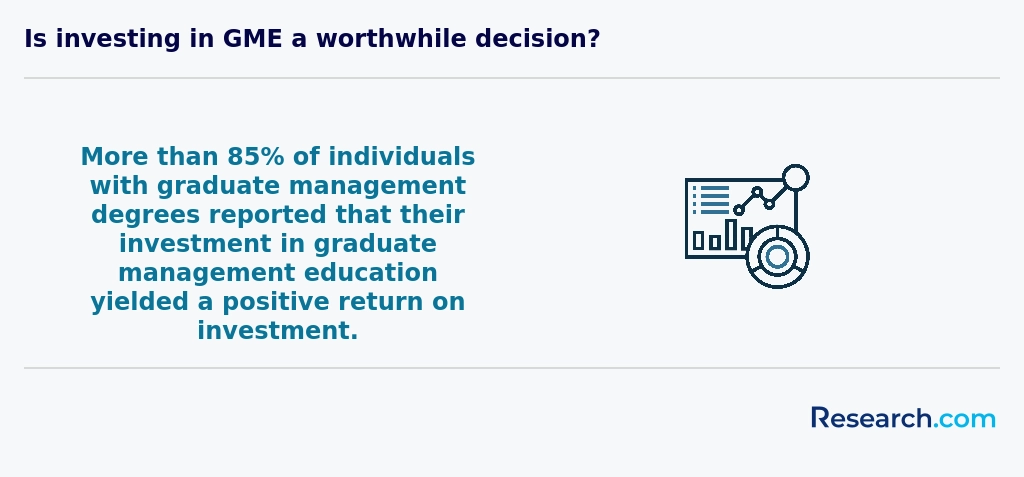
Investing in an MBA is about more than tuition-it’s about paving the way for a rewarding career and long-term personal growth. In Newark, NJ, graduates experience not only a boost in salary but also enhanced leadership, strategic decision-making, and expansive networking opportunities that contribute to sustainable career success. By carefully weighing tuition costs, expected salary growth, and professional development opportunities, prospective students can assess the true ROI of their MBA journey. For instance, many alumni report that the robust career support and industry connections established during their studies continue to generate benefits well into their professional lives. Moreover, flexible options such as online programs allow working professionals to advance their education without sacrificing income. In fact, if you are considering alternative formats, you might explore easy mba programs to get into that also offer competitive ROI by combining affordability with career-enhancing curricula. Ultimately, understanding the long-term impact of your MBA-from accelerated career trajectories to enhanced leadership skills-can empower you to make a confident, strategic decision about your educational future.
MBA students in Newark often find a mix of financial aid opportunities that make pursuing their degrees more attainable. Graduates from well-known local institutions recall how federal student loans like the Direct Unsubsidized Loan and Grad PLUS Loan eased their tuition burdens with relatively low-interest rates and flexible repayment. Completing the FAFSA early proved crucial in unlocking these resources.
Merit-based scholarships are another hopeful avenue, especially for those with strong backgrounds. Several Newark business schools offer scholarships targeting diversity and leadership potential, which many students embraced as recognition of their unique journeys.
Employer sponsorships stand out as a game changer for part-time MBA candidates working in finance or tech companies around Newark. One graduate shares how their company's tuition reimbursement program transformed their ability to balance work and study.
Though less common, assistantships occasionally provide stipends and tuition relief, allowing some students to gain valuable experience while reducing their financial strain. Exploring every option helps Newark MBA candidates shape a sustainable funding path for their education.
Investing in an MBA demands careful consideration of both costs and long-term earning potential. On average, full-time MBA programs in Newark, NJ, require total tuition and fees ranging from $60,000 to $120,000, depending on the institution and residency status. When you factor in living expenses-approximately $20,000 per year in Newark-the aggregate investment can approach $100,000–$140,000 over two years. By contrast, graduates report starting salaries between $75,000 and $100,000, with mid‐career earnings often exceeding $120,000 in sectors like finance and consulting. Assuming an average uplift of $30,000 annually compared to pre-MBA earnings, the typical payback period for an MBA in Newark falls between 3 and 4 years. Key variables influencing ROI include:
- Tuition Discounts and Scholarships: Merit-based awards can reduce net costs by 20–50%, accelerating breakeven.
- Employer Sponsorship: Tuition reimbursement programs may cover up to 75% of expenses.
- Part-Time and Online Format Savings: Working professionals can offset living costs and avoid income interruption. Conduct a personalized ROI projection by estimating your total program cost, adding expected living expenses, and comparing against your anticipated post-MBA salary. Don’t overlook intangible benefits-expanded networks, access to executive mentors, and enhanced career services often yield opportunities that extend well beyond salary figures. For additional insights on balancing cost and quality, especially if you’re exploring more budget-friendly options, take a look at Low Cost MBA Degree Programs Ranking in Kansas.
Enrolling in an MBA program in Newark typically requires a bachelor's degree from an accredited institution, though not necessarily in business. Graduates from Newark's well-known universities often recall how their diverse academic backgrounds-from engineering to humanities-were warmly welcomed, reflecting the inclusive nature of local programs. A competitive GPA, usually around 3.0, sets the foundation, but many alumni emphasize that professional experience carries significant weight.
Experienced candidates-those with two to three years of relevant work-often feel more confident engaging in leadership discussions and case studies at Newark's business schools. For instance, graduates mention how their prior roles enhanced their classroom contributions, creating a dynamic learning environment. While standardized tests like the GMAT or GRE remain common, some Newark schools have embraced test-optional policies, acknowledging professional achievements and academic history as valid markers of readiness.
Non-native English speakers generally demonstrate proficiency through TOEFL or IELTS, ensuring clear communication in collaborative settings. Letters of recommendation and personal statements help applicants convey their unique career aspirations, with many Newark students describing these requirements as opportunities for self-reflection and goal clarity before joining the rigorous MBA journey.

When considering an MBA program in Newark, NJ, it's essential to weigh the options carefully, taking into account factors such as curriculum, specializations, flexibility, and networking opportunities. For those interested in exploring top MBA programs in Newark, New Jersey, researching schools like Rutgers Business School and NJIT can provide valuable insights. To find the most suitable program, prospective students should explore the valuable mba schools in new jersey, considering aspects such as accreditation, faculty expertise, and alumni success stories. By doing so, they can make informed decisions about their educational futures, ensuring they choose programs that truly deliver value and set them up for success in their chosen careers.
MBA students in Newark typically engage in a blend of core courses and electives that reflect both foundational business knowledge and the city's evolving economic landscape. Graduates from Rutgers Business School often recall how courses like financial analysis and marketing strategies felt immediately applicable, whether analyzing local investment opportunities or crafting plans for regional startups.
The curriculum frequently includes managerial economics and business analytics, training students to tackle complex problems with data-driven insights, a skill increasingly prized in Newark's growing tech and healthcare sectors. Leadership and ethics are more than theoretical subjects; many students share stories of case studies where they navigated real-world dilemmas, preparing them emotionally and intellectually for responsible management roles.
Electives focusing on healthcare management or entrepreneurship resonate strongly with those who want to impact Newark's dynamic industries. Part-time and executive students appreciate how flexible scheduling allows them to integrate learning with careers, often applying lessons from class to immediate workplace challenges, making their MBA journey both inspiring and practical.
MBA degree specializations in Newark are evolving to reflect both regional strengths and emerging global trends, offering students pathways that blend traditional expertise with future-facing skills. Graduates from renowned Newark colleges often highlight how Finance remains a cornerstone specialization, benefiting greatly from the city's proximity to New York's financial district, where internships and networking fuel confidence and career growth.
Technology Management is gaining momentum as students tackle real-world innovation challenges in local tech hubs. Healthcare Management continues to attract those eager to lead in New Jersey's extensive medical network, managing complex hospital systems. Popular MBA concentrations Newark 2027 will likely expand Supply Chain and Logistics offerings, capitalizing on Newark's role as a major transportation nexus.
Entrepreneurship programs are fostering creativity and resilience, with students launching startups that thrive in Newark's diverse markets. Many learners appreciate flexible formats and combine in-person with online studies, making it easier to engage with dynamic industries. For those curious about how flexible learning can fit their needs, exploring top online business degrees provides valuable insight.
Choosing the best MBA degree in Newark means focusing on schools with strong regional accreditation and, ideally, AACSB recognition. Graduates from local institutions often highlight how this distinction opened doors in Newark's competitive job market. For those seeking affordable MBA degrees Newark offers public universities with significant in-state tuition discounts, easing financial pressure.
Program formats are evolving-graduates appreciate options that fit their busy schedules, especially part-time and executive tracks. You might explore executive mba programs specialization that allow you to balance work and study seamlessly, a benefit many Newark-based professionals find invaluable.
Curriculum focus matters greatly. Alumni from Newark colleges emphasize how tailoring studies to finance, technology, or entrepreneurship gave them a distinct edge in local industries. Networking thrives through local alumni groups, which often leads to internships and job offers within Newark's vibrant business community.
The best MBA programs in Newark combine quality education, flexibility, and strong local connections-criteria that graduates consistently praise as key to their success and satisfaction.
MBA graduates in Newark find themselves at the crossroads of expanding industries with promising career opportunities. Many graduates from Newark's universities thrive in financial services, leveraging the city's proximity to Wall Street to excel in investment banking and corporate finance. This dynamic environment makes Newark an attractive option for those seeking MBA career opportunities in Newark that combine urban vibrancy with strong industry connections.
Healthcare management is another vibrant path, supported by institutions like University Hospital. Graduates often share how managing operations in such complex environments feels rewarding and impactful, motivating many to continue growing in the sector. These real-world experiences showcase the appeal of Newark's diverse industry base for MBA students.
Technology and supply chain sectors also invite fresh perspectives. Students at prominent local colleges have reported exciting opportunities in product management and logistics, stimulated by the city's developing tech ecosystem and major port activities. Those exploring the business school accreditation VA often discover how Newark holds its own in preparing future leaders for these fields.
The job market for MBA degree holders in Newark is expanding, reflecting the city's growing commercial significance. Graduates from local universities often find themselves drawn into dynamic sectors such as finance, technology, and healthcare administration. These industries value the advanced business acumen cultivated through Newark's MBA programs, especially given the city's strategic location and economic diversity. Newark MBA graduate employment trends show promising growth, with many alumni landing leadership or strategic roles at major companies like Prudential Financial or emerging technology startups.
Students studying MBA in Newark frequently share stories of internships and networking events that lead to rewarding career opportunities, facilitated by partnerships between local businesses and institutions. The proximity to New York City also enhances scope, with graduates balancing competitive salaries and exciting challenges. For those weighing different specializations, a flexible online MBA in nonprofit management offers additional pathways to impactful careers within the city's nonprofit sector, complementing traditional industries and broadening job prospects for ambitious graduates.
2027 Most Valuable MBA Degree Programs Ranking in Newark
Investing in your education is a significant decision that can impact your career and future, and the Research.com team is dedicated to helping you make well-informed choices. To support prospective students interested in Newark, we have carefully developed the "2027 Most Valuable MBA Degree Programs Ranking in Newark." Our commitment to quality, credibility, and accuracy is demonstrated through rigorous research and thorough analysis underpinning this ranking.
We utilized the following reputable data sources to ensure a comprehensive evaluation of MBA programs:
By consulting this ranking, readers will obtain valuable insights into the most valuable MBA programs in Newark, enabling them to select the option best suited to their goals. For a detailed overview of how this ranking was created, please visit our Research.com methodology page.


Frequently Asked Questions About MBA
MBA students in Newark can maximize their learning by actively engaging with local business networks and internship opportunities. Newark's proximity to New York City offers access to major companies, providing real-world experience essential for MBA studies. According to the Newark Regional Business Partnership, many MBA programs encourage students to leverage internships to apply theoretical knowledge practically.
Students should also participate in case competitions and workshops, common in regional schools like Rutgers Business School. These activities help develop problem-solving and leadership skills.
Taking advantage of Newark's diverse economic sectors, including finance, logistics, and technology, allows MBA candidates to explore industry-specific knowledge. Networking events hosted by Newark academic institutions also support peer learning and professional growth.
The MBA field is evolving rapidly, with several emerging niches gaining traction in Newark and across the U.S. One growing area is Technology Management, which blends business acumen with IT skills, preparing students for leadership roles in tech-driven industries. According to recent data from the Graduate Management Admission Council (GMAC), over 30% of MBA candidates show increased interest in tech-focused curricula.
Healthcare Management MBAs are also expanding, reflecting Newark's proximity to major medical centers and healthcare companies. This niche focuses on the business side of healthcare delivery and administration.
Another emerging area is Sustainability and Social Impact, where students learn to integrate environmental and social governance into business strategies. Schools in Newark are beginning to offer specialized courses addressing these critical issues.
Finally, Entrepreneurship and Innovation remain vital, with many programs emphasizing startups and new venture creation, responding to Newark's growing startup ecosystem.
After completing an MBA degree in Newark, preparing for the job market requires strategic planning and practical steps. Begin by leveraging the connections made during your studies, including faculty, alumni, and local business networks, which are robust in Newark's diverse economy.
Next, develop strong soft skills like communication, leadership, and adaptability-qualities highly valued by employers, especially in fields like finance, healthcare, and logistics prevalent in Newark. According to the U.S. Bureau of Labor Statistics, MBA graduates with these skills have better employment outcomes.
Finally, engage in internships or part-time roles during your program to gain real-world experience. Using resources like the Newark Workforce Development Board can also help with tailored career services and job placement support specific to the region.
Employers in Newark highly value MBA graduates who demonstrate strong leadership and strategic thinking skills. According to a 2023 survey by the Newark Regional Chamber of Commerce, 78% of hiring managers prioritize candidates capable of driving business growth through innovative solutions.
Analytical skills also rank prominently. MBA holders proficient in data interpretation and financial modeling are sought after to make informed decisions in competitive markets. Communication abilities are critical as well, with 69% of employers emphasizing clear, persuasive articulation of ideas both internally and externally.
Additionally, adaptability and teamwork are essential skills. Given Newark's diverse business landscape, flexibility in managing change and collaborating across departments enhances career opportunities for MBA graduates.
Finding internships in Newark relevant to an MBA degree involves targeting industries and companies with strong business and financial services presence. Newark is home to several Fortune 500 companies and a growing startup ecosystem that often offer MBA internships. Leveraging university career centers is vital; many Newark-area MBA programs maintain partnerships with local employers and provide access to exclusive internship listings. Networking through local business organizations such as the Newark Regional Business Partnership also helps connect students with opportunities.
According to the National Association of Colleges and Employers (NACE), 65% of MBA internships lead to full-time employment, underscoring the importance of early internship pursuit. Online platforms and job fairs held by Newark's universities remain key tools for discovering positions directly related to MBA specializations like finance, marketing, or operations.
Obtaining an MBA degree significantly enhances career mobility and advancement opportunities for professionals in Newark. According to the Graduate Management Admission Council (GMAC), 85% of MBA graduates report career progress within three years of graduation, with many moving into leadership roles.
Newark's growing business sectors, including finance, logistics, and technology, highly value the strategic and managerial skills cultivated through MBA programs. Employers often seek candidates with MBAs for roles involving decision-making and project management.
Additionally, local businesses in Newark frequently prefer MBA graduates from accredited institutions, citing their strong analytical capabilities and professional networks. This advantage often translates into higher salaries and faster promotions, with reports suggesting MBA holders earn up to 50% more than their non-MBA peers in the region (U.S. Bureau of Labor Statistics).
Networking opportunities provided by Newark's universities further support career advancement by connecting students with local industry leaders and alumni.
Studying for an MBA degree in Newark equips students with versatile skills essential for interdisciplinary roles. Newark's programs emphasize leadership, strategic thinking, and cross-functional teamwork, preparing graduates to navigate complex business environments.
MBA curricula in Newark often integrate finance, marketing, operations, and technology courses, fostering a broad understanding of different business functions. According to the U.S. News & World Report (2024), Newark MBA graduates report a 15% higher ability to manage projects involving multiple departments compared to national averages.
Additionally, Newark's proximity to diverse industries-including finance, healthcare, and logistics-offers practical opportunities for interdisciplinary collaboration through internships and networking events. This real-world exposure enhances adaptability and problem-solving skills in varied contexts.
Choosing between a thesis and a non-thesis MBA program in Newark depends on your career goals and learning preferences. A thesis MBA typically involves conducting original research, which may appeal to students interested in academic careers or specialized fields. It requires strong analytical skills and a significant time commitment for research and writing.
Non-thesis MBA programs focus more on coursework and practical application, ideal for professionals aiming to enter or advance in management roles quickly. According to the U.S. Department of Education, most Newark-area business schools lean toward non-thesis options to accommodate working students.
Consider your schedule flexibility, professional goals, and whether you prefer theory or practice when deciding.
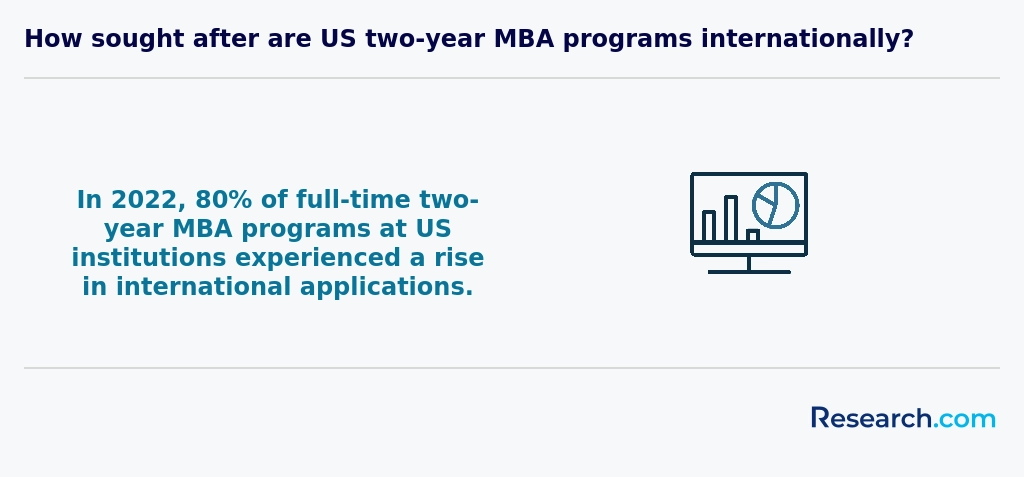
Students based in Newark seeking to study MBA abroad have various flexible options tailored to their needs. Many top U.S. business schools, including those near Newark like Rutgers Business School, offer dual-degree programs with international institutions, enabling students to gain global exposure while starting their studies locally. According to the Graduate Management Admission Council (GMAC) 2023 report, 35% of U.S. MBA candidates explore international study opportunities, reflecting growing interest in global business practices.
Additionally, numerous U.S. accredited online MBA programs provide international modules or partnerships with overseas universities, allowing Newark students to study abroad without relocating immediately. These programs combine the convenience of remote learning with global networking opportunities.
Newark offers a variety of part-time job opportunities that can complement MBA studies by providing practical business experience. Roles in local financial services, such as banking internships or teller positions, expose students to real-world financial processes. Additionally, Newark's growing tech sector presents part-time openings in project management and business analysis, which align well with MBA coursework.
Many MBA students also find value in roles within Newark's logistics and transportation companies, gaining insight into supply chain management-a key MBA concentration. According to the New Jersey Department of Labor, these industries have seen a 5% job growth over the past two years, reflecting increasing opportunities.
Moreover, part-time consulting roles with small Newark-based firms enable MBA students to apply classroom knowledge in strategic planning and marketing, enhancing their professional skills. Such opportunities foster networking and can often lead to full-time employment after graduation.
Newark offers robust networking opportunities for MBA students, partly due to its proximity to New York City and its own growing business community. Many programs connect students with local industry leaders through events, guest lectures, and career fairs. For example, Rutgers Business School in Newark boasts a large alumni network of over 50,000 professionals, which is a key resource for mentorship and job placements.
Students often benefit from partnerships with major companies located in Newark's transportation, finance, and logistics sectors. The city also hosts professional networking groups and chambers of commerce events, which are open to MBA candidates. These activities help students build valuable contacts before graduation.
Alumni networks play a crucial role in the experience of MBA students in Newark by providing valuable professional connections and career support. Graduates from Newark's top MBA programs often join active alumni associations that host networking events, workshops, and mentorship opportunities. According to a 2023 report from the Newark Business Education Consortium, over 75% of MBA graduates found their first post-degree job through alumni contacts. These networks also offer lifelong access to industry insights and job leads, helping students stay competitive in Newark's evolving business market. For students, this can mean smoother transitions into leadership roles within local and national companies.
Customizing your MBA degree program in Newark allows you to align your education with your career objectives effectively. Many Newark-based institutions offer specialized concentrations such as finance, marketing, entrepreneurship, or healthcare management. Choosing a concentration helps tailor your coursework toward the skills most relevant to your desired field.
Additionally, Newark MBA programs often provide flexible options like part-time, evening, or online classes, enabling students to balance work and study. Internships and networking opportunities within Newark's business community further support career-specific growth.
According to U.S. News & World Report, about 60% of Newark MBA candidates select concentrations aligned with local industry needs, enhancing job placement prospects.
MBA students in Newark often face significant time management challenges. Balancing rigorous coursework with professional and personal responsibilities can be demanding. Many students work full-time jobs while attending classes, which increases stress and limits study time.
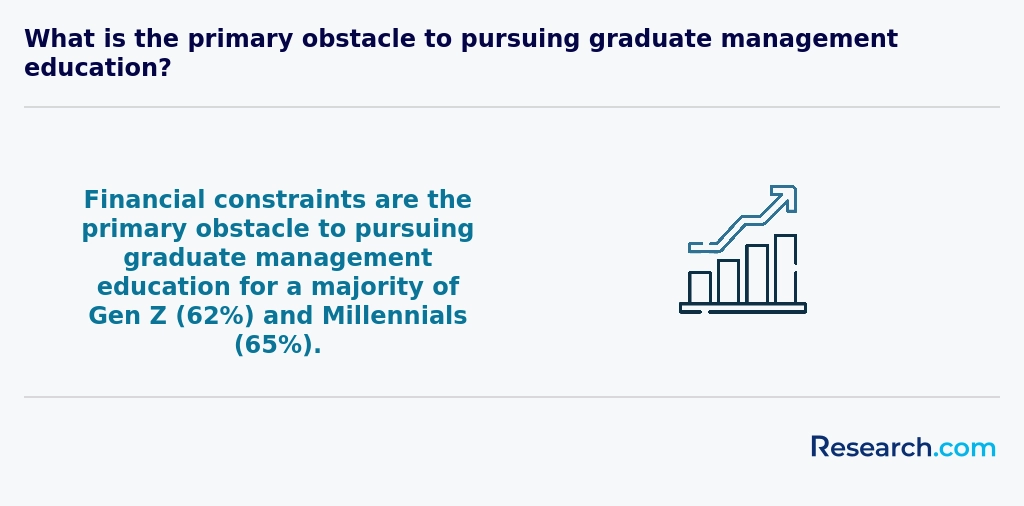
Financial burden is another common issue. According to the National Center for Education Statistics, the average graduate tuition in New Jersey exceeds $20,000 annually, causing students to carefully weigh debt versus potential career benefits.
Networking opportunities in Newark can be limited compared to larger metropolitan areas, which occasionally hampers access to internships and high-profile recruiters. This affects career advancement in highly competitive industries.
Finally, adapting to evolving digital learning platforms remains an ongoing challenge, especially for students less familiar with remote methods.
With an MBA degree earned in Newark, professionals can pursue a variety of valuable certifications to enhance their career prospects. Common certifications include the Project Management Professional (PMP), widely recognized in industries across New Jersey and the broader US. Additionally, the Certified Management Accountant (CMA) and Certified Financial Planner (CFP) are popular among MBA graduates focused on finance and accounting.
Obtaining certifications like the Six Sigma Green Belt or Black Belt can also complement the leadership and operational skills gained in an MBA program. According to the Newark Economic Development office, these certifications are in demand among local employers seeking qualified management professionals.
Many MBA programs in Newark prepare students for these certifications by aligning coursework with required competencies, which can shorten the time needed for exam preparation.
Writing a winning application for an MBA program in Newark begins with a clear understanding of each school's requirements. Most Newark MBA programs, including those at Rutgers Business School, emphasize strong academic records and competitive GMAT or GRE scores. Recent data from the Graduate Management Admission Council shows the average GMAT score for Newark applicants hovers around 600, highlighting the importance of test preparation.
Applicants should craft a compelling personal statement that explains their career goals and why an MBA in Newark fits those ambitions. Admissions committees value authenticity and clear professional direction. Including specific examples of leadership and teamwork enhances your profile.
Letters of recommendation from supervisors or professors familiar with your work ethic carry significant weight. Lastly, ensure your resume outlines relevant experience concisely and professionally.
The global perspective on an MBA career recognizes it as a valuable pathway to leadership roles across industries. In the United States, including Newark, MBA graduates often see increased earning potential, with the Graduate Management Admission Council reporting a median starting salary of $115,000 for MBA holders nationwide in 2023.
Newark's proximity to major business hubs like New York City enhances international business opportunities for MBA graduates. Many programs emphasize global strategy, preparing students for cross-border challenges and multicultural team leadership.
Employers increasingly seek MBA candidates with diverse skillsets adaptable to dynamic global markets. According to the Newark Economic Development Corporation, demand for MBA-educated professionals in finance, technology, and consulting sectors remains strong through 2027.
Gaining practical experience while studying for an MBA in Newark is essential to enhance career opportunities post-graduation. Many Newark-based MBA programs encourage internships with local businesses, including financial institutions and startups. According to the New Jersey Business & Industry Association, nearly 60% of MBA students in the area emphasize internships as key experience.
Part-time MBA students often work while studying, applying classroom knowledge directly to their jobs. Moreover, networking events and consulting projects offered by Newark universities provide hands-on business challenges.
Students can also join student-led organizations that collaborate with Newark companies on real-world problems, enriching practical learning.
Choosing the right concentration within an MBA program in Newark involves evaluating your career goals and interests. Popular concentrations include finance, marketing, healthcare management, and technology management. According to the Graduate Management Admission Council (GMAC), finance and marketing remain among the highest-demand specializations nationwide, which is also reflected in Newark's corporate environment.
Consider local industry trends: Newark hosts significant finance and logistics sectors, which can influence internship and job opportunities post-graduation. Additionally, some programs offer concentrations tailored to regional needs, enhancing employability.
Review the curriculum carefully and seek programs with faculty expertise and strong alumni networks in your desired field.
Finally, assess the flexibility of the program to accommodate part-time or online study options to fit your schedule as a working professional.
- 2027 Most Valuable MBA Degree Programs Ranking in Jersey City
- 2027 Most Valuable MBA Degree Programs Ranking in New York
- 2027 Most Valuable MBA Degree Programs Ranking in Staten Island
- 2027 Most Valuable MBA Degree Programs Ranking in Brooklyn
- 2027 Most Valuable MBA Degree Programs Ranking in Bronx
- 2027 Most Valuable MBA Degree Programs Ranking in Bethlehem
- 2027 Most Valuable MBA Degree Programs Ranking in Allentown
- 2027 Most Valuable MBA Degree Programs Ranking in Philadelphia
- 2027 Most Valuable MBA Degree Programs Ranking in New Haven
- 2027 Most Valuable MBA Degree Programs Ranking in Scranton
- MBA Course Duration | How Long to Complete an MBA? https://collegetiger.com/mba-course-duration-how-long-does-it-take-to-earn-an-mba/
- MBA Internships: Find 5400 MBA Intern Jobs https://internshala.com/internships/mba-internship/
- MBA studies https://moderna.edu.pl/majors/management/master-of-management/mba-management-masters-degree/
- MBA Scholarships & Financial Aid: A Comprehensive Guide https://www.collegeadvisor.com/resources/mba-scholarships/
- MBA Career Outlook from a Global Perspective Margaret Buj https://interview-coach.co.uk/mba-career-outlook-from-a-global-perspective/
- Types of MBA Degrees & Specializations: A Complete Guide - International Career Institute USA https://icieducation.com/blog/types-of-mba-degrees-specializations-a-complete-guide/
- Why Employers Prize a Global Perspective from MBA Graduates | WU Executive Academy https://executiveacademy.at/en/knowledge/career/why-employers-prize-a-global-perspective-from-mba-graduates
- Overcoming Common Challenges Faced by Management Students https://iilm.edu/iilm-lucknow/blog/challenges-faced-by-management-students/
- Future-Proof Your Career with an MBA in India : MIT-WPU Blog https://mitwpu.edu.in/blog/emerging-specialisations-in-mba---how-to-future-proof-your-business-career-in-india
- Lessons learned: one year into pursuing an MBA while balancing full-time work - Franz Vitulli https://franzvitulli.com/mba-work/


