2027 Most Popular MBA Degree Programs Ranking in the South

Co-Founder and Chief Data Scientist
Choosing the right MBA program is a big step toward advancing your career and opening new opportunities. Our 2027 Most Popular MBA Degree Programs Ranking in the South, created by the Research.com team of data scientists, is designed to help you navigate this important decision with confidence.
This article offers a clear look at top programs based on solid data, making it easier to find options that fit your goals and lifestyle. Earning an MBA can boost your skills, expand your network, and increase earning potential, making it a valuable investment in your future.
Key benefits of getting MBA degree in the South
- Salary for MBA graduates: While specific regional salary data is unavailable, MBA graduates in the US often enjoy competitive salaries, frequently earning six-figure incomes in management and business roles.
- Career paths: Graduates from Southern universities like the University of Georgia can pursue diverse careers in finance, marketing, consulting, or entrepreneurship, offering exciting opportunities for growth and leadership.
- Online MBA benefits: An online MBA from schools such as Auburn University provides flexible learning that fits busy schedules, allowing you to gain skills without pausing your career, making advancement more accessible.
- 2027 Most Popular MBA Degree Programs Ranking in the South
- What can I expect from MBA degree in the South?
- Where can I work with MBA degree in the South?
What can I expect from MBA degree in the South?
The average cost of pursuing an MBA in the South typically ranges from $20,000 to $40,000 per year for in-state students at public universities, making it a financially smart choice compared to other regions. Graduates from popular Southern institutions often share how this balance of quality education and affordability allowed them to focus on mastering subjects like finance and strategy without the overwhelming pressure of debt.
Consider a working professional at a Georgia university who juggled evening classes while advancing in their career. The manageable tuition eased their decision to return to school, knowing they could invest in both their education and family. Similarly, an MBA student in Texas appreciated scholarship opportunities aimed at Southern residents and veterans, which softened financial burdens and opened doors to top-tier instructors and relevant specializations like energy management.
These costs reflect not just a number but a deliberate regional advantage-combining rigorous, AACSB-accredited programs with economic realities specific to the South's inviting business landscape.
Where can I work with MBA degree in the South?
Graduates from MBA programs at universities like Emory, Duke, and the University of Texas often find themselves at the crossroads of dynamic industries in the South, where opportunity is tangible and diverse. Working in Charlotte's booming banking sector, for example, many step into investment banking or financial management roles, leveraging the city's status as the second-largest U.S. banking hub. This isn't just theory-graduates recount the satisfaction of navigating real-world financial challenges alongside industry leaders like Bank of America.
Others gravitate toward Texas or Florida's healthcare markets, taking on management positions that directly impact patient care and operational efficiency. The rapid growth in these regions means MBA graduates utilize skills gained through case studies at schools like Vanderbilt to lead transformative projects in hospital administration or healthcare consulting.
Energy and tech sectors in Houston and Austin also beckon MBA holders. Graduates share stories of steering supply chain innovations for ExxonMobil or driving product strategies at tech startups birthed from vibrant Southern innovation ecosystems, illustrating how their business acumen shapes future industries.
Manufacturing, logistics, consulting, and family enterprises add to this mosaic, proving that an MBA in the South opens doors beyond traditional paths-inviting graduates to imagine and create careers that resonate personally and professionally.
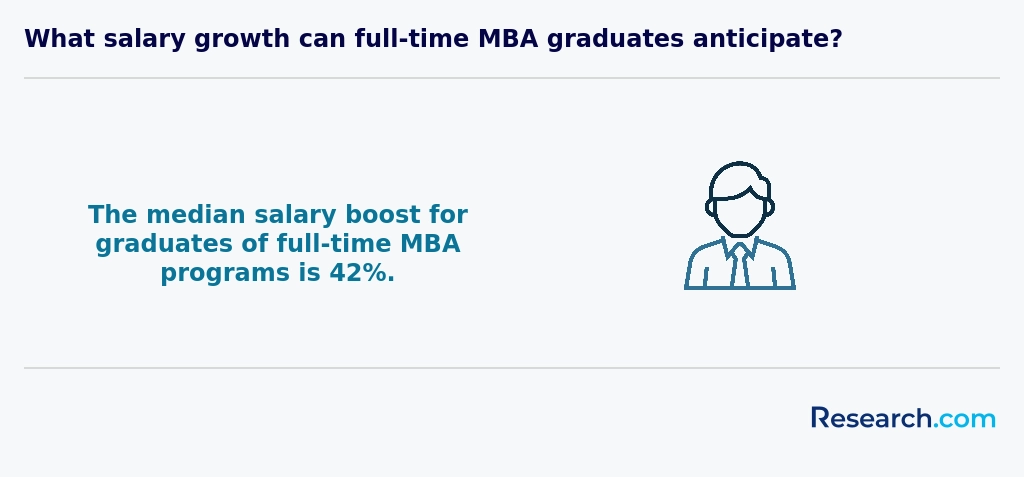
Graduates from well-ranked MBA programs in the South, such as those in Texas and North Carolina, often find themselves stepping into roles with starting salaries between $85,000 and $110,000. Employers in vibrant cities like Atlanta and Dallas reward MBA holders with salaries closer to $110,000, reflecting the dynamic business environment they enter. Imagine a recent MBA graduate from a top Southern university navigating offers in finance or technology sectors, receiving starting pay that can reach up to $120,000-figures that challenge the old myths about regional earning limits.
For those stepping into healthcare administration or nonprofit management, salaries are more modest yet still promising, usually between $75,000 and $90,000, painting a diverse but encouraging financial picture. The true potential reveals itself mid-career, when many Southern MBA alumni report earnings soaring to $150,000 as they climb into executive leadership roles, a testament to the enduring value and growth trajectory of an MBA in the South.
The journey of these graduates illuminates how an MBA can be a turning point, not just for income but for achieving career ambitions in industries flourishing throughout the Southern states.
- MBA tuition in Southern states typically ranges from $30,000 to $65,000 for a two-year program, making it more affordable than regions like the Northeast or West Coast.
- Southern business schools are often AACSB-accredited and focus on practical learning with strong ties to industries such as energy, healthcare, finance, and manufacturing.
- Starting salaries for MBA graduates in the South range between $70,000 and $85,000, with mid-career earnings often reaching $110,000 to $130,000 or more.
- Key Southern cities such as Atlanta, Dallas, Houston, and Charlotte are major employment hubs with growing opportunities in technology, logistics, and entrepreneurship.
- MBA programs in this region offer strong networking via alumni and business partnerships, helping with internships and job placement.
- The lower cost of living in the South reduces overall expenses for MBA students compared to other popular MBA locations.
Completing an MBA in the South typically takes about two years in a full-time program, a rhythm that many graduates at universities like Emory or the University of Florida have found both challenging and rewarding. This timeframe allows students to dive deeply into core business disciplines while building strong professional networks. However, this traditional path isn't the only story.
Some students, balancing careers and families, embrace part-time programs at institutions across the region, stretching their journey to three or four years. This slower pace might feel exhausting at times, but it offers the invaluable flexibility to maintain work-life harmony, a common sentiment among Southern MBA learners.
Accelerated programs, offered by schools such as Southern Methodist University, condense the MBA into 12 to 18 months, pushing students to manage intense workloads. Graduates often describe this path as exhilarating yet demanding, a sprint that sharpens focus and determination.
Then there are online MBAs from places like UNC Chapel Hill that redefine time itself-enabling students to tailor their progress anywhere from 18 months up to five years, fitting education into the unpredictable currents of life. This flexibility resonates profoundly with those seeking autonomy over their learning pace and career development.
Calculating the Return on Investment (ROI) for an MBA in the South requires comparing total program costs-tuition, fees, and living expenses-with post-MBA salary increases and career growth. On average, Southern MBA programs range from $9,800 to $74,910 in tuition, with living costs of $15,000 to $30,000 per year. If a graduate’s salary jumps from $65,000 to $95,000 after earning the degree, the payback period can be as short as 1.5 to 3 years, depending on scholarship awards and employer tuition reimbursement. Key factors influencing ROI: • Specialization and Industry: Finance and consulting roles often yield higher salary premiums, accelerating payback. • Financial Aid: Merit-based scholarships and assistantships can reduce net cost by 20–50%. • Employer Support: Tuition reimbursement programs can cover up to 100% of tuition, virtually eliminating payback time. To maximize ROI, prospective students should compare program costs against long-term salary trajectories and identify funding opportunities early in the application process. For those prioritizing affordability without compromising quality, consider benchmark programs outside the region-our Inexpensive MBA Degree Programs Ranking in Cambridge, MA highlights cost-effective options known for strong outcomes. By systematically evaluating tuition, living expenses, and expected earnings growth, you can select an MBA program that delivers a robust ROI, ensuring both short-term financial viability and long-term career advancement.
Choosing between an online and on-campus MBA in the South often boils down to how you envision your learning experience. Graduates from the University of North Carolina praise the freedom of online programs, highlighting the ease of juggling work and family without sacrificing quality education. They describe evenings spent engaging with coursework from home, avoiding long commutes, and appreciating flexible deadlines.
Conversely, alumni of Duke University emphasize the electric atmosphere of on-campus life-the spontaneous hallway conversations, group projects, and face-to-face mentorship that sparked their confidence and expanded their professional networks. They recount attending campus events that directly opened doors to job opportunities.
Cost also shapes perspectives. Online options starting near $30,000 appeal as cost-conscious choices, while in-person programs costing up to $70,000 often come with enhanced career services and networking events that feel invaluable.
Ultimately, the decision reflects personal priorities: flexible autonomy or immersive connection, each carrying its own meaningful rewards in the Southern MBA landscape.
Accelerated MBA programs offer a dynamic pathway for professionals eager to advance their careers without a prolonged time commitment. These programs are designed to compress coursework and hands-on projects into a streamlined curriculum that equips students with essential leadership and management skills in a shorter period. With an emphasis on practicality and rapid skill development, accelerated MBA candidates benefit from intensive learning environments, real-world case studies, and opportunities to engage with industry experts early on in their studies. This format is particularly beneficial for those looking to balance work and study, allowing them to apply new insights directly into their professional roles. Moreover, when seeking programs that deliver both speed and quality, many prospective students inquire about the best options available, such as the fastest mba program, which exemplifies the high-caliber, accelerated pathways available today. Embracing an accelerated MBA can be a strategic move, enabling graduates to quickly leverage their enhanced skill set to drive innovation and secure leadership roles in the competitive Southern job market.
The average cost of an MBA degree in the South reflects a balance between quality education and regional affordability. For in-state students attending public universities like the University of Florida or the University of Georgia, the total expenses often hover around $14,500, making these programs an accessible option.
Graduates from private institutions such as Duke University's Fuqua School of Business or Vanderbilt University report investing more-typically in the range of $37,700 or above-but they highlight the value of strong alumni networks, career services, and scholarship opportunities that soften the financial impact. These experiences underscore the nuance behind the total cost of MBA programs Southern US students face; the number on the tuition bill doesn't always paint the full picture.
Many Southern MBA graduates speak to the lasting benefits of studying in the region-connections fostered during the program often translate into meaningful business relationships, giving students a return on investment that extends well beyond graduation. It's this blend of cost-effectiveness and opportunity that challenges conventional assumptions about MBA affordability in the South.
Moreover, while tuition forms the core expense, additional costs like books, living expenses, and fees bring crucial considerations to the table. For those weighing options, understanding the average MBA degree cost in the South means looking beyond tuition to the entirety of investment, including the often overlooked value in regional network building and career advancement.
For students eager to find the program that fits both their schedules and budgets, exploring the fastest mba program can offer a strategic route to balance time, quality, and cost efficiently.

Understanding the ROI of an MBA program is crucial for any prospective student. In the Southern U.S., the average total cost of an MBA ranges from $50,000 to $150,000, while graduates report median starting salaries of $90,000 to $110,000. By calculating the payback period-the time it takes for increased earnings to offset tuition and living expenses-students can make data-driven decisions about their educational investments. On average, MBA graduates in finance and consulting see a payback period of 2 to 3 years, thanks to starting salaries that often exceed $100,000. In contrast, those entering nonprofit or healthcare management roles may experience a longer payback, typically around 4 to 5 years. Specializations such as business analytics and technology management tend to offer higher initial salaries, shortening the ROI curve for students focused on these fields. Several factors influence ROI: the program’s format (full-time, part-time, online), scholarship opportunities, and regional cost of living. Online MBAs often carry lower tuition and no relocation costs, while part-time programs allow continued full-time employment, effectively reducing the net cost of education. Prospective applicants should factor in potential salary increases, bonus structures, and the strength of alumni networks when estimating ROI. To enhance ROI, compare programs not only by prestige but also by affordability and career services. For budget-conscious students, our Inexpensive MBA Degree Programs Ranking in Cambridge, MA offers insights into low-cost options with strong career outcomes. By aligning program costs with realistic salary projections and career support resources, you can ensure your MBA delivers both professional growth and a solid financial return.
Financial aid for MBA students in the South often emerges as a crucial lifeline amid the daunting costs that range from $40,000 to over $120,000. Graduates from institutions like the University of North Carolina at Chapel Hill and Emory University frequently recall how merit-based scholarships lifted significant financial weight, sometimes even covering full tuition. This aid rewards more than just grades-it honors leadership and professional milestones that resonate deeply with ambitious candidates.
Federal student loans, such as the Direct Unsubsidized Loan and Grad PLUS Loan, also underscore a practical, if sometimes uneasy, option. With around 60% of Southern graduate students relying on these loans, many remember grappling with debt but appreciating the opportunity to invest in future career growth.
Employer sponsorships stand out as a beacon of hope for those balancing career and education, especially in sectors like healthcare and technology. Graduate assistantships, offering stipends or tuition waivers in exchange for teaching or research roles, provide not just financial relief but hands-on experience-a vivid example being students at southern universities who find their classroom roles shaping both their resumes and their confidence.
Such financial aid layers intertwine, demonstrating that pursuing an MBA in the South is more accessible than commonly feared when students actively seek and combine these varied support systems.
The Research.com team of data scientists utilized a rigorous methodology to compile the “2024 Most Popular MBA Degree Programs Ranking in the South.” This ranking is based on a combination of factors, including program reputation, graduate outcomes, and faculty expertise. To ensure a comprehensive evaluation, the following reputable data sources were consulted: IPEDS database, Peterson’s database, College Scorecard database, and National Center for Education Statistics. The specific criteria used to rank the programs included:
- Academic reputation, as measured by peer assessments and academic rankings
- Graduate employment rates and starting salaries, as reported by the institutions and alumni surveys
- Faculty expertise and research output, as indicated by publications and awards
- Student selectivity, as measured by admission rates and standardized test scores
- Program accreditation, with preference given to programs accredited by recognized bodies such as AACSB International By considering these factors, the Research.com team aimed to provide a balanced and informative ranking that would help prospective students make informed decisions about their MBA education. The ranking methodology is transparent and based on verifiable data, ensuring that the results are reliable and useful for students, educators, and employers alike.
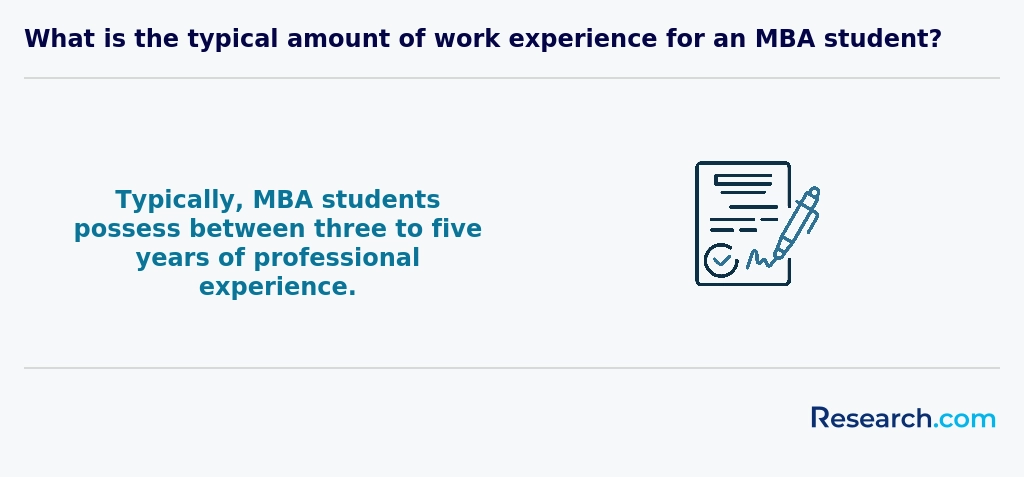
The gateway to an MBA program in the South demands more than just academic credentials; it calls for a proven blend of professional experience and personal ambition. Graduates from top Southern institutions often recall that their bachelor's degree from an accredited university was just the starting line. Many found that the two to five years of relevant work experience they accumulated-whether managing teams in Atlanta's bustling financial sector or leading projects in Texas energy firms-was what truly prepared them for the challenge ahead.
Test scores like the GMAT or GRE, still influential at renowned schools in the region, remain a benchmark of readiness, but aren't the sole markers of potential. Letters of recommendation and personal essays offer a rich canvas where candidates articulate their unique leadership journey and career aspirations, reflecting how the MBA will unlock growth within diverse Southern industries.
These prerequisites remind prospective students that pursuing an MBA in the South is as much about proving resilience and clarity of purpose as it is about ticking academic boxes.
Southern MBA programs don't just offer standard courses; they immerse you in a curriculum where accounting and finance take on new life through real-world applications. Graduates from popular Southern schools often describe mastering accounting as more than numbers-it's about interpreting financial stories that drive decisions in companies right in their communities.
Marketing courses extend beyond theory into local market research, where students analyze consumer behavior shaped by Southern culture. Operations management and organizational behavior classes frequently use case studies from regional industries, making strategies tangible and directly relevant. Imagine a student at a well-known Southern college consulting with a healthcare startup in Atlanta, applying organizational behavior lessons to improve team dynamics.
Strategy courses push students to think beyond textbooks, crafting long-term plans influenced by the unique economic forces in the South-energy, hospitality, and healthcare sectors all factor into decision-making scenarios used in classrooms. This grounded approach creates MBA graduates who feel confident not just in concepts but in leading real businesses in their own backyard.
MBA students in the South often find themselves drawn to a range of specializations that go beyond the traditional finance and marketing tracks. Graduates from popular universities here describe how healthcare management and supply chain logistics not only align with local economic powerhouses but also offer hands-on opportunities that redefine their career goals. These specializations are more than academic fields-they reflect real industries thriving in the region.
Choosing among the best MBA specializations in Southern US often involves considering how these focus areas intersect with daily professional challenges. For instance, entrepreneurship programs empower students to launch ventures that respond directly to Southern markets, while technology management blends leadership with innovation in a way that feels immediately relevant to the fast-evolving business landscape.
It's not uncommon for Southern MBA grads to appreciate the availability of part-time or online options, which provide flexibility without sacrificing specialization quality. If affordability influences your decision, you can explore options highlighted in the Inexpensive MBA Degree Programs Ranking in Cambridge, MA, giving perspective on balancing cost and choice.
Ultimately, the top MBA concentration areas in the South offer a practical, experiential education anchored in local industry strengths, preparing graduates for dynamic roles where they feel genuinely equipped and excited to make their mark.
Choosing the best MBA degree in the South means questioning what truly matters beyond rankings and price tags. Graduates from the University of North Carolina's Kenan-Flagler Business School often share how the flexibility of online and part-time formats reshaped their career paths, allowing them to balance work and study without sacrificing ambition. This kind of adaptability is crucial, especially when considering affordable Southern MBA degrees that may ease financial pressure without compromising quality.
Look beyond the obvious by evaluating how programs connect you with regional industries like energy in Texas A&M's Mays Business School or healthcare networks prevalent across Southern states. Real-world exposure through internships or consulting projects often shapes success more than sheer prestige. Never overlook accreditation from the AACSB-it's the quiet seal of global recognition that graduates find opens doors every day.
Remember: some students discover that careful financial planning and scholarships can make a more intensive program feasible, turning MBA challenges into rewarding experiences. If you're curious about options tailored to your pace, see what is the easiest master degree to get-it might change how you view your journey.
Graduates of MBA programs in the South often find themselves stepping into diverse roles that challenge their leadership and analytical skills. Many take on general management positions across industries, from bustling corporations in Atlanta to nonprofit organizations in Charlotte, where directing operations and making strategic decisions demand real-world grit and emotional resilience. This variety of MBA career opportunities in the South reflects not only the region's economic growth but also the adaptability taught by top universities.
Others lean into finance and accounting roles, capitalizing on Southern financial hubs like Dallas to advance as financial analysts or risk managers with competitive salaries. Marketing and sales management also attract graduates eager to craft brand narratives or lead teams in evolving markets, often feeling a deep sense of purpose when seeing their strategies spark growth.
Consulting offers a dynamic path where MBA graduates solve complex problems for local and national businesses, translating classroom theory into impactful results. Beyond these, many alumni from Southern institutions pursue specialized sectors such as healthcare administration or entrepreneurship, driven by innovation.
Exploring an MBA in the South also reveals practical financial incentives, with tuition at renowned public universities remaining accessible. For students considering further advancement, examining cheapest online doctoral programs can open additional doors, reflecting a continuum of ambition and opportunity.
The MBA job market trends in the South reveal a landscape where growth and opportunity intersect with affordability and regional strength. Graduates from renowned institutions like Emory University or the University of Texas at Austin often find themselves stepping into leadership roles within booming sectors such as finance in Charlotte or energy in Houston. Despite salary figures sometimes trailing national averages, the lower living costs and robust alumni networks in these cities translate to an overall promising career trajectory and lifestyle.
Southern region MBA career opportunities span diverse industries, from healthcare administration to technology startups flourishing in Raleigh-Durham. Many graduates describe a palpable sense of community and support in local markets, which contrasts with the competitive, often impersonal environments found in larger metros on the coasts. This regional advantage sparks confidence and resilience, fueling professional growth that goes beyond mere numbers.
For prospective MBA students weighing their options, considering programs at top Southern schools is crucial. The cost-effectiveness of these programs, coupled with strong job placement outcomes, makes the South an attractive choice. Exploring options among the top non profit online accredited colleges can also offer flexible paths toward acquiring an MBA while tapping into this vibrant market.
2027 Most Popular MBA Degree Programs Ranking in the South
Investing in your education is a significant decision that can profoundly impact your future, and the Research.com team recognizes the importance of making well-informed choices. To guide prospective students in the South, we have carefully developed the "2027 Most Popular MBA Degree Programs Ranking in the South." Our dedication to quality, credibility, and accuracy is demonstrated through rigorous research and analysis underpinning this ranking.
We utilized the following reputable data sources to ensure a comprehensive evaluation of MBA programs:
By consulting this ranking, readers will gain valuable insights into the most popular MBA degree programs in the South, empowering them to make confident decisions about their educational journeys. For more information on our approach, please visit our Research.com methodology page.


Frequently Asked Questions About MBA
Students pursuing an MBA degree in the South can maximize their learning by engaging deeply with local industries, such as energy, healthcare, and technology, which dominate the regional economy. Participating in internships and networking events tailored to these sectors enhances practical understanding and job prospects. According to U.S. News & World Report, Southern MBA programs often emphasize experiential learning through case studies and team projects, allowing students to apply theory to real-world challenges.
Joining professional organizations such as the Southern Management Association or local chambers of commerce also expands networking opportunities. Additionally, leveraging online resources and alumni networks from schools like Emory or Vanderbilt can provide valuable mentorship and career guidance. Staying proactive with faculty and peers enriches the overall experience.
Emerging niches within the MBA field in the South reflect shifting industry demands and economic growth. Sustainability and green business practices are gaining importance as companies focus on environmental responsibility. Specialized MBAs in healthcare management are expanding rapidly, driven by the South's growing medical and biotech sectors.
Data analytics and business intelligence concentrations are increasingly popular, supported by Southern universities investing in technology-focused curricula. Entrepreneurship and innovation remain strong niches, especially in cities like Atlanta and Raleigh, which boast vibrant startup ecosystems. According to the Graduate Management Admission Council (GMAC), 28% of MBA candidates in the South are pursuing technology-related focuses as of 2023.
Supply chain management is also emerging, due to the South's role as a logistics hub. Overall, these niches tailor MBA education to regional economic strengths and future trends.
Preparing for the job market after completing an MBA degree in the South involves strategic planning and leveraging regional opportunities. According to the Graduate Management Admission Council (GMAC), Southern states like Texas, Florida, and Georgia host growing corporate hubs, increasing demand for MBA graduates.
Start by building a strong professional network. Attend local career fairs and industry conferences common in cities like Atlanta and Houston. Many Southern business schools offer dedicated career services, including resume workshops and interview prep tailored to regional employers.
Internships during study provide valuable experience; Southern companies in finance, healthcare, and energy sectors actively recruit MBA interns. Research from the U.S. Bureau of Labor Statistics highlights a 7% regional job growth in management roles through 2028, making timing critical.
Employers in the South value MBA graduates who demonstrate strong leadership and strategic thinking skills. According to a 2023 survey by the Graduate Management Admission Council (GMAC), 65% of Southern business employers prioritize critical thinking and problem-solving abilities.
Communication skills, both written and verbal, are also essential. MBA graduates who can clearly articulate ideas and engage teams tend to have an advantage in Southern markets.
Technical proficiency with data analysis and financial modeling is increasingly important as Southern industries evolve.
Finally, adaptability and cultural awareness rank high, reflecting the region's growing diversity and dynamic business environment.
Finding internships in the South relevant to an MBA degree involves leveraging regional business networks and university resources. Many Southern MBA programs, such as those at Duke University and the University of North Carolina, offer on-campus career services that connect students with internships in finance, consulting, and technology sectors.
Southern states like Texas and Georgia host major corporate hubs where MBA students commonly secure internships. According to the Graduate Management Admission Council (GMAC), over 70% of MBA students in the South find internships through school-facilitated career fairs or alumni networks.
Utilizing LinkedIn and local professional associations also improves internship prospects. Early preparation, targeted applications, and networking remain key strategies.
In the Southern United States, obtaining an MBA degree significantly enhances career mobility and advancement opportunities. According to the Graduate Management Admission Council, MBA graduates in this region report a 20% higher likelihood of securing leadership roles compared to those with only a bachelor's degree.
The South's growing industries, including healthcare, energy, and technology, demand business professionals with advanced skills. MBA programs there often focus on practical leadership and regional economic trends, helping graduates align with local market needs.
Furthermore, data from the Southern Business Education Alliance indicates that MBA holders experience a salary increase averaging 30% within five years post-graduation, reflecting stronger upward mobility.
Networking opportunities offered by Southern business schools also play a critical role in connecting students to regional employers, fostering career growth and advancement.
Studying for an MBA degree in the South equips students with a broad skill set essential for interdisciplinary roles. Southern MBA programs often emphasize collaboration across business functions such as finance, marketing, and operations, reflecting the diverse needs of regional industries. According to AACSB data, over 70% of Southern business schools integrate experiential learning projects that require teamwork across multiple disciplines.
This practical approach helps students develop critical thinking and problem-solving skills necessary for managing complex, cross-functional challenges. Many Southern programs also foster strong connections with industries like energy, healthcare, and technology, preparing graduates to navigate different sectors effectively.
Such diverse exposure makes Southern MBA graduates well-suited for roles that demand an understanding of various business domains simultaneously.
Choosing between a thesis and a non-thesis MBA program in the South depends largely on your career goals and learning preferences. Thesis programs involve in-depth research and a written dissertation, ideal for students interested in academia, research, or specialized fields. Non-thesis options focus more on practical skills and coursework, suiting professionals aiming for management or executive roles.
According to the Southern Association of Colleges and Schools, about 60% of Southern MBA programs offer non-thesis tracks, reflecting local demand for applied business education. Time commitment also varies: thesis MBAs often take longer due to research requirements.
Consider your professional timeline and post-MBA objectives when deciding between these formats.
Students based in the South seeking to study for an MBA abroad have several well-established pathways. Many Southern universities, such as those in Texas and Georgia, maintain exchange partnerships with international business schools, enabling students to spend a semester or year abroad while earning credits. Programs like these often focus on Europe and Asia, offering exposure to global business environments.
Additionally, Southern MBA students can enroll directly in international programs accredited by bodies like AACSB or EQUIS, which uphold rigorous educational standards recognized worldwide. According to the Association to Advance Collegiate Schools of Business, Southern states host many MBA students who leverage these accredited programs for global career advantages.
Online and hybrid MBA options further expand opportunities, allowing Southern learners to engage with international content and professors from prestigious global institutions while remaining in the U.S. These flexible formats are particularly popular post-2020, as reported by U.S. News & World Report.
Part-time job opportunities in the South can effectively complement MBA education by providing practical experience alongside academic learning. Common roles include business analyst internships, marketing assistant positions, and financial services roles that allow students to apply concepts learned in class. According to the Graduate Management Admission Council, nearly 45% of MBA students nationwide engage in part-time roles during their studies, with Southern states like Georgia and Texas hosting significant corporate hubs that offer diverse opportunities.
Many firms in industries such as healthcare, technology, and energy actively seek MBA students for project management and consulting assistance. These positions build critical skills in leadership, data analysis, and strategic planning essential for MBA graduates. Additionally, universities in the South often partner with local businesses to provide students with relevant part-time work aligned with their career goals.
Networking opportunities for MBA students in the South are robust, leveraging the region's growing business hubs and strong alumni networks. Many Southern MBA programs organize regular events with local industry leaders, providing students with access to job fairs, mentorship, and guest speakers. According to the Graduate Management Admission Council (GMAC), Southern schools often emphasize community engagement and partnerships with companies in finance, healthcare, and technology sectors.
Additionally, organizations such as the Southern Business Association and regional chapters of national MBA groups offer valuable networking platforms. These connections can lead to internships and job placements within the South's diverse and expanding economy.
Alumni networks play a crucial role for MBA students in the South by providing valuable professional connections and resources. Graduates from Southern business schools often report that strong alumni ties help them secure internships and job placements, especially in key regional industries such as energy, healthcare, and finance. According to the Graduate Management Admission Council, 60% of MBA grads find jobs through networking, highlighting the importance of alumni connections.
In the South, many MBA programs actively engage their alumni through mentorship programs, career events, and online platforms. These networks also facilitate knowledge sharing and collaboration, enhancing students' learning experiences beyond the classroom.
Access to a robust alumni community can improve career mobility, promote entrepreneurship, and provide ongoing support in a highly competitive job market.
Customizing an MBA degree program in the South allows students to align their education with specific career goals. Many Southern universities provide concentrations such as finance, healthcare, marketing, or entrepreneurship. These options help tailor coursework to industries prominent in the region, like energy in Texas or healthcare in Georgia.
Additionally, part-time and online MBA programs offer flexibility for working professionals seeking to specialize without pausing their careers. According to the Graduate Management Admission Council, Southern institutions report a growing number of specialized tracks, reflecting market demand.
Students can also engage in internships and networking events that connect them to local industry leaders, enhancing real-world experience and job placement opportunities.
MBA students in the South face multiple challenges that impact their educational experience and career growth. One significant hurdle is balancing work, family, and study commitments, especially since many Southern MBA programs attract working professionals. According to the Graduate Management Admission Council, over 60% of MBA candidates in the U.S. juggle full-time jobs while enrolled.
Another challenge is access to diverse networking opportunities. While metropolitan areas like Atlanta and Dallas offer strong business communities, students in more rural parts of the South may have fewer local corporate connections.
Additionally, cost remains a concern. Many Southern schools provide relatively affordable tuition compared to national averages, yet students still face financial pressures, particularly without robust scholarship options.
Finally, adapting to increasingly digital and hybrid learning formats is a new challenge, as 45% of Southern MBA programs now incorporate online components, requiring students to master remote collaboration skills.
With an MBA degree from a Southern U.S. institution, graduates often pursue professional certifications to enhance their expertise and marketability. Common certifications include the Certified Public Accountant (CPA) for those focused on accounting, the Project Management Professional (PMP) for project leadership roles, and the Certified Management Accountant (CMA), which blends accounting with business strategy.
Many Southern states see strong demand for these credentials, as reported by the Southern Regional Education Board (SREB). Additionally, the Chartered Financial Analyst (CFA) designation is popular among MBA holders aiming for finance careers. Pursuing these certifications can improve job prospects across industries such as healthcare, technology, and logistics prevalent in the South.
Crafting a winning MBA application for programs in the Southern United States involves highlighting both academic and professional strengths. Admissions committees typically value clear career goals and leadership potential demonstrated through work experience. According to the Graduate Management Admission Council (GMAC), 65% of Southern MBA applicants emphasize career progression in their essays, which can be a strong differentiator.
Applicants should also tailor their personal statements to showcase an understanding of regional business opportunities and culture. Strong recommendations that address teamwork and leadership are crucial. Lastly, competitive GMAT or GRE scores remain important; the average GMAT score for top Southern MBA programs ranges between 600 and 680, according to Poets&Quants data from 2023.
The global perspective on an MBA career highlights significant opportunities beyond the United States. Graduates often pursue leadership roles in multinational corporations, consulting firms, and startups worldwide. According to the Graduate Management Admission Council (GMAC), 64% of MBA alumni from U.S. programs report working internationally or with global teams.
In the South, schools like Duke's Fuqua and University of North Carolina's Kenan-Flagler emphasize global business strategies, enhancing students' readiness for cross-border roles. The region's growing industries in finance, technology, and healthcare also align well with global MBA career trends.
Moreover, international students in Southern MBA programs contribute diverse perspectives, preparing all graduates for culturally dynamic workplaces.
Gaining practical experience while pursuing an MBA degree in the South is achievable through multiple avenues. Many Southern business schools incorporate internships as part of their curriculum, allowing students to work within local industries such as energy, healthcare, and finance. According to the Association to Advance Collegiate Schools of Business (AACSB), over 70% of accredited Southern MBA programs offer internship opportunities that can be completed during summer or part-time alongside coursework.
Additionally, experiential learning through consulting projects with regional companies is common, providing hands-on problem-solving skills. Networking events and local business competitions also enhance practical exposure. Students benefit from these experiences by applying theoretical knowledge in real-world settings, boosting employability after graduation.
Choosing the right concentration within an MBA program in the South involves understanding both your career goals and regional economic trends. Popular concentrations include Finance, Healthcare Management, and Supply Chain, reflecting strong Southern industries like banking in Charlotte, healthcare in Texas, and logistics in Georgia. According to the Graduate Management Admission Council (GMAC), nearly 40% of Southern MBA candidates select specialization tracks to improve targeted job prospects.
Research specific programs' offerings, faculty expertise, and alumni outcomes in your concentration of interest. Also, consider how concentrations align with growing sectors such as technology or energy in the South, which drive local employment.
Networking opportunities and internship availability in your chosen concentration are critical in this region, given the importance of regional business connections. Schools often report higher employment rates for graduates focused on in-demand Southern industries, supporting informed concentration choices.
- Overcoming Common Challenges Faced by Management Students https://iilm.edu/iilm-lucknow/blog/challenges-faced-by-management-students/
- MBA studies https://moderna.edu.pl/majors/management/master-of-management/mba-management-masters-degree/
- How to Use Your MBA for Career Growth While You’re Still Studying - International Career Institute USA https://icieducation.com/blog/how-to-use-your-mba-for-career-growth-while-youre-still-studying/
- MBA Course Duration | How Long to Complete an MBA? https://collegetiger.com/mba-course-duration-how-long-does-it-take-to-earn-an-mba/
- How to Choose an MBA Program That Fits Your Career Goals https://www.mobileviewer.io/blog/how-to-choose-an-mba-program-that-fits-your-career-goals
- MBA Program in Spain: How to Pick the Right Specialization https://www.csss.es/how-to-choose-a-specialization-in-mba-learn-from-the-field-guide/
- How Long Does it Take to Complete an MBA Program? https://www.bschools.org/faq/how-long-does-it-take-to-get-an-mba
- MBA Networking Tips-Building Connections Pre-MBA https://menlocoaching.com/mba-applications-and-admissions-guide/networking/
- Top MBA programs with the best alumni networks in the world - MBA Crystal Ball https://www.mbacrystalball.com/blog/2025/07/07/top-mba-programs-with-the-best-alumni-network-in-the-world/
- Pursue your MBA Online at South University https://www.southuniversity.edu/online/degrees-programs/business-and-technology/business-administration-mba