2027 Most Popular MBA Degree Programs Ranking in Kirkland

Co-Founder and Chief Data Scientist
Choosing the right MBA program can shape your future career and open doors to new opportunities. This article introduces the 2027 Most Popular MBA Degree Programs Ranking in Kirkland, created by the Research.com team of data scientists.
Designed to guide you through the best options, this ranking helps you make informed decisions based on trusted data. Whether you want to advance in your current field or explore new paths, earning an MBA can boost your skills and confidence.
Explore our ranking to find programs that fit your goals and start your journey toward success.
Key benefits of getting MBA degree in Kirkland
- Salary for MBA graduates: While specific salary data is not available from the source, MBA degree holders in the US typically earn between $70,000 and $120,000 annually, depending on their role and experience, offering strong financial growth opportunities.
- Career paths: MBA graduates from Kirkland's popular universities often enter dynamic fields like finance, marketing, and management, benefiting from diverse opportunities to advance quickly and lead impactful projects.
- Online MBA benefits: Earning an MBA online offers flexibility for busy professionals in Kirkland, allowing them to balance work and study while gaining the same valuable credentials and skills as traditional programs.
- 2027 Most Popular MBA Degree Programs Ranking in Kirkland
- What can I expect from MBA degree in Kirkland?
- Where can I work with MBA degree in Kirkland?
What can I expect from MBA degree in Kirkland?
The average cost of an MBA degree in Kirkland typically ranges from $40,000 to $70,000 for the entire program. Students often find this investment worthwhile given the strong career outcomes linked to local institutions like the University of Washington Foster School of Business. Graduates frequently share how scholarships and employer tuition assistance played a crucial role in managing expenses, making the financial commitment less daunting.
Living in Kirkland adds to the overall cost, as it is part of a higher-cost metropolitan area. Many MBA candidates plan their budgets carefully, balancing tuition with housing and daily expenses while benefiting from the region's vibrant job market. For example, graduates report that landing roles in technology or healthcare soon after graduation justifies the initial costs and supports financial stability.
Those considering part-time or executive MBA formats also appreciate flexible payment options, which help them continue earning while studying. This practical approach is common among mid-career professionals seeking to grow without interrupting their income streams.
Where can I work with MBA degree in Kirkland?
Graduates from MBA programs at institutions like the University of Washington Bothell or City University of Seattle in Kirkland frequently find rewarding roles in the city's thriving technology, healthcare, finance, and retail sectors. Many MBA holders land management positions at major companies such as Google or Costco, leveraging their skills in project oversight and strategic planning to drive real results. For example, graduates have reported securing roles in product development teams at tech firms, navigating complex challenges while gaining leadership experience.
Others take advantage of Kirkland's expanding healthcare market by working in hospital administration or consulting for healthcare providers like EvergreenHealth, where their ability to optimize operations translates directly into improved patient outcomes. MBA alumni also thrive in financial institutions and retail corporations within Kirkland, applying analytical expertise to investment management or supply chain leadership.
This diversity enables MBA students to tailor their career paths to their passions while tapping into Kirkland's vibrant job market, where connections made through local universities help open doors to competitive, well-compensated opportunities.
Graduates with an MBA in Kirkland typically start with salaries around $85,000 to $95,000 annually, reflecting competitive entry-level positions in business and management. Many local MBA holders from universities such as the University of Washington Bothell or Bellevue College report that gaining relevant internships during their studies significantly boosts these initial earnings.
With experience, MBA professionals often see their salaries rise to between $110,000 and $135,000, especially in thriving sectors like technology and consulting. Graduates have shared how leadership projects during their programs prepared them to negotiate higher pay or secure bonuses, which can add 10% to 20% of their base salary.
Although specific government salary data for Kirkland's MBA roles isn't currently available, the prevailing market trends from regional surveys support these figures. Graduates focus on building strategic skills emphasized in local MBA programs, which enhances their appeal to startups and established companies alike.
Choosing MBA specializations aligned with Kirkland's tech-driven economy, such as data analytics or finance, further boosts earning potential, creating exciting pathways for career growth and financial success.
- The cost of an MBA in Kirkland ranges from $40,000 to $70,000 depending on the school and program format.
- MBA graduates in Kirkland earn an average starting salary of around $85,000 per year.
- Mid-career MBA salaries in Kirkland often exceed $120,000 annually due to career progression.
- The local job market is strong in technology, healthcare, and professional services with high demand in business analytics, operations, and strategic planning.
- Many MBA programs available to Kirkland students offer part-time, online, or hybrid formats for flexible learning options.
Completing an MBA degree in Kirkland usually takes about two years for full-time students, especially at well-regarded local institutions. Graduates often share how this pace allowed them to fully immerse themselves in their studies while benefiting from campus resources and networking events.
For working professionals, part-time or evening MBA programs in Kirkland typically extend the timeline to three to five years. Many find this balance rewarding because it lets them continue building their careers while steadily advancing toward graduation without overwhelming daily schedules.
Accelerated MBA options, available at some Kirkland-area colleges, compress the program into 12 to 18 months by requiring a heavier course load. Graduates from these programs often appreciate the faster route to career advancement, though they note it demands strong time management and commitment.
Online and hybrid formats are also popular, with duration varying widely based on student pace-from one year for highly driven individuals to up to five years for those juggling multiple commitments. This flexibility is key for many Kirkland students seeking to customize their journey.
Understanding the return on investment (ROI) of your MBA is crucial when weighing the cost of tuition against future earnings and career growth. In Kirkland, WA, the average total cost of an MBA program (including tuition, fees, and living expenses) hovers around $70,000 to $100,000. However, graduates report a median starting salary increase of 50% to 80% compared to pre-MBA positions, translating to an estimated payback period of 2 to 4 years. To calculate your personal ROI, consider factors such as:
- Tuition and Fees: Sum of direct program costs, often ranging from $30,000 for public institutions to over $80,000 at private schools.
- Opportunity Cost: Income foregone if you study full-time instead of working. Part-time or online formats can mitigate this by allowing employment during studies.
- Salary Uplift: Local MBA graduates frequently secure roles with starting salaries of $90,000–$120,000, depending on industry and prior experience.
- Networking Value: Access to alumni networks and corporate partnerships can expedite promotions or job offers, effectively shortening your payback timeline. Scholarships, employer tuition reimbursement, and federal loans can further enhance ROI by lowering upfront expenses. Many Kirkland programs boast merit-based awards covering 20%–50% of tuition, and employers in the Seattle tech corridor often reimburse MBA costs, driving down net investment. For comparative insights on cost-effective programs beyond Washington, explore our Affordable MBA Degree Programs Ranking in New Jersey. This resource highlights low-tuition options, helping you benchmark Kirkland’s ROI against national affordability trends. By combining projected salary gains with financial aid opportunities, you can make a data-driven decision that maximizes both your career trajectory and long-term earnings.
Choosing between an online and on-campus MBA in Kirkland hinges on how you want to balance learning with your lifestyle. Graduates from local universities often praise on-campus programs for the vibrant face-to-face interactions during classes and networking events, which create lasting professional connections and a deeper sense of community. Attending sessions at a Kirkland campus means engaging directly with professors and peers, making group projects and spontaneous discussions easier and more impactful.
Meanwhile, those opting for online MBAs value the flexibility to study around work and family commitments. Graduates frequently mention appreciating the ability to access lectures anytime from home, which fits well with busy schedules. Kirkland students in online programs report feeling empowered by digital tools that let them collaborate virtually without sacrificing quality or accreditation standards.
Tuition costs also vary: on-campus MBAs near Kirkland typically run from $50,000 to $90,000, while online alternatives often save 10-30% in tuition and related expenses like commuting and housing. Assess how important in-person experiences are to you versus convenience and cost when deciding your path.
The landscape of MBA education is constantly evolving, with new trends and technologies shaping the way programs are delivered and perceived. As the job market continues to shift, with an increasing emphasis on digital skills, sustainability, and global perspectives, MBA programs must adapt to remain relevant. For those interested in pursuing an MBA, understanding these trends can provide valuable insights into the future of business education. One key trend is the integration of emerging technologies, such as artificial intelligence and blockchain, into the curriculum, enabling graduates to navigate the complexities of the modern business world. Moreover, there's a growing focus on experiential learning, with many programs incorporating real-world projects, internships, and entrepreneurship opportunities to equip students with practical skills. When researching MBA programs, considering these factors can help you find a program that aligns with your career aspirations. For instance, exploring the most popular MBA school options can provide insights into programs that are currently in high demand and offer innovative approaches to business education. By staying informed about current trends and future outlooks in MBA education, you can make a more informed decision about your educational path and set yourself up for success in an ever-changing business landscape.
The average cost of a MBA degree in Kirkland typically centers around $46,181 for out-of-state students, while in-state residents can expect to pay closer to $25,343. These numbers reflect tuition and fees for programs offered through local universities or regional branches affiliated with larger institutions. Graduates from these schools often recall that, despite the investment, the value gained through networking and career advancement made the journey highly rewarding.
In Kirkland, many MBA candidates choose part-time or executive programs, which may spread costs over a longer period but could come with a higher per-credit price. These flexible formats are beneficial for working professionals who want to balance education with ongoing careers. The total cost of MBA programs Kirkland students face also includes living expenses-estimated between $15,000 and $20,000 per year-which must be budgeted carefully, especially in an economically vibrant area close to Seattle.
A common strategy among Kirkland MBA students is to explore scholarships, employer sponsorships, and financial aid to reduce the financial burden. Washington State's resident tuition rates offer significant savings, sometimes reducing overall expenses by up to 40%. Additionally, some professionals boost their résumés by gaining employer acceptance of online certificates, which can complement their MBA learning while lowering costs.
Understanding the average MBA degree cost in Kirkland empowers prospective students to plan realistically, ensuring a successful academic and professional experience without unexpected financial strain.

Understanding the financial payoff of your MBA in Kirkland, WA is key to making an informed choice. A solid ROI analysis considers total program costs, salary increases after graduation, and the time it takes to break even. 1. Total Cost versus Salary Lift • Average Program Cost: $56,850 (tuition, fees, living expenses) • Expected Post-MBA Salary Increase: 50–76% over pre-MBA earnings • Example: If you currently earn $70,000 and land a role at $110,000 post-MBA, that $40,000 increase accelerates your payback. 2. Payback Period • Calculation: Total Cost ÷ Annual Salary Increase • Example: $56,850 ÷ $40,000 = 1.4 years Most graduates recoup tuition in 1–2 years, assuming they secure management or finance roles. 3. Net Present Value (NPV) Considerations • Discount Rate: Apply a 5–7% rate to future earnings for a conservative NPV estimate. • Long-Term Gains: Over a 10-year horizon, cumulative earnings can exceed $400,000 above bachelor’s-only peers. 4. Cost-Saving Strategies • Employer Tuition Reimbursement: Many local companies cover 50–100% of MBA costs. • Scholarships & Grants: Research merit- and need-based awards at Kirkland institutions. • Comparative Research: If affordability is a priority, explore our Affordable MBA Degree Programs Ranking in New Jersey to benchmark tuition models and financial aid packages. By weighing these factors, you’ll gain clarity on which Kirkland MBA delivers the best ROI and aligns with your career trajectory.
MBA students in Kirkland often start their financial aid search by applying for federal loans through FAFSA, including Direct Unsubsidized Loans and Grad PLUS Loans. These options are popular because they offer lower interest rates and flexible repayment terms compared to private loans, which many students find reassuring when managing costs.
Many MBA candidates at Seattle-area schools near Kirkland discuss how merit-based scholarships made their studies much more affordable. These scholarships reward academic excellence, leadership, and professional achievements, sometimes covering a significant portion of tuition. Early application to institutional scholarships is key, as competition can be stiff.
Local employers in Kirkland's booming tech and healthcare sectors have been a great help to MBA students through tuition reimbursement programs. Graduates recall feeling motivated by their companies' support, which often requires maintaining good grades and a work commitment post-degree.
Additionally, nonprofit organizations like the Forte Foundation or the National Black MBA Association's local chapters provide targeted grants and fellowships, making MBA education accessible to many diverse candidates in the area.
To enroll in an MBA program in Kirkland, you first need a bachelor's degree from an accredited institution, which is a baseline requirement at well-known local schools like City University of Seattle's Kirkland campus or Northwest University.
Most programs here expect two to five years of professional experience, often highlighted by graduates who credit their real-world insights for enriching class discussions and leadership projects. This practical background is crucial for developing strong management skills, making your application stand out.
Standardized tests such as the GMAT or GRE are typically required, though some Kirkland programs offer waivers if your professional experience or academic record is strong. For example, many students from Kirkland's community colleges advancing to MBA programs found that a strong resume and recommendation letters compensated for test scores.
Prepare to submit letters of recommendation and a personal essay that clearly express your career goals and motivation, as these help admissions committees gauge your fit with the program's culture and values.
Financial readiness also plays a key role. Planning ahead for tuition, which in Kirkland aligns with regional averages around $60,000 to $120,000 for the full program, helps ease the admissions process and ensures you're confident in your investment.
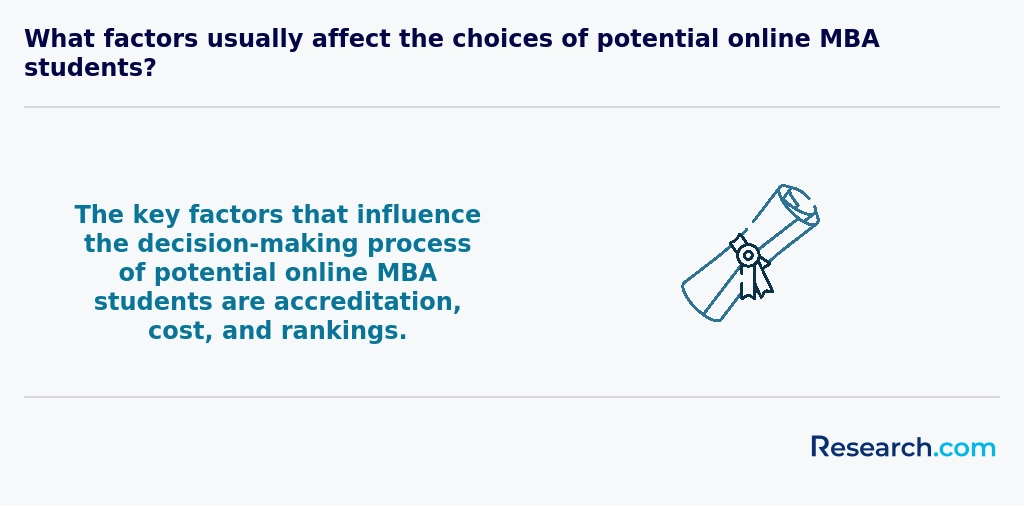
Investing in an MBA is about more than just upgrading your skills in the short term-it’s a strategic decision that can yield exceptional long-term benefits. Evaluating the return on investment (ROI) of an MBA program means considering both immediate salary boosts and the cumulative impact on your career trajectory over several years. Many professionals find that the initial expense of tuition is quickly offset by higher earning potential, expanded leadership opportunities, and a robust professional network that opens doors to unforeseen career moves. By examining factors such as post-graduation salary growth, advancement into executive roles, and overall job satisfaction, prospective MBA students can gain a clearer picture of the long-term value of the degree. This analysis often involves calculating payback periods, comparing opportunity costs, and reviewing industry-specific trends to see where an MBA might offer the greatest competitive advantage. For instance, those looking for cost-effective options are encouraged to explore programs like our ranking of affordable mba online programs, demonstrating that high value does not always require a high financial commitment. In addition to monetary gains, an MBA can significantly enhance critical soft skills such as leadership, strategic thinking, and problem-solving, which are essential in today's dynamic business environment. Networking events, alumni connections, and ongoing professional development contribute not only to immediate job placements but also to sustained career growth. This comprehensive evaluation of the long-term ROI can empower you to make an informed decision that aligns with both your financial goals and career aspirations.
In Kirkland, MBA programs typically include core courses like Accounting and Financial Reporting, which equip you to analyze company finances and make informed decisions. Marketing Management courses help you grasp customer behavior and develop strategic promotional plans, skills that recent graduates found essential when launching startups near local tech hubs.
Operations Management and Business Strategy classes teach optimizing processes and competitive planning, directly benefiting those aiming for leadership roles in Kirkland's growing industries. Organizational Behavior and Leadership courses sharpen management and interpersonal skills-graduates often share how these insights improved their teamwork during hands-on projects.
Many Kirkland MBAs also offer electives aligned with the region's business climate, such as Technology Management and Healthcare Administration. These prepare students for the thriving Seattle tech corridor and healthcare sector, with practical examples drawn from case studies and internships at nearby companies. This blend of foundational knowledge and local specialization enables students to confidently navigate Kirkland's dynamic job market.
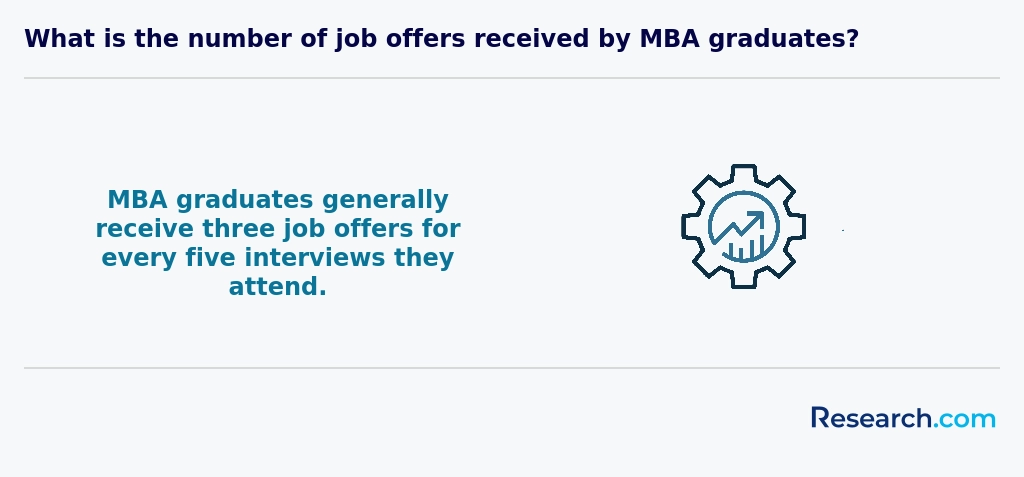
MBA degrees in Kirkland typically offer specializations that align closely with the city's dynamic business environment. Graduates from local universities often highlight specializations such as Finance, Marketing, Technology Management, Entrepreneurship, and Healthcare Management. These focus areas allow students to gain targeted skills that fit well with careers in Seattle's tech hubs and financial sectors.
For example, a graduate specializing in Technology Management found hands-on experience in data analytics and IT product development invaluable for joining a growing Seattle-based startup. Meanwhile, students in Entrepreneurship benefit from programs centered on venture creation and startup financing, which suit Kirkland's innovative culture. These programs often include real-world projects and networking with local businesses, making the educational experience practical and effective.
Understanding the best MBA specializations in Kirkland can help you tailor your education to meet local market demands. If flexibility is key, exploring executive mba programs virtual classroom combo options can also enhance your professional growth.
Choosing from the top MBA degree focus areas Kirkland offers means gearing your career toward established and emerging industries, supported by specializations designed to boost your success.
When choosing the best MBA degree in Kirkland, start by verifying the school's accreditation, ideally AACSB, which assures high academic standards and better employer recognition. Graduates of popular Kirkland institutions often praise the practical, rigorous curriculum aligned with local industry needs.
Consider the program format carefully. Many students balancing work find part-time or online MBAs offered by Kirkland colleges flexible and manageable. This adaptability supports career growth without pausing income. Alumni are often enthusiastic about how these formats helped them maintain momentum professionally.
Affordability is another key factor. Look for affordable MBA degrees Kirkland WA offers, especially from local public universities or smaller private schools. Total costs typically run $40,000-$70,000, making budget planning realistic while ensuring quality education.
Finally, evaluate connections to Seattle's vibrant tech and business ecosystem, which facilitates internships and job placements. Graduates credit their success to strong corporate ties and alumni networks. Exploring logistics career paths during the program can also open relevant opportunities.

Graduates with an MBA degree in Kirkland find diverse and rewarding career paths thanks to the area's vibrant business ecosystem. Many pursue roles as Product Managers at leading tech companies, where they drive product innovation and strategy. Others become Financial Analysts or Managers, leveraging Kirkland's proximity to Seattle's financial hubs. Operations Managers are in demand to optimize processes in both manufacturing and service sectors, while Marketing Managers craft impactful strategies for well-known regional brands.
Consulting roles also present excellent opportunities, with graduates advising local businesses on growth and efficiency. These career options widely reflect the best MBA jobs Kirkland WA offers, aligning well with professionals who want to thrive in competitive environments. Students from popular local institutions often highlight the strong support they receive through internships and networking, crucial to landing these positions.
For those exploring related fields, understanding the data science bachelor salary is helpful for making informed decisions about interdisciplinary skills that complement an MBA.
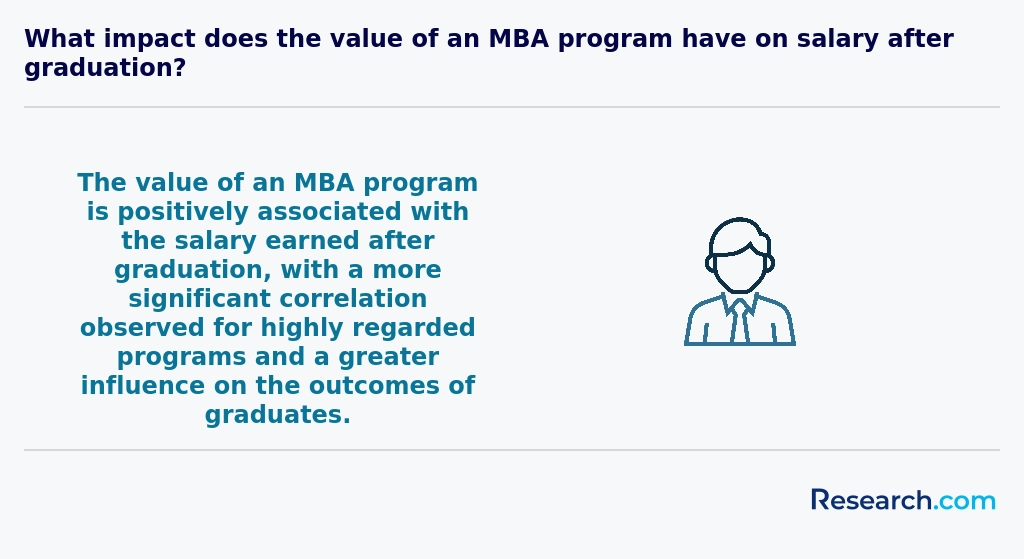
The job market for MBA graduates in Kirkland is robust, reflecting the city's strategic location near industry giants like Microsoft and Amazon. Graduates from local universities often find opportunities in leadership, operations, and strategic roles across technology, healthcare, and finance sectors. Those who combine their MBA with strong analytical and strategic skills report quicker access to senior positions. Networking through alumni groups and professional organizations in Kirkland proves invaluable, giving MBA students an edge in competitive job searches.
Many MBA students study at institutions known for connecting theory with practical experience, often sharing stories of landing key roles in supply chain management or digital transformation projects shortly after graduation. Career outlook for MBA graduates Kirkland is especially promising due to the steady growth in management jobs, fueled by the expanding tech industry. Salary ranges typically fall between $90,000 and $120,000, making it a compelling option for students weighing tuition investment.
For students looking to strengthen their credentials, combining an MBA with specialized training such as accounting courses Utah enhances competitive advantage in financial services and consulting.
2027 Most Popular MBA Degree Programs Ranking in Kirkland
Investing in your education is a significant decision that can shape your future, and the Research.com team understands the importance of making informed choices. To assist prospective students in Kirkland, we have meticulously crafted the "2027 Most Popular MBA Degree Programs Ranking in Kirkland." Our commitment to quality, credibility, and accuracy is reflected in the extensive research and analysis conducted to compile this ranking.
We utilized the following reputable data sources to ensure a comprehensive evaluation of MBA programs:
By exploring this ranking, readers will gain valuable insights into the most popular MBA programs in Kirkland, empowering them to make well-informed decisions about their educational investment. For more details on our methodology, please visit our Research.com methodology page.

# 2 position
Northwest University-Center for Online and Extended Education
Master of Business Administration

Frequently Asked Questions About MBA
Students pursuing an MBA degree in Kirkland can maximize their learning experience by actively engaging with local business communities. Kirkland's thriving tech and entrepreneurial environment offers numerous networking opportunities through events hosted by organizations such as the Kirkland Chamber of Commerce. According to U.S. News & World Report, students who participate in internships or practical projects increase their employment prospects by over 20% post-graduation.
Additionally, many Kirkland-based MBA programs emphasize hands-on learning through case studies and group work, which helps develop critical decision-making skills. Leveraging online resources provided by universities, such as virtual libraries and discussion forums, can further deepen understanding. Students should also consider joining professional clubs and leadership workshops to enhance teamwork and communication abilities essential for business success.
Emerging niches within the MBA field reflect shifting business demands and technological advances. In Kirkland, MBA programs increasingly emphasize specialties like data analytics, sustainability management, and healthcare administration. These areas respond to regional industry growth and national trends.
Data analytics MBAs equip students to interpret complex datasets, a skill in high demand across sectors. Sustainability-focused MBAs train leaders for green initiatives, aligning with global environmental priorities. Healthcare administration MBAs address the expanding healthcare market, especially relevant given Kirkland's proximity to major medical centers.
According to a 2023 report from the Graduate Management Admission Council (GMAC), 40% of MBA programs nationwide have added or expanded courses in these niches to meet employer needs. Kirkland's universities mirror this trend, tailoring curricula accordingly.
After completing an MBA degree in Kirkland, preparing for the job market involves several key steps. Start by leveraging the strong local economy, which includes tech companies like Amazon and Microsoft nearby. According to the Bureau of Labor Statistics, the Seattle metropolitan area, encompassing Kirkland, expects a 9% growth in management positions through 2030.
Networking is crucial. Engage with alumni associations from Kirkland's business schools and attend local industry events to build relationships. Utilizing career services offered by your institution can provide access to job boards and interviewing workshops tailored to MBA graduates.
Developing practical skills, such as data analysis, leadership, and strategic thinking, will enhance your competitiveness. Many employers in Kirkland seek MBA holders with experience in technology management and innovation. Internships or consulting projects during your program are valuable for gaining this experience.
Employers in Kirkland highly value MBA graduates who demonstrate strong leadership and strategic thinking skills. According to recent surveys by the Graduate Management Admission Council (GMAC), employers emphasize the importance of data-driven decision-making and financial acumen when hiring MBA graduates.
Communication skills, both verbal and written, also rank prominently in demand. Firms in Kirkland's growing tech and business sectors seek graduates who can clearly articulate complex ideas to diverse teams. Furthermore, adaptability and problem-solving are essential, with 68% of local employers noting these traits as critical for managerial roles.
Networking abilities and understanding of ethical business practices also influence hiring success, reflecting national trends found in the MBA Career Services & Employer Alliance's latest report.
Finding internships in Kirkland relevant to an MBA degree involves strategic steps tailored to the local job market. Kirkland's proximity to Seattle's tech hub increases opportunities in finance, marketing, and management roles. Students should leverage university career centers and alumni networks, which frequently share exclusive internship listings and recruiter contacts.
Online platforms like Handshake and LinkedIn are widely used by Kirkland-area employers seeking MBA interns. According to the U.S. Bureau of Labor Statistics, MBA graduates have a 15% higher chance of obtaining internships in competitive fields.
Additionally, directly approaching Kirkland companies such as business consultancies, tech startups, and financial firms can yield fruitful contacts. Attending local networking events and industry meetups often reveals hidden internship opportunities.
In Kirkland, earning an MBA degree significantly enhances career mobility and advancement opportunities within the local competitive job market. According to recent data from the U.S. Bureau of Labor Statistics, MBA graduates in the Seattle metropolitan area-encompassing Kirkland-experience a 15 to 25% higher median income compared to those with only a bachelor's degree. This degree equips professionals with advanced skills in leadership, finance, and strategy, which local employers highly value in industries like technology, healthcare, and finance.
Additionally, an MBA facilitates access to managerial roles that typically require advanced business acumen. Networking opportunities through Kirkland-based MBA programs also help graduates connect with regional employers, further boosting career growth prospects. The degree's versatility supports career shifts across sectors popular in Kirkland's economy, reflecting its positive impact on upward mobility.
Studying for an MBA degree in Kirkland equips students with skills ideal for interdisciplinary roles by blending core business knowledge with practical applications across various industries. Many Kirkland MBA programs emphasize collaboration between fields such as technology, healthcare, and finance, reflecting the city's diverse economic landscape.
According to the Washington State Higher Education Coordinating Board, MBA graduates in Kirkland often participate in projects involving cross-departmental teams, enhancing problem-solving and communication skills essential for interdisciplinary leadership.
Courses typically cover areas like strategic management, data analytics, and organizational behavior, preparing students to navigate complex challenges that span multiple sectors. This integrated curriculum supports versatility in roles ranging from product management to consulting.
Hands-on internships and networking opportunities with local companies further develop practical expertise, making Kirkland MBA graduates competitive candidates for interdisciplinary positions in a dynamic market.
Choosing between a thesis and a non-thesis MBA program in Kirkland depends on your career goals and learning preferences. Thesis MBA programs typically require original research, suitable for students interested in academic careers or specialized expertise. Non-thesis options focus on practical skills and coursework, appealing to professionals aiming to advance in business management or leadership roles.
In the US, thesis MBAs often take longer to complete, usually around two years, while non-thesis programs may be shorter or offer flexible part-time schedules. According to the National Center for Education Statistics, about 40% of MBA students prefer non-thesis tracks for quicker entry into the workforce.
Local Kirkland universities, such as Seattle University, offer both options, providing students access to professional networks and industry connections. When deciding, consider your time commitment, research interest, and career objectives to select the best fit.
Students based in Kirkland who wish to study for an MBA abroad have several pathways available within the US higher education system. Many American business schools offer global exchange programs or dual-degree options with partner institutions internationally. These programs often combine coursework at a US campus with study periods overseas, providing valuable international business experience.
The Graduate Management Admission Council (GMAC) reports that nearly 25% of MBA students in the US participate in some form of international study, reflecting growing demand. Kirkland students can leverage proximity to Seattle's airports for easier travel to global campuses.
Popular destinations often include Europe and Asia, where accredited programs align with US MBA standards.
Part-time job opportunities in Kirkland that complement MBA degree education often focus on roles in finance, marketing, and management. Given Kirkland's proximity to Seattle's tech and business hubs, many MBA students find internships or part-time roles with startups, financial firms, or consulting agencies. These positions provide practical experience in project management, data analysis, and client relations, essential for MBA skill development.
Positions such as business analyst, marketing coordinator, and financial advisor assistant are common. According to the U.S. Bureau of Labor Statistics, MBA students working part-time in these roles can expect to develop key competencies sought by employers nationally.
Local universities and career centers regularly offer listings tailored for MBA candidates, helping students align jobs with their academic focus.
Networking opportunities for MBA students in Kirkland are diverse and accessible due to the city's proximity to Seattle's larger business ecosystem. Many programs encourage participation in local chambers of commerce, such as the Kirkland Chamber of Commerce, which hosts regular events connecting students with regional professionals. Additionally, MBA students often engage with alumni groups from nearby universities offering MBA degrees, enhancing their access to mentorship and job opportunities.
Professional meetups and conferences in the greater Seattle area provide further networking platforms, often attracting recruiters from tech, finance, and healthcare sectors prominent in the region. According to a 2023 report by the Economic Development Council of Seattle & King County, over 60% of MBA students in nearby institutions found internships or jobs through networking events within their first year.
Alumni networks play a crucial role for MBA students in Kirkland by providing valuable professional connections. Graduates can leverage these networks to access job opportunities and mentorship, which enhances career prospects after graduation. According to the Graduate Management Admission Council (GMAC), 78% of MBA graduates find their first job through networking, highlighting its importance.
In Kirkland, many local businesses actively engage with alumni, creating a robust environment for internships and collaborative projects. This direct link to industry leaders helps students gain practical experience and insights. Moreover, alumni events foster a sense of community and ongoing support among current and past students.
Such networks also facilitate knowledge sharing, helping MBA candidates stay updated on industry trends and best practices specific to the Pacific Northwest region. This ongoing engagement often leads to partnerships that can accelerate professional growth over time.
Customizing an MBA program in Kirkland allows students to tailor their education to specific career objectives. Many local universities offer concentrations such as finance, marketing, technology management, or entrepreneurship, enabling focused skill development. According to the Graduate Management Admission Council, 57% of MBA candidates prioritize programs that offer specialization options.
Students can often choose electives aligned with industry trends in Kirkland's growing tech and business sectors. Internships and networking opportunities with regional companies provide practical experience vital for career advancement. Additionally, some institutions offer part-time or online formats, allowing working professionals flexibility to balance study and job commitments.
MBA students in Kirkland often face several common challenges. Balancing work, family, and study commitments is a primary difficulty, especially for those enrolled in part-time or executive programs. According to a 2023 report by the Graduate Management Admission Council (GMAC), nearly 60% of MBA candidates in the Pacific Northwest cite time management as their toughest hurdle.
Another challenge is the rising cost of education. Tuition fees for MBA programs in Kirkland can range from $30,000 to over $60,000, which places financial pressure on many students, leading some to seek loans or employer sponsorships. Additionally, adapting to remote or hybrid learning formats remains problematic for students who prefer face-to-face interaction.
Networking is vital for MBA students, but the COVID-19 pandemic disrupted traditional opportunities. Although in-person events are resuming, students still report difficulty building meaningful professional connections compared to pre-pandemic years (Kirkland Chamber of Commerce, 2023).
With an MBA degree in Kirkland, graduates can pursue several valuable professional certifications that enhance career prospects. Popular options include the Project Management Professional (PMP) certification, which is highly regarded across industries in the U.S. and complements MBA skills in leadership and organization.
Another common certification is the Certified Public Accountant (CPA), especially for MBA holders focused on finance or accounting. This certification broadens opportunities in corporate finance and audit roles.
Additionally, the Chartered Financial Analyst (CFA) credential is pursued by MBA graduates targeting investment management roles. Though demanding, it is respected nationwide.
Data from the U.S. Bureau of Labor Statistics indicates that professionals with these certifications often experience higher salary growth and job security, particularly in competitive markets like Kirkland and greater Seattle.
Writing a successful MBA application for programs in Kirkland requires clear focus and preparation. Start with a strong personal statement that highlights your professional achievements, leadership skills, and career goals. Admissions committees often look for candidates who demonstrate a clear understanding of how an MBA will advance their career.
Be sure to tailor your essays to each school's specific values and curriculum. Schools such as the University of Washington Bothell, located nearby, emphasize innovation and community impact.
Include detailed information about your work experience; most MBA programs in Kirkland prefer applicants with at least two to three years of professional experience. According to U.S. News & World Report, programs in the Seattle metropolitan area maintain competitive admissions with average GMAT scores around 600-650.
Finally, secure strong letters of recommendation and prepare diligently for interviews, demonstrating clear motivation and fit for the program.
The global perspective on an MBA career reflects its value in cultivating leadership and business skills across industries. In the United States, MBA graduates are highly sought after for roles in management, consulting, and finance. According to the Graduate Management Admission Council's 2023 report, over 90% of MBA alumni from U.S. schools secure employment within three months of graduation, with an average starting salary around $115,000.
For students in Kirkland, earning an MBA can open doors internationally, as U.S. MBA programs are recognized worldwide for their rigor and networking opportunities. Additionally, the region's ties to the tech industry offer unique career pathways, with Seattle metropolitan area data showing a 7% annual growth in MBA job openings.
Many employers value the global mindset developed in MBA programs, emphasizing cross-cultural communication and strategic thinking essential in today's interconnected economies.
Gaining practical experience while studying for an MBA degree in Kirkland is essential to bridge theory with real-world business. Many MBA programs in the Kirkland area encourage internships, which allow students to work with local companies in technology, finance, or retail sectors. According to the National Association of Colleges and Employers, 70% of MBA students secure internships during their studies, providing hands-on experience and networking opportunities.
Some schools offer consulting projects where students collaborate with businesses on actual challenges. Additionally, attending local business workshops and participating in case competitions can sharpen problem-solving skills. Engaging with Kirkland's active startup ecosystem also offers practical insights and connections.
Choosing the right concentration within an MBA program in Kirkland involves assessing your career goals and the local job market demand. Popular concentrations include finance, marketing, technology management, and entrepreneurship, reflecting Kirkland's growing tech and business sectors.
Consider your professional background and what skills you want to develop further. For instance, technology management is beneficial in Kirkland due to the proximity of major tech companies.
Research local employment trends; according to the Washington State Employment Security Department, demand for business analytics and project management roles has increased significantly in the region.
Finally, evaluate the MBA program's faculty expertise and connections to Kirkland-based industries to ensure practical learning opportunities.
- 2027 Most Popular MBA Degree Programs Ranking in Seattle
- 2027 Most Popular MBA Degree Programs Ranking in Tacoma
- 2027 Most Popular MBA Degree Programs Ranking in Portland
- 2027 Most Popular MBA Degree Programs Ranking in Salem
- 2027 Most Popular MBA Degree Programs Ranking in Spokane
- 2027 Most Popular MBA Degree Programs Ranking in Eugene
- 2027 Most Popular MBA Degree Programs Ranking in San Francisco
- 2027 Most Popular MBA Degree Programs Ranking in Salt Lake City
- 2027 Most Popular MBA Degree Programs Ranking in Fresno
- 2027 Most Popular MBA Degree Programs Ranking in Pasadena
- 6 Tips to Make the Most of Your MBA Experience https://mbaschooled.com/2020/01/14/6-tips-to-make-the-most-of-your-mba-experience/
- Future-Proof Your Career with an MBA in India : MIT-WPU Blog https://mitwpu.edu.in/blog/emerging-specialisations-in-mba---how-to-future-proof-your-business-career-in-india
- 10 Highest-Paying MBA Specializations in 2026 (With Salary Data) - Paris School of Management (PSM) https://www.psm-paris.fr/en/10-highest-paying-mba-specializations-in-2026/
- Top Challenges for MBA Students in 2025: Placements and Career Growth in India | BeJobbed.com https://bejobbed.com/challenges-mba-students-placements-career-growth-india/
- What Can You Do with an MBA in Today’s Market? | Elmhurst University Elmhurst University Blog https://www.elmhurst.edu/blog/what-can-you-do-with-an-mba-in-todays-market/
- 5 Tips on How to Choose the Best MBA Concentration https://www.pointloma.edu/resources/business-leadership/5-tips-how-choose-best-mba-concentration
- How to Use Your MBA for Career Growth While You’re Still Studying - International Career Institute USA https://icieducation.com/blog/how-to-use-your-mba-for-career-growth-while-youre-still-studying/
- Why Employers Prize a Global Perspective from MBA Graduates | WU Executive Academy https://executiveacademy.at/en/knowledge/career/why-employers-prize-a-global-perspective-from-mba-graduates
- Why Alumni Networks Matter in Business School: 7 Reasons https://europe.ceibs.edu/article/why-alumni-networks-matter-business-school
- Master of Business Administration (MBA) https://lakeland.edu/degrees/master-of-business-administration-mba/curriculum