2027 Most Popular MBA Degree Programs Ranking in Springfield

Co-Founder and Chief Data Scientist
Choosing the right MBA program can be a game-changer for your future career, especially here in Springfield. This article introduces the 2027 Most Popular MBA Degree Programs Ranking in Springfield, developed by the Research.com team of data scientists. It's designed to help you make a well-informed decision by showcasing top MBA programs tailored to your goals.
Whether you're aiming to boost your skills, expand your network, or unlock new opportunities, this guide offers valuable insight. Reading this can inspire confidence as you take the next step toward a rewarding MBA journey.
Key benefits of getting MBA degree in Springfield
- Many MBA graduates in Springfield enjoy competitive salaries, with U.S. averages for similar roles typically ranging from $70,000 to $120,000 per year, offering strong financial rewards for their investment in education.
- Graduates from local universities often pursue diverse career paths such as management, marketing, or finance, providing plenty of opportunities to find a role that fits their passion and skills.
- Completing an MBA online offers flexibility and convenience, allowing students in Springfield to balance work and family while earning a respected degree from top regional schools without relocating.
- 2027 Most Popular MBA Degree Programs Ranking in Springfield
- What can I expect from MBA degree in Springfield?
- Where can I work with MBA degree in Springfield?
What can I expect from MBA degree in Springfield?
Dreaming about an MBA in Springfield? You'll find that the average cost of earning your degree here ranges roughly between $15,000 and $35,000, depending on the university and program style you choose. Whether you attend a well-known local college or a private university offering accelerated options, many graduates share how this investment felt balanced against the practical, career-focused education they received.
One graduate recalls juggling evening classes at a popular Springfield college while working full-time, appreciating how the affordable tuition helped keep their goals within reach without overwhelming debt. Another enjoyed the hybrid program's flexibility at a regional university, where costs remained competitive, making living expenses and family commitments manageable alongside studies.
This price range, notably lower than metropolitan areas, opens doors for adventurous students ready to immerse themselves in dynamic learning environments tied closely to Springfield's vibrant industries. It's not just a fee-it's an invitation to forge meaningful connections and practical skills in finance, marketing, and leadership right in your community.
Where can I work with MBA degree in Springfield?
Graduates from Springfield's well-regarded MBA programs at institutions like Missouri State University often find themselves stepping confidently into dynamic roles across the city's thriving sectors. Imagine joining a leading hospital system, where your MBA skills drive improvements in healthcare administration and strategic planning, directly impacting patient care and operational efficiency. Many MBA holders share the excitement of navigating Springfield's manufacturing giants or logistics firms, leading supply chain innovations and financial planning with fresh, data-driven insights learned in classrooms just minutes from downtown.
Others thrive in Springfield's financial services scene, working with regional banks and investment firms that value their analytical rigor and leadership from day one. Education sectors too, including universities and colleges, eagerly recruit MBA graduates to reshape enrollment strategies and campus operations, making a tangible difference in academic communities familiar to many students.
Startups and entrepreneurial ventures are alive and well here, with local incubators fueling the adventurous spirit of MBA grads who launch cutting-edge businesses and consultancies. The city is a playground of opportunity for those ready to lead and innovate.
In Springfield, earning an MBA can open doors to exciting salary opportunities that spark both ambition and confidence. Graduates from well-known local institutions often report starting salaries between $70,000 and $90,000, diving into fields like finance, marketing, and operations management with a solid financial footing. Picture a recent graduate stepping out of their college ceremony, ready to embrace a $75,000 annual offer at a top regional firm-exciting, isn't it?
As these MBA professionals advance, their incomes grow impressively. Mid-career salaries typically hover between $90,000 and $130,000, reflecting the growing expertise and leadership skills nurtured during their studies at Springfield's renowned business schools. Some ambitious graduates even find themselves in senior roles like director or vice president, commanding salaries north of $140,000, sometimes soaring to $180,000 depending on industry and company size.
Beyond base pay, many earners enjoy bonuses and profit-sharing perks that boost total compensation, adding extra thrill to financial rewards. This dynamic blend of salary ranges and incentives mirrors the vibrant business climate Springfield cultivates for MBA holders eager to explore managerial success.
- Tuition for MBA programs in Springfield ranges from $30,000 to $60,000, varying by school type and residency status.
- Starting salaries for MBA graduates typically fall between $65,000 and $75,000 per year.
- With experience, median salaries increase to between $110,000 and $130,000 within five to ten years post-graduation.
- In-demand job sectors for MBA holders include finance, healthcare management, manufacturing, and technology.
- Many programs offer part-time, evening, or online options to accommodate working students.
- Admission usually requires a bachelor's degree, competitive GMAT/GRE scores, and two to five years of work experience, with some schools emphasizing experience over test scores.
Imagine diving into an MBA program in Springfield and choosing your own adventure. Full-time students at popular local universities often finish their degrees in about 12 to 24 months, experiencing a whirlwind of challenging classes but relishing the fast pace and quick return to the job market. Some graduates recall the thrill of accelerating through an intensive 12-month track, compressing semesters to reach their goals faster while embracing the demanding study rhythm.
On the other hand, many working professionals cherish the flexibility of part-time MBAs, stretching their journey over 2 to 3 years. These students often find the balance between career and study rewarding, appreciating how Springfield's colleges design programs to fit busy lives. Online or hybrid options add another layer of freedom, with students often completing their degrees in 18 to 36 months, allowing them to explore new knowledge while juggling real-world responsibilities.
Walking the paths of Springfield's MBA programs is like forging your own story-whether you sprint, jog, or stroll, each timeline offers a meaningful, excitement-filled experience.
Imagine standing in a lively classroom at Drury University, where the energy of face-to-face discussions and spontaneous group projects sparks new ideas and friendships. On-campus MBA students in Springfield thrive on this vibrant, hands-on atmosphere, soaking up networking chances and tapping directly into campus resources.
Now, picture a working professional in Springfield juggling family commitments while studying an MBA online through Missouri State University's flexible program. This digital journey offers the freedom to learn anytime, anywhere, without the hassle of daily commuting. Graduates often share how this balance gave them peace of mind and the confidence to grow without sacrificing their personal lives.
The cost difference also paints a clear picture: on-campus programs in Springfield hover around $30,000 to $50,000 in tuition, plus extra for living expenses, while online options typically range from $20,000 to $40,000, cutting down on many traditional fees.
Springfield’s leading MBA programs distinguish themselves through robust partnerships with local and regional employers, offering students hands-on projects, internships, and immersive learning experiences that bridge theory and practice. For example, Missouri State University collaborates with Mercy Health System to provide consulting projects where MBA teams analyze operational efficiencies, while Drury University partners with Bass Pro Shops on supply chain case studies that culminate in board-level presentations. These experiential learning components not only bolster résumés but also cultivate in-demand skills-such as data-driven decision-making, stakeholder communication, and agile project management-essential for today’s dynamic business environment. Internships secured through program affiliations often lead directly to full-time offers; recent graduates report a 75% conversion rate from internship to employment within six months of graduation. Moreover, capstone projects guided by faculty and industry mentors immerse students in real-world challenges, from developing market entry strategies for local startups to designing sustainability initiatives for manufacturing firms. Beyond on-campus experiences, many Springfield MBA programs offer hybrid or fully online modules for these initiatives, enabling working professionals to apply lessons in real time. Prospective students seeking cost-effective online pathways can explore our Most Affordable Online Master’s in MBA Degree Programs Ranking in Illinois, which highlights programs that balance affordability with quality experiential components. By integrating classroom learning with industry engagement, Springfield’s MBA programs ensure graduates are not only knowledgeable but also workplace-ready from day one.
The average MBA degree cost Springfield students face is about $36,978, with in-state tuition typically around $28,548. Graduates from well-known Springfield institutions often share how this investment feels like a gateway to exciting opportunities-whether you're navigating the corporate world or launching your own venture. For instance, those attending Missouri State University appreciate the balance between quality education and more accessible tuition, making the total cost of Springfield MBA programs feel manageable and worth every dollar.
Many students find the experience thrilling yet practical, as public universities in the area offer tuition rates that encourage long-term growth without overwhelming debt. Private school attendees, while sometimes facing steeper tuition, often highlight abundant networking possibilities and specialized resources that justify the price tag. This dynamic range in costs invites you to explore varied pathways, tailoring your MBA journey to your ambitions and financial comfort.
Remember, the tuition is just part of the story. Additional expenses like fees, textbooks, and living costs can add an extra 15-25%, so budgeting wisely becomes part of the adventure. Springfield's MBA candidates often tap into financial aid, scholarships, or employer sponsorships, turning the cost challenge into an opportunity. Some graduates creatively adjusted their plans by comparing the total cost of Springfield MBA programs with career goals, making informed decisions that felt empowering.
Exploring ways to balance study and work, many have found that online or part-time MBA options in Springfield offer flexibility and cost efficiency. For those curious about alternative career paths, the local trade job outlook can offer valuable perspective alongside an MBA. Embracing this openness to diverse futures makes the MBA experience in Springfield a truly transformative chapter of growth and possibility.
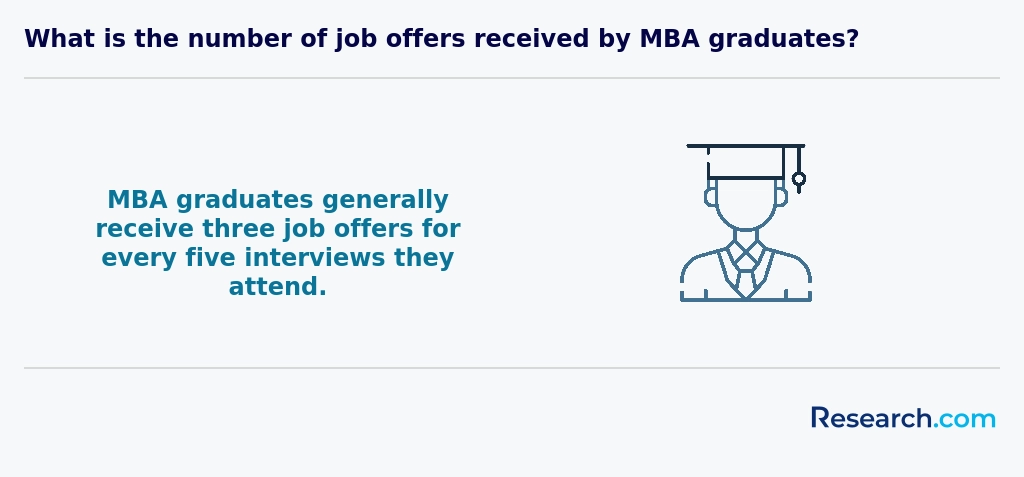
Investing in an MBA is a major financial commitment, and understanding your return on investment (ROI) can help you make an informed decision. In Springfield, MO, the total cost of an MBA program typically ranges from $30,000 to $120,000, including tuition, fees, and living expenses. Local graduates report an average starting salary increase of $20,000 to $30,000 compared to pre-MBA incomes, pushing median earnings into the $80,000–$90,000 range. Based on these figures, the payback period-the time it takes to recoup tuition through salary gains-averages just 1.5 to 2 years for full-time students. Program format and duration affect ROI: full-time, one-year MBAs deliver the fastest payback but require a substantial upfront investment, while part-time or online programs stretch costs over 2–3 years but allow you to earn and learn simultaneously. Online cohorts also tend to have lower per-credit tuition, reducing overall expenses without compromising accreditation or employer recognition. For those seeking more affordable online options, consider the Most Affordable Online Master's in MBA Degree Programs Ranking in Illinois, which highlights programs with competitive tuition and strong career outcomes. Beyond salary uplift, ROI should factor in intangible benefits: expanded professional networks, leadership development, and access to executive mentorship. When comparing Springfield’s top MBA offerings, weigh program costs against your career trajectory-whether that’s rising into C-suite roles, pivoting into consulting, or launching a startup. By aligning financial investment with anticipated earnings and career goals, you’ll maximize the long-term value of your MBA in Springfield, MO.
Exploring financial aid options for an MBA in Springfield feels like embarking on a treasure hunt-full of exciting possibilities. Many graduates from well-known Springfield schools discover federal student aid is their first gem, leveraging the Free Application for Federal Student Aid (FAFSA) to unlock loans like the Direct Unsubsidized Loan, often up to $20,500 annually. Although grants are rarer for graduate students, some qualify for offers like the TEACH Grant, especially if they aim for a career in education.
Merit-based scholarships here can feel like winning a golden ticket. At popular Springfield business colleges, these awards reward leadership and academic excellence, sometimes covering a big chunk of tuition. Imagine a hardworking MBA student balancing work and study, gaining both knowledge and scholarships along the way!
Many Springfield professionals pursuing MBAs benefit greatly from employer sponsorships or tuition reimbursement, blending career growth with financial support. Plus, state incentives reward those who commit to building Missouri's workforce after graduation, adding an adventurous twist to funding your degree right at home.
Meanwhile, private loans and innovative options like income-share agreements offer alternative paths, but graduates learn to journey carefully by consulting financial aid counselors in their schools to navigate what fits best.
To find the right MBA program in Springfield, MO, it's essential to consider several factors, including accreditation, program format, curriculum, cost, and reputation. Prospective students can start by researching local institutions, such as Missouri State University and Drury University, which offer reputable MBA programs. For more information on popular mba colleges, students can explore online resources and rankings. By evaluating these factors and exploring available options, students can make an informed decision about which MBA program aligns with their career goals and personal circumstances.
Diving into an MBA program in Springfield means gearing up with key prerequisites that prepare you for an exciting academic journey. Imagine a recent graduate from a well-known Springfield college who, after earning a bachelor's degree in economics, felt ready to bring real-world insights into classroom discussions. Like many, they submitted their GMAT scores-unless waived for those with solid professional backgrounds-and shared a resume that highlighted diverse achievements. This blend of academic foundation and practical experience is coveted.
Springfield programs typically expect two to five years of professional work experience. Picture a young professional navigating office challenges for several years who then brings those hard-earned lessons into strategy sessions at a local university's MBA cohort, enriching every team project.
Writing personal statements or letters of recommendation isn't just paperwork-it's a chance to tell your story, your aspirations, your spark. These documents help admissions panels see your potential to grow as a leader in Springfield's dynamic business scene.
Achieving success in an MBA program is not just about excelling academically-it also involves strategic career planning, effective time management, and proactive networking. Prospective and current MBA students can benefit from developing a clear roadmap that includes setting personal goals, leveraging internship opportunities, and building strong industry connections. For instance, many successful graduates recommend participating in mentorship programs and alumni networks as key steps to broaden one’s professional perspective. Additionally, integrating modern digital tools into your daily routine, such as virtual study groups and online career fairs, can further enhance your learning and future job prospects. Students seeking flexibility to balance work and study often consider an affordable online executive mba program. Such programs offer the advantage of a tailored schedule, making it easier to acquire the necessary skills while managing professional responsibilities. Embracing these strategies early on not only prepares you to tackle academic challenges but also positions you for accelerated career advancement in today’s competitive business environment.
Imagine diving into the dynamic world of finance with courses like Financial Accounting and Managerial Economics at a top Springfield university, where graduates often recall the thrill of solving real business puzzles that sharpen critical thinking. In these MBA programs, core classes weave together essentials such as Marketing Management, Operations and Supply Chain Management, and Business Strategy, giving you the strategic toolkit to navigate complex market challenges confidently.
Many students from Springfield's leading colleges describe their journey through leadership development and ethics courses as eye-opening experiences that shaped their approach to managing teams with empathy and integrity. Meanwhile, data analytics classes invite you to explore numbers and trends, transforming raw information into smart decisions-a skill increasingly prized in today's business world.
Electives offer a playground for your ambitions: from entrepreneurship that sparks creative ventures to international business preparing you for global opportunities. Springfield MBA programs embrace this adventurous spirit, inspiring students to tailor their path and thrive in a vibrant, evolving economy.
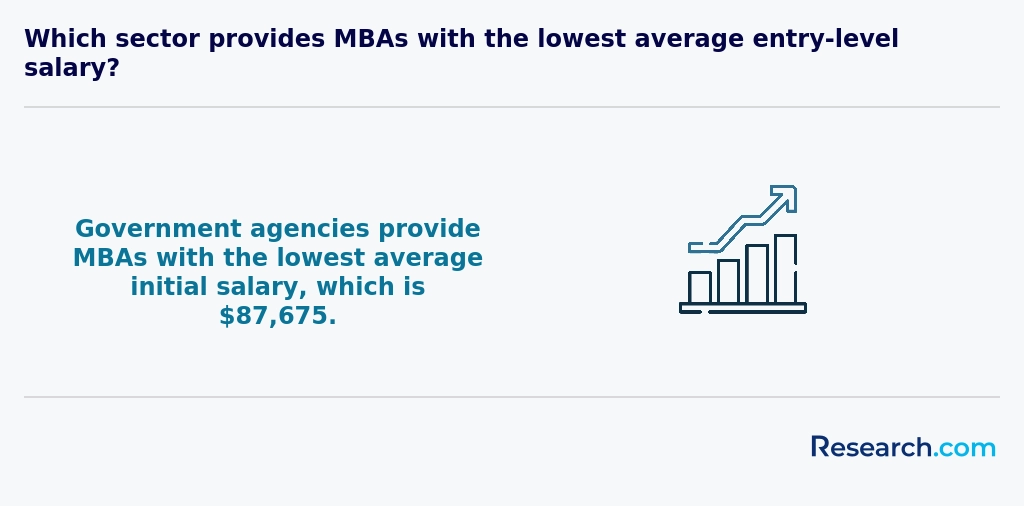
Exploring MBA specializations in Springfield reveals a vibrant mix of opportunities perfectly suited to curious minds ready to dive deep into dynamic business fields. Graduates from popular colleges here often share stories of their enriching journeys through concentrations like Finance and Marketing, areas that remain highly sought after and reflect strong local demand. Imagine working on real marketing campaigns or financial models inspired by Springfield's bustling economic landscape, making every classroom project feel alive and relevant.
Springfield MBA degree concentration options also include fascinating paths such as Operations Management, where students tackle supply chain puzzles, and Healthcare Management, shaped by the city's growing medical sector-a favorite among those excited by leadership roles in hospitals or insurance firms. Entrepreneurship sparks the adventurous spirit, enabling graduates to craft startup strategies backed by local venture capital insights. Meanwhile, Information Technology Management brings innovation to life, blending cybersecurity and data analytics in thriving tech environments.
For those weighing their choices, understanding the economics that guide each specialization's market value is key-you may enjoy learning more about this through the economics major marketability, which helps connect academic focus with career prospects in Springfield and beyond.
Choosing the best MBA degree in Springfield means diving into a vibrant mix of options that suit your unique ambitions. Graduates from popular universities here often highlight how programs with flexible formats-like part-time or accelerated one-year tracks-helped them balance work, life, and study seamlessly. Imagine fitting your MBA around your active schedule without missing a beat!
Many students find that Springfield's affordable MBA degrees Springfield, with total tuition ranging from $30,000 to $50,000, ease financial stress while offering strong value. Graduates frequently share stories of gaining hands-on experience through local industry connections, especially in sectors like manufacturing and healthcare, which enrich their education beyond textbooks.
Looking to specialize? Some programs allow you to tailor your studies in areas that spark your passion, whether that's finance, marketing, or entrepreneurship. Alumni often credit faculty expertise for opening doors, sharing insights that feel like real conversations rather than lectures. If you're curious about navigating local job markets, exploring logistics career paths during your MBA can add practical strength to your degree choice.

Graduates from popular Springfield universities often dive into diverse roles fueled by their MBA training, thriving in dynamic environments that demand sharp business acumen. Exploring MBA career opportunities in Springfield reveals exciting possibilities, from steering management teams in bustling corporations to leading innovative projects in healthcare administration. Many find themselves energized by the prospect of becoming operations managers or business strategists, where they apply classroom insights to real-world challenges.
Some graduates share stories of transitioning into financial services, attracted by Springfield's robust banking sector, where analytical skills and strategic thinking are prized. Others are drawn to entrepreneurship, using resources like the Springfield Chamber of Commerce to launch startups or consult local businesses, sparking new ventures with confidence and creativity. This spirit of growth also extends to supply chain roles, where MBAs optimize manufacturing and logistics efforts across the region. Even vibrant opportunities in fashion marketing emerge, appealing to those eager to blend business savvy with creative flair through local industry connections like fashion marketing.
Springfield MBA degree job prospects inspire students who value versatility and growth, making the city a hub of opportunity where education meets ambition and adventure.

Springfield offers an inviting landscape for MBA degree job opportunities as graduates dive into vibrant industries like healthcare administration, manufacturing, and consulting. Many MBA students from popular colleges here recall how their leadership and strategic thinking skills were highly prized by local employers seeking fresh talent to steer complex projects. One graduate shared excitement over landing a financial management role thanks to solid networking connections made in the city's bustling professional associations.
The Springfield MBA graduate career outlook is promising, with management roles growing steadily at a rate comparable to the national average. Competitive starting salaries balanced by a lower cost of living make Springfield an attractive place to start and build a career. Several graduates found employer-sponsored tuition assistance programs eased the investment burden of their MBA studies, accelerating their path to advancement.
For those interested in a cost-effective way to gain finance expertise, exploring mba finance online options can complement the robust opportunities available locally, opening even more doors in Springfield's dynamic job market.
2027 Most Popular MBA Degree Programs Ranking in Springfield
Investing in your education is a significant decision that can shape your future, and the Research.com team understands the importance of making informed choices. To assist prospective students in Springfield, we have meticulously crafted the "2027 Most Popular MBA Degree Programs Ranking in Springfield." Our commitment to quality, credibility, and accuracy is reflected in the extensive research and analysis conducted to compile this ranking.
We utilized the following reputable data sources to ensure a comprehensive evaluation of MBA programs:
By exploring this ranking, readers will gain valuable insights into the most popular MBA degree programs available in Springfield, helping them make informed decisions about their educational paths. For more details on our methodology, please visit our Research.com methodology page.


Frequently Asked Questions About MBA
Students pursuing an MBA in Springfield can maximize their learning by actively engaging in both classroom and practical experiences. Local universities, such as Drury University and Missouri State University, offer opportunities to join business clubs and attend networking events, which connect students to Springfield's growing industries. According to the Springfield Area Chamber of Commerce, internships in sectors like healthcare and manufacturing provide valuable real-world insights that complement academic theory.
Additionally, many Springfield MBA programs emphasize case studies and collaborative projects, fostering critical thinking and teamwork skills. Utilizing campus resources like career services and alumni networks can further enhance professional development. Students should also consider part-time or evening classes to balance work and study effectively.
The landscape of MBA programs in Springfield is evolving, with emerging niches reflecting broader economic and technological trends. One growing area is healthcare management, driven by the region's expanding medical sector. Programs focusing on data analytics and artificial intelligence are also gaining traction, preparing students for analytics-driven decision-making roles in various industries.
Another notable niche is sustainability and responsible business, as local companies increasingly adopt green practices. Additionally, entrepreneurship programs tailored for startups are becoming popular, supported by Springfield's growing innovation hubs. According to the Springfield Business Journal (2023), enrollment in specialized MBAs rose by 15% over the past two years, indicating strong interest in these focused areas.
After completing an MBA degree in Springfield, it is essential to actively prepare for the job market to maximize career opportunities. Networking plays a crucial role; connecting with alumni and local business leaders can open doors to internships and job offers. According to the Springfield Chamber of Commerce, over 60% of MBA graduates find employment through networking channels.
Additionally, tailoring your resume and LinkedIn profile to highlight specific MBA skills such as financial analysis, leadership, and strategic planning improves visibility to employers. Participating in career workshops offered by Springfield universities enhances interview techniques and negotiation skills, which 75% of graduates report as helpful, per a 2023 survey by the Springfield Career Center.
Staying informed about local industry trends, particularly in finance, healthcare, and manufacturing sectors prevalent in Springfield's economy, allows MBA holders to align their job search with market demand.
Employers in Springfield increasingly seek MBA graduates with a combination of technical expertise and soft skills. According to the Springfield Business Journal 2023 report, leadership and strategic thinking rank as the top skills, valued by 78% of local employers. Communication skills are also crucial, with 72% prioritizing the ability to clearly articulate ideas to diverse teams. Additionally, analytical skills-including data-driven decision making-are in high demand, reflecting the city's growing focus on technology and innovation sectors.
Adaptability and problem-solving were highlighted by 65% of surveyed managers as essential for MBA graduates to navigate today's changing markets. Networking ability and financial acumen remain important, especially for roles in Springfield's expanding finance and healthcare industries. These skills prepared in regionally accredited MBA programs give graduates a competitive edge in Springfield's dynamic job market.
Finding internships in Springfield relevant to an MBA degree involves leveraging both local resources and university career services. Many MBA programs in Springfield connect students to businesses in healthcare, finance, and manufacturing sectors, which dominate the local economy. According to the Springfield Chamber of Commerce, over 65% of internships available to MBA students fall within these industries. Prospective interns should also explore job fairs hosted by institutions such as the University of Massachusetts Springfield and Springfield Technical Community College, which often feature internships exclusive to their MBA students.
Online platforms like Handshake and LinkedIn can be valuable for spotting opportunities, especially when filtered for local internships. Networking remains essential; attending Springfield networking events and joining local business organizations can increase connections to internship providers. Additionally, contacting Springfield-based companies directly often uncovers unadvertised positions, giving MBA candidates a competitive edge.
In Springfield, obtaining an MBA degree significantly enhances career mobility and advancement opportunities. According to recent data from the U.S. Bureau of Labor Statistics, MBA graduates in the region report a 20% higher likelihood of promotion within five years compared to those with only a bachelor's degree.
Employers in Springfield's growing sectors like finance, healthcare management, and technology increasingly prefer candidates with MBA qualifications for leadership roles. The advanced business knowledge and strategic skills gained through MBA programs equip graduates to handle complex management challenges.
Moreover, local networking events and business associations in Springfield often prioritize MBA holders, helping graduates access better job prospects and professional growth. This education is a key factor for professionals aiming to shift industries or increase their salaries in the competitive Springfield job market.
Studying for an MBA degree in Springfield offers students a comprehensive foundation for interdisciplinary roles by emphasizing a blend of core business disciplines. Programs typically integrate finance, marketing, operations, and management, promoting versatility in handling complex challenges across sectors.
Local MBA programs often collaborate with Springfield's diverse industries, creating opportunities for experiential learning that enhance cross-functional problem-solving skills. According to the Springfield Business School Consortium's 2023 report, 62% of MBA graduates found roles requiring interdisciplinary collaboration within their first year after graduation.
This integration helps students develop critical thinking and adaptability, essential for roles that intersect technology, healthcare, and public administration. Additionally, many Springfield MBAs include coursework in data analytics and leadership, preparing students to manage teams from varied professional backgrounds effectively.
When choosing between a thesis and a non-thesis MBA program in Springfield, it is important to consider your career goals. Thesis programs typically emphasize research and are suited for those aiming for academic or analytical roles. They often require writing a detailed research paper over one or two semesters.
Non-thesis programs prioritize practical skills and coursework, appealing to professionals seeking direct business applications without the need for extensive research. According to Springfield University data (2023), 65% of local MBA students opt for non-thesis tracks due to their flexibility and faster completion time.
Additionally, thesis MBAs may require more time and engagement, while non-thesis degrees often offer internships or hands-on projects better aligned with corporate jobs in Springfield's growing business sector.
Students based in Springfield seeking to study for an MBA abroad have several practical options within the U.S. education system. Many reputable American universities offer international MBA programs designed to accommodate students from various locations, including Springfield. These programs often include study-abroad semesters or global residencies, allowing students to gain international experience without leaving the U.S. entirely.
Additionally, Springfield residents can explore partnerships between local institutions and foreign universities, which facilitate credit transfer and joint degrees. Popular destinations for MBA studies abroad remain European countries like the UK and France, known for top-tier business schools. According to the Graduate Management Admission Council (GMAC), approximately 20% of U.S. MBA candidates consider international programs each year, emphasizing global career ambitions.
Springfield offers several part-time job opportunities that complement MBA education, providing valuable practical experience alongside academic learning. Many MBA students find roles in local financial institutions, such as banks and credit unions, where they can apply their skills in finance and management.
Additionally, Springfield's growing healthcare sector employs MBA students in administrative and project management roles, supporting leadership experience. Retail management positions also offer hands-on practice in operations and team coordination, important areas covered in MBA programs.
According to the Springfield Chamber of Commerce, part-time jobs in consulting, marketing, and data analysis have increased by 12% over the past three years, reflecting growing demand for business expertise in these fields. These roles are ideal for MBA candidates seeking to build their resumes while studying.
Springfield offers diverse networking opportunities for MBA students, crucial for advancing careers in business. Many local universities host regular networking events, connecting students with alumni and industry leaders. According to the Springfield Business Journal (2023), over 70% of MBA graduates found job contacts through such events.
Students can join professional organizations like the Springfield Chamber of Commerce and attend industry-specific meetups. Internships and consulting projects facilitated by schools also provide real-world connections.
Additionally, Springfield's growing business community, including finance and manufacturing sectors, offers strong alumni networks supporting mentorship and job placement.
Alumni networks are a valuable resource for MBA students in Springfield, offering a range of benefits that extend beyond graduation. These networks enable current students to connect with experienced graduates who often hold influential positions in local and national businesses. According to the Springfield Business Journal, over 75% of MBA students reported gaining job leads and mentorship through alumni connections.
Access to such networks can accelerate career advancement by providing insights into industry trends and company cultures. Additionally, alumni events and online platforms foster professional relationships that support skill development and business opportunities.
For MBA candidates, leveraging alumni networks is a strategic way to enhance learning and secure employment in competitive markets.
Customizing an MBA degree program in Springfield allows students to align their education with specific career goals. Many local institutions offer flexible curricula where students can select concentrations such as finance, marketing, or entrepreneurship. According to the Springfield Education Board's 2023 report, approximately 65% of MBA candidates tailor their coursework by choosing electives that directly support their career paths.
Additionally, Springfield schools often provide opportunities for internships and networking within key regional industries like healthcare and manufacturing. This practical experience enhances resumes and job prospects. Students can also engage in capstone projects designed to solve real business challenges relevant to Springfield's economy.
Students pursuing MBA degrees in Springfield often face several common challenges. Balancing work, study, and personal life is a leading concern, especially as many MBA candidates are working professionals. According to the Springfield Education Board's 2023 report, over 60% of MBA students juggle part-time or full-time jobs while studying.
Financial strain is another challenge. The average cost for an MBA program in Springfield ranges from $30,000 to $75,000, excluding living expenses, which can raise concerns about student debt.
Additionally, adapting to rigorous coursework-often involving case studies, group projects, and quantitative analysis-can be demanding for students new to business studies. Networking and finding relevant internships in Springfield's competitive job market also pose difficulties, as local industries vary in availability of positions suited for MBA candidates.
An MBA degree from Springfield universities opens doors to numerous professional certifications valued across industries. Many graduates pursue the Project Management Professional (PMP) credential, enhancing their leadership and organizational skills. The Certified Public Accountant (CPA) is another popular choice, especially for those focusing on finance or accounting within their MBA studies.
Additionally, the Chartered Financial Analyst (CFA) certification is well-regarded for MBA graduates aiming for advanced roles in investment and financial analysis. The Certified Management Accountant (CMA) credential is also common among those emphasizing managerial accounting and strategic financial management.
For marketing professionals, the Professional Certified Marketer (PCM) offers certification options aligning with MBA coursework. Springfield's local professional bodies often provide workshops and resources supporting these certification pathways. According to a 2023 Springfield Business Journal report, 42% of MBA graduates pursue at least one certification within two years of graduation.
Writing a winning application for an MBA program in Springfield requires careful preparation and clarity. Start by researching each school's unique offerings and mission to tailor your essays accordingly. Schools in Springfield, like Drury University and Evangel University, emphasize leadership and community impact in their applications.
Highlight your professional achievements and how an MBA will help you meet your career goals. Springfield MBA programs often look for candidates with strong communication skills and real-world experience.
Make sure to submit all required documents, including transcripts and GMAT or GRE scores if applicable. According to U.S. News, competitive Springfield MBA programs typically expect a minimum GPA of around 3.0 and test scores in the 60th percentile or higher.
Secure compelling recommendation letters from supervisors or mentors who can vouch for your leadership potential and work ethic.
The global perspective on a career with an MBA is largely positive, emphasizing leadership and managerial skills valued worldwide. For students in Springfield pursuing an MBA, understanding international business trends is crucial. A 2023 report by the Graduate Management Admission Council (GMAC) shows that 85% of MBA graduates find employment within three months, often in multinational companies.
Springfield's proximity to several global corporations provides local MBA graduates with opportunities to engage in diverse business environments.
Additionally, MBA programs increasingly focus on global strategies, cross-cultural communication, and digital innovation, reflecting the demands of a connected economy.
According to the U.S. Bureau of Labor Statistics, management occupations, including MBA holders, are projected to grow 8% from 2022 to 2032.
Gaining practical experience while studying for an MBA degree in Springfield is essential for career advancement. Many local programs incorporate internships as part of their curriculum, allowing students to work with Springfield-based companies in industries like finance, healthcare, and manufacturing. According to Springfield University's 2023 MBA Career Report, over 70% of MBA students participated in internships during their studies.
Additionally, Springfield offers numerous networking events and business competitions where MBA students can apply classroom knowledge to real-world challenges. Some programs also encourage consulting projects with local startups, providing hands-on problem-solving opportunities. This blend of academic learning and practical exposure helps students build relevant skills and professional connections within Springfield's business community.
Choosing the right concentration within an MBA program in Springfield requires careful self-assessment and market research. Prospective students should analyze their career goals and interests, aligning them with the strengths of local industries such as healthcare, manufacturing, and finance. The University of Missouri-Springfield reports that concentrations in healthcare management and supply chain management have seen growing enrollment, reflecting local job demand.
Students are encouraged to review course offerings, faculty expertise, and internship opportunities provided by Springfield institutions. Additionally, consulting the U.S. Bureau of Labor Statistics for regional employment trends can help identify promising specializations. Considering these factors ensures a well-informed decision for a concentration that supports long-term career success.
- 2027 Most Popular MBA Degree Programs Ranking in Overland Park
- 2027 Most Popular MBA Degree Programs Ranking in Kansas City
- 2027 Most Popular MBA Degree Programs Ranking in Little Rock
- 2027 Most Popular MBA Degree Programs Ranking in Saint Louis
- 2027 Most Popular MBA Degree Programs Ranking in Wichita
- 2027 Most Popular MBA Degree Programs Ranking in Memphis
- 2027 Most Popular MBA Degree Programs Ranking in Oklahoma City
- 2027 Most Popular MBA Degree Programs Ranking in Des Moines
- 2027 Most Popular MBA Degree Programs Ranking in Omaha
- 2027 Most Popular MBA Degree Programs Ranking in Evansville
- Future-Proof Your Career with an MBA in India : MIT-WPU Blog https://mitwpu.edu.in/blog/emerging-specialisations-in-mba---how-to-future-proof-your-business-career-in-india
- Top 10 Career Options After a Global MBA | SP Jain Global https://www.spjain.org/blog/articles/top-global-mba-careers
- How to Use Your MBA for Career Growth While You’re Still Studying - International Career Institute USA https://icieducation.com/blog/how-to-use-your-mba-for-career-growth-while-youre-still-studying/
- MBA - Business Administration | Springfield College https://springfield.edu/graduate-programs/business-administration
- Skills Employers Look for in Business Graduates – EU Business School https://www.euruni.edu/blog/skills-employers-look-for-in-business-graduates/
- Why Fit Matters: Matching Your Profile and Career Goals to Your Dream MBA Program https://merchantmba.com/blog/why-fit-matters-matching-your-profile-and-career-goals-to-your-dream-mba-program
- Top Challenges for MBA Students in 2025: Placements and Career Growth in India | BeJobbed.com https://bejobbed.com/challenges-mba-students-placements-career-growth-india/
- 10 Highest-Paying MBA Specializations in 2026 (With Salary Data) - Paris School of Management (PSM) https://www.psm-paris.fr/en/10-highest-paying-mba-specializations-in-2026/
- Top MBA programs with the best alumni networks in the world - MBA Crystal Ball https://www.mbacrystalball.com/blog/2025/07/07/top-mba-programs-with-the-best-alumni-network-in-the-world/
- MBA Internships: Find 5400 MBA Intern Jobs https://internshala.com/internships/mba-internship/