
2027 Most Valuable Healthcare Degree Programs Ranking in Valdosta

Co-Founder and Chief Data Scientist
Choosing the right healthcare degree program is an important step toward a rewarding career. This article introduces the 2027 Most Valuable Healthcare Degree Programs Ranking in Valdosta, crafted by the Research.com team of data scientists. It offers clear, data-driven insights to help you identify which programs provide the best opportunities in the healthcare field.
By exploring this ranking, you'll gain valuable information that makes your decision easier and more confident. A healthcare degree opens doors to meaningful work that positively impacts lives-discover the path that fits you best.
Key benefits of getting healthcare degree in Valdosta
- Healthcare degree graduates in Valdosta can expect competitive salaries, such as Medical Assistants earning around $43,350 annually and Quality Improvement Coordinators making over $103,000 per year, offering strong financial stability.
- Graduates from Valdosta State University often pursue diverse careers like Clinical Research Coordinator or Health Information Technician, providing many paths to find a fulfilling healthcare role.
- Online healthcare degrees offer flexibility and convenience, allowing busy students to balance work and life while earning valuable credentials from institutions like Valdosta State University.
- Key benefits of getting healthcare degree in Valdosta
- What can I expect from healthcare degree in Valdosta?
- Where can I work with healthcare degree in Valdosta?
- How much can I make with healthcare degree in Valdosta?
- 2027 Most Valuable Healthcare Degree Programs Ranking in Valdosta
- Key Findings
- How long does it take to complete healthcare degree in Valdosta?
- Return on Investment of Healthcare Degrees in Valdosta, GA
- What's the difference between online and on-campus healthcare degree?
- What is the average cost of healthcare degree in Valdosta?
- Additional Resources & Expert Guidance
- What financial aid is available to healthcare degree students in Valdosta?
- Industry Partnerships & Networking Opportunities
- What are the prerequisites for enrolling in healthcare degree program in Valdosta?
- Return on Investment: Cost vs. Earnings Analysis
- What courses are typically in healthcare degree programs in Valdosta?
- What types of specializations are available in healthcare degree programs in Valdosta?
- How do you choose the best healthcare degree in Valdosta?
- What career paths are available for healthcare degree students in Valdosta?
- What is the job market for healthcare degree in Valdosta?
- Top Trending Healthcare Rankings
- See What Experts Have To Say About Studying Healthcare
What can I expect from healthcare degree in Valdosta?
The average cost of a healthcare degree in Valdosta is generally affordable compared to many other regions. Graduates from Valdosta State University, for example, report tuition that remains manageable, especially when factoring in financial aid and scholarship opportunities available on campus. Many nursing students appreciate how these resources help reduce their out-of-pocket expenses while preparing them thoroughly for licensing exams like the NCLEX-RN.
Community college students pursuing associate degrees or certificates often find even lower tuition costs. These programs, lasting about two years or less, offer a practical and budget-friendly way to enter healthcare roles quickly or build toward further education. Graduates often mention feeling relieved by the shorter timeline and reduced fees, allowing them to start earning sooner without excessive debt.
Both institutions emphasize real-world clinical experiences through partnerships with local providers like South Georgia Medical Center, making the tuition feel like a worthwhile investment in hands-on skills. This balance of cost and quality gives many healthcare students confidence as they begin their careers in Valdosta's growing healthcare job market.
Where can I work with healthcare degree in Valdosta?
Graduates with healthcare degrees from institutions like Valdosta State University often find themselves readily employed thanks to the city's strong network of medical facilities. Many start their careers at South Georgia Medical Center, where roles for registered nurses, medical technologists, and healthcare managers are consistently available. Securing a position here offers hands-on experience in a busy hospital environment, boosting confidence and practical skills.
Others leverage their degrees to work in outpatient clinics or urgent care centers scattered throughout Valdosta, areas where efficient patient care coordination is crucial. Graduates report feeling a real sense of accomplishment managing daily clinic operations and improving patient outcomes. For those interested in long-term care, facilities like Life Care Center of Valdosta provide rewarding careers in nursing and therapy assistance, meeting the needs of Georgia's aging population.
Community health roles with organizations such as Lowndes County Health Department suit graduates drawn to public health and outreach. They often describe their work as deeply fulfilling, knowing they impact community well-being directly. Even entry-level research positions at local educational institutions help some graduates build foundational healthcare experience while exploring career paths beyond clinical practice.
How much can I make with healthcare degree in Valdosta?
Graduates of healthcare programs in Valdosta can expect solid earning potential shortly after completing their degrees, especially when attending local institutions like Valdosta State University. For example, a recent graduate working as a Medical Assistant typically earns about $43,350 annually, which is a practical starting point while gaining hands-on experience.
Those who pursue roles like Patient Care Technicians see a noticeable jump, with mean salaries around $60,790 per year, reflecting additional skills gained during clinical training. Healthcare graduates entering Health Information Technician positions also earn close to $43,380 annually, offering stable office-based roles important to medical facilities.
More ambitious graduates aiming for coordinator roles, such as Clinical Research Coordinators, start near $43,350 but can leverage experience for growth. Leadership-oriented individuals focusing on quality improvement have the most promising earnings, with Quality Improvement Coordinators earning over $103,000 annually, showcasing how advanced certifications and experience pay off.
Graduates often share that combining practical training with local healthcare networking in Valdosta significantly boosts job opportunities and salary growth. Staying proactive in these roles encourages steady financial progress within the region's competitive but accessible healthcare market.
2027 Most Valuable Healthcare Degree Programs Ranking in Valdosta
How do we rank schools?
Investing in your education is a significant decision that can profoundly impact your future, and the Research.com team is dedicated to helping you make well-informed choices. To guide prospective students in Valdosta, we have carefully developed the "2027 Most Valuable Healthcare Degree Programs Ranking." Our commitment to quality, credibility, and accuracy is demonstrated through rigorous research and analysis.
We utilized the following reputable data sources to create this comprehensive ranking:
By reviewing this ranking, readers will gain valuable insights into the most valuable healthcare degree programs in Valdosta, enabling them to make confident and strategic educational decisions. For a deeper understanding of how this ranking was developed, please visit our Research.com methodology page.

# 2 position
Valdosta State University
Master of Business Administration (M.B.A.) in Healthcare Administration
Key Findings
- Healthcare education in Valdosta costs between $4,000 and $7,000 per year at public institutions, which is below the national average.
- Entry-level healthcare jobs in Valdosta offer salaries from $45,000 to $55,000 annually, with registered nurses typically earning near $55,000.
- Experienced healthcare professionals can earn $70,000 or more due to regional demand and specialized skills.
- The local healthcare job market is growing fast, especially for nursing, medical laboratory technology, and healthcare administration roles.
- Valdosta schools provide accredited associate and bachelor's degree programs that include clinical rotations at nearby hospitals.
How long does it take to complete healthcare degree in Valdosta?
Completing a healthcare degree in Valdosta takes time that varies by the level of education you pursue. If you're eager to start quickly, an associate degree is a solid choice, typically finished in about two years. Graduates from South Georgia Technical College often share how the blend of classroom learning and hands-on clinical experience helped them confidently step into roles like medical assisting or practical nursing.
For those aiming higher, a bachelor's degree-such as a BSN from Valdosta State University-usually requires four years of steady focus. Many students appreciate how the combination of healthcare science classes and clinical hours builds a strong foundation, preparing them for entry-level nursing jobs or even graduate study.
Master's degrees in nursing or healthcare fields take an additional one to three years after the bachelor's. Graduates often highlight the flexibility of part-time or online options offered locally, which lets them balance work and family without losing momentum.
Return on Investment of Healthcare Degrees in Valdosta, GA
Investing in a healthcare degree requires balancing tuition costs against future earnings. In Valdosta, GA, the average total tuition for a bachelor’s in nursing is approximately $40,000 (in-state), while associate programs average $15,000. Graduates entering roles such as Patient Care Technicians or Health Information Technicians report starting salaries of $55,860 and $41,260 respectively, suggesting a payback period of under two years for most degree levels. To maximize ROI, prospective students should compare program costs and outcomes. For those exploring cost-saving alternatives, consider checking out the Cheapest Online Healthcare Degree Programs Ranking in St. Davids, PA, which highlights flexible, affordable options that maintain accreditation standards. By leveraging these rankings, students can reduce debt burdens while still accessing quality online coursework. Calculating break-even involves dividing total educational expenses by expected annual post-graduation income. For example, a $20,000 associate degree with a $42,000 starting salary yields a break-even of 0.48 years. Factoring in living costs and fees, most graduates recoup investments within 1–3 years. Additionally, participating in work-study or clinical placements can further offset costs through stipends and networking that fast-track full-time employment. Finally, consider long-term value: advanced healthcare roles, such as nurse practitioners or health administrators, can command median salaries above $110,000. By planning ahead-selecting accredited programs, applying for scholarships, and researching affordable online alternatives-students in Valdosta can ensure their healthcare degree is not only educationally rewarding but also financially sound.
What's the difference between online and on-campus healthcare degree?
On-campus healthcare degrees in Valdosta, such as those offered at Valdosta State University, immerse students in a hands-on environment. Graduates often recall the value of direct access to labs and simulation centers, which made mastering clinical skills feel more tangible. Being physically present also means building strong connections with instructors and peers, which many find invaluable when navigating early career steps in healthcare.
In contrast, online programs provide flexibility for those balancing work or family, using virtual lectures and digital tools. However, Valdosta students pursuing online healthcare degrees typically must complete clinical placements locally, ensuring essential real-world experience. This blend appeals to graduates needing adaptable schedules without sacrificing practical skills.
Choosing between formats depends on priorities. If you thrive on face-to-face interaction and hands-on learning, on-campus at Valdosta State or community colleges suits you. If flexibility is key, an online program with nearby clinical work might be the better path. Both routes require attention to accreditation and cost, which vary with each option in Valdosta's healthcare education landscape.
What is the average cost of healthcare degree in Valdosta?
The average cost of a healthcare degree in Valdosta varies mainly based on residency status and school type. At local institutions like Valdosta State University, in-state students typically face a median total cost around $6,124, while out-of-state students can expect to pay about $30,704 in total expenses. Graduates from these programs often highlight how manageable in-state tuition and fees made pursuing their healthcare education both accessible and rewarding.
Many healthcare students find the practical side of costs goes beyond tuition. Additional expenses include clinical fees, textbooks, supplies, and living costs, all of which shape the total expenses for healthcare programs Valdosta learners should anticipate. For example, nursing students often budget for lab materials and health insurance, which can add several thousand dollars to the yearly cost. Those planning carefully often seek scholarships and financial aid tailored to healthcare disciplines to ease this burden.
Graduates from Valdosta's healthcare programs recall that recognizing these costs early helped them set realistic financial goals and reduce surprises. The combination of reasonable in-state tuition and local financial aid opportunities encourages many students to pursue degrees here rather than far more expensive out-of-state options.
For students navigating cost considerations while aiming for practical outcomes, it's beneficial to also explore resources like the top counseling programs, which can provide guidance on managing education expenses and professional pathways targeted for healthcare careers.

Additional Resources & Expert Guidance
Navigating the complex journey of selecting and excelling in a healthcare degree program can be challenging. To further empower your decision-making, this section provides actionable tips and curated resources that can help you stay informed and confident about your educational and career pathways. Begin by exploring mentor programs, networking events, and career counseling services available at your institution or community. In addition, make sure to subscribe to industry newsletters and join relevant online forums where current students and alumni share their real-world experiences and advice. For broader insights and comparative rankings, you might find it beneficial to explore valuable healthcare schools in georgia, which offers up-to-date data and personalized recommendations based on your career interests. By leveraging these resources, you can gain a competitive edge, make more informed decisions, and chart a successful course through your healthcare career.
What financial aid is available to healthcare degree students in Valdosta?
If you're pursuing a healthcare degree in Valdosta, starting with federal student aid is crucial. Many healthcare students from Valdosta State University rely on Pell Grants, which can cover up to $7,395 annually without needing repayment. This immediate boost often eases the stress of tuition fees, letting students focus more on studies than finances.
Next, explore state-based options like the HOPE Scholarship and HOPE Grant through the Georgia Student Finance Commission. These merit-based awards have helped numerous Valdosta healthcare students maintain focus by covering significant tuition portions, especially when juggling coursework and part-time jobs.
Don't overlook local scholarships offered by Valdosta State University or community groups. These often target healthcare fields like nursing or medical technology, filling gaps for textbooks or certification fees. Past graduates frequently mention how these smaller awards made critical differences during tight financial patches.
If you're employed at a local hospital or clinic, check for employer tuition assistance programs. Many healthcare workers in Valdosta have benefited from partial or full tuition reimbursements, motivating them to advance their qualifications without financial strain.
Finally, private loans should be the last resort due to higher interest rates. Valdosta healthcare students who have exhausted federal and state aid emphasize the importance of leveraging community and work-based support first to minimize debt while earning their degrees.
Industry Partnerships & Networking Opportunities
One critical aspect often overlooked in prospective healthcare education is the strength of an institution's industry partnerships and networking support. In Valdosta, GA, many top-tier healthcare programs actively collaborate with local hospitals, clinics, and research institutions to provide students with hands-on learning experiences and real-world connections. Such partnerships not only facilitate internships, clinical rotations, and job placements but also ensure that students stay current with the latest industry trends and technological advancements. These collaborations add substantial value to your degree by offering unique opportunities to interact with healthcare professionals, attend exclusive workshops, and participate in career fairs. For instance, institutions recognized among the valuable healthcare schools in georgia are known to build robust networks that bridge academic learning with practical applications in the field. This dedicated industry engagement is an essential factor for enhancing your overall educational experience, preparing you for a thriving career in healthcare.
What are the prerequisites for enrolling in healthcare degree program in Valdosta?
To enroll in a healthcare degree program in Valdosta, start by securing a high school diploma or GED. Graduates from Valdosta State University often emphasize the importance of strong foundations in biology, chemistry, and math; these subjects form the backbone of the university's healthcare curriculum.
Next, prepare for standardized tests like the SAT or ACT, unless your academic record earns you a waiver. Practical experience is crucial-many successful students volunteer at local hospitals or clinics, gaining real-world insight and confidence before classes even begin.
Letters of recommendation are another key step. Employers or healthcare professionals who have witnessed your dedication can help paint a positive picture of your character and work ethic for admissions teams.
Financial planning is essential too. In-state tuition at Valdosta institutions averages around $10,000 annually, but additional costs for labs and clinicals can add up. Planning ahead for these expenses lets you focus fully on your studies.
Finally, be prepared for background checks and drug screenings if your program requires them, ensuring safety for you and your future patients.
Return on Investment: Cost vs. Earnings Analysis
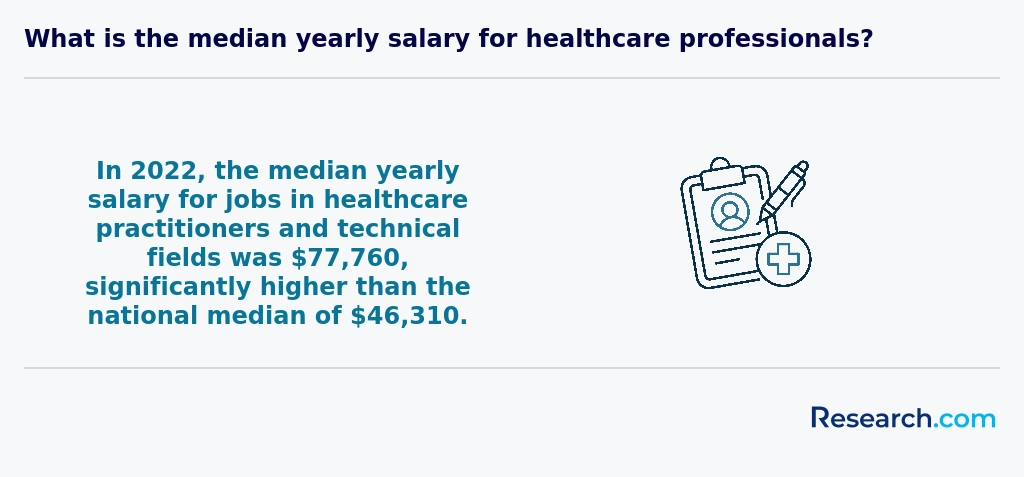
Investing in a healthcare degree in Valdosta, GA, involves weighing upfront costs against long-term earnings potential. On average, public institutions in Valdosta charge between $15,000 and $25,000 per year for undergraduate healthcare programs, while private colleges can exceed $30,000 annually. When compared to median starting salaries-approximately $41,260 for Health Information Technicians and $55,860 for Patient Care Technicians-most graduates recoup tuition within three to five years of full-time employment. A simple payback period calculation illustrates this more clearly: • Patient Care Technician: $55,860 annual salary minus $20,000 annual tuition = $35,860 net first-year earnings, yielding a payback period of roughly 1.4 years. • Health Information Technician: $41,260 annual salary minus $18,000 annual tuition = $23,260 net first-year earnings, yielding a payback period of about 1.8 years. For students exploring more specialized or accelerated tracks, programs like medical billing and coding often feature lower tuition and strong placement rates. To compare program costs directly, see our guide on how much does medical billing and coding classes cost, which outlines per-credit and flat-rate pricing for top online options. Beyond salary and tuition, consider indirect costs and benefits: internship stipends, employer-sponsored tuition reimbursement, and professional certification fees. Factoring in these elements can shorten the financial breakeven point and amplify overall return on investment, ensuring that your healthcare degree in Valdosta not only advances your career but also delivers measurable economic value.
What courses are typically in healthcare degree programs in Valdosta?
Healthcare degree programs in Valdosta, like those at Valdosta State University and local community colleges, typically start with core courses in human anatomy, physiology, microbiology, and medical terminology. Graduates often describe these classes as eye-opening, providing a clear understanding of how the body works-essential knowledge before moving into hands-on skills.
Students then tackle healthcare ethics and law, learning how to navigate patient rights and healthcare regulations. This coursework is practical for anyone wanting to work confidently within U.S. healthcare standards. For example, some graduates reflect on how this helped them feel prepared during their clinical rotations.
Pharmacology courses are another key part, where students learn medication purposes and side effects, setting the stage for safe patient care. Additionally, training in clinical skills and health assessment ensures graduates can perform vital patient procedures effectively.
Those pursuing healthcare administration will find classes in healthcare economics and organizational behavior, vital for roles managing facilities. Graduates often recall practical internships in Valdosta's hospitals, turning classroom theory into real-world confidence and skill.
What types of specializations are available in healthcare degree programs in Valdosta?
Healthcare degree specializations in Valdosta typically cover nursing, healthcare administration, medical laboratory technology, and several allied health fields. Nursing programs at local colleges prepare students for roles like registered nurse or nurse practitioner, with graduates often sharing how hands-on clinical rotations at Valdosta Regional Medical Center boosted their confidence and skillsets. Those interested in leadership roles find healthcare administration rewarding; schools like Valdosta State University offer courses that combine business principles with health policy, highlighting strong local job prospects thanks to the city's expanding healthcare industry.
Valdosta's healthcare degree program options also include radiologic technology, respiratory therapy, public health, and pharmacy technician training, each offering practical skills prized by local employers. Graduates often describe their training working directly with patients or labs as energizing and fulfilling. For students balancing work and study, exploring online healthcare administration degrees job prospects can be a practical next step toward career growth.
How do you choose the best healthcare degree in Valdosta?
Start by pinpointing which healthcare field excites you most-nursing, public health, or allied health are popular in Valdosta. Graduates from Valdosta State University, known for its strong nursing and health sciences programs, often share how aligning their degree with their passion boosted both motivation and career satisfaction. Next, prioritize programs accredited by recognized bodies like the CCNE or ACOTE to secure quality education and better job prospects.
Cost is a major factor; Valdosta State University offers healthcare degrees with tuition close to the Georgia average of about $4,300 annually, making affordable healthcare degrees Valdosta cost analysis straightforward. Remember to budget for extra expenses like textbooks and clinical fees. Choose programs with solid clinical placements at local sites such as South Georgia Medical Center-real-world experience is invaluable. Graduates report that hands-on training here made learning engaging and confidence-building.
Flexibility matters too. Many students balance work and family by selecting online or hybrid formats at Valdosta's institutions. Check graduation and job placement stats; nursing program NCLEX pass rates above the national average reflect effective preparation. Also, look for specialized certifications and continuing education options within the curriculum. For exploring related healthcare careers, consider exploring related healthcare careers to broaden your future possibilities.
What career paths are available for healthcare degree students in Valdosta?
Graduates with a healthcare degree in Valdosta often pursue careers as Registered Nurses, Medical Laboratory Technicians, Healthcare Administrators, or Public Health Specialists. Many have found valued roles at South Georgia Medical Center, the largest employer in the region, where practical skills gained at Valdosta State University directly translate to daily patient care or lab diagnostics. Those focusing on nursing often report job satisfaction from hands-on work in hospitals or clinics, fitting well with local demand for skilled nurses.
Healthcare administration graduates benefit from programs that emphasize management and policy skills, opening doors to leadership positions within healthcare facilities. For students weighing their options, considering roles in public health can also prove rewarding, as these positions impact community wellness and educational programs. Successful graduates highlight the accessibility of healthcare career opportunities in Valdosta, where regional employers look for well-prepared candidates.
For prospective students comparing options, exploring nursing universities louisiana student reviews can offer insights into program quality and outcomes beyond Valdosta. This broader perspective supports informed decisions for those aiming to maximize job prospects in healthcare fields. The practicality of a Valdosta healthcare degree often lies in its balance of quality education and local job opportunities.

What is the job market for healthcare degree in Valdosta?
The healthcare job opportunities in Valdosta remain strong due to steady regional demand and a growing population near the Florida border. Graduates from local institutions, such as Valdosta State University, often secure positions quickly in hospitals like South Georgia Medical Center, where roles for registered nurses and medical technicians are consistently available. Many alumni share how practical training during their studies directly prepared them for immediate employment.
For those pursuing healthcare degrees in Valdosta, the employment outlook is promising, especially in specialized fields such as radiology and health services administration. Local healthcare providers value graduates with hands-on experience, so students benefit from internships and clinical placements offered through area colleges. Financing education is also supported by programs offering tuition reimbursement or loan forgiveness, making a career in healthcare more accessible.
Students interested in quicker credential paths sometimes choose online LVN classes to start working sooner while planning to advance later. Overall, Valdosta's healthcare degree employment outlook offers practical pathways to stable and rewarding careers, matching ambition with real community needs.
Frequently Asked Questions About healthcare
Healthcare degree students in Valdosta can maximize their learning by taking advantage of local clinical opportunities. Valdosta has several healthcare facilities, including South Georgia Medical Center, which offers practical experience crucial for students. According to the Georgia Board of Nursing, hands-on clinical hours are essential for licensure and skill development.
Students should also engage with Valdosta State University's healthcare programs that emphasize interdisciplinary learning. Participating in internships, volunteering, and networking within the local healthcare community can build both skills and professional relationships.
Additionally, staying current with healthcare regulations and technology trends in Georgia enhances career readiness. Students may benefit from online resources and local workshops aimed at healthcare advancements.
The healthcare field in Valdosta is evolving quickly, with several emerging niches attracting interest from students and professionals alike. One significant growth area is telehealth, which expanded rapidly during the COVID-19 pandemic and continues to gain traction due to convenience and accessibility.
Another promising niche is geriatric care, as Valdosta's aging population increases demand for specialized services. According to the U.S. Census Bureau, over 18% of Lowndes County residents are 65 or older, highlighting opportunities in eldercare professions.
Additionally, behavioral health services are growing because mental health awareness is rising nationwide. Jobs in this sector often combine counseling, social work, and substance abuse treatment. These specialties reflect evolving community needs and offer valuable career paths for healthcare students in Valdosta.
After completing a healthcare degree in Valdosta, preparing for the job market involves several key steps. First, gaining practical experience through internships or clinical rotations is essential, as local employers in Valdosta value hands-on skills. The Valdosta Regional Medical Center and other healthcare facilities often seek candidates with relevant experience. Networking plays a critical role; joining professional associations such as the Georgia Nurses Association or attending healthcare job fairs in the region can open opportunities. Additionally, obtaining necessary certifications, like CPR or specialty licenses, improves employability. Staying updated on healthcare trends in south Georgia also helps graduates align their skills with evolving employer needs.
Employers in Valdosta prioritize a mix of technical and interpersonal skills when hiring healthcare degree graduates. Clinical competence, including proficiency in electronic health records (EHR) systems, is essential. According to local healthcare employers, familiarity with patient data management improves job readiness significantly.
Strong communication skills are equally important, as providers interact closely with patients and multidisciplinary teams. Valdosta's expanding healthcare sector emphasizes teamwork and empathy, which enhance patient outcomes and satisfaction.
Critical thinking and problem-solving abilities are highly valued due to the complexity of modern healthcare challenges. Additionally, adaptability to fast-changing environments and ongoing education are key to career growth in this region.
Finding internships in Valdosta relevant to a healthcare degree involves several practical steps. Local hospitals such as South Georgia Medical Center frequently offer internship programs for students pursuing nursing, medical technology, and allied health fields. According to the Georgia Department of Public Health, healthcare employment in the Valdosta area is expected to grow by 12% over the next decade, increasing internship opportunities.
Students should also explore partnerships through Valdosta State University's College of Nursing and Health Sciences, which connects students with clinics and healthcare providers in the region. Networking via professional organizations like the American Public Health Association can provide additional leads. Contacting local healthcare facilities early and preparing a strong resume boost chances significantly.
Obtaining a healthcare degree in Valdosta significantly enhances career mobility and advancement opportunities within the local healthcare industry. Valdosta, part of Lowndes County, benefits from a growing healthcare sector with institutions such as South Georgia Medical Center and various outpatient clinics requiring skilled professionals.
Healthcare degrees open doors to diverse roles, from nursing to health administration, making it easier for degree holders to move between positions or specializations. According to the Georgia Department of Labor, healthcare occupations in the Valdosta metropolitan area are expected to grow by over 15% through 2028, exceeding the national average.
Further education often correlates with higher salaries and leadership roles, supported by Valdosta's expanding medical facilities. This trend illustrates that a healthcare degree is a valuable asset for local career growth and professional development.
Studying for a healthcare degree in Valdosta equips students with essential skills to excel in interdisciplinary roles. Local programs emphasize collaboration among nursing, public health, and allied health disciplines, reflecting the integrated nature of modern healthcare. According to Valdosta State University, curricula incorporate case studies and team projects involving multiple healthcare fields, fostering communication and problem-solving abilities.
Valdosta's healthcare education also benefits from partnerships with regional hospitals and clinics, offering practical experience in diverse environments. Such exposure helps students understand the roles of various professionals, including physicians, therapists, and social workers.
These experiences align with the growing demand for healthcare workers who can coordinate care effectively, as noted by the Georgia Department of Public Health's workforce reports.
Choosing between a thesis and a non-thesis healthcare degree program in Valdosta depends on your career goals and learning preferences. Thesis programs emphasize research and critical analysis, requiring you to complete an original study, which is ideal for students aiming for doctoral studies or research roles. Non-thesis options focus more on practical skills and coursework, suitable for those pursuing direct clinical practice or administration.
Valdosta State University, the primary institution offering healthcare degrees locally, reports that about 30% of students opt for thesis tracks, reflecting interest in research careers. Understanding your long-term professional plans and the time commitment needed can guide your choice effectively.
Students in Valdosta seeking healthcare degrees abroad have several pathways through US university partnerships and exchange programs. Many institutions in Valdosta, such as Valdosta State University, offer study abroad options in collaboration with accredited international medical and nursing schools. These programs typically last one semester to a full academic year, allowing students to gain global clinical experience.
Medical students can join clinical rotations in countries with comparable healthcare standards, enhancing their skills and cultural competence. Nursing students might participate in community health projects abroad, improving their practical knowledge.
The Council on Education for Public Health (CEPH) accredits some global health programs, ensuring quality education. Financial aid or scholarships may be available for qualified candidates. Valdosta features a growing healthcare industry, with opportunities enhanced by global healthcare trends and regional workforce needs.
Students pursuing healthcare degrees in Valdosta have access to several part-time job opportunities that can enhance their academic experience. Common roles include medical assistants, pharmacy technicians, and patient care aides. These positions provide practical skills that align well with healthcare coursework and improve employability after graduation.
Valdosta's healthcare sector is supported by institutions like South Georgia Medical Center, which employs over 2,000 staff and often offers part-time clinical roles. According to the Georgia Department of Labor, healthcare-related jobs in Valdosta have grown by 7% over the past five years, signaling strong demand.
Additionally, local clinics and elder care facilities provide flexible work schedules suited to students. Such jobs help develop communication, patient management, and technical skills essential for healthcare careers.
Healthcare students in Valdosta benefit from numerous networking opportunities that support their professional growth. Valdosta State University (VSU) offers student organizations such as the pre-health clubs and nursing associations, allowing students to connect with peers and local health professionals. Through partnerships with South Georgia Medical Center, students gain access to clinical internships and mentorship programs, facilitating valuable real-world contacts. Additionally, regional conferences and workshops hosted in Valdosta regularly feature healthcare leaders, providing further chances to build networks. According to VSU's Career Services, over 60% of healthcare students report securing employment through connections made during such events.
Alumni networks offer significant benefits to healthcare degree students in Valdosta by creating strong professional connections within the local medical community. These networks provide mentorship opportunities, helping students navigate the complexities of healthcare careers. Graduates often share job openings and internship information, increasing employment prospects in Valdosta's growing healthcare sector, which employs over 5,000 professionals according to the Valdosta-Lowndes County Chamber of Commerce.
Additionally, alumni events and online platforms encourage knowledge exchange and collaboration. This ongoing support helps students build critical soft skills and stay updated with industry trends. Research from the National Association of Colleges and Employers underscores that 70% of jobs are found through networking, highlighting the importance of such connections for healthcare students in Valdosta.
Customizing your healthcare degree program in Valdosta involves selecting courses and specializations aligned with your career goals. Many local institutions offer flexible programs allowing students to focus on areas such as nursing, public health, or health administration. Valdosta State University, for example, provides opportunities to choose electives or minors that enhance skills in community health or healthcare management. Internships and clinical experiences available through partnerships with nearby medical centers in Lowndes County can also tailor practical learning to your interests. According to the Georgia Department of Labor, healthcare occupations in Valdosta are expected to grow by 15% through 2030, making targeted education vital for future success.
Healthcare students in Valdosta often face several challenges common in U.S. health education, intensified by regional factors. One major difficulty is balancing rigorous coursework with clinical hours, which are essential for hands-on experience but can be time-consuming and stressful. According to the Georgia Board of Nursing, clinical placements in Valdosta have become competitive due to a limited number of local hospitals offering internships.
Another challenge is financial strain. Tuition costs combined with the area's median household income-approximately $41,000 per year according to U.S. Census data-can make it difficult for many students to afford their studies without loans or scholarships.
Additionally, healthcare students may struggle with access to diverse training facilities. While Valdosta has several healthcare institutions, specialized programs sometimes require travel to larger cities for advanced opportunities, creating logistical challenges for students.
With a healthcare degree in Valdosta, graduates can pursue various professional certifications that enhance career opportunities. Common certifications include Certified Nursing Assistant (CNA), Licensed Practical Nurse (LPN), and Registered Nurse (RN) licenses. For those interested in specialized fields, certifications such as Medical Assistant (MA), Emergency Medical Technician (EMT), or Health Information Technician may be available.
Several programs in Georgia align with national standards, ensuring graduates qualify for exams from bodies like the National Healthcareer Association (NHA) or the American Nurses Credentialing Center (ANCC).
These certifications often improve job prospects and earning potential in the Valdosta healthcare market, where demand for qualified professionals continues to grow according to the Georgia Department of Labor.
Writing a winning application for a healthcare program in Valdosta begins with thorough research on local institutions like Valdosta State University and South Georgia Technical College. These schools value applicants who demonstrate strong academic records, especially in science courses such as biology and chemistry. Highlight relevant volunteer or work experience within healthcare settings, as South Georgia's Health Department reports a growing demand for professionals with community service backgrounds.
Ensure your personal statement clearly communicates your passion for healthcare and your commitment to improving community health in Valdosta. Strong letters of recommendation from educators or healthcare professionals also boost your candidacy. Finally, meeting application deadlines and accurately submitting all required documents, including transcripts and test scores, is essential for consideration.
The global demand for healthcare professionals continues to rise, driven by aging populations and increasing chronic diseases. In Valdosta, Georgia, healthcare careers align with this trend, supported by local institutions such as Valdosta State University, which offers nursing and allied health programs.
Internationally, healthcare professions are valued for their stability and impact. The U.S. Bureau of Labor Statistics projects a 16% growth in healthcare occupations nationally from 2021 to 2031, faster than the average for all jobs. Valdosta reflects this trend, with a growing healthcare sector contributing significantly to the local economy.
Global perspectives emphasize multidisciplinary collaboration and technological proficiency, skills emphasized in U.S. healthcare curricula. For students in Valdosta, pursuing degrees in nursing, public health, or healthcare administration offers pathways aligned with worldwide healthcare priorities.
Gaining practical experience while studying for a healthcare degree in Valdosta is essential for career readiness. Many local colleges, including Valdosta State University, offer clinical placements and internships through partnerships with nearby hospitals and clinics such as South Georgia Medical Center. These opportunities provide hands-on experience in real healthcare settings.
Students can also engage in volunteer work at health organizations to build skills and professional networks. According to the U.S. Bureau of Labor Statistics, internships improve employment prospects by nearly 60% in healthcare fields. Additionally, some programs incorporate simulation labs for practice.
Networking with local professionals at healthcare events in Valdosta can enhance learning and future job prospects.
Choosing the right concentration within a healthcare degree program in Valdosta starts with understanding your career goals. The region offers a range of healthcare specializations, including nursing, allied health, and medical technology, each suited to different interests and job markets.
Consider the local demand for professionals. According to the Georgia Department of Labor, occupations such as registered nurses and medical technologists are expected to grow above the national average in the Valdosta metropolitan area through 2030.
Additionally, research program accreditation and clinical training opportunities in Valdosta, as hands-on experience is crucial. Explore concentrations that align with your strengths and desired work environment, whether hospital, clinic, or community health.
Related Healthcare Rankings for Nearby Cities
- 2027 Most Valuable Healthcare Degree Programs Ranking in Tallahassee
- 2027 Most Valuable Healthcare Degree Programs Ranking in Gainesville
- 2027 Most Valuable Healthcare Degree Programs Ranking in Jacksonville
- 2027 Most Valuable Healthcare Degree Programs Ranking in Orlando
- 2027 Most Valuable Healthcare Degree Programs Ranking in Tampa
- 2027 Most Valuable Healthcare Degree Programs Ranking in Montgomery
- 2027 Most Valuable Healthcare Degree Programs Ranking in Atlanta
- 2027 Most Valuable Healthcare Degree Programs Ranking in Birmingham
- 2027 Most Valuable Healthcare Degree Programs Ranking in Mobile
- 2027 Most Valuable Healthcare Degree Programs Ranking in Fort Myers
Top Trending Healthcare Rankings
See What Experts Have To Say About Studying Healthcare
Read our interview with Healthcare experts

References
- Education requirements for the fastest-growing healthcare jobs https://www.corridorcareers.com/job-tips/blog-news-education-requirements-fastest-growing-healthcare-jobs
- HEALTH MANAGEMENT (THESIS / NON-THESIS) - Lisansüstü Eğitim Enstitüsü https://lee.nisantasi.edu.tr/en/health-management-thesis-non-thesis/
- 1+ Healthcare Cover Letter Examples (with In-Depth Guidance) https://www.tealhq.com/cover-letter-examples/healthcare
- Advance Your Education and Career While Working in Healthcare https://www.hospitalrecruiting.com/blog/4236/advance-your-education-and-career-while-working-in-healthcare/
- Trends and opportunities in healthcare across emerging markets - Inizio https://inizio.com/insights/trends-and-opportunities-in-healthcare-across-emerging-markets/
- 5 Concentrations for a Bachelor’s of Healthcare Administration - Healthcare Administration Degree Programs https://www.healthcare-administration-degree.net/lists/5-concentrations-for-a-bachelors-of-healthcare-administration/
- The Healthcare Student’s Guide to Internships | EduMed.org https://www.edumed.org/resources/student-online-guide-to-internships/
- The impact of postgraduate education on career advancement in healthcare https://sets.com.ua/journals/vol-3-no-2-2024/the-impact-of-postgraduate-education-on-career-advancement-in-healthcare
- Employability Skills Matrix for the Health Sector https://www.skillsforhealth.org.uk/resources/employability-skills-matrix/
- The Value of Healthcare Organization Alumni Associations https://consultqd.clevelandclinic.org/the-value-of-healthcare-organization-alumni-associations


