
2027 Most Valuable Healthcare Degree Programs Ranking in Fayetteville

Co-Founder and Chief Data Scientist
Choosing the right healthcare degree program is a big step toward a rewarding career. If you're in Fayetteville and considering this path, you want to make an informed decision that sets you up for success.
This article presents the 2027 Most Valuable Healthcare Degree Programs Ranking in Fayetteville, created by the Research.com team of data scientists. It highlights the top programs based on rigorous data analysis, giving you clear insights on which degrees offer the best value and future opportunities.
Whether you want to help others or build a stable career, this ranking will guide you toward the programs worth your time and effort.
Key benefits of getting healthcare degree in Fayetteville
- Healthcare degree graduates in Fayetteville can enjoy competitive salaries, such as a Medical Assistant earning around $43,350 annually and a Quality Improvement Coordinator making over $103,000 per year, reflecting strong financial benefits.
- Career paths are diverse, with graduates from local colleges often pursuing roles like Patient Care Technician or Clinical Research Coordinator, which offer opportunities for growth and valuable hands-on experience.
- Obtaining a healthcare degree online from Fayetteville institutions provides flexibility for busy individuals, allowing them to balance studies with personal commitments while accessing quality education that leads to rewarding careers.
- Key benefits of getting healthcare degree in Fayetteville
- What can I expect from healthcare degree in Fayetteville?
- Where can I work with healthcare degree in Fayetteville?
- How much can I make with healthcare degree in Fayetteville?
- 2027 Most Valuable Healthcare Degree Programs Ranking in Fayetteville
- Key Findings
- How long does it take to complete healthcare degree in Fayetteville?
- Professional Certifications and Continuing Education
- What's the difference between online and on-campus healthcare degree?
- Return on Investment: How Long to Recoup Your Healthcare Degree Costs in Fayetteville, AR
- What is the average cost of healthcare degree in Fayetteville?
- Emerging Trends and Future Opportunities in Healthcare Education
- What financial aid is available to healthcare degree students in Fayetteville?
- Advanced Education and Future Pathways: Enhancing Your Healthcare Career
- What are the prerequisites for enrolling in healthcare degree program in Fayetteville?
- Emerging Trends and Future Opportunities in Healthcare
- What courses are typically in healthcare degree programs in Fayetteville?
- What types of specializations are available in healthcare degree programs in Fayetteville?
- How do you choose the best healthcare degree in Fayetteville?
- What career paths are available for healthcare degree students in Fayetteville?
- What is the job market for healthcare degree in Fayetteville?
- Top Trending Healthcare Rankings
- See What Experts Have To Say About Studying Healthcare
What can I expect from healthcare degree in Fayetteville?
The average cost of pursuing a healthcare degree in Fayetteville typically ranges from $6,000 to $20,000 per year, depending on the institution and program length. Students at Northwest Arkansas Community College appreciate the affordability of their nursing associate degrees, which offer hands-on clinical experience without the heavy tuition burden. Meanwhile, those enrolled in University of Arkansas-affiliated programs may invest more but gain access to broader resources and partnerships with local hospitals.
Graduates often describe the value they received as well worth the cost, noting that scholarships and financial aid from both public institutions and healthcare organizations helped ease expenses. Many find that the practical training at local hospitals like Washington Regional Medical Center amplifies the return on investment by enhancing real-world readiness.
Looking ahead, Fayetteville's healthcare programs are expected to integrate more technology-driven courses, possibly affecting cost structures but also opening doors to innovative career paths. Students are hopeful that evolving funding opportunities will keep high-quality education accessible as the field grows.
Where can I work with healthcare degree in Fayetteville?
Graduates with healthcare degrees from Fayetteville's renowned institutions, like Fayetteville State University and Methodist University, often find themselves at the forefront of evolving healthcare landscapes. Many begin their careers in major hospitals such as Womack Army Medical Center or Cape Fear Valley Health System, where the demand for registered nurses, respiratory therapists, and medical technologists continues to rise. These workplaces offer dynamic environments that challenge and inspire, helping graduates grow both professionally and personally.
Others discover rewarding paths in outpatient clinics and specialized care centers, providing physical therapy or chronic condition management. Here, graduates apply innovative approaches learned during their studies to improve patient outcomes with empathy and skill. Long-term care facilities also attract many, especially as the aging Fayetteville population creates new opportunities in gerontology and healthcare management.
Moreover, public health roles in Fayetteville's community organizations allow graduates to impact population health directly, engaging in outbreak management or health education. The unique presence of military medical facilities further expands options, blending civilian healthcare with service to veterans, making Fayetteville an inspiring hub for emerging healthcare professionals.
How much can I make with healthcare degree in Fayetteville?
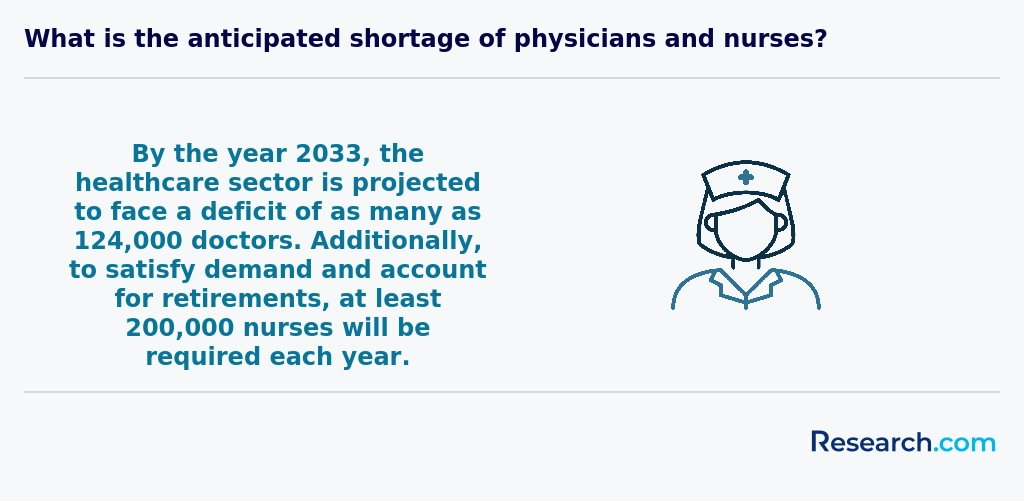
Graduates from healthcare programs in Fayetteville, especially those attending local institutions like the University of Arkansas, often find themselves well-positioned for rewarding careers. For example, Medical Assistants typically earn about $43,350 annually, reflecting solid entry-level opportunities that many recent graduates confidently step into.
Some graduates who move into technical roles such as Health Information Technicians or Clinical Research Coordinators also see similar mean wages around $43,380 to $43,350. These roles blend hands-on patient care with emerging healthcare technologies, creating dynamic career paths that many Fayetteville alumni appreciate for their stability and growth potential.
More experienced professionals, including those specializing in quality improvement, can expect higher earnings, with Quality Improvement Coordinators averaging $103,150 per year. This reflects the increasing demand for expertise in healthcare systems and patient safety, areas where graduates trained at regional colleges leverage their skills to improve local healthcare outcomes.
These figures highlight promising financial prospects in Fayetteville's healthcare sector, encouraging students to envision rewarding futures where their education supports both personal and community health advancements.
2027 Most Valuable Healthcare Degree Programs Ranking in Fayetteville
How do we rank schools?
Investing in your education is a significant decision that can shape your future, and the Research.com team acknowledges the importance of making well-informed choices. To support prospective students in Fayetteville, we have diligently developed the "2027 Most Valuable Healthcare Degree Programs Ranking in Fayetteville." Our dedication to quality, credibility, and accuracy is demonstrated through thorough research and analysis underpinning this ranking.
We utilized the following reputable data sources to ensure a comprehensive evaluation of healthcare degree programs:
By exploring this ranking, readers will gain valuable insights into the most advantageous healthcare degree programs in Fayetteville, empowering them to make informed decisions in pursuing their educational and professional goals. For more information on how this ranking was created, please visit our Research.com methodology page.

Key Findings
- Tuition for healthcare degrees in Fayetteville ranges from $8,000 to $15,000 per year at public institutions, with private colleges generally charging more.
- The healthcare job market is growing, supported by an expanding population and multiple hospitals like Washington Regional Medical Center.
- Entry-level nurses earn about $53,000 annually, with experienced professionals making around $75,000 or more.
- Many programs include clinical rotations in local medical facilities, enhancing hands-on experience and job placement.
- Flexible scheduling and online courses are available, making it easier for working adults and non-traditional students to enroll.
How long does it take to complete healthcare degree in Fayetteville?
Completing a healthcare degree in Fayetteville offers flexible timelines that cater to diverse student needs. Graduates from local universities frequently share how certificate programs in areas like medical assisting can be wrapped up in less than a year, letting them step quickly into rewarding healthcare roles.
Associate degrees often take about two years. Students juggling part-time courses and jobs appreciate how institutions like the University of Arkansas make balancing life and study manageable while gaining practical skills essential for nursing or health IT.
Bachelor's programs, typically four years full-time, provide immersive experiences with clinical placements, helping graduates feel prepared and confident to enter the workforce. Many Fayetteville students find this timeline rewarding as it combines theory with hands-on learning.
Looking ahead, graduates from master's and doctoral programs foresee accelerating completion times through hybrid learning and research collaborations, which Fayetteville's schools are increasingly embracing. This evolving flexibility allows students to tailor their journeys, reflecting a future where completing advanced healthcare degrees may fit more seamlessly into busy lifestyles.
Professional Certifications and Continuing Education
To remain competitive in Fayetteville’s evolving healthcare landscape, graduates often pursue professional certifications that validate specialized skills and boost employability. Certifications such as Certified Professional Coder (CPC), Registered Health Information Technician (RHIT), and Certified Coding Associate (CCA) can significantly increase salary potential and open doors to advanced roles. For those seeking cost-effective options, enrolling in an affordable medical billing certification program offers a streamlined pathway to credentialing without sacrificing quality. Key certifications to consider include:
- Certified Professional Coder (CPC): Recognized by the AAPC, CPCs handle CPT®, ICD-10-CM, and HCPCS Level II coding, reporting median salaries of over $50,000 annually.
- Registered Health Information Technician (RHIT): Offered by AHIMA, the RHIT credential validates expertise in managing patient health data and medical records.
- Certified Coding Associate (CCA): Ideal for entry-level coders, CCAs demonstrate proficiency in coding fundamentals and typically transition to higher-level credentials within 1–2 years.
- Pharmacy Technician Certification (CPhT): Administered by PTCB, this credential equips graduates for roles in pharmaceutical settings where precision and regulatory compliance are critical. Continuing education options in Fayetteville span local workshops at the University of Arkansas and flexible online courses, allowing professionals to earn CEU credits and maintain licensure. By strategically combining a healthcare degree with targeted certifications, graduates can enhance their career trajectory, achieve higher job placement rates, and adapt to industry shifts with confidence.
What's the difference between online and on-campus healthcare degree?
Online and on-campus healthcare degrees in Fayetteville offer distinct experiences that shape students' journeys differently. Graduates from Fayetteville State University often recall the energizing atmosphere of face-to-face classes, where hands-on clinical rotations in campus labs created deep confidence in their practical skills. This in-person training, paired with direct faculty support, fosters a tangible sense of community and immediate feedback that some find irreplaceable.
Conversely, graduates from online programs appreciate the freedom to balance studies with work or family, especially when clinical hours can be completed locally. Online learners describe the convenience of accessing video lectures on their schedule and participating in virtual simulations, which prepare them well for real-world challenges despite the physical distance.
As technology advances, future Fayetteville healthcare students might see a blending of these formats-virtual reality clinical practice combined with on-campus intensives-offering both immersive skill-building and flexible timelines. This evolution could expand opportunities for diverse learners while maintaining the essential hands-on experience critical to healthcare success.
Return on Investment: How Long to Recoup Your Healthcare Degree Costs in Fayetteville, AR
Understanding the return on investment (ROI) of a healthcare degree helps prospective students gauge how quickly they can recover educational expenses through increased earning potential. In Fayetteville, AR, average total tuition costs range from $12,000 for an associate degree to $48,000 for a bachelor’s, and up to $60,000 for a master’s program. When compared to median annual salaries-$55,860 for Patient Care Technicians and $41,260 for Health Information Technicians-break-even points look like this:
- Associate Degree: With total costs around $12,000 and starting salaries near $40,000, graduates can recoup tuition within 1–1.5 years.
- Bachelor’s Degree: At $40,000 in tuition and an entry-level wage of $60,000, payback typically occurs in 2–3 years, factoring in living expenses.
- Master’s Degree: Investing $50,000 and earning $80,000 annually pushes break-even to 3–4 years, depending on specialization and local demand. Leveraging flexible online options can shorten ROI timelines. For instance, exploring Cheapest Online Master’s in Healthcare Degree Programs Ranking in North Dakota may reveal accredited, low-cost alternatives that lower upfront costs while maintaining quality. Beyond salary gains, intangible benefits-like career advancement, leadership opportunities, and professional networking-further enhance long-term ROI. By comparing program costs, projected earnings, and local job market growth, students can make data-driven decisions that align with both financial goals and personal aspirations.
What is the average cost of healthcare degree in Fayetteville?
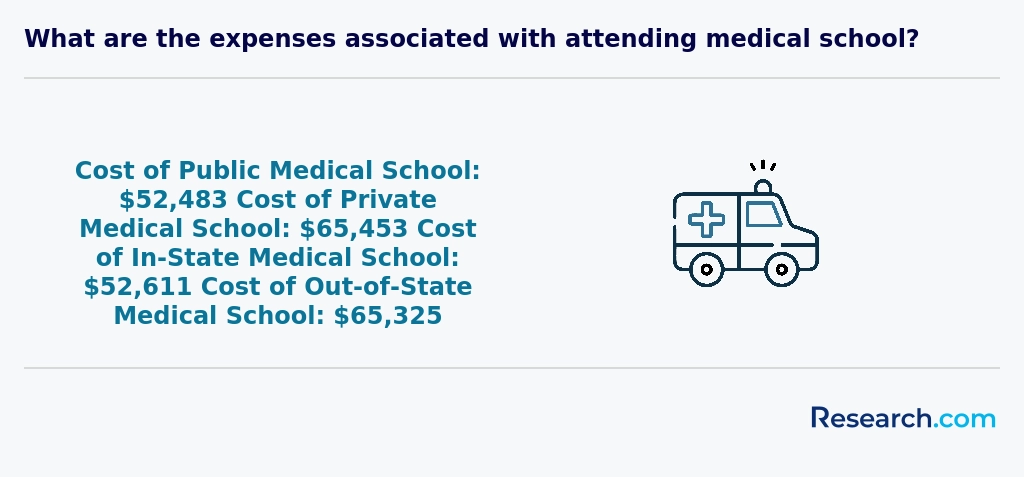
For students exploring the average cost of healthcare degree in Fayetteville, the financial commitment typically centers around a median total cost of approximately $45,364, reflecting current tuition and fees across public and private institutions. In-state students attending major universities like the University of Arkansas generally experience a more affordable path, with yearly tuition around $10,000, plus additional expenses for specialized courses or clinical requirements. Graduates often recall how this balance of cost and comprehensive education shaped their journey positively, making education accessible without sacrificing quality.
Community colleges such as Northwest Arkansas Community College provide an attractive alternative, especially for those seeking associate degrees or diplomas in healthcare fields. With in-district tuition rates closer to $4,000-$5,000 annually, many students appreciate the reduced financial pressure while gaining vital practical skills. This affordability broadens access and supports early career entry in healthcare.
Prospective students who scrutinize Fayetteville healthcare degree program tuition fees will notice an emerging trend towards blending cost-efficiency with modern learning experiences. Many graduates describe feeling optimistic about the value and investment return, especially when factoring in financial aid or scholarships. Those aiming for advanced certifications might also want to explore options for NP certification Georgia, which has become a popular next step after completing foundational healthcare studies locally.
Emerging Trends and Future Opportunities in Healthcare Education
In today’s rapidly evolving healthcare landscape, programs are increasingly integrating groundbreaking technologies such as telemedicine, artificial intelligence, and data analytics into their curricula. This shift not only transforms the way healthcare is delivered but also equips students with interdisciplinary skills essential for future success. Institutions are now emphasizing simulation-based training and virtual reality labs, as well as collaborative projects with local hospitals and research centers, to provide real-world experience that meets industry demands. As emerging trends drive this revolution, graduates are finding that innovative coursework and modern teaching methods significantly enhance their career readiness. For instance, many prospective students are exploring valuable healthcare programs in arkansas that lead the charge in embracing these trends. By choosing programs that focus on emerging technologies and future-focused skillsets, students can ensure they remain competitive and adaptable in an ever-changing healthcare field.
What financial aid is available to healthcare degree students in Fayetteville?
Students pursuing healthcare degrees in Fayetteville commonly rely on a blend of federal and state financial aid to manage tuition costs. Graduates from the University of Arkansas at Fayetteville often share how applying for federal Pell Grants, which can cover up to $7,500 annually, significantly eased their burden, allowing them to focus more on clinical practice rather than finances. Many also leverage federal Direct Loans with low-interest rates, offering a manageable pathway through their program.
State scholarships like the Arkansas Academic Challenge and Workforce Challenge frequently come up in conversations among recent grads, especially those entering high-demand fields such as nursing or pharmacy. These awards not only reduce immediate expenses but enhance long-term career prospects by enabling uninterrupted study.
Merit-based and need-based scholarships offered by Fayetteville's colleges provide additional layers of support, often tied to maintaining strong GPAs or active community engagement. Some healthcare students find that partnerships with local hospitals lead to tuition assistance programs that combine financial relief with real-world experience, creating a sense of purpose and optimism about their educational journey.
Advanced Education and Future Pathways: Enhancing Your Healthcare Career
Continuing your educational journey after earning your healthcare degree can open doors to specialized roles and leadership opportunities. Many professionals consider pursuing advanced degrees to expand their expertise and increase their earning potential. For example, an online master’s degree in nutrition can complement your healthcare background by integrating nutritional science with clinical practice, paving the way for careers in public health, dietetics, and wellness planning. In fact, if you're curious about exploring further academic growth, you might want to learn more about what are the most affordable masters degrees in nutrition online. Advanced programs offer in-depth curricula that focus on research, evidence-based practices, and innovative strategies that prepare healthcare professionals for higher-level responsibilities. Institutions often emphasize flexible learning options, enabling working professionals to balance advancing their career and continuing their education. By investing in an advanced degree, you not only enhance your technical skills and theoretical knowledge but also broaden your professional network, which is critical in today's competitive job market. This pathway ultimately strengthens your ability to make informed decisions and lead successful healthcare initiatives in an evolving industry.
What are the prerequisites for enrolling in healthcare degree program in Fayetteville?
Enrolling in healthcare degree programs in Fayetteville typically requires a strong academic foundation, starting with a high school diploma or equivalent. Graduates from institutions such as the University of Arkansas share how completing core courses in biology, chemistry, and math ahead of time gave them the confidence to excel once accepted. With some Fayetteville schools moving toward test-optional policies, the focus shifts more toward maintaining a solid GPA, usually around 2.5 to 3.0, which reflects consistent academic dedication.
Beyond academics, prospective students often navigate health prerequisites like immunizations and background checks, crucial for hands-on clinical experiences offered locally, including at the University of Arkansas for Medical Sciences Northwest campus. Many students appreciate the preparatory college courses in anatomy or medical terminology, finding these subjects vital to feeling ready for demanding healthcare curricula. Applicants also bring personal statements and recommendations alive by sharing their commitment to services in Fayetteville's growing healthcare field, helping them stand out meaningfully during admissions.
Emerging Trends and Future Opportunities in Healthcare
As the healthcare industry continues to evolve at a rapid pace, understanding emerging trends is crucial for students planning their careers. Innovations such as telemedicine, digital health records, wearable technology, and artificial intelligence are reshaping patient care and operational efficiency. These advancements not only offer exciting career opportunities but also demand a new set of skills and adaptability from healthcare professionals. For instance, graduates are increasingly being sought after for roles that combine clinical expertise with technological proficiency, leading to competitive career pathways in both clinical and administrative settings. Staying abreast of industry trends can empower students to tailor their educational choices towards programs that emphasize modern healthcare practices. Many prospective students are now turning to comprehensive resources that evaluate these emerging opportunities. In fact, exploring valuable healthcare programs in arkansas can provide insights into how top institutions are incorporating the latest technological and methodological advances into their curricula. By prioritizing continuous learning and adaptability, graduates will be well-prepared to navigate the evolving landscape of healthcare. This forward-thinking approach not only enhances their career prospects but also equips them with the tools to drive positive change in the communities they serve.
What courses are typically in healthcare degree programs in Fayetteville?
Healthcare degree programs in Fayetteville typically include foundational courses such as anatomy and physiology, microbiology, nutrition, and medical terminology, all designed to build a solid scientific base. Graduates from local institutions often recall how studying anatomy brought the human body to life through detailed models and interactive labs, making complex systems easier to understand.
Hands-on training is a major focus, with courses like introduction to patient care, pharmacology basics, and healthcare communication skills helping students gain confidence in real clinical environments. Many Fayetteville programs integrate clinical practicums or internships, where students engage directly with patients in nearby hospitals or clinics, fostering a sense of purpose and preparedness for their future careers.
Innovative trends are emerging too, with some colleges emphasizing courses tailored to regional needs-such as veterans' health and rural medicine-reflecting Fayetteville's unique community context. This localized approach enables students to feel deeply connected to their work, knowing their education directly impacts the well-being of local populations.
What types of specializations are available in healthcare degree programs in Fayetteville?
Healthcare degree specializations in Fayetteville commonly include Nursing, Health Informatics, Public Health, Medical Laboratory Science, and Physical Therapy. Graduates from local universities often share how these programs prepare them for real-world challenges, such as managing patient care in rapidly growing medical centers like the Fay Medical Center. For instance, Nursing tracks range from Registered Nurse to Nurse Practitioner, offering hands-on clinical experience that builds confidence and practical skills.
Fayetteville healthcare program concentration options are evolving to meet technological advancements and community health needs. Health Informatics students engage deeply with digital record systems, enhancing healthcare delivery through data management. Public Health specializations focus on community outreach and disease prevention, resonating with those passionate about improving population wellness in the region.
Many students have found success by exploring specialized tracks, including the popular online acute care nurse practitionerprograms, which provide flexible learning combined with valuable clinical hours. This blend of innovation and tradition reflects Fayetteville's commitment to cultivating skilled professionals ready to lead in a dynamic healthcare landscape.
How do you choose the best healthcare degree in Fayetteville?
Choosing the best healthcare degree program in Fayetteville involves imagining where your career could lead amid the city's growing medical landscape. Graduates from local colleges often speak about the rewarding experience of combining coursework with hands-on clinical placements at hospitals like Cape Fear Valley Health System, which strengthens their confidence and practical skills. Considering affordable healthcare degrees Fayetteville 2027 options, many students highlight that balancing costs with quality is crucial, especially when institutions offer flexible schedules supporting part-time or online study to fit work-life demands.
As healthcare evolves, so do program offerings-degrees integrating emerging fields alongside traditional nursing or medical assisting can open doors to futuristic roles. One graduate shared enthusiasm about programs connecting holistic health concepts with modern clinical practice, inspiring them to attend holistic nutrition workshops that complement their formal education. Keeping an eye on accredited programs with strong partnerships ensures your degree will remain relevant and respected in Fayetteville's competitive job market, ultimately fueling your passion with real-world impact.
What career paths are available for healthcare degree students in Fayetteville?
Graduates with a healthcare degree in Fayetteville find a promising array of career paths as the healthcare sector grows rapidly. Many choose clinical roles such as Registered Nurse or Physical Therapist, where they experience daily personal fulfillment helping patients recover and thrive. At universities like Fayetteville State University, students report feeling empowered by hands-on training that connects them directly to the community's needs. The city's strong healthcare infrastructure supports nursing and therapy professions with steady job prospects and room for advancement, matching the demand showcased in healthcare degree career opportunities in Fayetteville.
Non-clinical careers are expanding as well, with graduates stepping into healthcare administration or health informatics roles, driven by Fayetteville's evolving healthcare systems. Past graduates highlight their rewarding experiences managing hospital operations or advancing patient data technologies, emphasizing the fulfillment found in supporting the larger healthcare ecosystem. Those considering a future in public health appreciate the chance to influence broad community outcomes in Fayetteville's urban neighborhoods.
For students curious about educational options and return on investment, many explore valuable healthcare programs in arkansas that offer competitive tuition and robust training designed to prepare them for Fayetteville's dynamic job market.

What is the job market for healthcare degree in Fayetteville?
The healthcare job opportunities in Fayetteville offer a promising future for graduates, as local hospitals and clinics continue expanding to meet rising demand. Graduates from popular institutions like Fayetteville State University often share stories of landing roles soon after completing their degrees, fueled by a growing healthcare infrastructure including Cape Fear Valley Medical Center and Womack Army Medical Center. These facilities generate strong demand, especially for nurses and specialized healthcare technicians.
Fayetteville healthcare degree employment outlook is particularly bright for those with advanced qualifications such as a BSN, who typically see quicker career growth and higher wages. Many graduates find themselves quickly absorbed into rewarding positions, reflecting the city's aging and expanding population that needs comprehensive medical care.
For those wondering about financial feasibility, the cost of earning healthcare degrees here aligns with state averages. Interested students often explore options like what are the most affordable masters degrees in nutrition online to complement their healthcare education and broaden their career paths in this dynamic job market.
Frequently Asked Questions About healthcare
Healthcare degree students in Fayetteville can maximize their learning by engaging deeply with hands-on clinical experiences. Many programs in the area partner with local hospitals such as the Cape Fear Valley Health System, providing crucial opportunities to apply classroom knowledge in real-world settings. Students should also take advantage of Fayetteville State University's simulation labs, which use advanced technology to enhance practical skills.
Active participation in student organizations and attending healthcare conferences in North Carolina can expand professional networks and industry insights. According to the U.S. Bureau of Labor Statistics, healthcare occupations in Fayetteville are projected to grow by 12% through 2030, emphasizing the importance of gaining relevant skills and certifications during study.
The healthcare field in Fayetteville is evolving rapidly, creating new opportunities for students pursuing healthcare degrees. Emerging niches include telehealth, which saw a 70% growth nationally during the COVID-19 pandemic and continues to expand locally due to rural access needs (source: U.S. Department of Health and Human Services). Another growing area is healthcare informatics, where data management improves patient care and efficiency.
Precision medicine, tailoring treatments to individual genetic profiles, is gaining attention as Fayetteville hospitals adopt advanced technologies. Additionally, geriatric care is expanding given North Carolina's aging population, with Fayetteville projected to see a 10% increase in residents over 65 by 2030 (source: North Carolina Office of State Budget and Management).
Preparing for the job market after earning a healthcare degree in Fayetteville involves strategic steps tailored to the local healthcare environment. Graduates should begin by securing relevant clinical experience, often through internships or volunteer work at Fayetteville's hospitals or clinics such as the Cape Fear Valley Health System. Practical experience strengthens resumes and builds professional networks.
Licensure is crucial for many healthcare roles in North Carolina. Candidates must pass state-required exams, such as the NCLEX for nurses. Fayetteville's growing healthcare sector offers entry-level positions, but continuing education and certifications increase employability.
Utilizing Fayetteville's Workforce Development Board resources can help graduates access job listings and training. Additionally, attending local career fairs and joining professional organizations enhances job prospects in the competitive healthcare market.
Employers in Fayetteville seek healthcare degree graduates with strong clinical skills, effective communication, and a commitment to patient-centered care. According to the Arkansas Department of Health, practical experience with electronic health records (EHR) is increasingly important due to regional hospitals adopting advanced health IT systems. Additionally, teamwork and adaptability rank high, as Fayetteville's healthcare facilities often require collaboration across diverse teams to handle varied patient needs.
Critical thinking and problem-solving skills are also essential, especially in high-pressure environments like Northwest Medical Center. Furthermore, knowledge of local health issues, such as chronic disease management prevalent in Northwest Arkansas, enhances a graduate's appeal to employers.
Finding internships in Fayetteville relevant to a healthcare degree involves exploring opportunities within local hospitals, clinics, and public health organizations. Fayetteville is home to several healthcare providers like the Veterans Affairs Medical Center and Cape Fear Valley Health, which often offer internships or clinical placements for students.
Additionally, many Fayetteville colleges with healthcare programs, such as Fayetteville State University, have partnerships that help students secure internships. Contacting career services at these institutions can provide listings and guidance.
Online portals like Handshake and USAJobs may also list internships in healthcare fields regionally. Networking with local healthcare professionals through events or volunteering can increase the chances of finding placement.
Obtaining a healthcare degree in Fayetteville significantly enhances career mobility and advancement opportunities. Given the city's growing healthcare sector, supported by facilities such as the Veterans Affairs Medical Center and multiple private hospitals, degree holders are in high demand. According to the U.S. Bureau of Labor Statistics, healthcare occupations in the Fayetteville metro area are projected to grow 14% from 2020 to 2030, faster than the national average.
Healthcare degrees offer a range of job prospects, from clinical roles to administrative positions, improving chances for promotions and salary increases. Employers in Fayetteville value formal education combined with local clinical experience, which many regional programs provide. This local network often helps graduates secure specialized roles quickly.
Studying for a healthcare degree in Fayetteville offers strong preparation for interdisciplinary roles through comprehensive curricula that integrate multiple healthcare disciplines. Local institutions emphasize collaboration between nursing, public health, and allied health programs, reflecting national trends encouraging team-based care delivery.
Fayetteville benefits from partnerships with regional hospitals and clinics, providing students with real-world experience working alongside professionals from varied fields. According to the North Carolina Department of Health and Human Services, interdisciplinary approaches improve patient outcomes by up to 30% in facilities around Fayetteville.
Programs also include courses on communication, leadership, and healthcare technologies, equipping graduates to contribute effectively in diverse healthcare environments.
Choosing between a thesis and a non-thesis healthcare degree in Fayetteville depends largely on your career goals and learning preferences. Thesis programs typically emphasize research skills and are ideal if you plan to pursue a PhD or work in academic or clinical research. They usually require 6 to 12 months of original research and a written dissertation.
Non-thesis programs focus on practical skills and may include more coursework or internships, appealing to those aiming for immediate clinical or administrative roles.
According to the University of Arkansas data, Fayetteville healthcare graduate programs report that 40% of students choose thesis tracks for research-oriented careers.
Consider your long-term plans, the time you can commit, and available local faculty expertise when deciding between these paths.
Students in Fayetteville interested in studying healthcare abroad have several pathways through U.S. institutions with international partnerships. Many universities in Arkansas, including those near Fayetteville, offer study abroad programs focused on healthcare, allowing students to gain global perspectives while earning American credits.
Popular options include exchange programs in countries with advanced medical systems, such as the United Kingdom or Australia. These experiences often involve clinical rotations or public health projects, enhancing practical skills.
According to the Arkansas Department of Higher Education, approximately 5% of Fayetteville healthcare students participate in overseas programs annually, reflecting a growing interest in global healthcare education. Additionally, scholarships and federal aid may support study abroad expenses.
Such international exposure is valuable for future healthcare professionals aiming to work in diverse environments or pursue specialized fields.
Students pursuing healthcare degrees in Fayetteville can benefit from various part-time job opportunities that provide practical experience and enhance resume strength. Local hospitals like Womack Army Medical Center and Cape Fear Valley Health offer roles such as medical assistants, patient transporters, and pharmacy aides, which allow students to apply classroom knowledge in clinical settings.
Additionally, positions in care facilities and outpatient clinics provide patient interaction experience, crucial for healthcare careers. Organizations like Cumberland County Public Health sometimes seek part-time health educators or administrative support, complementing studies in public health programs. According to the U.S. Bureau of Labor Statistics, healthcare support roles in Fayetteville are expected to grow about 15% by 2030, highlighting strong demand for such experience.
Healthcare students in Fayetteville have several valuable networking opportunities crucial for career development. The University of Arkansas offers events, workshops, and career fairs specifically for healthcare programs, connecting students with local healthcare providers. Fayetteville benefits from proximity to multiple hospitals, including Washington Regional Medical Center, where students can engage in internships and clinical rotations, building essential contacts.
Professional organizations such as the Arkansas Nurses Association and local chapters of national groups host meetings and conferences accessible to students. These events foster relationships with experienced professionals in nursing, public health, and allied health fields.
The Fayetteville region's healthcare employment grows steadily, with a 7% increase projected through 2028, increasing demand for well-networked graduates. Sources like the Arkansas Department of Workforce Services confirm this trend, emphasizing the importance of proactive networking during education.
Alumni networks play a crucial role for healthcare degree students in Fayetteville by providing valuable professional connections. Many Fayetteville institutions have active alumni groups that help recent graduates access local job opportunities in hospitals, clinics, and research centers. According to the Fayetteville Regional Chamber, over 75% of healthcare employers in the area value referrals from alumni networks when recruiting new talent.
These networks offer mentorship programs, career guidance, and workshops that enhance students' practical skills. Additionally, alumni often share insights about industry trends in Fayetteville's growing healthcare sector, which includes major employers like Cape Fear Valley Health System.
Students benefit from exclusive networking events that facilitate internships and residencies, vital steps toward career advancement in healthcare professions.
Customizing a healthcare degree program in Fayetteville allows students to align their studies with specific career goals. Many local institutions offer flexible curricula where students can choose electives in areas like public health, nursing, or health administration. This approach helps tailor education to industry demands or personal interests.
Internships and clinical placements within Fayetteville's growing healthcare sector provide practical experience, strengthening resumes. According to the Fayetteville Regional Chamber, healthcare is a top employment sector with over 20,000 jobs locally, emphasizing the value of applied skills.
Some programs also offer accelerated tracks or dual degrees to fast-track career advancement. Consulting academic advisors early can optimize course selection and career planning.
Healthcare students in Fayetteville often face several common challenges throughout their education. One significant difficulty is balancing rigorous coursework with clinical rotations, which demand both time and emotional resilience. The University of Arkansas for Medical Sciences notes that stress and burnout rates among healthcare students remain high nationwide, including Fayetteville.
Another challenge is securing quality clinical placements locally, as many healthcare facilities in Fayetteville have limited availability. This scarcity can delay practical experience vital for licensure. Additionally, the cost of education is a barrier; Arkansas College Promise data shows healthcare programs can cost between $15,000 and $30,000 annually, excluding living expenses.
Adapting to rapidly evolving healthcare technologies and maintaining up-to-date knowledge is also critical. Fayetteville students must navigate these changes to remain competitive in the job market.
With a healthcare degree in Fayetteville, graduates can pursue various professional certifications to enhance their career prospects. Common certifications include Certified Nursing Assistant (CNA), Registered Nurse (RN) through the NCLEX exam, and Certified Medical Assistant (CMA). For those interested in administrative roles, Certified Health Education Specialist (CHES) and Certified Professional Coder (CPC) are popular options.
Many Fayetteville healthcare employers value these certifications for their demonstration of expertise and commitment. According to the Arkansas Department of Health, Fayetteville's healthcare sector continues to grow, increasing demand for certified professionals. Pursuing certification can lead to better job stability and higher salaries in local hospitals and clinics.
Writing a winning application for a healthcare program in Fayetteville begins with thorough research. Understanding the specific requirements of local schools such as Fayetteville State University or the University of Arkansas for Medical Sciences is critical. Strong academic records, particularly in science and math courses, are essential, as health programs often have competitive GPA thresholds.
Applicants should highlight relevant experience, including volunteer work or internships in healthcare settings, which demonstrate commitment and practical knowledge. Fayetteville's growing healthcare sector, with hubs like the Washington Regional Medical Center, values candidates familiar with regional health challenges.
Personal statements must clearly convey motivation for a healthcare career, backed by examples of resilience and teamwork. According to the Bureau of Labor Statistics, healthcare jobs in the Fayetteville area have grown by over 15% in recent years, emphasizing the sector's expanding opportunities.
Finally, obtain strong letters of recommendation from professionals or educators who can attest to your skills and character, as these are highly valued by admissions committees.
Healthcare careers are increasingly recognized worldwide for their stability and growth potential. In the United States, including Fayetteville, healthcare is a leading employment sector, expected to grow 13% from 2021 to 2031, according to the U.S. Bureau of Labor Statistics. This growth is driven by an aging population and advances in medical technology.
Globally, healthcare professionals face shared challenges such as emerging diseases, aging demographics, and the need for culturally competent care. U.S. healthcare degrees often emphasize both clinical skills and patient-centered care, aligning with international standards.
Fayetteville offers access to respected programs and local healthcare systems where practical experience can be gained, making it an attractive place to pursue this career path.
Gaining practical experience while studying for a healthcare degree in Fayetteville is essential to build skills and improve employability. Many local colleges and universities partner with regional hospitals, such as Fayetteville VA Medical Center, to offer clinical rotations and internships. These programs provide hands-on experience in real healthcare settings under professional supervision.
Additionally, students can engage in volunteer opportunities at community health clinics or public health organizations in Fayetteville. These roles help develop patient care skills and understanding of healthcare systems.
Simulation labs at institutions also offer safe environments to practice procedures before working with actual patients. Combining these experiences strengthens a student's competency and readiness for licensure exams and future employment.
Choosing the right concentration within a healthcare degree program in Fayetteville begins with understanding your career goals. Healthcare offers diverse paths, including nursing, health administration, and medical technology. Research local job market trends; Fayetteville's healthcare sector has seen a 4.2% growth over the past five years according to the Arkansas Department of Workforce Services.
Consider program accreditation and hands-on training opportunities. Institutions like the University of Arkansas - Fort Smith emphasize clinical experience, which is crucial for licensure. Also, evaluate program flexibility if you plan to work while studying.
Finally, speak with academic advisors and local healthcare professionals to gain insight into each concentration's demand and future prospects.
Related Healthcare Rankings for Nearby Cities
- 2027 Most Valuable Healthcare Degree Programs Ranking in Little Rock
- 2027 Most Valuable Healthcare Degree Programs Ranking in Wichita
- 2027 Most Valuable Healthcare Degree Programs Ranking in Columbia
- 2027 Most Valuable Healthcare Degree Programs Ranking in Saint Louis
- 2027 Most Valuable Healthcare Degree Programs Ranking in Jackson
- 2027 Most Valuable Healthcare Degree Programs Ranking in Omaha
- 2027 Most Valuable Healthcare Degree Programs Ranking in Peoria
- 2027 Most Valuable Healthcare Degree Programs Ranking in Baton Rouge
- 2027 Most Valuable Healthcare Degree Programs Ranking in Hattiesburg
- 2027 Most Valuable Healthcare Degree Programs Ranking in Birmingham
Top Trending Healthcare Rankings
See What Experts Have To Say About Studying Healthcare
Read our interview with Healthcare experts

References
- The Healthcare Student’s Guide to Internships | EduMed.org https://www.edumed.org/resources/student-online-guide-to-internships/
- How Long is an MHA Program? MHA Programs One Year to 18 Months https://www.onlineeducation.com/healthcare/faqs/length-of-online-mha-programs
- Fayetteville’s evolving job market: Opportunities, trends and community investments | BizFayetteville https://bizfayetteville.com/more-news/2026/2/6/fayettevilles-evolving-job-market-opportunities-trends-and-community-investments/5158
- Online Degree vs. Traditional: Choosing the Right Path https://beal.edu/online-degree-vs-traditional/
- How to Succeed in a Difficult Job Market After Graduation https://www.hospitalrecruiting.com/blog/6542/how-to-succeed-in-a-difficult-job-market-after-graduation/
- How to Set and Achieve Career Goals in Health and Social Care | Royal Open College https://royalopencollege.org/blog/health-and-social-care/how-to-set-and-achieve-career-goals/
- Pursuing Your Career Goals: Strategies and Examples https://www.ultimatemedical.edu/blog/career-goals-importance-strategies-and-examples/
- 1+ Healthcare Cover Letter Examples (with In-Depth Guidance) https://www.tealhq.com/cover-letter-examples/healthcare
- How to Write Your Cover Letter | NQRTH https://www.nqrth.edu.au/career-planning/how-to-write-your-cover-letter/
- Health Management Careers https://www.ache.org/Career-Resources/Start-Your-Career/Health-Management-Careers


