
2027 Most Popular Healthcare Degree Programs Ranking in Dover

Co-Founder and Chief Data Scientist
Choosing the right healthcare degree program can shape your future and open doors to meaningful careers. This article introduces the 2027 Most Popular Healthcare Degree Programs Ranking in Dover, created by the Research.com team of data scientists to provide clear, data-driven insights.
By exploring this ranking, you'll gain valuable information to help you find programs that match your goals and interests. Pursuing a healthcare degree offers rewarding opportunities to make a real difference in people's lives while building a stable, fulfilling career path.
Let this guide support your decision with confidence and optimism.
Key benefits of getting healthcare degree in Dover
- Healthcare degree graduates in Dover can expect strong salary prospects, such as Medical Assistants earning a mean annual wage of $43,350 and Patient Care Technicians making around $60,790, offering financial stability and rewarding work.
- Graduates from local colleges in Dover often find diverse career paths, from Clinical Research Coordinators to Quality Improvement Coordinators, allowing exciting growth opportunities in various healthcare settings.
- Completing a healthcare degree online from a Dover-based university provides flexibility and convenience while still opening doors to well-paying jobs in healthcare, perfect for balancing studies with personal commitments.
- Key benefits of getting healthcare degree in Dover
- What can I expect from healthcare degree in Dover?
- Where can I work with healthcare degree in Dover?
- How much can I make with healthcare degree in Dover?
- 2027 Most Popular Healthcare Degree Programs Ranking in Dover
- Key Findings
- How long does it take to complete healthcare degree in Dover?
- Licensure and Certification Requirements in Delaware
- What's the difference between online and on-campus healthcare degree?
- Future Trends in Healthcare Education and Career Opportunities
- What is the average cost of healthcare degree in Dover?
- Emerging Trends & Continuing Education Opportunities
- What financial aid is available to healthcare degree students in Dover?
- Licensing and Certification Requirements in Dover, DE
- What are the prerequisites for enrolling in healthcare degree program in Dover?
- Expert Tips for Prospective Healthcare Applicants
- What courses are typically in healthcare degree programs in Dover?
- What types of specializations are available in healthcare degree programs in Dover?
- How do you choose the best healthcare degree in Dover?
- What career paths are available for healthcare degree students in Dover?
- What is the job market for healthcare degree in Dover?
- Top Trending Healthcare Rankings
- See What Experts Have To Say About Studying Healthcare
What can I expect from healthcare degree in Dover?
The average cost of pursuing a healthcare degree in Dover, Delaware, typically reflects the rates charged by nearby public universities such as the University of Delaware and Delaware State University. Graduates often note that tuition at these institutions tends to be more affordable compared to national private university averages, making healthcare education reasonably accessible for local students. However, costs can vary depending on the specific program and whether students qualify for in-state tuition.
Students frequently share that the availability of financial aid and scholarships targeted specifically at healthcare fields significantly eases their financial burden. For example, some find relief through grants linked to nursing or allied health programs, allowing them to focus more on mastering patient care skills than on immediate financial stress.
While out-of-pocket expenses for books, clinical equipment, and technology tools add to the total, many students appreciate how practical training within Dover-area hospitals helps translate their tuition investments into real-world experience. This hands-on involvement, especially through clinical rotations at places like Bayhealth Medical Center, fosters not only competence but also confidence in their future careers.
Where can I work with healthcare degree in Dover?
Graduates with a healthcare degree in Dover often find diverse opportunities across prominent local employers like Bayhealth, which offers positions ranging from registered nurses to health information managers. Those studying at institutions such as Delaware State University report confidence knowing there are robust job markets within Dover's hospitals and specialized clinics. One graduate reflected on starting as a medical technologist at Bayhealth Kent General Hospital, appreciating the practical exposure and community impact.
Beyond hospital roles, many healthcare graduates work in outpatient settings, including urgent care centers and specialty practices. This aligns with industry projections forecasting a notable 12% growth in outpatient care jobs statewide, a hopeful sign for recent graduates. Others have pursued careers in public health agencies such as the Delaware Division of Public Health, engaging in epidemiology and health education, illustrating that healthcare degrees can lead into roles beyond traditional patient care.
Some graduates, particularly from local colleges like Goldey-Beacom, have expressed satisfaction working in long-term care facilities, driven by Dover's aging population. Meanwhile, a subset finds fulfilling careers in health administration and insurance companies, where skills in data management and policy analysis are invaluable. Exploring these various paths reveals healthcare degrees in Dover offer not just jobs, but meaningful careers shaped by the city's evolving healthcare demands.
How much can I make with healthcare degree in Dover?
Graduates with healthcare degrees in Dover can expect varied earnings depending on their specific career paths. For example, medical assistants typically earn a mean annual wage of around $43,350, while patient care technicians fare better with an average salary near $60,790. Those focusing on health information or clinical research coordination often see salaries close to the medical assistant range, at about $43,380 and $43,350 respectively. This range reflects entry to mid-level positions common among recent graduates from local institutions like Delaware Technical Community College, which offers practical healthcare programs highly regarded in the Dover area.
More experienced graduates pursuing roles like Quality Improvement Coordinators in Dover can earn significantly more, with mean annual wages exceeding $103,000. Such figures underscore the value of advancing beyond initial certifications or degrees.
Students often share excitement about seeing their education translate into meaningful employment with competitive pay, especially when balancing cost-of-living aspects in Dover. However, it's important to remain realistic, considering factors like workplace setting and experience level, which influence these salaries.
2027 Most Popular Healthcare Degree Programs Ranking in Dover
How do we rank schools?
Investing in your education is a significant decision that can profoundly impact your future, and the Research.com team is committed to supporting you in making well-informed choices. To assist prospective students in Dover, we have meticulously developed the "2027 Most Popular Healthcare Degree Programs Ranking in Dover." Our dedication to quality, credibility, and accuracy is demonstrated through extensive analysis and careful research. We leveraged the following reputable data sources to ensure a thorough and reliable evaluation of healthcare programs:
By consulting this ranking, readers will gain valuable insights into the most popular healthcare degree programs in Dover, empowering them to choose programs aligned with their goals and needs. For a deeper understanding of our ranking process, please visit our Research.com methodology page.

# 3 position
Delaware Technical Community College-Terry
Bachelor of Science in Health Sciences

Key Findings
- Dover offers healthcare degrees supported by a strong medical infrastructure and proximity to many healthcare facilities.
- Tuition costs range from $8,000 to $15,000 annually for public universities, and $20,000 to $30,000 for private or specialized programs.
- Healthcare jobs in Delaware are expected to grow by about 15% over the next ten years, faster than average across all industries.
- Entry-level salaries for healthcare graduates in Dover range between $45,000 and $60,000, with median salaries reaching $70,000 to $90,000 after five years of experience.
- Educational programs often include clinical partnerships with hospitals, enhancing practical experience and job placement chances.
How long does it take to complete healthcare degree in Dover?
Completing a healthcare degree in Dover typically depends on the program level and enrollment status, but many students find themselves navigating a timeline rooted in practical experience and local educational offerings. Graduates from institutions like Delaware State University or Wesley College often recall that an associate degree took roughly two years, smoothly preparing them for entry-level roles. One shared feeling among these students is a strong sense of accomplishment after this shorter program, which balances pace with foundational knowledge.
Bachelor's degree students commonly spend about four years studying full-time, especially in nursing or public health. These graduates emphasize the rewarding challenge of integrating theory with clinical practice, often reflecting on how this period allowed them to build meaningful connections within Dover's healthcare community.
Advanced degrees, such as master's and doctoral programs, extend this timeline to six or more years. Some students express both pride and perseverance as they manage demanding coursework alongside personal commitments. These experiences highlight the variation in completion time, shaped both by program intensity and individual circumstances in Dover.
Licensure and Certification Requirements in Delaware
Upon earning a healthcare degree in Dover, DE, graduates must secure the appropriate state licensure or certification to practice. Meeting these requirements not only ensures compliance with Delaware’s Board of Health Standards but also maximizes employability and patient trust. Key steps and credentials:
- State Licensure Exams: Registered Nurses (RNs) must pass the NCLEX-RN, while Licensed Practical Nurses (LPNs) take the NCLEX-PN. Health Information Technicians pursue the Registered Health Information Technician (RHIT) credential via the AHIMA exam.
- Clinical Hours and Supervision: Most licensure paths require supervised clinical practice-typically 500–1,000 hours-documented on official forms submitted to the Delaware Division of Professional Regulation.
- Continuing Education Units (CEUs): To maintain licensure, Delaware professionals complete 30 CEUs every two years, covering topics such as patient safety, ethics, and evidence-based practice.
- Specialized Certifications: Advanced roles often demand additional credentials. For example, Nurse Practitioners pursue American Nurses Credentialing Center (ANCC) certification, while Patient Care Technicians can earn Certified Patient Care Technician/Assistant (CPCT/A) status.
- Reciprocity and Endorsement: Professionals licensed in other states may apply for Delaware licensure by endorsement. This process requires proof of active status, exam passage, and CEU completion. For students aiming to enrich their qualifications and prepare for advanced certifications, considering affordable graduate pathways can be invaluable. Many choose to explore fully online master’s tracks-like the Most Affordable Online Master's in Healthcare Degree Programs Ranking in Illinois-to gain specialized expertise in healthcare administration, informatics, or public health while meeting the educational prerequisites for top-tier certifications.
What's the difference between online and on-campus healthcare degree?
Choosing between online and on-campus healthcare degrees in Dover involves weighing tangible differences in experience and learning style. Graduates from Delaware Technical Community College's on-campus nursing program often recall the value of hands-on labs and clinical internships, which immerse them in real patient care scenarios. This direct interaction builds confidence and practical skills that feel essential when entering busy local hospitals.
Conversely, those completing online healthcare programs appreciate the flexibility to study around work or family commitments. A graduate pursuing further specialization online highlights how virtual labs and video lectures allowed steady progress without commuting, which saved time and reduced stress. However, they also note missing informal campus networking that can lead to job opportunities in Dover's growing healthcare market.
Cost considerations add complexity. While Delaware Technical's tuition is about $4,800 annually, both online and on-campus students face similar tuition but different living and transportation expenses. Ultimately, the difference lies in balancing hands-on mentorship and face-to-face collaboration against the convenience and accessibility of remote learning.
Future Trends in Healthcare Education and Career Opportunities
As the healthcare landscape continues to evolve rapidly, understanding emerging trends and future opportunities is critical for students and professionals in Dover, DE. Technological advancements such as telehealth, electronic medical records, and artificial intelligence are transforming both classroom learning and on-the-job experiences. Institutions are increasingly integrating innovative curricula that focus on digital health competency, data analytics, and patient-centered care to prepare graduates for a dynamic job market. For instance, many schools now offer hybrid programs that combine traditional lectures with virtual simulations and hands-on clinical technologies, ensuring students remain agile in a digital world. Moreover, shifting demographics and an aging population are driving the demand for specialized healthcare services. This trend not only creates new roles in patient care but also opens avenues in healthcare management and consultancy. Students who remain informed about these developments can position themselves at the forefront of a growing industry. For deeper insights into how top institutions are adapting to these trends, explore the most popular healthcare colleges, which continuously update their programs to align with market demands. Staying current with future advancements also means paying attention to policy changes, ethical practices, and community health innovations that are reshaping the healthcare sector. With this forward-looking perspective, prospective students can make informed decisions about their education and career paths, ensuring lifelong success in an ever-changing environment.
What is the average cost of healthcare degree in Dover?
The average cost of a healthcare degree in Dover tends to fall around $10,670 for in-state students, with a median total cost near $36,424 when factoring out-of-state tuition and fees. These figures reflect the varied landscape of healthcare education expenses in the region. For students attending institutions like Delaware Technical Community College, practical and affordable pathways are available, often with tuition closer to the lower end of the spectrum. Graduates recall feeling optimistic about these accessible costs, especially when balancing work and studies.
On the other hand, those pursuing bachelor's degrees at the University of Delaware or graduate-level healthcare programs face higher costs, sometimes exceeding $35,000 overall. Many students express a sense of determination despite these expenses, recognizing that advanced training in nursing or physician assistant studies often justifies the investment due to strong career prospects.
Understanding total healthcare education expenses Dover requires looking beyond tuition to extras like clinical placement fees, books, and certification costs. Several graduates mention how financial aid and scholarships helped relieve the financial burden, making their educational goals more attainable. This mix of challenges and support encourages prospective students to carefully assess their options.
For those seeking specialized fields, exploring options such as the best MSN programs gilbert arizona can provide insights into competitive programs even outside Dover. Overall, the average healthcare degree cost Dover reflects a balance between accessible community college programs and more resource-intensive university degrees.
Emerging Trends & Continuing Education Opportunities
In today’s rapidly evolving healthcare landscape, staying updated through continuing education is crucial for long-term career success. Beyond obtaining a degree, aspiring healthcare professionals benefit from targeted professional development courses, certifications, and specialized training programs. These additional resources not only enhance clinical skills but also expand knowledge in innovative technologies and practices that are reshaping patient care. For example, many students explore supplemental studies in nutrition and wellness-check out ranking of the popular nutrition programs online-to complement their comprehensive healthcare education. Emphasizing lifelong learning, these opportunities empower graduates to adapt to emerging trends, improve expertise, and ultimately excel in a competitive job market.
What financial aid is available to healthcare degree students in Dover?
Healthcare students in Dover benefit from a range of financial aid options that help make education more attainable despite tuition costs between $12,000 and $30,000 annually. Many graduates recall beginning their journey by submitting the Free Application for Federal Student Aid (FAFSA), unlocking access to Pell Grants-nonrepayable funds that can significantly reduce expenses. For instance, Delaware-specific grants like the Delaware Higher Education Grant offer vital assistance to in-state students enrolled at institutions such as Delaware State University or the University of Delaware.
Scholarships tailored to healthcare fields also ease financial pressure. Graduates often mention receiving awards from local chapters of associations like the American Nurses Association, which helped them stay motivated while studying nursing or allied health at nearby colleges. These scholarships, varying in size, reinforce a sense of community commitment and achievement.
Federal Direct Loans and loan repayment programs from the Health Resources and Services Administration (HRSA) provide flexible options for those balancing costs and future debt. Many students appreciate how working in underserved Dover areas qualifies them for debt relief, linking career goals with financial benefits.
In addition, tuition reimbursement programs offered by Dover healthcare employers support those already in the workforce pursuing advanced degrees, creating a win-win for professional growth and cost management. Work-study opportunities tied to healthcare fields also offer practical experience alongside financial support, a combination often praised by graduates from local universities.
Licensing and Certification Requirements in Dover, DE
Graduates of healthcare degree programs in Dover, DE, must navigate specific licensing and certification pathways to practice legally and competitively. For aspiring Registered Nurses (RNs), successful completion of the NCLEX-RN exam and registration with the Delaware Board of Nursing is mandatory. Candidates should apply at least 30 days before graduation to meet state processing times and budget for application fees averaging $150–$200. Health Information Technicians often pursue the Registered Health Information Technician (RHIT) credential from AHIMA, which requires graduation from an accredited program and passing a proctored exam; RHIT exam fees range from $299–$399, depending on membership status. Medical Assistants in Delaware are not licensed at the state level but are strongly encouraged by employers to earn national certification. Organizations such as the American Association of Medical Assistants (AAMA) offer the Certified Medical Assistant (CMA) credential, requiring graduation from a CAAHEP-accredited program and a passing score on the CMA exam. Prospective medical assistants frequently ask how much does it cost to get certified as a medical assistant, a figure that typically includes a $115–$125 exam fee plus preparatory materials. Public health professionals may sit for the Certified in Public Health (CPH) exam, overseen by the National Board of Public Health Examiners, while healthcare administrators can earn the Certified Healthcare Administrator (CHA) designation through the Association for Healthcare Administrative Professionals. Each certification demands ongoing continuing education-typically 20–30 hours biennially-to maintain active status, ensuring practitioners stay current with evolving standards. Understanding these requirements before enrollment can streamline the transition from student to licensed professional and enhance employability in Dover’s competitive healthcare market.
What are the prerequisites for enrolling in healthcare degree program in Dover?
To enroll in a healthcare degree program in Dover, students generally need a high school diploma or GED, with a focus on strong grades in science and math. For instance, graduates from popular Dover colleges often reflect on how their backgrounds in biology and chemistry courses provided essential foundations for the demanding curriculum ahead. Some schools recommend or require anatomy, physiology, and microbiology coursework, which helps students feel more confident during clinical rotations.
Standardized tests like the SAT or ACT may be requested, though requirements vary; many applicants appreciate when programs waive these in favor of GPA and personal statements, especially in associate degree tracks. Several students recall that volunteering in local clinics, a common prerequisite, not only strengthened their applications but also deepened their passion for healthcare.
Applicants must often achieve minimum grades in prerequisite courses, typically a C or better, ensuring readiness for advanced studies. Background checks and immunizations are also routine, ensuring safety during clinical placements. This comprehensive preparation aligns with Dover's healthcare programs, preparing students to meet real-world challenges successfully.

Expert Tips for Prospective Healthcare Applicants
Embarking on your healthcare education in Dover, DE involves more than just meeting prerequisites-it means preparing holistically for academic success and a thriving career. Start by researching the institutions thoroughly and attend virtual or in-person open houses to understand campus culture and support services. In addition, seek out advice from current students, faculty, and industry professionals who can offer insights into balancing academic rigor with personal growth. Key recommendations include: • Reviewing program-specific application requirements early, including transcript evaluations and supplemental essays. • Connecting with alumni networks to learn about practical challenges and career outcomes. • Exploring available tutoring, counseling, and career services that help you transition smoothly into the healthcare field. • Keeping an eye on updates for financial aid and scholarship opportunities, which can ease the financial burden of your studies. For a comprehensive perspective on reputable institutions, don’t miss our detailed insights on most popular healthcare colleges in the area. By integrating these expert tips and leveraging school-specific resources, you’ll be well-equipped to navigate the competitive application process and set a strong foundation for your future in healthcare.
What courses are typically in healthcare degree programs in Dover?
Healthcare degree programs in Dover typically include courses like Human Anatomy and Physiology, Medical Terminology, and Health Sciences Introduction. Graduates from popular local colleges often describe how diving into Anatomy helped them visualize the human body, making clinical practice more intuitive. While some may assume these courses focus only on theory, students find the practical labs and simulations essential for building confidence in real-world settings.
Microbiology and Pharmacology basics are also common, equipping students to understand infections and medications-crucial knowledge for clinical roles. Healthcare ethics courses prompt thoughtful discussions, helping students navigate complex patient care decisions, which many find deeply rewarding and relevant.
Health informatics training stands out at Dover institutions, as graduates highlight how mastering electronic health records and data management has increased their job readiness. This blend of science, ethics, and technology reflects local healthcare demands and prepares students for diverse career paths in a competitive job market.

What types of specializations are available in healthcare degree programs in Dover?
Healthcare degree specializations in Dover encompass a variety of focused fields, each addressing different aspects of the healthcare system. Nursing remains a foundational choice, with graduates often highlighting the rewarding nature of hands-on patient care and the promising job growth anticipated locally. Many nursing students at popular Dover colleges appreciate the flexibility of pursuing tracks such as Registered Nurse or Licensed Practical Nurse, while some explore advanced roles through nurse practitioner degrees colorado programs.
Others pursuing top healthcare programs in Dover choose Healthcare Administration, where they develop skills to manage health facilities efficiently, often sharing that this path opens doors to leadership roles in a growing market. Allied Health Professions attract those interested in diverse clinical roles like radiology or laboratory science, with graduates emphasizing the blend of technical knowledge and practical experience that these programs offer.
Public Health and Health Informatics are increasingly popular, especially as students recognize the impact of data and community-focused strategies in addressing widespread health challenges. Such specializations prepare students to adapt to evolving healthcare demands seen both locally in Dover and nationally.
How do you choose the best healthcare degree in Dover?
Choosing the best healthcare degree programs in Dover involves weighing practical factors like accreditation, affordability, and program structure. Graduates from local colleges often emphasize how accreditation by bodies such as the Commission on Collegiate Nursing Education validated their credentials, making a significant difference when seeking employment. However, accreditation alone doesn't guarantee the best fit; reflecting on personal career goals-whether aiming for nursing, public health, or allied health-is crucial.
Cost concerns also shape decisions. Many students pursuing affordable healthcare degrees Dover 2027 turn to community colleges that offer solid associate degrees at lower tuition rates. Balancing expenses with quality training can feel challenging, but financial aid options or scholarships targeting healthcare students can ease this burden. Some graduates recount how exploring resources early helped them avoid excessive loans.
Flexibility and real-world experience play key roles too. Programs partnering with institutions like ChristianaCare near Dover provide invaluable clinical exposure, enhancing confidence and employability. For those seeking alternatives, researching accredited medical assistant schools nearby can open unexpected doors, offering practical skills without lengthy commitments.
What career paths are available for healthcare degree students in Dover?
Healthcare degree graduates in Dover find a spectrum of career paths reflecting the region's healthcare demand and educational resources. Many pursue clinical roles such as registered nurses or allied health professionals, often citing satisfaction from direct patient impact in local hospitals or clinics affiliated with well-known Dover colleges. However, some question whether clinical roles fully leverage their skills, turning attention to healthcare administration and health informatics instead, where they manage systems and improve care delivery through technology.
Graduates from popular healthcare programs in Dover describe feeling optimistic about their job prospects, especially as institutions adopt data-driven healthcare models. Emerging roles like health information specialists illustrate alternative avenues beyond bedside care, appealing to those interested in system efficiency rather than hands-on treatment. For those drawn to technical healthcare fields, opportunities in radiologic technology or physical therapy assistance present practical and rewarding career options well-suited to Dover's evolving medical landscape and its healthcare career opportunities in Dover.
Students also consider factors like tuition affordability and market demand, often comparing options like the sonography job market to local offerings. This thoughtful approach shapes realistic expectations about healthcare degree job prospects Dover offers to those ready to engage with the region's diverse health sector challenges.
What is the job market for healthcare degree in Dover?
The healthcare job market in Dover shows strong signs of growth, making it an attractive option for graduates from local universities and colleges offering healthcare degrees. Many graduates note feeling optimistic about career prospects, especially given the area's expanding healthcare infrastructure, including facilities like Bayhealth Medical Center. Employment opportunities span nursing, healthcare administration, and allied health professions, all benefiting from Delaware's demographic trends and increased investment in medical services.
Although wages such as the average $75,000 annual salary for registered nurses in Delaware are competitive, graduates remain mindful of the financial commitment required for their education. Some who pursued nursing degrees in Dover appreciate how their education aligns with real job openings nearby, which helps alleviate concerns usually tied to student debt and employment uncertainty.
Those exploring flexible pathways in healthcare careers often find options across hospitals, clinics, and long-term care settings, enhancing Dover healthcare career opportunities. Prospective students might also consider specialized training through programs such as Minnesota practical nursing programs if seeking tailored skill sets related to this sector.
Frequently Asked Questions About healthcare
Healthcare degree students in Dover can maximize their learning by engaging in both classroom and practical experiences. Delaware's strong healthcare sector, which employed over 25,000 workers in 2023 according to the Delaware Department of Labor, offers numerous internship and clinical placement opportunities. Students should seek partnerships with local hospitals and clinics for hands-on training, as practical skills are essential in healthcare professions.
Additionally, students benefit from joining relevant professional organizations to access networking events and workshops. Utilizing campus resources like tutoring centers and technology labs can further enhance understanding of complex subjects such as anatomy and pharmacology. Staying current with national healthcare trends also prepares students for evolving job markets.
The healthcare field in Dover is expanding with several emerging niches driven by technological advances and demographic changes. One notable area is telehealth, which has grown significantly since 2020, offering remote patient care that addresses Dover's rural communities' access issues. According to the New Castle County Health Department, telehealth usage increased by over 40% from 2021 to 2023.
Another growing niche is health informatics, focusing on managing digital health records and data analytics to improve patient outcomes. This sector responds to the rising demand for data-driven healthcare solutions nationwide.
Additionally, geriatric care is increasingly important in Dover, reflecting the aging population trends reported by Delaware's Division of Services for Aging and Adults with Physical Disabilities.
Preparing for the job market after completing a healthcare degree in Dover involves strategic planning and practical steps. First, gaining relevant experience through internships or clinical placements is crucial, as many employers prioritize hands-on skills. In Dover, healthcare facilities often partner with local colleges to provide such opportunities. Networking is also essential; connecting with healthcare professionals through local events or professional organizations can open doors to job leads.
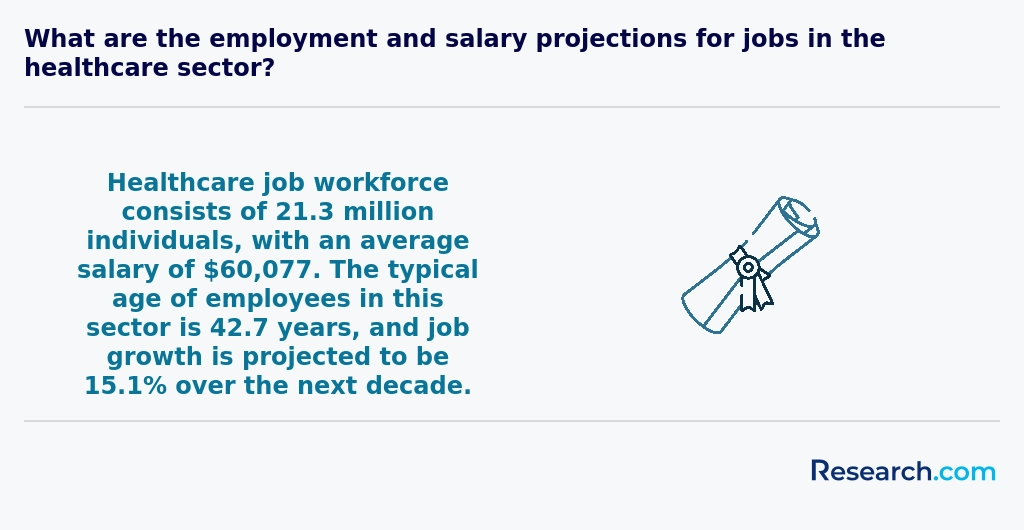
Certification and licensure requirements vary by healthcare profession, so graduates should ensure they meet Delaware's state-specific regulations. According to the Delaware Healthcare Association, demand for nursing and allied health professionals in Dover is expected to grow by 15% over the next decade.
Continuing education and staying current with healthcare technology improve employability. Finally, utilizing career services offered by Dover's colleges can help refine resumes and interview skills, increasing job placement success rates.
Employers in Dover seeking healthcare degree graduates prioritize a blend of technical and interpersonal skills. According to the Delaware Health Care Commission, strong clinical competence is essential, especially in areas like patient assessment, medical documentation, and familiarity with electronic health records (EHR) systems.
Communication skills rank highly, as healthcare professionals must effectively interact with patients, families, and interdisciplinary teams. Critical thinking and problem-solving abilities are also valued, enabling graduates to respond quickly and accurately in dynamic healthcare settings.
Additionally, understanding healthcare regulations and maintaining ethical standards are crucial, reflecting the growing emphasis on patient safety and compliance with state and federal laws.
Finding internships in Dover for healthcare degree students involves leveraging local healthcare facilities and educational resources. Major hospitals like Bayhealth Medical Center and state clinics often offer internship positions tailored to nursing, public health, and allied health students. These internships provide valuable hands-on experience and networking opportunities.
Students should check with their college or university's career services department, as many institutions maintain partnerships with Dover healthcare providers. Additionally, online platforms such as Handshake and the Delaware Department of Labor's website list healthcare internships available in the region.
According to Delaware Health and Social Services, healthcare professions are among the fastest-growing sectors in Dover, boosting internship availability. Early application and professional communication are key strategies for securing competitive placements.
Obtaining a healthcare degree in Dover significantly enhances career mobility and advancement opportunities. With the growing demand for healthcare professionals in Delaware, individuals with accredited degrees often qualify for a wider range of positions in hospitals, clinics, and specialized care facilities.
According to the Delaware Healthcare Association, healthcare occupations are projected to grow by 15% through 2030, creating more openings for qualified graduates. A degree can also facilitate transitioning into leadership roles or specialized fields such as nursing management or health informatics.
Moreover, employers in Dover prefer candidates with formal education, which can lead to higher salaries and job security. Continuing education pathways allow graduates to upgrade certifications, further boosting advancement potential.
Studying for a healthcare degree in Dover equips students for interdisciplinary roles by emphasizing collaboration among various healthcare fields. Local programs integrate coursework in nursing, public health, and health administration to develop broad knowledge and skills. This approach mirrors the demand in Dover's healthcare sector, where facilities like Bayhealth Medical Center prioritize team-based patient care.
Students engage in practical experiences that foster communication across disciplines, such as working with physicians, pharmacists, and social workers. According to Delaware's Department of Health, interdisciplinary teamwork improves patient outcomes by 20%, underscoring the importance of these educational methods.
Choosing between a thesis and a non-thesis healthcare degree program in Dover depends on your career goals and learning preferences. Thesis programs typically require original research, appealing to those interested in clinical studies or pursuing advanced degrees such as a PhD. Non-thesis options focus on practical coursework and may suit students aiming for direct healthcare roles or management positions.
The US education system often reflects these differences, where thesis tracks can take longer to complete. According to the National Center for Education Statistics, thesis programs may require 20-30% more time. In Dover, local healthcare employers value both paths but increasingly seek candidates with practical skills, especially in nursing and healthcare administration.
Consult program advisors and consider your long-term objectives when deciding.
Students based in Dover who wish to study healthcare abroad have several options within the US higher education system. Many choose institutions with strong partnerships or exchange programs that allow study in countries renowned for healthcare training, such as the United Kingdom, Canada, and Ireland.
Because Dover is part of Delaware, students benefit from in-state tuition options at universities like the University of Delaware, which actively supports global learning experiences through study abroad programs in healthcare fields. According to the Institute of International Education, about 15% of US healthcare students participate in study abroad annually, gaining exposure to global medical practices.
Popular healthcare degrees pursued abroad include nursing, public health, and biomedical sciences, often offering clinical placements that enhance hands-on experience. Additionally, some US programs partner with foreign hospitals, providing practicum opportunities that meet US accreditation standards.
Part-time job opportunities in Dover that complement healthcare degree education often include roles such as certified nursing assistant (CNA), medical receptionist, and pharmacy technician. These positions allow students to gain practical experience while balancing academic responsibilities. According to the Delaware Department of Labor, Dover's healthcare sector grew by 4.2% between 2020 and 2023, increasing demand for entry-level healthcare workers.
CNA roles provide direct patient care experience, crucial for nursing students. Medical receptionist jobs help develop administrative skills relevant to healthcare settings. Pharmacy technician positions offer exposure to medication management and pharmaceutical practices.
Working part-time in these roles enhances students' resumes and improves understanding of healthcare workflows, offering real-world context to complement theoretical learning.
Healthcare students in Dover have access to various networking opportunities that can support their career growth. Local institutions like Delaware State University and Delaware Technical Community College often host healthcare-focused events and career fairs. These gatherings enable students to connect with healthcare professionals, alumni, and potential employers in the region.
Additionally, Dover's proximity to major healthcare systems such as Bayhealth Medical Center provides students with internship and volunteer experiences, which are valuable for building professional networks. Professional organizations like the Delaware Nurses Association also host regular meetings and workshops accessible to students. According to Delaware Health Statistics Center, healthcare jobs in Dover are expected to grow by over 10% through 2030, highlighting the importance of early networking.
Alumni networks provide valuable support for healthcare degree students in Dover by offering professional connections and mentorship opportunities. These networks often include graduates working in local hospitals and clinics, which can help students gain internships and job placements in the area.
Data from the Delaware Healthcare Association shows that 65% of healthcare employers in Dover prefer candidates referred through alumni connections. This highlights the practical benefits of staying connected with former students.
Moreover, alumni networks frequently host workshops and seminars focused on current healthcare trends and skills, which helps students stay updated and improve their employability after graduation.
Customizing a healthcare degree program in Dover allows students to align their education with specific career goals. Many local colleges offer flexible course selections, including specialties like public health, nursing, or health informatics. Students can choose elective courses that enhance skills relevant to their desired profession.
Internship opportunities with Dover-area hospitals and clinics provide practical experience, which is crucial for career readiness. Additionally, some programs offer evening or online classes to accommodate working students.
Advisors often help tailor study plans to meet certification requirements or graduate school prerequisites, ensuring graduates are competitive in Dover's healthcare job market. According to the Delaware Department of Labor, healthcare jobs in Dover grow faster than average, making customization a strategic advantage.
Healthcare students in Dover often face significant challenges that impact their academic progress and well-being. One major obstacle is the high cost of education, which for many can exceed $30,000 per year when factoring in tuition, fees, and supplies, according to recent data from the National Center for Education Statistics.
Another common issue is the rigorous curriculum demanding extensive hours in labs and clinical rotations. This workload contributes to stress and burnout, which studies show affects up to 40% of healthcare students nationwide. Dover's limited local clinical sites can also make securing placements difficult, prolonging program completion time.
Additionally, balancing part-time work with studies is a frequent necessity, further straining students' time and finances. Access to mental health support services in Dover's institutions is improving but remains a concern for many.
With a healthcare degree in Dover, students can pursue several professional certifications that enhance their career prospects. Common certifications include Certified Nursing Assistant (CNA), Registered Nurse (RN), and Licensed Practical Nurse (LPN), each requiring state-specific exams. For those interested in administrative roles, the Certified Medical Manager (CMM) is a valuable credential.
Many healthcare professionals in Dover choose to specialize by becoming Certified Medical Assistants (CMA) or obtaining certifications in phlebotomy and emergency medical services (EMS). According to the Delaware Department of Labor, healthcare occupations are projected to grow by 15% through 2030, emphasizing the demand for certified professionals.
Advanced degrees also prepare candidates for certifications such as Nurse Practitioner (NP) or Healthcare Informatics Specialist, expanding scope and salary potential.
To write a winning application for a healthcare program in Dover, start by carefully reviewing the specific requirements of local institutions such as Delaware State University or Wilmington University, which serve the Dover area. Pay close attention to prerequisites like coursework in biology or chemistry and minimum GPA benchmarks, often around 3.0. Strong letters of recommendation from healthcare professionals or academic mentors can significantly enhance your application.
Demonstrate relevant experience through internships, volunteer work, or paid roles in healthcare settings, as Dover's healthcare employers value practical exposure.
Include a clear personal statement explaining your motivation and commitment to healthcare, referencing local health workforce needs when possible. According to Delaware Health and Social Services, the demand for nursing and allied health professionals in Dover is expected to grow by 12% through 2030.
The healthcare field worldwide is growing rapidly, with increasing demand for skilled professionals. In the United States, including areas like Dover, the Bureau of Labor Statistics projects healthcare occupations will grow by 16% from 2021 to 2031, much faster than average. This trend reflects a global need for medical expertise due to aging populations and rising chronic illnesses.
Globally, healthcare careers are respected and offer opportunities to work in various settings, such as hospitals, research, and public health. In Dover, educational institutions align degree programs with these trends to prepare students for both local and international healthcare challenges.
International collaboration in healthcare is increasing, with many professionals seeking advanced degrees in the US to enhance their skills and career prospects. For prospective students in Dover, understanding these global perspectives helps frame the value of a healthcare degree in a broader context.
Gaining practical experience while studying for a healthcare degree in Dover is essential for career readiness. Many local colleges and universities collaborate with nearby hospitals, clinics, and nursing homes to provide clinical placements that allow students to apply theoretical knowledge in real-world settings. For example, students often complete internships or externships at healthcare facilities within Kent County, where Dover is located.
Volunteer opportunities at organizations like the Delaware Health and Social Services agency also offer hands-on experience. Additionally, simulation labs equipped with advanced medical technologies help students practice critical skills. According to the Delaware Department of Education, over 70% of healthcare programs require clinical hours for graduation, emphasizing practical training's importance.
Choosing the right concentration within a healthcare degree program in Dover requires careful consideration of both personal interests and local job market demands. Concentrations can range from nursing and public health to health informatics and healthcare administration. According to the Delaware Department of Labor, healthcare jobs in Dover are expected to grow by 15% between 2022 and 2032, with nursing and allied health roles especially in demand.
Students should evaluate their strengths and long-term goals, as well as the types of patient populations or healthcare environments they prefer. Researching program accreditation and clinical opportunities available locally can also guide a more informed decision.
Related Healthcare Rankings for Nearby Cities
- 2027 Most Popular Healthcare Degree Programs Ranking in Philadelphia
- 2027 Most Popular Healthcare Degree Programs Ranking in Baltimore
- 2027 Most Popular Healthcare Degree Programs Ranking in Arlington
- 2027 Most Popular Healthcare Degree Programs Ranking in Fairfax
- 2027 Most Popular Healthcare Degree Programs Ranking in Brooklyn
- 2027 Most Popular Healthcare Degree Programs Ranking in Jersey City
- 2027 Most Popular Healthcare Degree Programs Ranking in New York
- 2027 Most Popular Healthcare Degree Programs Ranking in Queens
- 2027 Most Popular Healthcare Degree Programs Ranking in Wilkes-Barre
- 2027 Most Popular Healthcare Degree Programs Ranking in Bronx
Top Trending Healthcare Rankings
See What Experts Have To Say About Studying Healthcare
Read our interview with Healthcare experts

References
- Healthcare Administration Certifications https://www.publichealthdegrees.org/careers/healthcare-administrator/certification/
- How long does it take to become a doctor https://www.umhs-sk.org/blog/how-long-does-it-take-to-become-a-doctor
- Students and Alumni associations - Europubhealth https://www.europubhealth.org/students-alumni-associations/
- Experiential Learning to Enhance Global Health Collaboration and Student Opportunity https://annalsofglobalhealth.org/articles/10.5334/aogh.4537
- Niche Market Opportunities Research Among Healthcare Professionals (A Decision Analyst Case History https://www.decisionanalyst.com/casestudies/nichemarketopportunities/
- 6 Tips On Networking For Medical Professionals https://aaams.net/blog/how-to-network-in-the-medical-field-nurses/
- Career Opportunities in Healthcare Without a Medical Degree https://www.just-medical.ch/en/blog/medical-careers-without-formal-education
- Building Your Network of Doctors and Medical Students - Medic Mentor https://medicmentor.org/building-your-network-of-doctors-and-medical-students/
- How to Create a Healthcare Career Roadmap https://www.ihire.com/resourcecenter/jobseeker/pages/how-to-create-a-healthcare-career-roadmap
- Medical University of GdaÅsk https://admission.mug.edu.pl/63406.html


