
2027 Most Affordable Healthcare Degree Programs Ranking in Durham

Co-Founder and Chief Data Scientist
Choosing the right healthcare degree program can feel overwhelming, especially when balancing quality and affordability. This article presents the 2027 Most Affordable Healthcare Degree Programs Ranking in Durham, created by the Research.com team of data scientists to guide you in making a smart decision.
Discover programs that offer excellent value without compromising education quality. Whether you're just starting out or advancing your career, a healthcare degree opens doors to meaningful opportunities and lasting job security.
Explore this ranking to find the best fit for your goals and budget, setting you on a rewarding path in healthcare.
Key benefits of getting healthcare degree in Durham
- Graduates with a healthcare degree in Durham can expect competitive salaries, such as medical assistants earning around $43,350 annually and patient care technicians making about $60,790 per year, offering strong financial stability.
- A healthcare degree opens diverse career paths, from becoming a clinical research coordinator at local hospitals to quality improvement coordinators in healthcare organizations, providing rewarding and impactful job options.
- Obtaining a healthcare degree online in Durham provides flexibility for busy students, allowing them to balance work and study while still gaining accredited credentials recognized by employers.
- Key benefits of getting healthcare degree in Durham
- What can I expect from healthcare degree in Durham?
- Where can I work with healthcare degree in Durham?
- How much can I make with healthcare degree in Durham?
- 2027 Most Affordable Healthcare Degree Programs Ranking in Durham
- Key Findings
- How long does it take to complete healthcare degree in Durham?
- Admissions Requirements and Prerequisites
- What's the difference between online and on-campus healthcare degree?
- Enhancing Your Healthcare Degree with Supplementary Certifications
- What is the average cost of healthcare degree in Durham?
- Enrolling Prerequisites and Admissions Process
- What financial aid is available to healthcare degree students in Durham?
- Admission Requirements and Prerequisites
- What are the prerequisites for enrolling in healthcare degree program in Durham?
- Accreditation and Licensing Requirements
- What courses are typically in healthcare degree programs in Durham?
- What types of specializations are available in healthcare degree programs in Durham?
- How do you choose the best healthcare degree in Durham?
- What career paths are available for healthcare degree students in Durham?
- What is the job market for healthcare degree in Durham?
- Top Trending Healthcare Rankings
- See What Experts Have To Say About Studying Healthcare
What can I expect from healthcare degree in Durham?
If you're thinking about getting a healthcare degree in Durham, the cost can vary quite a bit depending on where you go. For example, public schools like North Carolina Central University usually have more affordable tuition compared to private places like Duke University. Many graduates share how they managed to ease the financial load with scholarships and work-study programs, which are pretty common around here.
One graduate from NCCU mentioned how the local hospitals offered great clinical rotation opportunities that made every dollar spent feel totally worth it. Meanwhile, students at Duke often highlight the value of top-notch facilities and strong ties with healthcare providers, even if the tuition is on the higher side. So, you get what you pay for, but there's usually some help available, especially if you're persistent about finding aid.
Overall, expect to pay anywhere from moderately priced public university rates to higher private school fees, but Durham's supportive community and growing healthcare job market make it easier to turn your education into a meaningful career.
Where can I work with healthcare degree in Durham?
With a healthcare degree in Durham, you're stepping into a job market full of opportunities. Graduates from popular local schools often find themselves working at Duke University Hospital, which is a big deal since it's one of the country's top hospitals. Imagine starting your day helping patients there, or even diving into research projects alongside leading experts - many students love how real-world their roles feel right after graduation.
Others land roles at places like the Durham VA Health Care System, where they can support veterans in all kinds of healthcare jobs, from nursing to health information management. It's pretty rewarding work, especially if you're passionate about serving the community.
Some grads choose outpatient clinics, community health centers, or even jump into healthcare administration or consulting. If you're into biotech or research, the nearby Research Triangle Park is buzzing with companies that mix healthcare with innovation - a perfect fit for hands-on learners wanting to make a difference.
Many students say it feels great knowing their degree opens doors to all these paths right in Durham, with strong support and steady demand for healthcare pros.
How much can I make with healthcare degree in Durham?
If you're wrapping up a healthcare degree in Durham, you're looking at some solid paychecks early on. Graduates stepping into roles like medical assistants can expect about $43,350 a year on average, which is a great start to gain real-world experience. Many folks from local universities get hired straight into these jobs, kicking off their careers with hands-on work.
For those who snag positions as patient care technicians, the pay jumps up to around $60,790 annually, offering a nice boost and more responsibility. Health information technicians, who handle medical records and data, also earn close to $43,380 a year, blending tech with healthcare-something many students find appealing, especially from programs focused on health informatics in Durham.
And if you're aiming higher, maybe after a bit of time or extra certification, roles like quality improvement coordinators bring in about $103,150 a year. Graduates from big schools in Durham often talk about how exciting it is to work in such positions, improving healthcare systems behind the scenes while earning a competitive salary.
2027 Most Affordable Healthcare Degree Programs Ranking in Durham
How do we rank schools?
Investing in your education is a significant decision that can shape your future, and the Research.com team understands the importance of making informed choices. To support prospective students in Durham, we have carefully developed the "2027 Most Affordable Healthcare Degree Programs Ranking in Durham." Our dedication to quality, credibility, and accuracy is demonstrated through thorough research and analysis behind this ranking.
We utilized the following reputable data sources to ensure a comprehensive evaluation of healthcare degree programs:
By exploring this ranking, readers will gain valuable insights into affordable and high-quality healthcare programs available in Durham, enabling informed educational decisions. For more information on how this ranking was created, please visit our Research.com methodology page.


# 5 position
Watts College of Nursing
Bachelor of Science in Nursing
Key Findings
- In-state undergraduate tuition at public institutions in Durham ranges from $9,000 to $12,000 per year, while private schools charge between $25,000 and $40,000 annually.
- Healthcare jobs in Durham are expected to grow by about 15% over the next decade, driven by demand and an aging population.
- Starting salaries for healthcare graduates typically range from $50,000 to $60,000 annually, with registered nurses starting near $58,000 and medical technologists around $52,000.
- Experienced healthcare professionals in Durham can earn between $75,000 and $100,000 or more after several years in their careers.
- Many healthcare programs include clinical practice components, providing hands-on training in local hospitals and healthcare facilities.
How long does it take to complete healthcare degree in Durham?
If you're thinking about a healthcare degree in Durham, here's the scoop on how long it usually takes. Most students at well-known places like Duke University or Durham Technical Community College finish an associate degree in about two years. This is perfect for those wanting to jump straight into nursing or medical assisting roles without a long wait.
For bachelor's degrees, like a BSN or public health, expect around four years. Many grads say the structure at local universities makes balancing studies and life doable, and the time flies when you're passionate about healthcare.
Going further, a master's degree adds about two more years after your bachelor's, perfect if you want to become a nurse practitioner or step into healthcare management. And if you're aiming big with a doctorate, you're looking at three to six years, but graduates find the deep dive worth every bit of effort.
Also, some accelerated BSN programs here let you finish in just 12 to 18 months if you already have a bachelor's degree, which many praise for getting them into their dream careers faster.
Admissions Requirements and Prerequisites
Prospective students aiming for affordable healthcare degree programs in Durham, NC, must meet a set of academic and administrative criteria to ensure readiness for rigorous coursework and clinical training. First, applicants need a high school diploma or equivalent, with a minimum GPA of 2.5 on a 4.0 scale-though competitive programs often prefer a 3.0 or higher. Completion of foundational science courses (biology, chemistry, and anatomy & physiology) with grades of B or above is typically required; some schools also mandate prerequisites in statistics or microbiology. Beyond coursework, most institutions require:
- Official transcripts demonstrating prerequisite completion and GPA
- Standardized test scores (SAT/ACT) where applicable, or HESI A2/TEAS exam results for allied health tracks
- A personal statement outlining career goals and commitment to patient care
- Two letters of recommendation, preferably from science instructors or healthcare professionals
- Up-to-date immunizations and a clean background check to comply with clinical placement policies Deadlines vary by institution, but early fall submission (September–October) is advised for spring admission, and spring submission (February–March) for fall admission. Applicants should verify whether interviews or campus visits are part of the evaluation process, as in-person interactions can bolster admission prospects. For students interested in comparing online programs, reviewing our Cheapest Online Healthcare Degree Programs Ranking in Mount Pleasant, MI can offer valuable insights into remote prerequisites and flexibility options.
What's the difference between online and on-campus healthcare degree?
If you're thinking about a healthcare degree in Durham, one big thing to know is how different online and on-campus programs feel day to day. On-campus programs, like those at North Carolina Central University or Durham Tech, offer that classic college vibe-you're right there in person, chatting with your instructors, meeting classmates face-to-face, and getting hands-on experience in local clinics. Graduates often say this setup really helped them feel part of a community and boosted their confidence when jumping into clinical work.
On the flip side, online programs give you way more control over when and where you study, which is perfect if you're juggling a job or family life. Lots of students appreciate not having to commute and being able to replay lectures or dive into virtual labs anytime. Still, you'll need to arrange local clinical hours yourself, which means planning ahead to find spots near Durham. It's definitely flexible but requires a bit more self-motivation to stay on track.
Both paths let you earn a legit degree, but the vibe and schedule you're comfy with really shape your experience here in Durham.
Enhancing Your Healthcare Degree with Supplementary Certifications
In today’s competitive healthcare landscape, further certifying your skills through supplementary programs can significantly boost your career prospects. Beyond obtaining a degree, certifications offer focused training in niche areas that employers highly value. For instance, additional credentials in nutrition can open doors in preventive medicine, wellness programs, and community health initiatives. Many students and professionals enhance their learning by considering additional education pathways-such as what are the most popular online nutrition certifications-to complement their primary healthcare degrees. These certifications not only validate specialized competencies but also keep you updated with emerging trends and technologies in the industry. They are designed with flexibility in mind, ensuring that busy professionals can continue their education while working. Furthermore, the integration of these additional credentials with your degree can make you more competitive in a rapidly evolving job market, where employers look for candidates with both academic knowledge and practical, up-to-date expertise. By investing in supplementary certifications, you enhance your skill set, broaden your career opportunities, and demonstrate a proactive commitment to lifelong learning-a key asset in the ever-changing field of healthcare.
What is the average cost of healthcare degree in Durham?
If you're wondering about the average healthcare degree cost in Durham, here's the scoop: it usually falls somewhere around $32,448 for most students, whether they're in-state or out-of-state. That's a pretty reasonable middle ground when you consider that some private universities in Durham, like Duke University, can have tuition fees soaring past $60,000 a year. Graduates from these programs often mention that while the price is high, the top-notch facilities and strong career opportunities make it worth every penny.
On the flip side, many students find Durham Technical Community College to be a fantastic, affordable option. With tuition closer to $4,500 a year for full-time study, it's a popular pick for those who want quality education without drowning in debt. People coming out of community college programs often share how grateful they are for being able to start their healthcare careers without a mountain of loans hanging over their heads.
Keep in mind, the Durham affordable healthcare degree programs price varies based on whether you're going for an associate degree or a graduate program, plus costs like exam fees and supplies can add up. If you want to explore options and find the most affordable healthcare schools in north carolina, there are plenty of paths to fit your budget and goals.

Enrolling Prerequisites and Admissions Process
Prospective students pursuing a healthcare degree in Durham, NC, should carefully review the admissions criteria and prerequisites required by each institution. Typically, applicants are expected to provide proof of academic readiness through a competitive GPA, relevant coursework in sciences, and standardized test scores such as the SAT or ACT. In addition, many programs require letters of recommendation, personal statements, and evidence of volunteer or work experience in healthcare settings to demonstrate commitment and aptitude for the field. Applicants should also pay close attention to deadlines and application procedures, as early submissions often enhance the likelihood of acceptance and eligibility for financial aid. Many institutions offer pre-admission advisement sessions that guide students through the enrollment process, clarify required documentation, and answer common questions regarding the transition from high school or community college to a degree program. For additional insights into selecting programs that align with both your academic goals and budget considerations, explore options among the most affordable healthcare schools in north carolina. These resources can provide further details on customized admission requirements and help you make a well-informed decision that sets the foundation for a successful career in healthcare.
What financial aid is available to healthcare degree students in Durham?
If you're diving into a healthcare degree in Durham, you've got some solid financial aid options that can really ease the stress of tuition costs. Many students at places like North Carolina Central University or Duke University lean on federal aid by filling out the FAFSA. This opens doors to Pell Grants, which are awesome because they don't have to be paid back, plus work-study gigs and loans with better terms than private ones. A bunch of grads recall how those Pell Grants made a huge difference, especially when juggling books and bills.
State scholarships through North Carolina's programs also come through for healthcare students. Nursing scholarships, for example, can help cover costs if you're ready to commit to working in underserved spots after graduation. On top of that, Durham colleges often have their own scholarships aimed just at healthcare majors - some based on merit, some on financial need, which many students find really encouraging.
And don't forget about internships or clinical roles-those sometimes pay stipends, so you can gain experience without worrying as much about cash. Many grads say these paid opportunities at local hospitals not only boosted their resumes but also helped with daily expenses.
Admission Requirements and Prerequisites
Before enrolling in a healthcare degree program in Durham, NC, prospective students must meet specific academic and professional criteria that demonstrate readiness for the rigors of healthcare education. Most institutions require a minimum high school GPA of 2.5–3.0, completion of core science courses (biology, chemistry, and anatomy), and submission of official transcripts. For bachelor’s and master’s programs, prerequisite coursework often includes statistics, psychology, and health policy fundamentals to ensure students possess a solid foundation in both the scientific and humanistic aspects of patient care. In addition to academic qualifications, many programs value hands-on experience in healthcare settings. Applicants may be asked to provide documentation of volunteer hours, internships, or employment in hospitals, clinics, or long-term care facilities. Some competitive tracks, such as nursing or public health specializations, recommend 50–100 hours of clinical observation or certified nursing assistant (CNA) experience to strengthen your application. Letters of recommendation from healthcare supervisors or academic mentors further attest to an applicant’s commitment and interpersonal skills. Standardized test requirements vary by institution. While some colleges waive SAT or ACT scores for transfer and non-traditional students, others still consider test results alongside GPA and extracurricular involvement. Graduate programs, like the Master of Healthcare Administration (MHA), may require GRE scores, though waivers are increasingly common for applicants with substantial professional experience. Always verify deadlines for standardized testing, recommendation letters, and personal statements to ensure a complete and timely application. For students balancing work or family obligations, exploring flexible pathways can be invaluable. Durham Technical Community College and other local institutions offer hybrid formats, and those seeking fully online alternatives should consider the cheapest online programs in health care administration to compare admission criteria, tuition rates, and support services. By understanding and fulfilling these prerequisites, applicants can confidently navigate the admissions process and secure a place in Durham’s leading healthcare degree programs.
What are the prerequisites for enrolling in healthcare degree program in Durham?
If you're thinking about jumping into a healthcare degree in Durham, the first thing you'll want to know is what's expected before you even start applying. Most programs want you to have finished high school or have a GED, and taking background science classes like biology and chemistry really helps you hit the ground running. Graduates from Durham's well-known colleges often say those courses gave them a solid head start once they got into the tougher college-level stuff.
For example, plenty of nursing students at local community colleges mention how taking the TEAS exam was a key step-a sort of checkpoint that helped them confirm they were ready for the challenge. Plus, if you're an international student, demonstrating English skills through tests like TOEFL is crucial to make sure you can keep up in classes and communicate during clinicals.
Other folks I've talked to also stressed that things like background checks, vaccination records, and a strong personal statement can really make your application shine. Volunteering or having any healthcare experience beforehand? That's a huge bonus here in Durham, where real-world readiness is prized by programs at places like Durham Technical Community College and others.
Accreditation and Licensing Requirements
Choosing an accredited program ensures you can sit for certification and NC licensure exams. Key credentials include:
- Regional accreditation (SACSCOC) for institutional standing
- Commission on Collegiate Nursing Education (CCNE) or Accreditation Commission for Education in Nursing (ACEN) for nursing degrees
- Commission on Accreditation for Health Informatics and Information Management Education (CAHIIM) for informatics programs
- Commission on Accreditation of Allied Health Education Programs (CAAHEP) for allied health specialties
Completing an accredited curriculum meets state board requirements and boosts employer confidence. Many online healthcare degrees carry these same accreditations, offering flexibility without compromising quality.
What courses are typically in healthcare degree programs in Durham?
When you dive into a healthcare degree in Durham, you'll quickly find yourself taking a mix of courses that really set you up for success. At popular spots like Duke University or local colleges, students often talk about how classes like Anatomy and Physiology gave them a solid understanding of the human body-think of it as unlocking the secrets behind how we function every day.
Other courses, like Microbiology and Pharmacology, bring the science to life, helping you understand diseases and the meds that fight them. Plus, you'll get into Medical Terminology, which felt like learning a whole new language at first but becomes super handy in clinical settings. Graduates often share how Healthcare Ethics and Law pushed them to think critically about real-world challenges they'll face in hospitals or clinics.
Many students love the mix of Nutrition, Public Health, and Health Informatics because it shows them how care isn't just about treating illness but also about keeping communities healthy. And don't forget those hands-on courses like Patient Care and Clinical Practice-these are the moments where classroom knowledge jumps into real life, making every lesson feel exciting and instantly useful.
What types of specializations are available in healthcare degree programs in Durham?
If you're looking into healthcare degree specializations in Durham, you've got a solid variety to choose from. Many students at Durham's top schools dive into nursing programs, where they can become registered nurses or even nurse practitioners. Graduates often share how rewarding it feels to get hands-on experience at Duke University Hospital, preparing them for real-world challenges. Others explore health informatics, blending tech with healthcare to make patient care smoother-program costs here generally range from $12,000 to $30,000 in the area.
Public health is another popular concentration thanks to Durham's strong focus on community well-being, with grads feeling proud of their role in promoting preventive health. Physical therapy students, often at local colleges, appreciate the practical clinical rotations that set them up for success after earning their degrees, despite DPT tuition being on the higher side at $40,000 to $60,000.
For those interested in leadership, healthcare administration offers skills in management and policy, which alumni say opens tons of doors in the healthcare sector. If you're curious about career paths and credentials, check out what are the most popular online nutrition certifications to see how other healthcare fields stack up.
How do you choose the best healthcare degree in Durham?
When choosing a healthcare degree in Durham, start by thinking about what excites you most-whether it's nursing, public health, or something more specialized like medical lab science. Graduates from North Carolina Central University often mention how the hands-on clinical rotations they did at nearby Duke University Hospital really helped them feel ready and confident for real patient care. It's that local connection that makes a huge difference. Plus, Durham's strong ties to healthcare centers mean you'll get plenty of practical experience alongside your classes.
Cost is another biggie. Many students find that looking into affordable healthcare degree programs in Durham, especially at public schools like UNC Chapel Hill, can save a ton of money without sacrificing quality. If you're curious about budget-friendly options, checking out the cheapest online programs in health care administration could be a game changer.
Also, don't overlook program quality-accreditation and job placement rates matter a lot. Graduates rave about programs with strong local reputations because they tend to have better connections to Durham's job market, making the whole transition from school to career feel smooth and encouraging.
What career paths are available for healthcare degree students in Durham?
If you're thinking about a healthcare degree job opportunities Durham offers are pretty exciting. Graduates from local universities like North Carolina Central University often jump into clinical roles such as registered nurses or physician assistants, where they get hands-on experience caring for patients at Duke University Health System or nearby clinics. Many grads love how varied these jobs can be, from hospital work to community health programs, making each day feel rewarding.
Career options for healthcare graduates Durham also include non-clinical paths like healthcare administration and public health. Some find themselves coordinating health education programs or diving into data analytics, which is booming thanks to the rise of electronic health records. Research is another major area here-graduates helping out with clinical trials or biomedical studies get to be part of Durham's vibrant research scene.
And hey, if cost is on your mind, don't forget to check out options like Cheapest Online Healthcare Degree Programs Ranking in Mount Pleasant, MI to help with financial planning. Overall, Durham's mix of hands-on clinical jobs, research gigs, and admin roles means there's something for every type of healthcare student ready to make a difference.
What is the job market for healthcare degree in Durham?
The healthcare job opportunities in Durham are looking really solid right now, especially for graduates from well-known schools like Duke University and nearby colleges. Many grads find themselves landing roles quickly, whether as registered nurses or in more specialized positions like physical therapy or health services management. The city's strong healthcare scene, anchored by big players like Duke University Health System and the Durham VA Medical Center, means there are plenty of chances to grow your career locally.
Durham healthcare degree employment outlook is pretty exciting too. Graduates often share how the combination of hands-on training and the thriving medical research environment here helped them transition smoothly into the workforce. Salaries tend to be favorable, with many earning around $80,000 or more, especially if you step into leadership or advanced practice roles.
If you're weighing your options, keep in mind that tuition for healthcare degrees in public North Carolina universities is quite reasonable. In fact, checking out the best one year masters programs can be a smart way to accelerate your career and cut costs while still getting great local job prospects.
Frequently Asked Questions About healthcare
Healthcare degree students in Durham can maximize their learning by combining classroom knowledge with hands-on experience. Durham offers access to prominent medical centers like Duke University Hospital, where students can seek internships or volunteer opportunities to enhance clinical skills. Research shows that students who engage in practical settings retain information better and develop critical thinking abilities.
Participating in local healthcare workshops, seminars, and networking events also helps students stay updated on current medical practices and policies. Additionally, forming study groups with peers encourages collaborative learning and improves problem-solving skills.
Accessing Durham's public health data and resources can deepen understanding of community health challenges, supporting well-rounded professional development.
Emerging niches in the healthcare field reflect growing demands and technological advances. In Durham, fields like telehealth and health informatics have gained momentum due to increasing digital integration in care delivery.
Telehealth, boosted by the COVID-19 pandemic, enables remote patient monitoring and virtual consultations. Local healthcare facilities report a 30% rise in telehealth services use, creating opportunities for professionals skilled in digital technologies and patient communication.
Health informatics focuses on managing electronic health data to improve outcomes and efficiency. Durham's expanding tech industry supports this by developing systems that streamline hospital workflows.
Other growing areas include precision medicine and geriatric care, driven by Durham's aging population and research institutions.
Preparing for the job market after earning a healthcare degree in Durham involves a strategic combination of networking, gaining practical experience, and understanding local employment trends. Durham's healthcare sector, buoyed by major hospitals like Duke University Hospital, offers a variety of opportunities in nursing, medical technology, and administration. Graduates should prioritize internships and clinical placements during their studies to build hands-on skills valued by employers.
Engaging with local professional organizations, such as the Durham Healthcare Association, helps expand connections and discover job openings. According to the North Carolina Department of Commerce, healthcare employment in Durham is projected to grow by over 14% through 2030, emphasizing strong demand for qualified candidates.
Additionally, graduates should consider obtaining relevant licenses or certifications, such as the NCLEX for nurses, which is essential for practice in North Carolina. Utilizing university career services that specialize in healthcare employment can further enhance job readiness and interview skills.
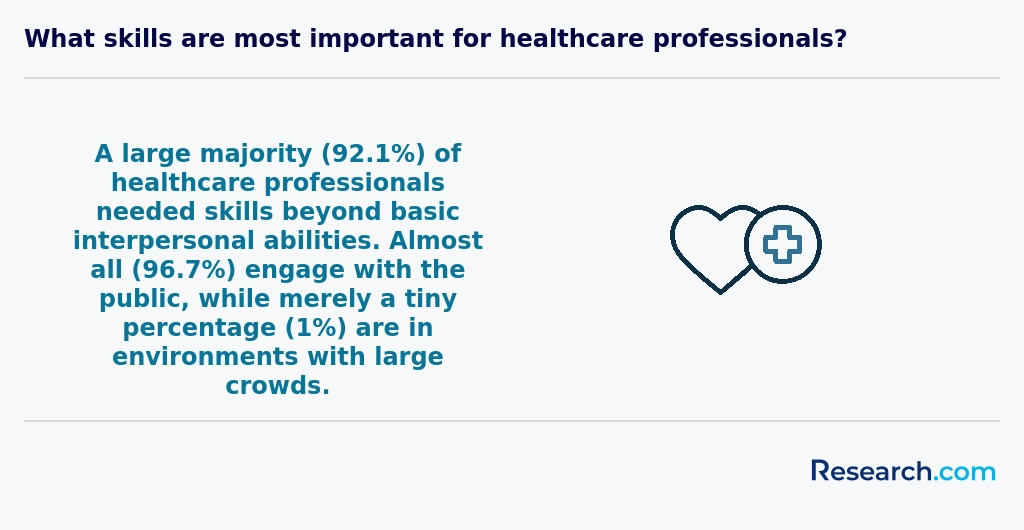
Employers in Durham seek healthcare degree graduates with strong clinical skills and a solid understanding of patient care. According to the North Carolina Department of Health and Human Services, proficiency in electronic health records (EHR) and medical technology is increasingly essential due to growing digital healthcare systems.
Communication abilities are critical. Graduates must effectively interact with patients, families, and healthcare teams to ensure quality care. Additionally, problem-solving skills and adaptability are highly valued in fast-paced clinical settings.
Data from Durham's healthcare employers highlight teamwork and cultural competence as key skills, reflecting the area's diverse population and collaborative work environments. Time management and ethical decision-making also rank high on employer priority lists.
Finding internships in Durham related to healthcare degrees involves several key steps. Students should first explore partnerships made by local institutions like Duke University Health System, which offers numerous clinical internship opportunities and is known for its collaborative programs.
Additionally, Durham's expanding healthcare industry, including the Duke University Medical Center and various community clinics, provides diverse internship placements in fields like nursing, public health, and medical technology. According to the Durham Chamber of Commerce, healthcare jobs have grown by 8% over the past five years, increasing internship availability.
Students can also use resources such as university career centers, local job boards, and statewide internship databases to find openings. Networking through healthcare job fairs and contacting local hospitals directly enhances chances of securing internships.
A healthcare degree in Durham significantly enhances career mobility and advancement opportunities. Durham's robust healthcare sector, including major employers like Duke University Health System, is actively seeking qualified professionals with formal education. According to the North Carolina Department of Commerce, healthcare jobs in Durham grew by over 15% between 2015 and 2022, reflecting strong demand for skilled workers.
Possessing a healthcare degree allows graduates to access higher-paying roles and leadership positions. It often results in faster promotions compared to those without formal training. Furthermore, healthcare degrees provide essential certifications and clinical experience required for specialized areas such as nursing administration or health informatics.
Overall, a healthcare degree in Durham opens pathways to a wider range of career options and supports upward professional movement within the local healthcare industry.
Studying for a healthcare degree in Durham equips students with essential skills for interdisciplinary roles through a curriculum that emphasizes collaboration across various health professions. Many programs integrate courses in nursing, public health, social work, and health administration, fostering a comprehensive understanding of patient care.
Durham's healthcare institutions, including Duke University Health System, offer students firsthand experience in diverse clinical settings. This exposure helps develop ability to work efficiently with doctors, nurses, therapists, and community health workers.
According to the North Carolina Department of Health and Human Services, multidisciplinary teamwork is increasingly valued in Durham's growing healthcare sector, which is expected to expand by 15% through 2030. This local demand encourages academic programs to prioritize teamwork and communication skills.
Choosing between a thesis and a non-thesis healthcare degree program in Durham depends on your career goals and learning preferences. Thesis programs typically emphasize research skills, requiring students to complete an original study. This path suits those aiming for roles in research, academia, or further doctoral studies. Non-thesis programs focus more on practical skills and coursework, preparing students for immediate career entry or advancing clinical expertise.
Durham's healthcare sector, including Duke University Medical Center, offers strong research opportunities, which may benefit thesis students. Local job market data shows a steady demand for healthcare practitioners, highlighting the value of applied knowledge from non-thesis paths. According to the U.S. Bureau of Labor Statistics, healthcare employment in the Durham area is projected to grow 15% through 2030, supporting diverse program choices.
Consult specific program details at Durham institutions to understand curriculum differences before deciding.
Students based in Durham seeking to study healthcare abroad have several options through U.S. institutions offering international study programs. Many universities with strong healthcare programs provide exchange opportunities or study abroad partnerships in countries known for medical research and public health, such as the United Kingdom, Canada, and Australia.
Durham itself is home to reputable healthcare education pathways, but for international experience, students often select programs that include clinical placements or research projects overseas. According to the Institute of International Education, about 10% of healthcare students nationwide participate in study abroad activities.
Choosing a program accredited by U.S. healthcare bodies ensures smooth credential recognition upon return. Students should also explore scholarships dedicated to global healthcare studies to offset costs. Resources like the Education Abroad Office at Duke University in Durham can provide guidance tailored to healthcare students.
Durham offers several part-time job opportunities that complement healthcare degree education, allowing students to gain practical experience while studying. Common roles include medical scribing, patient care technician, and pharmacy technician positions. These jobs help develop clinical skills and enhance understanding of healthcare workflows.
Durham's healthcare sector is robust, anchored by major employers like Duke University Health System and the VA Medical Center. According to the Durham Workforce Development Board, healthcare job growth in the region is projected at 15% through 2028, indicating growing demand for skilled workers.
Many students also find opportunities in research support roles at local hospitals or universities, where familiarity with medical terminology and protocols is valuable. These experiences can provide insights into patient care and healthcare operations, enriching academic learning.
Durham offers healthcare students a wealth of networking opportunities, thanks to its proximity to major medical institutions like Duke University Health System. Students often engage with professionals through internships and clinical rotations, which help build practical connections early in their careers.
The Research Triangle Park nearby hosts numerous healthcare companies and biotech firms, providing additional chances for students to attend industry events and job fairs. Local student organizations and healthcare-focused clubs also organize workshops and seminars to foster peer networking.
According to Duke University's Office of Career Services, over 70% of healthcare students secure positions or advanced study opportunities through campus networking events and hospital affiliations.
Alumni networks offer valuable benefits to healthcare degree students in Durham by connecting them with experienced professionals in the local medical community. These networks often provide mentorship opportunities, which can enhance students' clinical skills and career understanding. According to the Durham Chamber of Commerce, healthcare is among the city's fastest-growing sectors, making these connections essential for job placements and internships.
Many Durham healthcare programs maintain active alumni groups that host networking events and workshops. These activities help students build professional relationships that can lead to competitive advantages in employment after graduation. Additionally, alumni support offers guidance on navigating certifications and continuing education.
In Durham, students seeking healthcare degrees can often tailor their programs by selecting concentrations that align with specific career goals. Many local institutions offer options such as public health, health administration, nursing, or even specialized areas like mental health or healthcare informatics. Customization might include choosing electives, participating in internships at renowned healthcare facilities like Duke University Hospital, or engaging in research projects.
Students are encouraged to work closely with academic advisors to develop individualized study plans
that fit their professional ambitions. Additionally, Durham's healthcare sector growth, supported by the Research Triangle Park, provides practical opportunities to gain relevant experience. According to the Durham Workforce Development Board, healthcare jobs are projected to grow 14% by 2030, making such tailored education beneficial.
Healthcare students in Durham often face several notable challenges as they pursue their degrees. One of the primary difficulties is the demanding clinical workload. Programs require extensive hands-on experience in nearby hospitals such as Duke University Hospital, which can lead to high stress and time management issues.
Another challenge is the financial burden. According to the Association of American Medical Colleges, healthcare education costs remain high nationwide, and Durham students report concerns about tuition and living expenses. Scholarships are competitive and limited.
Additionally, adapting to rapidly evolving medical technologies and regulations requires continuous learning, which can be overwhelming for students balancing coursework and clinical responsibilities.
Finally, the COVID-19 pandemic intensified these challenges by increasing clinical exposure risks and causing shifts in educational formats, impacting student interaction and hands-on training opportunities.
With a healthcare degree in Durham, you can pursue several professional certifications that enhance career opportunities. Common certifications include the Certified Nursing Assistant (CNA), Registered Nurse (RN), and Licensed Practical Nurse (LPN), each requiring specific state exams. For those interested in administration or health information management, the Certified Healthcare Administrative Professional (cHAP) and Registered Health Information Technician (RHIT) are popular choices.
Durham's growing healthcare sector, backed by Duke University Health System, supports certification pathways aligned with local job markets. According to the North Carolina Department of Health and Human Services, healthcare-related jobs in Durham are expected to grow by 12% through 2028, emphasizing the value of certification.
Specialty certifications, such as Certified Medical Assistant (CMA) or Emergency Medical Technician (EMT), can also complement a healthcare degree and increase employability in the region's clinics and hospitals.
Writing a winning application for a healthcare program in Durham requires clear focus and preparation. Start by researching each school's specific prerequisites and highlighting relevant coursework or experiences to match their criteria. Many Durham programs seek applicants with strong science backgrounds and volunteer or work experience in healthcare settings.
Emphasize your understanding of local healthcare challenges. Durham's growing healthcare sector, including institutions like Duke University Health System, values applicants aware of community health issues. According to the Durham County Health Department (2023), areas such as chronic disease management and health equity are priorities.
Include a well-crafted personal statement that explains your motivation for pursuing healthcare and how you plan to contribute locally. Additionally, secure strong letters of recommendation, ideally from healthcare professionals or professors who know your academic and practical skills.
Finally, be thorough in completing all application materials and meet deadlines to ensure your application is considered fully.
Healthcare careers in Durham reflect broader global trends emphasizing interdisciplinary skills and cultural competence. The US healthcare system, including Durham's medical hub, adapts best practices from worldwide research and policy innovations. According to the Durham County Department of Public Health, local healthcare employment is projected to grow by 15% over the next decade, mirroring global demand for skilled professionals.
Globally, healthcare roles are expanding beyond traditional care to include technology integration, preventive medicine, and community health. Durham's strong ties to institutions like Duke University support these evolving trends by fostering research collaboration with international partners. This global perspective prepares students for diverse career paths in health systems worldwide.
Gaining practical experience while studying for a healthcare degree in Durham is essential for career readiness. Many local institutions, including Duke University and Durham Technical Community College, offer structured clinical placements and internships as part of their programs. Students can work in nearby healthcare facilities such as Duke University Hospital, which is a major teaching hospital offering clinical rotations in various specialties.
Additionally, community health centers in Durham provide volunteer opportunities where students apply skills in real-world settings. According to Durham County Public Health reports, these experiences accelerate learning and improve employment prospects post-graduation. Students are encouraged to engage in simulation labs and participate in research projects through campus partnerships to supplement hands-on experience.
Choosing the right concentration within a healthcare degree program in Durham requires understanding local healthcare demands and career goals. Durham's healthcare sector is growing rapidly, with a 15% employment increase projected through 2030 in roles like nursing, health administration, and biomedical research according to the U.S. Bureau of Labor Statistics.
Students should evaluate concentrations based on job placements, salary potential, and regional healthcare needs. Nursing and public health often lead due to Durham's extensive hospital network such as Duke University Health System. Research-oriented concentrations may suit those interested in Durham's strong biomedical industry.
Additionally, consider accreditation status of programs and partnerships with local hospitals for internships. This approach ensures practical experience aligned with Durham's healthcare landscape.
Related Healthcare Rankings for Nearby Cities
- 2027 Most Affordable Healthcare Degree Programs Ranking in Washington
- 2027 Most Affordable Healthcare Degree Programs Ranking in Baltimore
- 2027 Most Affordable Healthcare Degree Programs Ranking in Macon
- 2027 Most Affordable Healthcare Degree Programs Ranking in Atlanta
- 2027 Most Affordable Healthcare Degree Programs Ranking in Louisville
- 2027 Most Affordable Healthcare Degree Programs Ranking in Jacksonville
- 2027 Most Affordable Healthcare Degree Programs Ranking in Indianapolis
- 2027 Most Affordable Healthcare Degree Programs Ranking in Birmingham
- 2027 Most Affordable Healthcare Degree Programs Ranking in Gainesville
- 2027 Most Affordable Healthcare Degree Programs Ranking in New Haven
Top Trending Healthcare Rankings
See What Experts Have To Say About Studying Healthcare
Read our interview with Healthcare experts

References
- Networking in Medicine: Build Lasting Connections l Windsor https://www.windsor.edu/networking-in-medicine-building-relationships-from-day-one/
- Tuition Fees - Durham University https://www.durham.ac.uk/study/undergraduate/fees-and-funding/tuition-fees/
- How to Succeed in a Difficult Job Market After Graduation https://www.hospitalrecruiting.com/blog/6542/how-to-succeed-in-a-difficult-job-market-after-graduation/
- Global Health Perspectives https://globalhealthperspectives.com/
- Overcoming Common Challenges in Nursing School: Tips for Success - American Healthcare Institute https://amhealthinstitute.com/blog/overcoming-common-challenges-in-nursing-school-tips-for-success/
- Career Opportunities in Healthcare Without a Medical Degree https://www.just-medical.ch/en/blog/medical-careers-without-formal-education
- Enhancing Clinical Education: Strategies for Health Professions - European Society of Medicine https://esmed.org/enhancing-clinical-education-strategies-for-health-professions/
- 1+ Healthcare Cover Letter Examples (with In-Depth Guidance) https://www.tealhq.com/cover-letter-examples/healthcare
- Pre-Med Study Abroad Programs | Go Overseas https://www.gooverseas.com/study-abroad/pre-med
- What Are the Differences in Salary Level for Different Degrees in Healthcare Management? | MHA Salary https://www.healthcare-management-degree.net/faq/what-are-the-differences-in-salary-level-for-different-degrees-in-healthcare-management/


