2027 Fastest Online Healthcare Degree Programs Ranking in Montgomery, AL

Co-Founder and Chief Data Scientist
Choosing the right healthcare degree program is an important step toward a rewarding career. This article introduces the 2027 Fastest Online Healthcare Degree Programs Ranking in Montgomery, AL, carefully crafted by the Research.com team of data scientists.
Designed to help you make an informed decision, the ranking highlights programs that combine speed and quality for busy students.
Whether you're advancing your career or starting fresh, exploring these programs can open doors to new opportunities and personal growth.
Taking the time to find the best fit will benefit your future in healthcare.
Key benefits of getting online healthcare degree in Montgomery
- Graduates with healthcare degrees in Montgomery can earn competitive salaries, such as $43,350 annually for Medical Assistants and Clinical Research Coordinators, and up to $103,150 for Quality Improvement Coordinators, offering strong financial motivation.
- Many healthcare degree holders find rewarding career paths, including roles like Patient Care Technicians or Health Information Technicians, with diverse opportunities across hospitals, clinics, and research facilities in Montgomery.
- Online healthcare degrees offer flexible schedules and accessibility, allowing students in Montgomery to balance work and study effectively, as demonstrated by graduates from local universities who value convenience without compromising quality.
- 2027 Fastest Online Healthcare Degree Programs Ranking in Montgomery, AL
- What can I expect from online healthcare degree in Montgomery?
- Where can I work with online healthcare degree in Montgomery?
What can I expect from online healthcare degree in Montgomery?
The average cost of an online healthcare degree in Montgomery typically ranges from $10,000 to $25,000 for full program completion, depending on the institution and degree level. Graduates from popular universities in the area often share that the affordability combined with flexible scheduling made managing work and study feasible. Many report relief at finding in-state tuition rates or scholarship opportunities that reduced their financial burden significantly.
Students commonly find that investing in these programs feels worthwhile, as clinical components can be completed locally at facilities tied to Montgomery's healthcare hubs, avoiding costly relocations. For example, those pursuing nursing degrees at well-known colleges appreciate how their tuition aligns with the quality of their practical training.
Looking ahead, emerging tuition reimbursement partnerships with local employers may further enhance affordability. Graduates voice excitement about such trends, highlighting how lower out-of-pocket costs paired with strong job prospects fuel confidence in pursuing advanced healthcare education without overwhelming debt.
Where can I work with online healthcare degree in Montgomery?
Graduates with an online healthcare degree from Montgomery's well-regarded institutions often find themselves stepping confidently into roles at major local employers like Jackson Hospital or Baptist Medical Center South. Many describe the excitement of applying their skills as registered nurses, health services managers, or medical technologists in settings bustling with real-world challenges and opportunities.
The expanding outpatient care sector in Montgomery offers dynamic positions such as physical therapy assistants and behavioral health counselors, where graduates feel motivated by directly improving patient lives. At institutions like Auburn University at Montgomery, students share how engaging coursework perfectly prepares them to support community health through clinics and specialized care centers.
Public health agencies, including the Montgomery County Health Department, create pathways for graduates eager to impact epidemiology and health education initiatives. Those focused on elder care discover fulfilling careers in local assisted living centers, servicing a growing aging population that needs compassionate healthcare professionals.
With emerging trends in healthcare administration and insurance, many graduates embrace roles like medical coders or compliance officers, finding joy in blending healthcare knowledge with organizational skills. The diverse and evolving Montgomery healthcare landscape promises future-ready career options fueled by strong local demand.
Graduates with an online healthcare degree in Montgomery can anticipate starting salaries around $43,350 in roles such as Medical Assistant, Clinical Research Coordinator, or Health Information Technician. These positions, often stepping stones for entry-level professionals from local universities, provide a solid financial footing while gaining practical experience in Montgomery's healthcare settings.
For those aiming higher, Patient Care Technicians earn roughly $60,790 annually, reflecting both the growing demand and the specialized skills developed through online nursing or allied health programs offered by colleges in the area. Many graduates recall feeling optimistic as they secured roles that balance meaningful patient interaction with competitive pay.
More advanced career paths, such as Quality Improvement Coordinators, can reach impressive mean wages of $103,150. Graduates who pursued further certifications or master's degrees online from Montgomery institutions often highlight how this investment enhanced their earning potential and opened doors to leadership positions in hospitals and clinics.
With Montgomery's healthcare sector steadily expanding, online students can realistically envision a rewarding career trajectory supported by continuously evolving job opportunities and an encouraging local job market.
- Many accredited institutions in Montgomery offer fully online or hybrid healthcare degree programs for flexible learning.
- Tuition for online healthcare degrees typically ranges from $8,000 to $18,000 per year, with public universities generally being more affordable.
- Entry-level salaries for healthcare graduates in Montgomery range from $45,000 to $55,000 annually, while experienced professionals can earn between $65,000 and $85,000.
- The healthcare job market in Montgomery is growing, with a projected 10% employment increase in Alabama over the next decade.
- Most online programs require in-person clinical or lab work, often completed through local healthcare facility partnerships.
Completing an online healthcare degree in Montgomery often depends on your pace and program choice, but graduates consistently highlight how local institutions offer flexibility that feels empowering. For example, many students from community colleges find themselves finishing associate degrees in about two years full-time, enjoying the balance between study and work. Those pursuing bachelor's degrees at popular Montgomery universities report that with transfer credits and year-round courses, finishing in three years feels like a realistic, motivating goal rather than a distant dream.
Master's degree candidates appreciate how online programs at Montgomery's technical schools adapt to busy schedules, often stretching from 18 months to three years. Graduates often emphasize a sense of achievement juggling coursework and clinical placements-sometimes done at local hospitals-without sacrificing family or jobs. This flexible structure shapes a supportive environment where students feel confident their goals are attainable, making the journey gratifying and future-focused.
As the healthcare landscape rapidly evolves, experts emphasize the importance of staying ahead by understanding emerging trends and technologies that are reshaping online healthcare education. Industry specialists have noted that advancements such as telemedicine, artificial intelligence, and personalized learning platforms are not only transforming the way students learn but are also creating new career opportunities. For instance, integrating virtual reality for clinical simulations is enabling students to gain hands-on experience remotely, thereby enhancing their practical skills while maintaining safety and convenience. Moreover, a growing emphasis on data-driven decision-making in clinical settings has led to an increase in specialized courses focusing on health informatics and digital data security. With evolving patient needs and the rising demand for innovative healthcare solutions, graduates are now better positioned to adapt to the dynamic job market. This forward-thinking approach is crucial for students who aim to secure positions in the field, such as highest paid medical jobs, where proficiency in emerging technologies can be a significant differentiator. Experts advise prospective students to actively participate in webinars, online forums, and industry conferences to gain deeper insights and network with professionals. These activities not only supplement formal education but also provide valuable exposure to real-world challenges and innovations in healthcare. Keeping abreast of these trends will empower online healthcare students to make informed decisions about their education and career paths, ensuring long-term success in an ever-evolving industry.
Graduates from Auburn University at Montgomery often describe their on-campus healthcare programs as immersive, with the buzz of campus life enhancing hands-on learning. The daily access to labs and local clinical partnerships paints a vivid picture of teamwork and real-time skill-building, something many appreciate for its immediacy and personal touch. In contrast, those pursuing online healthcare degrees in Montgomery highlight the flexibility that fits busy schedules-imagine balancing family, work, and study with the freedom to log in whenever suits you best, an emotional relief for many juggling multiple commitments.
Looking ahead, online programs in Montgomery are increasingly integrating live virtual labs and interactive sessions to bridge the gap, blending convenience with connection. Alumni speak of arranging clinical hours independently but with strong university support, emphasizing a sense of self-direction that builds confidence. This evolving model suggests a future where quality education comes wrapped in both accessibility and practical experience, reflecting the needs of today's healthcare learners in Montgomery.
The average cost online healthcare degree Montgomery AL students face typically totals around $33,875 for in-state tuition, reflecting a balance between quality education and affordability at local institutions. Graduates often recall managing expenses strategically by enrolling in schools like Auburn University at Montgomery or community colleges known for competitive tuition rates. These programs offer a path to a rewarding healthcare career without overwhelming financial burden, making the investment feel attainable and worthwhile.
Many graduates describe the process as a transformational journey, where the manageable tuition fees allowed them to focus on learning and gaining practical experience rather than financial stress. Beyond tuition, students factor in additional expenses such as technology fees and certification costs, which can increase the overall investment but are often offset by scholarships and employer tuition reimbursement. This dynamic is important when considering the Montgomery AL online healthcare degree tuition fees and planning for a sustainable education.
Looking ahead, emerging trends in online healthcare education promise more flexible financing options and wider access to specialized programs that maintain affordability. For those exploring accelerated pathways, reviewing resources like the fastest online healthcare degree in alabama can reveal innovative formats that reduce time and cost commitments without sacrificing quality. This evolving landscape encourages prospective students to envision a future where attaining a healthcare degree online in Montgomery is both feasible and inspiring.
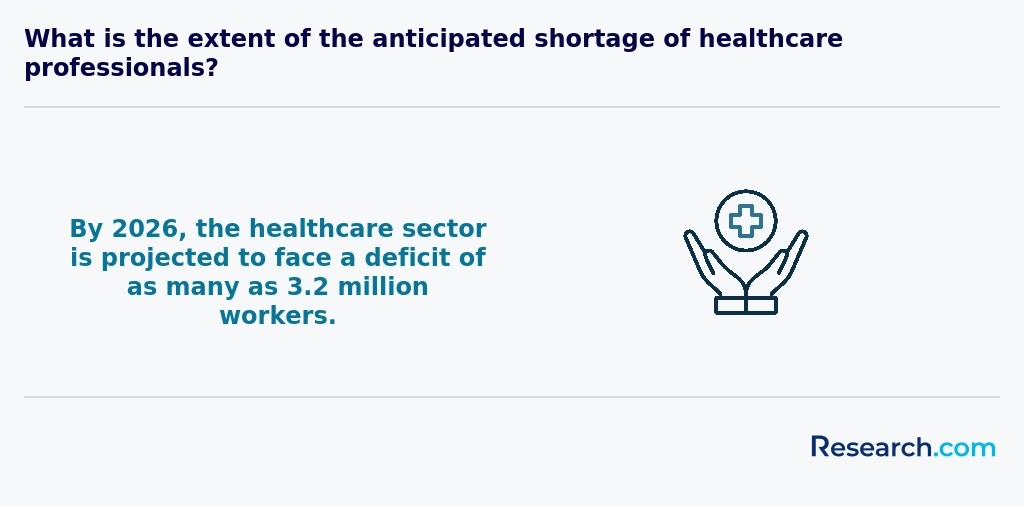
Prospective students often ask whether the upfront costs of an online healthcare degree in Montgomery, AL will translate into sufficient earnings to justify their investment. On average, graduates report a payback period of 3–4 years, thanks to starting salaries like $55,860 for Patient Care Technicians and $41,260 for Health Information Technicians. By comparing tuition costs-approximately $33,875 in-state-to these median wages, students can estimate that annual earnings typically cover educational expenses by year three, especially when factoring in financial aid and scholarships. Beyond local figures, many learners explore comparable benchmarks in other states. For example, reviewing the Inexpensive Online Healthcare Degree Programs Ranking in Missouri shows similar or lower tuition rates paired with competitive salaries, highlighting how program affordability directly impacts ROI. Such comparisons underscore the importance of selecting programs that balance cost, accreditation, and career placement rates. Salary growth for healthcare professionals in Montgomery, AL also contributes to long-term ROI. The Bureau of Labor Statistics projects a 13% growth in healthcare jobs through 2031, which often translates to annual wage increases of 2–5%. Graduates who pursue specializations-such as health informatics or public health-report salary jumps of up to 15% within five years, further accelerating their return on investment. Finally, when calculating ROI, students should include indirect benefits such as reduced commuting expenses, flexible scheduling, and accelerated entry into the workforce through accelerated program options. By weighing these financial and professional advantages, prospective students can make informed decisions that maximize both short-term affordability and long-term career earnings.
Students pursuing online healthcare degrees in Montgomery increasingly benefit from diverse financial aid options tailored to their unique situations. Graduates from local institutions often share how federal aid like Pell Grants, which can provide up to $7,395 annually, helped ease tuition burdens in tangible ways-allowing them to focus on their studies instead of financial stress.
State programs such as the Alabama Student Assistance Program (ASAP) have become essential for many, offering grants that directly support in-state learners. One graduate recalled how ASAP funds combined with Workforce Innovation and Opportunity Act (WIOA) training grants enabled a smooth transition into a healthcare career, reflecting Montgomery's growing demand for healthcare professionals.
Institutions themselves provide scholarships and grants that reward academic excellence or relevant experience, particularly in fields like nursing where local shortages create opportunities for targeted funding. Many working students highlight employer tuition reimbursement programs through partnerships between Montgomery's healthcare providers and educational institutions, which foster both career growth and financial relief.
Private scholarships from organizations like the American Association of Colleges of Nursing add further possibilities, making the future of healthcare education in Montgomery feel promising and accessible.
Online healthcare programs in Montgomery combine virtual coursework with required hands-on training to meet Alabama licensure standards.
- Local partnerships: Schools arrange clinical rotations at hospitals, clinics and long-term care facilities near Montgomery, ensuring you complete 100–200 practicum hours under licensed supervisors.
- Virtual simulations: Interactive labs and case studies help you build core skills-like patient assessment and electronic health record management-before on-site practice.
- Scheduling flexibility: Programs coordinate shift options (evenings, weekends) so you can balance work or family commitments without delaying graduation.
If cost or placement logistics are a concern, explore the cheapest online healthcare administration degree, which often includes established clinical pipelines and affordability.
Enrolling in an online healthcare degree in Montgomery typically begins with having a solid educational foundation, such as a high school diploma or GED. Many graduates from local universities recall their journey starting with these basics, which felt like manageable stepping stones rather than obstacles. For those pursuing advanced paths, like accelerated BSN programs, previous college credits or an associate degree prove invaluable, allowing smoother transitions.
Prerequisite courses in subjects such as Biology with lab work, Chemistry, and Anatomy and Physiology are often required. Students from Montgomery's popular colleges have shared that mastering these classes early on built their confidence, making clinical components less intimidating later.
While standardized tests like the SAT or ACT are becoming less emphasized, some schools still review them optionally. Letters of recommendation and personal statements also remain key, often offering students a chance to showcase their passion and commitment to healthcare.
Increasingly, applicants find that technical skills-like navigating online platforms and steady internet access-are just as crucial. Many graduates describe how mastering these tools allowed them to thrive in Montgomery's digital classrooms, turning challenges into exciting opportunities.
One of the most critical components of an online healthcare degree in Montgomery, AL, is the integration of internship and clinical practicum opportunities that bridge theory with real-world practice. Accredited programs often partner with local hospitals, clinics, and public health agencies to offer structured internships, allowing online students to gain hands-on experience under the supervision of experienced professionals. These partnerships not only enhance clinical skills but also expand professional networks, increasing the likelihood of job placement after graduation. Many students share how their clinical rotations in facilities like Baptist Medical Center South or Jackson Hospital solidified their understanding of patient care protocols, electronic health record management, and interprofessional collaboration. Programs typically require a minimum of 180–240 clinical hours, which can be completed at approved sites near Montgomery. Online learners benefit from flexible scheduling options, enabling them to fulfill these requirements during evenings or weekends without interrupting work or family commitments. In addition to clinical internships, some online healthcare administration tracks include practical capstone projects conducted in partnership with regional healthcare organizations. These projects often involve process improvement initiatives, budget analysis, or policy development. For those balancing budget constraints while seeking quality administrative training, you may also consider exploring our Most Affordable Healthcare Administration Degrees Online to find cost-effective pathways that still emphasize experiential learning. By embedding robust internship and practicum experiences into their curricula, online healthcare degree programs in Montgomery ensure graduates are practice-ready, confident, and competitive in a rapidly evolving healthcare landscape.
Online healthcare degrees in Montgomery typically include courses that build a solid foundation while anticipating future healthcare needs. Graduates from well-known local colleges often mention how starting with Introduction to Healthcare Systems helped them grasp the complexity of care delivery and insurance, which made their later coursework much clearer and more relevant to real-world challenges.
Medical Terminology and Anatomy and Physiology courses are frequently praised for making students feel confident when interacting with patients during local practicum experiences, a valued part of Montgomery's online programs.
Many appreciate courses like Healthcare Ethics and Law and Health Informatics, which reflect the evolving role of technology and data in medicine-subjects graduates find exciting and vital as Montgomery's healthcare landscape grows increasingly digital.
Students also relate strongly to Public Health and Epidemiology classes, noting how discussions about regional health trends prepare them to meet community-specific needs in Montgomery, enhancing their sense of purpose and connection to the city's wellbeing.
Online healthcare degree specializations Montgomery AL currently emphasize Nursing, Healthcare Administration, and Public Health, reflecting the region's evolving medical needs. Graduates from popular Montgomery colleges often share how the Nursing track, including RN to BSN and MSN pathways, empowered them with skills to tackle clinical challenges and leadership roles. Their stories of balancing family life and advancing careers illustrate the flexibility of online programs tailored for working professionals.
Healthcare Administration students describe immersive experiences managing healthcare operations, bolstered by courses in finance and policy-key as Alabama's healthcare expenditures soar. Many find excitement in emerging subfields like Health Informatics, where technology improves patient outcomes through data management, aligning with trends in aging and digitally connected populations.
Specializations such as Medical Coding and Physical Therapy Assistant also attract students, who appreciate hands-on rehab techniques and the increasing importance of efficient digital health records. The best healthcare programs Montgomery Alabama online foster enthusiasm by connecting theory to real-world impact, inspiring students to pursue some of the highest paid medical jobs in the future.
Choosing the best online healthcare degree in Montgomery demands focusing on accredited programs that blend flexibility with strong local connections. Graduates from popular colleges in Montgomery often share how programs with asynchronous courses allowed them to juggle full-time jobs and family while advancing their careers. Many praise schools that provide career counseling and internship placements within Montgomery's robust healthcare industry. Such support maximizes employment prospects after graduation, reflecting the ongoing demand highlighted by the Alabama Department of Labor.
Exploring emerging trends, prospective students increasingly favor programs that integrate virtual labs and clinical simulations to mimic in-person experiences, enhancing their readiness for real-world challenges. When considering affordable healthcare degree programs Montgomery offers, in-state tuition benefits at public institutions can play a significant role in reducing overall costs while maintaining quality education.
Those beginning their educational journey are encouraged to review diverse offerings, from associate to doctoral levels, and specialties to fit evolving healthcare fields. For insights into cost-effective options, many turn to resources such as Most Affordable Healthcare Administration Degrees Online, which help guide financial planning tailored to Montgomery students' needs.

Graduates with an online healthcare degree in Montgomery AL can pursue diverse and rewarding career paths as the region's healthcare sector grows. Many find themselves working as Registered Nurses, where they apply skills learned through flexible online programs from local institutions to provide compassionate patient care in bustling hospitals like Jackson Hospital. Others gravitate toward leadership roles such as Medical and Health Services Managers, overseeing operations in expanding outpatient clinics and contributing to Montgomery's health infrastructure.
Health Information Technicians are increasingly in demand as digital record-keeping becomes central to patient care, with online degree holders benefiting from practical training offered by popular colleges in Montgomery. Public Health Workers also represent a promising path, driven by Alabama's strong community health initiatives focused on education and outreach.
Online healthcare degree students often share how balancing work and study sharpened their commitment, enhancing employability in Montgomery's competitive job market. Those seeking cost-effective education options may discover valuable resources like the Inexpensive Online Healthcare Degree Programs Ranking in Missouri, helping them plan a future aligned with regional healthcare career opportunities in Montgomery Alabama.
The online healthcare degree job market in Montgomery is evolving rapidly, offering strong potential for graduates as local healthcare providers expand. Many graduates from well-regarded programs at Montgomery's universities feel confident stepping into roles such as registered nurses or health services managers, where demand remains high. For instance, graduates share stories of landing positions in bustling hospitals or specialty care centers that value the flexibility and up-to-date skills gained through online studies.
Montgomery students in healthcare programs benefit from an environment that embraces accredited online degrees, especially as employers seek professionals who can adapt to changing healthcare technologies. This trend highlights the value of gaining certifications alongside an online healthcare degree. Exploring what are the best college majors can also help students tailor their education to meet job market needs.
The fastest online healthcare degrees Montgomery AL are particularly attractive to those balancing work and study, allowing for practical experience in local clinics while earning a competitive salary. These dynamics create an optimistic outlook for future job seekers aiming to build meaningful healthcare careers in the region.
2027 Fastest Online Healthcare Degree Programs Ranking in Montgomery, AL
Investing in your education is a significant decision that can profoundly impact your future, and the Research.com team recognizes the importance of providing trustworthy and accurate information. To support prospective students in Montgomery, AL, we have carefully developed the "2027 Fastest Online Healthcare Degree Programs Ranking." Our dedication to quality, credibility, and precision is evident in the thorough research and detailed analysis behind this ranking.
We utilized the following reputable data sources to ensure a comprehensive evaluation of online healthcare programs:
By consulting this ranking, readers will gain valuable insights into the fastest online healthcare degree programs available in Montgomery, AL, enabling them to make informed educational choices with confidence. For a detailed explanation of our methodology, please visit our Research.com methodology page.

# 2 position
Amridge University
Master of Professional Counseling

Frequently Asked Questions About healthcare
Online healthcare degree students in Montgomery can enhance their learning by actively engaging with virtual resources and local healthcare networks. Leveraging interactive tools, such as simulation software and webinars, supports practical understanding beyond theoretical knowledge.
Students should also seek virtual study groups or professional organizations pertinent to Alabama's healthcare sector. Montgomery's growing healthcare industry offers online students numerous internship and volunteering opportunities, which provide valuable real-world experience informed by local healthcare needs, according to the Alabama Hospital Association.
Balancing coursework with hands-on practice and maintaining communication with instructors ensures steady progress. Scheduling regular study times helps manage the flexibility an online program offers while meeting the expectations of fast-paced healthcare education.
Emerging niches in the healthcare field reflect the increasing demand for specialized skills, especially in rapidly growing areas like telehealth, health informatics, and geriatric care. Telehealth has expanded significantly across Alabama, including Montgomery, driven by advances in digital technology and the need for remote patient services. According to the Alabama Department of Public Health, the telemedicine workforce is expected to grow by over 20% nationwide through 2030.
Health informatics is another crucial area, combining healthcare knowledge with data analytics to improve patient outcomes. Professionals skilled in managing electronic health records and healthcare data systems are highly sought after in Montgomery's expanding medical centers.
Additionally, with Alabama's aging population increasing, geriatric healthcare specialists and chronic disease management experts are in rising demand. These niches provide promising career pathways for students pursuing online healthcare degrees from Montgomery-based institutions or national programs.
Preparing for the job market after completing an online healthcare degree in Montgomery requires strategic planning and local awareness. According to the Alabama Department of Labor, healthcare jobs in Montgomery are projected to grow by 14% through 2030, higher than the national average.
Graduates should pursue relevant certifications such as Certified Nursing Assistant (CNA) or Registered Health Information Technician (RHIT) to increase employability. Networking through local healthcare employers like Jackson Hospital or the VA Medical Center can open doors to job opportunities.
Additionally, engaging with professional associations, such as the Alabama Healthcare Association, can provide valuable job leads and professional development.
Strong communication skills and familiarity with telehealth technologies are increasingly important in Montgomery's evolving healthcare landscape.
Employers in Montgomery seeking graduates with online healthcare degrees prioritize a combination of technical and interpersonal skills. Clinical competence is essential, including knowledge of healthcare protocols and patient care standards common across Alabama's medical facilities. Strong communication skills are equally important, as effective interaction with patients and healthcare teams improves treatment outcomes.
Montgomery's healthcare sector, which grew by approximately 4% annually according to the Alabama Department of Labor, values adaptability and problem-solving due to evolving medical technologies.
Additionally, proficiency in electronic health records (EHR) systems is increasingly required, reflecting nationwide shifts in medical documentation practices.
Overall, successful candidates demonstrate both solid healthcare knowledge and soft skills suited to fast-paced medical environments.
Finding internships in Montgomery relevant to healthcare degrees involves leveraging local healthcare institutions and educational resources. Montgomery hosts several hospitals and clinics such as Baptist Medical Center and Jackson Hospital, which often provide internship opportunities for healthcare students. Connecting with these facilities early enhances prospects.
The Alabama Department of Public Health also offers programs and partnerships that may include internships or clinical placements. Students should utilize the career services departments of their online programs, as many maintain partnerships with local healthcare providers in Montgomery.
Networking through professional organizations like the Montgomery Area Healthcare Coalition can provide leads on internships. Additionally, monitoring job boards specific to Alabama's healthcare sector, such as the Alabama Hospital Association website, helps identify openings.
Obtaining an online healthcare degree in Montgomery can significantly enhance career mobility and advancement opportunities. With Montgomery's growing healthcare sector, fueled by institutions like Jackson Hospital and the Baptist Health System, employers increasingly value candidates with accredited online degrees. According to the Alabama Department of Labor, healthcare employment in Montgomery is projected to grow by 14% through 2030, creating demand for skilled professionals.
Online programs offer flexible schedules, allowing working adults to upskill without disrupting current jobs. Many employers recognize these degrees as equivalent to traditional education, which can lead to promotions or better-paying roles.
Moreover, an online degree often meets licensure or certification requirements essential for specialized healthcare careers in Montgomery, supporting upward mobility within the local job market.
Studying for a healthcare degree in Montgomery equips students with essential skills for interdisciplinary roles through a curriculum that emphasizes collaboration across multiple healthcare fields. Many programs integrate courses in nursing, public health, and health administration, reflecting the real-world need for teamwork in clinical and community settings.
Montgomery's healthcare industry, which employs over 25,000 workers according to the Alabama Department of Labor (2023), demands professionals who can navigate diverse roles and communicate effectively with varied specialists. Online programs often include case studies and simulations that mirror this environment.
Additionally, partnerships with local hospitals and health organizations provide practical experiences fostering cross-disciplinary understanding, critical for improving patient outcomes. This approach aligns with nationwide trends supporting integrated care models across the U.S.
Choosing between a thesis and a non-thesis online healthcare degree program in Montgomery depends on your career goals and learning preferences. Thesis programs typically require original research, which suits students aiming for academic or research roles. Non-thesis programs focus more on practical skills, ideal for those entering clinical or administrative positions quickly.
In Montgomery, the demand for healthcare professionals grew by 5.4% from 2020 to 2023, according to the U.S. Bureau of Labor Statistics, emphasizing the value of practical expertise. Local employers often seek candidates with experience and applicable skills, which non-thesis paths emphasize.
However, if you plan to continue toward a doctoral degree or a research career, a thesis option provides a solid foundation in scientific inquiry and critical thinking. Evaluate program curriculum, faculty expertise, and alignment with your future plans before deciding.
Students in Montgomery interested in studying healthcare abroad via online programs have several options within the U.S. higher education system. Many accredited universities offer fully online healthcare degrees with international study components or virtual global internships. These programs provide flexibility for Montgomery residents to gain global perspectives without relocating.
Institutions often incorporate collaborations with foreign healthcare organizations, enabling students to engage in culturally diverse case studies and telehealth consultations. While physical travel abroad is limited by location, virtual exchange opportunities are expanding rapidly, especially in nursing and public health fields.
According to the National Center for Education Statistics, nearly 6% of U.S. higher education students were enrolled exclusively in distance education courses in 2022, highlighting the growth of accessible online healthcare education from anywhere, including Montgomery.
Montgomery offers several part-time job opportunities for students pursuing online healthcare degrees. Positions such as medical scribes, patient care assistants, and pharmacy technicians allow students to gain practical experience while managing their studies. According to the Alabama Department of Labor, healthcare support occupations in Montgomery are growing steadily, with over 6,000 jobs projected in the next five years.
Many local hospitals and clinics, including Jackson Hospital and Baptist Medical Center, frequently hire part-time workers. These roles provide direct exposure to healthcare environments, enhancing skills relevant to healthcare administration, nursing, or related fields.
Additionally, roles in medical billing and coding can be done remotely, aligning well with online study schedules. Such positions often require certification, which complements academic progress efficiently.
Online healthcare students in Montgomery have access to diverse networking opportunities that can support their academic and professional growth. Local healthcare institutions like Baptist Health and Jackson Hospital often collaborate with online programs to offer virtual workshops and guest lectures. These events allow students to connect with practicing professionals in the region.
Additionally, organizations such as the Montgomery Area Chamber of Commerce and the Alabama Hospital Association hold regular events and forums where students can engage with industry leaders. Online student groups and forums offered through universities also facilitate peer interaction and professional networking.
According to the U.S. Bureau of Labor Statistics, Montgomery's healthcare sector employs over 22,000 professionals, suggesting a strong local network for graduates entering the workforce.
Alumni networks play a crucial role for online healthcare degree students in Montgomery by providing valuable professional connections. These networks link current students with graduates working in local hospitals and clinics, which is important in a city like Montgomery, where healthcare employs over 30,000 people according to the Alabama Department of Labor.
By engaging with alumni, students gain mentorship opportunities and insights into local job markets and healthcare trends. Alumni can offer guidance on certifications required in Alabama and share real-world experiences from Montgomery's healthcare environment.
Additionally, strong alumni networks often facilitate access to exclusive job postings and internships within Montgomery's healthcare organizations. This support can enhance employment prospects upon graduation. Networking through alumni groups also fosters collaboration, encouraging innovation and continued professional growth for students and graduates alike.
Customizing an online healthcare degree program in Montgomery allows students to align education with specific career goals. Many accredited programs offer flexible course selections, enabling learners to focus on areas like nursing, health administration, or medical technology. Students can often choose electives or specializations that match industry demands in Alabama, where healthcare jobs are projected to grow by 15% through 2030, according to the Alabama Department of Labor.
Advisors typically assist with career-focused curriculum planning, helping students integrate internships or clinical experiences within local healthcare facilities. This hands-on approach enhances practical skills, vital in Montgomery's expanding medical sector. Additionally, some programs provide pathway options for certifications, supporting faster career advancement.
Online healthcare students in Montgomery often face challenges related to balancing rigorous coursework with personal and professional responsibilities. Many students report difficulty managing time effectively, especially those who work full-time or have family obligations. Access to reliable internet and suitable technology can also present obstacles, as consistent connectivity is vital for participating in virtual labs and synchronous classes.
Additionally, clinical placement opportunities may be limited or competitive within the Montgomery area, which can delay program completion. According to the Alabama Department of Public Health, healthcare facilities in Montgomery have experienced staffing shortages, potentially impacting students' ability to secure quality practicum experiences.
Moreover, students may encounter limited in-person support services, making it necessary to rely heavily on online resources and self-motivation. Navigating accreditation and ensuring the program's acceptance by local employers are ongoing concerns as well.
With an online healthcare degree, students in Montgomery can pursue a variety of professional certifications that enhance career opportunities. Common certifications include Certified Medical Assistant (CMA), Certified Health Education Specialist (CHES), and Registered Health Information Technician (RHIT). Each credential requires passing an exam and meeting specific education criteria. For example, CMA certification involves knowledge of clinical and administrative tasks, which online programs often prepare students for.
Montgomery's growing healthcare sector, supported by data from the Alabama Department of Labor, shows strong demand for certified healthcare professionals. This increases the value of certifications like the Certified Professional in Healthcare Quality (CPHQ) for roles in quality management.
Certifications boost credibility and often lead to higher salaries and better job stability in regional healthcare facilities.
Writing a winning application for an online healthcare program in Montgomery starts with thorough research on the specific schools and their admission requirements. Many programs prioritize applicants who demonstrate both academic readiness and a clear understanding of healthcare challenges in Alabama.
Highlighting relevant experience, such as volunteering or work in Montgomery's growing healthcare sector-which saw a 9% employment increase from 2018 to 2023 according to the U.S. Bureau of Labor Statistics-can strengthen your application.
Also, personalize your statement to reflect why an online program suits your needs and how it aligns with Montgomery's healthcare landscape. Meeting all deadlines and submitting complete, error-free documents increases your chances significantly.
Healthcare careers are increasingly valued worldwide for their critical role in public health and economic stability. In the United States, including cities like Montgomery, healthcare occupations are projected to grow 16% from 2020 to 2030, much faster than the average for all occupations, according to the Bureau of Labor Statistics.
Globally, the demand for skilled healthcare professionals rises due to aging populations and technological advances. This trend highlights the need for flexible education pathways, such as online healthcare degrees, which allow students in Montgomery to access quality programs while balancing local commitments.
The global perspective emphasizes cultural competence, adaptability, and continuous learning-skills online programs increasingly incorporate to prepare graduates for diverse healthcare settings.
Gaining practical experience while studying for an online healthcare degree in Montgomery is essential for career readiness. Many programs incorporate clinical placements or internships in local healthcare facilities. Montgomery's medical centers, such as Jackson Hospital and Baptist Medical Center South, often partner with universities to provide these opportunities.
Students can also benefit from simulation labs offered by some schools, allowing hands-on learning remotely. Moreover, volunteering at community health organizations in Montgomery helps build relevant skills and local networks. According to the Alabama Hospital Association, practical experience significantly improves job placement rates in the healthcare sector.
Choosing the right concentration within an online healthcare degree in Montgomery involves understanding your career goals and the local job market. Montgomery's healthcare sector is growing, with a strong need for nurses, public health workers, and healthcare administrators, according to the Alabama Department of Labor.
Research concentrations that align with in-demand roles, such as nursing informatics or health services management. These areas often offer better employment opportunities and higher wages locally. Consider program accreditation and how well the curriculum matches Montgomery's healthcare needs.
Speak with academic advisors and review employment statistics to ensure your chosen concentration fits your professional aspirations.
- 2027 Fastest Online Healthcare Degree Programs Ranking in Jackson, MS
- 2027 Fastest Online Healthcare Degree Programs Ranking in Anderson, SC
- 2027 Fastest Online Healthcare Degree Programs Ranking in Nashville, TN
- 2027 Fastest Online Healthcare Degree Programs Ranking in Cleveland, MS
- 2027 Fastest Online Healthcare Degree Programs Ranking in Hammond, LA
- 2027 Fastest Online Healthcare Degree Programs Ranking in Memphis, TN
- 2027 Fastest Online Healthcare Degree Programs Ranking in Allendale, MI
- 2027 Fastest Online Healthcare Degree Programs Ranking in Jacksonville, FL
- 2027 Fastest Online Healthcare Degree Programs Ranking in Charlotte, NC
- 2027 Fastest Online Healthcare Degree Programs Ranking in Little Rock, AR
See What Experts Have To Say About Studying Healthcare
Read our interview with Healthcare experts

- Online MHA Programs Ranked by Affordability (2025) https://www.mhaonline.com/blog/affordable-online-mha-programs-ranked
- 1+ Healthcare Cover Letter Examples (with In-Depth Guidance) https://www.tealhq.com/cover-letter-examples/healthcare
- Different Careers in the Medical & Healthcare Industry https://www.onlinedegree.com/career/medical-healthcare/
- HEALTH MANAGEMENT (THESIS / NON-THESIS) - Lisansüstü Eğitim Enstitüsü https://lee.nisantasi.edu.tr/en/health-management-thesis-non-thesis/
- The Role of Interdisciplinary Studies in Medical Career Training https://georgia-med.com/the-role-of-interdisciplinary-studies-in-medical-career-training.html
- How to Set and Achieve Career Goals in Health and Social Care https://uk.hfonline.org/how-to-set-and-achieve-career-goals-in-health-and-social-care/
- Crafting the Perfect Cover Letter for Healthcare Roles https://healthcareaustralia.com.au/news/crafting-the-perfect-cover-letter-for-healthcare-roles/
- The Healthcare Student’s Guide to Internships | EduMed.org https://www.edumed.org/resources/student-online-guide-to-internships/
- How to Create a Healthcare Career Roadmap https://www.ihire.com/resourcecenter/jobseeker/pages/how-to-create-a-healthcare-career-roadmap
- Best Practices for Career Development and Advancement in the Healthcare Sector | Generation https://www.generation.org/news/best-practices-for-career-development-and-advancement-in-the-healthcare-sector/