
2027 Best Online Master's in Healthcare Degree Programs Ranking in District of Columbia

Co-Founder and Chief Data Scientist
Choosing the right online master's program in healthcare can be overwhelming, especially with so many options available. This article presents the 2027 Best Online Master's in Healthcare Degree Programs Ranking in District of Columbia, thoughtfully created by the Research.com team of data scientists.
Designed to guide potential students in the District of Columbia, this ranking helps highlight quality programs worth considering. Earning a healthcare degree opens doors to meaningful careers that impact lives and offer growth.
Explore the ranking to make an informed, confident decision about your education and future.
Key benefits of getting online healthcare degree in District of Columbia
- Healthcare graduates in the District of Columbia can earn competitive salaries; for example, a Healthcare Consultant's mean annual wage is $115,530, while a Healthcare Compliance Manager earns about $80,190 per year.
- Graduates often find diverse career paths such as consulting, compliance management, or project leadership, with options showcased by alumni from popular local schools like Howard University.
- Online healthcare degrees offer flexibility and convenience, enabling graduates from institutions like the University of the District of Columbia to balance studies and work while gaining practical skills efficiently.
- Key benefits of getting online healthcare degree in District of Columbia
- What can I expect from online healthcare degree in District of Columbia?
- Where can I work with online healthcare degree in District of Columbia?
- How much can I make with online healthcare degree in District of Columbia?
- 2027 Best Online Master's in Healthcare Degree Programs Ranking in District of Columbia
- Key Findings
- How long does it take to complete online healthcare degree in District of Columbia?
- Accreditation and Certification
- What's the difference between online and on-campus healthcare degree?
- Challenges and Considerations in Pursuing an Online Healthcare Degree
- What is the average cost of online healthcare degree in District of Columbia?
- Clinical Practicum and Residency Requirements
- What financial aid is available to online healthcare degree students in District of Columbia?
- Future Trends in Online Healthcare Education and Career Innovations
- What are the prerequisites for enrolling in online healthcare degree program in District of Columbia?
- Out-of-State Affordable Online Healthcare Program Options
- What courses are typically in online healthcare degree programs in District of Columbia?
- What types of specializations are available in online healthcare degree programs in District of Columbia?
- How do you choose the best online healthcare degree in District of Columbia?
- What career paths are available for online healthcare degree students in District of Columbia?
- What is the job market for online healthcare degree in District of Columbia?
- Related Healthcare Rankings for Nearby States
- Top Trending Healthcare Rankings
- See What Experts Have To Say About Studying Healthcare
What can I expect from online healthcare degree in District of Columbia?
The average cost of an online healthcare degree in the District of Columbia varies widely, often reflecting the reputation and resources of the institutions offering these programs. Graduates from universities such as George Washington University and Howard University frequently report tuition costs ranging from $30,000 to $60,000 for master's-level degrees. While this investment can seem substantial, many students find the flexibility of fully online or hybrid formats and the proximity to influential healthcare organizations justifies the expense.
Many students appreciate that these programs often incorporate clinical practicum opportunities arranged locally, allowing hands-on experiences without relocating. This practical component is vital in fields like nursing management and healthcare administration, providing direct application of classroom knowledge to real-world challenges faced in DC's diverse communities.
Bear in mind, the high costs can be a barrier for some, though financial aid and employer tuition reimbursements are often available. Graduates frequently express satisfaction with the career advancement opportunities these degrees afford, attributing this success to both rigorous coursework and valuable networking connections fostered through DC's healthcare ecosystem.
Where can I work with online healthcare degree in District of Columbia?
Graduates with online healthcare degrees in the District of Columbia often find diverse employment opportunities shaping their career paths. For example, those from programs at institutions like George Washington University or Howard University frequently secure roles in major hospitals such as MedStar Washington Hospital Center, where they work as healthcare managers or clinical coordinators. These positions allow graduates to experience the fast-paced environment of acute care and to contribute to patient outcomes directly.
Others leverage their degrees to join government agencies like the Department of Health or the Department of Human Services. Here, graduates participate in crafting and implementing public health policies that serve a diverse urban population. Such roles resonate well with graduates who seek meaningful impact beyond traditional clinical settings, engaging in community-focused initiatives.
Nonprofits dedicated to health equity, mental health, or disease prevention also employ many graduates, providing pathways into program management and community outreach. Graduates describe finding these roles rewarding, as they align with personal values and foster connections with underserved populations.
The evolving field of health informatics is another common avenue. Graduates concentrating in this area from local universities report working with telehealth providers or managing electronic health records, highlighting the blend of technology and healthcare that characterizes modern patient care in D.C.
How much can I make with online healthcare degree in District of Columbia?
Graduates with online healthcare degrees in the District of Columbia can expect competitive earnings reflecting the region's vibrant healthcare sector. For instance, healthcare consultants earn a mean annual wage of around $115,530, a figure supported by U.S. Bureau of Labor Statistics data. This level of compensation aligns well with D.C.'s high living costs and the abundant opportunities available in both government and private healthcare organizations.
Similarly, those working as healthcare compliance managers make approximately $80,190 annually. These roles often appeal to online graduates from institutions like George Washington University or Georgetown University, where programs emphasize practical skills and networking in the local healthcare ecosystem.
Graduates describe transitioning into these roles as both rewarding and motivating, especially knowing their online studies led to respected, well-paid positions near home. However, salary outcomes depend on experience, certifications, and specific career paths, so individual variation is expected. Nevertheless, earning potential remains strong for online healthcare degree holders in this dynamic metropolitan area, balancing ambition with achievable financial goals.
2027 Best Online Master's in Healthcare Degree Programs Ranking in District of Columbia
How do we rank schools?
Investing in your education is a significant decision that can shape your future, and the Research.com team understands the importance of making informed choices. To assist prospective students in the District of Columbia, we have meticulously crafted the "2027 Best Online Master's in Healthcare Degree Programs Ranking in District of Columbia." Our commitment to quality, credibility, and accuracy is reflected in the extensive research and analysis conducted to compile this ranking.
We utilized the following reputable data sources to ensure a comprehensive evaluation of healthcare master's programs:
By exploring this ranking, readers will gain valuable insights into the top online healthcare master's programs in the District of Columbia, empowering them to make well-informed educational decisions. For more details on our methodology, please visit our Research.com methodology page.


Key Findings
- Tuition for online healthcare degrees in D.C. ranges from $25,000 to $45,000 for a full master's program.
- Healthcare graduates in D.C. have strong job prospects due to numerous hospitals, government agencies, and research centers.
- Starting salaries for entry-level healthcare professionals in D.C. are about $65,000 to $75,000 annually.
- Mid-career healthcare workers can earn between $90,000 and $120,000, especially in administration and advanced practice roles.
- Many accredited online programs offer part-time options and qualify for federal financial aid.
- Graduates benefit from strong local networks supporting internships and employment through federal health and national healthcare organizations.
How long does it take to complete online healthcare degree in District of Columbia?
Completing an online healthcare degree in the District of Columbia typically varies depending on the program level and personal circumstances. For example, graduates from popular schools like Georgetown University or George Washington University often report that bachelor's degrees require around four years of full-time study. However, those balancing work and family have appreciated the flexibility of part-time online options, which can extend the duration but allow continued professional engagement.
Master's degrees, especially in healthcare administration or public health, frequently range from 12 months with accelerated full-time enrollment to about three years when attending part time. Graduates find that this flexibility helps them maintain income while advancing education. However, clinical hours and practicum requirements-common across local programs-can add complexity. Some students share that securing convenient clinical placements in D.C. healthcare settings was vital and sometimes extended their timelines.
Doctoral programs generally take between three to five years, reflecting research demands and specialization depth. Overall, students value tailored pacing options that align with their career and personal needs in D.C.'s dynamic healthcare environment.
Accreditation and Certification
Accreditation assures that online healthcare master’s programs in DC meet rigorous academic and industry standards, qualifying graduates for licensure and professional credentials.
- Commission on Accreditation of Healthcare Management Education (CAHME) for healthcare administration
- Council on Education for Public Health (CEPH) for public health degrees
- Commission on Collegiate Nursing Education (CCNE) for nursing master’s programs
- Middle States Commission on Higher Education (MSCHE) as the regional accreditor
Always verify program accreditation on institutional sites or the U.S. Department of Education database. For cost-effective, accredited options, explore our cheapest online healthcare management degree guide.
What's the difference between online and on-campus healthcare degree?
Online healthcare degree programs in the District of Columbia offer students the flexibility to study around demanding schedules, a major advantage for those juggling work or family life. Graduates from popular local universities note how asynchronous classes allowed them to learn after long shifts, fitting education into their busy lives without sacrificing income. This flexibility is crucial in D.C., where many healthcare students maintain full-time jobs due to the high cost of living.
Conversely, on-campus programs provide structured environments fostering direct interaction with faculty and peers. Graduates often describe the energy of in-person labs and clinical placements at well-known D.C. institutions as invaluable for hands-on learning and networking. These experiences can feel more immersive, especially for students who thrive on immediate feedback and collaboration.
However, some online programs in D.C. partner with local hospitals to offer clinical training, bridging the gap between convenience and practical experience. Both formats maintain rigorous accreditation standards, ensuring comparable curriculum quality. Choosing between them ultimately depends on balancing personal learning preferences with career demands in the healthcare field.
Challenges and Considerations in Pursuing an Online Healthcare Degree
While online healthcare degree programs offer flexibility and innovative learning approaches, prospective students should be aware of several challenges and considerations to make a well-informed decision. One key factor is ensuring accessibility to robust technical resources, as a reliable internet connection and updated software are essential for engaging in virtual simulations and real-time feedback. Additionally, while online programs are designed to accommodate busy schedules, the self-directed nature of remote learning requires strong time management and self-motivation skills. Another consideration is the need for verifying proper accreditation and understanding the unique aspects of program quality, especially when comparing different institutions. Prospective students are encouraged to thoroughly research institutional reputations and graduate success stories to ensure their chosen program supports both academic excellence and career advancement. For example, exploring resources like cheapest healthcare schools in district of columbia can provide insights into the balance between affordability and quality. Lastly, while the cost of tuition and available financial aid options are clearly laid out in most program profiles, hidden fees and technology upkeep expenses should also be taken into account. By considering these challenges alongside the benefits, students can better position themselves for success and navigate the evolving landscape of online healthcare education with confidence.
What is the average cost of online healthcare degree in District of Columbia?
The average cost of an online healthcare degree in District of Columbia centers around $41,550, reflecting the region's higher education market and living expenses. Graduate students pursuing programs like the online Master's in Healthcare Administration or Public Health often face tuition fees that can range widely, with some programs charging as much as $68,400 due to per-credit pricing models. Graduates from institutions such as George Washington University report that while the investment is significant, the strong demand for healthcare professionals in DC offers a sense of assurance about future job security and career growth.
For those searching for more affordable options, community colleges and public universities provide associate degrees or certificates related to health sciences at rates between $5,000 and $15,000. These alternatives present a practical pathway for students aiming to enter the healthcare field without the financial strain of a full graduate program. Many students emphasize the importance of considering additional costs, including technology fees or exam proctoring, which can add to the overall expense beyond tuition.
Individuals exploring the average cost of online healthcare degree in District of Columbia should also weigh financial aid and scholarships, which frequently help to reduce out-of-pocket expenses. Comparing institutions and program lengths can result in more manageable tuition obligations. For prospective learners wanting to explore budget-friendly pathways, reviewing the cheapest healthcare schools in district of columbia can provide valuable insights tailored to local options.
Clinical Practicum and Residency Requirements
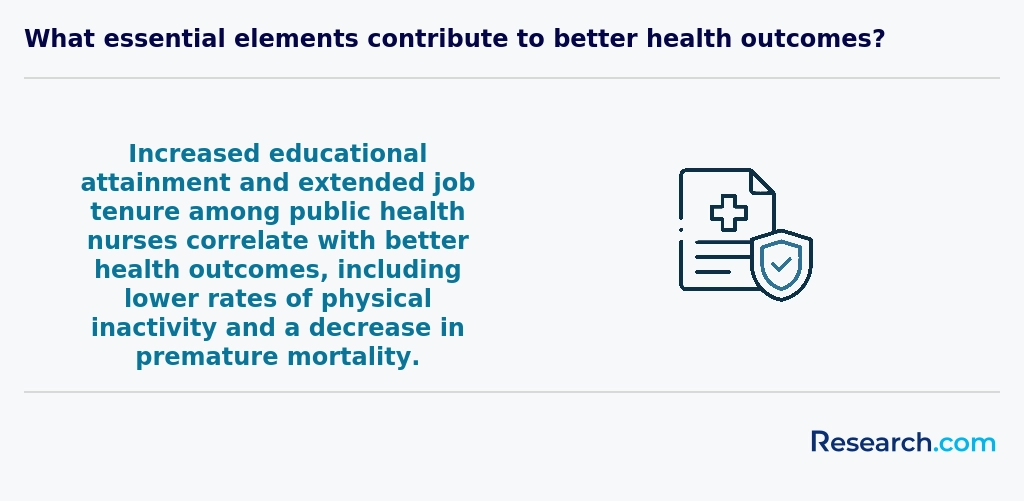
Online healthcare master’s programs in DC integrate hands-on training to build clinical skills before graduation.
- Programs generally require 100–200 practicum hours at approved local sites, such as MedStar hospitals or community clinics.
- Schools partner with DC health agencies and telehealth providers to offer both in-person and virtual rotations.
- Advisors assist students in securing placements, matching interests in areas like policy, informatics or direct patient care.
- Some telehealth practicum allows remote supervision, making it easier for working professionals.
- Hands-on experiences align with state licensure and certification requirements; students should plan early for immunizations and background checks.
Students interested in specialized clinical roles-such as those pursuing a pharmacist degree-will find similar requirements applied to ensure competency in real-world settings.
What financial aid is available to online healthcare degree students in District of Columbia?
Students pursuing online healthcare degrees in District of Columbia often rely on a mix of financial aid to manage tuition at institutions like Georgetown University or The George Washington University. Federal aid, particularly through the FAFSA, unlocks access to Pell Grants and low-interest loans, which several graduates have found essential for covering initial costs without immediate debt pressure.
Graduates working in D.C.'s underserved communities share how the Public Service Loan Forgiveness (PSLF) program alleviates long-term financial burdens by canceling federal loans after a decade of service, making careers in public health significantly more attainable. Meanwhile, the District of Columbia Tuition Assistance Grant (DCTAG) has been a lifeline for many residents, offering targeted tuition support that eases the financial strain of online study.
Additionally, local healthcare employers frequently encourage continuing education through tuition reimbursement, reflecting an investment in workforce development that students appreciate for balancing work and study. However, exploring scholarships from both universities and healthcare organizations remains crucial, as individual eligibility and award amounts vary widely, underscoring the importance of personalized research for each prospective student.
Future Trends in Online Healthcare Education and Career Innovations
As the healthcare industry continues to evolve, online programs are adapting to meet new challenges and technological advancements. Emerging trends such as telehealth integration, data-driven personalized learning, and virtual clinical simulations are reshaping how students acquire practical skills online. Institutions are increasingly incorporating advanced digital platforms to offer immersive experiences that bridge the gap between theoretical knowledge and real-world application. These innovations not only enhance the learning environment but also better prepare graduates for a rapidly changing job market. In addition, collaboration with industry leaders is becoming more integral to curriculum development, ensuring that programs remain aligned with current healthcare demands. For instance, some of these forward-thinking schools are now offering specialized tracks that incorporate elements of remote patient monitoring and digital health management. This approach provides a competitive edge for students who seek versatile career paths in healthcare administration, clinical research, and technology-driven care. Future-focused students can benefit from exploring diverse educational offerings; consider checking out the online pharmacy school california for innovative degree options that complement traditional healthcare programs. These developments underscore the importance of continuous evolution in online education, inviting prospective students to embrace lifelong learning and adaptability as the keys to success in the modern healthcare landscape.
What are the prerequisites for enrolling in online healthcare degree program in District of Columbia?
Enrolling in an online healthcare degree program in the District of Columbia typically requires a bachelor's degree from an accredited institution, often in a related field like nursing or public health. For example, graduates from popular institutions such as Georgetown University or George Washington University often share that having a relevant academic background eased their transition into graduate coursework. However, some programs recognize diverse academic histories by offering bridge courses, allowing those from unrelated disciplines to catch up without feeling overwhelmed.
Students usually submit official transcripts and may need to provide letters of recommendation and personal statements that reflect genuine motivations and career goals. Many appreciate how these requirements encourage reflection on their professional paths, enhancing their connection to the program.
Although standardized tests like the GRE have become less common, certain programs still require them depending on their selectivity. Additionally, clinical experience remains highly valued; several online students recall that prior work or volunteer engagement in D.C.-area hospitals not only prepared them practically but also fueled their enthusiasm during studies.
Out-of-State Affordable Online Healthcare Program Options
For students weighing the high tuition of District of Columbia programs, exploring out-of-state online degrees can uncover more budget-friendly pathways without sacrificing quality. Many institutions nationwide participate in tuition reciprocity agreements or offer in-state rates to online learners, making them an attractive alternative. For example, Ohio has emerged as a leader in cost-effective online healthcare education-prospective students can compare programs using the Affordable Online Healthcare Degree Programs Ranking in Ohio to identify accredited, high-value options that deliver robust curricula at a fraction of D.C. prices. Key strategies for maximizing affordability include:
- Leveraging transfer credits: By applying prior college coursework or professional certifications toward degree requirements, learners can shorten time-to-completion and reduce per-credit costs.
- Seeking state-sponsored waivers and reciprocity: Some public universities honor reduced out-of-state rates for online students, so confirming eligibility early can unlock significant savings.
- Prioritizing accredited, competency-based programs: These models allow competency demonstrations in lieu of credit hours, often accelerating graduation and lowering overall cost. Evaluating total cost of attendance-factoring in fees, materials, and proctored exam expenses-ensures a clear comparison between D.C. and alternative online offerings. By combining strategic credit transfers with data-driven program rankings, students can secure an online healthcare degree that balances academic rigor with financial feasibility.
What courses are typically in online healthcare degree programs in District of Columbia?
Online healthcare degree programs in the District of Columbia typically include courses that blend foundational science with practical management skills. Graduates from well-known institutions such as George Washington University often describe anatomy and physiology classes as eye-opening, providing essential insights needed for clinical understanding and patient care scenarios.
Many courses focus on healthcare systems and policy, a critical subject in DC due to its unique role in federal healthcare regulation. Students report these classes foster a nuanced perspective on how government agencies influence healthcare delivery, preparing them for roles shaped by local and national policies.
Statistics and research methods are frequently emphasized, equipping students to interpret healthcare data meaningfully. Graduates note that these skills significantly boost their confidence when contributing to evidence-based decision-making in fast-paced healthcare environments.
Healthcare ethics and law also form a core part of the curriculum, allowing learners to navigate complex moral dilemmas they might face as professionals, while financial management and leadership courses help develop the administrative acumen necessary to manage resources effectively in facilities influenced by DC's dynamic healthcare landscape.
Finally, many programs address public health and epidemiology, offering vivid insights into community health challenges in urban settings, which resonates deeply with students aiming to make an impact in Washington's diverse population.
What types of specializations are available in online healthcare degree programs in District of Columbia?
Online healthcare degree specializations District of Columbia programs typically cover healthcare administration, public health, nursing, health informatics, and clinical research. Students at well-regarded institutions in D.C. often appreciate how these specializations blend theory with real-world challenges, such as managing urban healthcare systems or addressing health disparities unique to the region. Graduates frequently share positive experiences of gaining leadership skills through healthcare administration tracks, which prepare them to handle budgeting and policy in complex healthcare environments.
Public health specializations attract students interested in epidemiology and disease prevention, crucial for a city like D.C. where federal health policies directly impact local communities. Nurses enrolling in advanced practice or leadership roles often highlight how online programs allow them to balance work and study while advancing patient care expertise. Furthermore, health informatics students express enthusiasm about mastering electronic health records and telemedicine technologies that are increasingly vital in urban healthcare settings. Clinical research specializations benefit from the proximity to D.C.'s research institutions, offering practical insights for designing clinical trials.
Those exploring healthcare master's programs with specializations DC find these options thoughtfully aligned with workforce needs. One graduate from a popular university noted the convenience of online courses and practical assignments reflective of healthcare realities in D.C. For students concerned about costs, exploring affordable options like online pharmacy school california programs might provide additional pathways to a healthcare career.
How do you choose the best online healthcare degree in District of Columbia?
Choosing the best online healthcare degree in District of Columbia means weighing factors beyond tuition costs, which often exceed $25,000 annually at local colleges. Graduates from such programs frequently highlight the value of accreditation-both regional and specialized like CAHME-which ensures their credential is respected in the competitive D.C. healthcare job market. Consider how curricula align with D.C.'s public health leadership demand; degrees emphasizing policy and administration reflect the city's unique sector needs, offering graduates rewarding career paths.
Flexibility also matters. Many working professionals appreciate programs that provide asynchronous coursework and robust support services, including career counseling and networking opportunities connected to institutions like MedStar Health or NIH. Such proximity benefits students seeking real-world experience through internships. To compare affordability meaningfully, use tools like the U.S. Department of Education's College Scorecard or explore localized rankings such as the Affordable Online Healthcare Degree Programs Ranking in Ohio.
Ultimately, graduates recommend scrutinizing outcome data like graduation and job placement rates, which reveal how effectively a program prepares you for success in D.C.'s evolving healthcare environment. This critical approach helps prospective students navigate the complexities of affordable online healthcare programs DC offers without over-relying on assumptions.
What career paths are available for online healthcare degree students in District of Columbia?
Graduates holding an online healthcare degree in District of Columbia often pursue diverse career paths, reflecting the city's complex healthcare environment. For instance, healthcare administration roles allow alumni from local universities to manage operations in hospitals like MedStar Health or government agencies, where leadership skills acquired online translate into overseeing critical services. While some may assume clinical roles are limited without physical campus training, many graduates successfully become advanced practice registered nurses or physician assistants by combining their online education with required certifications, tapping into a growing demand in DC.
Public health careers, especially in epidemiology or health policy, also attract online degree holders who want to impact urban health outcomes. Those who studied at popular District institutions often find work in community health education, directly addressing health disparities in the capital. However, these roles can face funding and policy challenges, which graduates learn to navigate through real-world case studies shared during their programs.
Health informatics is another promising avenue for students drawn to technology and data analytics. Graduates report feeling energized by the ability to improve patient care systems within both federal agencies and local hospitals. For many pursuing healthcare careers with online degree in DC, cost remains a key consideration; some explore options like a fast-track associates degree to efficiently enter the workforce while managing tuition expenses.
What is the job market for online healthcare degree in District of Columbia?
The job market for online healthcare degrees in District of Columbia is notably promising, driven by the city's unique position as a hub for federal health agencies and top medical institutions. Graduates from popular healthcare programs at Universities and Colleges in D.C. often find themselves well-prepared to enter competitive roles such as healthcare administrators and registered nurses. Their skills align closely with the district's demand for professionals experienced in managing complex healthcare systems and navigating healthcare policy.
Healthcare degree employment opportunities in District of Columbia benefit from the growth of telehealth and increased emphasis on healthcare informatics. Graduates report positive outcomes, such as being able to secure positions at agencies like the NIH or CDC, where flexibility and technical proficiency gained through online education are highly valued. While the median salary of about $81,000 illustrates a solid return on investment, some graduates note that the cost and competition remain significant factors to weigh.
For students weighing options, considering accredited programs from colleges with open admissions can provide a practical entry point without sacrificing quality, especially given the robust job outlook for online healthcare degrees in District of Columbia.
Frequently Asked Questions About healthcare
Students pursuing online healthcare degrees in District of Columbia can maximize their learning by actively engaging with virtual class discussions and forming study groups using local networks. Leveraging the D.C. Public Library's digital resources and healthcare databases can provide additional academic support. Healthcare in D.C. frequently involves addressing urban health disparities, so focusing on courses that emphasize community health and policy enhances relevance.
Time management is critical; students should create structured weekly schedules to balance coursework with professional or family commitments. Additionally, utilizing faculty office hours online helps clarify complex topics. According to the D.C. Department of Health, the region's healthcare employment is projected to grow 14% by 2030, making targeted learning essential for career readiness.
The healthcare field in the District of Columbia is experiencing growth in several emerging niches, fueled by technological advances and shifting population needs. One key area is telehealth, which expanded rapidly during the COVID-19 pandemic and remains a vital service for urban and underserved communities. According to D.C. Health, telehealth visits increased by over 150% between 2019 and 2022.
Another growing specialty is health informatics, where data analytics improve patient outcomes and streamline healthcare delivery. Professionals skilled in managing electronic health records and big data are increasingly sought after in local hospitals and government agencies.
Additionally, the demand for healthcare professionals focused on gerontology and chronic disease management is rising due to an aging population in the region. These niches present promising paths for students pursuing online healthcare degrees.
Preparing for the job market after completing an online healthcare degree in the District of Columbia requires strategic planning and local awareness. Graduates should first seek internships or clinical experiences in DC-area healthcare facilities to gain practical skills and build professional networks. The demand for healthcare workers in the District is expected to grow by 16% through 2030, according to the U.S. Bureau of Labor Statistics, highlighting abundant job opportunities.
It is also crucial to understand licensing and certification requirements specific to DC, as roles like nursing or health administration often require state-specific credentials. Joining local professional organizations, such as the DC Hospital Association, can provide valuable resources and job leads. Finally, developing strong resume and interview skills tailored to healthcare employers in the District will improve chances of employment.
Employers in District of Columbia seek healthcare graduates with strong clinical knowledge and technical skills relevant to modern medical environments. Proficiency in healthcare informatics and data management is increasingly important due to the growth of digital health technologies.
Effective communication skills are critical, as professionals must collaborate with diverse patient populations and multidisciplinary teams. According to the DC Department of Health, cultural competency and patient-centered care significantly impact health outcomes in the region.
Problem-solving abilities and adaptability are also valued, reflecting the fast-paced nature of healthcare in the nation's capital. Leadership and ethical decision-making skills are essential for career advancement in public and private healthcare sectors.
Finding internships in the District of Columbia relevant to healthcare degrees involves leveraging local resources and networks. D.C. is a hub for healthcare organizations, government agencies like the Department of Health and Human Services, and numerous hospitals, which together offer diverse internship opportunities.
Start by exploring programs affiliated with your online degree institution, as many partner with local hospitals, clinics, and public health offices to provide placements. Additionally, websites such as the D.C. Department of Employment Services and Handshake often list healthcare internships tailored for students.
According to the D.C. Health Workforce Institute, internships improve employment prospects, with 65% of participants securing jobs locally after their experience. Networking through local professional groups like the Greater Washington Society for Healthcare Communications also helps connect students with internship openings.
Obtaining an online healthcare degree in the District of Columbia can significantly enhance career mobility and advancement. The region's growing healthcare sector, driven by numerous hospitals and federal agencies, values advanced credentials. According to the Bureau of Labor Statistics, healthcare employment in D.C. is expected to grow by 16% through 2030, faster than the national average.
Online degrees offer flexibility for working professionals to gain specialized knowledge without interrupting their careers. Employers in D.C. often prefer candidates with master's-level education for leadership and administrative roles.
Furthermore, accredited online programs meet local licensing and certification requirements, enabling graduates to pursue nurse practitioner, healthcare management, or policy positions within D.C.'s competitive market.
Studying for a healthcare degree online in the District of Columbia equips students with skills essential for interdisciplinary roles in a dynamic healthcare environment. Programs emphasize collaboration across fields such as medicine, public health, and health administration, reflecting DC's integrated healthcare landscape. According to the DC Department of Health, the region's workforce demands professionals who can navigate cross-sector challenges involving policy, community health, and technology.
Online curricula often include case studies and team projects, fostering communication and leadership abilities. Exposure to DC's diverse patient populations and health systems prepares graduates to work effectively in varied healthcare settings. This interdisciplinary focus enhances employability in roles requiring coordination between clinical and administrative teams.
Choosing between a thesis and a non-thesis healthcare degree program in District of Columbia depends on career goals and learning preferences. Thesis programs focus on research and require students to complete a substantial research project, often preparing them for doctoral study or research-oriented roles. Non-thesis programs prioritize practical skills and coursework, appealing to professionals seeking leadership or clinical roles without a research focus.
In DC, where healthcare jobs are expected to grow by 15% through 2030 (BLS data), non-thesis options often emphasize applied knowledge for immediate workforce entry. Meanwhile, thesis routes suit those targeting academic or policy positions.
Consider your long-term plans and time commitment when deciding between these options.
Students in District of Columbia seeking to study healthcare abroad online have increasingly flexible options. Many accredited U.S. universities offer fully online healthcare degrees that allow remote learning while living in D.C. These programs often collaborate with international institutions or include global health components. The U.S. Department of Education recognizes most regionally accredited online degrees, providing reassurance for future employment or licensure.
Additionally, District of Columbia residents can consider programs with international clinical placements or research opportunities. Given D.C.'s strong healthcare infrastructure and high demand for healthcare professionals-projected 10% growth by 2030 according to the Bureau of Labor Statistics-online international study complements local workforce needs.
Students pursuing online healthcare degrees in the District of Columbia can enhance their education by engaging in relevant part-time jobs. Positions such as medical assistants, patient care technicians, or healthcare administrative aides are in demand locally. The Bureau of Labor Statistics reports that healthcare support roles in D.C. are projected to grow by 15% over the next decade, reflecting strong job availability.
Part-time jobs in clinics, hospitals, and community health organizations offer valuable hands-on experience. These roles help students build practical skills while maintaining flexible schedules suitable for online study. Additionally, D.C.'s focus on public health initiatives increases opportunities in health education and outreach positions, complementing academic learning effectively.
Online healthcare students in District of Columbia have access to diverse networking opportunities despite physical distance. Many local universities offering online programs connect students with healthcare professionals in D.C. through virtual career fairs and alumni events. The region's high concentration of hospitals and health agencies, including the Department of Health and Human Services headquartered in D.C., provides numerous professional networking platforms.
Students can also join local chapters of national organizations like the American Public Health Association or the Healthcare Information and Management Systems Society. These groups often host webinars and virtual meetups, promoting peer-to-peer networking and mentorship.
Additionally, LinkedIn and specialized online forums help students engage with D.C.-based healthcare practitioners and employers.
Alumni networks play a crucial role for students pursuing online healthcare degrees in the District of Columbia. These networks offer valuable connections that help graduates navigate the competitive healthcare job market in the region. According to the DC Department of Health, healthcare employment is projected to grow by 13% from 2022 to 2032, increasing the demand for qualified professionals.
Through alumni associations, students gain access to mentorship, job leads, and professional development events tailored to the DC healthcare landscape. This support helps them secure positions in hospitals, clinics, and government agencies. Furthermore, networking opportunities can lead to collaborations on research and community health projects, enhancing career growth beyond graduation.
Customizing an online healthcare degree program in District of Columbia allows students to align their education with specific career goals. Many programs offer elective courses in areas like health administration, public health, or clinical informatics, enabling learners to build expertise in a chosen field.
Students can also select capstone projects or internships that focus on local healthcare challenges in the District, providing practical experience and networking opportunities within DC's healthcare system. According to the DC Department of Health, healthcare jobs in the region are expected to grow by nearly 14% through 2030, increasing demand for specialized skills.
Advisors at regional schools often help tailor curricula to match industry needs, empowering students to optimize their degrees for emerging roles in healthcare delivery and management.
Online healthcare students in the District of Columbia face unique challenges that impact their academic success. One major issue is access to quality clinical placements. Due to local healthcare regulations, finding in-person internships can be competitive and limited. The American Association of Colleges of Nursing highlights that clinical experience is essential but often difficult to schedule.
Additionally, students report technology barriers, such as unstable internet connections, which can disrupt participation in live lectures and exams. The District's urban environment has disparities in broadband access that affect some learners.
Lastly, balancing work, family, and study demands remains a significant challenge, with many healthcare professionals pursuing degrees part-time while working full-time.
With an online healthcare degree in the District of Columbia, students can pursue a variety of professional certifications that enhance career prospects. Common certifications include Certified Healthcare Manager (CHM), Certified Professional in Healthcare Quality (CPHQ), and Registered Health Information Administrator (RHIA).
These credentials demonstrate expertise in healthcare administration, quality assurance, and health information management. The D.C. healthcare sector, employing over 100,000 individuals per the U.S. Bureau of Labor Statistics (2023), values such certifications highly.
Additional options include certifications in medical coding and healthcare data analytics, which align with the increasing demand for digital healthcare management skills in the region.
When applying to an online healthcare program in the District of Columbia, start by thoroughly researching each school's admission requirements. Highlight your relevant academic background and professional experience in healthcare, as DC programs often value practical expertise alongside formal education.
Craft a clear and concise personal statement that explains your motivation for pursuing healthcare and how it aligns with your career goals. Emphasize skills such as leadership, communication, and adaptability, which are crucial in DC's diverse healthcare environment.
Include strong letters of recommendation from supervisors or professors familiar with your abilities. According to the DC Health Benefits Exchange Authority, healthcare roles in the area are growing, making a well-rounded application essential to stand out.
Globally, healthcare careers are viewed as essential and rapidly evolving due to technological advances and demographic changes. Professionals with healthcare degrees are increasingly valued for their roles in improving public health outcomes and managing complex healthcare systems. In the United States, and particularly in the District of Columbia, there is strong demand for healthcare workers, driven by a growing population and expanding healthcare services.
According to the Bureau of Labor Statistics, healthcare employment in D.C. is projected to grow faster than the national average through 2030, reflecting the urgent need for skilled professionals both locally and internationally. This global demand presents opportunities for students pursuing online healthcare degrees to contribute to diverse healthcare settings worldwide.
Gaining practical experience while studying for an online healthcare degree in the District of Columbia is essential for career readiness. Many programs integrate clinical placements or internships in local healthcare settings. DC has over 50 hospitals and numerous clinics where students can seek hands-on training.
Students often collaborate with healthcare providers to fulfill practicum requirements, which can include hospital rotations or community health projects. Institutions may assist students in securing local opportunities that comply with safety standards.
Additionally, some programs offer virtual simulations to build practical skills remotely. According to the DC Department of Health, combining clinical exposure with online learning improves job prospects for healthcare graduates in the region.
Choosing the right concentration within an online healthcare degree program in District of Columbia involves evaluating your career goals and the local healthcare landscape. The District has a growing demand for public health professionals, with a 5% projected employment growth in healthcare occupations through 2030, according to the U.S. Bureau of Labor Statistics. Consider concentrations like health policy, healthcare administration, or informatics, which align with regional needs.
Research available programs' curriculum and faculty expertise to ensure strong support in your chosen field. Additionally, check if the program offers relevant clinical or practicum experiences tailored to Washington, D.C.'s healthcare systems.
Related Healthcare Rankings for Nearby States
- 2027 Best Online Master's in Healthcare Degree Programs Ranking in Oregon
- 2027 Best Online Master's in Healthcare Degree Programs Ranking in California
- 2027 Best Online Master's in Healthcare Degree Programs Ranking in Utah
- 2027 Best Online Master's in Healthcare Degree Programs Ranking in Arizona
- 2027 Best Online Master's in Healthcare Degree Programs Ranking in Colorado
- 2027 Best Online Master's in Healthcare Degree Programs Ranking in New Mexico
- 2027 Best Online Master's in Healthcare Degree Programs Ranking in South Dakota
- 2027 Best Online Master's in Healthcare Degree Programs Ranking in North Dakota
- 2027 Best Online Master's in Healthcare Degree Programs Ranking in Kansas
- 2027 Best Online Master's in Healthcare Degree Programs Ranking in Oklahoma
Top Trending Healthcare Rankings
See What Experts Have To Say About Studying Healthcare
Read our interview with Healthcare experts

References
- Mission and Graduate Outcomes https://lowercolumbia.edu/programs/health/nursing/mission_and_graduate_outcomes/
- D.C. Healthcare Administration Degree Programs | Find Schools https://www.healthadministrationdegrees.com/states/district-of-columbia/
- Online MHA Programs Ranked by Affordability (2026) https://www.mhaonline.com/blog/affordable-online-mha-programs-ranked
- Public Health Degree Programs in DC | List & Guide https://www.publichealthdegrees.org/st/dc/
- Medical student learning on a distributed training platform ... https://phcfm.org/index.php/phcfm/article/view/4539/7514
- Education & Training Providers https://dchealthcareers.org/start-your-career-in-health/
- Comparing Online Public Health Degrees with Financial Aid https://www.edumed.org/online-schools/public-health-degrees/financial-aid/
- Health Services, B.A. - Washington, DC https://www2.trinitydc.edu/academic_program/health-services/
- Free Career Training Programs in Washington, DC | AoH https://aohdc.org/blog/workforce-development-expanding-economic-mobility-at-academy-of-hope/
- Health Care Schools and Careers in DC https://www.healthcarepathway.com/states/dc-health-care/


