
2027 Best Healthcare Degree Programs Ranking in North Dartmouth

Co-Founder and Chief Data Scientist
Choosing the right healthcare degree program can shape your future and open doors to rewarding career opportunities in North Dartmouth. This article introduces the 2027 Best Healthcare Degree Programs Ranking in North Dartmouth, developed by the Research.com team of data scientists. It's designed to help you make an informed decision by highlighting programs that truly stand out.
By exploring this ranking, you'll gain valuable insights into the top options available locally. Pursuing a healthcare degree not only brings personal fulfillment but also allows you to make a meaningful impact in your community.
Key benefits of getting healthcare degree in North Dartmouth
- Healthcare degree graduates in North Dartmouth can expect competitive salaries, such as Medical Assistants earning around $43,350 annually and Patient Care Technicians about $60,790, making these careers financially rewarding.
- Graduates from local institutions often explore diverse roles from Clinical Research Coordinator to Health Information Technician, offering various paths to find fulfilling healthcare work that fits individual interests.
- Online healthcare degrees provide flexible learning schedules, allowing students like those from North Dartmouth's popular colleges to balance work and study, making advancement more achievable without sacrificing daily commitments.
- Key benefits of getting healthcare degree in North Dartmouth
- What can I expect from healthcare degree in North Dartmouth?
- Where can I work with healthcare degree in North Dartmouth?
- How much can I make with healthcare degree in North Dartmouth?
- 2027 Best Healthcare Degree Programs Ranking in North Dartmouth
- Key Findings
- How long does it take to complete healthcare degree in North Dartmouth?
- Maximizing Your Education Investment: Tips for Achieving the Best ROI in Healthcare Education
- What's the difference between online and on-campus healthcare degree?
- Licensure and Certification Requirements in Massachusetts
- What is the average cost of healthcare degree in North Dartmouth?
- Accreditation and Licensure
- What financial aid is available to healthcare degree students in North Dartmouth?
- Top Healthcare Degree Programs in North Dartmouth, MA
- What are the prerequisites for enrolling in healthcare degree program in North Dartmouth?
- Nutrition and Wellness Integration in Healthcare Programs
- What courses are typically in healthcare degree programs in North Dartmouth?
- What types of specializations are available in healthcare degree programs in North Dartmouth?
- How do you choose the best healthcare degree in North Dartmouth?
- What career paths are available for healthcare degree students in North Dartmouth?
- What is the job market for healthcare degree in North Dartmouth?
- Top Trending Healthcare Rankings
- See What Experts Have To Say About Studying Healthcare
What can I expect from healthcare degree in North Dartmouth?
The average cost of pursuing a healthcare degree in North Dartmouth typically ranges between $6,000 and $15,000 per year at institutions like Bristol Community College. Graduates often share how this investment feels manageable when balanced with financial aid or state scholarships, which many successfully secure to reduce out-of-pocket expenses.
For example, students in nursing or health sciences programs at local colleges describe budgeting carefully around tuition, books, and clinical uniforms, all common expenses. Practical components such as clinical rotations held nearby also help cut additional costs, since travel and housing remain local.
Those pursuing advanced degrees or bachelor's programs in the area can expect higher tuition but find value in hands-on training and strong local job placement rates after graduation. Many feel confident knowing their program aligns with Massachusetts licensing standards, ensuring their qualifications are respected statewide.
Overall, the cost feels reasonable for students who plan ahead, use available financial aid, and tap into North Dartmouth's strong community college options for affordable yet quality healthcare education.
Where can I work with healthcare degree in North Dartmouth?
Graduates with healthcare degrees from institutions like the University of Massachusetts Dartmouth often find immediate job opportunities within local hospitals, such as those in the Southcoast Health System. These facilities actively recruit nurses, technologists, and healthcare administrators, offering hands-on roles that match the practical training gained during college. Many graduates talk about the rewarding experience of working directly with patients and multidisciplinary teams right after completing their programs.
Others take advantage of the growing outpatient care sector in North Dartmouth, finding positions in clinics, urgent care centers, or rehabilitation facilities. These jobs offer a dynamic environment with a focus on patient recovery and preventative care, which appeals to those who value flexible schedules and diverse patient interactions.
Long-term care and nursing homes are also solid employment options, especially for graduates who specialized in elder care or gerontology. With a demand increase of over 10% in the region, working with aging populations creates meaningful daily impact and job stability.
Finally, some healthcare graduates move into administration roles within local medical centers, where they help improve operations and ensure compliance. This path suits those who enjoy leadership and problem-solving in healthcare settings.
How much can I make with healthcare degree in North Dartmouth?
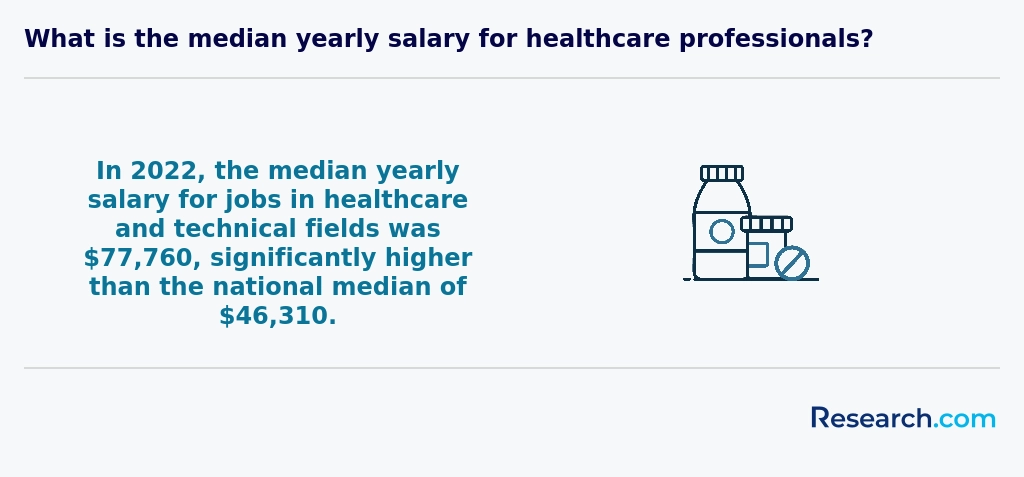
Graduates with healthcare degrees in North Dartmouth can expect solid earnings soon after completing their programs. For instance, many medical assistant graduates from local colleges report starting salaries near the regional mean annual wage of $43,350, making an entry-level position a practical first step into the healthcare field.
Those pursuing roles as patient care technicians find higher wages, with the current mean annual salary around $60,790. This reflects the added responsibility and specialized training involved, which local programs at popular North Dartmouth institutions prepare students for effectively.
Health information technician graduates see similar entry-level salaries, averaging about $43,380 annually, translating to manageable financial independence for recent graduates. Clinical research coordinator positions also provide comparable median earnings around $43,350, a solid match for those interested in healthcare research roles.
More advanced roles, such as quality improvement coordinator, represent a significant salary boost with mean annual wages exceeding $103,000. Graduates of healthcare administration or related programs from North Dartmouth colleges often leverage local healthcare networks to access these higher-paying opportunities quickly, providing an excellent trajectory for career growth.
By focusing on gaining relevant credentials and practical experience in North Dartmouth's healthcare education environment, students can navigate a clear path toward competitive compensation and fulfilling careers.
2027 Best Healthcare Degree Programs Ranking in North Dartmouth
How do we rank schools?
Investing in your education is a significant decision that can shape your future, and the Research.com team recognizes the importance of making well-informed choices. To support prospective students in North Dartmouth, we have carefully developed the "2027 Best Healthcare Degree Programs Ranking in North Dartmouth." Our dedication to quality, credibility, and accuracy is demonstrated through rigorous research and analysis behind this ranking.
We utilized the following reputable data sources to ensure a comprehensive evaluation of healthcare degree programs:
By exploring this ranking, readers will gain valuable insights into the top healthcare degree programs available in North Dartmouth, enabling them to make confident and informed decisions about their educational and professional futures. For more information on how this ranking was created, please visit our Research.com methodology page.

Key Findings
- Healthcare degree costs in North Dartmouth range from $8,000 to $15,000 for community college certificates and $25,000 to $40,000 for a Bachelor of Science in Nursing (BSN).
- Healthcare jobs in the region are growing faster than average, with a projected increase of about 15% over the next decade.
- The average starting salary for healthcare graduates is approximately $55,000 per year, with experienced professionals earning between $75,000 and $110,000 annually.
- Local hospitals, clinics, and outpatient centers provide many job opportunities, supported by proximity to major Massachusetts healthcare hubs.
- State initiatives promote education and training in health fields, helping to expand job availability in healthcare across North Dartmouth.
How long does it take to complete healthcare degree in North Dartmouth?
Completing a healthcare degree in North Dartmouth typically depends on the program you choose. For example, many graduates who started at Bristol Community College earned their associate degree in about 2 years, balancing hands-on training with manageable class schedules. This route works well if you want to start working quickly in roles like medical assisting or nursing support.
If you aim for a Bachelor of Science in Nursing (BSN) or a related bachelor's healthcare degree, expect around 4 years of full-time study. Local students share that this timeframe includes general education courses alongside specialized healthcare classes, making it a busy but rewarding experience.
For advanced practice or leadership roles, master's programs in nursing or healthcare administration generally take between 1.5 to 3 years. Many graduates recommend choosing part-time options if you're working concurrently, as it lets you absorb specialized knowledge without overwhelming your schedule.
Doctoral paths, such as Nurse Practitioner or Medical Doctor degrees, require the longest commitment-often 3 to 4 years beyond a master's or bachelor's, plus extra residency training for MDs. Those who have pursued these paths at nearby universities often describe it as challenging yet deeply fulfilling.
Many students take advantage of accelerated programs in Massachusetts that compress timelines by integrating clinical experience earlier, helping them enter the workforce sooner.
Maximizing Your Education Investment: Tips for Achieving the Best ROI in Healthcare Education
Investing in a healthcare degree is not only a commitment to academic growth but also a strategic financial decision for your future. In this section, we explore actionable strategies to evaluate the return on investment (ROI) for your healthcare education, helping you balance tuition costs, available scholarships, and long-term earning potential. Start by carefully comparing program costs against graduation outcomes and job placement rates to ensure that the program you choose offers strong career support. For instance, many students successfully lower their financial burden by identifying an affordable healthcare school in massachusetts that meets accredited standards while providing excellent hands-on training. Additionally, consider programs that offer robust alumni networks, mentorship opportunities, and career counseling services to further enhance your post-graduate success. By assessing these factors, you can make an informed decision that maximizes both your educational investment and future earning prospects in the dynamic healthcare field.
What's the difference between online and on-campus healthcare degree?
Choosing between online and on-campus healthcare degrees in North Dartmouth depends on your lifestyle and learning preferences. On-campus programs at well-known local colleges offer immersive, hands-on experiences, allowing you to work directly with instructors and peers in clinical settings. Graduates often speak of the value in networking and the confidence gained from real-time interaction during labs and patient care simulations.
Online programs provide flexibility, ideal if you're balancing work or family. You can complete coursework remotely, but keep in mind that clinical hours must still be done locally, which requires coordination with nearby healthcare facilities. Many online students appreciate this adaptability, noting how it lets them maintain daily routines without relocating or commuting.
Tuition in North Dartmouth generally ranges from $15,000 to $25,000 for on-campus programs, while online options are slightly cheaper by about 10-15%, though sometimes with extra fees for technology or exam proctoring. Both formats are fully accredited, ensuring your degree holds value with employers and licensing boards in healthcare.
Licensure and Certification Requirements in Massachusetts
Securing the appropriate licensure and certifications is a pivotal step for healthcare graduates in North Dartmouth, MA, as it directly impacts employability, professional credibility, and compliance with state regulations. Most clinical roles, including Registered Nurses (RNs) and Licensed Practical Nurses (LPNs), require graduation from an accredited program followed by successful completion of the NCLEX-RN or NCLEX-PN exam, administered by the Massachusetts Board of Registration in Nursing. For those pursuing Patient Care Technician or Health Information Technician positions, national certifications-such as the Certified Clinical Medical Assistant (CCMA) or Registered Health Information Technician (RHIT)-are often mandatory. In Massachusetts, the Board of Registration in Allied Health Professionals oversees certification requirements for specialized roles, ensuring that graduates meet both educational and clinical practice standards. To qualify for the RHIT credential, candidates must complete a CAHIIM-accredited program; prospective Health Information Technicians should explore our most affordable online health information management degree programs to satisfy this prerequisite while maintaining flexibility. After passing the national exam administered by the American Health Information Management Association (AHIMA), professionals must adhere to continuing education requirements-typically 15 CEUs every two years-to maintain certification. Understanding and planning for these licensure and certification pathways in advance will streamline your transition from student to practicing professional, enhance your competitive edge, and ensure compliance with Massachusetts healthcare standards.
What is the average cost of healthcare degree in North Dartmouth?
The average cost of a healthcare degree in North Dartmouth largely depends on whether you attend an in-state public institution or a private college. For local students enrolling at popular schools like the University of Massachusetts Dartmouth or Bristol Community College, the median in-state total cost typically hovers around $15,600. Graduates often share how managing this cost alongside living expenses was challenging but achievable, especially with diligent financial planning.
Out-of-state or private college students face a much steeper price tag, with the median total cost nearing $47,200. This figure includes tuition, fees, and necessary supplies. Many healthcare students describe balancing these expenses by seeking scholarships and federal grants, which can substantially ease the burden.
Books, lab fees, and clinical placements add to the total cost but are essential parts of hands-on healthcare training. Students recount budgeting carefully for these extras, emphasizing how understanding these costs upfront helps avoid surprises. Factoring in living costs based on North Dartmouth's economy is also crucial to realistic planning.
For those planning ahead, applying for financial aid early can make a significant difference. Many students recommend looking into Pell Grants and scholarships targeted specifically for healthcare fields. Exploring options for university degrees for masters may also provide alternative pathways that balance cost and flexibility.
Realistically, the total cost of healthcare degrees in North Dartmouth demands thoughtful budgeting, but graduates often highlight their rewarding experiences as worth the investment.
Accreditation and Licensure
Ensuring your healthcare degree program in North Dartmouth, MA is properly accredited and meets state licensure requirements is essential for both quality education and career eligibility. Accredited programs are evaluated by recognized bodies such as the Commission on Collegiate Nursing Education (CCNE), the Accreditation Commission for Education in Nursing (ACEN), and the Commission on Accreditation of Allied Health Education Programs (CAAHEP). Before enrolling, verify that your institution’s program appears on the U.S. Department of Education’s database of accredited postsecondary institutions and programs. In Massachusetts, graduates of nursing and allied health programs must apply for licensure through the Massachusetts Board of Registration in Nursing or the relevant state board for their specialization. Typical steps include:
- Graduating from a board-approved program
- Passing the national licensure exam (NCLEX-RN for registered nurses, NBCOT for occupational therapists, etc.)
- Submitting transcripts and background check to the state board
- Completing any additional state-specific requirements, such as jurisprudence exams or clinical hour verifications Maintaining licensure requires ongoing continuing education units (CEUs). Most boards mandate 15–30 hours of approved CEUs every renewal cycle, ensuring you stay current with best practices and regulatory updates. For students balancing work and studies, accredited online pathways can offer flexibility; many prospective learners explore resources like the Cheapest Online Healthcare Degree Programs Ranking in Omaha, NE to find cost-effective, accredited options that satisfy both academic and licensure standards. By choosing an accredited program and understanding licensure processes, you safeguard your ability to practice and advance in North Dartmouth’s competitive healthcare environment.
What financial aid is available to healthcare degree students in North Dartmouth?
Healthcare students in North Dartmouth often start by applying for federal aid through FAFSA, unlocking options like Pell Grants and Federal Work-Study. One graduate from a local college shared how a Pell Grant covered a substantial part of her tuition, easing financial stress. Work-Study roles on campus or nearby clinics offer a practical way to earn while gaining healthcare experience.
State-specific aid also plays a key role. For example, many students at North Dartmouth community colleges use scholarships from the Massachusetts Workforce Training Fund, which targets high-demand fields like nursing and allied health. Local hospitals in Bristol County frequently give tuition reimbursement to students committed to working in the region, providing both incentive and security.
Private scholarships from nursing associations or healthcare finance groups further reduce costs, rewarding academic and community achievements. When loans are needed, federal direct loans with manageable repayment plans are preferred, especially with forgiveness programs for those serving underserved communities post-graduation.
North Dartmouth students find that combining multiple aid sources creates a sustainable path through healthcare programs, making their educational goals achievable and financially manageable.
Top Healthcare Degree Programs in North Dartmouth, MA
Prospective students can explore these highly regarded programs to find the best fit for their career goals:
- University of Massachusetts Dartmouth – Bachelor of Science in Nursing (BSN), CCNE-accredited with integrated clinical rotations at local hospitals
- University of Massachusetts Dartmouth – RN to BSN flexible online pathway (cheapest online rn to bsn programs), ideal for working RNs seeking advancement
- Bristol Community College – Associate in Health Information Technology, designed to prepare graduates for RHIT certification through hands-on lab training
- South Coast College of Health Sciences – Certificate in Radiologic Technology, fast-track curriculum with externships at Southcoast hospitals
- Bristol Community College – Clinical Medical Assistant Certificate, featuring practicum experiences in North Dartmouth clinics
What are the prerequisites for enrolling in healthcare degree program in North Dartmouth?
To enroll in a healthcare degree in North Dartmouth, start by securing a high school diploma or equivalent strong in biology, chemistry, and algebra-this foundation is crucial. Graduates from local programs often emphasize how mastering these subjects eased their transition into demanding healthcare courses. Community colleges here usually require completing foundational courses like medical terminology and health ethics before moving on to specialized classes, so plan accordingly.
Expect to meet GPA requirements around 2.5 to 3.0, and keep in mind some programs may ask for SAT or ACT scores, though waivers have become common. Many successful students share that submitting thoughtful personal statements and letters of recommendation helped demonstrate their genuine commitment to healthcare.
Healthcare-related volunteer work or job experience can be a game changer-it not only showcases dedication but also builds confidence during clinical placements. Finally, be ready for background checks and immunization documentation, as these protect patients and are standard in North Dartmouth institutions.
Nutrition and Wellness Integration in Healthcare Programs
A growing trend in healthcare education is the incorporation of nutrition and wellness studies, which equip future professionals with the expertise needed to advise and treat patients holistically. As chronic diseases continue to rise, understanding nutrition’s role in disease prevention and management has become crucial. Many programs now offer modules in dietary science, nutritional counseling, and public health nutrition, ensuring that graduates can support patients beyond traditional clinical care. This comprehensive approach not only enhances patient outcomes but also gives healthcare professionals a competitive edge in the job market. For those interested in expanding their knowledge in this area, exploring the list of the most popular nutrition programs online can provide valuable insights into flexible options that complement a healthcare degree. As the industry evolves, integrating nutrition and wellness into your credential will empower you to deliver well-rounded care and support a healthier community.
What courses are typically in healthcare degree programs in North Dartmouth?
Healthcare degree programs in North Dartmouth typically start with foundational courses like anatomy, physiology, and microbiology. Graduates from Bristol Community College often share how these classes helped them confidently understand how the body works, a crucial step before clinical practice. Alongside, expect to take healthcare ethics and medical terminology to build professional communication skills, essential when interacting with patients or healthcare teams.
Practical training is another key focus. Many students describe hands-on courses in patient care techniques-learning to take medical histories, measure vital signs, and document findings accurately. These skills are indispensable, especially for those aiming for nursing or radiologic technology roles at local hospitals.
For those interested in the administrative side, courses in healthcare administration and health informatics prepare students to manage facilities or electronic health records. In North Dartmouth, this is a smart choice given the region's growth in healthcare jobs.
Electives like pharmacology, mental health, and nutrition let students personalize their studies, making the degree more relevant to their career goals.

What types of specializations are available in healthcare degree programs in North Dartmouth?
Healthcare degrees in North Dartmouth offer several practical specialization options to meet local and regional needs. Graduates from popular colleges often highlight Nursing as a top choice, with programs ranging from Licensed Practical Nurse (LPN) training to Bachelor of Science in Nursing (BSN). This specialization fully prepares students for patient care roles in hospitals like St. Luke's.
Health Information Management is another key area, focusing on managing electronic medical records and protecting sensitive data. This fits well with Massachusetts' push for digital healthcare solutions, offering steady job prospects.
Students interested in broader impact may choose Public Health, emphasizing community wellness and disease prevention. Many find this rewarding by working alongside local health departments and agencies in North Dartmouth.
Other specializations include Medical Assisting for clinic and administrative support, and Allied Health fields like radiologic technology and respiratory therapy. Hands-on training in regional healthcare centers lets students develop skills employers value.
For those exploring practical routes, researching programs with proven outcomes is vital; for example, check options with strong success like lpn job placement Minnesota as a regional benchmark. Choosing the right specialization depends on your career goals and budget, with North Dartmouth's range catering well to diverse interests.
How do you choose the best healthcare degree in North Dartmouth?
Start by identifying which healthcare field fits your goals-whether nursing, medical technology, or health administration-since each requires different training. When choosing among the best healthcare degree programs North Dartmouth offers, check if the school is accredited by bodies like CCNE or ACEND. Graduates from local colleges often share how accreditation boosted their confidence knowing their degree and licensure would be valid statewide.
Consider affordability carefully. Many students find that tuition in North Dartmouth public institutions ranges from $12,000 to $15,000 annually, slightly above the national average, so look for affordable healthcare degrees North Dartmouth programs offering financial aid. Balancing cost with quality helps avoid debt stress later.
Program flexibility matters, especially for working adults-some graduates appreciated part-time or evening classes that fit their schedules. Also, explore clinical experiences; being near places like St. Luke's Hospital means students gain hands-on practice that feels rewarding and directly relevant.
Finally, talk to alumni who praise the strong networking and faculty support they received at local schools, making the transition to healthcare jobs smoother. For more details on class experience, check out the nursing schools dallas class size resource to compare how program sizes might impact your education quality.
What career paths are available for healthcare degree students in North Dartmouth?
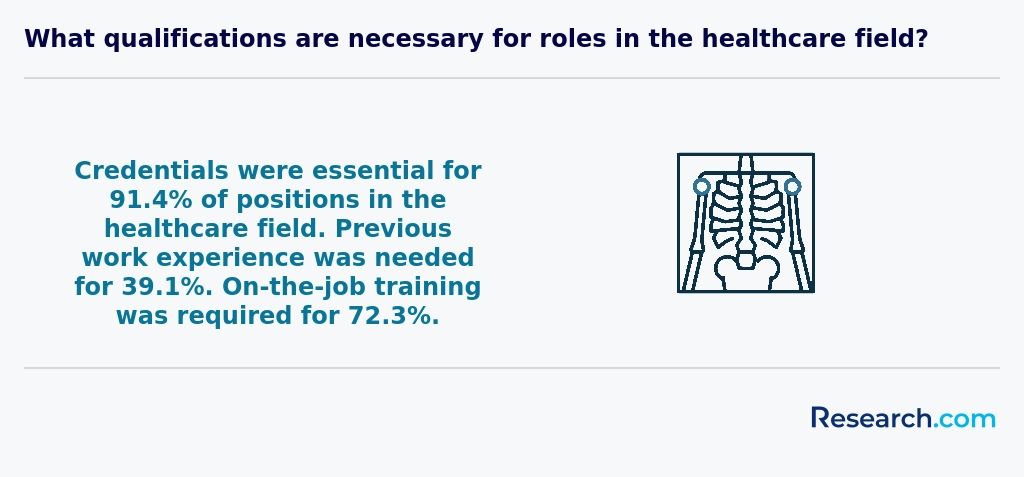
Graduates of healthcare programs in North Dartmouth find diverse career paths tailored to their skills and interests. For example, many who complete nursing degrees at local community colleges move into roles as Registered Nurses, providing essential patient care in hospitals and clinics. These careers offer both job stability and emotional fulfillment, reflecting strong healthcare degree job prospects North Dartmouth offers. Others pursue healthcare management, overseeing hospital operations and improving service delivery. This path is ideal for graduates interested in leadership and administration.
Allied health professions, such as respiratory therapists and medical technologists, are also popular among North Dartmouth graduates. Many students at nearby colleges gain certifications that help them secure specialized roles quickly. Public health careers attract those passionate about community well-being and health education, often working with nonprofit organizations. Additionally, health informatics grows rapidly, blending technology with patient care management.
Students planning their education should consider affordable options, including local programs and partnerships with universities offering degree completion. For more on budgeting your education path, explore cheapest accredited online colleges to find accessible programs that fit your goals.
What is the job market for healthcare degree in North Dartmouth?
The healthcare job opportunities in North Dartmouth are encouraging for graduates with healthcare degrees, particularly as local hospitals like St. Luke's continue to grow. Graduates from popular colleges in North Dartmouth often find roles as registered nurses, healthcare administrators, or medical technologists within months of completing their studies. This strong demand reflects a practical advantage for those willing to capitalize on the expanding healthcare services in the region.
To navigate the North Dartmouth healthcare degree career outlook successfully, students often engage with internships and clinical placements offered by nearby healthcare providers. These real-world experiences increase job readiness and build local professional networks, which many graduates credit for landing competitive positions. Salaries for entry-level healthcare roles, such as nursing, tend to be slightly higher here compared to national averages, easing financial concerns for new professionals starting out.
Given that tuition and fees for healthcare programs in Massachusetts may be higher than average, prospective students should explore options through an affordable healthcare school in massachusetts to minimize debt while maximizing career prospects.
Frequently Asked Questions About healthcare
Healthcare degree students in North Dartmouth can maximize their learning by engaging actively in both classroom and practical experiences. Many local institutions provide clinical placements at nearby hospitals and healthcare centers, which allow students to apply theoretical knowledge in real-world settings. According to data from Massachusetts Department of Higher Education, combining academic study with hands-on practice improves employment readiness by up to 30%.
Students should also take advantage of networking opportunities through local healthcare events or professional organizations like the Massachusetts Health Council. Staying current with healthcare trends and technologies via workshops and seminars in the South Coast region enhances understanding of dynamic healthcare demands.
Utilizing campus resources such as tutoring, study groups, and career services helps address academic challenges and career planning. Finally, maintaining effective time management and seeking mentorship from experienced healthcare professionals in North Dartmouth can provide essential guidance for success in this competitive field.
The healthcare field in North Dartmouth is expanding into several emerging niches that reflect broader national trends. One prominent area is telehealth, which has grown substantially since 2020, offering remote patient care options that reduce the need for in-person visits. According to the Massachusetts Department of Public Health, telehealth services increased by over 50% in the South Coast region, including North Dartmouth.
Another growing specialty is geriatric care, driven by the aging population in Bristol County. Programs focusing on chronic disease management and palliative care are in higher demand. Additionally, healthcare data analytics is becoming vital, with professionals using big data to improve patient outcomes and reduce costs.
Environmental health is also gaining attention, linking public health with climate change impacts. These niches provide promising paths for students pursuing healthcare degrees in North Dartmouth looking to meet future workforce needs.
After earning a healthcare degree in North Dartmouth, preparing for the job market involves multiple strategic steps. Begin by obtaining relevant certifications such as Basic Life Support (BLS) or Advanced Cardiovascular Life Support (ACLS), which are often required by local employers. Networking through local healthcare associations, like the SouthCoast Health Alliance, can provide valuable job leads and mentorship opportunities.
Internships and clinical rotations completed during studies significantly increase employability. According to Massachusetts Executive Office of Labor and Workforce Development, healthcare employment in the SouthCoast region is expected to grow by 10% through 2030, creating numerous opportunities.
Finally, tailoring resumes and practicing interview skills specific to healthcare roles in North Dartmouth is crucial for success.
Employers in North Dartmouth highly value healthcare degree graduates who demonstrate strong communication and critical thinking skills. According to regional healthcare reports, effective communication with patients and multidisciplinary teams is essential for quality care and patient safety. Employers also look for proficiency in clinical knowledge combined with adaptability to new healthcare technologies.
Problem-solving abilities and attention to detail are crucial, as errors can have serious consequences in medical environments. Interpersonal skills, including empathy and cultural competence, are increasingly important due to the diverse population served in the North Dartmouth area.
Data from the Massachusetts Department of Public Health emphasizes that familiarity with electronic health records (EHR) systems significantly improves employment prospects for recent graduates.
Finding internships relevant to a healthcare degree in North Dartmouth involves targeting local hospitals, clinics, and healthcare organizations. Southcoast Health is the largest healthcare provider in the region, offering numerous internship opportunities in nursing, medical technology, and health administration. Engaging with your college's career services is essential, as many schools partner with these providers to facilitate placements.
Networking through local professional associations such as the Massachusetts Public Health Association can also open doors. According to the Massachusetts Department of Higher Education, internships increase employment chances by over 60% for healthcare students.
Start early by researching application deadlines and preparing resumes tailored for healthcare roles to enhance your chances.
Obtaining a healthcare degree in North Dartmouth significantly enhances career mobility and advancement opportunities. The local healthcare sector, supported by institutions like St. Luke's Hospital, has seen a 10% employment growth over the past five years, according to the Massachusetts Department of Labor. This growth creates demand for qualified professionals at various levels, from nursing to healthcare administration.
Graduates with healthcare degrees often qualify for higher-paying roles and leadership positions faster than those without formal education. Additionally, the degree provides essential credentials to meet licensure requirements in Massachusetts, broadening job prospects statewide.
Further, North Dartmouth's proximity to major medical hubs in Boston facilitates networking and continuing education, supporting ongoing career development.
Studying for a healthcare degree in North Dartmouth offers students tailored preparation for interdisciplinary roles. Local programs emphasize collaboration across fields such as nursing, public health, and health administration. This approach mirrors industry trends where teamwork between professionals improves patient outcomes.
North Dartmouth's healthcare education integrates courses that teach communication, ethics, and leadership skills. Students often engage in practical experiences at nearby hospitals and clinics, fostering real-world teamwork. According to Massachusetts Department of Higher Education, healthcare occupations in the region are projected to grow by 15% through 2030, increasing demand for graduates skilled in interdisciplinary settings.
This regional focus equips students to work effectively within diverse healthcare teams, enhancing employability across multiple roles.
When choosing between a thesis and a non-thesis healthcare degree program in North Dartmouth, students should consider their career goals. Thesis programs require original research and a written dissertation, which suits those planning to pursue doctoral studies or research-oriented roles. Non-thesis programs focus more on practical skills, ideal for healthcare professionals aiming for clinical or administrative positions.
In Massachusetts, including North Dartmouth, the healthcare sector is growing rapidly, with a 15% employment increase projected by 2030 according to the Massachusetts Department of Labor. This growth supports diverse opportunities, influencing program choice.
Cost and program length also differ; thesis options often take longer and may require additional funding for research. Non-thesis paths typically are shorter and more affordable.
Consider the support available at local institutions, such as UMass Dartmouth, which offers both formats with resources tailored to students' needs.
Students based in North Dartmouth interested in studying healthcare abroad have several pathways through U.S. higher education frameworks. Many universities partner with international institutions offering exchange or dual-degree programs in fields like nursing, public health, and medical technology.
These programs typically last from a few months to a full academic year, allowing students to gain global experience while earning credits toward their U.S. degrees. Institutions such as the University of Massachusetts Dartmouth support these opportunities through study abroad offices.
Additionally, North Dartmouth students may choose accredited online programs with international clinical placements, combining flexible study with real-world exposure. According to the Institute of International Education, approximately 7.3% of U.S. healthcare students participate in study abroad annually, reflecting growing interest in global health perspectives.
In North Dartmouth, part-time job opportunities that complement healthcare degree education offer practical experience and valuable skills. Positions such as medical assistants, pharmacy technicians, and patient care aides are commonly available. These roles provide hands-on exposure to clinical settings, improving both technical abilities and patient interaction skills.
Local healthcare facilities, including nursing homes and outpatient clinics, often seek part-time staff, supporting students who balance study and work. According to the Massachusetts Department of Labor, healthcare support occupations in Bristol County, where North Dartmouth is located, are projected to grow by 15% through 2030, reflecting increasing demand for trained personnel.
Students working in these roles gain insights into healthcare operations, which can enhance resumes and improve job prospects after graduation. Additionally, jobs like medical billing or administrative assistant provide office experience relevant to healthcare management degrees.
Healthcare students in North Dartmouth benefit from several strong networking opportunities that help build professional connections early in their careers. Local colleges often host events where students can meet healthcare professionals working in nearby hospitals and clinics.
Additionally, North Dartmouth is close to major healthcare facilities such as St. Luke's Hospital and the Charlton Memorial Medical Center. These institutions frequently offer internships and volunteer programs that enable students to gain hands-on experience and expand their networks.
Professional organizations like the Massachusetts Health Council provide regional events and workshops that students can attend. According to recent reports, over 60% of healthcare students in the area participate in such networking activities, which improves job placement rates.
Alumni networks provide valuable support for healthcare degree students in North Dartmouth by offering direct connections to experienced professionals. These networks often facilitate mentorship opportunities that enhance learning beyond the classroom. With healthcare expanding rapidly in Massachusetts, alumni can help students navigate clinical placements and job markets more effectively.
Members of alumni groups regularly share job openings and internships specific to local hospitals and clinics, which increases employability for new graduates. According to the Massachusetts Department of Public Health, healthcare employment in the region is projected to grow by over 15% through 2030, making networking crucial.
Additionally, alumni often host workshops and webinars tailored to evolving healthcare practices, ensuring current students stay informed on industry trends. This ongoing engagement helps students build professional skills and confidence before entering the workforce.
Customizing a healthcare degree program in North Dartmouth allows students to align their education with specific career goals. Many local colleges and universities offer flexible curricula where students can choose electives or specializations in areas like nursing, public health, or health administration.
In addition to coursework, practical experiences such as internships or clinical rotations in nearby hospitals, including Southcoast Health facilities, provide hands-on learning tailored to student interests. According to the Massachusetts Department of Higher Education, programs with customizable tracks often lead to higher employment rates.
Advisors typically assist students in mapping out a personalized study plan that balances required credits with relevant electives. Online and hybrid course options available through regional schools increase accessibility and allow students to balance work or family commitments with their studies.
Healthcare students in North Dartmouth often face a range of challenges throughout their education. One significant difficulty is managing the rigorous coursework and clinical training simultaneously. Healthcare programs typically demand high levels of practical skills and theoretical knowledge, which can be stressful. According to data from the Massachusetts Department of Higher Education, students report that balancing clinical hours with study time is a major obstacle.
Financial strain is another common issue. While some students qualify for scholarships or federal aid, many still struggle with tuition costs and living expenses in the North Dartmouth area. The cost of additional certifications and licensing exams also adds to the financial burden.
Moreover, healthcare students must adapt to the fast-evolving medical technologies and protocols. Keeping up-to-date with these changes while completing degree requirements can be demanding. Lastly, competition for limited internship placements in nearby hospitals like St. Luke's Hospital intensifies pressure on students to excel academically and clinically.
With a healthcare degree, you can pursue several professional certifications that enhance your qualifications and career prospects. Common certifications include Certified Nursing Assistant (CNA), Registered Nurse (RN), and Licensed Practical Nurse (LPN). For those interested in administrative roles, the Certified Medical Manager (CMM) is valuable.
Advanced certifications such as Certified Health Education Specialist (CHES) or Certified Clinical Medical Assistant (CCMA) are also popular. These credentials often require passing an exam and completing continuing education.
In North Dartmouth, healthcare professionals with certifications tend to earn higher salaries and see better job stability, according to the Massachusetts Department of Labor. Certification can also improve chances of promotion in local hospitals and clinics.
Writing a winning application for a healthcare program in North Dartmouth requires clear focus and preparation. Begin by researching the specific program's requirements, as many local schools, including programs affiliated with the University of Massachusetts Dartmouth, emphasize academic performance in science and math courses. Strong letters of recommendation from healthcare professionals or educators can significantly strengthen your application.
Highlight any relevant experience, such as volunteering at local hospitals like St. Luke's Hospital, or internships, which demonstrate your commitment to the healthcare field. North Dartmouth applicants should also pay attention to the personal statement, ensuring it clearly communicates their motivation and understanding of healthcare challenges.
According to the Massachusetts Department of Higher Education, healthcare-related enrollment in the region has grown 8% in recent years, increasing competition for spots. Meeting deadlines and preserving authenticity in your application are essential to stand out.
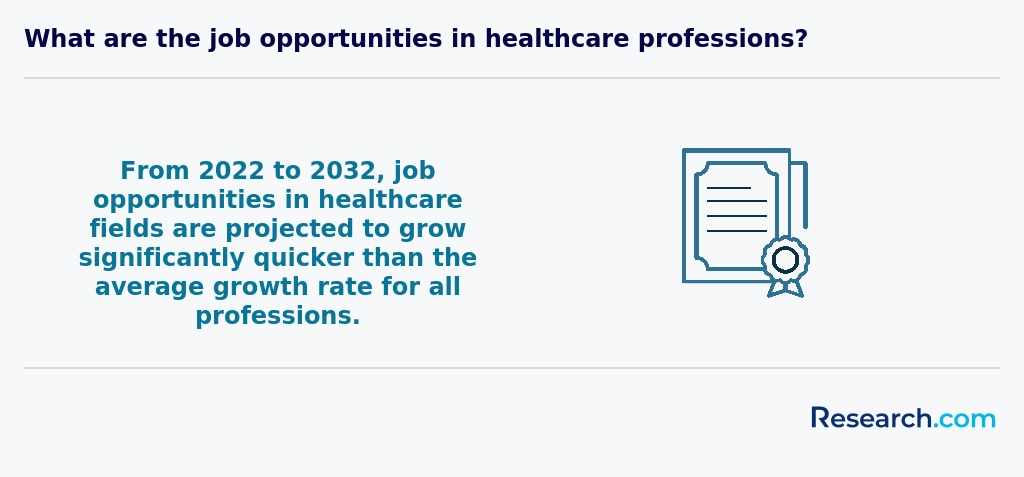
Globally, healthcare careers continue to grow in demand due to aging populations and advancements in medical technology. In the United States, including North Dartmouth, healthcare professions rank among the fastest-growing job sectors. According to the U.S. Bureau of Labor Statistics, healthcare occupations are expected to grow 13% from 2021 to 2031, faster than the average for all occupations.
Internationally, healthcare roles often require specialized education and licensing that vary by country. For North Dartmouth students, understanding these differences is important when considering careers abroad or working with diverse populations.
The global perspective also highlights the importance of public health initiatives and healthcare equity, areas increasingly emphasized in U.S. degree programs. This reflects a broader shift toward preventative care and wellness.
Gaining practical experience while pursuing a healthcare degree in North Dartmouth is crucial for career readiness. Many local colleges and universities partner with nearby hospitals, clinics, and community health centers to offer internships and clinical rotations. These opportunities allow students to apply classroom knowledge in real-world settings under professional supervision.
According to data from the Massachusetts Department of Higher Education, clinical placements in Southeastern Massachusetts health facilities increase student employment prospects substantially. Additionally, volunteering at healthcare organizations in North Dartmouth can enhance hands-on skills and professional networking.
Some programs also include simulation labs to develop critical skills before patient interaction, ensuring students are well-prepared for clinical duties.
Choosing the right concentration within a healthcare degree program in North Dartmouth begins with understanding local industry demands and your personal interests. Healthcare in Massachusetts, including North Dartmouth, increasingly emphasizes specialized skills due to growing sectors like elder care and outpatient services, as noted by the Massachusetts Executive Office of Labor and Workforce Development.
Students should research concentrations aligned with high job growth, such as nursing, health informatics, or public health, which are projected to expand by over 15% statewide through 2030. Consider your strengths and career goals, whether clinical practice, administration, or technology-driven roles. Additionally, speaking with local healthcare employers or academic advisors can clarify practical opportunities tied to specific concentrations.
Accredited programs certified by organizations like CAHME or CCNE ensure quality education relevant to North Dartmouth's healthcare environment. Finally, review program curricula to confirm they cover skills in demand locally, preparing you for current and future workforce needs.
Related Healthcare Rankings for Nearby Cities
- 2027 Best Healthcare Degree Programs Ranking in Providence
- 2027 Best Healthcare Degree Programs Ranking in New Haven
- 2027 Best Healthcare Degree Programs Ranking in Albany
- 2027 Best Healthcare Degree Programs Ranking in Bronx
- 2027 Best Healthcare Degree Programs Ranking in Queens
- 2027 Best Healthcare Degree Programs Ranking in Brooklyn
- 2027 Best Healthcare Degree Programs Ranking in New York
- 2027 Best Healthcare Degree Programs Ranking in Jersey City
- 2027 Best Healthcare Degree Programs Ranking in Scranton
- 2027 Best Healthcare Degree Programs Ranking in Philadelphia
Top Trending Healthcare Rankings
See What Experts Have To Say About Studying Healthcare
Read our interview with Healthcare experts

References
- What are the top 10 skills that'll get you a job when you graduate? https://targetjobs.co.uk/careers-advice/skills-for-getting-a-job/what-are-top-10-skills-thatll-get-you-job-when-you-graduate
- The 2026 Job Market Survival Toolkit https://dartmouthalumnimagazine.com/articles/2026-job-market-survival-toolkit
- The Healthcare Student’s Guide to Internships | EduMed.org https://www.edumed.org/resources/student-online-guide-to-internships/
- Massachusetts Hospital Jobs Total Jobs | + New https://www.liquidcompass.com/institutions/umass-dartmouth
- Master of Health Administration | Dartmouth College | Hanover, New Hampshire https://mha.dartmouth.edu/
- Explore Healthcare Admin Degree Concentrations https://www.baypath.edu/news/bay-path-university-blogs/post/explore-healthcare-admin-degree-concentrations/
- Global Health Perspectives https://www.denvercollegeofnursing.edu/students/global-health-perspectives.html
- Top 3 Reasons to Consider a Career in Healthcare - Roseman University https://www.roseman.edu/student-experience/news/top-3-reasons-to-consider-a-career-in-healthcare/
- Getting medical work experience https://www.bma.org.uk/advice-and-support/studying-medicine/becoming-a-doctor/getting-medical-work-experience
- Select Board Meeting Recap: March 30, 2026 http://www.dartmouthma.gov/m/newsflash/Home/Detail/697


