2027 Most Valuable Online Master's in Healthcare Management Degree Programs Ranking in Wisconsin

Co-Founder and Chief Data Scientist
Choosing the right online master's program in healthcare management can be overwhelming, especially with so many options available. This article presents the 2027 Most Valuable Online Master's in Healthcare Management Degree Programs Ranking in Wisconsin, developed by the Research.com team of data scientists. It's designed to help Wisconsin students make well-informed decisions about which programs truly stand out.
By exploring these rankings, you'll discover programs that offer excellent value, quality education, and flexible learning paths. Pursuing a healthcare management degree can open doors to rewarding career opportunities and meaningful impact in the healthcare industry.
Key benefits of getting online healthcare management degree in Wisconsin
- Healthcare management graduates in Wisconsin often enter roles like medical and health services managers, with a median annual wage of approximately $104,280 nationally, offering attractive financial stability.
- A graduate from the University of Wisconsin-Madison can pursue diverse careers including hospital administration, healthcare consulting, or health information management, showcasing flexible and rewarding career paths.
- Completing a healthcare management degree online from institutions like UW Milwaukee allows students to balance work and study efficiently while accessing the same quality education as traditional programs.
- 2027 Most Valuable Online Master's in Healthcare Management Degree Programs Ranking in Wisconsin
- What can I expect from online healthcare management degree in Wisconsin?
- Where can I work with online healthcare management degree in Wisconsin?
What can I expect from online healthcare management degree in Wisconsin?
The average cost of an online healthcare management degree in Wisconsin typically ranges between $15,000 and $30,000, making it an accessible and worthwhile investment for students aiming to elevate their careers. Many graduates from well-known institutions like the University of Wisconsin and Marquette University recall how the balance of affordability and quality education allowed them to focus on gaining vital skills without overwhelming financial stress.
These programs often offer flexible payment plans and financial aid options tailored to working professionals juggling jobs and families. Imagine completing a course on healthcare policy from the comfort of your home, knowing that the cost fits within your budget and doesn't compromise the excellence of your education.
Graduates celebrate how this investment unlocked opportunities in leadership roles across Wisconsin's vibrant healthcare sector, proving that an online degree can deliver real-world impact without the burden of excessive debt. It's a pathway designed to empower you while honoring your unique life circumstances.
Where can I work with online healthcare management degree in Wisconsin?
Graduates with an online healthcare management degree from well-known Wisconsin institutions often find themselves thriving in a variety of rewarding career paths. Many have stepped confidently into leadership roles at major hospitals like Aurora Health Care, where managing operations and improving patient care bring daily fulfillment. Others have embraced the dynamic pace of outpatient clinics, coordinating teams and streamlining services to make a real difference in community health.
Long-term care facilities and nursing homes across Wisconsin offer meaningful opportunities for graduates passionate about elevating quality of life for residents. Handling regulatory compliance and staff management here helps them create environments of trust and care. Health insurance companies also value these graduates, who navigate complex policies and claims to protect patient interests and enhance service efficiency.
Public health agencies present exciting avenues for alumni eager to promote statewide wellness initiatives, shaping policies that benefit diverse populations. Students from popular programs in Wisconsin often share inspiring stories of how their education empowered them to lead confidently, contribute to healthier communities, and build fulfilling careers full of purpose.
Graduates with an online healthcare management degree in Wisconsin can anticipate rewarding salary opportunities that reflect the growing demand in the state's healthcare sector. Many new graduates from institutions like the University of Wisconsin's online programs begin their careers with salaries between $65,000 and $75,000, a competitive starting point that aligns well with regional trends.
As these professionals gain experience, their earnings often grow substantially. Seasoned healthcare managers and directors, especially those working in bustling metro areas such as Milwaukee or Madison, can see annual salaries surpassing $120,000. This financial growth mirrors the increasing responsibilities they take on, from leading healthcare teams to managing complex facility operations.
Graduates express enthusiasm about how their advanced degrees empower them to step confidently into leadership roles that offer both challenge and strong compensation. The dynamic healthcare environment in Wisconsin provides ample room to grow, thrive, and positively impact patient care outcomes while enjoying a stable and lucrative career path.
- Online healthcare management degrees in Wisconsin generally require 30 to 45 credit hours and can be completed within two years.
- Tuition costs range from $600 to $900 per credit hour, with total expenses between $18,000 and $40,500 depending on the institution.
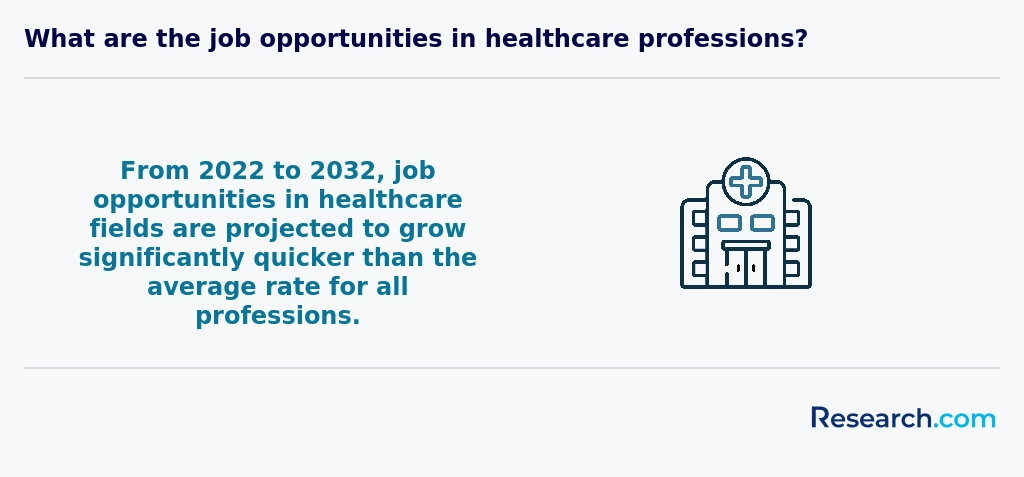
- The healthcare management job market in Wisconsin is expected to grow by 9% over the next decade.
- Entry-level salaries typically range from $55,000 to $70,000, increasing to $80,000 to $110,000 with experience.
- Programs cover healthcare policy, finance, leadership, and informatics, preparing graduates for roles like hospital administrator or clinical manager.
- Accreditation by agencies such as CAHME is important to ensure program quality and credit transferability.
Completing an online healthcare management degree in Wisconsin is an achievable and rewarding journey that fits your lifestyle. Most students earn a bachelor's degree in three to four years when studying full-time, like many who attend schools in the University of Wisconsin system. Graduates often share how balancing work and study became manageable - especially with online classes designed to fit busy schedules.
For those pursuing a master's degree, full-time students usually finish within 18 to 24 months. Many working professionals in Wisconsin appreciate part-time options that extend up to three or four years, providing flexibility without pausing their careers. This approach reflects the experience of graduates from accredited Wisconsin colleges who advanced confidently while continuing to contribute to their healthcare workplaces.
With options for accelerated paths and opportunities to transfer credits, these programs empower you to tailor your pace. Imagine yourself growing your expertise steadily, supported by schools that understand Wisconsin's unique healthcare community and your personal commitments.
Learning healthcare management in Wisconsin offers exciting choices between flexible online and dynamic on-campus programs, each designed to enrich your career journey. Graduates from the University of Wisconsin's online programs often share how the ability to study asynchronously fits perfectly with their busy lives-balancing work, family, and education without missing a beat. They appreciate logging in whenever convenient, accessing recorded lectures, and engaging through virtual platforms that foster collaboration across the state.
Meanwhile, students attending on-campus programs at colleges like Marquette University experience the vibrant energy of face-to-face interactions. They thrive in lively discussions, hands-on practicum opportunities at local hospitals, and building lasting professional networks that fuel their passion for healthcare leadership.
Both paths in Wisconsin uphold rigorous academic standards and lead to accredited degrees, empowering you to confidently step into the healthcare field. Whether you value adaptability or immersive campus life, Wisconsin's programs support your dreams with strong curriculum, meaningful experiences, and a community of motivated peers.
The average cost of an online healthcare management degree in Wisconsin offers an exciting opportunity for many aspiring professionals. Graduates from public universities across the state often find the financial investment manageable, with total tuition and fees typically around $31,857. This figure reflects a balance between quality and affordability, especially at institutions like those in the University of Wisconsin system, where many students benefit from in-state tuition rates and smaller class sizes. These graduates share that the cost aligns well with the value they receive in terms of specialized instruction and flexible online schedules.
For those exploring private colleges in Wisconsin, the investment may be higher, but many students view it as worthwhile for the personalized attention and network-building opportunities. Additional fees, including technology and registration costs, can slightly raise the total expense, but financial aid options, scholarships, and employer tuition reimbursement frequently ease this burden, encouraging motivated learners to pursue their dreams without being held back by financial uncertainties.
Understanding the average cost of online healthcare management degree in Wisconsin is essential, but so is recognizing the substantial return on that investment. Many graduates feel empowered stepping into leadership roles, knowing their education prepared them well. Students curious about courses in a healthcare administration program report that the blend of theory and practical skills enhances their confidence to succeed in healthcare settings statewide and beyond.
Many students pursuing online healthcare management degrees in Wisconsin find financial support that makes their ambitions achievable and affordable. Graduates from schools like the University of Wisconsin-Madison recall how federal aid through FAFSA opened doors with Pell Grants and low-interest loans, easing their financial burden as they balanced work and studies. These federal programs provide essential funding that doesn't have to be paid back, fostering confidence and focus on learning.
Wisconsin residents benefit from state-specific grants and scholarships via the Higher Educational Aids Board, designed to empower those committed to enhancing healthcare in the state. Online programs at institutions such as Marquette University offer scholarships and assistantships, rewarding dedication with tuition relief or stipends that helped students stay motivated during demanding courses.
Many healthcare professionals working in Wisconsin also share inspiring stories of employer tuition reimbursement, turning workplace support into a powerful motivator to excel. Professional organizations bolster dreams further by offering competitive scholarships, connecting students with a community committed to leadership and growth in healthcare management.
To embark on your journey toward an online healthcare management degree in Wisconsin, you'll find the prerequisites thoughtfully designed to set you up for success. Most programs welcome applicants who hold a high school diploma or GED for bachelor's level entry, while master's degree seekers typically present a bachelor's degree with a solid academic record, often around a 3.0 GPA. Imagine the sense of achievement shared by many graduates from Wisconsin's top universities who embraced these requirements and progressed confidently.
Many online programs from institutions like the University of Wisconsin emphasize relevant coursework such as introductory biology, statistics, and healthcare systems. These foundational classes prepare you to lead with clarity and insight in complex healthcare settings.
Experienced professionals also find their backgrounds valued, with some programs welcoming two or more years of healthcare work experience-a testament to Wisconsin's focus on practical leadership skills. Past graduates often recall how submitting strong recommendation letters and personal statements helped showcase their passion and dedication, opening doors to rewarding careers.
Online healthcare management degrees in Wisconsin include courses designed to empower students with the skills needed to lead confidently in the fast-evolving healthcare sector. Graduates from popular Wisconsin universities often recall how foundational classes like Healthcare Administration and Leadership equipped them to tackle real-world challenges in hospital settings, inspiring trust among teams and patients alike.
Students engage deeply with Health Law and Policy, gaining a clear understanding of regulations that protect patient rights and ensure compliance, vital for navigating Wisconsin's complex healthcare landscape. Courses such as Healthcare Finance and Economics open doors to mastering budgeting and financial strategies, directly impacting how healthcare services thrive sustainably.
Many also find Healthcare Information Systems essential, learning to manage electronic health records and data analytics that boost operational efficiency. Elective topics like Quality Improvement and Risk Management allow learners to create safer, patient-centered environments-skills celebrated by alumni now advancing public health initiatives across Wisconsin.
Wisconsin's online healthcare management degree programs inspire students by offering a range of impactful specializations that truly align with the state's dynamic healthcare landscape. Graduates from respected institutions often share how focusing on areas like Healthcare Administration empowers them to confidently lead hospitals and clinics, mastering budgeting and strategic planning vital for real-world success. For those drawn to innovation, specializing in Health Informatics opens doors to managing sophisticated electronic health records and data systems, echoing the fast-growing digital transformation in Wisconsin's healthcare.
Other students find their passion in Public Health Management, where they actively impact community health initiatives and policy development, preparing to influence vital programs in government or nonprofits. The Quality Improvement and Patient Safety track encourages a commitment to elevating patient care standards, a mission deeply valued across Wisconsin's healthcare facilities. Whether driven by these diverse focus areas or looking for an accelerated executive masters of health administration online, Wisconsin's online healthcare management specializations Wisconsin offer tailored paths that energize and prepare students for rewarding careers.
Choosing the best online healthcare management degree Wisconsin offers means focusing on what will empower your unique career goals and lifestyle. Graduates from popular universities in Wisconsin often share how accreditation, such as from the Higher Learning Commission, gave them confidence that their education truly prepared them for leadership in healthcare. Many highlight programs with strong curricula covering healthcare policy, finance, and ethics, especially those aligned with certifications like CHE or FACHE, as key to feeling ready and inspired.
Affordability also plays a vital role-several affordable healthcare management programs Wisconsin have competitive tuition rates, with some providing flat fees for both in-state and out-of-state students, making quality education accessible without financial stress. Flexible online courses allow working professionals to balance studies and life effortlessly, mirroring the positive experiences of those balancing work and family commitments.
When you envision your future, consider how programs connected to Wisconsin's healthcare industry can open doors. Local alumni often emphasize the advantage of strong networks and career services that helped jumpstart their journey. Exploring options thoughtfully leads you closer to exciting opportunities in healthcare management mba careers, ensuring your education is not just a degree but a powerful step forward.

Graduates of online healthcare management degrees in Wisconsin find themselves equipped for a range of fulfilling career paths. Many step into hospital administration roles, where they oversee departments, manage resources, and contribute directly to patient care efficiency. Others thrive as long-term care managers, driven by the compassion and expertise needed to support Wisconsin's aging communities in nursing homes or rehabilitation centers. Graduates from universities like the University of Wisconsin and Marquette University often share how their education made complex healthcare systems feel manageable and exciting to improve.
The growing field of health information management also beckons, offering opportunities to lead advancements in digital records and security. Public health administration careers engage those passionate about community wellbeing, shaping programs that improve lives statewide. Additionally, insurance-focused positions allow graduates to blend business savvy with healthcare expertise, improving service delivery across policies and claims.
Pursuing online healthcare management careers Wisconsin students have praised as empowering and practical, aligns with positive trends in healthcare jobs. For those wondering if this path suits them, exploring why is a master's in healthcare administration a good career can offer inspiring insights.
The job market for graduates with an online healthcare management degree in Wisconsin is vibrant and full of opportunity. Graduates from well-regarded programs at universities like the University of Wisconsin and Marquette University often find rewarding roles in healthcare administration that allow them to impact patient care and operational efficiency. These professionals step into careers as healthcare administrators, health services managers, and clinical managers within major health systems such as Aurora Health Care and UW Health, which are actively seeking skilled leaders.
Many students pursuing online healthcare management jobs Wisconsin appreciate the flexibility of online study combined with strong professional connections in the state's healthcare sector. Graduates report feeling confident stepping into positions that offer both meaningful work and competitive wages near $102,000 annually, which encourages a positive outlook on career growth.
With a focus on developing skills in healthcare policy, finance, and leadership, students completing degrees here are well-prepared to meet the needs of Wisconsin's expanding healthcare services. For those considering advanced degrees, exploring a dha program online can further elevate career possibilities.
Wisconsin healthcare management career outlook remains strong, fueled by an aging population and the state's large healthcare infrastructure, making this an inspiring path for driven students ready to lead change.
2027 Most Valuable Online Master's in Healthcare Management Degree Programs Ranking in Wisconsin
Investing in your education is a significant decision that can shape your future, and the Research.com team understands the importance of making informed choices. To assist prospective students in Wisconsin, we have meticulously crafted the "2027 Most Valuable Online Master's in Healthcare Management Degree Programs Ranking in Wisconsin." Our commitment to quality, credibility, and accuracy is reflected in the extensive research and analysis conducted to compile this ranking.
We utilized the following reputable data sources to ensure a comprehensive evaluation of healthcare management programs:
By exploring this ranking, readers will gain valuable insights into the most valuable online master's programs in healthcare management available in Wisconsin, empowering them to make well-informed decisions about their educational pathways. For more details on our methodology, please visit our Research.com methodology page.

# 2 position
Herzing University Online
Master of Business Administration, Healthcare Management


Frequently Asked Questions About healthcare management
Online healthcare management degree students in Wisconsin can maximize their learning by actively engaging with their coursework and peers through virtual discussions and group projects. Taking advantage of Wisconsin's health sector resources, such as the Wisconsin Hospital Association, can provide practical insights and networking opportunities. Students should also seek internships or part-time roles in local healthcare settings to gain real-world experience alongside their studies.
Utilizing academic advising and career services offered by their institutions can help students tailor their education to meet industry demands. Strong time management and disciplined study habits are crucial for success in online programs, which often require balancing work and family commitments. According to the Wisconsin Department of Workforce Development, healthcare administration roles in Wisconsin are projected to grow 12% from 2020 to 2030, highlighting the importance of staying current with industry trends and continuing education.
Emerging niches in healthcare management are reshaping career opportunities, especially for students in Wisconsin pursuing online degrees. One growing area is healthcare data analytics, where managers analyze patient and operational data to improve care efficiency. According to the Wisconsin Department of Health Services, demand for professionals skilled in data-driven decision-making is rising due to expanding electronic health records use.
Another niche is telehealth management, accelerated by the COVID-19 pandemic. Wisconsin healthcare systems increasingly rely on telemedicine platforms, creating a need for managers who understand virtual care policies and technology integration.
Additionally, population health management is expanding. This field focuses on improving health outcomes for specific groups, requiring expertise in community engagement and chronic disease management, which are critical for Wisconsin's diverse populations.
After completing an online healthcare management degree in Wisconsin, it is essential to build a competitive profile for the job market. Start by gaining practical experience through internships or volunteer opportunities with local hospitals and healthcare organizations. Wisconsin's healthcare sector employs over 250,000 workers, with steady demand for skilled managers, according to the Wisconsin Department of Workforce Development.
Networking plays a crucial role; joining professional groups like the American College of Healthcare Executives' Wisconsin chapter can provide valuable connections. Additionally, obtaining certifications such as Certified Healthcare Manager (CHM) may enhance job prospects.
Finally, tailor your resume to highlight leadership, communication, and analytical skills sought in Wisconsin healthcare facilities.
Employers in Wisconsin prioritize strong leadership and communication skills for healthcare management graduates. These professionals must navigate complex healthcare regulations and guide diverse teams effectively. Analytical skills are also essential, as managing budgets and improving operational efficiency are critical tasks.
Familiarity with healthcare laws and technology is increasingly important. Wisconsin's healthcare sector, valued at over $30 billion annually, demands managers who understand electronic health records and data privacy standards, according to the Wisconsin Department of Health Services.
Adaptability and problem-solving abilities further distinguish candidates. Graduates who combine technical knowledge with interpersonal skills tend to succeed in Wisconsin's evolving healthcare environment.
Finding internships in Wisconsin for healthcare management students involves leveraging local healthcare networks and educational resources. Many universities offering online healthcare management degrees maintain partnerships with Wisconsin hospitals and health systems, such as UW Health and Aurora Health Care, providing internship opportunities tailored to students.
Students should explore state-specific resources like the Wisconsin Hospital Association Foundation, which supports healthcare workforce development and often posts internship openings. Additionally, platforms like Handshake and the Wisconsin Healthcare Careers website list internships relevant to healthcare administration.
Networking through professional organizations such as the American College of Healthcare Executives (ACHE) Wisconsin chapter can also connect students with internship leads. Wisconsin's growing healthcare sector, employing over 250,000 people, offers varied opportunities for practical experience critical to advanced study and career growth.
An online healthcare management degree can significantly enhance career mobility and advancement opportunities in Wisconsin's healthcare sector. Wisconsin's healthcare industry is projected to grow 9% from 2020 to 2030, faster than the average for all occupations, according to the U.S. Bureau of Labor Statistics. Earning a specialized degree online allows working professionals to gain leadership skills and knowledge without interrupting their current careers.
Such degrees often focus on healthcare laws, ethics, finance, and administration, which are highly valued by Wisconsin employers. Graduates are well-positioned for roles like healthcare administrator, clinic manager, or health information director, where advanced education is often a prerequisite.
Online programs also provide networking possibilities with peers and faculty familiar with Wisconsin's healthcare market, supporting local career growth.
Studying for a healthcare management degree in Wisconsin equips students with skills to excel in interdisciplinary roles by blending business, healthcare, and technology knowledge. Programs emphasize collaboration across diverse healthcare settings, including hospitals, public health agencies, and insurance companies. Wisconsin's healthcare sector employed over 300,000 professionals in 2023, highlighting the need for leaders who understand multiple disciplines (Wisconsin Department of Workforce Development).
Curricula often feature courses on healthcare policy, finance, and ethics alongside data analytics and leadership strategies. This approach prepares graduates to coordinate teams involving clinicians, administrators, and IT specialists effectively. Many online programs leverage case studies of Wisconsin-based healthcare systems, ensuring practical, region-specific training.
Furthermore, partnerships with local health organizations foster real-world exposure, promoting a comprehensive understanding of challenges and innovations in healthcare delivery statewide.
When choosing between a thesis and a non-thesis healthcare management degree program in Wisconsin, consider your career goals and learning style. A thesis program often suits students interested in research or pursuing a future PhD. It requires conducting original research and writing a formal document, which can develop strong analytical skills.
Non-thesis programs typically focus on practical skills and coursework, which may appeal to professionals targeting immediate leadership roles in healthcare organizations. According to the Wisconsin Department of Workforce Development, healthcare managers in the state earn a median annual wage of about $109,000, reflecting strong demand for applied skills.
Also, thesis programs usually take longer to complete. Evaluate time commitment and flexibility, especially if working while studying.
Students in Wisconsin interested in studying healthcare management abroad through online programs have several options. Many U.S.-based universities offer partnerships with international institutions, allowing students to gain global perspectives while completing degrees remotely. Although Wisconsin schools primarily focus on domestic curriculum, online programs often include global case studies and healthcare systems comparisons.
Programs accredited by CAHME (Commission on Accreditation of Healthcare Management Education) ensure quality and recognition across borders. Wisconsin's aging population, which reached 17% aged 65+ in 2022 (U.S. Census Bureau), increases demand for globally aware healthcare leaders.
Exploring virtual internships or international healthcare management seminars can also enhance a student's global experience without relocating.
Part-time job opportunities in Wisconsin that complement healthcare management degree education often include roles in healthcare administration, medical billing, and patient services. Positions such as medical office assistant or health information technician provide practical experience managing healthcare operations and data. According to the Wisconsin Department of Workforce Development, jobs in healthcare support occupations are projected to grow 10.7% from 2020 to 2030, reflecting increasing demand.
Additionally, roles like pharmacy technician or community health worker can offer valuable insights into patient care and healthcare system processes. These positions help students apply theoretical knowledge from their online degree programs in real-world settings while balancing coursework.
Online healthcare management students in Wisconsin have several networking opportunities despite studying remotely. Many universities offering these programs connect students with local healthcare organizations through virtual events and internships. For example, the Wisconsin Hospital Association hosts regular webinars and conferences that students can attend to engage with industry professionals. Additionally, students can join regional chapters of professional groups like the American College of Healthcare Executives (ACHE), which offers networking events and mentorship programs specifically for Wisconsin healthcare administrators. According to the Wisconsin Department of Workforce Development, healthcare management is among the fastest-growing fields locally, making these connections valuable for career advancement.
Alumni networks offer significant advantages to online healthcare management degree students in Wisconsin. These networks provide valuable professional connections, which are crucial in a competitive job market. Graduates can access job leads, mentorship, and industry insights through established alumni. According to the Wisconsin Healthcare Association, about 60% of healthcare managers find new roles via networking.
For online students, these networks help bridge geographical gaps by connecting peers and professionals statewide. Alumni groups often organize virtual events, webinars, and discussion forums that promote career growth and continued education.
Additionally, strong alumni engagement can improve access to internships and leadership opportunities at Wisconsin's numerous healthcare facilities, enhancing practical experience during and after the degree.
Customizing your online healthcare management degree in Wisconsin allows you to align your education with specific career goals. Many programs offer elective courses in areas such as healthcare finance, policy, informatics, or leadership. This flexibility helps students focus on skills that match the demands of Wisconsin's healthcare industry.
Some universities also offer certificate options or specialized tracks within their programs. For example, a focus on rural healthcare management can be particularly valuable given Wisconsin's demographic and healthcare needs, according to data from the Wisconsin Department of Health Services.
Additionally, practical experiences such as internships or capstone projects can be tailored to local organizations, enhancing job readiness and networking opportunities within the state.
Online healthcare management students in Wisconsin often face challenges related to balancing work, study, and personal responsibilities. Many students are working professionals in healthcare settings, making time management essential but difficult. Limited in-person interaction can affect networking opportunities, which are vital in the healthcare industry for career advancement.
Technical issues can also present obstacles, especially for students less familiar with online learning platforms. Wisconsin's rural areas may have inconsistent internet access, impacting students' ability to attend live sessions or submit assignments on time.
Accreditation and program quality vary, so students must carefully choose programs recognized by relevant bodies like CAHME to ensure their degree holds value in the job market.
With an online healthcare management degree in Wisconsin, graduates can pursue several recognized professional certifications enhancing career opportunities. One popular option is the Certified Healthcare Administrative Professional (cHAP), which focuses on administrative skills in healthcare settings. Another valuable credential is the Fellow of the American College of Healthcare Executives (FACHE), which offers leadership recognition nationwide.
The Certified Professional in Healthcare Quality (CPHQ) is also relevant, especially as healthcare quality improvement grows across Wisconsin's medical centers. According to the Wisconsin Department of Health Services, demand for qualified healthcare managers increased 12% between 2020 and 2023, highlighting the value of certification.
These certifications often require passing an exam and relevant work experience, which complements an online degree and supports advancement within Wisconsin's healthcare industry.
To write a winning application for an online healthcare management program in Wisconsin, start by carefully reviewing the specific admission requirements of each school. Emphasize your relevant professional experience, as Wisconsin's healthcare sector is growing rapidly, with employment in healthcare management expected to increase by 15% through 2030 according to the Bureau of Labor Statistics.
Highlight academic achievements, particularly courses related to healthcare, business, or administration. Strong letters of recommendation from healthcare professionals can reinforce your candidacy. Additionally, craft a clear, concise personal statement that explains your career goals and why you want to study healthcare management online in Wisconsin, showing awareness of local healthcare challenges. Finally, ensure all application materials are error-free and submitted on time.
Healthcare management careers are increasingly recognized worldwide as vital in improving healthcare systems. In the United States, including Wisconsin, graduates with healthcare management degrees are in growing demand due to the complexity of healthcare laws, technology, and patient care trends.
Globally, demand for healthcare managers is driven by aging populations and advances in medical technology. The U.S. Bureau of Labor Statistics projects a 32% growth in medical and health services manager jobs from 2020 to 2030, reflecting strong opportunities for graduates, including those in Wisconsin.
Wisconsin hospitals and healthcare systems emphasize leadership roles requiring knowledge in policy, finance, and operations. According to the Wisconsin Hospital Association, effective management directly influences patient outcomes and organizational efficiency.
This global perspective highlights that pursuing an online healthcare management degree in Wisconsin equips students with skills that are valuable both domestically and internationally, as healthcare organizations strive for improved management and innovation.
While pursuing an online healthcare management degree in Wisconsin, gaining practical experience is essential to complement theoretical knowledge. Many programs encourage or require internships at local healthcare facilities, insurance companies, or public health organizations. Wisconsin's expanding healthcare sector, which employs over 160,000 people, offers diverse opportunities for hands-on learning (Wisconsin Department of Workforce Development, 2023).
Students can seek virtual internships or project collaborations with organizations such as Froedtert Health or Aurora Health Care. Additionally, volunteering in healthcare settings or participating in case study competitions can build management skills. These practical experiences enhance resumes and improve job prospects upon graduation.
Choosing the right concentration within an online healthcare management degree in Wisconsin depends on your career goals and the local healthcare market. Wisconsin's healthcare sector employs over 370,000 people, making management roles in hospitals and public health organizations popular options, according to the Wisconsin Department of Health Services.
Concentrations like healthcare informatics, policy, or finance offer pathways to growing fields. For example, healthcare informatics is expanding as providers focus more on electronic health records. Meanwhile, healthcare policy aligns with Wisconsin's robust public health initiatives.
Consider your strengths and interests, plus job demand. The U.S. Bureau of Labor Statistics projects a 32% national growth in medical and health services management jobs through 2030, supporting long-term opportunities.
- 2027 Most Valuable Online Master's in Healthcare Management Degree Programs Ranking in Minnesota
- 2027 Most Valuable Online Master's in Healthcare Management Degree Programs Ranking in Illinois
- 2027 Most Valuable Online Master's in Healthcare Management Degree Programs Ranking in Michigan
- 2027 Most Valuable Online Master's in Healthcare Management Degree Programs Ranking in Indiana
- 2027 Most Valuable Online Master's in Healthcare Management Degree Programs Ranking in Missouri
- 2027 Most Valuable Online Master's in Healthcare Management Degree Programs Ranking in Ohio
- 2027 Most Valuable Online Master's in Healthcare Management Degree Programs Ranking in Pennsylvania
- 2027 Most Valuable Online Master's in Healthcare Management Degree Programs Ranking in Virginia
- 2027 Most Valuable Online Master's in Healthcare Management Degree Programs Ranking in Colorado
- 2027 Most Valuable Online Master's in Healthcare Management Degree Programs Ranking in Florida
- Top Challenges Facing Healthcare Management Professionals Today - Asia Pacific https://www.asiapacific.edu/blog/mba/top-challenges-facing-healthcare-management-professionals-today/
- Challenges and Opportunities in Healthcare Management - European Society of Medicine https://esmed.org/challenges-and-opportunities-in-healthcare-management/
- Alumni Reconnect - Poznan University of Medical Sciences https://pums.edu.pl/alumni-friends/alumni-reconnect/
- Niche Markets in Healthcare https://ultrariskadvisors.com/niche-markets-in-healthcare/
- What Exactly Is A Healthcare Management Degree? - Healthcare Management Degree Guide https://www.healthcare-management-degree.net/faq/what-exactly-is-a-healthcare-management-degree/
- The Value of Healthcare Organization Alumni Associations https://consultqd.clevelandclinic.org/the-value-of-healthcare-organization-alumni-associations
- 20 healthcare investment niches and 3 things to know: The evolution of ... https://blackbookmarketresearch.com/20-healthcare-investment-niches-and-3-things-to-know-the-evolution-of
- How to Get a Job in Healthcare Management https://sha.edu.in/how-to-get-a-job-in-healthcare-management/
- Healthcare management skills students need for global careers https://gbs.edu.mt/blog/healthcare-management-skills-students-need-for-global-careers/
- Niche Markets in Healthcare: How to Find & Target https://nechayadvisors.com/blog/niche-markets-in-healthcare