2027 Most Affordable Online Healthcare Management Degree Programs Ranking in the Midwest

Co-Founder and Chief Data Scientist
Choosing the right healthcare management degree can shape your future career and open doors to meaningful opportunities. For Midwest students seeking affordable options, this article offers valuable guidance.
The 2027 Most Affordable Online Healthcare Management Degree Programs Ranking in the Midwest was created by the Research.com team of data scientists. It's designed to help you make an informed choice about programs that balance quality and cost effectively.
Explore options that fit your budget and goals while investing in a rewarding healthcare career path.
Key benefits of getting online healthcare management degree in the Midwest
- Healthcare management graduates in the Midwest often find rewarding careers with average salaries around $60,000 to $90,000 per year, depending on the role and experience, offering financial stability and growth potential.
- Graduates from popular Midwest universities, like the University of Minnesota, commonly pursue roles in hospital administration, health services management, or consulting, reflecting diverse and fulfilling career opportunities.
- Completing an online healthcare management degree from institutions such as Indiana University enables flexibility in balancing work and study, while gaining the same respected credentials as traditional programs.
- 2027 Most Affordable Online Healthcare Management Degree Programs Ranking in the Midwest
- What can I expect from online healthcare management degree in the Midwest?
- Where can I work with online healthcare management degree in the Midwest?
What can I expect from online healthcare management degree in the Midwest?
When considering the cost of an online healthcare management degree in the Midwest, students often find it pleasantly affordable compared to national averages. Many institutions, such as those in Indiana or Ohio, offer tuition rates that balance quality education with budget-friendly pricing. Graduates often share how this affordability allowed them to focus more on learning without the stress of overwhelming debt. For example, some programs can cost anywhere between $10,000 and $25,000 for a full bachelor's degree when factoring in in-state tuition and potential financial aid.
These programs are designed to fit around busy lives, often providing financial aid tailored to online learners. Imagine a working professional in Missouri who completed their degree part-time while maintaining a job, benefiting from both lower tuition and flexible payment plans. This kind of accessibility fosters confidence and motivation, empowering students across the Midwest to advance their careers without financial strain.
Where can I work with online healthcare management degree in the Midwest?
Graduates from online healthcare management programs at well-known Midwest institutions often find rewarding careers in hospitals and large health systems, where they lead teams and streamline operations every day. Imagine managing a busy hospital wing in Illinois or coordinating staff schedules in a Michigan health network-these roles offer tangible ways to impact patient care and community wellness.
Others have launched their careers in long-term care facilities across states like Wisconsin and Indiana, managing patient services in nursing homes and assisted living centers. Their work ensures that elderly residents receive compassionate, coordinated care, a critical need as the Midwest's aging population grows.
Insurance companies and outpatient clinics also seek skilled healthcare managers to navigate complex healthcare plans and improve patient experiences. Graduates often thrive in these environments, balancing administrative duties with meaningful patient interaction in both rural and urban settings.
Finally, public health agencies provide opportunities for graduates to design and manage programs that enhance community health, especially important in the post-pandemic landscape. These career paths demonstrate how earning a degree in this field can lead to fulfilling leadership roles across the Midwest's diverse healthcare spectrum.
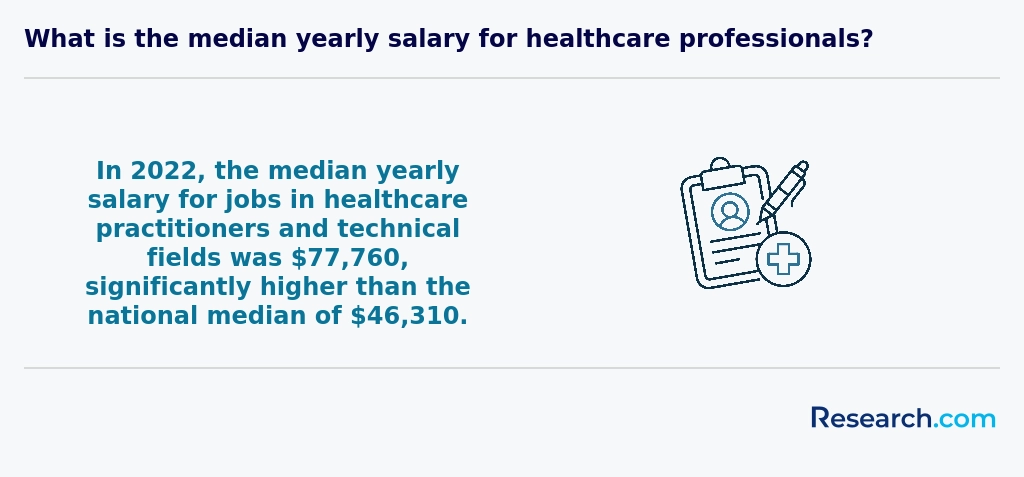
Graduates from online healthcare management programs in the Midwest, such as those offered by universities in Illinois or Ohio, often start their careers with salaries around $65,000 to $75,000, particularly in roles like assistant healthcare administrators. This entry point is encouraging for many students who balance studies with family or work commitments. As these graduates gain experience or pursue certifications like the Certified Healthcare Executive (CHE), their earning potential climbs steadily.
Many graduates report that within a few years, they move into supervisory or executive roles earning between $100,000 and $115,000, especially in bustling healthcare markets like Chicago or Minneapolis. This reflects a rewarding progression fueled by the region's growing healthcare infrastructure and demand for skilled managers.
By investing in their education and professional development through online degrees, Midwest students position themselves effectively in a competitive job market-feeling confident and optimistic about both their career growth and financial future in healthcare management.
- Tuition for online healthcare management degrees in the Midwest typically ranges from $10,000 to $25,000 for the full program, with public universities offering more affordable options than private ones.
- The job market for healthcare management roles in the Midwest is expected to grow by about 18% over the next decade, outpacing average occupation growth.
- Starting salaries for graduates in the region range from $55,000 to $65,000 annually, increasing to around $90,000 or more with experience in managerial positions.
- Many programs are accredited by the Commission on Accreditation of Healthcare Management Education (CAHME), which supports quality and employability.
- Coursework often covers healthcare law, ethics, finance, and health informatics, and may include practical experiences like internships or capstone projects.
- Financial aid and scholarships are commonly available to help reduce the cost of earning these degrees online in the Midwest.
Completing an online healthcare management degree in the Midwest typically aligns with traditional timelines, but flexibility makes the journey uniquely yours. Most bachelor's degree students from institutions like the University of Illinois at Chicago or Ohio State University finish in about four years when attending full-time. Graduates often share how balancing work, family, and study taught them invaluable time management skills while enjoying the convenience of online classes.
For those with busy lives, part-time options stretching five to six years offer a steady, manageable pace, often favored by working professionals. Some Midwest schools also provide accelerated programs that let dedicated students finish their bachelor's degree in as little as two to three years-ideal if you bring prior coursework or professional experience to the table.
At the master's level, universities such as Michigan State offer programs designed for busy learners, with most finishing in around two years full-time. Many appreciate how asynchronous classes empower them to learn on their own schedules. This flexibility, combined with credit for real-world experience, shows how you can tailor your education to meet both your ambitions and life's demands.
Choosing between an online or on-campus healthcare management degree in the Midwest truly depends on your lifestyle and learning preferences. Online programs offer incredible flexibility, allowing you to juggle work, family, and studies, especially if you live far from institutions like the University of Michigan or Illinois State University. Many graduates appreciate how they could participate in classes asynchronously, making it easier to apply new concepts immediately at their current jobs.
On the other hand, in-person programs provide the energizing environment of direct interaction. Imagine collaborating live with peers on group projects or engaging face-to-face with professors during case studies-experiences that many graduates from traditional Midwest campuses found invaluable for building professional networks and gaining practical insights.
Both formats share a strong curriculum, but online courses lean on digital discussions and virtual simulations, whereas on-campus students often benefit from hands-on internships and campus resources. Cost-wise, online degrees typically reduce expenses related to commuting and campus fees, making them appealing for budget-conscious learners. Whatever your choice, Midwest programs-many CAHME-accredited-ensure quality education that prepares you for leadership in healthcare.
The average cost of an online healthcare management degree in the Midwest typically centers around $31,500, with in-state students often paying close to $36,000 and out-of-state students averaging about $36,108. These figures reflect a balanced investment compared to other regions, making the Midwest an attractive choice for many prospective students. Graduates from renowned institutions in this area frequently highlight how these costs align with the quality and value of their education, helping them launch rewarding careers in healthcare administration.
Many students pursuing affordable online healthcare management programs Midwest often choose public universities like the University of Wisconsin-Madison or Ohio State University. These schools provide a well-rounded education at reasonable costs, particularly for residents. Graduates report that this affordability, combined with a strong curriculum and networking opportunities, creates a rewarding sense of accomplishment and confidence as they enter the workforce.
While tuition is a key factor, remember to consider additional fees such as technology, materials, and administrative costs, which vary by institution but generally remain manageable. Online program flexibility often helps offset expenses related to housing and commuting, which past students found especially beneficial.mba healthcare management career paths are available to those who complete their degrees, making this a truly worthwhile investment for your future in healthcare leadership.

When pursuing an online healthcare management degree in the Midwest, financial aid can be a lifeline, turning ambitions into achievements. Graduates from institutions like the University of Illinois and Michigan State University often share how scholarships ranging from $1,000 to $5,000 annually helped ease their financial burdens, allowing them to focus on mastering healthcare administration without constant worry about tuition.
Federal aid is another powerful tool. By filling out the FAFSA, students unlock access to Pell Grants, federal loans, and work-study programs. Imagine receiving a Pell Grant of up to $7,395-money that doesn't need repayment-covering a significant portion of your education costs.
State grants like Illinois' MAP or Michigan's Competitive Scholarship provide further support, especially for residents pursuing approved programs. Plus, many healthcare employers offer tuition assistance, turning your job into a stepping stone toward your degree. This combined support creates a financial safety net, so you can pursue your goals with confidence and optimism.
To enroll in an online healthcare management degree program in the Midwest, you'll need to meet certain key prerequisites that set you up for success. For bachelor's programs at well-known institutions like the University of Illinois or Ohio State, have your high school diploma ready, along with a solid GPA-usually around 2.5 to 3.0. Graduates often share how this foundation gave them confidence as they tackled the coursework.
If you're aiming for a master's degree, a completed bachelor's from an accredited university is essential. While a background in health sciences or business can be helpful, many programs welcome students from diverse fields, opening doors for career changers. Some graduate applicants find submitting GRE scores helpful, though several Midwest colleges now offer test-optional options, easing entry during these evolving times.
Experience in healthcare roles-whether administrative or clinical-can truly elevate your application. Many online healthcare management students from schools like Michigan State talk about how their work experience helped them connect theory with real-world challenges, fueling their passion and professional growth.
Lastly, universities expect transcripts, letters of recommendation, and a thoughtful personal statement illustrating your dedication to healthcare management. Navigating these steps with purpose can transform your application into a compelling story that admissions committees admire.
When you enroll in an online healthcare management degree program in the Midwest, you'll dive into courses that blend business savvy with healthcare insight, perfectly tailored for our region's unique challenges. Core classes often cover healthcare systems and policies, helping you understand the Affordable Care Act and how rural health centers operate under evolving state and federal rules.
Graduates from popular Midwestern institutions often share how financial management courses equipped them to handle real budgets and optimize billing processes-skills vital in hospitals and clinics facing tight resources. Imagine managing costs effectively while improving patient care quality; that's the kind of confidence you'll build.
You'll also explore health information systems, mastering electronic health records and cybersecurity, crucial as telemedicine expands rapidly here. Leadership courses prepare you to inspire healthcare teams, a necessity in addressing workforce shortages common in our communities.
Many students cherish practical projects and internships, which turn theory into hands-on experience, making the learning journey both inspiring and directly applicable to Midwestern healthcare settings.
Students pursuing an online healthcare management degree in the Midwest often explore diverse specializations tailored to real-world demands. Graduates from well-known universities in the region share how focusing on healthcare informatics empowered them to harness digital patient data effectively, improving clinical decisions and outcomes. Others found fulfillment in health policy and administration, navigating complex regulations and shaping community health programs through leadership roles. These specialized tracks reflect the variety of paths available in Midwest healthcare management degree concentration options.
Many programs also emphasize hospital and health services management, equipping learners to manage day-to-day operations of hospitals and clinics-critical skills especially valued in the Midwest's evolving healthcare landscape. Graduates working in long-term care management describe their roles in enhancing quality of life for the region's aging population, while those in public health management apply strategic tools to prevent disease in their communities. If you're motivated to deepen your expertise, consider exploring healthcare management phd programs for advanced impact and leadership.
Choosing the best online healthcare management degree in the Midwest means focusing on accreditation, affordability, and flexibility. Graduates from well-known public universities in states like Illinois and Ohio often share how accredited programs not only gave them confidence in their education but also opened doors to trusted local healthcare employers. Affordable healthcare management programs Midwest tend to include options with in-state tuition below $10,000, which helped many students balance budgets without sacrificing quality.
Look for programs that offer part-time or asynchronous classes, especially if you're working or managing family commitments. Many students appreciate how Midwest institutions emphasize real-world leadership skills tailored to the region's healthcare systems, making their education immediately relevant and inspiring. Faculty with healthcare management experience and strong support services elevate the learning experience, preparing you to thrive.
Employment is the ultimate goal. With healthcare management jobs growing nationally by 20%, Midwest graduates find rewarding roles due to the aging population and expanding systems. Exploring healthcare administration jobs with the highest salaries can guide your choices and energize your career path.
Graduates pursuing online healthcare management careers Midwest often discover a wide array of fulfilling opportunities across hospitals, outpatient centers, and public health organizations. Many alumni from well-regarded institutions like those in Ohio and Illinois have stepped confidently into roles such as healthcare administrators, clinical managers, and health services directors. These positions enable them to lead teams, optimize patient care, and improve operational efficiency, creating real impact in communities.
Other graduates find rewarding careers specializing in long-term care facility administration or healthcare consulting, where they influence policy and innovation. Imagine managing electronic health records or driving data analytics projects at a major hospital in Chicago-roles that demand both strategic insight and hands-on leadership. The demand in the Midwest is strong, making these paths not only accessible but exciting for those eager to advance.
For students considering this path, exploring online healthcare management mba programs offered by popular Midwest colleges can provide a solid foundation and direct access to growing job markets. These programs build practical skills that graduates apply immediately, fueling their professional journeys.
Midwest healthcare management degree job opportunities are thriving, backed by projected growth that motivates committed students to envision themselves as future leaders transforming healthcare delivery across the region.
The job market for online healthcare management jobs Midwest is notably strong, driven by regional healthcare expansions and a growing need for skilled leadership. Graduates from well-regarded Midwest programs, like those at the University of Michigan or Ohio State University, often share how their flexible online education allowed them to balance work and study while gaining practical skills that employers value immensely.
Many find opportunities across hospitals, clinics, and long-term care facilities in major hubs like Chicago or St. Louis, where healthcare providers actively seek managers with both clinical understanding and administrative expertise. Starting salaries generally range from $80,000 to $120,000, reflecting local demand and experience, which fosters confidence among recent graduates stepping into leadership roles.
Students interested in the Midwest healthcare management degree career outlook appreciate the region's affordable tuition rates coupled with access to reputable online degrees. The positive feedback from alumni underscores how these programs equip them to thrive in a competitive market. For a deeper look at compensation trends, explore this health administration degree salary resource that highlights valuable insights for your career planning.
2027 Most Affordable Online Healthcare Management Degree Programs Ranking in the Midwest
Investing in your education is a significant decision that can profoundly impact your career and personal growth. The Research.com team recognizes the importance of making well-informed choices and has devoted considerable effort to ensuring the quality, credibility, and accuracy of the "2027 Most Affordable Online Healthcare Management Degree Programs Ranking in the Midwest." Our analysis is based on comprehensive data and rigorous evaluation. We utilized the following reputable data sources to create this ranking:
By consulting this ranking, readers will gain valuable insights into affordable and quality online healthcare management programs in the Midwest, empowering them to make confident educational decisions. For a detailed explanation of our methodology, please visit our Research.com methodology page.
# 1 position
University of Cincinnati
Master of Pharmaceutical Science in Health Outcomes and Pharmacoeconomics


# 5 position
Southern Illinois University-Edwardsville
Master of Business Administration- Healthcare Administration







Frequently Asked Questions About healthcare management
Students pursuing online healthcare management degrees in the Midwest can maximize their learning by actively engaging with interactive course materials and participating in virtual discussions. Many Midwest institutions incorporate case studies related to regional healthcare systems, which help contextualize learning.
Building connections through networking platforms specific to healthcare professionals in the Midwest also enhances career prospects. According to the Bureau of Labor Statistics, healthcare management jobs in the Midwest are expected to grow by 18% through 2030, making practical experience crucial.
Additionally, students should seek internships or practicum opportunities with local hospitals or public health organizations to apply theory to real-world settings, strengthening skills and employability.
The healthcare management field is rapidly evolving, with several emerging niches gaining prominence in the Midwest. One key area is health informatics management, which combines healthcare and information technology. This niche has grown due to the increasing adoption of electronic health records and data analytics to improve patient outcomes.
Another expanding niche is population health management, focusing on preventive care and managing chronic diseases. Midwest healthcare organizations are investing more in this area to reduce costs and improve community health, supported by data from the Bureau of Labor Statistics.
Additionally, telehealth administration is becoming vital as remote healthcare services expand. Online healthcare management degrees now include specialized courses addressing telehealth systems and regulations, reflecting its growing role in the Midwest healthcare landscape.
After completing an online healthcare management degree in the Midwest, it is essential to develop a strategic plan to enter the job market successfully. First, graduates should focus on gaining relevant experience through internships or volunteer opportunities with local hospitals or healthcare organizations. According to the U.S. Bureau of Labor Statistics, healthcare management jobs in the Midwest are projected to grow by about 10% from 2022 to 2032, highlighting increasing opportunities.
Networking is critical; joining regional professional organizations like the American College of Healthcare Executives (ACHE) Midwest chapter can connect graduates to mentors and job leads. Additionally, obtaining certifications such as Certified Healthcare Administrative Professional (cHAP) can enhance credentials. Finally, tailoring resumes to highlight skills in healthcare laws, finance, and informatics specific to regional needs increases employability.
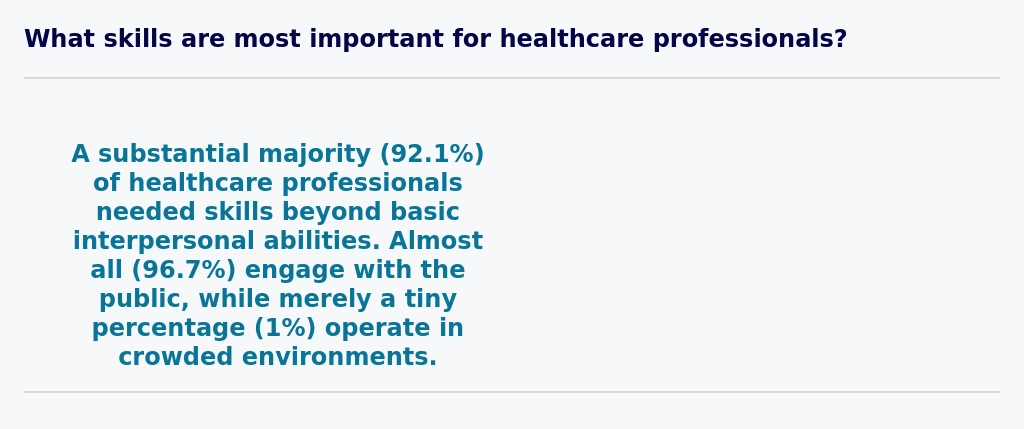
Employers in the Midwest seeking graduates with online healthcare management degrees prioritize a blend of analytical and interpersonal skills. Strong knowledge of healthcare laws and regulations, including HIPAA compliance, is essential. According to the Illinois Healthcare and Family Services Department, familiarity with regional healthcare policies improves job prospects significantly.
Leadership and communication skills are highly valued, as managers must coordinate between clinical staff and administrative teams effectively. Additionally, proficiency in healthcare information technology, such as Electronic Health Records (EHR) systems, is crucial. The U.S. Bureau of Labor Statistics highlights that healthcare management roles in the Midwest are expected to grow 18% by 2030, emphasizing the need for adaptable, tech-savvy professionals.
Finding internships in the Midwest related to healthcare management involves targeted efforts. Start by exploring partnerships between online degree programs and local healthcare organizations. Many programs maintain internship pipelines in hospitals, clinics, and public health agencies across states like Illinois, Ohio, and Wisconsin.
Job boards such as Handshake and Symplicity, widely used by Midwest universities, often list healthcare management internships. Additionally, consider contacting state health departments and large healthcare systems directly.
The Illinois Department of Public Health reports that healthcare administration internships grew 12% from 2021 to 2023, reflecting rising opportunities in the region. Networking through professional associations like the American College of Healthcare Executives (ACHE) Midwest chapter can also enhance access to internship listings.
An online healthcare management degree significantly enhances career mobility and advancement opportunities in the Midwest. The region's growing healthcare sector, including hospitals and outpatient services, creates demand for skilled managers who understand healthcare systems and policies. According to the U.S. Bureau of Labor Statistics, healthcare management roles in the Midwest are projected to grow by 15% from 2022 to 2032, faster than the average for all careers.
Online degrees offer flexibility for working professionals, allowing them to gain credentials without relocating. Midwest employers increasingly recognize online programs from accredited institutions, facilitating promotions and access to leadership positions. This degree often leads to roles such as healthcare administrator, practice manager, or health services manager, which typically offer 20%-30% higher salaries compared to entry-level positions.
Educational institutions like the University of Nebraska and Ohio State provide online options tailored for the Midwest job market, incorporating regional healthcare trends and policies.
Studying for a healthcare management degree in the Midwest offers strong preparation for interdisciplinary roles by emphasizing collaboration across various healthcare sectors. Programs typically combine courses in business, public health, and information technology, reflecting the diverse skills required in modern healthcare systems.
Midwestern institutions often incorporate case studies and practicum experiences in regional hospitals and clinics, providing practical exposure to real-world challenges. According to the Association of American Medical Colleges, healthcare in the Midwest is growing, with a projected 15% job increase for healthcare managers by 2030.
This regional focus fosters skills in teamwork and leadership, equipping graduates to work effectively with clinicians, administrators, and policymakers within integrated healthcare environments.
When deciding between a thesis and a non-thesis healthcare management degree program in the Midwest, consider your career goals and learning preferences. Thesis programs typically emphasize research skills and original contributions, ideal for students considering doctoral studies or research-intensive roles.
Non-thesis options focus more on practical skills and coursework, suiting professionals aiming for leadership positions in hospitals or clinics. According to the National Center for Education Statistics, many Midwest universities offer both paths online, with about 40% of healthcare management students choosing non-thesis tracks.
Cost and time are factors-non-thesis programs often take less time to complete. Review specific school requirements and think about your long-term plans before choosing.
Midwestern students interested in studying healthcare management abroad have limited but strategic options, particularly through online international partnerships. Some universities in the Midwest offer cooperative programs with institutions in countries like Canada, the United Kingdom, and Australia. These programs often allow students to earn dual degrees or transfer credits, making international study more accessible without relocating.
While fully online global healthcare management degrees are rare, Midwestern students can participate in short-term exchange programs or virtual internships abroad. The American Association of Colleges of Healthcare Management notes that these experiences enrich understanding of global healthcare systems, which is increasingly valuable in a regional economy where healthcare employment is projected to grow by 15% through 2030, according to the U.S. Bureau of Labor Statistics.
It is advisable to consult university international offices or online program coordinators for the latest offerings tailored to Midwestern students aiming for international credentials.
Part-time job opportunities in the Midwest that complement an online healthcare management degree often involve roles within hospitals, clinics, and insurance companies. Positions such as medical office assistants, patient service representatives, and healthcare administrative aides provide practical experience relevant to healthcare operations.
According to the U.S. Bureau of Labor Statistics (2023), the Midwest region employs over 700,000 healthcare support workers, many of whom work part-time. This employment landscape offers students chances to apply classroom knowledge in real-world settings while developing skills in patient coordination and health information management.
Additionally, jobs in health insurance firms and public health organizations provide exposure to regulatory policies and financial management, key areas in healthcare management careers. Such roles are often flexible, accommodating online study schedules common in this field.
Online healthcare management students in the Midwest benefit from a variety of valuable networking opportunities. Many universities partner with regional healthcare organizations, enabling students to attend virtual career fairs and webinars focused on healthcare leadership. Professional groups like the American College of Healthcare Executives (ACHE) have strong Midwest chapters, offering online events and mentorship programs accessible to remote learners.
Data from the Midwest Healthcare Collaborative indicates that 65% of healthcare administrators in the region gained roles through networking connections. Additionally, several Midwest states support internships and practicums with local hospitals, providing crucial in-person networking that complements online learning.
Alumni networks play a crucial role in supporting online healthcare management degree students in the Midwest. These networks offer valuable connections to professionals working in regional hospitals, clinics, and health organizations. According to the Midwest Healthcare Executives Network, over 60% of job opportunities in healthcare management arise through personal referrals and alumni connections.
Students benefit from mentorship programs where experienced graduates share industry insights and career advice. Many alumni also provide internships, job leads, and continuing education resources specifically tailored to the Midwest market.
Strong alumni connections can increase a student's chances of employment in competitive healthcare environments by expanding their professional network within states such as Illinois, Ohio, and Michigan.
Customizing an online healthcare management degree in the Midwest allows students to align their education with specific career goals. Many Midwestern universities offer elective courses focused on areas like health informatics, policy, or finance. These options help tailor the curriculum to roles such as hospital administration or public health management.
Additionally, internship and practicum placements can be selected based on regional healthcare systems, offering relevant hands-on experience in Midwestern states. According to the Bureau of Labor Statistics, healthcare management jobs in the Midwest are expected to grow by 20% through 2030, emphasizing diverse opportunities.
Choosing programs with strong local industry connections can also boost networking and job placement prospects in the region's expanding healthcare sector.
Online healthcare management students in the Midwest often face challenges related to balancing work, family, and studies. Many students juggle full-time jobs while pursuing degrees, making time management crucial. Additionally, limited access to high-speed internet in rural areas can affect participation in online classes. According to the Federal Communications Commission, about 22% of rural Midwestern households lack reliable broadband.
Another challenge is finding relevant local internships or practicum experiences, essential for healthcare management careers. The regional healthcare sector varies widely, and students must adapt programs to fit local needs. Also, navigating varied state licensing requirements can complicate career plans after graduation.
An online healthcare management degree from a Midwest institution can prepare graduates for key professional certifications that enhance career prospects. Common certifications include the Certified Professional in Healthcare Management (CPHM) and the Certified Healthcare Administrative Professional (cHAP). These credentials signify expertise recognized by employers regionally and nationally.
Midwestern healthcare organizations often value certifications like the Fellow of the American College of Healthcare Executives (FACHE), which requires a combination of education and experience. According to the American College of Healthcare Executives, about 30% of healthcare managers in the Midwest hold FACHE credentials.
Additionally, certifications such as the Certified Medical Manager (CMM) are well-regarded for those focusing on practice management roles. Pursuing these professional paths improves wage potential and job stability in a competitive healthcare sector.
Applying to an online healthcare management program in the Midwest requires a clear, focused approach. Start by researching programs accredited by recognized bodies such as CAHME, as accreditation can impact both education quality and job prospects. Customize your statement of purpose to highlight your interest in healthcare management, referencing relevant experience or goals tailored to the Midwest's healthcare landscape.
Include quantitative achievements when possible, such as improving patient outcomes or managing budgets, as employers in this region value practical skills. Also, obtain strong recommendation letters from supervisors or professors familiar with your leadership potential.
Many Midwest schools prioritize applicants who demonstrate understanding of regional health issues and workforce needs, so mention familiarity with local healthcare challenges using sources like the Midwest Health Workforce Center.
Healthcare management careers are increasingly viewed through a global lens, with a growing emphasis on international collaboration and best practices. While this field in the Midwest largely focuses on the U.S. healthcare system, professionals benefit from understanding global health strategies to address complex challenges.
According to the U.S. Bureau of Labor Statistics, healthcare management roles are projected to grow 28% by 2031, reflecting high demand nationwide, including in the Midwest. Exposure to global perspectives can enhance leadership skills and cultural competence.
Many U.S. programs, including those offering online degrees in the Midwest, integrate global health policy and management trends to prepare graduates for diverse environments.
Understanding worldwide healthcare models supports innovation and improves organizational efficiency in local healthcare facilities.
Students pursuing an online healthcare management degree in the Midwest can gain practical experience through internships and practicum placements. Many accredited programs collaborate with regional hospitals, clinics, and healthcare organizations to offer hands-on training opportunities.
These experiences allow students to apply theoretical knowledge in real-world settings, developing crucial skills in healthcare administration. The Midwest, home to several large health systems like Mayo Clinic and Ascension, provides diverse options for practical exposure.
Additionally, some programs require or strongly encourage internships, which can often be completed remotely or locally to accommodate online learners.
The U.S. Bureau of Labor Statistics highlights that practical experience significantly improves job prospects in healthcare management fields across the region.
Choosing the right concentration within an online healthcare management degree program in the Midwest depends on your career goals and the region's healthcare needs. Popular concentrations include healthcare administration, informatics, finance, and policy. According to the Bureau of Labor Statistics, healthcare management jobs in the Midwest are projected to grow about 15% through 2030, faster than average.
Focus on concentrations that align with in-demand roles, such as health information systems, given the growing use of digital records in hospitals across states like Illinois and Ohio. Additionally, consider programs with practical components or partnerships with Midwest healthcare providers to enhance job prospects.
Research local industry trends and employer requirements from sources like state health departments or the Healthcare Information and Management Systems Society (HIMSS) Midwest chapter. This knowledge helps ensure your chosen concentration matches regional opportunities and workforce demands.
- Interdisciplinary Healthcare and Management https://www.haw-hamburg.de/en/bachelor-interdisciplinary-healthcare-and-management/
- Niche Markets in Healthcare: How to Find & Target https://nechayadvisors.com/blog/niche-markets-in-healthcare
- Health Management Careers https://www.ache.org/Career-Resources/Start-Your-Career/Health-Management-Careers
- 20 healthcare investment niches and 3 things to know: The evolution of ... https://blackbookmarketresearch.com/20-healthcare-investment-niches-and-3-things-to-know-the-evolution-of
- Key Challenges Facing Healthcare Administrators https://slchc.edu/healthcare-administrator/healthcare-administration-career/key-challenges-facing-healthcare-administrators/
- Explore Healthcare Admin Degree Concentrations https://www.baypath.edu/news/bay-path-university-blogs/post/explore-healthcare-admin-degree-concentrations/
- Healthcare management skills students need for global careers https://gbs.edu.mt/blog/healthcare-management-skills-students-need-for-global-careers/
- The Biggest Challenges Healthcare Managers Face Today - Oxford Training Centre https://oxfordcentre.uk/resources/healthcare-management/the-biggest-challenges-healthcare-managers-face-today/
- Where to study health management - EHMA https://ehma.org/where-to-study-health-management/
- Iowa Health Administration Degree Programs https://www.healthadministrationdegrees.com/states/iowa/