
2027 Most Affordable Online Master's in Engineering Degree Programs Ranking in Colorado

Co-Founder and Chief Data Scientist
If you're considering advancing your career with an engineering master's degree, finding an affordable and reputable program is essential. This article introduces the 2027 Most Affordable Online Master's in Engineering Degree Programs Ranking in Colorado, created by the Research.com team of data scientists.
By exploring this ranking, you'll discover valuable insights to help you make informed decisions about which programs offer the best value without compromising quality. Pursuing an engineering degree opens doors to exciting opportunities, increased expertise, and personal growth.
Take this step confidently-your education is an investment in your future success.
Key benefits of getting online engineering degree in Colorado
- Engineering degree graduates in Colorado can expect strong salaries, such as Project Engineers earning about $137,750 annually and Research Engineers earning $120,630, offering financial stability and rewarding careers.
- Graduates from institutions like the University of Colorado have diverse career options, from Biomedical Engineering to Control Systems roles, allowing you to find a path that fits your passion and skills.
- Online engineering degrees provide flexibility to balance work and study, as seen with graduates from Colorado State University, while still delivering quality education that employers value.
- 2027 Most Affordable Online Master's in Engineering Degree Programs Ranking in Colorado
- What can I expect from online engineering degree in Colorado?
- Where can I work with online engineering degree in Colorado?
What can I expect from online engineering degree in Colorado?
The average cost of an online engineering degree in Colorado typically ranges from $15,000 to $30,000 for residents, depending on the university and program length. Graduates from institutions like the University of Colorado Boulder often share how this investment balances well with their work schedules, thanks to flexible online options and part-time enrollment. Financially, many find the tuition notably lower than traditional on-campus rates, which helps ease budgeting without compromising quality.
Students frequently utilize scholarships, employer tuition reimbursement, or financial aid to make costs manageable. For example, working engineers highlight how these resources allowed them to pursue advanced degrees without major disruption to finances or career growth. Programs at Colorado State University similarly attract students who appreciate clear, upfront cost estimates and accessible payment plans.
Choosing an ABET-accredited program in Colorado ensures not just affordability but value, as such credentials lead to strong industry recognition and job opportunities within the state's growing engineering sectors. This practical combination of price and quality often fuels a sense of confidence and motivation among online engineering students statewide.
Where can I work with online engineering degree in Colorado?
Graduates with an online engineering degree in Colorado often find rewarding careers in aerospace, technology, renewable energy, and government sectors. For instance, alumni from schools like Colorado State University and the University of Colorado Boulder report securing roles at companies such as Lockheed Martin and Ball Aerospace, where mechanical and electrical engineering skills are in high demand. These employers value degrees with ABET accreditation, so choosing an accredited online program is a smart first step.
Working in Colorado's growing renewable energy sector is another practical path. Graduates have told of landing positions with firms modernizing the electric grid or developing solar technologies, often collaborating with the National Renewable Energy Laboratory in Golden. This can be especially exciting for those passionate about sustainability and clean tech innovation.
In urban areas like Denver and Aurora, civil and environmental engineers are engaged in infrastructure projects with state and local governments. Online students who focus on relevant specialties find themselves well-prepared to contribute directly to these initiatives, turning their education into tangible community impact.
Graduates from online engineering programs in Colorado, such as those offered by the University of Colorado Boulder or Colorado State University, can expect solid starting salaries. Many entry-level engineers begin earning between $65,000 and $75,000 annually, which is a strong foundation given the state's growing tech and manufacturing sectors.
With experience, salaries rise quickly. For example, a research engineer in Colorado can earn around $120,630 per year, while a project engineer may see an average salary of $137,750. Graduates from these programs often appreciate how their online degree is respected locally, especially if accredited by ABET.
Product development engineers make about $110,430 annually, reflecting demand in Colorado's energy and infrastructure fields. Control systems engineers earn roughly $118,350, and biomedical engineers average $106,700. One graduate described moving to Denver and landing a project engineer role with a salary above $130,000, highlighting the financial upside.
Choosing an online program tied to Colorado's vibrant job markets can lead not only to rewarding work but also to a comfortable lifestyle supported by competitive salaries in key engineering fields.
- Online engineering degrees in Colorado are offered by accredited public universities recognized by ABET.
- Tuition typically ranges from $15,000 to $30,000 for a master's program, with additional costs for technology fees and textbooks.
- Early-career engineers in Colorado earn about $70,000 annually, with experienced professionals making over $110,000.
- Engineering jobs in Colorado are projected to grow by around 8% over the next decade, faster than the national average.
- Programs often include virtual labs and capstone projects, and provide career services connecting students with local employers.
- Licensing requires passing the FE and PE exams, and online programs usually prepare students for these professional requirements.
Completing an online engineering degree in Colorado typically takes about four years for a bachelor's degree if you study full-time, mirroring traditional timelines. Many graduates from universities like Colorado State University appreciate the flexibility to accelerate their studies, especially when balancing work and personal commitments.
Master's degrees usually require one and a half to two years full-time, but part-time enrollment-common among working professionals-can stretch this to three or four years. Graduates often mention how programs at the University of Colorado Boulder allow them to align coursework with their busy schedules through asynchronous classes.
Keep in mind the total credit requirements: around 120 to 130 credits for bachelor's programs and 30 to 36 credits for master's. Factoring in part-time study or prerequisite courses can extend your timeline, but the ability to customize pacing means you'll find a path that fits both your goals and lifestyle.
Choosing between online and on-campus engineering degrees in Colorado hinges on your lifestyle and learning style. Graduates from institutions like Colorado State University often praise on-campus programs for hands-on experiences-working in labs, using real machinery, and collaborating face-to-face with professors and peers. This direct interaction builds practical skills particularly important in fields like mechanical or civil engineering.
Conversely, online students appreciate the flexibility to study around work or family commitments. For example, graduates from University of Colorado Boulder's online offerings highlight how remote access to lectures and assignments lets them maintain a steady income while earning their degree. Tuition tends to be more affordable too, averaging $500 to $900 per credit hour, compared to on-campus rates that sometimes exceed $1,000.
Networking also differs: on-campus learners find it easier to connect through campus events and career fairs, while online learners succeed by actively engaging in virtual forums or local engineering groups. Understanding these differences helps tailor your education to your goals and circumstances.
In Colorado, the average cost of an online engineering degree largely depends on whether you attend a public or private institution. Public universities like the University of Colorado and Colorado State University typically charge between $450 and $600 per credit hour for in-state students pursuing online graduate engineering courses. Graduates from these programs often report feeling confident that they invested wisely, especially since most master's degrees require around 30 to 36 credit hours, resulting in a total tuition expense ranging from $13,500 to $21,600.
Comparing these figures, the affordable online master's in engineering Colorado tuition options stand out as a cost-effective route for those balancing work and study. Many students appreciate that these rates allow them to advance their careers without the need to relocate or pause their professional lives. For example, graduates from public institutions often mention how the convenience of online study combined with manageable tuition eased their journey toward earning an engineering degree.
Private colleges in Colorado usually have higher tuition, sometimes charging $700 to over $1,200 per credit hour, which can drive total costs above $25,000 to $40,000. This range is vital to consider when budgeting for your education. Beyond tuition, plan for smaller additional costs like technology fees, textbooks, and exam fees, which remain lower in online setups compared to on-campus programs.
For prospective students exploring cost-effective pathways, programs linked with accredited accelerated bachelor degree online options could be a strategic step toward minimizing expenses without sacrificing quality. Keeping such options in mind can make your investment in an online engineering degree in Colorado even more rewarding.

Starting with federal aid is essential when pursuing an online engineering degree in Colorado. Completing the FAFSA unlocks access to federal loans like Direct Unsubsidized Loans, which many Colorado engineering graduates have used to manage tuition without overwhelming debt. Though graduate grants are rare, these loans offer competitive interest rates and flexible repayment plans that help working professionals stay afloat.
Those enrolled at Colorado State University or within the University of Colorado system can tap into state scholarships such as the Colorado Graduate Grant. Graduates share how this targeted support for STEM fields made continuing education much more affordable while juggling jobs and family.
Merit-based scholarships from schools themselves are another crucial option. Many students have reported receiving awards based on academic records or research work that cover a major part of their tuition, making an online degree accessible.
Employer tuition assistance is common in Colorado's aerospace and tech sectors. Graduates describe the relief of pursuing their degrees while employers reimbursed tuition, allowing steady career growth without financial strain.
Finally, private scholarships from groups like the Society of Women Engineers provide extra funding based on specialization and diversity. These opportunities often tip the balance for students dedicated to advancing their engineering careers.
If you're aiming to enroll in an online engineering degree program in Colorado, start by ensuring you have a relevant bachelor's degree-most programs expect fields like engineering, math, or science. For example, graduates from the University of Colorado Boulder often highlight how their solid calculus and physics foundation made the transition to advanced coursework smoother. Without that background, you might need to complete some prerequisite classes first, which many Colorado schools clearly outline on their websites.
Next, maintain a GPA around 3.0 or higher. Admissions committees, such as those at Colorado State University, emphasize this as a key indicator of your readiness. Applicants should be ready to submit official transcripts, showing consistent performance in math-intensive and technical subjects.
Many institutions expect evidence of professional experience, especially for master's applicants. Graduates often mention how hands-on work in engineering firms or related industries made their studies feel applicable rather than purely theoretical.
Check if your program requires GRE scores, but note that this is becoming less common post-pandemic. Also, non-native English speakers must demonstrate language proficiency through tests like TOEFL or IELTS. These steps help you meet Colorado's practical standards and give you confidence to succeed online.

Online engineering degree programs in Colorado typically start with foundational courses in calculus, physics, and chemistry, which give you the scientific grounding needed for engineering challenges. Graduates from universities like Colorado State University report that mastering these basics made complex concepts in later classes much easier to understand and apply. You'll also dive into computer programming and engineering design-skills students find essential when working on team projects or internships.
Core courses usually include practical subjects such as statics and dynamics, thermodynamics, materials science, fluid mechanics, electrical circuits, and systems engineering. Students at institutions like the University of Colorado Boulder often share how courses in engineering ethics and project management prepare them to lead real-world projects responsibly.
Specialized classes vary by focus-civil engineering students study structural analysis and transportation engineering, while electrical engineering students explore signal processing. Mechanical engineering tracks emphasize manufacturing processes, vital for hands-on roles. Many Colorado programs offer virtual labs and simulation projects, helping you gain real-world experience remotely and feel confident about your skills.
Online engineering degree specializations Colorado students frequently choose include civil, mechanical, electrical, and computer engineering. Graduates from institutions like the University of Colorado and Colorado State University often highlight how civil engineering helped them develop skills in infrastructure design crucial for urban projects in Denver. Others found mechanical engineering programs valuable for hands-on manufacturing scenarios tied to Colorado's aerospace industry.
For pragmatic planners considering best engineering concentrations online Colorado offers, environmental and industrial engineering are highly recommended. Environmental engineering students appreciated learning about sustainability and waste management, directly relating to Colorado's clean energy initiatives. Industrial engineering graduates report improved problem-solving skills through supply chain management projects with local manufacturers.
Software engineering is another thriving specialization, with graduates praising coursework that focuses on project management and software life cycles-vital for careers in Colorado's tech hubs. Some also explore certificate programs that pay well to complement their degree, enhancing employability in competitive sectors.
Start by verifying ABET accreditation, as it ensures your degree meets rigorous standards and improves job prospects across Colorado. Graduates from popular universities in Denver and Boulder often praise how ABET accreditation helped them qualify for professional engineer licensure and local engineering jobs. Next, narrow down specializations-civil, electrical, or mechanical engineering-using programs known for aligning coursework with Colorado's industry demands. This practical focus increases your chance to work with major state employers.
Consider affordability, choosing from affordable online engineering degrees Colorado offers, especially public institutions where tuition ranges from $15,000 to $30,000. Many students balance work and study by opting for flexible, asynchronous classes found in these programs. Another tip is to gauge faculty experience; graduates frequently commend faculty members' real-world expertise, making lessons engaging and relevant.
If speed is a priority, explore institutions offering flexible durations from 18 months to three years. For those seeking efficiency, exploring a quick online masters degree pathway can be a smart move, combining speed with quality education.
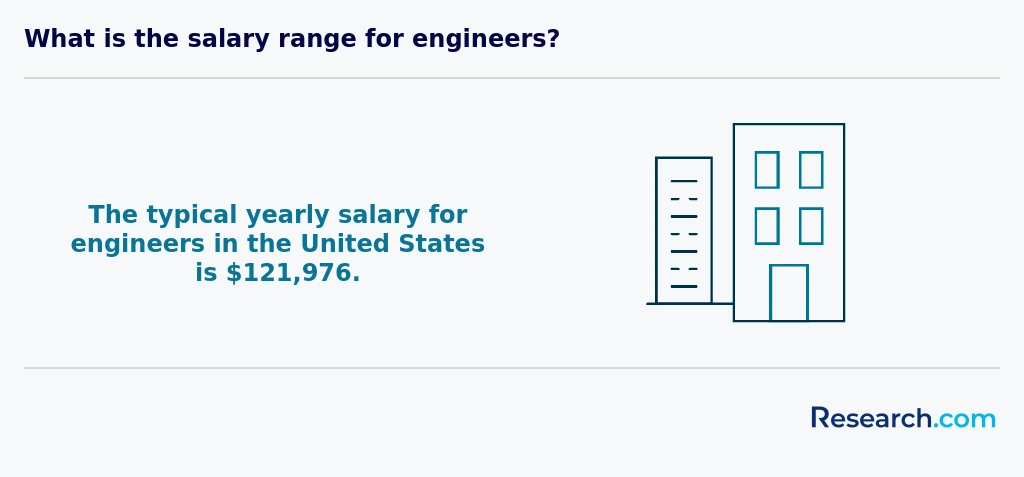
Graduates with an online engineering degree in Colorado find a range of career paths thanks to the state's dynamic economy. Aerospace roles are prominent, with many landing jobs as design or systems engineers at local aerospace firms or military bases. Others move into civil engineering, working on infrastructure improvements or sustainable urban projects in cities like Denver. Engineering students from well-known Colorado colleges often share success stories about transitioning smoothly into positions such as structural engineers or project managers in both public and private sectors. Exploring emerging fields is also a smart strategy; roles in automation, software engineering, and data analysis are growing thanks to Boulder's expanding tech hubs. For those evaluating costs against outcomes, it's practical to research the best affordable online schools that accept financial aid to support degree completion without excessive debt. This holistic approach ensures that online engineering degree jobs in Colorado align with both career goals and financial realities.
Focus on sectors like renewable energy, where electrical and mechanical engineers contribute to solar and wind technology projects. Also, consider how Colorado's job market incentives can raise your salary potential above the national average, rewarding your investment in an engineering degree. Leveraging online study options from established institutions here provides practical flexibility while tapping directly into these engineering career opportunities in Colorado. Graduates routinely praise how these programs helped them meet real industry demands, balancing rigorous academics with the convenience of remote learning.
The job market for online engineering degree graduates in Colorado remains robust and promising, especially for those targeting roles in aerospace, renewable energy, and telecommunications. Many graduates from universities and colleges popular in the state report positive hiring experiences, particularly when combining their online studies with internships in Denver or Boulder's thriving tech hubs. The average engineering degree salary Colorado-wide sits near $93,000 annually, with specialized areas such as software and aerospace often exceeding $110,000, making these fields financially rewarding for recent graduates.
Graduates benefit from employers' growing acceptance of online degrees earned from accredited institutions, which can be verified by exploring universities that accept nationally accredited degrees. To strengthen employment prospects, students should consider online programs offering preparation for the Fundamentals of Engineering exam, an important step toward Professional Engineering licensure recognized across Colorado industries.
Graduates focused on emerging fields appreciate Colorado's strong industry networks and career resources that facilitate job placement. This practical pathway helps ensure those pursuing online engineering jobs in Colorado can translate their education into meaningful work aligned with the state's economic growth.
2027 Most Affordable Online Master's in Engineering Degree Programs Ranking in Colorado
Investing in your education is a significant decision that can shape your future, and the Research.com team understands the importance of making informed choices. To assist prospective students in Colorado, we have meticulously crafted the "2027 Most Affordable Online Master's in Engineering Degree Programs Ranking in Colorado." Our commitment to quality, credibility, and accuracy is reflected in the extensive research and analysis conducted to compile this ranking.
We utilized the following reputable data sources to ensure a comprehensive evaluation of engineering programs:
By exploring this ranking, readers will gain valuable insights into the most affordable and high-quality online master's programs in engineering available in Colorado, enabling well-informed decisions about their educational investment. For more details on our methodology, please visit our Research.com methodology page.


Frequently Asked Questions About engineering
Online engineering degree students in Colorado can maximize their learning experience by actively engaging in virtual labs and simulation tools offered by their programs. According to the Colorado Department of Higher Education, hands-on practice is critical in engineering education to develop practical skills.
Students should also take advantage of local industry connections available through universities to participate in internships and cooperative education opportunities. Colorado's aerospace and renewable energy sectors provide strong networks beneficial for real-world experience.
Joining online study groups and professional organizations such as the Colorado Engineering Council helps expand knowledge and professional contacts. Time management and setting a dedicated study space also contribute to academic success.
Emerging niches within the engineering field reflect the evolving demands of technology and sustainability. In Colorado, areas like renewable energy engineering stand out due to the state's leadership in wind and solar power development. According to the U.S. Bureau of Labor Statistics, Colorado has seen a 12% growth in environmental engineering jobs recently, tied to clean energy initiatives.
Another rising field is cybersecurity engineering, driven by increasing digital threats in infrastructure and manufacturing sectors prominent in Colorado. Additionally, biomedical engineering is expanding with advanced research at universities like the University of Colorado.
These niches emphasize innovation and align well with online master's degree offerings tailored for working professionals in the state.
After completing an online engineering degree in Colorado, graduates should focus on building a strong professional network. Joining local industry groups like the Colorado Engineering Council can provide valuable connections and job leads. Internships and co-op programs, even after graduation, offer hands-on experience that employers highly value. According to the Bureau of Labor Statistics, Colorado's engineering sector is expected to grow 6% from 2020 to 2030, signaling solid opportunities.
It is also important to obtain relevant certifications. For example, the Professional Engineer (PE) license increases job prospects and salary potential. Additionally, developing soft skills such as teamwork and communication improves employability. Utilizing Colorado's job boards and university career centers can help graduates find tailored opportunities in the local market.
Employers in Colorado highly value engineering graduates who demonstrate strong technical skills, including proficiency in computer-aided design (CAD) and software relevant to their engineering discipline. According to the Colorado Department of Labor and Employment, knowledge in data analysis and programming languages like Python and MATLAB is increasingly sought after.
Soft skills such as effective communication, teamwork, and problem-solving are also critical. Many Colorado companies emphasize adaptability and project management abilities, reflecting the dynamic nature of the local engineering industry, especially in aerospace and renewable energy sectors.
Furthermore, practical experience through internships or cooperative education programs is often preferred, as it shows readiness to contribute immediately in real-world settings.
Finding internships in Colorado related to an engineering degree involves leveraging both university resources and local industry connections. Many Colorado schools, like Colorado State University and the University of Colorado Boulder, offer career services with internship listings and employer networking events tailored for engineering students.
Colorado's engineering sector is strong, especially in aerospace, civil, and environmental fields. According to the Colorado Department of Labor and Employment, engineering jobs in the state have grown steadily by 5% in recent years, providing diverse internship opportunities.
Additionally, platforms like Handshake and LinkedIn frequently list Colorado-based engineering internships. Joining professional organizations such as the Colorado Engineering Council can also help in networking and finding relevant positions.
Obtaining an online engineering degree in Colorado can significantly enhance career mobility and advancement opportunities. The state's growing tech and manufacturing sectors demand skilled engineers, with Colorado ranking among the top 10 states for engineering job growth according to the U.S. Bureau of Labor Statistics (2023).
An online degree allows working professionals to upskill without relocating, making it easier to meet the increasing qualifications employers seek. Graduates often experience higher salary prospects; the Colorado Department of Labor reports that engineers with master's degrees earn approximately 20% more than those with only a bachelor's.
Furthermore, online programs accredited by ABET ensure that the education meets industry standards, which is critical for professional licensure and promotions in Colorado.
Studying for an engineering degree online in Colorado equips students with skills needed for interdisciplinary roles by emphasizing collaboration across various fields. Programs often integrate coursework in computer science, environmental science, and business management, reflecting the diverse demands of Colorado's growing tech and energy sectors. According to the Colorado Department of Higher Education, institutions tailor curricula to meet industry standards, fostering problem-solving skills applicable beyond traditional engineering.
Many online programs also promote project-based learning, encouraging students to work with peers from different academic backgrounds. This approach builds adaptability as well as communication skills, key for interdisciplinary work environments. Additionally, Colorado's emphasis on sustainability and innovation means students often engage with real-world challenges that span multiple disciplines.
When choosing between a thesis and a non-thesis online engineering degree program in Colorado, consider your career goals first. Thesis programs emphasize research, ideal for those planning to pursue a PhD or work in R&D fields. Non-thesis options focus more on practical skills and coursework, suited for professionals aiming to advance in industry roles.
Colorado hosts several accredited online engineering programs, and approximately 15% of graduate engineering students statewide opt for thesis tracks, according to the National Center for Education Statistics. These programs often require significant independent research under faculty guidance.
Non-thesis programs usually offer more flexible schedules and faster completion times, beneficial for working professionals in Colorado's growing tech sector. Understanding these differences helps align your education with your professional aspirations.
Students based in Colorado seeking to study engineering abroad have several options, primarily through online engineering degree programs offered by U.S. institutions with global reach. While fully foreign-based engineering degrees are less common for online study due to accreditation differences, many reputable American universities provide programs accessible internationally. Colorado's strong engineering workforce, with over 100,000 professionals as reported by the Colorado Office of Economic Development and International Trade, highlights the demand for flexible education pathways.
Some Colorado students explore joint programs or dual degrees that include study abroad components, though these often require occasional travel. Additionally, universities accredited by ABET maintain standards recognized internationally, ensuring credits tend to transfer more easily. Students should verify program accreditation and support for international learners before enrolling, ensuring degree validity and relevance to engineering careers in Colorado.
Students pursuing online engineering degrees in Colorado can find valuable part-time job opportunities that complement their education. Common roles include engineering interns, CAD technicians, and lab assistants, often available through local firms and university partnerships. These positions help develop practical skills in design, testing, and project management.
According to the Colorado Department of Labor and Employment, the engineering sector in Colorado is projected to grow by 8% from 2022 to 2032, highlighting increasing part-time and internship opportunities. Denver and Boulder are key hubs for aerospace, civil, and software engineering companies seeking student workers.
Additionally, freelance work in computer-aided design or technical writing lets students apply classroom concepts flexibly, enhancing both resumes and real-world problem-solving skills.
Online engineering students in Colorado have a variety of networking opportunities despite studying remotely. Many universities such as Colorado State University and the University of Colorado Boulder offer virtual career fairs and webinars focused on engineering fields. These events connect students with local industry professionals and alumni, facilitating valuable contacts.
Professional organizations like the Colorado Engineering Council provide memberships that include access to networking events, conferences, and workshops specific to Colorado's engineering community. According to the Bureau of Labor Statistics, Colorado employs over 50,000 engineers, highlighting a robust local market.
Additionally, online students can engage with LinkedIn groups and regional chapters of national bodies like IEEE and ASME to build connections and stay informed about industry trends in Colorado.
Alumni networks play a crucial role for online engineering degree students in Colorado by connecting them to a broad community of professionals. These networks provide access to mentorship, job opportunities, and industry insights, which can be especially valuable for remote learners. According to the Colorado Education Initiative, nearly 80% of graduates find employment through networking connections within five months after graduation.
In Colorado's growing engineering sector-particularly in aerospace and renewable energy-alumni contacts often help students navigate local job markets. For online students balancing work and study, such connections offer flexible support systems without geographic constraints. Universities with strong alumni engagement also facilitate internships and collaborative projects, enhancing career readiness.
Students pursuing an online engineering degree in Colorado can often tailor their studies by selecting specialized tracks or electives aligned with their career objectives. Many public universities, such as the University of Colorado Boulder, offer concentrations in fields like civil, mechanical, or electrical engineering. This flexibility allows learners to develop expertise in high-demand specialties relevant to Colorado's industries, including aerospace and renewable energy.
Additionally, online programs frequently provide opportunities for practical projects or internships that integrate real-world experience. Students should consult academic advisors to design a curriculum combining technical skills with management or sustainability courses, enhancing their marketability. According to Colorado's Department of Labor & Employment, engineers in the state earn a median annual wage of around $85,000, underscoring the value of a tailored, career-focused education.
Online engineering students in Colorado often face challenges related to access to hands-on laboratory experiences. Engineering programs require practical skills that are difficult to replicate remotely, limiting students' opportunities to engage with equipment directly. According to the Colorado Department of Higher Education, many institutions attempt to compensate with virtual labs, but these may not fully replace in-person training.
Additionally, students frequently encounter time management struggles. Balancing work, family, and coursework can be difficult, especially since engineering curricula are demanding and intensive.
Technical issues and reliable internet access can also affect learning quality, particularly in rural parts of Colorado where broadband is less available.
With an online engineering degree in Colorado, graduates can pursue several key professional certifications to enhance their careers. One of the most recognized is the Professional Engineer (PE) license, which requires passing the Fundamentals of Engineering (FE) exam, gaining work experience, and then passing the PE exam. This license is vital for those seeking advanced roles in engineering design and project management.
Other valuable certifications include the Certified Manufacturing Engineer (CMfgE) and certifications from organizations like ASME and IEEE, which are widely respected in many Colorado industries. According to the Colorado Department of Labor, certified engineers earn on average 15% more than non-certified peers.
To write a winning application for an online engineering program in Colorado, start by highlighting your academic achievements and relevant work experience. Many programs value applicants with at least a bachelor's degree in engineering or a related field. Include strong letters of recommendation that emphasize your technical skills and potential for graduate-level study.
Explain clearly why you are choosing an online format and how it fits your career goals. Colorado's engineering sector, especially in aerospace and renewable energy, values practical experience and specialized knowledge, so tailor your personal statement accordingly.
Submit all required test scores and transcripts early, as programs like those at Colorado State University require official documentation. For up-to-date program admission stats and engineering workforce data, consult the Colorado Department of Higher Education and the Bureau of Labor Statistics.
The engineering profession is highly valued worldwide, reflecting its critical role in technological advancement and infrastructure development. In the United States, including Colorado, engineers rank among the top-paid professionals, with a 2023 median annual wage around $83,000 according to the U.S. Bureau of Labor Statistics.
Globally, engineering careers are recognized for their problem-solving focus and innovation potential. U.S.-based engineering programs, particularly those delivered online, offer flexibility and industry-aligned skills sought after internationally.
Colorado's engineering sector thrives due to strong ties with aerospace, renewable energy, and tech companies, providing diverse career paths for graduates. The Colorado Department of Labor highlights steady growth in engineering jobs, projecting a 7% increase through 2030, a sign of stable demand.
Students pursuing online engineering degrees in Colorado can expect education aligned with global standards while accessing local industry networks crucial for career success.
Gaining practical experience while pursuing an online engineering degree in Colorado is achievable through several key opportunities. Many programs encourage students to participate in internships with local companies, which often operate in aerospace, energy, and technology sectors-major industries in the state. According to the Colorado Department of Labor and Employment, internships in engineering roles can increase job placement rates by up to 20%.
Additionally, online students can engage in project-based learning experiences offered by their institutions. These projects simulate real-world problems, allowing students to apply engineering principles.
Another valuable option is joining professional organizations such as the Colorado Engineering Council, offering networking events and workshops specifically designed for students.
Choosing the right concentration within an online engineering degree program in Colorado begins with assessing your career goals and local industry demands. Colorado's economy emphasizes aerospace, civil, and environmental engineering, as highlighted by the Colorado Department of Labor and Employment. Selecting a concentration aligned with these sectors can increase your job prospects after graduation.
Consider also the courses offered by the program to ensure they cover skills valued by employers, such as systems design or renewable energy technologies. Accreditation by ABET is a key factor as it guarantees education quality and is often required for professional engineering licensure in Colorado.
Lastly, explore partnerships the university might have with Colorado companies or government agencies, which can provide internships or networking opportunities beneficial for career advancement.
- 2027 Most Affordable Online Master's in Engineering Degree Programs Ranking in Kansas
- 2027 Most Affordable Online Master's in Engineering Degree Programs Ranking in New Mexico
- 2027 Most Affordable Online Master's in Engineering Degree Programs Ranking in Arizona
- 2027 Most Affordable Online Master's in Engineering Degree Programs Ranking in Texas
- 2027 Most Affordable Online Master's in Engineering Degree Programs Ranking in Missouri
- 2027 Most Affordable Online Master's in Engineering Degree Programs Ranking in California
- 2027 Most Affordable Online Master's in Engineering Degree Programs Ranking in Illinois
- 2027 Most Affordable Online Master's in Engineering Degree Programs Ranking in Wisconsin
- 2027 Most Affordable Online Master's in Engineering Degree Programs Ranking in Kentucky
- 2027 Most Affordable Online Master's in Engineering Degree Programs Ranking in Alabama
See What Experts Have To Say About Studying Engineering
Read our interview with Engineering experts

Jasna Jankovic
Engineering Expert
Associate Professor
University of Connecticut


Bohdan W. Oppenheim
Engineering Expert
Professor Emeritus of Healthcare Systems Engineering
Loyola Marymount University

- Colorado Engineering Programs - Educating Engineers https://educatingengineers.com/states/colorado/
- Which engineering employers offer summer internships or industrial placements? https://targetjobs.co.uk/careers-advice/engineering/which-engineering-employers-offer-summer-internships-or-industrial-placements
- Top Certification Courses for Advancing Engineering Careers - IJOER Engineering Journal Blog https://ijoer.com/blog/top-certification-courses-for-advancing-engineering-careers
- Know more about thesis vs non- thesis: what is the difference? https://studyfans.com/en/blogs/816
- Guide to Engineering Internships https://www.internwise.co.uk/candidate-journey/industry-internships/guide-to-engineering-internships
- Engineering Internships Abroad | Go Overseas https://www.gooverseas.com/internships-abroad/engineering
- 2025 Best Online Engineering Degrees https://www.onlineu.com/degrees/engineering
- All STEM Placements/Internships | Gradcracker - Careers for STEM Students https://www.gradcracker.com/search/all-disciplines/engineering-work-placements-internships
- Thinking of studying abroad as an engineering major https://talk.collegeconfidential.com/t/thinking-of-studying-abroad-as-an-engineering-major/1788476
- Colorado Schools with Online Engineering Degree Programs https://www.onlineengineeringprograms.com/usa/colorado


