2027 Most Valuable Engineering Degree Programs Ranking in Seattle

Co-Founder and Chief Data Scientist
Choosing the right engineering degree program is a big step toward a rewarding career. For students in Seattle, this article offers valuable insights with the 2027 Most Valuable Engineering Degree Programs Ranking in Seattle created by the Research.com team of data scientists.
By reading this ranking, you'll discover which programs offer the best opportunities for growth and success. Understanding these options can help you make an informed decision that aligns with your goals.
Getting an engineering degree can open doors to exciting challenges and fulfilling work. Let this guide support you on your educational journey.
Key benefits of getting engineering degree in Seattle
- Engineering graduates in Seattle enjoy strong earning potential, with Mechanical Engineers making about $105,220 annually and Electrical Engineers reaching $117,680, offering financial stability and rewarding careers.
- Graduates from the University of Washington, a popular Seattle school, can pursue varied paths like civil, industrial, or electrical engineering, which opens doors to exciting roles in construction, manufacturing, and technology sectors.
- Online engineering degrees from institutions like Seattle Pacific University offer flexibility and convenience, allowing students to balance work and study while gaining valuable skills that employers highly value.
- 2027 Most Valuable Engineering Degree Programs Ranking in Seattle
- What can I expect from engineering degree in Seattle?
- Where can I work with engineering degree in Seattle?
What can I expect from engineering degree in Seattle?
The average cost of earning an engineering degree in Seattle varies depending on the institution and residency status, but many students find that attending the University of Washington (UW) College of Engineering offers a more affordable route, especially for Washington residents. Public tuition at UW tends to be more manageable compared to private colleges, where fees can be significantly higher, though scholarship opportunities often help ease the financial burden. Graduates often recall balancing rigorous coursework with part-time jobs or internships to support their studies.
One common experience shared among students is the relief of financial aid awards that made pursuing their passion in engineering possible without overwhelming debt. These students benefited from tailored scholarships tied to both academic merit and industry partnerships in Seattle's strong tech and aerospace sectors, such as those facilitated by local giants like Boeing or Microsoft.
While upfront costs may feel daunting, the practical internships and co-op programs integrated into Seattle engineering curricula often provide paid experiences, allowing students to offset expenses while building valuable resumes. This blend of affordability and hands-on learning keeps many motivated and optimistic throughout their educational journey.
Where can I work with engineering degree in Seattle?
Graduates with an engineering degree from Seattle's universities often find themselves welcomed by a variety of thriving industries that eagerly seek their skills. Many alumni from regional schools recall starting careers at aerospace giants like Boeing, which offer hands-on roles in aircraft design and testing-experiences that turn classroom theory into tangible innovation. Others with a passion for software and systems have pursued pathways into technology hubs, securing positions at Microsoft or Amazon, where developing cloud computing or AI projects fuels both creativity and rapid growth.
Environmental and civil engineering graduates frequently share stories of contributing to Seattle's sustainable city projects, collaborating on green infrastructure that feels meaningful and future-focused. Meanwhile, industrial engineering grads find rewarding careers in manufacturing settings, improving processes in medical device or maritime equipment production, where their work directly impacts product quality.
These career trajectories illustrate that with an engineering degree earned in Seattle, graduates stand at the crossroads of exciting, impactful opportunities, each reflecting the city's dynamic economic landscape and their own professional aspirations.
Graduates from engineering programs in Seattle often find themselves well-rewarded for their hard work. For example, those with degrees in mechanical engineering might start their careers earning around $105,220 annually, while electrical engineers typically see even higher average salaries near $117,680. Civil engineering graduates in the region generally make about $101,160, positioning them comfortably above many other professions.
Many engineering students from Seattle University or the University of Washington share stories of landing roles in local tech and aerospace firms, where starting salaries frequently exceed $90,000 and can grow quickly with experience. These starting points are encouraging, especially when paired with the city's thriving job market.
Graduates often express pride in securing positions that reward both their skills and dedication. The strong demand for well-trained engineers here means that opportunities with competitive pay, benefits, and career growth are the norm rather than the exception. Seattle's dynamic industries truly enhance the value of an engineering degree.
- Engineering tuition at public universities in Seattle ranges from $11,000 to $15,000 per year for in-state students and $35,000 to $40,000 for out-of-state students.
- Private institutions in Seattle typically charge higher tuition than public universities, and students should also plan for additional costs like books and living expenses.
- Starting salaries for entry-level engineers in Seattle are around $75,000 to $85,000 annually.
- Mid-career engineers in Seattle earn between $100,000 and $130,000 or more, depending on specialization and employer.
- Major employers such as Boeing, Microsoft, and Amazon offer strong job opportunities in aerospace, software, and technology sectors.
- Internship and cooperative education programs are widely available in Seattle, enhancing practical experience for engineering students.
Completing an engineering degree in Seattle usually takes about four years of full-time study, mirroring the experience shared by many graduates from institutions like the University of Washington. These students often describe their journey as a steady progression-from foundational courses in calculus and physics to engaging specialized classes in fields such as mechanical or electrical engineering.
Some recall how maintaining a balanced, consistent credit load helped them stay on this four-year path, allowing them to build strong connections and practical skills throughout their semesters. However, others found value in cooperative education programs, which sometimes extended their studies to five years but provided invaluable hands-on experience and a smoother transition into the workforce.
For those highly motivated, summer classes and accelerated options offered a chance to finish earlier, though balancing this with quality learning was a common challenge. Part-time students or those changing majors often needed more time, yet many appreciated how Seattle's vibrant university community supported flexible pathways tailored to individual goals.
Before applying, take time to prepare a targeted action plan that not only evaluates academic offerings but also aligns with your personal and career aspirations. Start by researching each program’s unique strengths, visiting campus websites, and engaging with current students and alumni through webinars and virtual open houses. Assess your financial readiness by exploring scholarships, grants, and work-study programs early on, then tailor your application to highlight both your technical skills and real-world experiences. For instance, if you’re considering institutions that nurture hands-on learning and innovation, you might want to learn more about a valuable engineering school in washington renowned for its industry partnerships and research opportunities. This careful preparation, along with proactive networking and thorough review of admission prerequisites, will empower you to make an informed decision and set you on track for a rewarding engineering career.
Choosing between online and on-campus engineering degrees in Seattle often comes down to how you prefer to learn and engage with your field. Graduates from the University of Washington recall the unique value of hands-on access to labs and workshops, where working on real machines deepened their understanding far beyond textbooks.
On-campus life also means spontaneous conversations with peers and professors, sparking collaboration and mentorship that often leads to internships within Seattle's vibrant tech and manufacturing sectors. These experiences build confidence and create a strong professional network early on.
In contrast, online engineering students appreciate the flexibility to study around work or family commitments, using virtual labs and simulations to gain practical skills. Some have found hybrid programs especially helpful, blending digital convenience with occasional on-site sessions in Washington.
Whether online or on-campus, graduates emphasize the importance of accredited programs that employers respect in Seattle's competitive engineering job market. The right choice aligns with your lifestyle while ensuring you feel connected and capable in this dynamic industry.
Applying to an engineering program in Seattle requires careful planning, timely submissions, and attention to each institution’s unique requirements. Follow these steps to streamline your application process and improve your chances of acceptance: 1. Research Program Requirements • Review each university’s admissions page for prerequisites, GPA thresholds, and required standardized tests. • Identify specializations-such as civil, mechanical, or electrical engineering-and explore related resources like our guide on a computer hardware engineer degree. • Note whether programs require supplemental materials, such as portfolios or personal essays. 2. Prepare Application Materials • Official Transcripts: Request electronic or sealed paper copies from all previously attended institutions. • Test Scores: Submit SAT/ACT scores if required; check for test-optional policies. • Personal Statement: Craft a narrative highlighting your engineering interests, leadership experiences, and career goals. • Letters of Recommendation: Secure at least two academic or professional references who can speak to your technical skills and work ethic. 3. Track Deadlines and Submit Early • Fall Admission: Typical deadlines range from December 1 to January 15; some schools offer rolling admission. • Spring Admission: Deadlines often fall between October 1 and November 15. • Financial Aid & Scholarships: Complete the FAFSA by March 1 and apply for state grants, institutional scholarships, and external awards before priority deadlines. 4. Engage with Admissions • Campus Visits & Virtual Tours: Schedule tours to experience labs, meet faculty, and attend information sessions. • Information Sessions & Webinars: Participate in Q&A events to clarify program structure, research opportunities, and support services. • Contact Advisors: Email departmental advisors to discuss your academic background, research interests, and potential internships. 5. Follow Up and Confirm Enrollment • Application Status: Regularly check the online portal for missing documents or additional requests. • Decision Letters: Once accepted, submit your enrollment deposit by the confirmation deadline (usually early May for fall entry). • Orientation & Advising: Register for freshman orientation and schedule academic advising to plan your first semester’s coursework. By adhering to this step-by-step application guide, you’ll navigate the admission process for Seattle’s top engineering programs with confidence and clarity.
The average cost of an engineering degree in Seattle reflects both the quality of education and the city's vibrant academic environment. Recent data shows that the median total tuition cost for students ranges around $62,514, offering a balanced perspective compared to older estimates. For in-state students attending public universities like the University of Washington, this cost can be much more manageable, often closer to roughly $26,690, which allows many to pursue their degree without overwhelming financial strain. Graduates from these programs often recall the rewarding journey of combining affordable tuition with engaging coursework and access to cutting-edge research opportunities.
Out-of-state students or those enrolled in private institutions such as Seattle University face higher expenses, reflecting a wider investment in their technical education. These students frequently share how their dedication to rigorous study and hands-on projects justifies the investment. Beyond raw tuition, engineering students must also cover essential supplies, specialized software, and lab fees-elements that contribute to total Seattle engineering degree total expenses.
Individuals considering their options here often discover scholarship opportunities and financial aid programs that can substantially offset costs. Many find reassurance in the fact that Seattle hosts a valuable engineering school in Washington that blends exceptional instruction with meaningful economic support, making the cost more approachable and worth the effort.

Engineering students in Seattle often find relief through a blend of financial aid options tailored to their specific needs. Graduates from the University of Washington recall how federally funded Pell Grants, which can cover up to $7,395 annually, offered crucial support without the burden of repayment. Many leveraged federal Direct Loans, appreciating their fixed interest rates and flexible repayment plans, which eased anxiety about future debt.
State programs like the Washington College Grant frequently bridge significant gaps for local students at public institutions, reducing costs and making education more accessible. Numerous engineering students fondly remember earning scholarships from the University of Washington College of Engineering or local groups such as the Seattle chapter of the Society of Women Engineers, which not only helped financially but also fostered a sense of community and belonging.
Beyond traditional aid, work-study roles tied to their field allowed students to gain hands-on experience while managing expenses, while paid internships in Seattle's tech hubs provided both income and invaluable industry exposure. Many also found encouragement through employer tuition assistance programs, especially in aerospace and tech sectors, offering a welcomed boost during graduate studies.
As tuition costs continue to rise in Seattle, many engineering students are exploring flexible, cost-effective alternatives without sacrificing program quality. One compelling option is to consider accredited online master’s programs that balance affordability with rigorous curricula. For Seattle-based professionals seeking flexibility and significant savings, the Most Affordable Online Master's in Engineering Degree Programs Ranking in the Midwest offers a valuable benchmark for identifying programs with low tuition and strong outcomes. Online engineering master’s degrees often feature the same core coursework-such as advanced systems design, computational modeling, and project management-as their on-campus counterparts, while allowing students to complete lectures and labs on a schedule that accommodates full-time employment. Graduates report that virtual collaboration tools, recorded lectures, and remote lab simulations provide hands-on experience comparable to in-person labs. Moreover, many online programs maintain strong industry partnerships, offering virtual internships and capstone projects in collaboration with leading tech firms. By evaluating factors like accreditation (ABET), student support services, and alumni success, prospective students can confidently compare Seattle’s top in-person programs with high-value online engineering master’s degrees. This broadened perspective empowers students to make informed decisions about achieving their career goals in engineering without the financial strain of full-time, on-campus study.
Enrolling in an engineering degree program in Seattle calls for a solid foundation in STEM subjects cultivated during high school. Graduates from well-known institutions like the University of Washington often recall how mastering algebra, calculus, physics, and chemistry early on made the intense coursework manageable. These core subjects aren't just academic hurdles-they build the analytical mindset that fuels creativity and problem-solving in real projects.
Seattle students also describe the importance of maintaining a competitive GPA, typically above 3.0, especially in math and science classes. While some schools have adopted test-optional policies, submitting strong SAT or ACT scores can still enhance your application, signaling readiness and dedication.
Beyond academics, many students find that participating in internships or technical clubs provides practical experience that enriches their understanding and makes their applications stand out. Financially, recognizing that in-state tuition averages around $11,000 helps students plan effectively, especially compared to the higher out-of-state rates.
Finally, expect prerequisite courses or placement tests before tackling advanced engineering classes, ensuring you are prepared to thrive. This thoughtful preparation creates confidence and a deeper connection to your studies as you embark on your engineering journey in Seattle.

Seattle’s top engineering schools embed structured internship and co-op programs into their curricula, ensuring that students graduate with both theoretical knowledge and real-world experience. The University of Washington partners with leading firms like Boeing, Amazon, and Microsoft to offer year-long co-op placements that rotate students through design, testing, and project management roles. Seattle University’s Engineering Department hosts summer internships with local aerospace and renewable-energy startups, while Seattle Pacific University collaborates with city infrastructure projects on water treatment and sustainable transportation. By engaging in these industry placements, students not only apply classroom concepts-such as CAD modeling, materials science labs, and systems integration-but also build professional networks and often secure full-time offers before graduation. Co-op students typically earn competitive stipends ranging from $20 to $30 per hour and receive mentorship from experienced engineers. These hands-on experiences can significantly boost employability: recent graduates who completed two or more internship terms report a 15% higher starting salary compared to peers without co-op experience. For those drawn to specialized hardware design roles, enrolling in a computer hardware engineer degree can further enhance technical skills in PCB layout, FPGA programming, and embedded systems. To maximize internship success, students should start their applications early, leverage campus career centers for résumé guidance, and attend industry networking events like the Seattle Engineering Expo. This proactive approach to experiential learning positions graduates for accelerated entry into Seattle’s competitive engineering job market.
Engineering students in Seattle dive into a well-rounded mix of courses that build both strong fundamentals and practical skills. At universities like the University of Washington, graduates often recall early semesters full of calculus, physics, and chemistry-essential for understanding the complex engineering challenges ahead. Alongside these, they learn computer programming and engineering graphics, which quickly prove invaluable in designing real-world solutions.
As they progress, students specialize depending on their focus. Electrical engineering learners tackle circuits and signal processing, while civil majors dig into structural analysis and transportation systems. Mechanical engineering students relish hands-on labs on dynamics and thermodynamics, making abstract concepts come alive in workshops. Many find themselves energized by courses like Materials Science and Engineering or Control Systems that connect classroom theory with tangible projects.
The programs emphasize experiential learning too. Graduates often describe capstone projects and internships with Seattle's tech and aerospace industries as pivotal-moments where their coursework truly clicks and translates to meaningful progress in their careers.
Engineering degree specializations in Seattle reflect the city's dynamic industrial landscape, blending classic disciplines with emerging technologies. Graduates from popular institutions like the University of Washington often appreciate how Mechanical Engineering programs emphasize aerospace applications, a direct result of Seattle's close connection with Boeing. This applied experience fills students with confidence as they contribute to real-world robotics and aircraft design projects.
Electrical Engineering remains strong due to Seattle's tech giants, providing hands-on opportunities with embedded systems and renewable energy solutions. Many students enjoy how this aligns with local industry innovations, making their studies feel relevant and impactful. Computer Engineering graduates benefit from a curriculum rooted in network systems and cybersecurity; some pursue a computer hardware engineer degree to deepen their expertise, reflecting the region's software-hardware synergy.
Seattle engineering degree program options also include Civil and Environmental Engineering, where students engage with urban planning and sustainability efforts. These paths offer fulfilling careers grounded in improving city infrastructure and natural resource management, resonating deeply with those passionate about community and the environment.
Choosing the best engineering degree programs Seattle offers means looking closely at the specific disciplines each school excels in. Graduates from the University of Washington often speak about how its strong electrical and computer engineering programs connected them with tech giants nearby, making classroom theory come alive through real-world projects and internships. For many, this hands-on experience with companies like Microsoft and Amazon is invaluable in building confidence and networks.
Cost is also a real concern, especially when searching for affordable engineering schools in Seattle. Many find that balancing tuition with living expenses in the city requires careful planning. Some students recommend exploring resources such as the Most Affordable Online Master's in Engineering Degree Programs Ranking in the Midwest to uncover additional options that fit one's budget without sacrificing quality.
Reputation, accreditation, and faculty expertise matter deeply. Graduates often highlight how studying at well-regarded programs with ABET accreditation helped open doors and gave them confidence in the education they received. Seeking out programs known for innovative research in areas like robotics or renewable energy can also inspire motivation and a sense of purpose beyond the classroom.
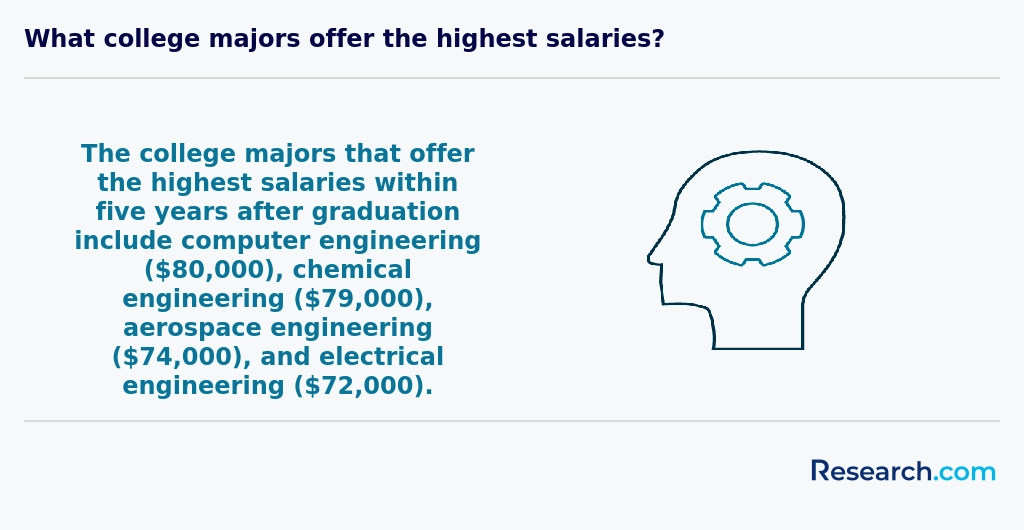
Graduates of engineering programs in Seattle enjoy diverse engineering career opportunities in Seattle thanks to the region's robust industries. Many alumni from prominent institutions like the University of Washington find themselves thriving in aerospace engineering roles, given Boeing's influence and local suppliers offering hands-on experience in design and testing. Others report fulfilling work in software development with tech giants such as Amazon and Microsoft, where skills in artificial intelligence and cloud computing open clear pathways to innovation.
Seattle's emphasis on sustainability creates promising Seattle engineering degree job prospects in environmental and civil engineering. Graduates often engage in projects that improve urban infrastructure and renewable energy systems, aligning their work with a meaningful impact on community health and resilience. For students balancing cost and career goals, options like an accelerated bachelor's degree online can provide flexibility without sacrificing strong salary potential, which local demand supports with median incomes well above the national averages.
The engineering job market in Seattle is vibrant and welcoming for graduates, especially those coming from respected institutions like the University of Washington. Many graduates find themselves quickly integrated into companies such as Microsoft or Boeing, where their skills are highly sought after, reflecting the strong Seattle engineering degree career outlook. Internships and co-op programs at local universities prepare students well, making the often-daunting transition into full-time roles feel achievable and encouraging.
Seattle's diverse engineering disciplines, from software to aerospace, mean graduates rarely face a shortage of opportunities. For example, software engineers enjoy median salaries around $120,000, a figure that demonstrates the rewarding nature of engineering job opportunities in Seattle. Graduates often share stories of landing roles in cutting-edge startups focused on renewable energy or robotics, highlighting the city's dynamic tech ecosystem.
Balancing costs is essential; students can consult resources like what is the easiest phd programs for further study options, helping to navigate this balance wisely and sustain their career momentum.
2027 Most Valuable Engineering Degree Programs Ranking in Seattle
Investing in your education is a significant decision that can shape your future, and the Research.com team understands the importance of making informed choices. To assist prospective students in Seattle, we have meticulously crafted the "2027 Most Valuable Engineering Degree Programs Ranking in Seattle." Our commitment to quality, credibility, and accuracy is reflected in the extensive research and analysis conducted to compile this ranking.
We utilized the following reputable data sources to ensure a comprehensive evaluation of engineering degree programs:
By exploring this ranking, readers will gain valuable insights into the most valuable engineering degree programs available in Seattle, empowering them to make well-informed decisions about their educational paths. For more details on our methodology, please visit our Research.com methodology page.


Frequently Asked Questions About engineering
Engineering students in Seattle can enhance their learning by engaging with local industries, as the city hosts leading technology companies like Microsoft and Boeing. Internships and cooperative education programs offer practical experience alongside academic studies. According to the National Association of Colleges and Employers (NACE), Seattle-based engineering internships have a 65% conversion rate to full-time jobs, reflecting strong local demand.
Students should also participate in research projects at institutions such as the University of Washington, which ranks among the top 10 public engineering schools nationally. Collaboration with faculty on cutting-edge topics improves technical skills and networking opportunities.
Joining professional organizations like the Seattle chapter of the Society of Women Engineers or the Institute of Electrical and Electronics Engineers (IEEE) provides mentorship and industry insights essential for career growth.
Emerging niches within the engineering field reflect rapid technological advancements and regional demand, especially in Seattle. One notable area is environmental engineering, driven by the city's strong commitment to sustainability and climate resilience. According to the U.S. Bureau of Labor Statistics, green technology and renewable energy projects have increased engineering job openings by nearly 15% in the Pacific Northwest.
Another growth sector is software and systems engineering, linked to Seattle's vibrant tech industry, including companies like Microsoft and Amazon. This niche focuses on developing complex software infrastructure and embedded systems integration.
Biomedical engineering is also expanding, fueled by local research institutions and healthcare innovation hubs. This field combines engineering principles with medical sciences to develop new healthcare technologies.
Preparing for the job market after completing an engineering degree in Seattle involves strategic planning and proactive engagement. Seattle's technology sector, with major employers like Microsoft, Amazon, and Boeing, offers numerous opportunities for engineering graduates. According to the Bureau of Labor Statistics, the Seattle metropolitan area's demand for engineers, especially in software, aerospace, and civil sectors, grows faster than the national average.
Students should seek internships and cooperative education programs during their studies to gain practical experience. Networking through local professional organizations such as the Seattle Section of the American Society of Civil Engineers or the Puget Sound chapter of the Society of Women Engineers can open doors.
Enhancing skills in emerging technologies, such as artificial intelligence, cloud computing, and sustainable engineering practices, is essential. Additionally, obtaining relevant certifications, like the Fundamentals of Engineering (FE) exam, can bolster employability.
Employers in Seattle highly value engineering graduates who possess strong technical skills, especially in software development, data analysis, and systems engineering. According to the Seattle Economic Development Council, demand for expertise in programming languages like Python, C++, and Java remains high across industries.
In addition to technical proficiency, employers seek candidates with solid problem-solving abilities and critical thinking. These skills enable graduates to address complex challenges in sectors such as aerospace, biotechnology, and information technology, prevalent in the Seattle metro area.
Communication and teamwork also rank among the top qualities. Engineering roles often require collaboration across multidisciplinary teams, making strong interpersonal skills essential for success in Seattle's dynamic work environment.
Finding internships in Seattle related to an engineering degree involves tapping into local industry hubs, especially given the city's strong presence in technology, aerospace, and manufacturing sectors. Companies like Boeing, Microsoft, and several startups actively seek engineering interns. According to the Seattle Office of Economic Development, over 50% of engineering internships are offered in tech fields.
Start by accessing university career centers such as those at the University of Washington, which maintain partnerships with local employers. Websites like Handshake and Internships.com also list regional opportunities specific to engineering.
Networking events and Seattle-area engineering organizations, including the Society of Women Engineers and IEEE Seattle Section, provide useful connections.
Additionally, submitting applications early during the fall or winter quarters improves chances since many firms recruit interns months in advance.
Obtaining an engineering degree in Seattle significantly enhances career mobility and advancement opportunities. The city's strong tech and aerospace sectors, including companies like Boeing and Microsoft, highly value formal engineering education. According to the U.S. Bureau of Labor Statistics, Seattle's engineering jobs grew by 12% from 2019 to 2023, outpacing the national average.
Engineers with relevant degrees often access higher starting salaries and faster promotion tracks. For example, the National Association of Colleges and Employers reported a median starting salary of $73,000 for engineering graduates nationwide, with Seattle offering slightly higher compensation due to local demand.
Additionally, Seattle's numerous networking events and professional organizations, such as the Society of Women Engineers - Seattle chapter, amplify career advancement by connecting degree holders with industry leaders. Overall, an engineering degree is a critical asset for career growth in Seattle's competitive market.
Studying for an engineering degree in Seattle offers unique preparation for interdisciplinary roles due to the city's dynamic tech and innovation environment. Seattle's universities emphasize hands-on learning combined with collaboration across engineering, computer science, and business. For example, the University of Washington integrates project-based courses that require teamwork with diverse disciplines, reflecting real-world industry settings.
Seattle's engineering programs benefit from close ties to leading companies like Microsoft and Boeing, fostering opportunities for internships and cooperative education in multidisciplinary teams. According to the National Center for Education Statistics, nearly 30% of engineering students in Washington engage in such experiential learning annually, enhancing their adaptability in diverse roles.
This integrated approach equips students with problem-solving and communication skills critical for interdisciplinary engineering careers in today's workforce.
When choosing between a thesis and a non-thesis engineering degree program in Seattle, consider your career goals. Thesis programs typically focus on research and are suited for students aiming for doctoral studies or research roles in industries such as aerospace or biotech, which are strong in Seattle's economy according to the Washington State Department of Commerce.
Non-thesis programs emphasize coursework and practical skills, ideal for those seeking immediate employment in Seattle's tech-driven market, home to companies like Boeing and Microsoft. These programs often allow more flexibility and internships, valuable in Seattle's competitive job scene.
Financial considerations also matter; thesis options may offer research assistantships. Check individual Seattle institutions' offerings and consult current students or faculty for insights tailored to your goals.
Students based in Seattle who wish to study engineering abroad have several pathways available through partnerships and exchange programs facilitated by local universities. For example, the University of Washington's College of Engineering offers exchange opportunities with institutions in Europe and Asia, enabling students to gain global experience while earning credits toward their degree.
Additionally, some engineering programs participate in the Washington State Opportunity Scholarship, which supports students planning to study STEM fields, including engineering, internationally. According to NACE data, approximately 10% of US engineering students participate in study abroad programs, reflecting the growing interest in global education.
Options also include summer programs and cooperative education models abroad, which help Seattle-area students build international expertise relevant to a globally connected engineering workforce.
Seattle offers various part-time job opportunities that can enhance engineering degree education. Students often find positions in local tech companies, such as Microsoft and Amazon, which provide roles in software development and IT support. These jobs help build practical skills alongside academic knowledge.
Internships and co-op programs at engineering firms also offer hands-on experience in fields like civil, mechanical, and electrical engineering. According to the University of Washington Career Center, approximately 65% of engineering students secure relevant part-time work during their studies.
Additionally, roles in research labs or university facilities allow exposure to emerging technologies and project management.
Engineering students in Seattle benefit from a rich array of networking opportunities thanks to the city's strong tech and aerospace industries. The University of Washington, a leading institution in engineering education, hosts numerous career fairs and industry panels annually, attracting recruiters from companies like Microsoft, Boeing, and Amazon. These events provide direct access to potential employers and internship offers.
Local professional organizations, such as the Seattle chapter of the Society of Women Engineers and the Institute of Electrical and Electronics Engineers (IEEE), offer regular meetups and workshops. These groups help students connect with experienced professionals and alumni.
Additionally, Seattle's vibrant startup scene encourages engineering students to engage in hackathons, innovation challenges, and collaboration spaces like co-working hubs. According to the Seattle Office of Economic Development, over 50% of engineering undergraduates participate in at least one networking or professional development event before graduation.
Alumni networks play a crucial role in supporting engineering degree students in Seattle. These networks connect students with successful graduates working at leading companies such as Boeing, Microsoft, and Amazon, which are key employers in the region's engineering sector. According to the University of Washington's 2023 Career Outcomes report, more than 70% of engineering students found internships or jobs through alumni referrals. Such connections often provide mentorship, allowing students to gain insights into industry trends, technology advancements, and workplace culture specific to the Seattle engineering market.
Moreover, alumni events and online platforms offer opportunities for networking, skill development, and collaboration on projects, which enhance career readiness. These benefits significantly increase students' chances of securing high-quality employment after graduation.
Customizing an engineering degree program in Seattle allows students to align their education with specific career goals. Many local universities offer flexible curricula where students can select specialized electives in fields like aerospace, computer, or environmental engineering. For instance, the University of Washington provides options to focus on data science or sustainable energy within its engineering departments. Additionally, internships and cooperative education programs with Seattle's thriving tech and manufacturing sectors enhance practical experience. Seattle's strong industry ties mean students can often work on real-world projects, tailoring their skills to meet demands from companies such as Boeing or Microsoft. According to the National Center for Education Statistics, Seattle saw a 12% growth in engineering graduates between 2018 and 2022, reflecting this trend.
Engineering students in Seattle commonly face challenges related to heavy coursework and time management. Programs in the region often demand proficiency in advanced math, physics, and computer science, requiring consistent study and practice. According to the Seattle Times, students report stress from balancing academics with internships, which are crucial for local tech industries like Boeing and Amazon.
Another significant challenge is the cost of education. Public universities in Washington average about $11,745 annually for in-state tuition, excluding housing and supplies (NCES, 2023). Many students struggle to manage expenses while seeking work opportunities.
Access to hands-on experience is also competitive. Engineering students must actively pursue research projects or cooperative education programs to build practical skills valued by Seattle employers.
With an engineering degree in Seattle, you can pursue several professional certifications that enhance career prospects and credibility. One of the most recognized is the Professional Engineer (PE) license, which requires passing the Fundamentals of Engineering (FE) exam and gaining relevant work experience. This credential is essential for engineers who want to take legal responsibility for engineering projects.
Other certifications include the Certified Manufacturing Engineer (CMfgE) and Project Management Professional (PMP), valuable for engineers in Seattle's growing manufacturing and tech sectors. According to the National Society of Professional Engineers, holding a PE license can increase salary potential by 10-15% on average nationwide.
Additionally, Seattle's aerospace and technology industries often value Lean Six Sigma certification, which improves process efficiency. Local universities and professional groups offer preparation courses for these certifications, supporting Seattle engineers to stay competitive.
To craft a winning application for an engineering program in Seattle, start by highlighting your strong foundation in math and science, as these subjects are critical for admission. Many Seattle institutions, such as the University of Washington, consider a competitive GPA around 3.7 or higher. Including relevant extracurricular activities like robotics clubs or internships with local tech firms can also boost your profile.
Seattle's engineering programs often require standardized test scores, so prepare thoroughly for the ACT or SAT. Ensure your personal statement reflects your passion for innovation and contributions to community projects. Letters of recommendation should come from educators familiar with your technical skills and work ethic.
Engineering careers are valued worldwide for their role in innovation and economic growth. In the United States, including Seattle, engineering remains a top field with strong job prospects. According to the U.S. Bureau of Labor Statistics, engineering jobs are expected to grow by 4% from 2021 to 2031. Seattle's technology-driven economy, anchored by companies like Boeing and Microsoft, offers diverse opportunities for engineers in aerospace, software, and civil sectors.
Globally, engineering skills are considered transferable, allowing professionals to work in multiple countries. Seattle's engineering education often includes international standards, preparing graduates for global markets. Institutions here emphasize collaboration and emerging technologies, reflecting worldwide trends in sustainability and digital innovation.
Gaining practical experience while pursuing an engineering degree in Seattle is essential for career readiness. Many local universities, like the University of Washington, offer co-op programs and internships that connect students directly with engineering firms in the area. These opportunities allow students to apply classroom knowledge to real-world projects.
Seattle is home to major engineering employers such as Boeing and Microsoft, which frequently recruit interns. According to the Puget Sound Engineering Council, over 60% of engineering students in the region participate in internships before graduation. This hands-on experience is invaluable in developing technical skills and professional networks.
Choosing the right concentration within an engineering degree program in Seattle involves understanding both your interests and the local job market. Seattle is a hub for tech giants like Amazon and Boeing, which strongly influence demand for software, aerospace, and electrical engineers. According to the Bureau of Labor Statistics, software engineering jobs in the Seattle metro area are projected to grow 15% by 2030, faster than the national average.
Visit university career centers or use resources like the Washington State Employment Security Department to explore local industry trends. Consider concentrations that align with booming sectors, such as computer engineering or mechanical engineering. Evaluate your skills and seek programs offering practical internships with Seattle companies, as hands-on experience is highly valued by employers.
- 2027 Most Valuable Engineering Degree Programs Ranking in Portland
- 2027 Most Valuable Engineering Degree Programs Ranking in Davis
- 2027 Most Valuable Engineering Degree Programs Ranking in Berkeley
- 2027 Most Valuable Engineering Degree Programs Ranking in San Francisco
- 2027 Most Valuable Engineering Degree Programs Ranking in Santa Cruz
- 2027 Most Valuable Engineering Degree Programs Ranking in Santa Barbara
- 2027 Most Valuable Engineering Degree Programs Ranking in Los Angeles
- 2027 Most Valuable Engineering Degree Programs Ranking in Irvine
- 2027 Most Valuable Engineering Degree Programs Ranking in Riverside
- 2027 Most Valuable Engineering Degree Programs Ranking in Denver
See What Experts Have To Say About Studying Engineering
Read our interview with Engineering experts

Jasna Jankovic
Engineering Expert
Associate Professor
University of Connecticut


Joseph Reichenberger
Engineering Expert
Professor of Civil Engineering & Environmental Science
Loyola Marymount University

- Study Engineering Degree Careers and Salary in Europe in Europe - 2026 - StudyinEurope.eu https://www.studyineurope.eu/engineering/engineering-degree-careers-salary-europe/
- targetjobs https://targetjobs.co.uk/careers-advice/engineering/what-can-i-do-engineering-degree
- New Ranking: The Best Alumni Networks https://poetsandquantsforundergrads.com/rankings/the-best-alumni-networks/
- WHAT EMPLOYERS ARE LOOKING FOR – Career Connections Center | Milwaukee School of Engineering https://www.msoecareerconnections.com/channels/what-employers-are-looking-for/
- Bachelor of Engineering – kierunki i perspektywy kariery https://educat.study/pl/bachelor-of-engineering/
- Interdisciplinary Engineering Education: Difficult, but not Impossible https://engineeringedu.press/2020/02/16/interdisciplinary-engineering-education-difficult-but-not-impossible/
- Breaking Into Engineering: First Job Tips | Intuitive https://careers.intuitive.com/en/employee-stories/career-growth-advice/breaking-into-engineering-tips-for-landing-your-first-job/
- Challenges, difficulties and barriers for engineering higher education https://www.jotse.org/index.php/jotse/article/view/1696/645
- Top Certification Courses for Advancing Engineering Careers - IJOER Engineering Journal Blog https://ijoer.com/blog/top-certification-courses-for-advancing-engineering-careers
- Tuition Rates | North Seattle College https://northseattle.edu/tuition-rates