
2027 Best Online Engineering Degree Programs Ranking in the South

Co-Founder and Chief Data Scientist
Choosing the right engineering degree program can be challenging, especially with so many options available online. This article introduces the 2027 Best Online Engineering Degree Programs Ranking in the South, created by a team of data scientists at Research.com. Their goal is to help you make an informed choice about which programs truly stand out.
Exploring these rankings will guide you toward quality education that fits your needs. Pursuing an engineering degree can open doors to exciting career opportunities and personal growth. Let this article be your helpful companion on that journey.
Key benefits of getting online engineering degree in the South
- Salary for engineering degree graduates: Mechanical Engineers in the South can expect a mean annual wage of $105,220, while Electrical Engineers earn around $117,680, showing strong earning potential after graduation.
- Career paths: Graduates from popular Southern universities often pursue roles in civil, industrial, or mechanical engineering, each offering diverse opportunities in construction, manufacturing, and technology.
- Online degree benefits: Completing an engineering degree online from a respected Southern university allows flexibility to balance work and study, often accelerating career growth without sacrificing income.
- 2027 Best Online Engineering Degree Programs Ranking in the South
- What can I expect from online engineering degree in the South?
- Where can I work with online engineering degree in the South?
What can I expect from online engineering degree in the South?
The average cost of an online engineering degree in the South is pretty wallet-friendly, especially when you compare it to in-person classes. Many public universities, like Texas A&M and Georgia Tech, offer lower tuition rates for in-state online students, which makes a big difference if you're living nearby. Graduates often talk about how affordable it felt juggling work and studies without racking up tons of debt.
Tuition varies, of course, but these programs tend to be competitive, so you're not breaking the bank while getting a quality education. Plus, there are scholarships and financial aid options specifically for engineering students in Southern schools, which really helps ease the financial burden.
One grad shared how choosing an online program from a Southern university let them maintain their job and family life, thanks to evening and weekend classes, all without sacrificing the quality of learning. That kind of flexibility paired with affordable tuition is why many find online engineering degrees in the South a smart, practical choice.
Where can I work with online engineering degree in the South?
If you're earning an online engineering degree from colleges like Georgia Tech or UNC Charlotte, you're stepping into a region bursting with career options. Graduates often find themselves landing roles in Texas's booming energy sector, especially in Houston, where mechanical and electrical engineers thrive amid big oil and renewable projects. Imagine working for major companies or startups right in the heart of the "Energy Capital of the World" - it's pretty exciting.
Others take a different path, heading to Georgia or North Carolina to join aerospace giants like Lockheed Martin or automotive leaders such as Volvo. The Research Triangle Park is a hot spot for industrial and software engineers, making it easier for grads to connect with cutting-edge tech jobs.
Many civil engineering grads appreciate the buzz in growing cities like Atlanta or Nashville, where infrastructure projects and smart city plans mean steady work improving communities. Plus, Alabama and Tennessee offer sweet gigs in manufacturing and quality control at plants run by Nissan and Volkswagen.
Graduates from these Southern schools often feel pumped knowing their online degree gets them noticed and opens doors across diverse industries right where they call home.
Thinking about how much you can make with an online engineering degree in the South? Well, graduates from schools like Georgia Tech or the University of Texas often find themselves earning solid salaries that match or even beat the national averages. Mechanical engineers, for example, usually land jobs with mean annual wages around $105,220. That's a great paycheck if you're into designing machinery or working with manufacturing.
Electrical engineers in the South do even better, often bringing home around $117,680 a year. Thanks to tech hubs like the Research Triangle in North Carolina, lots of folks with online degrees in this field are scoring roles in cutting-edge software and systems work.
Civil engineers, who might work on projects in bustling Atlanta or Houston, typically make about $101,160 annually. Graduates from southern schools sharing their internship stories talk about how hands-on experience boosted their paychecks well above starting salaries.
Overall, earning an accredited online degree from a respected regional university can really pay off in the South, with competitive wages that encourage growth and exciting career paths.
- Online engineering degrees in the Southern U.S. cover fields like civil, mechanical, electrical, and computer engineering with fully online or hybrid options.
- Tuition typically ranges from $12,000 to $25,000 per year, with public universities offering lower rates for in-state students, sometimes cutting costs by up to 50% compared to private schools.
- Entry-level engineers in the South earn about $65,000 annually, while mid-career salaries can range from $90,000 to $110,000 depending on state and discipline.
- Texas, Georgia, and North Carolina show strong job growth in engineering, especially in aerospace, automotive, energy, and technology sectors.
- ABET accreditation is essential for licensure and employer recognition, and many Southern schools provide career support and internship opportunities for online students.
- Regional industry partnerships in the South help online graduates with job placement and networking, with growing acceptance of remote and hybrid work.
Getting your online engineering degree in the South usually takes about four years if you're studying full-time. That's the standard timeline at big schools like Texas A&M or the University of Florida, where students dive into around 120 credit hours. But life isn't always that straightforward-lots of folks there juggle jobs and family, so taking classes part-time can stretch it out to six years or even longer. One graduate shared how going part-time at Florida let them keep working while still making steady progress, which made the whole thing feel way less overwhelming.
On the flip side, some people manage to speed through in as little as three years if they come in with transfer credits or an associate degree. Graduate programs, like those at Georgia Tech or NC State, usually take about 1.5 to 2 years full-time, but working engineers sometimes take up to three years part-time. It's all about picking the path that fits your pace and lifestyle.
Thriving in an online engineering program in the South requires more than academic aptitude-it demands a toolkit of soft skills, technical know-how, and proactive planning. • Time Management and Self-Discipline: Create a weekly study schedule that blocks out lectures, assignments, and lab simulations. Use digital calendars and productivity apps to track deadlines and avoid last-minute cramming. Graduates often recommend the Pomodoro Technique to maintain focus during complex problem-solving sessions. • Technical Proficiency: Ensure your computer meets program requirements (e.g., 8 GB RAM, SSD storage, stable 50+ Mbps internet). Familiarize yourself early with CAD software, MATLAB, or other simulation tools your institution uses. Regular software updates and backups will prevent technical hiccups that can derail project work. • Clear Communication: Online discussion boards and virtual group projects hinge on concise, professional communication. Craft emails with clear subject lines, use video conferencing etiquette (mute when not speaking, test your camera), and provide timely feedback to peers. These practices mirror real-world engineering teamwork and enhance employability. • Problem-Solving Mindset: Engineering challenges seldom have one correct answer. Develop a structured approach: define the problem, list known variables, apply relevant formulas, then test solutions via virtual labs or simulations. Document your process in a digital engineering notebook to track iterations. • Networking and Career Planning: Engage with online student clubs, alumni webinars, and professional organizations like ASME or IEEE. Early networking not only enriches your learning experience but also clarifies your professional direction-whether you aim for a role in renewable energy, telecommunications, or a specialized computer engineer career path. • Continuous Learning: The engineering landscape evolves rapidly. Subscribe to industry journals, take free MOOCs on emerging topics, and pursue certifications (e.g., Six Sigma, PMP) to stand out in a competitive job market. By honing these skills and strategies, online engineering students in the South can maximize their academic performance, build a professional network, and confidently transition into the workforce.
The biggest difference between online and on-campus engineering degrees in the South comes down to how you experience learning. For example, students at schools like Georgia Tech or the University of Alabama often find being on campus gives them hands-on time with labs and face-to-face chats with professors and classmates. This makes group projects and real-world problem-solving feel more alive and interactive.
On the flip side, many graduates from online programs at southern schools appreciate the super flexible schedule. They can work on assignments after putting the kids to bed or squeeze in classes between shifts at their job. This setup is perfect for folks balancing family and work, and the degree still carries the same weight as on-campus ones, especially from well-known schools.
Cost-wise, some online students in the South notice savings since they don't pay for housing or commuting, though tuition can be similar. Plus, online programs try hard to replicate labs with virtual simulations, so you don't miss out entirely on the hands-on stuff. It just depends on what kind of college life fits you best.
ABET accreditation confirms that an online engineering curriculum meets rigorous standards, preparing graduates for industry demands and licensure.
- Validates core coursework in mathematics, physics, and engineering principles
- Guarantees structured hands-on lab experiences, whether virtual or through local partnerships
- Enhances employer recognition and supports professional engineer (PE) licensure eligibility
- Signals continuous program improvement through regular ABET reviews
Verify each program’s accreditation via its website or the ABET directory. To compare accredited programs by cost and quality, explore our engineering degree online guide.
When thinking about the average cost of an online engineering degree in the South, you'll find that prices tend to be quite reasonable compared to other regions. On average, total tuition lands around $28,560, but this can change quite a bit depending on whether you qualify for in-state rates. For instance, many southern public universities offer sizable discounts for residents, sometimes lowering tuition to about $17,081. That's a big win for local students aiming to keep expenses manageable while still earning a solid degree.
Graduate programs, like a master's in engineering, often come with higher per-credit costs but usually require fewer credits. This trade-off keeps the total price somewhere in the range of $12,000 to $25,000, which is not bad when you consider the career boost most alumni get from institutions known for their engineering prowess down south.
Several graduates from popular Southern schools really appreciate the balance of quality and cost. They've shared how the online format helped them juggle work and family while saving money compared to traditional campuses. Whether it's at a major public university in Texas or a valuable engineering school in Georgia, students often find that the overall investment pays off.
Don't forget, though, that aside from tuition, you might have to budget for tech fees and materials, which usually add $500 to $1,500 per year. Still, with affordable online engineering programs southern US schools provide, many find these costs manageable when planning their future.

Pursuing an online engineering degree in the South can be made significantly more affordable by combining strategic budgeting with targeted financial planning. Begin by calculating your total cost of attendance-including tuition, technology fees, and learning materials-and compare in-state versus out-of-state rates to identify the most cost-effective options. Many Southern students start at a community college to complete foundational courses at lower tuition rates before transferring to a four-year institution, which can reduce overall expenses by up to 30%. Next, leverage scholarships and grants tailored to engineering majors. In addition to federal aid from FAFSA, explore state-specific programs and merit-based awards offered by professional societies. Employer tuition reimbursement programs are another valuable resource; graduates have reported companies covering 25–50% of their online engineering coursework, effectively lowering out-of-pocket costs. For those seeking the most budget-friendly programs, don’t miss our Affordable Engineering Degree Programs Ranking in North Carolina, which highlights top-value options with competitive tuition and robust financial aid. Finally, adopt cost-saving habits throughout your studies. Opt for digital textbooks and open educational resources to minimize material fees, and participate in peer-led study groups that share resources and reduce reliance on paid tutoring. By combining these strategies-community college pathways, targeted scholarships, employer support, and resourceful study habits-you can achieve a high-quality online engineering education in the South without compromising your financial stability.
If you're thinking about getting your online engineering degree in the South, there's good news: plenty of financial aid options make this dream way more affordable. Many students at well-known Southern schools like Georgia Tech or the University of North Carolina have found federal aid a huge help-just filling out the FAFSA opens doors to grants, loans, and work-study gigs. One graduate shared how the Pell Grant, which can cover up to $7,395, really eased their tuition worries.
State scholarships also make a big difference. For example, students in Georgia can tap into the HOPE Scholarship, while those in North Carolina often rely on the Education Lottery Scholarship. These programs are designed to reward merit and need, meaning your hard work or situation can actually pay off.
Besides federal and state help, Southern universities often offer scholarships specifically for online engineering learners. Some grads mention how these targeted scholarships, especially those supporting women or minorities, helped them stay motivated and on track.
Plus, if you're working, lots of companies around here in manufacturing or tech have tuition reimbursement programs that saved previous students thousands. Combining these options can seriously reduce debt and stress when chasing that engineering degree online.
When researching engineering degrees online, note which schools offer robust student support, virtual labs, and clear technology requirements to help you thrive in a remote learning environment.
- Establish a consistent weekly study schedule, blocking dedicated time for lectures, readings, and assignments.
- Ensure your computer meets software requirements for CAD, simulation tools, and coding platforms before courses begin.
- Engage in virtual labs and discussion boards to apply concepts and build professional connections.
- Leverage academic support services, such as tutoring, writing centers, and career counseling, offered by your institution.
- Form or join peer study groups to share challenges, brainstorm solutions, and maintain motivation.
- Communicate proactively with instructors to clarify doubts and seek feedback on projects.
If you're aiming to enroll in an online engineering degree program in the South, there are a few key things you'll want to have in place first. Most schools expect you to have a high school diploma or GED, with solid skills in math and science-think algebra, calculus, and physics. Graduates from popular Southern universities often mention how their strong math background made those first online courses feel way less intimidating.
Some programs still ask for SAT or ACT scores, though many have gotten flexible lately, especially after COVID shook things up. For example, a lot of schools around North Carolina and Georgia now let students apply test-optional, which was a huge relief for many.
If you're an international student, you'll need to prove your English skills with tests like TOEFL. And if you live in the South, don't forget residency documentation-that's how you qualify for in-state tuition, which can save you thousands.
Transfer students often have to submit official transcripts, and some programs might want you to complete a few prerequisites like basic engineering or programming courses first. Lots of students say these initial classes really helped build their confidence before jumping into tougher material online.
- High school diploma or GED with strong math and science background
- Standardized test scores (SAT/ACT), depending on school policy
- Proof of English proficiency for international students
- Official transcripts for transfer or previously enrolled college students
- Residency documentation for in-state tuition eligibility
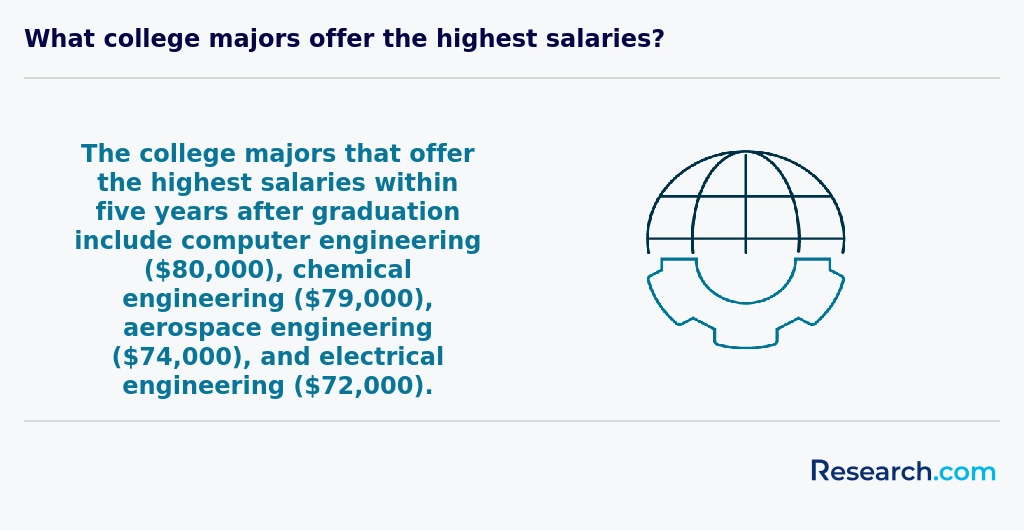
Navigating an online engineering program comes with its unique set of challenges and rewards; developing effective study habits, leveraging digital resources, and actively participating in online communities can make a significant difference. Students should create a dedicated study environment and establish a routine that accommodates course demands while allowing flexibility for personal responsibilities. Utilizing virtual collaboration tools, discussion forums, and networking opportunities is essential to build peer connections and receive timely academic support. Additionally, many programs offer career services and mentorship programs that guide students from project management to internship placement, which can be invaluable for professional growth. For example, if you’re aiming to attend a valuable engineering school in georgia, exploring tailored success strategies for online learners can help you make the most informed decision. Staying organized, regularly checking in with instructors, and seeking out supplementary resources like webinars and workshops are proven ways to enhance your online education journey and set the foundation for a rewarding career in engineering.
If you're thinking about an online engineering degree in the South, you'll dive into courses like calculus and differential equations right away-these are the building blocks for just about everything else you'll do. Graduates from universities in Texas and Georgia often say these math classes really helped them get comfortable with solving real-world problems, whether it's designing a bridge or programming a robot.
Alongside that, physics courses focusing on mechanics and electromagnetism are a must. Imagine figuring out how forces act on structures or how electrical circuits power everyday gadgets-that's the kind of stuff these classes cover. Schools like those in Florida often blend these lessons with materials science, so you learn what materials work best for different projects, which is super practical.
Then there are classes like statics and dynamics or thermodynamics and fluid mechanics, essential if you're leaning toward mechanical or civil engineering. Many Southern online programs also throw in specialized electives and hands-on projects, often using tools like MATLAB or Python. This mix helps graduates feel ready to tackle real jobs without ever setting foot on campus.
If you're looking at online engineering degree specializations in the South, you'll find a solid variety tailored to the industries booming around here. Mechanical engineering is a favorite-it's perfect if you dream of working in aerospace or automotive fields. Graduates from schools like Georgia Tech rave about hands-on courses that dive into thermodynamics and materials science while fitting busy schedules.
Civil engineering is another popular pick, especially with growing infrastructure projects in Texas and Florida. Students get to explore everything from structural design to environmental systems, making it a smart choice if you want to help shape your community's future.
Electrical and computer engineering programs are also thriving, thanks to tech hubs in cities like Raleigh and Atlanta. These programs often mix hardware and software skills, and many online students love how courses cover real-world topics like smart grids and cybersecurity. If you want a clear idea of career options, check out the computer engineer career path laid out for you.
You'll also find less common specializations like aerospace, chemical, and industrial engineering, depending on the university's focus. All in all, Southern online schools work hard to align their offerings with local job markets, making these choices pretty practical and exciting.
Picking the best online engineering degree in the South starts with finding programs that are truly accredited-ABET accreditation is a must because it guarantees your degree holds weight with employers. Graduates from well-known Southern schools often share how this accreditation opened doors for internships and jobs, especially in strong regional fields like petroleum engineering in Texas or mechanical engineering in Georgia.
Cost is another major factor. Many students appreciate how some Southern universities offer flat-rate tuition, which makes budgeting easier when taking more credits. If you're looking for affordable online engineering programs Southern US options can provide quality education that doesn't break the bank. For a good starting point, check out the Affordable Engineering Degree Programs Ranking in North Carolina to see how pricing compares.
Look closely at what specializations align with the South's industries-energy, manufacturing, and tech are big here. Graduates often mention feeling more confident and connected after choosing programs focused on regional strengths with solid internship opportunities. Being able to balance asynchronous classes with some live sessions also helps them manage work and family life while earning their degrees.
With the best accredited online engineering degrees in the South, you'll also want to consider the support network. Faculty who know local industries, robust career counseling, and hands-on virtual tools can boost your learning experience and future career prospects. Many students find that these aspects make learning feel less isolating and more engaging, fueling their motivation to succeed.
If you're earning an online engineering degree in the South, you've got tons of career paths to explore. Graduates often find jobs in civil engineering, working on big city projects like bridges and highways, especially around bustling hubs like Atlanta or Dallas. Others dive into mechanical engineering, supporting automotive plants and manufacturing hotspots that the South is known for. Electrical engineering grads often land roles in fast-growing areas like cybersecurity and telecom, sectors booming in Texas and Florida. There's also a growing demand in environmental engineering, as Southern states ramp up efforts on sustainability and natural resource management.
Many graduates from popular universities in the South feel great about how their degrees prepared them for real-world challenges. They appreciate the flexibility of online learning, especially when juggling jobs or family. Careers in industrial engineering also pop up, focusing on making production lines super efficient, which is huge for Southern manufacturing. If you want to explore specialized roles, check out options through some accelerated online degree for working adults programs-perfect for moving up fast!
The variety of options really shows how diverse the online engineering degree career options in the South are, offering solid job prospects for graduates no matter their interests.
The job market for online engineering jobs in the South is buzzing with opportunities. Graduates from popular universities in Texas and Georgia often find themselves stepping into roles in booming industries like energy, aerospace, and high-tech. For instance, those finishing an online engineering degree from a well-known Southern college share stories of landing civil and mechanical engineering jobs without leaving their hometowns, thanks to strong regional demand. The flexibility of these programs lets students juggle work and study, giving them a leg up when applying for local positions.
Career prospects Southern US students enjoy include steady salary ranges around $65,000 to $75,000 starting out, with some fields like aerospace pulling in even more. Many graduates highlight how ABET-accredited online degrees help them meet employer standards and get licensed. Networking in cities like Atlanta or Charlotte through engineering groups further boosts chances of success. If you want to explore how to maximize your chances while studying, you might want to check out the easiest doctorate degree options that align with your goals.
2027 Best Online Engineering Degree Programs Ranking in the South
Investing in your education is a significant decision that can shape your future, and the Research.com team understands the importance of making informed choices. To assist prospective students in the South, we have meticulously crafted the "2027 Best Online Engineering Degree Programs Ranking in the South." Our commitment to quality, credibility, and accuracy is reflected in the extensive research and analysis conducted to compile this ranking.
We utilized the following reputable data sources to ensure a comprehensive evaluation of online engineering programs:
By exploring this ranking, readers will gain valuable insights into the best online engineering degree programs available in the South, helping them make well-informed decisions about their educational paths. For more details on our methodology, please visit our Research.com methodology page.

# 2 position
University of Maryland-College Park
Master of Technology Entrepreneurship and Corporate Innovation, Online


# 10 position
Louisiana State University and Agricultural & Mechanical College
Master of Civil Engineering


Frequently Asked Questions About engineering
Online engineering degree students in the South can maximize their learning by actively engaging in virtual labs and simulation tools, which many accredited programs offer to replicate hands-on experience. According to the Southern Association of Colleges and Schools Commission on Colleges (SACSCOC), regional accreditation ensures quality standards, so enrolling in such institutions is crucial.
Participating in online study groups and forums helps build peer connections, critical for networking in engineering fields. Additionally, students should leverage partnerships between Southern universities and local industries to seek internships and project collaborations, enhancing practical skills.
Time management remains vital; budgeting focused study time can improve retention. Resources from the National Society of Professional Engineers suggest aiming for consistent weekly hours aligned with course load increases success rates dramatically.
The engineering field in the South is seeing significant growth in several emerging niches. One prominent area is renewable energy engineering, driven by regional investments in solar and wind power. According to the U.S. Energy Information Administration, solar power capacity in southern states like Texas and Florida has increased by over 20% in recent years, creating demand for engineers skilled in this sector.
Another expanding niche is cybersecurity engineering, as industries across the South prioritize protecting critical infrastructure. The National Initiative for Cybersecurity Education highlights that cybersecurity jobs in the Southeast have grown faster than the national average.
Additionally, biomedical engineering is rising, supported by healthcare hubs in states like Georgia and North Carolina. These trends suggest that students pursuing online engineering degrees in the South can focus on cutting-edge, high-demand fields.
Preparing for the job market after completing an online engineering degree in the South involves strategic steps. Graduates should leverage regional industry growth, especially in technology, manufacturing, and aerospace sectors, which employ over 200,000 engineers across states like Texas, Georgia, and Florida (U.S. Bureau of Labor Statistics, 2023).
Networking is essential. Engage with local professional engineering societies such as the Texas Society of Professional Engineers or the Georgia Tech Alumni Association to build connections. Internships or co-op programs, even post-graduation, provide hands-on experience valued by employers.
Obtaining a Professional Engineer (PE) license can enhance job prospects. Many Southern states support expedited PE exams for degree-holders from accredited programs.
Employers in the Southern United States prioritize practical skills linked to current industry demands when hiring engineering graduates. Strong proficiency in STEM fundamentals, especially mathematics, physics, and computer science, remains essential. According to the American Society for Engineering Education, communication skills rank highly, with over 70% of Southern employers emphasizing teamwork, problem-solving, and the ability to explain technical concepts clearly.
Technical skills such as proficiency in CAD software, programming languages like Python or MATLAB, and knowledge of sustainable design practices are increasingly valued. The Southern region's growing energy and aerospace sectors particularly seek graduates skilled in systems integration and innovative product development.
Familiarity with project management tools and certifications can also set candidates apart. These combined abilities reflect the evolving technological landscape of Southern industries.
Finding internships in the South for engineering students involves targeted research and leveraging regional resources. Many southern states, including Texas, Georgia, and North Carolina, boast strong engineering industries-such as aerospace, automotive, and energy sectors-that actively seek interns. According to the National Association of Colleges and Employers (NACE), engineering internships in these states have grown by approximately 5% annually over the past five years.
Students should explore university career centers, which often partner with local companies offering hands-on internship experiences. Additionally, platforms like Handshake and LinkedIn provide filters to find internships specifically in southern metropolitan areas.
Professional engineering societies such as the American Society of Mechanical Engineers (ASME) have local chapters that post internship opportunities and networking events tailored to the South.
An online engineering degree can significantly enhance career mobility and advancement in the Southern United States. According to the U.S. Bureau of Labor Statistics, engineering jobs in the South are projected to grow by about 5% through 2031, outpacing the national average in several states. Earning a degree online offers flexibility for working professionals to gain new skills without disrupting their current employment.
Employers in the region increasingly recognize accredited online engineering programs, especially those from Southern-based universities, valuing candidates who combine technical expertise with adaptable learning experiences. Additionally, online degrees often facilitate access to industry-specific certifications and networking opportunities with regional engineering firms, further supporting career growth.
Studying for an online engineering degree in the South offers strong preparation for interdisciplinary roles through curricula that emphasize collaboration across fields like computer science, business, and environmental studies. Southern universities often integrate project-based learning, enabling students to work on real-world problems with diverse teams. This approach builds skills critical for leadership positions that require technical expertise alongside communication and management abilities.
The Southern region is a hub for industries such as aerospace, energy, and manufacturing, driving demand for engineers who can navigate multiple disciplines. According to the National Science Foundation, Southern states award over 25% of the nation's engineering degrees, reflecting robust regional academic infrastructure supporting such interdisciplinary education.
Additionally, many Southern programs offer flexible online formats combining technical coursework with electives in data analysis and policy, preparing graduates to adapt in fast-evolving roles.
Choosing between a thesis and a non-thesis engineering degree program in the South depends on your career goals and interests. Thesis programs typically involve original research and a formal dissertation, ideal for students aiming for a PhD or research-intensive roles. Non-thesis options focus more on coursework and practical skills, suiting those targeting immediate industry positions.
According to the Southern Association of Colleges and Schools, about 60% of Southern engineering graduate programs offer both paths. Online programs in states like Texas and Georgia often provide flexibility to accommodate working professionals. Consider your time availability and long-term plans when deciding.
Students based in the South interested in online engineering degrees abroad face limited direct options through U.S. institutions, as most fully online international engineering programs require physical presence for accreditation. However, many Southern universities partner with foreign institutions to offer joint or dual degrees, enabling some courses to be completed online.
According to the Southern Association of Colleges and Schools Commission on Colleges (SACSCOC), students must ensure that these joint programs comply with regional accreditation policies. Popular destinations for partnerships include Canada, the UK, and Germany due to strong engineering curricula.
International internships and exchange components may be included but usually require short-term travel.
Part-time job opportunities that complement engineering degree education in the South often focus on technical and STEM-related roles. Many students find internships or technician positions in industries such as aerospace, automotive, and energy, which are prominent in states like Texas and Florida. According to the U.S. Bureau of Labor Statistics, engineering technicians earn a median wage of around $65,000 annually, providing valuable hands-on experience.
Additionally, software development and IT support roles are growing fast, especially in tech hubs like Atlanta, Georgia. These jobs improve programming and problem-solving skills essential for engineers. Local universities and online platforms often advertise research assistantships, which help students gain practical knowledge while studying.
Online engineering students in the South benefit from a growing number of networking opportunities designed to connect them with industry professionals and peers. Many Southern universities offering online programs host virtual career fairs and webinars tailored to engineering disciplines. For example, institutions like Georgia Tech and Texas A&M provide access to exclusive alumni networks and engineering chapters of organizations such as the Society of Women Engineers and the National Society of Professional Engineers.
Additionally, the Southern region's robust engineering job market-accounting for over 20% of U.S. engineering employment-means online students can participate in local professional events and internships, enhancing their practical connections. Industry partnerships often provide mentorship and project collaboration opportunities.
Regional engineering conferences, both virtual and in-person, further support networking, allowing students from across the South to build relationships critical for career advancement.
Alumni networks play a crucial role for online engineering degree students in the South by offering valuable professional connections. In states like Texas and Georgia, where engineering industries are rapidly growing, these networks help graduates access regional job markets more effectively. According to the National Association of Colleges and Employers, 85% of jobs are filled through networking, highlighting the importance of alumni connections.
Additionally, alumni networks provide mentorship opportunities, career advice, and access to exclusive job postings. They can also facilitate collaboration on engineering projects, giving students real-world experience. This support is especially helpful for online learners who may miss traditional on-campus networking events.
Such networks often organize webinars and local meetups, which foster ongoing learning and professional growth. In the Southern U.S., alumni communities frequently partner with local industries, enhancing students' chances of employment in key sectors like aerospace, energy, and manufacturing.
Customizing an online engineering degree program in the South often begins with selecting a specialization aligned with career goals, such as civil, mechanical, or electrical engineering. Many Southern universities offer flexible course options allowing students to tailor their studies through electives or technical minors. For example, the University of Florida and Georgia Tech provide online courses focused on emerging fields like renewable energy and robotics.
Students can also choose programs accredited by ABET, which meets industry standards and enhances job prospects in the region's growing engineering sectors, including aerospace and manufacturing. Advisors typically help design personalized study plans matching regional job market demands.
Online engineering students in the South face several unique challenges. Access to reliable high-speed internet remains an issue in rural parts of states like Alabama, Mississippi, and Georgia, affecting their ability to participate fully in virtual labs and synchronous classes. According to the FCC, nearly 22% of Southern rural residents lack broadband access, complicating learning for many.
Another challenge is limited hands-on learning opportunities. Engineering programs often require practical experience with equipment, difficult to replicate online. Southern schools have begun integrating virtual simulations, but these cannot fully replace in-person labs.
Additionally, students report balancing coursework with work and family commitments, a common issue intensified by economic factors in the region.
With an online engineering degree, professionals in the South can pursue several important certifications to advance their careers. One of the most recognized is the Professional Engineer (PE) license, which often requires passing the Fundamentals of Engineering (FE) exam, gaining work experience, then passing the PE exam. According to the National Society of Professional Engineers, about 40% of licensed engineers in Southern states hold this credential.
Other valuable certifications include the Certified Manufacturing Engineer (CMfgE) and the Project Management Professional (PMP), which enhance skills in manufacturing and project leadership.
Many Southern universities also support certification preparation, aligning with workforce needs reported by the U.S. Bureau of Labor Statistics.
Writing a winning application for an online engineering program in the South requires clear focus and attention to detail. Start by thoroughly researching programs accredited by ABET, as accreditation ensures quality and is highly valued by employers. Highlight your academic background, especially strong performances in math and science courses, as these are crucial in engineering fields.
Southern universities often look for applicants who demonstrate problem-solving skills and relevant experience. Include any internships, projects, or related work that showcase your engineering aptitude. Tailor your personal statement to emphasize your goals and how the program fits your career path.
According to the Southern Regional Education Board, engineering degrees in Southern states have grown by 15% over the past five years, showing increasing demand and opportunity.
The global view of an engineering career reflects strong demand and diverse opportunities. In the U.S., including Southern states, engineers are vital to innovation and infrastructure. The Bureau of Labor Statistics projects a 7% growth in engineering jobs nationwide from 2022 to 2032, slightly above average. Southern states like Texas and Georgia lead with growing engineering sectors, especially in aerospace and energy.
Worldwide, engineering skills are highly transferable. U.S. degrees, especially from accredited online programs, are recognized internationally, enhancing global mobility for graduates. According to the National Society of Professional Engineers, South-region universities increasingly emphasize global standards and collaboration, preparing students for challenges beyond borders.
Gaining practical experience while pursuing an online engineering degree in the South is essential for career readiness. Many Southern universities partner with local industries to offer virtual internships, co-op programs, and project collaborations that students can engage in remotely. According to the National Association of Colleges and Employers, 70% of engineering employers in the Southeast value internship experience highly during hiring.
Additionally, students can participate in regional engineering societies and online competitions to build hands-on skills. Some institutions provide virtual labs and simulation software mimicking real-world engineering challenges. Local companies in Texas, Georgia, and Florida often collaborate with online programs to support remote experiential learning, giving students a competitive edge in the Southern job market.
Choosing the right concentration within an online engineering degree program in the South involves assessing your career goals and regional industry demands. The Southern U.S. has a strong presence in aerospace, automotive, and energy sectors, which often influence available specializations at universities.
Consider programs accredited by ABET, as this ensures quality education recognized by employers. Southern states like Texas and Georgia offer numerous programs in mechanical, electrical, and civil engineering, reflecting local job markets.
Research employment data from the U.S. Bureau of Labor Statistics, which highlights that mechanical and civil engineers are among the fastest-growing jobs in the South.
Finally, examine faculty expertise, available internships, and online learning support tailored to your specialization of interest.
See What Experts Have To Say About Studying Engineering
Read our interview with Engineering experts

Jasna Jankovic
Engineering Expert
Associate Professor
University of Connecticut

Joseph Reichenberger
Engineering Expert
Professor of Civil Engineering & Environmental Science
Loyola Marymount University

Bohdan W. Oppenheim
Engineering Expert
Professor Emeritus of Healthcare Systems Engineering
Loyola Marymount University

- Best Online Engineering Degrees https://www.onlineu.com/degrees/engineering
- Graduate Engineering Schools That Award Financial Aid to ... https://www.worldtrips.com/resources/graduate-engineering-financial-aid-to-international-students
- Online – Bachelor of Science (Mechanical Engineering) https://www.eit-za.com/courses/online-bachelor-of-science-mechanical-engineering/
- Undergraduate Online Financial Aid https://www.bushnell.edu/financial-aid/undergraduate-online/
- The 4 Best Online Colleges that Accept FAFSA - Juno https://joinjuno.com/financial-literacy/financial-aid/online-colleges-accept-fafsa
- Strategies for Engineering Students to Gain Hands-On ... https://starfishmedical.com/resource/gain-quality-hands-on-experience/
- What jobs can you do with an engineering degree? https://targetjobs.co.uk/careers-advice/engineering/what-can-i-do-engineering-degree
- 40 Different Types of Engineering Degrees https://typesofengineeringdegrees.org/
- No-Cost Tuition Available for Engineering Programs https://www.tridenttech.edu/landing/scwins_engineering.html
- FAQ https://www.onlineengineeringprograms.com/faq





