2027 Most Popular Engineering Degree Programs Ranking in Fayetteville

Co-Founder and Chief Data Scientist
Choosing the right engineering degree program is a big step toward a successful future, especially in Fayetteville. This article introduces the 2027 Most Popular Engineering Degree Programs Ranking in Fayetteville, created by the Research.com team of data scientists to help you make an informed decision.
By exploring this ranking, you'll discover which programs offer strong career prospects and align with your interests. Pursuing an engineering degree can open doors to exciting opportunities, growth, and personal achievement. Dive in to find the best fit for your goals and passion.
Key benefits of getting engineering degree in Fayetteville
- Salary for engineering degree graduates: Mechanical engineers in Fayetteville can expect a mean annual wage of $105,220, while electrical engineers earn around $117,680, reflecting strong earning potential locally.
- Career paths: Graduates from the University of Arkansas in Fayetteville often pursue diverse roles in civil, industrial, mechanical, or electrical engineering, opening doors to dynamic industries and innovation.
- Benefits of an online engineering degree: Earning an engineering degree online offers flexibility for working students and allows access to quality programs like those at the University of Arkansas, balancing life and study effectively.
- 2027 Most Popular Engineering Degree Programs Ranking in Fayetteville
- What can I expect from engineering degree in Fayetteville?
- Where can I work with engineering degree in Fayetteville?
What can I expect from engineering degree in Fayetteville?
The average cost of pursuing an engineering degree in Fayetteville is both accessible and rewarding. At the University of Arkansas, in-state students typically pay around $9,500 per year for undergraduate engineering programs, making it an attractive option for local residents eager to build a strong foundation without overwhelming financial strain. Out-of-state students invest about $28,000 annually, reflecting the university's robust offerings and the high-quality education provided by its College of Engineering.
Graduates often emphasize how these costs translate into invaluable experiences, such as hands-on projects in state-of-the-art facilities like the Engineering Innovation Center. Many recall their internships with local manufacturing and aerospace firms, which not only enhanced their skills but opened doors to fulfilling career paths. Financial aid and scholarships specifically targeting engineering students further lighten the financial load, empowering students to focus on growth and innovation as they prepare to shape the future.
Where can I work with engineering degree in Fayetteville?
Graduates with an engineering degree in Fayetteville can find exciting opportunities across a variety of thriving industries. Many start their careers in manufacturing firms, where they use skills gained at Fayetteville Technical Community College or the University of Arkansas - Fort Smith to enhance production and innovate new products. These roles bring a sense of accomplishment as engineers contribute directly to improving local manufacturing processes.
Others find rewarding positions working on defense projects linked to nearby Fort Bragg, tackling challenges in civil, electrical, or systems engineering. Imagine applying your knowledge to design advanced military technologies or infrastructure that supports national security-this brings both pride and meaningful impact.
The growing technology sector also welcomes graduates eager to launch careers in software development, automation, or cybersecurity. Students often share how internships arranged through their colleges connect them to real-world tech companies, fueling confidence and hands-on experience.
Many civil engineers work alongside Fayetteville's urban planners, helping shape tomorrow's infrastructure. Whether improving roads or managing water resources, these professionals see their efforts reflected across the city, making a visible difference every day.
Graduates with engineering degrees from Fayetteville institutions often find rewarding career opportunities with strong earning potential. For example, mechanical engineers can expect mean annual wages around $105,220, reflecting the vibrant manufacturing and defense industries nearby. Electrical engineers enjoy even higher salaries, with averages near $117,680, supported by Fayetteville's growing technology sectors.
Civil engineers from local colleges typically earn about $101,160 annually, benefiting from steady demand in infrastructure and urban development. These figures showcase the real-world value of completing an engineering program in Fayetteville, where a graduate might transition from classroom learning at a familiar campus to critical roles in companies contributing to the region's economy.
Many graduates feel inspired by their ability to start with solid salaries and advance quickly in their careers, especially when pursuing further certifications or graduate studies. Imagine collaborating with professionals on innovative projects or defense contracts, knowing your Fayetteville education gave you the practical skills to excel.
- Tuition for engineering programs in Fayetteville ranges from about $9,000 to $12,000 per year for in-state students, while out-of-state tuition often exceeds $20,000 annually.
- Entry-level engineers in Fayetteville earn an average starting salary of approximately $62,000 per year, rising to around $90,000 within five to ten years.
- Key employment fields include civil engineering for urban growth, manufacturing engineering, and electrical and computer engineering driven by tech companies.
- Most engineering programs in Fayetteville are accredited by ABET, ensuring curriculum quality and eligibility for professional licensure.
- Students often benefit from internships, cooperative education programs, engineering clubs, research projects, and partnerships with local businesses to enhance job readiness.
Completing an engineering degree in Fayetteville is an achievable and rewarding journey, typically taking about four years of full-time dedication. Students at institutions like the University of Arkansas experience a dynamic curriculum that builds a strong foundation before diving into specialized fields such as civil or electrical engineering. Many graduates recall the excitement of early hands-on labs and internships that brought theory to life, fueling their passion and confidence.
Some driven students take advantage of accelerated options, finishing their degree in as little as three years by enrolling in summer courses or handling heavier course loads. Others embrace a flexible path, balancing part-time work or internships, which may extend their studies to around five or six years-each step enriching their experience and skillset in real-world settings.
Fayetteville's engineering programs not only align with national standards but also foster resilience and growth, helping students turn challenges into milestones toward becoming successful engineers.
Earning an engineering degree is just the first step; obtaining professional certifications and licensure elevates your credentials and expands career prospects. The Fundamentals of Engineering (FE) exam, typically taken during your senior year, validates your mastery of core engineering concepts and is the gateway to becoming an Engineer-in-Training (EIT). After gaining four years of relevant work experience, you can sit for the Principles and Practice of Engineering (PE) exam, which grants full Professional Engineer status recognized across the United States. Beyond FE and PE licensure, specialized certifications-such as the Project Management Professional (PMP), Certified Energy Manager (CEM), and Six Sigma Green Belt-demonstrate expertise in high-demand areas. Employers often prioritize candidates who hold these credentials, as they signal a commitment to continuous learning and adherence to industry standards. Many Fayetteville graduates report that preparing for certification exams through dedicated review courses and study groups not only reinforces academic concepts but also sharpens practical problem-solving skills. For those balancing full-time work with exam preparation, online programs can provide flexibility and targeted review materials. Prospective students may find value in our Affordable Online Engineering Degree Programs Ranking in New Jersey, which highlights accredited institutions offering robust exam-prep support. Whether you choose in-person workshops or self-paced e-learning modules, planning your study schedule at least six months before each exam increases your likelihood of success. Maintaining licensure also involves fulfilling Continuing Education Units (CEUs) or Professional Development Hours (PDHs) through seminars, conferences, and relevant coursework. Staying current with emerging technologies-such as renewable energy systems, advanced materials, and AI-driven design-ensures that your skills remain competitive in a rapidly evolving engineering landscape. By integrating certification milestones into your career roadmap, you’ll maximize both professional credibility and long-term earning potential.
On-campus engineering programs in Fayetteville offer an energizing environment where students immerse themselves in hands-on projects at local universities like Fayetteville State University. Graduates often recall late nights in labs and lively collaborations on design challenges, experiences that build confidence and practical skills crucial for careers in fields such as mechanical or civil engineering.
Meanwhile, online engineering degrees bring incredible flexibility, empowering working professionals and busy parents to advance their education without pausing their lives. These students appreciate the ability to access lectures anytime, turning everyday spaces-whether a cozy nook at home or a favorite coffee spot-into dynamic classrooms. This adaptability opens doors to success for many who might otherwise find university attendance challenging.
Both paths share a commitment to quality, emphasizing accredited curricula that prepare you to thrive in Fayetteville's vibrant tech and manufacturing industries. Whether in a bustling campus setting or a personalized online journey, your engineering education here can be a powerful launchpad for innovation and growth.
The average cost of an engineering degree in Fayetteville offers an encouraging balance between quality education and affordability. For in-state students at prominent institutions like the University of Arkansas, the median total cost is approximately $10,104, making it an accessible option for many aspiring engineers. Graduates often share how manageable expenses allowed them to focus more on hands-on projects and innovative lab work, which are pivotal to their success in the field.
Out-of-state students face a higher median total cost of around $45,364, which still remains competitive compared to other regions. These figures include tuition, fees, and other necessary expenses, showing that Fayetteville maintains a welcoming environment for all students seeking engineering degrees. Many students find this investment worthwhile given the strong support from financial aid programs and scholarships that target prospective engineers.
The Fayetteville engineering degree tuition and fees reflect a commitment to affordability without compromising educational excellence. Students often highlight how the community's moderate living costs make daily life simpler and more affordable, enhancing their overall experience. Furthermore, understanding the engineering degree salary range adds an exciting perspective for those focused on long-term rewards.
Choosing to study engineering in Fayetteville means joining a vibrant, supportive learning environment that nurtures creativity while valuing practical knowledge. With costs that align closely with the state's commitment to accessible education, pursuing an engineering degree here is a bright and motivating step toward a promising future.
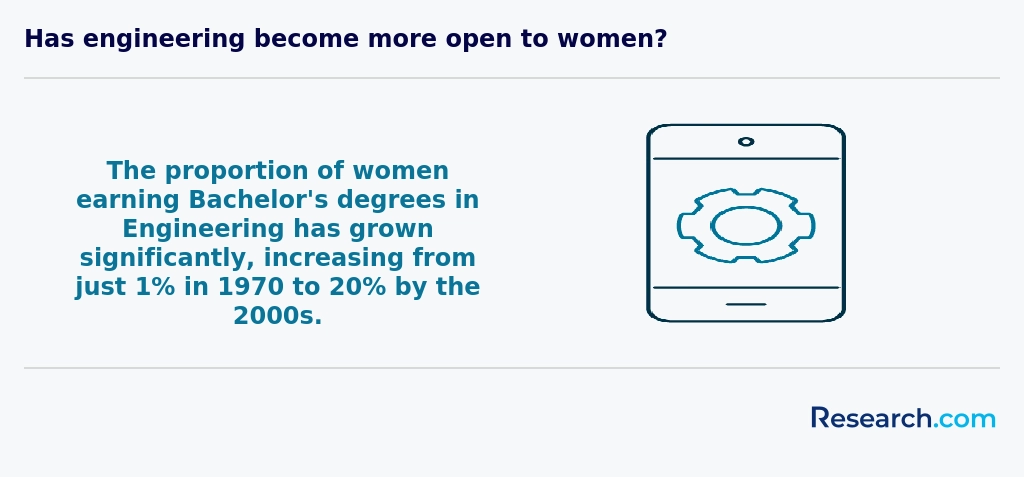
Ensuring that an engineering program is accredited and has strong industry partnerships is essential for a quality education that leads to long-term career success. Accreditation from recognized boards not only validates the program’s rigor but also reassures employers of the technical competence of its graduates. Moreover, robust partnerships with leading engineering companies mean students can benefit from internships, real-world projects, and networking opportunities that give them a competitive edge. Prospective students in Fayetteville, AR, should verify that their chosen institution meets national accreditation standards and actively collaborates with industry leaders to stay abreast of current trends and technologies. For further insights on how quality programs connect accreditation with career success, explore our comprehensive review of the most popular engineering programs. This integrated approach not only enhances learning but also paves the way for smoother transitions into the professional world, ensuring that graduates can confidently navigate the rapidly evolving field of engineering.
Engineering students in Fayetteville find a wealth of financial aid options that make their ambitions truly achievable. By completing the FAFSA, many unlock federal grants like the Pell Grant, with awards up to $7,395, easing the burden of tuition and living expenses. Graduates from the University of Arkansas often speak of how these grants transformed their college experience, allowing them to focus fully on their innovative projects and internships.
Loans with low interest rates and flexible repayment help bridge gaps, while work-study programs provide hands-on experience in engineering fields, enabling students to earn while learning. State scholarships, such as the Arkansas Academic Challenge Scholarship, reward academic excellence and fuel dreams of becoming civil or mechanical engineers. Fayetteville's engineering students also benefit from generous merit-based awards offered by their campuses and local organizations.
Professional groups like SWE and ASCE offer scholarships that add an inspiring layer of support, encouraging diversity and leadership in engineering. Students in Fayetteville know these opportunities create a strong foundation for success and innovation in their careers.
Completing high school courses like Biology, Chemistry, and Physics equips you with problem-solving skills essential for hands-on learning in Fayetteville's engineering labs. Many students share how these classes sparked their curiosity and passion for creating real-world solutions.
Standardized tests such as the SAT or ACT remain important stepping stones, with scores between 1200 and 1400 highlighting your readiness. Even in test-optional environments, strong results boost your application and reassure you of your academic potential.
Beyond academics, letters of recommendation and personal statements provide a chance to showcase your dedication and extracurricular experiences, like participation in robotics clubs or internships. These moments make your application uniquely yours and highlight your eagerness to thrive.
Taking advanced courses like AP Calculus or AP Physics can set you apart, showing Fayetteville engineering programs your determination and preparedness for rigorous college-level work. Many Fayetteville graduates credit these courses with building their resilience and adaptability in engineering careers.

Accreditation ensures that an engineering degree meets rigorous academic and professional standards, directly impacting licensure eligibility and employer recognition. In Fayetteville, AR, most reputable engineering programs-such as those at the University of Arkansas-are accredited by the Accreditation Board for Engineering and Technology (ABET). ABET accreditation signifies that a curriculum has been peer-reviewed for quality in areas like curriculum content, faculty qualifications, and student outcomes. Graduates from ABET-accredited programs are eligible to sit for the Fundamentals of Engineering (FE) exam, a critical first step toward Professional Engineer (PE) licensure. Beyond ABET, programs may hold specialized certifications-such as recognition by the National Council of Examiners for Engineering and Surveying (NCEES) for civil engineering-or industry partnerships that enhance hands-on learning. Prospective students should verify accreditation status through official university websites and the ABET directory to ensure their degree will be recognized nationwide. For those exploring software engineering tracks, particularly app development, understanding program duration and certification parallels can be helpful; many students often ask how long does it take to become an app developer, which mirrors the structured timeline and accreditation requirements of a traditional four-year engineering curriculum. Ensuring your chosen program holds the right accreditation not only safeguards educational quality but also strengthens your competitiveness in the job market.
Engineering students in Fayetteville dive into a dynamic curriculum that blends core knowledge with practical skills to ignite their passion for innovation. They begin with essential courses like calculus, physics focused on mechanics and electromagnetism, and general chemistry-building a strong foundation to tackle real engineering challenges. At popular universities in Fayetteville, graduates recall how mastering these basics gave them confidence to approach complex problems with clarity and enthusiasm.
As they progress, students explore specialized subjects tailored to their interests, such as statics and dynamics, thermodynamics, electrical circuits, and materials science. Imagine designing a sustainable energy project or developing next-gen robotics through hands-on CAD and engineering software tools-this is the everyday experience at Fayetteville's engineering programs.
These courses not only sharpen technical skills but also emphasize project management and ethics, preparing students to lead responsibly. Graduates often share how collaborative labs and practical projects transformed their theoretical learning into tangible accomplishments, fueling their motivation to excel in the ever-evolving engineering landscape.

In Fayetteville, engineering degree specializations span vibrant fields that inspire students to shape the future. Graduates from the University of Arkansas, a leader among the top engineering programs in Fayetteville Arkansas, often share how Civil Engineering connects them directly to projects that build vital infrastructure like bridges and water systems, positively impacting their community's growth. Mechanical Engineering students thrive near Arkansas' manufacturing hubs, designing and refining machinery that powers local industries.
Electrical Engineering specialists find excitement working with cutting-edge technologies in renewable energy and circuits, while Computer Engineering graduates embrace the digital economy, blending hardware and software skills for booming tech careers. Environmental Engineering attracts those passionate about sustainability, providing tools to combat pollution and enhance resource management in a city devoted to green initiatives.
Fayetteville's engineering degree specializations empower students to pursue careers with purpose and innovation. Many discover their path by exploring options with top-earning potential bachelor's degree programs tailored to dynamic, real-world challenges.
Choosing the best engineering degree in Fayetteville means focusing on what truly excites you and fits your future goals. Graduates from the University of Arkansas often reflect on how selecting a specialization aligned with their passions-whether civil, mechanical, or electrical engineering-helped them thrive. Fayetteville's strong educational environment offers affordable engineering schools in Fayetteville that combine quality programs with practical experiences, making the journey both rewarding and accessible.
Imagine joining hands-on labs and co-op programs that connect you with local industries, enhancing your learning beyond the classroom. Many students appreciate how schools here maintain ABET accreditation, opening doors to licensure and exceptional job opportunities. Your choice should balance cost, faculty expertise, and vibrant support services to create a truly empowering path.
When exploring options, consider the engineering degree job market and local career outcomes. This perspective helps ensure your degree matches both your dreams and the dynamic opportunities Fayetteville offers to aspiring engineers.

Graduates with an engineering degree in Fayetteville find themselves stepping into a vibrant job market filled with diverse opportunities reflecting the city's dynamic economy. Students from popular local colleges often share how civil engineering roles allow them to design the roads and bridges shaping Fayetteville's urban growth, instilling a strong sense of community impact and pride. Others discover their passion in electrical or mechanical engineering, finding fulfilling careers in manufacturing firms and tech companies thriving in the area. These paths not only promise competitive wages but also the chance to contribute to cutting-edge product development and efficient industrial processes. Fayetteville's engineering degree career opportunities extend further to emerging fields like environmental engineering, where graduates play active roles in sustainability and environmental protection projects that truly make a difference in the region.
Beyond these traditional roles, students report excitement about aerospace opportunities linked to nearby defense contractors and expanding roles in the tech sector. Many also explore roles in data science, blending engineering skills with technology innovation. This diversity of Fayetteville engineering degree job prospects inspires graduates to pursue meaningful, fulfilling careers that grow alongside the city's advancing industries.

The engineering degree job outlook Fayetteville offers a vibrant and expanding environment for new graduates eager to launch their careers. With the city's proximity to major employers like Walmart's corporate headquarters in Bentonville and a flourishing supply chain ecosystem, opportunities in civil, mechanical, and electrical engineering abound. Graduates from the University of Arkansas in Fayetteville often share inspiring stories of landing competitive roles within local tech firms, manufacturing companies, and infrastructure projects that directly contribute to the region's growth.
Starting salaries here typically range from $60,000 to $70,000, reflecting a strong market that values fresh talent. Many engineering students appreciate that pursuing a degree at institutions in Fayetteville is affordable compared to national averages, reinforcing their decision to study close to home. The community's supportive network helps them feel confident as they step into real-world roles.
Those exploring Fayetteville engineering career opportunities can also explore the most popular engineering programs in Arkansas to find tailored paths that match their interests and local demand.
2027 Most Popular Engineering Degree Programs Ranking in Fayetteville
Investing in your education is a significant decision that can shape your future, and the Research.com team understands the importance of making informed choices. To assist prospective students in Fayetteville, we have meticulously developed the "2027 Most Popular Engineering Degree Programs Ranking in Fayetteville." Our dedication to quality, credibility, and accuracy is reflected in the rigorous research and analysis behind this ranking. We utilized the following reputable data sources to ensure a comprehensive evaluation of engineering degree programs:
By exploring this ranking, readers will gain valuable insights into the most popular engineering degree programs in Fayetteville, enabling them to make well-informed decisions about their educational and professional futures. For more details on how this ranking was created, please visit our Research.com methodology page.

Frequently Asked Questions About engineering
Engineering students in Fayetteville can maximize their learning by engaging actively in both academic and practical experiences. The University of Arkansas, located in Fayetteville, offers ABET-accredited engineering programs known for integrating hands-on lab work that complements theoretical studies. Students are encouraged to join engineering clubs and participate in competitions, which foster teamwork and problem-solving skills.
Internships and cooperative education placements with local industries provide valuable real-world experience. According to the Arkansas Department of Higher Education, over 70% of engineering students in the state secure internships before graduation, enhancing employability and technical skills.
Utilizing campus resources such as tutoring centers and research opportunities also supports academic success. Networking with faculty and attending industry talks broaden students' perspectives, preparing them for evolving engineering fields.
The field of engineering is evolving rapidly, with several emerging niches gaining traction in Fayetteville and across the United States. Areas like renewable energy engineering are expanding due to increased focus on sustainability and clean technology. According to the U.S. Bureau of Labor Statistics, jobs related to solar and wind energy systems are expected to grow by over 50% by 2030.
Another promising niche is biomedical engineering, integrating healthcare and technology to develop medical devices and solutions. Fayetteville's proximity to research hospitals supports growth in this sector.
Additionally, data-driven fields such as robotics and artificial intelligence engineering are on the rise, offering new opportunities for innovators. These emerging specialties reflect broader national trends influencing local engineering education and workforce demands.
Preparing for the job market after earning an engineering degree in Fayetteville involves practical steps to increase employability. Start by gaining relevant experience through internships or cooperative education programs, which many Fayetteville universities facilitate. According to the Bureau of Labor Statistics, engineers who complete internships tend to have higher starting salaries and faster job placement.
Networking is essential. Engage with local professional groups such as the Arkansas Society of Professional Engineers. Fayetteville's growing engineering sector, supported by industries like aerospace and manufacturing, offers networking events and job fairs.
Additionally, consider obtaining relevant certifications such as the Fundamentals of Engineering (FE) exam. Passing this can enhance your credentials and is often a stepping stone to becoming a licensed Professional Engineer (PE) in Arkansas.
Employers in Fayetteville seek engineering graduates with a balanced mix of technical knowledge and practical skills. Proficiency in computer-aided design (CAD) software, programming languages like Python or MATLAB, and strong analytical abilities are essential. Local industry demands emphasize problem-solving skills, teamwork, and effective communication.
According to the Arkansas Department of Workforce Services, employers in Fayetteville prioritize candidates who can adapt to evolving technologies and collaborate across multidisciplinary teams. Additionally, internship experience or hands-on projects significantly improve job prospects for new graduates.
Understanding industry-specific regulations and safety standards is also important, especially in manufacturing and construction sectors prevalent in the region.
Finding internships in Fayetteville relevant to an engineering degree involves leveraging local resources and university partnerships. The University of Arkansas in Fayetteville has strong connections with regional industries such as aerospace, manufacturing, and technology, offering robust internship programs for engineering students.
Students should utilize the university's career services, which provide access to job fairs, employer networking events, and dedicated internship listings specifically for engineering fields. According to the University of Arkansas Career Development Center, over 60% of engineering students secure internships through campus resources annually.
Additionally, exploring Fayetteville-based companies like Aerojet Rocketdyne and local manufacturing firms can lead to practical internship opportunities. Registering on platforms such as Handshake and LinkedIn, while targeting Fayetteville employers, is recommended to increase visibility.
Engaging with professional organizations like the Arkansas Society of Professional Engineers can also offer networking events and internship leads that are highly relevant to engineering students.
Obtaining an engineering degree in Fayetteville significantly enhances career mobility and advancement opportunities. The city's growing industries, including manufacturing and technology, actively seek skilled engineers, driving demand for graduates. According to the U.S. Bureau of Labor Statistics, engineers in the Fayetteville region enjoy higher average salaries compared to other local professions, signaling strong market value.
Holding an engineering degree opens doors to diverse roles in design, project management, and research. Employers in Fayetteville often prioritize candidates with accredited degrees from recognized institutions, making formal education a key factor for hiring and promotion.
Moreover, professional certifications linked to engineering degrees can accelerate advancement within regional companies and government agencies. Networking opportunities through local engineering societies further support career growth.
Engineering degrees in Fayetteville emphasize a strong foundation in multiple disciplines, preparing students for interdisciplinary roles. Programs often integrate coursework in computer science, materials science, and environmental studies, reflecting the collaborative nature of modern engineering projects.
Local institutions, such as the University of Arkansas, offer opportunities for hands-on learning through research centers and industry partnerships. These experiences expose students to real-world problems requiring knowledge beyond traditional engineering fields.
According to the National Center for Education Statistics, interdisciplinary coursework enhances critical thinking and problem-solving skills, which are vital for careers in sectors like aerospace, manufacturing, and technology in Fayetteville's growing economy.
Moreover, Fayetteville's engineering programs encourage teamwork and communication skills, equipping graduates to work effectively in diverse project teams and cross-functional environments.
Choosing between a thesis and a non-thesis engineering degree program in Fayetteville depends on your career goals and learning preferences. Thesis programs usually require conducting original research and writing a detailed document, which suits students aiming for a PhD or research-intensive roles. Non-thesis programs focus more on coursework and practical skills, ideal for those who want to enter the workforce quickly.
In Fayetteville, universities like the University of Arkansas offer both options, with around 30% of engineering graduate students opting for the thesis track, reflecting research interest (source: UA Graduate School data, 2023). Consider your time commitment and whether you prefer hands-on projects or academic research.
Students in Fayetteville seeking engineering degrees abroad have several avenues to consider within the U.S. higher education framework. While Fayetteville itself hosts institutions like the University of Arkansas offering strong engineering programs, students interested in studying abroad can explore partnerships these universities maintain with foreign institutions. Such exchange programs typically allow students to spend a semester or year overseas, gaining international experience without interrupting degree progress. Additionally, many U.S. universities provide dual-degree or study-abroad options in engineering with universities in Europe and Asia, broadening technical and cultural skills.
According to data from the Institute of International Education, about 10.7% of U.S. engineering undergraduates participate in study-abroad programs, highlighting a growing trend. However, specific figures for Fayetteville students are limited, though the University of Arkansas reports increasing international collaborations. Students should consult local academic advisors to identify programs compatible with engineering majors and to understand credit transfer policies. Scholarships and financial aid may also support study-abroad activities, making international study more accessible to Fayetteville-based engineers.
Students pursuing engineering degrees in Fayetteville can benefit from a variety of part-time job opportunities that enhance their academic experience. Local industries, including manufacturing and technology firms, often seek interns and junior assistants, providing hands-on experience in fields such as mechanical, electrical, and civil engineering. For instance, Fayetteville's growing tech sector supports part-time roles in software testing and data analysis. According to Fayetteville's Economic Development Council, these positions align closely with engineering curricula, helping students apply theoretical knowledge in real-world settings.
Additionally, research assistant roles at the University of Arkansas offer valuable exposure to advanced engineering projects. These jobs often involve collaborating on innovative studies, developing technical skills relevant to the workforce.
Other options include tutoring fellow students in math, physics, and CAD software, which not only reinforce the fundamentals but also improve communication skills vital for engineers.
Engineering students in Fayetteville benefit from several strong networking opportunities through local universities and regional industry events. The University of Arkansas, a key institution in the area, hosts frequent career fairs and engineering society meetings that connect students with employers in sectors like aerospace, manufacturing, and technology. According to the university's career services office, over 70% of engineering students secure internships through these events.
Additionally, Fayetteville's proximity to tech hubs in Northwest Arkansas encourages participation in professional organizations such as the American Society of Mechanical Engineers (ASME) and Institute of Electrical and Electronics Engineers (IEEE). These groups offer workshops, conferences, and local chapter meetups, supporting skill development and peer networking.
Alumni networks play a significant role in supporting engineering degree students in Fayetteville. Graduates from institutions such as the University of Arkansas engage actively with current students by offering mentorship and career advice. Research by the National Association of Colleges and Employers (NACE) highlights that 79% of engineering graduates find their first jobs through networking, making alumni connections crucial.
These networks often host local events and workshops focused on industry trends and job opportunities. This direct engagement helps students build professional relationships early in their careers, increasing employment prospects.
Moreover, Fayetteville's engineering alumni commonly collaborate with regional firms, providing students access to internships and cooperative education programs, vital for hands-on experience.
Customizing an engineering degree program in Fayetteville allows students to align their education with specific career goals. Many local institutions offer flexible curricula, where students can choose electives and specializations such as mechanical, civil, or electrical engineering. Fayetteville's universities also provide opportunities for research projects and internships, which are essential for gaining practical experience.
Students can often participate in cooperative education (co-op) programs with nearby industries, enhancing job readiness and networking. According to the Fayetteville Chamber of Commerce, engineering-related internships increased by 15% in the last five years, reflecting local employer demand.
Advisors typically assist in crafting personalized study plans based on career interests, allowing for tailored skill development within the engineering field.
Engineering students in Fayetteville face several common challenges that reflect both academic and local factors. Coursework in fields like mechanical and civil engineering is rigorous, with demanding math and science prerequisites that require strong time management skills. According to data from the National Center for Education Statistics, Fayetteville's engineering programs report a higher-than-average retention challenge, with about 60% of students persisting through their degree within six years.
Many students also juggle internships and part-time jobs to gain practical experience, crucial for entering Fayetteville's competitive job market, especially in sectors like manufacturing and construction. Limited access to specialized research facilities in smaller local institutions can hamper hands-on learning opportunities compared to larger urban campuses. Additionally, financial pressures remain significant, as Fayetteville's median household income is below the national average, influencing students' ability to afford tuition and materials.
With an engineering degree, graduates in Fayetteville can pursue several professional certifications to enhance their credentials and career prospects. The most recognized certification is the Professional Engineer (PE) license, which requires passing the Fundamentals of Engineering (FE) exam, gaining work experience, and passing the PE exam. According to the National Society of Professional Engineers, obtaining a PE license can increase salary potential by 10-20% nationwide.
Additionally, certifications like the Certified Manufacturing Engineer (CMfgE) and Project Management Professional (PMP) are valuable for engineers aiming to specialize or lead projects. Local engineering employers in Fayetteville often seek candidates with these credentials, reflecting industry standards.
To craft a winning application for an engineering program in Fayetteville, start by highlighting your strong foundation in math and science, as these subjects are critical in engineering fields. Fayetteville's engineering schools often emphasize practical experience, so include internships or projects that demonstrate applied skills. According to the University of Arkansas, which serves many Fayetteville applicants, a minimum GPA of 3.0 in STEM subjects enhances admission chances.
Clear, concise personal statements explaining your passion for engineering and career goals are vital. Letters of recommendation should come from teachers or professionals familiar with your technical abilities. Scores from standardized tests like the SAT or ACT remain important, especially for competitive programs.
Engaging in extracurricular activities related to engineering, such as robotics clubs or math competitions, can also strengthen your application. Fayetteville's growing tech industry values applicants who show initiative and problem-solving skills outside the classroom.
Engineering careers hold significant value worldwide, and this is true for Fayetteville students as well. Globally, engineers are vital for innovation and infrastructure development. According to the U.S. Bureau of Labor Statistics, engineering jobs in the United States, including places like Fayetteville, are expected to grow by about 6% from 2021 to 2031, showing steady demand.
In Fayetteville, the presence of military and technology industries increases the need for specialized engineers in fields like mechanical, civil, and electrical engineering. The global perspective emphasizes adaptability, as international firms often seek U.S.-trained engineers for their strong technical skills and problem-solving abilities.
Educational programs in Fayetteville align with standards from bodies such as ABET, ensuring graduates meet global engineering competencies. This alignment enhances employability both domestically and internationally, reflecting the interconnected nature of today's engineering professions.
Gaining practical experience while studying for an engineering degree in Fayetteville is crucial for career readiness. Many local universities and colleges partner with regional industries, offering internships and cooperative education programs. For example, the University of Arkansas at Fayetteville has strong ties with manufacturing and technology firms in the area. According to the National Association of Colleges and Employers, nearly 60% of engineering students in Arkansas participate in internships before graduation.
Students can also engage in hands-on projects through campus labs and engineering clubs, which often collaborate with local businesses. Additionally, Fayetteville's growing tech sector provides opportunities for part-time jobs or summer positions related to engineering disciplines.
Choosing the right concentration within an engineering degree program in Fayetteville involves understanding both your interests and the local job market. Fayetteville's economy supports fields like civil, mechanical, and electrical engineering, driven by infrastructure projects and manufacturing industries.
Start by researching concentrations offered by Fayetteville-area universities and colleges, such as the University of Arkansas. Look for programs with strong ties to local employers or internships, as hands-on experience is key to career success.
Consider labor market data from the Arkansas Department of Workforce Services, which reports steady demand for civil and mechanical engineers in the region. Aligning your choice with these trends can enhance employability after graduation.
Additionally, reflect on your skills and passions. If you enjoy designing structures or systems, civil or mechanical engineering may be ideal. For those interested in electronics or renewable energy, electrical engineering could be the best fit.
- 2027 Most Popular Engineering Degree Programs Ranking in Saint Louis
- 2027 Most Popular Engineering Degree Programs Ranking in Nashville
- 2027 Most Popular Engineering Degree Programs Ranking in Baton Rouge
- 2027 Most Popular Engineering Degree Programs Ranking in Huntsville
- 2027 Most Popular Engineering Degree Programs Ranking in Houston
- 2027 Most Popular Engineering Degree Programs Ranking in Birmingham
- 2027 Most Popular Engineering Degree Programs Ranking in New Orleans
- 2027 Most Popular Engineering Degree Programs Ranking in San Antonio
- 2027 Most Popular Engineering Degree Programs Ranking in Chicago
- 2027 Most Popular Engineering Degree Programs Ranking in Atlanta
See What Experts Have To Say About Studying Engineering
Read our interview with Engineering experts

Joseph Reichenberger
Engineering Expert
Professor of Civil Engineering & Environmental Science
Loyola Marymount University

Jasna Jankovic
Engineering Expert
Associate Professor
University of Connecticut

Bohdan W. Oppenheim
Engineering Expert
Professor Emeritus of Healthcare Systems Engineering
Loyola Marymount University

- "engineering degree" po polsku - - Słownik angielsko-polski https://www.diki.pl/slownik-angielskiego
- Guide to Types of Engineering Programs and Careers https://www.ycp.edu/news/types-of-engineering-degree-programs
- 6+ Engineering Cover Letter Examples (with In-Depth Guidance) https://www.tealhq.com/cover-letter-examples/engineering
- Engineering Educational and Career Goals: 6 Reasons Why Continuing Your Engineering Education Advances Your Career https://www.pdh-pro.com/pe-resources/engineering-educational-and-career-goals-6-reasons-why-continuing-your-engineering-education-advances-your-career/
- Top Certification Courses for Advancing Engineering Careers https://ijoer.com/blog/top-certification-courses-for-advancing-engineering-careers
- Engineering Students' Challenges And Ways To Overcome Them - Bgi Bhopal https://bgibhopal.com/overcoming-challenges-as-an-engineering-student/
- Arya College | Best B.Tech College in Jaipur, Rajasthan, India https://www.aryacollege.org/resources/common-challenges-faced-by-engineering-students/
- WHAT EMPLOYERS ARE LOOKING FOR – Career Connections Center | Milwaukee School of Engineering https://www.msoecareerconnections.com/channels/what-employers-are-looking-for/
- Engineering Learning & Teaching https://engineeringedu.press/
- Networking for engineers: your questions answered https://targetjobs.co.uk/careers-advice/engineering/networking-engineers-your-questions-answered