2027 Most Valuable Online Engineering Degree Programs Ranking in District of Columbia

Co-Founder and Chief Data Scientist
Choosing the right online engineering degree program can shape your future, especially if you're based in the District of Columbia. This article presents the 2027 Most Valuable Online Engineering Degree Programs Ranking in District of Columbia, carefully developed by the Research.com team of data scientists.
By exploring this ranking, you'll gain insights that help you make informed decisions about which programs offer the best value and opportunities.
Investing in an engineering degree opens doors to exciting careers and personal growth. Let's discover the programs that truly stand out for you.
Key benefits of getting online engineering degree in District of Columbia
- Salary prospects: Graduates with an engineering degree in DC can expect competitive wages, such as Mechanical Engineers earning around $105,220 annually and Electrical Engineers about $117,680. These strong salaries reflect the high demand for skilled engineers in the region.
- Career opportunities: An engineering degree opens doors to diverse fields like civil, mechanical, electrical, or industrial engineering, with many DC graduates starting at top local firms or government agencies. This variety allows you to find a path that truly excites you.
- Online degree benefits: Completing an engineering degree online offers flexibility to balance work and study while accessing quality programs from universities like George Washington University. This convenient approach lets you build skills at your own pace, making education more accessible and less stressful.
- 2027 Most Valuable Online Engineering Degree Programs Ranking in District of Columbia
- What can I expect from online engineering degree in District of Columbia?
- Where can I work with online engineering degree in District of Columbia?
What can I expect from online engineering degree in District of Columbia?
The average cost of an online engineering degree in the District of Columbia typically ranges between $30,000 and $60,000 for a full program, depending on the institution and specific engineering discipline. Graduates often recall balancing this investment with flexible payment options and financial aid, which make these prestigious degrees more accessible.
Students at popular universities in D.C. appreciate how their tuition covers not only coursework but also access to cutting-edge virtual labs and collaboration platforms that mirror real-world engineering challenges. One graduate described how their program's integration with local federal agencies and private contractors added invaluable career networking opportunities that went beyond the classroom, justifying the cost with substantive future returns.
Many find the investment rewarding when considering the region's higher average starting salaries and the competitive job market. The quality of education, aligned with ABET accreditation standards, ensures that the tuition paid equates to solid technical training and practical experience, reinforcing confidence in their career trajectory after graduation.
Where can I work with online engineering degree in District of Columbia?
Graduates with an online engineering degree in the District of Columbia often find themselves at the crossroads of exciting career paths that blend government work, technology innovation, and academic research. Many who have studied through institutions such as Georgetown University or George Washington University recall how deeply their hands-on projects and networking opportunities connected them to roles within federal agencies. Imagine contributing to critical infrastructure improvements or defense systems at the Department of Defense, where your technical skills have a real-world impact on national security.
Others share fulfilling experiences working at tech firms specializing in cybersecurity or telecommunications, companies that frequently collaborate with government contracts. Their days might involve designing secure networks or consulting on software projects that influence policy decisions. Meanwhile, applied research roles in D.C.'s vibrant university think tanks offer a chance to innovate alongside experts, advancing solutions to complex engineering problems.
These paths bring not only professional growth but also a sense of purpose and belonging, knowing that your expertise supports a city where technology and public service intertwine uniquely.
Graduates with an online engineering degree in the District of Columbia often find rewarding salary prospects that reflect the area's robust job market. For instance, mechanical engineers typically earn around $105,220 annually, while electrical engineers enjoy higher average wages near $117,680. Civil engineers, another common path, see annual earnings close to $101,160. These figures align well with the experiences of many graduates from prominent local institutions, who report feeling confident entering a workforce that values their skills highly.
One graduate, after completing an online program linked with familiar D.C.-based universities, quickly secured a position where the $117,000+ salary complemented a dynamic and purpose-driven workplace near government hubs. These numbers show how specialized knowledge, such as electrical engineering, can translate into financial stability and career satisfaction in this region.
New professionals often start with salaries ranging from the mid $60,000s to mid $80,000s, progressively increasing with experience and certifications. Engineering students in D.C. benefit from local demand, competitive compensation, and the chance to thrive in sectors tied to federal agencies and innovative tech companies.
- Tuition for online bachelor's engineering degrees in DC ranges from $20,000 to $40,000, while graduate programs cost between $25,000 and $50,000.
- Starting salaries for engineering graduates in DC average around $70,000 per year, with experienced engineers earning up to $110,000 annually.
- The engineering job market in DC is growing at a rate slightly above the national average, driven by federal agencies, tech firms, and infrastructure projects.
- Many online engineering programs in DC have ABET accreditation, which is important for licensure and employment.
- Some programs require hands-on labs or internships, often arranged locally or through occasional campus visits.
Completing an online engineering degree in the District of Columbia typically takes around four years if pursued full-time, mirroring the traditional timeline found at institutions like George Washington University or Howard University. Many graduates appreciate the flexibility online programs offer, especially when balancing work or family commitments.
Some students choose part-time enrollment to manage their schedules better, extending their studies to five or six years. Others take advantage of accelerated courses offered year-round, finishing in as little as three years. This adaptable pacing has been a game-changer for those juggling busy professional lives.
Graduate-level degrees, such as a Master of Science in engineering, usually require one to two years but often feature asynchronous coursework to accommodate working professionals. This approach resonates well with many District residents aiming to advance careers without pausing their income.
Graduates from D.C. universities often mention how completing the expected 120 to 135 credit hours online provided both challenge and satisfaction, especially when hands-on internships or co-op programs supplement their education. The balance of rigor and flexibility is a defining trait of engineering education in the region.
Choosing between an online and an on-campus engineering degree in the District of Columbia often comes down to lifestyle and learning preferences. Graduates from George Washington University speak warmly of the vibrant campus atmosphere, where hands-on lab sessions and face-to-face collaboration offer a deeper, tangible understanding of complex concepts. This experience creates a strong community feel that many cherish.
Conversely, online engineering students appreciate the flexibility to balance studies with work or family commitments. For example, learners enrolled at institutions offering ABET-accredited online programs can complete rigorous coursework at their own pace, accessing virtual labs and remote resources. One graduate shared how this flexibility allowed them to continue a budding engineering career without sacrificing education quality.
While tuition at D.C. universities like George Washington can be steep, often exceeding $57,000, online students often offset costs through savings on housing and commuting. Both paths maintain high academic standards, but the choice ultimately reflects individual priorities: immersive campus engagement or adaptable scheduling paired with proven academic rigor.
Online engineering degree programs in the District of Columbia offer a robust network of student support and resources designed to help learners succeed. From the moment you enroll, dedicated academic advisors guide you through course selection, degree planning, and time management strategies tailored to engineers balancing work, family, and study. Technical support teams are available 24/7 to troubleshoot learning platform issues, ensuring uninterrupted access to lectures, virtual labs, and interactive simulations. Beyond advising and tech assistance, online students benefit from extensive academic resources. Digital libraries provide access to journals, e-books, and industry databases; writing centers offer peer reviews and feedback on engineering reports; and specialized tutoring services cover key subjects such as calculus, statics, and thermodynamics. Career services teams host virtual workshops on resume writing, interview preparation, and professional networking, while arranging mock interviews with experienced engineers to help you stand out to employers in the competitive District of Columbia market. Community is equally important: online learners connect through discussion boards, group projects, and virtual meetups, fostering peer-to-peer collaboration and mentorship opportunities. Many programs integrate alumni networks and industry partnerships, providing access to internships, capstone projects, and guest lectures from local engineering leaders. For more insights on program value and affordability, explore our Most Affordable Engineering Degree Programs Ranking in South Carolina.
The average cost of an online engineering degree in the District of Columbia typically centers around $53,212 for the total tuition and fees. This investment often reflects the region's mix of private institutions with higher tuition and some in-state options that may provide modest discounts. Graduates who navigated these programs recall balancing the excitement of learning cutting-edge engineering principles with managing their finances carefully to meet these demands.
For example, students enrolled at George Washington University find the per-credit tuition around $1,800 for graduate engineering courses, translating to substantial but justified expenses given the quality and flexibility of online delivery. Meanwhile, Howard University's programs, with graduate credit costs ranging roughly between $700 and $1,000 per credit, provide a slightly more accessible price point, still within the private education spectrum.
Considering the total tuition and fees for online engineering programs DC residents often weigh, many have reported feeling encouraged by the strong career outcomes post-degree, making the financial commitment worthwhile. These programs, while significant in cost, enable students to benefit from professional networks and practical learning experiences that help fuel their engineering careers and optimism about the future.
Students exploring this route are advised to also look out for regional public university offerings or accredited online providers that might offer lower tuition rates and potential in-state tuition discounts. It's also helpful to keep in mind additional expenses beyond tuition such as technology fees, course materials, and occasional travel for on-campus labs or residencies.
For those interested in careers related to engineering but unclear on the specific pathways, investigating the computer programming career outlook can provide valuable insights into related fields with potentially different cost and learning formats.
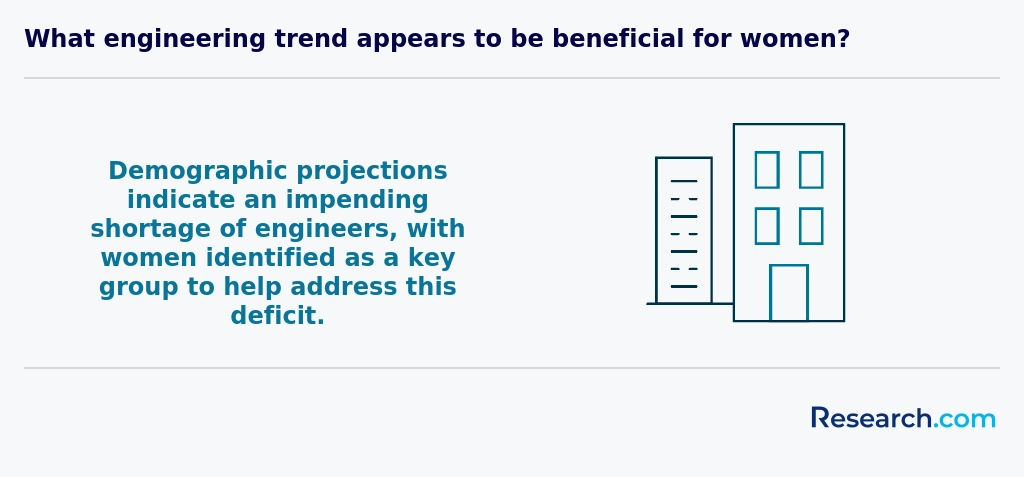
Pursuing an online engineering degree in the District of Columbia is more than completing coursework-it’s about leveraging robust support systems that drive academic success and career readiness. Reputable programs offer:
- Academic Advising and Tutoring: Dedicated advisors guide students through degree requirements, while peer-led and faculty-led tutoring sessions help clarify complex topics in calculus, thermodynamics, and simulation software.
- Technical Support and Virtual Labs: 24/7 helpdesks ensure seamless access to Learning Management Systems and software tools. Interactive virtual labs recreate hands-on experiences, enabling you to practice circuit design or materials testing from any location.
- Career Services and Networking: Career counselors assist with resume reviews, interview prep, and job placement strategies. Alumni panels and virtual networking events connect current students with professionals across types of engineering branches, from aerospace to environmental engineering, expanding your industry contacts.
- Library Resources and Research Assistance: Digital libraries grant access to academic journals, technical standards, and e-books essential for research projects and capstone design. Librarians offer personalized support for literature reviews and data sourcing, ensuring your work meets rigorous academic and professional standards.
- Mentorship and Peer Communities: Structured mentorship programs pair you with seasoned engineers or recent graduates who share insights on balancing work, study, and professional development. Online forums and cohort-based study groups foster collaboration, allowing you to tackle group projects, share internship leads, and form study partnerships.
- Wellness and Time-Management Workshops: Recognizing the challenges of remote learning, many institutions provide webinars on stress management, effective time planning, and maintaining work-life balance-key skills for engineering professionals. By choosing a program that prioritizes these support services, you’ll not only master engineering fundamentals but also build a resilient network and practical skills to excel in today’s competitive job market.
Many online engineering students in Washington D.C. find federal financial aid an essential support, with programs like Pell Grants offering up to $7,395 annually for eligible low-income applicants. Graduates from institutions such as George Washington University often recall how completing the FAFSA simplified access to these grants and affordable federal loans, making advanced education genuinely attainable despite high urban tuition costs.
Local opportunities like the D.C. Tuition Assistance Grant (DCTAG) also play a key role. Although its availability for online engineering varies by school, residents leveraging this benefit feel relieved knowing there's tailored aid beyond federal options. For instance, students at Howard University's online engineering program have reported proactive guidance from financial aid offices clarifying their eligibility.
Many students appreciate specialized scholarships from groups like the Society of Women Engineers, which not only alleviate financial pressure but also inspire confidence and a sense of belonging in the engineering community. Employer tuition reimbursement is another vital resource; working professionals pursuing online degrees in D.C. often describe this aid as a motivating factor, offering stability amid balancing career and study.
As online engineering programs continue to evolve, staying informed about industry trends and future opportunities is critical for prospective students. Today’s engineering landscape is greatly influenced by rapid technological advancements, digital transformation, and sustainability demands. This section highlights emerging trends that are shaping the curriculum and career outlook for online engineering graduates in the District of Columbia. Increasing automation, renewable energy projects, and smart infrastructure development are boosting the demand for engineers with modern technological expertise. Institutions are adapting their course offerings to include areas such as artificial intelligence, IoT (Internet of Things), and data analytics-all of which are becoming integral to traditional engineering fields. Programs are placing greater emphasis on hands-on virtual labs and collaborative projects that simulate real-world challenges, ensuring that graduates are well-equipped to address future industry needs. Furthermore, partnerships between universities and local industries are deepening, facilitating internship opportunities and live projects that bridge the gap between academic theories and practical applications. Prospective students are encouraged to explore comprehensive program rankings to identify those that not only offer robust academic curricula but also forward-thinking career services and networking opportunities. For more insight into budget-friendly educational options, refer to the affordable engineering schools in district of columbia. This forward-looking approach in online engineering education ensures that graduates can adapt to emerging trends, positioning them for long-term career success in an ever-changing global market.
Enrolling in an online engineering degree program in the District of Columbia begins with meeting essential academic prerequisites that set the stage for success. Graduates often reflect on how a strong grasp of math and science in high school-particularly courses like precalculus, chemistry, and physics-helped them confidently tackle complex engineering concepts later. Universities in DC demand transcripts that clearly showcase this foundation, ensuring applicants are prepared for the rigors ahead.
Many DC-based engineering students recall that completing laboratory science classes and excelling in English prepared them not only for technical problem-solving but also for effective communication, a vital skill in engineering careers. Some programs may ask for standardized test scores, though many are now test-optional, recognizing diverse student strengths. For those pursuing graduate degrees online, holding a relevant bachelor's degree and submitting strong recommendation letters proves crucial.
Reflecting on these requirements highlights how local programs balance academic rigor with accessibility, fostering a supportive learning journey that aligns with the unique demands of studying engineering online in the District.
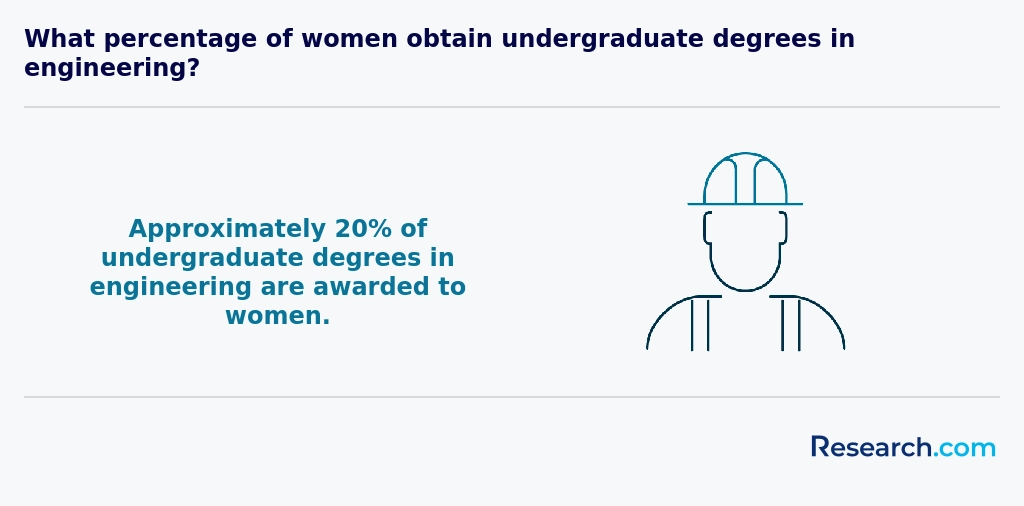
Online engineering degree programs in the District of Columbia typically feature a well-rounded curriculum rooted in both theory and hands-on applications. Graduates from popular local universities often recall how foundational courses like Calculus and Differential Equations sharpened their problem-solving skills, preparing them to tackle complex engineering challenges. Physics courses, emphasizing mechanics and electromagnetism, brought real-world forces and energy concepts to life, especially when paired with Engineering Design and Graphics classes where students learned to create precise CAD models.
Many also found Materials Science and Thermodynamics invaluable for understanding the physical world, essential when working on projects such as sustainable building materials or energy-efficient systems common in D.C.'s urban environment. Electrical Circuits and Programming courses-covering languages such as Python and MATLAB-opened doors to designing and automating smart infrastructure, a growing industry within the district.
What resonates strongly with current students is how these courses align closely with the region's government and tech-driven job market, making education feel immediately relevant and empowering.
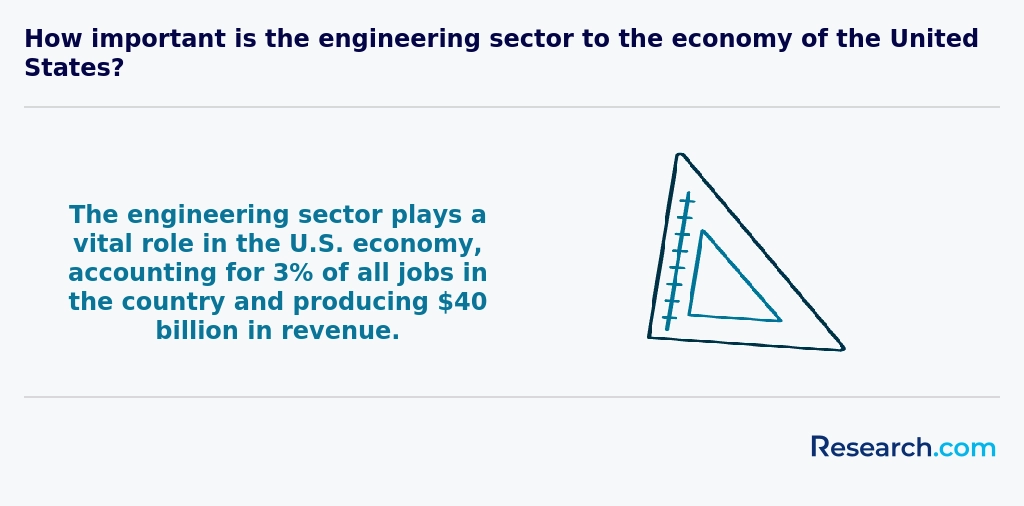
Online engineering degree specializations in the District of Columbia reflect the dynamic industries thriving in the region. Graduates from prominent local universities often speak about the value of focusing on Civil Engineering, which provides critical skills for designing urban infrastructure like DC's iconic bridges and water systems. Another popular path is Electrical Engineering, where students engage with technological innovations essential to defense and communications sectors nearby.
Mechanical and Computer Engineering specializations also stand out, marrying theory and practice in ways that prepare learners for roles in aerospace or government technology projects. Graduates frequently highlight the Systems Engineering track as pivotal for managing the complex processes found in government contracting and cybersecurity-a field tightly linked to District priorities. Environmental and Chemical Engineering are gaining attention because of rising interests in sustainability and biotech, respectively. Choosing such diverse areas empowers students to tailor their education according to regional demands.
For those interested in blending foundational studies with career-oriented skills, many DC programs allow electives or minors, supporting strong demand for tech-savvy professionals. Exploring options around engineering degree internships can provide real-world experience aligned with these specializations, enhancing both expertise and confidence.
Choosing the best online engineering degree in District of Columbia starts with confirming the program's accreditation. Graduates from well-known local institutions often emphasize how ABET accreditation provided them with confidence in their education's quality and recognition by employers. In the District, where many public universities charge tuition close to $30,000 annually for online programs, it's wise to weigh cost against value. Affordable online engineering programs DC offer flexible schedules, which many working students appreciate when balancing jobs and family demands.
Look for programs that provide live virtual labs and strong faculty engagement, as graduates have shared these features made technical subjects more absorbing and helped them apply concepts in real-life engineering scenarios. Specializing in fields like civil, mechanical, or electrical engineering is crucial. Many local schools ensure that their faculty have hands-on industry experience, which enhances learning and job readiness.
Finally, career support plays a big role in success. Programs offering internships and counseling stand out, making it easier for students to transition into the workforce. For example, some graduates found opportunities through strong alumni networks that connected them directly to jobs. If you're curious about expanding your career options afterward, consider related fields by exploring computer science job prospects.
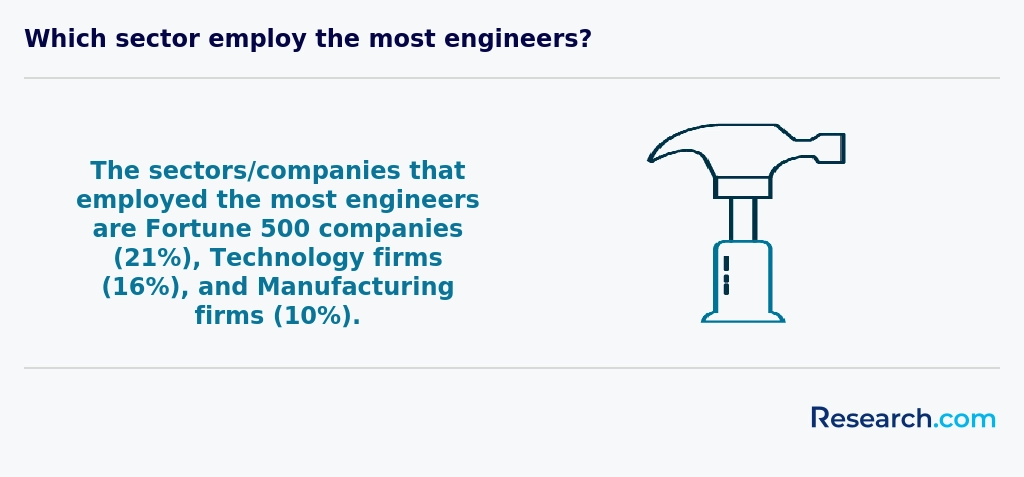
Graduates with an online engineering degree in the District of Columbia find a unique blend of career opportunities shaped by the region's dynamic environment. Many have successfully moved into civil engineering roles working on critical infrastructure projects with local government agencies, gaining hands-on experience in reshaping the city's transportation and public utilities. These roles often reflect the solid foundation taught at popular colleges in D.C., where practical application and theoretical understanding are equally emphasized.
Mechanical and electrical engineering graduates frequently find rewarding paths within the defense, energy, and manufacturing sectors that thrive around the capital. Having witnessed peers navigate these industries, the combination of robust technical skills and access to federal projects often leads to fulfilling careers with competitive salaries, aligning well with the best engineering jobs with online degree DC.
Additionally, software engineering and computer engineering graduates are growing in demand, particularly in cybersecurity and federal tech contracts. Many local universities encourage exploration into computer programming careers, enhancing adaptability and opening doors to innovative roles. These opportunities showcase how an online engineering degree career opportunities District of Columbia provides not only stability but also a chance to contribute meaningfully to both public and private sectors.
Graduates holding online engineering degrees in District of Columbia benefit from a job market closely linked to the region's status as a government and technology hub. Many find rewarding roles within federal agencies, defense contractors, and research institutions, where their credentials are respected thanks to programs adhering to ABET standards. This rigor opens doors not only for immediate employment but also for pursuing professional licensure as a Professional Engineer (PE). For example, those who earned their degrees through popular local universities often share how hands-on government projects gave them valuable insights that translate seamlessly into the workplace.
Employment outlook DC shows steady demand despite a moderate projected growth rate, reflecting the specialized skills required in this area. One graduate recalled connecting with private defense firms nearby, leveraging their practical knowledge and online education to secure well-compensated positions. Moreover, many find opportunities in consulting firms or urban development companies where innovation meets infrastructure challenges.
Job seekers may also explore further educational paths to boost competitiveness by checking out computer science job openings, which often overlap with engineering expertise and expand career possibilities.
2027 Most Valuable Online Engineering Degree Programs Ranking in District of Columbia
Investing in your education is an important decision that can profoundly impact your future, and the Research.com team recognizes the need for trustworthy guidance in this process. To support prospective students in the District of Columbia, we have carefully developed the "2027 Most Valuable Online Engineering Degree Programs Ranking." Our dedication to quality, credibility, and accuracy is demonstrated through rigorous research and analysis underpinning this ranking.
We utilized the following reputable data sources to compile this comprehensive evaluation:
By reviewing this ranking, readers will obtain valuable insights into the most advantageous online engineering degree programs in the District of Columbia, enabling informed and confident educational decisions. For more information on how this ranking was created, please visit our Research.com methodology page.

Frequently Asked Questions About engineering
Students pursuing online engineering degrees in District of Columbia can maximize their learning by actively engaging with their program's resources. Many accredited programs offer virtual labs and simulation tools that provide hands-on experience essential for engineering skills. Utilizing these technologies helps bridge the gap between theory and practice.
Networking is also key. Connecting with professors, peers, and local engineering groups, such as the D.C. section of the American Society of Civil Engineers, can provide valuable mentorship and career insights. According to the National Science Foundation, D.C. has a growing demand for engineers, especially in civil and environmental fields, enhancing job prospects for diligent students.
Finally, organizing a consistent study schedule and taking advantage of online tutoring or workshops ensures steady progress, helping students balance their studies with personal and professional commitments effectively.
The engineering field is rapidly evolving, with several emerging niches attracting significant attention. In the District of Columbia, areas such as renewable energy engineering and smart infrastructure development are growing due to the city's emphasis on sustainability and urban innovation.
Another expanding niche is cybersecurity engineering, driven by federal agencies headquartered in DC prioritizing secure digital systems. According to the U.S. Bureau of Labor Statistics, employment in cybersecurity engineering is projected to grow 35% from 2021 to 2031, much faster than average.
Additionally, biomedical engineering is gaining momentum here, supported by local research institutions focusing on medical devices and health technology advancements. These specialties offer promising career paths for students considering online engineering degrees.
After completing an online engineering degree in District of Columbia, preparing for the job market involves strategic steps. First, gaining relevant work experience through internships or cooperative education programs is crucial. Many DC employers value practical skills alongside academic qualifications.
Networking plays a significant role in this region, given its proximity to federal agencies and private engineering firms. Joining local chapters of professional organizations such as the National Society of Professional Engineers can open doors to job opportunities.
Additionally, obtaining professional licensure (PE) enhances credibility and employability. According to the U.S. Bureau of Labor Statistics, engineers in the DC metro area earn a median annual wage above the national average, reflecting competitive market demand.
Staying current with technology trends and continuing education also supports long-term career growth in this evolving field.
Employers in the District of Columbia highly value engineering graduates who demonstrate strong technical and analytical skills. Proficiency in computer-aided design (CAD) software, programming languages like Python or MATLAB, and data analysis remain crucial. According to the National Association of Colleges and Employers (NACE), over 60% of engineering employers prioritize problem-solving abilities and teamwork.
Communication skills, both written and verbal, are essential, as engineers often collaborate with multidisciplinary teams and government agencies common in DC. Knowledge of sustainability and regulatory compliance is growing in importance, reflecting regional policy priorities.
Practical experience through internships or cooperative education programs adds significant value to candidates in this competitive job market.
Finding engineering internships in the District of Columbia involves targeted approaches combining online resources and local networking. Start by exploring platforms such as Handshake and LinkedIn, which frequently list internships specifically in D.C. engineering sectors. Government agencies, including the Department of Energy and NASA's Goddard Space Flight Center, often offer internships related to engineering fields prized in the district.
Local universities like George Washington University also provide career services that connect students with D.C.-based internships, even for online learners. According to the U.S. Bureau of Labor Statistics, the D.C. metro area hosts a growing number of jobs in civil and environmental engineering, supporting internship availability.
Additionally, attending virtual networking events and joining professional organizations, such as the National Society of Professional Engineers, can increase internship prospects.
Online engineering degrees in the District of Columbia offer significant advantages for career mobility and advancement. The region's strong emphasis on technology and government contracts creates demand for skilled engineers. According to the U.S. Bureau of Labor Statistics, the Washington-Arlington-Alexandria metropolitan area, which includes D.C., has a 7% projected growth in engineering jobs through 2030.
Completing an accredited online engineering program enables professionals to meet local industry standards while balancing work and study. Employers in D.C. increasingly recognize online degrees from accredited institutions, especially those with ABET accreditation, which enhances employability and promotion prospects.
Moreover, many federal agencies and contractors in the area value continuous education, making an online degree a practical way to advance without relocating or interrupting employment.
Studying for an engineering degree online in the District of Columbia equips students with skills vital for interdisciplinary roles. Programs often integrate courses in technology, management, and public policy, reflecting the DC area's unique emphasis on collaboration between government, private, and nonprofit sectors. This multidisciplinary approach prepares graduates to solve complex problems requiring knowledge beyond traditional engineering fields.
According to the National Science Foundation, DC ranks among the top regions for engineering-related employment in federal agencies, promoting cross-sector teamwork. Online programs here frequently incorporate case studies and projects tied to real-world challenges faced in the capital's diverse industries.
This educational model fosters adaptability and communication skills, essential for engineers working alongside professionals in law, business, and environmental science.
Choosing between a thesis and a non-thesis online engineering degree program in District of Columbia depends on your career goals. Thesis programs focus on research, requiring a comprehensive project that may suit students aiming for doctoral study or research roles. Non-thesis options often emphasize practical skills through additional coursework and are favored by professionals targeting industry positions.
According to the National Center for Education Statistics (NCES), research-based programs can enhance critical thinking and innovation capability, valued in D.C.'s tech and defense sectors. However, non-thesis programs may allow faster completion and more flexibility, essential for working engineers balancing jobs.
Consider your interests, time availability, and local job market demands before deciding.
Students based in District of Columbia who want to study engineering abroad have limited direct options, as most US institutions offer online engineering degrees domestically. However, many international universities partner with US-based programs to provide dual degrees or study-abroad opportunities. According to the National Center for Education Statistics (NCES), approximately 12% of engineering students nationwide engage in study-abroad programs, which can supplement online curricula with global experience.
District of Columbia residents often utilize online platforms to enroll in accredited engineering programs that include international components, such as virtual labs or collaborations. Programs accredited by ABET ensure quality and are recognized globally, easing credit transfer to foreign institutions.
The Council on International Educational Exchange reports that engineering students from DC frequently seek internships overseas to enhance their practical skills while completing online studies, combining local flexibility with international exposure.
Part-time job opportunities in the District of Columbia that complement engineering degree education are diverse and accessible. Many students find roles as research assistants at local universities or federal agencies, gaining practical experience in fields like civil, electrical, and mechanical engineering. According to the U.S. Bureau of Labor Statistics, DC hosts numerous government contractors and tech firms that frequently seek engineering interns and part-time technicians.
Jobs in laboratory support, CAD drafting, or data analysis also align well with engineering studies. These roles help students build skills in software tools and project management, which are crucial in engineering careers. Networking in DC's robust engineering community can further open doors to specialized positions.
Online engineering students in the District of Columbia have several networking opportunities despite the virtual nature of their programs. Local professional organizations such as the DC chapter of the National Society of Professional Engineers (NSPE) frequently host virtual and in-person events that foster connections among engineers and students. These gatherings provide chances for mentorship, career advice, and job leads.
The district's proximity to agencies like NASA and the Department of Energy creates avenues for partnerships, internships, and guest lectures accessible to online students. Additionally, universities offering online engineering degrees often facilitate virtual networking events and alumni groups specifically tailored for students in the DC area.
According to the American Society for Engineering Education, students with strong professional networks report 20% higher job placement rates post-graduation, highlighting the importance of active engagement even in online settings.
Alumni networks play a crucial role for online engineering degree students in the District of Columbia by providing valuable connections and career resources. Many local universities foster strong networks that help graduates access job opportunities within the region's growing technology and engineering sectors.
These networks often host events, webinars, and mentorship programs that enable students to engage with experienced professionals. According to the DC Economic Partnership, over 60% of engineering roles in the District are filled through referrals, underscoring the importance of relationships.
Students benefit from shared knowledge on internships, certifications, and industry trends specific to DC's federal and private sectors, enhancing their career prospects.
Customizing an online engineering degree program in the District of Columbia involves selecting specializations and electives that align with your career goals. Many D.C. institutions offer flexible curricula allowing students to focus on areas such as civil, electrical, or computer engineering. You can tailor your coursework by choosing classes that emphasize skills relevant to local industries, including government agencies and technology firms predominant in the capital.
Additionally, students should consider programs with internship opportunities or partnerships with D.C.-based companies, providing practical experience and networking. According to the U.S. Bureau of Labor Statistics, engineering jobs in the D.C. metro area are projected to grow moderately, highlighting the importance of choosing specializations in high-demand fields.
Some online programs also offer options for graduate certificates or minors that complement engineering studies, giving you a competitive edge in areas like cybersecurity or project management, both relevant in D.C.'s professional environment.
Online engineering students in District of Columbia often face several challenges related to the rigorous nature of their studies. Engineering curricula demand strong practical skills, which can be difficult to develop fully through remote learning. Limited access to hands-on labs and equipment is a common issue. Additionally, research from the National Center for Education Statistics shows that maintaining motivation and time management ranks high in student concerns nationwide, and DC students report similar struggles.
Technical difficulties, such as unstable internet connections, may also disrupt learning, especially when complex simulations or software are involved. Furthermore, networking opportunities and direct mentorship, important parts of engineering education, can be harder to attain online.
With an online engineering degree, graduates in the District of Columbia can pursue various professional certifications to advance their careers. One of the most recognized credentials is the Professional Engineer (PE) license, which requires passing the Fundamentals of Engineering (FE) exam followed by work experience. This license is essential for many engineering roles and demonstrates a high level of competence.
Other popular certifications include the Project Management Professional (PMP) and the Certified Manufacturing Engineer (CMfgE), both valuable for engineers seeking leadership or specialized roles. According to the National Society of Professional Engineers, D.C. has a growing demand for certified engineers, supporting career growth and salary increases.
To write a winning application for an online engineering program in the District of Columbia, start by carefully reviewing the program's admission requirements. DC institutions often emphasize strong academic records in math and science, so highlight relevant coursework and grades. Including practical experience, such as internships or projects, can strengthen your application. Many programs require a personal statement; use this to clearly explain your engineering goals and why an online format fits your career plans. According to the DC Office of the State Superintendent of Education, showcasing problem-solving skills and technical aptitude is crucial. Finally, secure strong letters of recommendation from professors or employers familiar with your abilities.
The global perspective on an engineering career highlights strong demand and opportunities, especially in technology-driven economies like the United States. Engineering disciplines remain critical to infrastructure, innovation, and sustainability worldwide. For students in the District of Columbia pursuing online engineering degrees, this means access to programs aligned with evolving industry standards and global challenges.
According to the U.S. Bureau of Labor Statistics, engineering jobs are expected to grow 7% from 2021 to 2031, outpacing average job growth. Washington, D.C. benefits from a concentration of engineering roles in government agencies, research institutions, and private firms, offering diverse career pathways.
International collaboration in engineering projects continues to expand, underscoring the need for engineers with strong technical skills and global awareness. Online engineering degrees offer flexibility for D.C. residents aiming to engage in these global networks while acquiring U.S.-recognized credentials.
Gaining practical experience while pursuing an online engineering degree in the District of Columbia is essential for career readiness. Many programs incorporate virtual labs and simulation software that allow students to apply theoretical concepts. Additionally, students can seek internships with local engineering firms or government agencies, leveraging D.C.'s strong public sector presence. According to the Metropolitan Washington Council of Governments, the region hosts numerous tech and engineering employers offering internship opportunities. Networking through virtual career fairs and professional organizations like the National Society of Professional Engineers can also provide hands-on project experience and mentorship, enhancing practical skills alongside online coursework.
Choosing the right concentration within an online engineering degree program in District of Columbia involves evaluating your career goals and local industry demands. The D.C. metropolitan area has a strong presence in civil engineering, environmental engineering, and systems engineering, thanks to federal agencies and infrastructure projects, according to the U.S. Bureau of Labor Statistics.
Consider concentrations that align with regional job growth; for example, civil engineers in D.C. earn a median salary above the national average, reflecting high demand. Research accredited programs to ensure quality education recognized by employers. Also, factor in your own skills and interests to ensure long-term career satisfaction and success in D.C.'s competitive job market.
- 2027 Most Valuable Online Engineering Degree Programs Ranking in California
- 2027 Most Valuable Online Engineering Degree Programs Ranking in Texas
- 2027 Most Valuable Online Engineering Degree Programs Ranking in Illinois
- 2027 Most Valuable Online Engineering Degree Programs Ranking in Michigan
- 2027 Most Valuable Online Engineering Degree Programs Ranking in Florida
- 2027 Most Valuable Online Engineering Degree Programs Ranking in Georgia
- 2027 Most Valuable Online Engineering Degree Programs Ranking in New Jersey
- 2027 Most Valuable Online Engineering Degree Programs Ranking in New York
- 2027 Most Valuable Engineering Degree Programs Ranking in Idaho
- 2027 Most Valuable Engineering Degree Programs Ranking in California
See What Experts Have To Say About Studying Engineering
Read our interview with Engineering experts

Bohdan W. Oppenheim
Engineering Expert
Professor Emeritus of Healthcare Systems Engineering
Loyola Marymount University

Joseph Reichenberger
Engineering Expert
Professor of Civil Engineering & Environmental Science
Loyola Marymount University

Jasna Jankovic
Engineering Expert
Associate Professor
University of Connecticut

- Guide to Engineering Internships https://www.internwise.co.uk/candidate-journey/industry-internships/guide-to-engineering-internships
- Top Certification Courses for Advancing Engineering Careers - IJOER Engineering Journal Blog https://ijoer.com/blog/top-certification-courses-for-advancing-engineering-careers
- Get experience in engineering with an internship https://gradireland.com/careers-advice/engineering/get-experience-engineering-internship
- Engineering Certifications Explained https://www.manpower.com/en/insights/blogs/engineering-certifications
- Most Popular Online Schools for Mechanical Engineering Technology in District of Columbia - Course Advisor https://courseadvisor.com/majors/engineering-technologies/mechanical-engineering/rankings/most-popular-online/middle-atlantic/district-of-columbia/
- FAQ - Online Engineering Programs https://www.onlineengineeringprograms.com/faq
- Julie Mowatt https://www.nspe.org/career-growth/pe-magazine/may-2019/survey-provides-global-perspective-engineering
- Know more about thesis vs non- thesis: what is the difference? https://studyfans.com/en/blogs/816
- University of the District of Columbia: Engineers, comp science https://studyinternational.com/news/university-of-the-district-of-columbia-your-go-to-choice-for-a-degree-in-engineering/
- 2025 Best Online Engineering Degrees https://www.onlineu.com/degrees/engineering