
2027 Most Valuable Online Education Degree Programs Ranking in Texas

Co-Founder and Chief Data Scientist
Choosing the right education degree program can shape your future success. For Texas students eager to find the best fit, this article offers valuable insight.
The 2027 Most Valuable Online Education Degree Programs Ranking in Texas was developed by the Research.com team of data scientists. This ranking helps you understand which programs provide the most value, making your search easier and more informed.
Exploring this ranking can inspire confidence and motivate you to pursue an education degree that truly makes a difference in your career and life.
Key benefits of getting online education degree in Texas
- Salary: Graduates with education degrees in Texas can expect competitive salaries, such as $70,740 annually for elementary school teachers and up to $77,200 for instructional designers, providing financial stability and growth opportunities.
- Career paths: Many Texas education graduates find rewarding careers in public schools, special education, or curriculum development, benefiting from diverse job options across urban and rural areas.
- Online degree benefits: Earning an education degree online from respected Texas universities offers flexibility and convenience, allowing students to balance work and family while advancing their careers without relocating.
- 2027 Most Valuable Online Education Degree Programs Ranking in Texas
- What can I expect from online education degree in Texas?
- Where can I work with online education degree in Texas?
What can I expect from online education degree in Texas?
The average cost of an online education degree in Texas typically ranges between $7,000 and $15,000 per year at public universities, with state residents often benefiting from lower tuition rates. For example, graduates from Texas A&M University-Commerce and Texas Tech University frequently highlight how these institutions balance affordability with quality course delivery, enabling them to maintain work and family commitments while advancing their careers.
Private institutions like the University of St. Thomas may have different pricing models, but many students find value through scholarships and financial aid targeted specifically at future educators. These financial supports have helped graduates reduce their overall expenses, making it possible to pursue accredited online programs without overwhelming debt.
Students appreciate how these programs offer flexible, asynchronous classes that fit real-life schedules, allowing them to study after work or on weekends. This adaptable structure, combined with reasonable tuition costs, creates a positive and achievable pathway for many pursuing teaching credentials or advanced roles in education throughout Texas.
Where can I work with online education degree in Texas?
Graduates with an online education degree from Texas institutions such as Texas A&M University or the University of Texas at Austin often find diverse employment opportunities across the state's expanding school systems. With more than 5 million students enrolled in Texas public schools, demand for certified teachers remains high, especially in bilingual education, STEM, and special education roles. Many graduates enjoy fulfilling classroom careers teaching core subjects in both urban and rural districts, supported by their preparation for Texas State Certification through online programs.
Beyond teaching, degree holders frequently transition into curriculum design, instructional coordination, and administrative roles within school districts, leveraging advanced skills to influence education policy and practice. Some find rewarding positions at community colleges or universities, acting as academic advisors or faculty in teacher preparation programs. Other graduates thrive in educational technology firms or government agencies such as the Texas Education Agency, contributing to broader educational support systems. These pathways reflect experiences shared by numerous alumni who value the flexibility and recognition their Texas-based online degrees provide across multiple educational sectors.
Graduates with an online education degree in Texas often start their careers with roles such as elementary or special education teachers, where the mean annual wages are approximately $70,740 and $76,000 respectively, according to recent U.S. Bureau of Labor Statistics data. For those pursuing careers as English as a Second Language (ESL) teachers, the average salary is around $65,430 per year, which reflects competitive pay common in larger Texas districts.
Many graduates from top Texas institutions like the University of Texas at Austin or Texas A&M report rewarding experiences working in Houston or Dallas schools, where salaries align well with state averages. Early childhood educators generally earn a mean salary near $41,410 annually, often finding fulfilling opportunities in community programs and public schools.
Instructional designers, another growing career path for education degree holders, can expect a strong salary around $77,200 per year. Graduates taking advantage of online education programs from colleges such as Texas Tech University often share how these roles offer both creativity and financial stability. Experience and specialization consistently boost earning potential across Texas's diverse educational landscape.
- Tuition for online bachelor's degrees in education in Texas ranges from $8,000 to $15,000 per year for in-state students at public universities.
- Financial aid and scholarships are commonly available for students pursuing education majors.
- Texas requires teacher certification for most education jobs, so online programs must prepare students for certification exams.
- The average starting salary for education graduates with a bachelor's degree is about $52,000 annually.
- Teachers with 5 to 10 years of experience can earn between $58,000 and $65,000, with higher pay in administrative roles.
- The job market for education professionals in Texas is growing, especially in special education, bilingual education, and STEM fields.
Completing an online education degree in Texas typically takes about four years for a full-time bachelor's student at universities like the University of Texas at Austin or Texas A&M. These schools design their online Bachelor of Education programs to align with traditional semester schedules, meaning graduates often finish within this standard timeframe.
Master's programs, such as the Master of Education at Texas State University, usually require 1.5 to 2 years full time. However, many students balancing careers and family take longer, opting for part-time enrollment and extending their course load over multiple semesters.
Graduates from Texas institutions often appreciate the flexibility of asynchronous online classes, which let them adjust pacing to fit life demands. For example, a working teacher might accelerate their studies during summer sessions, reducing total time to completion.
Enrollment status plays a major role: part-time students at Baylor University may take up to twice as long compared to full-time peers. Texas public university data confirms a four to six-year graduation window for many online learners, reflecting real student experiences throughout the state.
An online education degree in Texas can yield substantial returns when aligned with career goals and financial planning. Start by comparing average tuition ($14,104 for in-state students) to mean starting salaries-$38,640 for Early Childhood Educators, $63,130 for ESL instructors, and $73,080 for Instructional Designers. A simple payback period analysis shows that a student with a $30,000 debt load could recoup tuition costs within five years through entry-level earnings, accelerating as promotions and specialization emerge. Debt-to-income ratio is a crucial ROI metric. Graduates entering high-demand roles like instructional design or educational leadership often see stronger salary growth trajectories, driving down long-term debt burdens. Leveraging scholarships, grants, and employer tuition reimbursement can further improve ROI by 20–30%, reducing out-of-pocket expenses. To deepen ROI analysis, Texas students can benchmark costs against nationwide offerings. For example, the Low Cost Online Master's in Education Degree Programs Ranking in Colorado highlights regional cost variances and salary outcomes, enabling informed program selection beyond Texas borders. Ultimately, the highest ROI stems from programs that combine accreditation by CAEP or TEA, robust career services, and strong alumni networks that propel job placements. Prospective students should calculate their personalized ROI by forecasting total program costs, expected financial aid, and salary growth aligned with chosen specializations.
Online and on-campus education degrees in Texas differ mainly in delivery, flexibility, and campus engagement. Graduates from online programs at institutions like the University of Texas at Arlington often emphasize the convenience of balancing coursework with jobs and family. These programs use video lectures and discussion boards, allowing study anytime-ideal for working professionals or those far from campus.
Conversely, on-campus degrees at universities such as Texas State University provide immersive experiences through face-to-face classes and immediate interaction with instructors and peers. Graduates frequently value the hands-on opportunities and networking available, especially for student teaching that requires in-person attendance.
The cost gap can be significant: public four-year universities in Texas charge around $11,500 annually for in-state tuition. Online degrees sometimes reduce expenses by eliminating facility fees, though some online costs mirror on-campus rates. Both formats maintain accreditation standards set by bodies like CAEP, assuring quality regardless of delivery method.
- Online learning demands strong self-discipline due to its asynchronous model.
- On-campus programs grant direct access to campus resources such as libraries and tutoring.
- Fieldwork or student teaching often requires physical presence, regardless of program choice.
Graduates of online education programs in Texas must satisfy specific state-mandated criteria to become licensed educators. The Texas Education Agency (TEA) outlines a multi-step process that ensures all teachers possess the knowledge and hands-on experience required in today’s classrooms: 1. Earn a Bachelor’s Degree • Must be conferred by a regionally accredited institution. • Some universities bundle certification coursework into the degree pathway. 2. Complete an Approved Educator Preparation Program (EPP) • Programs include supervised clinical teaching (student-teaching hours). • Online EPPs must hold TEA accreditation to qualify candidates for certification exams. 3. Pass the Texas Examinations of Educator Standards (TExES) • Core Subjects Exam: Validates content knowledge in your teaching field. • Pedagogy and Professional Responsibilities (PPR) Exam: Assesses instructional strategies and ethics. 4. Fulfill Fingerprinting and Background Check Requirements • Submit electronic fingerprints via the Texas Department of Public Safety (DPS). • Clear all criminal history and child abuse registry searches. 5. Apply for Standard Teaching Certificate via TEA • Submit official transcripts, exam scores, and fingerprint clearance. • Pay certification fees and await official issuance. Many online programs now integrate EPP coursework with flexible formats, but candidates should verify that field-based teaching hours are arranged in local partner schools. For a point of comparison on affordability and licensure support, consider our Low Cost Online Master's in Education Degree Programs Ranking in Colorado, which highlights TEA-accredited options that may offer similar certification pathways at reduced tuition rates.
The average cost of an online education degree in Texas varies notably based on residency status and institution type. For Texas residents, the median in-state total cost is about $13,546, making it a more affordable option compared to the median out-of-state total cost of $37,320. Graduates who pursued their education degrees online often reflect positively on public universities like Texas A&M University-Commerce and University of Texas at Arlington, which provide flexible programs that keep tuition expenses manageable while maintaining quality.
In analyzing the Texas online education degree tuition and fees, public universities remain the most economical choice for in-state students. These institutions typically charge less than private counterparts, who can demand fees upwards of $20,000 annually. However, the overall price can rise when factoring in additional fees such as technology charges and course materials. Many students who balanced part-time studies with work found that these programs fit their budgets and schedules, leading to rewarding educational experiences.
Understanding the total cost is crucial for prospective students, especially those seeking value without sacrificing program quality. Financial aid opportunities further enhance affordability, and it is recommended to explore options thoroughly. For detailed guidance and for discovering the most cost-effective options specifically crafted for Texas students, exploring a list of the cheapest education schools in Texas can be beneficial.

Accreditation ensures that an online education program meets rigorous quality standards and is recognized by state and national authorities. In Texas, prospective educators should verify two key approvals:
- Program Accreditation: Look for accreditation from the Council for the Accreditation of Educator Preparation (CAEP) or the National Council for Accreditation of Teacher Education (NCATE). These bodies evaluate curriculum rigor, faculty qualifications, and student outcomes, ensuring your degree holds value with employers and credentialing agencies.
- Texas Education Agency (TEA) Approval: Only programs approved by the TEA qualify graduates to sit for TExES (Texas Examinations of Educator Standards). Passing TExES is mandatory for initial teacher certification, so enrolling in a TEA-approved online program streamlines your pathway to licensure. Beyond state requirements, compare tuition, format, and support services with peer programs. For those seeking budget-friendly options outside Texas, consider the Low Cost Online Master's in Education Degree Programs Ranking in Colorado to find affordable, high-quality alternatives. Ensuring both CAEP/NCATE accreditation and TEA approval maximizes your employability and prepares you for a successful teaching career in Texas.
Students pursuing an online education degree in Texas benefit from multiple financial aid options that significantly reduce their financial burden. For example, graduates from the University of Texas at Austin often rely on Pell Grants, which for 2023-2024 can provide up to $7,395 without repayment obligations. This grant covers a substantial portion of the average $10,500 annual tuition, easing stress for many.
Federal loans like Direct Subsidized and Unsubsidized Loans also support students from institutions such as Texas A&M University-Commerce by offering low interest rates and flexible repayment. Completing the FAFSA is essential to unlock these resources. At the state level, the Texas Grant Program awards roughly $1,500 annually to qualifying undergraduates, including those attending online education programs.
Institutional scholarships tailored to education majors are available at colleges like Texas Woman's University, motivating students through merit-based awards linked to their academic performance or specialty areas such as bilingual education.
Veterans and military families find relief through the Hazlewood Act, which exempts up to 150 credit hours from tuition. Meanwhile, working professionals commonly access employer tuition reimbursement programs, creating a hopeful atmosphere as they advance toward teaching certifications or graduate degrees.
When considering an online education degree in Texas, one of the crucial factors to evaluate is the affordability and potential return on investment (ROI). Prospective students often weigh the costs of tuition, fees, and living expenses against the potential salaries and benefits of a career in education. To make informed decisions, it's essential to explore the financial aspects of online education programs. For instance, understanding the cheapest education schools in Texas can help students budget effectively and choose a program that meets their financial needs. By examining the total cost of attendance, including tuition, fees, and additional expenses such as textbooks and technology, students can better plan their investment in their education. Moreover, considering the potential career outcomes and salaries for educators in Texas can provide insights into the long-term value of an online education degree. With this information, students can make a more informed decision about the affordability and ROI of their online education degree, ultimately choosing a program that offers a strong balance of quality, affordability, and career potential.
To enroll in online education degree programs in Texas, applicants must meet specific prerequisites tied to their chosen academic level. For undergraduate degrees, such as those offered at Texas A&M University-Commerce, students typically need a high school diploma or GED, alongside a minimum GPA around 2.5. Many students recall the relief of submitting SAT or ACT scores, although an increasing number of schools now accept test-optional applications, simplifying entry.
For graduate-level programs, including master's degrees in educational leadership, applicants must hold a bachelor's degree from an accredited institution with a GPA of 3.0 or higher, as reported by numerous successful graduates. These programs often require letters of recommendation, a statement of purpose, and proof of relevant teaching experience, reflecting the professional rigor expected.
Furthermore, Texas mandates compliance with state certification standards, overseen by the Texas Education Agency. Many students found passing the Texas Examinations of Educator Standards (TExES) essential to advance towards licensure. Financial planning is vital, since average in-state tuition hovers around $10,000 annually, plus fees and materials.
Succeeding in an online education program requires a proactive approach that blends effective time management, digital literacy, and strong self-discipline. Students are encouraged to set a dedicated study space and develop a consistent schedule that accommodates their personal and professional obligations. Utilizing productivity tools like digital calendars, task management apps, and online study groups can further enhance focus and accountability. Moreover, engaging actively in virtual discussions, attending any synchronous sessions available, and seeking prompt feedback from instructors helps maintain a sense of community and continuous improvement. For those exploring advanced educational pathways, consider reviewing the ranking of shortest doctor of education online degrees to identify innovative programs that balance acceleration with academic rigor. Embracing these strategies not only boosts academic performance but also fosters skills that are highly valued in today’s fast-evolving workforce.
Online education degree programs in Texas typically encompass a comprehensive curriculum designed to prepare students for effective teaching careers within the state. Common courses include Foundations of Education, which explores the historical and sociological aspects of American education, allowing graduates from programs at institutions like the University of Texas at Austin to deeply understand the education system they will enter.
Educational Psychology is another core subject, focusing on learning theories and practical strategies to enhance classroom outcomes. Students from Texas State University have found this course invaluable for connecting theory with their practicum experiences.
Classes such as Curriculum and Instruction teach how to develop tailored lesson plans, while Classroom Management emphasizes creating positive learning environments. Assessment and Evaluation courses provide tools for measuring student progress and refining teaching methods-essential knowledge for those aiming for Texas teacher certification.
Given the online format, Educational Technology courses play a vital role in helping students integrate digital tools into instruction effectively. Additionally, many programs include Special Education coursework, preparing future teachers to support diverse learners in Texas's classrooms.
Online education degree specializations in Texas cover a comprehensive range of fields, reflecting the state's diverse educational ecosystem. Graduates from popular institutions often highlight specializations such as Early Childhood Education, which prepares educators to work with children from birth to age eight, and Elementary Education, focusing on multi-subject teaching at lower grade levels. Those pursuing Texas online education program tracks frequently choose Secondary Education specializations, gaining subject-specific expertise critical for teaching in middle and high schools.
Special Education is another prominent track, equipping educators to develop individualized learning plans under Texas' IDEA guidelines. Leadership roles are well-supported through Educational Leadership and Administration programs, enabling students to aspire toward positions like school principals or district supervisors. Additionally, Curriculum and Instruction specializations attract teachers interested in curriculum development and instructional coordination.
For educators aiming to meet Texas' unique demographic needs, English as a Second Language (ESL) and Bilingual Education are vital pathways. Many graduates from Texas colleges express satisfaction with careers oriented toward English language learners. To explore options further, students can visit the ranking of shortest doctor of education online degrees to find programs matching their goals.
Choosing the best online education degree programs Texas involves focusing on key factors such as accreditation, cost, and practical experience. Graduates from well-known Texas institutions often emphasize the importance of attending programs accredited by agencies like SACSCOC, which ensures their credits transfer smoothly and that their degrees are respected by employers statewide.
Cost is another decisive factor; public universities typically charge between $7,500 and $10,000 annually for in-state students, while private colleges may exceed $20,000. Many graduates recall finding financial relief through state-specific scholarships and federal aid, highlighting the value of exploring these options. For those seeking affordability, viewing rankings such as the Low Cost Online Master's in Education Degree Programs Ranking in Colorado can provide helpful benchmarks.
Program specialization also shapes the student experience. Those pursuing degrees focused on special education or school leadership appreciate schools that offer faculty with hands-on online teaching expertise and curriculum tailored to Texas's certification requirements. Interactive practicum placements coordinated locally help students gain relevant teaching experience, increasing confidence and readiness for in-state licensure exams.
Graduation rates near 70% at top Texas online programs reflect strong academic support and student engagement. Alumni frequently share positive feedback about institutional resources that guided them through challenges, reinforcing that selecting a program with robust student services is critical when choosing an affordable online education degree in Texas.
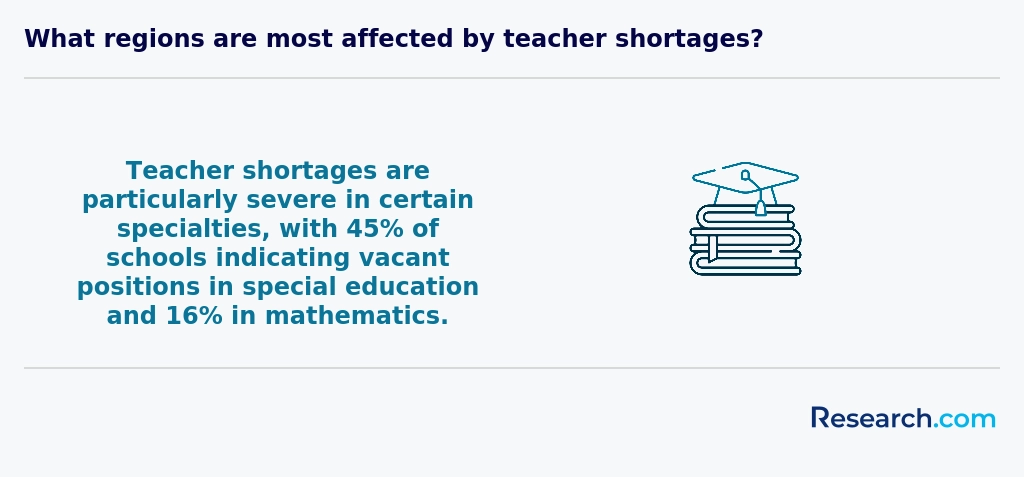
Graduates with an online education degree in Texas have diverse career options across the state's education system. Many pursue roles as certified teachers, meeting Texas Education Agency requirements by completing approved preparation programs and passing certification exams. These graduates often find rewarding opportunities teaching at elementary or secondary levels, including high-demand fields such as bilingual education and STEM, particularly near popular institutions like the University of Texas or Texas Tech University. This demand highlights promising job opportunities with Texas online education degree holders.
Other career paths include educational administration positions such as principals or instructional coordinators, which require advanced certification but offer leadership roles within school districts. Graduates from online programs at prominent Texas colleges frequently express satisfaction balancing work and study thanks to program flexibility. Additionally, instructional design and curriculum development roles are expanding due to the state's investment in digital learning initiatives.
Some graduates work as educational consultants or school counselors, often supplementing teaching experience with certification. For students seeking quicker credentialing options, exploring an accelerated associates degree can be a strategic first step toward these career paths.
The job market for holders of an online education degree in Texas remains strong due to ongoing population growth and high demand for qualified educators. Graduates from popular universities and colleges like the University of Texas at Austin or Texas A&M frequently find rewarding roles in urban and suburban districts, where districts value the flexibility and current teaching methods offered by online education programs. This favorable environment supports numerous employment opportunities for education graduates.
Those with an online education degree in Texas typically secure positions such as elementary or secondary school teachers, special education instructors, instructional coordinators, and school administrators. The Texas Education Agency's recognition of many accredited online programs ensures graduates meet certification requirements. According to the latest data, salaries for teachers in Texas range between $58,000 and $63,000 annually, exceeding the national average and providing a practical return on the investment in education.
Students aiming to understand which bachelor degree is easy and marketable often appreciate Texas's affordable tuition, averaging about $10,000 per year for public in-state online bachelor's programs. This cost-effectiveness alongside the positive online education degree job outlook Texas attracts hopeful educators eager to advance their careers in the expanding Texas school system.
2027 Most Valuable Online Education Degree Programs Ranking in Texas
Investing in your education is a significant decision that can shape your future, and the Research.com team understands the importance of making informed choices. To assist prospective students in Texas, we have meticulously crafted the "2027 Most Valuable Online Education Degree Programs Ranking in Texas." Our commitment to quality, credibility, and accuracy is reflected in the extensive research and analysis conducted to compile this ranking.
We utilized the following reputable data sources to ensure a comprehensive evaluation of online education degree programs:
By exploring this ranking, readers will gain valuable insights into the most valuable online education degrees in Texas, empowering them to make informed decisions about their academic and professional futures. For more details on our methodology, please visit our Research.com methodology page.


# 13 position
The University of Texas at Arlington
Master of Educational Leadership and Policy Studies


Frequently Asked Questions About education
Online education degree students in Texas can maximize their learning experience by actively engaging with course materials and instructors. Research from the Texas Higher Education Coordinating Board shows that students who participate in discussion forums and virtual study groups tend to perform better. Time management is crucial; setting a dedicated study schedule helps balance work, family, and education commitments. Utilizing campus resources virtually, like academic advising and tutoring, also enhances success rates. Additionally, choosing programs accredited by the Southern Association of Colleges and Schools Commission on Colleges (SACSCOC) ensures recognized quality education.
Emerging niches within the education field in Texas reflect growing demands for specialized skills and innovative teaching methods. One rapidly expanding area is educational technology, driven by increased remote learning adoption. Texas schools have seen a 30% rise in demand for educators skilled in digital tools, according to the Texas Education Agency (TEA).
Another niche gaining traction is bilingual and dual-language education, responding to Texas's diverse population where over 50% of students speak a language other than English at home. Educators trained in these areas are essential to support this demographic.
Additionally, special education remains crucial due to state initiatives improving services for students with disabilities. Online degrees specializing in these fields position graduates to meet specific regional needs effectively.
After completing an online education degree in Texas, preparing for the job market requires strategic planning. Start by gaining practical experience through student teaching or internships, crucial steps often mandated by Texas education certification standards. According to the Texas Education Agency, over 80% of educators in Texas hold teaching credentials, which enhances job prospects.
Networking is also essential. Joining state organizations like the Texas Classroom Teachers Association can connect graduates with current professionals and open job opportunities. Additionally, utilizing job boards specific to Texas school districts and education employers helps target local openings.
Finally, stay updated on certification requirements. The Texas Education Agency regularly updates licensing rules, and many districts prefer candidates with valid Texas Teaching Certificates. Continuing education and professional development can further improve employability in the competitive Texas education job market.
Employers in Texas prioritize several key skills when hiring graduates with education degrees. Strong communication skills are essential, as teachers must effectively engage with diverse student populations and collaborate with parents and colleagues. According to the Texas Education Agency, critical thinking and classroom management abilities rank high among desired competencies.
Technology proficiency is increasingly important, especially for those pursuing online or hybrid teaching roles. Familiarity with digital tools and learning management systems enhances instructional delivery. Additionally, cultural competency and adaptability are valued due to Texas's diverse student demographics, with over 50% of public school students belonging to minority groups.
Lastly, problem-solving and patience remain fundamental, supporting positive learning environments and student success.
Students pursuing online education degrees in Texas can find internships through multiple local resources tied to public schools and educational organizations. The Texas Education Agency (TEA) supports internship programs that connect education students with K-12 schools for classroom experience.
A useful approach is partnering with university career centers, which often maintain updated listings of internships within Texas school districts, including cities like Houston, Dallas, and Austin. According to the TEA, over 5 million students attend Texas public schools, creating a continuous demand for student teachers and interns.
Additionally, platforms like Handshake and Texas Workforce Commission job boards frequently list internship openings specific to education careers in Texas. Networking at local education conferences and joining Texas-based education associations can provide additional leads.
Online education degrees in Texas have significantly enhanced career mobility and advancement opportunities for many professionals. According to the Texas Higher Education Coordinating Board, more than 40% of students in the state enroll in online programs, reflecting a growing acceptance of online credentials in the workforce. Graduates with online degrees often find increased access to leadership roles and specialized positions, especially in education-focused fields such as administration and curriculum development.
Employers in Texas increasingly recognize accredited online degrees as equivalent to traditional ones, facilitating promotions and salary growth. Additionally, flexible online programs allow working professionals to gain qualifications without interrupting their careers, which supports continuous professional development and upward mobility.
Studying for an education degree in Texas equips students with skills essential for interdisciplinary roles by emphasizing collaboration across various fields such as psychology, technology, and social sciences. Texas universities incorporate diverse coursework that fosters critical thinking, communication, and problem-solving abilities, preparing graduates to work effectively in multifaceted environments.
Programs often include training in educational technology and data analysis, reflecting the state's focus on innovative teaching methods. According to the Texas Higher Education Coordinating Board, over 75% of education graduates find roles that require cross-disciplinary knowledge, highlighting the practical relevance of these programs.
This broad educational foundation allows graduates to adapt to roles beyond traditional teaching, including curriculum design, educational consulting, and policy development.
Choosing between a thesis and a non-thesis education degree program in Texas depends on your career goals and time commitment. Thesis programs require conducting original research and writing a comprehensive paper, which can benefit those aiming for doctoral studies or research roles.
Non-thesis programs typically focus on coursework and practical skills, appealing to professionals seeking faster degree completion or administrative positions. According to the Texas Higher Education Coordinating Board, around 35% of graduate education students opt for thesis tracks, mostly in research-intensive institutions.
Consider your interest in research, professional plans, and available time before deciding which format suits you best.
Students in Texas seeking online education degrees with an international focus have several options to consider. While fully online degrees offered by Texas institutions primarily target in-state licensure, many universities partner with study abroad programs or international schools. For example, Texas A&M and the University of Texas system provide global education opportunities, allowing students to earn credits abroad while continuing coursework at home.
Texas students can also explore programs accredited by the Council for the Accreditation of Educator Preparation (CAEP), ensuring degree recognition across U.S. states and some international contexts. According to the Texas Higher Education Coordinating Board, nearly 40% of Texas education majors enroll in online programs, reflecting growing flexibility.
For those interested in teaching globally, Texas-based online degrees often include culturally responsive teaching components, preparing graduates for diverse classrooms worldwide.
Part-time job opportunities in Texas can significantly complement online education degree studies by providing relevant experience and financial support. Common positions include teacher aides, substitute teachers, and tutoring roles, which help students build practical skills. According to the Texas Education Agency, Texas employs over 350,000 educators, creating a robust demand for support roles.
School districts often hire part-time instructional assistants, offering experience in classroom management and lesson support. Additionally, after-school program coordinators and childcare providers gain valuable insights into child development.
These jobs tend to offer flexible schedules, allowing students to balance work and study effectively. Gaining such experience alongside an education degree strengthens a resume and enhances future job prospects.
Online education students in Texas have several networking opportunities despite the remote nature of their studies. Many Texas universities offer virtual career fairs, alumni networking events, and interactive webinars focused on education careers. For example, the Texas Higher Education Coordinating Board often highlights statewide initiatives connecting online learners to local educators and administrators.
Students can also join professional associations like the Texas Classroom Teachers Association, which frequently hosts online conferences and workshops. Additionally, platforms such as LinkedIn help students connect with Texas-based education professionals, expanding their network beyond campus.
Regional virtual study groups and forums linked to Texas schools encourage peer collaboration. These options ensure that online learners build valuable professional relationships within the Texas education community.
Alumni networks play a significant role in supporting online education degree students in Texas. These networks provide valuable connections to graduates who can offer career advice, job leads, and mentoring opportunities. According to the Texas Higher Education Coordinating Board, more than 60% of online learners find employment through alumni referrals.
For students studying remotely, alumni networks help bridge the gap between virtual learning and real-world professional relationships. Many Texas universities, including the University of Texas system, actively engage alumni through online platforms and events tailored for education graduates.
Such networks also facilitate access to exclusive job fairs and continuing education programs, enhancing career growth.
Customizing an online education degree in Texas allows students to align their studies with specific career goals. Many Texas institutions offer flexible course selections, including specialties like curriculum development, educational leadership, or special education. This flexibility lets students focus on areas most relevant to their professional ambitions.
Students can often choose electives and concentrations that enhance skills needed for teaching, administration, or counseling roles. Additionally, options for practicum or internship placements within Texas schools provide practical experience tied to local education systems.
The Texas Higher Education Coordinating Board reports over 60 accredited universities offering diverse online education programs, ensuring ample choices for tailored learning paths.
Advisors at these institutions typically guide students through customizing degree plans to meet certification requirements and state standards.
Online education students in Texas face several challenges that can impact their academic success. One common issue is limited access to reliable high-speed internet, especially in rural areas where roughly 17% of Texans live, according to the Texas Education Agency. This digital divide can hinder participation in live lectures and timely submission of assignments.
Another challenge is balancing coursework with personal and professional responsibilities. Many students pursuing online degrees are working adults or parents, making time management critical but difficult. A 2022 Texas Higher Education Coordinating Board report highlights that nearly 60% of online students juggle multiple roles.
Lastly, students often experience feelings of isolation without traditional campus interactions, which can affect motivation and engagement. Texas universities are responding by increasing virtual support services, but challenges remain prevalent.
An online education degree from a Texas university can open doors to various professional certifications. Graduates often pursue Texas Teacher Certification, which enables them to teach in public schools across the state. This certification requires passing the Texas Examinations of Educator Standards (TExES).
Other options include the National Board Certification, recognized nationwide, which can enhance a teacher's credentials and salary prospects. For professionals interested in counseling, certifications in School Counseling or Educational Diagnostician are available, requiring additional coursework and state exams.
The Texas Education Agency provides detailed guidelines on certification requirements, reflecting the state's demand for qualified educators. According to the Texas Workforce Commission, certified teachers remain among the most sought-after professionals statewide.
Writing a winning application for an online education program in Texas begins with thorough research. Applicants should carefully review specific admission requirements for each college or university, as Texas institutions often evaluate GPA, test scores, and relevant experience. According to the Texas Higher Education Coordinating Board, addressing your motivation clearly in the personal statement is crucial, as it reflects your commitment to teaching and understanding of online learning challenges.
Highlighting any prior educational experience or related certifications can strengthen your profile. Additionally, obtaining strong letters of recommendation from educational professionals familiar with your skills improves your chances. Texas online education programs also value clear career goals tied to local or regional education needs. Tailoring your application with concise, error-free writing demonstrates professionalism and dedication.
Education careers in Texas reflect broader global trends emphasizing the increasing value of skilled educators. Worldwide, teaching roles are gaining recognition, especially as digital learning expands. In the U.S., including Texas, the demand for qualified educators is rising, with the Texas Education Agency reporting a roughly 10% growth in teaching jobs expected through 2030.
Globally, education careers are seen as vital for social development and economic progress. Countries are investing more in teacher training and online education programs to meet diverse needs.
For Texas students, online education degrees provide flexibility and access to programs aligned with national standards, preparing graduates to engage in international best practices.
Gaining practical experience while pursuing an online education degree in Texas is essential for career readiness. Many Texas universities offer virtual internships, allowing students to apply teaching theories in real classrooms remotely. Additionally, partnerships between institutions and local school districts often provide practicum opportunities near a student's location. The Texas Education Agency (TEA) encourages candidates to complete student teaching or fieldwork, which can sometimes be arranged in nearby schools even if enrolled online.
Some programs include simulation labs or virtual classrooms where students practice instructional strategies. Networking through professional organizations like the Texas Classroom Teachers Association can also help secure hands-on experiences. According to TEA, licensure candidates must fulfill minimum field experience hours before graduation, ensuring practical skills development.
Choosing the right concentration within an online education degree program in Texas requires assessing your career goals and interests. Texas offers diverse options, including curriculum development, educational leadership, and special education, each aligned with specific job markets.
Research from the Texas Higher Education Coordinating Board highlights that educational leadership roles are growing by 7% annually in Texas, making this a strong option if you aim for administrative positions.
Consider also certification and licensing requirements in Texas, as some concentrations prepare students for state teaching credentials while others focus on broader educational roles.
Online programs at Texas universities often provide guidance counselors to help select a focus fitting local demand, which can improve employment prospects post-graduation.
- 2027 Most Valuable Online Education Degree Programs Ranking in Arkansas
- 2027 Most Valuable Online Education Degree Programs Ranking in Kansas
- 2027 Most Valuable Online Education Degree Programs Ranking in Missouri
- 2027 Most Valuable Online Education Degree Programs Ranking in Colorado
- 2027 Most Valuable Online Education Degree Programs Ranking in Mississippi
- 2027 Most Valuable Online Education Degree Programs Ranking in Nebraska
- 2027 Most Valuable Online Education Degree Programs Ranking in Georgia
- 2027 Most Valuable Online Education Degree Programs Ranking in Florida
- 2027 Most Valuable Online Education Degree Programs Ranking in Kentucky
- 2027 Most Valuable Online Education Degree Programs Ranking in Iowa
See What Experts Have To Say About Studying Education
Read our interview with Education experts


Alan J. Singer
Education Expert
Professor of Teaching, Learning and Technology
Hofstra University

- How to Pick Your Concentration for Your M.Ed. Degree | ACE Blog https://ace.edu/blog/how-to-pick-your-med-concentration/
- The Career-Boosting Benefits of Networking as a Student - Education At Work https://eaw.org/the-career-boosting-benefits-of-networking-as-a-student/
- Online Degree vs. Traditional | University of Arkansas Grantham https://www.uagrantham.edu/blog/pros-cons-online-degree-vs-traditional-university/
- Online Teaching Jobs | Elevate K-12 https://www.elevatek12.com/online-teaching-jobs/
- Study Abroad Programs | Go Overseas https://www.gooverseas.com/study-abroad
- Tips for Choosing Your Graduate Concentration - Graduate Programs for Educators https://www.graduateprogram.org/blog/tips-for-choosing-your-graduate-concentration/
- Texas Online Undergraduate Degrees: Your Top Choices https://survey.moorlandassociation.org/moorlandassociation-news/texas-online-undergraduate-degrees-your-top-choices-1767648176
- Why Is Education Important in Your Career Advancement? - KWSP Malaysia https://www.kwsp.gov.my/en/w/article/career-advancement
- Can Higher Education Improve Long-Term Career Success https://studysphereadvisors.com/how-higher-education-influences-long-term-career-growth/
- Putting theory into practice: The value of an interdisciplinary approach to teaching https://my.chartered.college/impact_article/putting-theory-into-practice-the-value-of-an-interdisciplinary-approach-to-teaching/


