2027 Most Valuable Online Education Degree Programs Ranking in the Midwest

Co-Founder and Chief Data Scientist
Choosing the right education degree program is an important step for students in the Midwest aiming to build a rewarding career. This article presents the 2027 Most Valuable Online Education Degree Programs Ranking in the Midwest, carefully developed by the Research.com team of data scientists.
Our goal is to help you navigate your options with confidence, providing clear insights about programs that offer strong value and positive outcomes. Reading this ranking can guide you toward making an informed decision that supports your future growth and success.
Investing in an education degree can open doors and create meaningful opportunities.
Key benefits of getting online education degree in the Midwest
- Education degree graduates in the Midwest can expect competitive salaries, with Special Education Teachers earning around $76,000 and Instructional Designers making about $77,200 annually, offering a rewarding financial outlook.
- Graduates often explore diverse career paths such as Elementary or ESL Teaching, with colleges like the University of Michigan supporting strong networks and opportunities for education professionals in the region.
- Online education degrees from Midwest schools provide flexible learning schedules and often reduce costs, making it easier for working students to advance their careers without sacrificing time or income.
- 2027 Most Valuable Online Education Degree Programs Ranking in the Midwest
- What can I expect from online education degree in the Midwest?
- Where can I work with online education degree in the Midwest?
What can I expect from online education degree in the Midwest?
When thinking about the cost of an online education degree in the Midwest, imagine a balance between quality and value that often surprises students. Graduates from institutions like the University of Missouri share stories of paying between $7,000 and $15,000 per year-numbers that feel reasonable compared to coastal prices. This affordability invites students to focus on learning rather than looming debt, creating a welcome sense of financial calm.
Picture completing your coursework from a cozy home desk in Ohio or a coffee shop in Michigan, while your tuition quietly supports your future without overwhelming your bank account. Many Midwest state universities offer in-state tuition rates that extend to online learners, a lifeline for those seeking education without uprooting their lives.
These accessible costs often boost confidence and allow students to invest more time in interactive lessons, practicum placements nearby, and deep community engagement-turning the challenge of balancing work, life, and study into motivation. The price, aligned with such practical benefits, shapes a hopeful path full of opportunity.
Where can I work with online education degree in the Midwest?
Graduates holding an online education degree from Midwestern powerhouses like the University of Michigan or Ohio State University find themselves woven into vibrant career tapestries across the region. Imagine stepping into a bustling Chicago classroom, charged with shaping young minds in science or special education, where demand pulses thanks to retiring educators and growing student numbers. Or picture navigating the corridors of a district office in Minneapolis, crafting innovative curricula or charting administrative strategies that ripple through entire school systems.
Others channel their passion into educational leadership, proudly wearing the mantle of principals or coordinators, empowered by degrees aligned with state certification standards. Community colleges and universities in Wisconsin welcome these grads as instructional designers or advisors, helping sculpt the next generation of learners amid expanding online course landscapes.
Then there's the frontier of educational technology-Midwestern nonprofits and tech startups actively scout education-savvy minds who blend pedagogy insights with digital fluency, transforming training programs and software support into dynamic learning experiences.
Every graduate carries a story: from late-night study sessions at Missouri's flagship campuses to real-world impact in classrooms and beyond-this degree unlocks doors to meaningful roles rooted deeply in the Midwest's educational fabric.
Graduates clutching an online education degree from Midwest staples like the University of Illinois or Ohio State find themselves stepping into a mosaic of roles with salaries as varied as the Great Lakes themselves. Imagine starting as an Early Childhood Educator, earning about $41,410 annually, nurturing tomorrow's curious minds while enjoying the region's affordable lifestyle. Or picture yourself designing inspiring digital curricula at Michigan State, with an average paycheck soaring near $77,200.
For those driven to specialize, becoming an ESL Teacher brings a median wage of $65,430, blending cultural exchange with rewarding pay. Meanwhile, Special Education Teachers in the Midwest earn around $76,000, a reflection of the vital demand and meaningful impact of their work.
Across these paths, graduates describe a gratifying balance: solid earnings, strong community connections, and the flexibility of online education that lets them juggle family responsibilities or part-time study. The Midwest offers an inviting, practical route to both career and life satisfaction, where $40k to $77k estimations align with growing opportunities and heartfelt fulfillment.
- Tuition fees for online education degrees in the Midwest range from $10,000 to $20,000 per year, varying by public or private institutions.
- Starting salaries for graduates typically fall between $40,000 and $45,000 annually, with potential growth to around $60,000 or more over time.
- Employment in primary and secondary education in the Midwest is expected to grow modestly, with strong demand in special education and STEM fields.
- Many online programs are fully accredited and meet state certification requirements, essential for teacher licensure and employment.
- Midwestern states often offer additional incentives, including partnerships with local schools and streamlined credentialing for online graduates.
- Online programs in the region support flexibility through part-time enrollment and asynchronous learning, ideal for working adults.
Picture a Midwest graduate from a well-known online education program at a university like the University of Illinois Springfield, who embraced the four-year full-time bachelor's degree journey. They felt the steady rhythm of courses unfolding at a manageable pace, weaving education theories into real-world classroom dreams. Meanwhile, another graduate from a reputable college like Ball State University accelerated through a master's degree in just 18 months, stacking summer courses like building blocks toward their goal-they thrived on the whirlwind pace, fueled by the promise of sooner impact in their communities.
Doctoral candidates from places such as the University of Missouri customarily dedicate three to five years, balancing research and leadership aspirations with family and work. Their part-time schedules often stretch the timeline but nurture resilience and a satisfying sense of growth. Competency-based paths and credit for prior learning also trim time, especially for seasoned teachers advancing their careers.
In the Midwest's heart, online education degrees flex to diverse lives-some full throttle, some a steady marathon-but all leading to rewarding futures in teaching and leadership.
Ensuring your online education degree meets regional and state accreditation standards is essential for licensure and career mobility. In the Midwest, states like Illinois, Ohio, and Nebraska require programs to hold recognized accreditation from agencies such as the Higher Learning Commission (HLC) or the Council for the Accreditation of Educator Preparation (CAEP). Graduates must complete coursework that aligns with state-approved teacher preparation standards-covering core pedagogical theory, subject-specific methods, and supervised practicum hours-and pass certification exams like the Praxis Series to qualify for a teaching license. Prospective students should confirm that their program’s curriculum covers competencies mandated by their target state board of education, including content knowledge assessments and student teaching placements. Many online programs offer dedicated licensure tracks or partnerships with local school districts to facilitate field experiences and exam preparation. For cost-conscious applicants comparing accredited options, the Low Cost Online Education Degree Programs Ranking in Nebraska provides a valuable benchmark for affordable, high-quality pathways. Graduates planning to teach across state lines should also review reciprocity agreements under the Interstate Agreement on Qualifications of Educational Personnel to ensure seamless certification transfers. By selecting an accredited online program and fulfilling state certification requirements, candidates can strengthen their professional credibility, expand employment opportunities, and achieve long-term success in education.
Imagine diving into an education degree at the University of Illinois-one graduate revels in the buzz of campus life, attending lively seminars, chatting face-to-face with professors, and soaking up the energy of the library's cozy nooks. Another, juggling family and a day job in Ohio, embraces Ohio State University's online program, where recorded lectures fit snugly between work calls and bedtime stories. The heartbeat differs: on-campus pulses with scheduled classes and spontaneous hallway talks; online hums with flexible deadlines and virtual forums that, while quieter, spark meaningful connections across time zones.
Tuition dances around $10,000 yearly for many Midwest public institutions, yet online pathways often clip away housing and commute costs-money saved that one grad uses for professional development webinars. Both paths hand you the same accredited degree, but the journey feels distinct. Picture the structured rhythm of semester calendars versus the self-paced beat of online courses, empowering learners to tailor studies around life's unpredictable tempo.
Embarking on an online education journey requires strategic planning, discipline, and a proactive mindset. To help you maximize your learning experience and thrive in a virtual academic environment, consider the following expert recommendations: • Establish a Dedicated Study Space: Create an area free from distractions where you can immerse yourself in coursework. A consistent workspace builds routine and improves focus. • Develop a Structured Schedule: Map out your daily and weekly tasks to manage assignments, live discussions, and self-study sessions. Using digital calendars or project management tools can be especially beneficial. • Engage Actively with Your Program: Participate in online discussion groups, virtual study sessions, and networking opportunities. Interacting with peers and instructors enriches your learning experience and expands your professional network. • Leverage Available Resources: Utilize university libraries, tutoring services, and technical support to overcome challenges. For competitive financial planning, you might also explore our list of affordable online degrees in education to find cost-effective options. • Practice Effective Time Management: Prioritize your coursework by breaking down larger assignments into manageable steps. This approach enhances productivity and minimizes stress during exam periods or project deadlines. • Stay Updated on Technological Tools: Familiarize yourself with learning management systems and online collaboration platforms. This technological fluency not only enhances your studies but also prepares you for modern educational roles. By incorporating these strategies, you can create a successful and rewarding online education experience that not only supports your academic goals but also positions you for a thriving career in the evolving field of education.
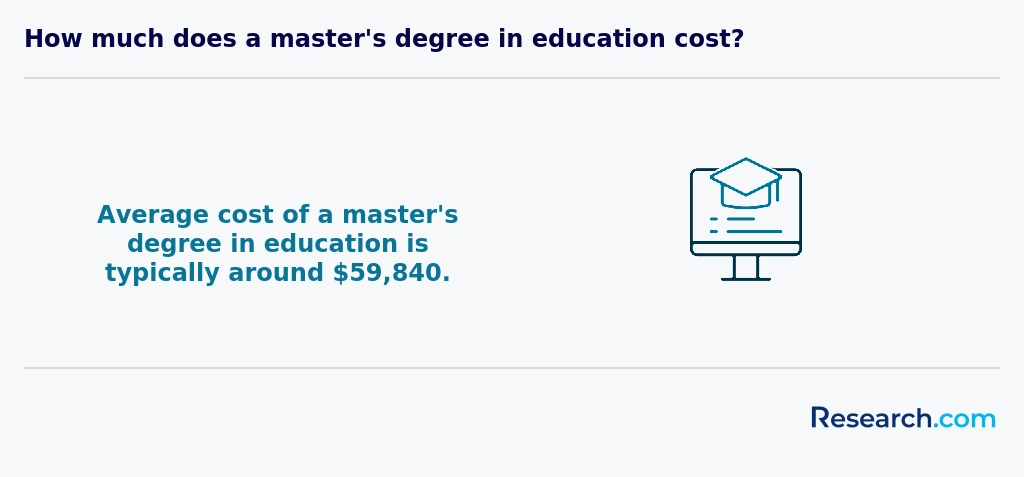
The average cost of an online education degree in the Midwest hovers right around $20,790, a number that encapsulates full journeys from bustling state universities to quieter private colleges. Picture a graduate who tackled their education coursework from a Midwestern public university, paying roughly $21,666 for in-state tuition, feeling the relief of investing in their future without breaking the bank. Meanwhile, others who ventured beyond state lines faced an average closer to $29,526, a steep but manageable price for the opportunity to connect with programs that ignite their passion for teaching.
Midwest online education degree tuition and fees can certainly vary, but these figures paint a tangible picture of what to expect: a balance between quality and affordability that has empowered many to advance their careers while balancing work and family life. Imagine a student enrolled in a program well-known for its practical, dynamic approach, who cherishes online classes that fit their schedule and wallet alike, making education a gateway rather than a gatekeeper.
Those eager to compare options might seek out the fastest online education schools in Wisconsin, where a blend of speed and cost-efficiency makes earning a degree both exciting and accessible. Students repeatedly share stories of manageable tuition paired with vibrant digital classrooms, turning what could be a financial burden into a rewarding investment in their teaching dreams.

When evaluating an online education degree in the Midwest, understanding the return on investment (ROI) is essential for making a financially sound decision. On average, graduates of online education programs in this region report median starting salaries between $ Fifty thousand and $65,000, while total tuition costs range from $18,000 for in-state students to upwards of $29,000 for out-of-state enrollees. By comparing these figures, you can estimate a payback period-often two to four years-during which your increased earnings offset your educational expenses. To further optimize ROI, consider programs that combine strong outcomes with affordability. For instance, the Low Cost Online Education Degree Programs Ranking in Nebraska highlights institutions where in-state tuition can be as low as $9,500 annually without compromising on accreditation or career support services. Pairing these low-cost options with state and federal aid can dramatically reduce debt burdens and shorten your break-even timeline. Key factors to assess ROI include:
- Median alumni salary versus median program cost
- Availability of scholarships, grants, and work-study opportunities
- Career placement rates and average time to first job offer
- Income growth trajectory in roles like Instructional Designer or Academic Advisor By systematically comparing these metrics, you’ll identify programs that not only fit your budget but also position you for long-term career growth. Ultimately, a robust ROI analysis empowers you to choose an online education degree in the Midwest that delivers both academic quality and financial peace of mind.
Imagine a future teacher from the University of Illinois logging into FAFSA and unlocking a treasure chest of Pell Grants-up to $7,395-that feels like a personal victory against tuition fears. For many Midwestern online education students, this federal aid is the first beacon, softening those hefty $9,000 to $12,000 tuition bills that hover each year.
From there, institutional scholarships step in like supportive mentors. Picture a Michigan State graduate discovering a merit-based scholarship tailored for aspiring educators, making the journey feel less like a financial strain and more like an achievable dream. State programs, such as Illinois' MAP grant, act like guardians in the background, quietly lifting the burden for residents chasing their goals online.
Then the narrative extends into community roots-scholarships from local education foundations rewarding dedication to teaching in regional public schools. Somewhere in this mix, employer tuition reimbursements add a practical twist, turning everyday jobs into springboards for professional growth.
- Federal Pell Grants and student loans accessible through FAFSA
- Institutional scholarships from Midwest universities
- State-level grants like Illinois' MAP program
- Scholarships from regional education organizations
- Employer tuition reimbursement programs
Navigating state licensure and certification is a critical step for graduates of online education degree programs in the Midwest. Each state’s Department of Education sets its own requirements-typically a combination of coursework, supervised teaching experience, and passing scores on exams such as the Praxis series or state-specific assessments. Prospective teachers should verify that their chosen online program includes preparation for these certification exams and offers guidance on completing student-teaching hours in your local school district. Many accredited online education degrees incorporate modules on professional ethics, classroom management, and state standards alignment to ensure you meet licensure criteria. For instance, programs often partner with regional districts to place candidates in mentoring roles under licensed teachers, helping you accumulate the required clinical hours. Additionally, some institutions streamline your path to endorsement in specialized areas-such as special education or ESL-by embedding the necessary exam preparation into the curriculum. For those balancing budget and certification goals, explore affordability alongside licensure alignment. You may find value in the Low Cost Online Education Degree Programs Ranking in Nebraska, which highlights programs that deliver both cost-effective tuition and robust certification support. By prioritizing programs with strong licensure pass rates and clear state-level guidance, you’ll be well-equipped to transition from online learner to certified educator.
Imagine sitting in the cozy nook of your favorite coffee shop near the University of Illinois, laptop open, ready to dive into your online education degree. Before you start, the gateway clears: a fresh high school diploma or GED is your key for bachelor's programs. Graduate hopefuls, like many from Michigan State's online cohorts, bring their undergraduate degrees as proof of readiness.
Transcripts whisper stories of your GPA-usually a solid 2.5 to 3.0-showing how you've sailed through past academic waters. One graduate fondly recalls juggling late-night studies while balancing family life, knowing that a strong GPA kept the admission door ajar. Test scores, once the dreaded mountain, are now often optional, freeing you to focus on what truly matters-your passion to teach.
For those aiming higher, like graduates from the University of Wisconsin's online education masters, practical steps appear: teaching experience, state licenses, or coursework in psychology. Picture yourself navigating these prerequisites, each one a stepping stone toward mastery, while your Wi-Fi hums its reliable tune beside you, connecting you to a world of learning.
To accelerate your education career in the Midwest, it's essential to consider online programs that offer flexibility and convenience, such as those found at fastest online education schools in Wisconsin, allowing you to balance your studies with work or family commitments. By leveraging these programs, you can gain the skills and knowledge needed to succeed in the education sector, from teaching and administration to specialized roles in educational technology and curriculum development. With the right online education program, you can position yourself for a fulfilling career in education, whether that's as a classroom teacher, educational administrator, or in a related field, ultimately making a positive impact on the educational landscape of the Midwest.
Imagine diving into Educational Psychology while sipping coffee in your favorite corner of the University of Illinois at Urbana-Champaign's digital library, discovering how kids' brains spark with new ideas-that's the heartbeat of many Midwest online education programs. Courses like Instructional Design and Technology become more than theory when virtual classrooms at Michigan State University inspire you to weave digital tools into lessons that captivate even the most restless students.
Graduates often recall mastering Classroom Management strategies that transform chaotic Zoom sessions into nurturing spaces, making every learner feel seen and valued. Assessment and Evaluation courses come alive as you craft real-world tests to track progress with clarity and fairness.
At institutions like the University of Minnesota, Curriculum Development courses invite you to become an architect of learning, drafting lesson plans that resonate across diverse Midwestern communities. Meanwhile, Multicultural Education opens windows to rich cultural tapestries, nurturing empathy and inclusion-skills graduates cherish as they lead classrooms embracing every background.
Imagine diving into online education degree specializations in the Midwest, where classrooms stretch far beyond traditional walls. Graduates from renowned Midwestern universities often share how their focus areas spark real change-like mastering Elementary Education to ignite young minds in Illinois or embracing Secondary Education concentrations in STEM, aligning with the region's push for innovation. The blend of theory and practice, especially through specializations like Special Education, transforms passion into impact as educators meet diverse student needs shaped by federal and state mandates.
Exploring Midwest online education degree concentration options also uncovers paths like Educational Leadership, where students groom themselves to become visionary principals and administrators steering schools toward excellence. Others find fulfillment in Curriculum and Instruction or Reading and Literacy, meeting local literacy challenges head-on with strategies crafted uniquely for Midwestern communities.
For those seeking more opportunities, viewing a list of affordable online degrees in education helps map out accessible journeys to these fulfilling specializations.
Choosing the best online education degree in the Midwest often feels like navigating a vibrant maze, where accreditation acts as your compass. Graduates from respected institutions often share how the Higher Learning Commission's seal of approval opened doors in Illinois and Ohio, granting peace of mind amid a sea of options. Picture balancing your busy life with asynchronous classes that let you study on your own rhythm-just as many do at renowned Midwest universities where flexibility fuels success.
Imagine sifting through tuition costs that hover around $10,000 to $12,000 annually for public schools, a small investment with big returns, especially when paired with scholarships that echo the stories of countless students boosting their careers. For those hunting for affordable education programs in Midwest states, exploring financial aid can be a game-changer, as demonstrated in the Low Cost Online Education Degree Programs Ranking in Nebraska.
Don't underestimate the power of strong student support services. Graduates often recall how academic advising and career counseling from their Midwest institutions empowered them to thrive online-making the journey feel less solitary and more a shared adventure. Finally, tuning into graduation rates and job placement statistics helps you spot programs where success isn't just a dream but a celebrated tradition.
Graduates holding an online education degree in the Midwest often find themselves stepping into roles where passion meets purpose. Whether starting as a licensed K-12 teacher in bustling Chicago suburbs or rural Iowa classrooms, many feel a deep connection to their communities, shaping young minds with patience honed through flexible online programs. These programs, popular at institutions like the University of Illinois or Michigan State University, equip candidates with the skills to navigate licensure exams and real-world challenges, embodying the true spirit behind online education degree career options Midwest.
Others channel their creativity as instructional coordinators, crafting innovative curricula for districts from Minneapolis to Kansas City, where demand for fresh educational strategies fuels job prospects. Special education teachers, nurtured through specialized online tracks, find joy supporting students with diverse needs, earning rewarding salaries and heartfelt gratitude in states like Ohio. For those intrigued by technology's role in learning, becoming instructional technology specialists merges the digital pulse sparked during the pandemic with traditional education values.
Many graduates advance toward educational administration, blending leadership with the insights gained from their studies. Students often explore easy certifications that pay well alongside degrees to boost credentials. These varied pathways showcase the rich Midwest online education degree job prospects, where innovation and community intertwine daily.
In the Midwest, the job market for graduates with online education degrees pulses with opportunity, especially as schools in states like Illinois, Ohio, and Michigan seek fresh talent to fill teacher shortages. Graduates from respected institutions often share stories of landing roles in special education or STEM, fields expanding rapidly across both metro areas and rural districts. Imagine balancing family life and work while completing an online program from a Midwestern college, graduating equipped not just with knowledge but with state certification aligned to local requirements-this flexibility is a beacon for many.
With Midwestern schools opening doors to educators fluent in English as a Second Language and special education, the Midwest online education degree employment opportunities are vibrant. Salary prospects hover near $65,000 in areas like Minnesota and Illinois, a figure softened by the generally lower cost of living. Online degrees thus become a smart life choice, reflected in the growing confidence of new teachers across the region.
Graduates often highlight how their programs, particularly those linked with major universities, support them through certification hurdles. For students weighing options, exploring top online colleges with open admissions policies can unlock pathways to these rewarding careers. This blend of demand, flexibility, and meaningful work paints an encouraging online education degree job outlook Midwest for prospective educators.
2027 Most Valuable Online Education Degree Programs Ranking in the Midwest
Investing in your education is a significant decision that can shape your future, and the Research.com team understands the importance of making informed choices. To assist prospective students in the Midwest, we have meticulously crafted the "2027 Most Valuable Online Education Degree Programs Ranking in the Midwest." Our commitment to quality, credibility, and accuracy is reflected in the extensive research and analysis conducted to compile this ranking.
We utilized the following reputable data sources to ensure a comprehensive evaluation of online education degree programs:
By exploring this ranking, readers will gain valuable insights into the most valuable online education degree programs in the Midwest, empowering them to make well-informed decisions about their educational journey. For more information on our process, please visit our Research.com methodology page.


# 3 position
University of Illinois at Urbana-Champaign
Master of International Education Administration and Leadership



# 9 position
Bethel University, Minnesota
Master of Education K-12


# 15 position
University of South Dakota
Master of Administration/Organizational Leadership specialization

# 16 position
Walden University
Master of Education




Frequently Asked Questions About education
Students pursuing online education degrees in the Midwest can enhance their learning by actively engaging with their coursework and instructors. Research from the National Center for Education Statistics shows that students who participate regularly in online discussions demonstrate higher retention rates. Scheduling consistent study times and creating a dedicated workspace also improve focus and productivity.
Additionally, leveraging resources offered by Midwestern universities, such as virtual tutoring and academic advising, supports student success. According to the Midwestern Higher Education Compact, access to these services increases completion rates by up to 15%.
Finally, students should connect with peers via study groups or forums to foster community and motivation, critical elements for online learners in this region.
The education field is evolving rapidly, with several emerging niches gaining attention in the Midwest. One key area is educational technology, driven by the increasing demand for digital tools in classrooms and remote learning settings. According to the Midwestern Higher Education Compact, enrollment in education technology-focused programs grew by 18% from 2020 to 2023.
Another niche is special education, where demand remains strong due to inclusive education policies and expanding services for students with disabilities. Additionally, early childhood education programs are growing, reflecting a regional push to improve outcomes for younger learners.
Finally, areas like curriculum development and educational leadership are also rising, as schools seek leaders who can manage change effectively. These niches offer promising career paths for online education degree seekers in the Midwest.
After completing an online education degree in the Midwest, it is important to strategically prepare for the job market. Start by utilizing career services offered by your institution, as many Midwestern universities provide virtual job fairs and employer networking tailored to education graduates.
Gaining relevant experience through student teaching or internships in local schools can significantly boost your resume. According to the National Center for Education Statistics, states like Illinois and Michigan report steady demand for educators, emphasizing practical experience.
Additionally, obtaining state licensure is crucial. Most Midwestern states require passing exams such as the Praxis series before employment. Finally, joining regional professional organizations can provide ongoing support and job leads specific to educators in the Midwest.
Employers in the Midwest highly value education degree graduates who demonstrate strong communication and classroom management skills. According to the Illinois Board of Higher Education, effective interpersonal abilities and adaptability are critical for success in local schools.
The ability to integrate technology into teaching is increasingly important. A 2023 report from the Midwestern Higher Education Compact (MHEC) highlights digital literacy as among the top skills sought by school districts across the region.
Moreover, cultural competency and collaboration are essential, reflecting the diverse student populations in states like Ohio and Michigan. Employers prioritize graduates who can create inclusive learning environments while working well with colleagues and families.
Finding internships in the Midwest relevant to an education degree often starts with leveraging university career centers. Many Midwestern institutions have partnerships with local school districts, enabling students to access classroom internships aligned with their online coursework. According to the National Center for Education Statistics, nearly 60% of education students in the Midwest participate in some form of field experience during their degree.
Students should also explore regional education organizations like the Illinois State Board of Education or Ohio's Department of Education, which post internship opportunities. Networking through local chapters of groups like the National Education Association can provide valuable leads. Additionally, Midwestern states often host job fairs dedicated to education careers where internship positions are promoted early in the academic year.
In the Midwest, an online education degree can significantly enhance career mobility and advancement. Many employers in the region increasingly recognize online degrees from accredited institutions as valid qualifications. According to the National Center for Education Statistics (NCES), over 30% of Midwestern adults aged 25-44 have pursued some form of online education, reflecting growing acceptance.
Online education degrees often provide flexible scheduling, allowing professionals to continue working while studying, which supports career growth without interruption. Additionally, Midwestern states with strong education sectors, such as Illinois and Ohio, report that holders of online education degrees commonly see promotions and salary increases within three years post-graduation.
The ability to earn credentials in high-demand fields like special education and administration online helps graduates meet local workforce needs efficiently. This alignment between online programs and regional job markets strengthens career prospects for those in the Midwest.
Studying for an education degree in the Midwest offers strong preparation for interdisciplinary roles by integrating diverse subject areas and community-focused learning. Many Midwestern institutions emphasize collaboration across fields like psychology, sociology, and technology to equip students with versatile skills. According to the National Center for Education Statistics, Midwestern universities often incorporate practical training that reflects regional workforce needs, fostering adaptability in graduates.
Online programs particularly support flexible, applied learning, allowing students to engage with multiple disciplines. This approach prepares educators to work effectively in various settings-such as schools, social services, or corporate training-meeting complex educational challenges with broad expertise.
When choosing between a thesis and a non-thesis education degree program in the Midwest, consider your career goals and learning preferences. Thesis programs often appeal to those seeking research experience or planning to pursue doctoral studies. In contrast, non-thesis options usually focus on practical skills, suitable for professionals advancing in teaching or administration roles.
According to the National Center for Education Statistics, many Midwestern universities offer flexible online formats for both paths. Thesis programs may take longer to complete, typically 2-3 years, due to research requirements, while non-thesis programs often finish within 18-24 months.
Cost differences can be minimal, but thesis work might require additional resources. Examine program curriculum and support services to ensure alignment with your professional aspirations and personal circumstances.
Midwestern students seeking to study education abroad have several options supported by their home institutions. Many universities in the Midwest, such as the University of Michigan and Ohio State University, offer study abroad programs or international student teaching placements. These opportunities allow education majors to gain global perspectives while completing degree requirements remotely.
According to the Institute of International Education, participation in study abroad programs from Midwestern institutions has increased by 12% over the past five years, reflecting growing interest. Programs often focus on countries with strong education systems, including Finland and Singapore, helping students understand diverse teaching methods.
Additionally, online degree programs may include international education components or partnerships with overseas schools, which can enrich learning experiences without relocating.
Part-time jobs that complement education degree studies in the Midwest often focus on roles within schools and community organizations. Common opportunities include teacher aides, tutoring, and after-school program assistants. These roles offer practical experience and improve classroom management skills.
According to the U.S. Bureau of Labor Statistics, teacher aide positions in states like Illinois and Ohio grew by 5% between 2021 and 2023, reflecting steady demand. Working in these roles while pursuing an education degree online helps students apply theory to practice.
Other options include substitute teaching or working with early childhood education programs, both offering valuable exposure to diverse learning environments. These part-time jobs can enhance resumes and foster professional connections in the Midwest education sector.
Online education students in the Midwest have growing networking opportunities through virtual events and regional professional organizations. Institutions like the University of Illinois and Michigan State University offer alumni networks accessible to remote learners, connecting students with thousands of education professionals.
Additionally, organizations such as the Midwest Educational Technology Community provide webinars and virtual conferences tailored to educators, promoting peer collaboration and career growth. According to the 2023 report by the Midwestern Higher Education Compact, over 65% of online learners in the region participate in such networking activities annually.
Local chapters of national bodies like the American Educational Research Association often welcome online students to join regional meetups and workshops, further enhancing connections in education fields.
Alumni networks offer significant benefits to students pursuing online education degrees in the Midwest. They provide access to a broad community of graduates who share regional ties and professional interests. According to the National Association of Colleges and Employers, 85% of jobs are filled through networking, making these connections vital for career advancement.
Midwestern universities often maintain active alumni groups that organize virtual events, mentorship programs, and job boards tailored for online students. These resources help students navigate the local job markets in states like Illinois, Michigan, and Ohio.
Moreover, alumni networks create opportunities for internships, collaborations, and continuing education support, all of which enhance the overall value of an online degree.
Customizing an online education degree in the Midwest involves selecting programs that align with your career goals through electives, specializations, and certification options. Many regional universities offer flexible curricula allowing students to focus on areas such as curriculum development, educational technology, or special education.
According to the National Center for Education Statistics, nearly 60% of Midwest institutions provide online courses with pathways tailored to different professional outcomes. For example, some schools include leadership tracks for aspiring administrators or counseling certifications for future school counselors.
You may also integrate practical internships or project-based learning, enhancing real-world experience while maintaining online convenience. Exploring accredited programs ensures credits are transferable and respected by employers in the region's education sector.
Students pursuing online education degrees in the Midwest face several common challenges. One major issue is inconsistent internet access, especially in rural areas where nearly 23% of residents lack broadband, according to the Federal Communications Commission (FCC) 2023 report. This can disrupt participation in live classes and access to resources.
Another challenge is balancing coursework with work and family responsibilities. Midwestern students often juggle full-time jobs alongside studies, making time management critical. Additionally, limited in-person support services can affect student engagement and motivation, as some learners benefit from direct interaction with faculty.
The regional economic diversity means that not all institutions have equal resources to invest in online infrastructure, impacting course quality. Awareness of these factors helps prospective students prepare better for the demands of online education in the Midwest.
With an online education degree from a Midwestern institution, graduates can pursue several valuable professional certifications that enhance career opportunities in education. Common certifications include the Licensed Teacher Certificate, which is essential for K-12 teaching roles across many Midwest states like Ohio, Illinois, and Michigan. According to the National Center for Education Statistics (NCES), about 40% of Midwest teachers hold such credentials. Additionally, educators may seek the National Board Certification for advanced professional standing, recognized nationwide. Other certifications include Special Education credentials and ESL endorsements, both in high demand due to increasing student diversity and inclusion initiatives in Midwestern schools.
Writing a successful application for an online education program in the Midwest requires careful attention to detail and clear communication of your goals. Start by researching programs fully accredited by recognized bodies like the Higher Learning Commission, prominent in the Midwest region. Admissions committees value candidates who demonstrate a strong commitment to education and the community.
Highlight your relevant experience, especially if tied to local schools or educational initiatives. Midwest institutions often look for applicants with practical understanding alongside academic achievements. According to the National Center for Education Statistics, education fields in the Midwest show steady enrollment growth, so competitive applications should emphasize distinctive personal strengths and career objectives.
Request strong letters of recommendation from professors or employers who can attest to your skills and motivation. Finally, ensure your personal statement is concise, well-structured, and clearly outlines how the program aligns with your career plans in education.
Globally, education careers are seen as vital for social and economic development. In the United States, and particularly in the Midwest, there is strong demand for qualified educators due to growing student populations and teacher retirements. According to the National Center for Education Statistics, Midwestern states have experienced a 5% increase in K-12 enrollment over the past decade, which elevates the need for well-prepared teachers.
Internationally, education professions often require advanced degrees and ongoing certifications, aligning with U.S. trends where states in the Midwest encourage continuous professional development for educators. Globally, education roles are evolving with technology integration, enhancing online education programs' relevance for prospective teachers in the Midwest.
Gaining practical experience while studying for an online education degree in the Midwest is essential to prepare for a successful teaching career. Many programs collaborate with local schools to offer remote or in-person student teaching opportunities. According to the Illinois Board of Higher Education, over 80% of online education programs in the region require field experiences or practicums. These placements allow students to apply theory in real classrooms under mentor supervision.
Internships and virtual simulations are also common, enabling skill development when on-site visits are limited. Students should contact their program advisors early to access Midwest-specific partnerships and resources.
Choosing the right concentration within an online education degree in the Midwest involves examining your career goals and regional job market demands. Midwest states like Illinois, Ohio, and Michigan emphasize K-12 administration, special education, and curriculum development, driven by local school district needs, according to the National Center for Education Statistics (NCES).
Next, consider program accreditation and how concentrations align with licensure requirements in your state. Some specializations, such as early childhood or ESL (English as a Second Language), may offer broader employment opportunities.
Finally, review graduation rates and employment outcomes for specific concentrations at Midwest online institutions, as these metrics reveal practical program value.
See What Experts Have To Say About Studying Education
Read our interview with Education experts


Nooshan Ashtari
Education Expert
Professor & Book Author
University of Southern California

- 5 Tips on Choosing the Right Course or Study Program - Edunation https://www.edunation.co/5-tips-on-choosing-the-right-course-or-study-program/
- How to Decide Between an Online and Onsite Degree https://www.indwes.edu/articles/2022/07/how-to-decide-between-an-online-and-onsite-degree
- The Secret to Getting the Most Out of Your Education | ACE Blog https://ace.edu/blog/the-secret-to-getting-the-most-out-of-your-education/
- Finding Your Path: How to Align Studies with Career Goals https://www.alfabetaglobal.com/blogs/finding-your-path-how-to-align-your-studies-with-your-career-goals
- Midwestern Career College | Career Training https://mccollege.edu/
- WI Higher Educational Aids Board - External Links https://heab.state.wi.us/exlinks.html
- Skills Employers Look for In Graduates https://careerdc.com.au/resources/what-skills-employers-want/
- Engaging Students in Meaningful Learning Experiences https://www.facultyfocus.com/articles/effective-teaching-strategies/engaging-students-in-meaningful-learning-experiences/
- Finding Networking Opportunities as a Student | National Society of High School Scholars https://www.nshss.org/resources/blog/blog-posts/how-to-find-networking-opportunities-as-a-student/
- What Can I Do With a Teaching Degree (Besides Teach)? https://www.alleducationschools.com/blog/what-can-i-do-with-a-teaching-degree-besides-teach/