
2027 Most Valuable Education Degree Programs Ranking in Dallas

Co-Founder and Chief Data Scientist
Choosing the right education degree program in Dallas can shape your future in meaningful ways. This article presents the 2027 Most Valuable Education Degree Programs Ranking in Dallas, compiled by the Research.com team of data scientists. It's designed to help you make an informed choice by highlighting programs that offer real value and opportunity.
Whether you aim to inspire young minds or pursue leadership roles in education, this guide supports your goals. Exploring these programs can open doors to rewarding careers and personal growth.
Embark on your educational journey with confidence and clarity by discovering the best options tailored for you.
Key benefits of getting education degree in Dallas
- Graduates with an education degree in Dallas can expect strong salary potential, such as special education teachers earning around $76,000 annually and instructional designers making about $77,200 per year.
- Popular Dallas universities offer diverse career paths for education graduates, including roles like elementary school teachers, ESL instructors, and early childhood educators, providing rewarding opportunities to make a difference in students' lives.
- Completing an education degree online in Dallas allows for flexible scheduling and balancing work-life demands, helping students gain valuable skills conveniently while advancing their careers.
- 2027 Most Valuable Education Degree Programs Ranking in Dallas
- What can I expect from education degree in Dallas?
- Where can I work with education degree in Dallas?
What can I expect from education degree in Dallas?
Estimating the average cost of an education degree in Dallas requires considering tuition at key institutions like the University of Texas at Dallas and Texas Woman's University. Graduates often recall managing expenses around $10,000 to $15,000 per year for in-state tuition, not including fees or living costs. This range aligns with many public universities in Texas but can fluctuate depending on course load or program level.
Those pursuing graduate education degrees might face higher costs, often $12,000 to $20,000 annually, especially if enrolling part-time or combining online and in-person classes. Many students appreciate the flexibility offered, which helps balance work or family duties while pursuing certification. Some graduates mention the value of scholarships, grants, or assistantships, which can alleviate financial strain, although these are competitive and not guaranteed.
Living expenses in Dallas, including housing and transportation, also impact overall affordability. Graduates highlight that hands-on student teaching with the Dallas Independent School District adds intangible benefits, delivering real-world experience alongside costs. While price is an important factor, many emphasize that program quality and practical training opportunities shape their satisfaction more than just tuition rates alone.
Where can I work with education degree in Dallas?
Graduates with education degrees in Dallas commonly find employment in traditional K-12 public and private schools, where Dallas Independent School District frequently opens thousands of teaching positions annually. Many graduates from institutions like the University of Texas at Dallas report rewarding experiences working as classroom teachers or special education instructors within these large districts.
Others pursue roles in early childhood education, responding to growing demand at local preschools and child care centers. These environments allow graduates to apply their training in dynamic, hands-on settings, often noting a strong sense of community impact. Southern Methodist University education alumni often highlight such opportunities as fulfilling early career paths.
Higher education and administrative roles present alternative avenues. Graduates sometimes find themselves advising students or developing educational programs at Dallas universities. Advanced certification opens doors to leadership positions in schools or districts, offering attractive career progression despite the added challenges.
Furthermore, emerging sectors like educational technology companies and nonprofit organizations utilize education graduates for curriculum design, training, and youth-focused initiatives, broadening the scope beyond traditional classrooms to innovative and socially impactful careers in Dallas.
Graduates with education degrees in Dallas can expect varied earnings depending on their chosen path and experience. For instance, those starting as elementary school teachers often see salaries around $58,000 to $70,000 annually, matching figures like the national mean wage of $70,740. Special education teachers may earn more, with averages near $76,000, reflecting demand in Dallas school districts for specialized skills.
Many education graduates who studied at local institutions, such as the University of North Texas or Texas Woman's University, find rewarding roles beyond classroom teaching. Instructional designers, for example, earn a mean annual wage of about $77,200, illustrating how education degrees can open doors to innovative educational technology positions.
English as a Second Language (ESL) teachers in Dallas experience competitive pay as well, with average salaries near $65,430, supported by significant immigrant populations in the region. Those beginning careers as early childhood educators might expect lower starting wages, around $41,410, but benefit from strong community impact and job satisfaction.
Salaries here are often complemented by benefits like healthcare and retirement plans, making education a stable and fulfilling career choice for graduates who value both compensation and contribution to society.
- In-state tuition for education programs at public universities in Dallas ranges from $10,000 to $15,000 per year.
- Private institutions charge between $25,000 and $35,000 annually for education degrees.
- Starting salaries for education graduates in Dallas average around $50,000 annually, depending on grade level and subject.
- Mid-career educators typically earn between $65,000 and $70,000, with higher pay for administrative or specialized roles.
- There is high demand for teachers in special education, STEM subjects, and bilingual education in the Dallas-Fort Worth Metroplex.
- Education programs in Dallas must align with Texas certification standards, including required testing and practicum hours for licensure.
Completing an education degree in Dallas varies significantly depending on the level pursued and enrollment status, but typical timelines offer a useful framework. For full-time undergraduates aiming for a bachelor's degree, the journey generally spans around four years. Graduates from institutions like the University of Texas at Dallas often recall balancing core education classes with hands-on student teaching, making the experience both challenging and rewarding.
Those seeking faster entry sometimes choose community colleges offering two-year associate degrees. Many graduates appreciate that these programs provide practical skills for paraprofessional roles and a stepping stone toward a bachelor's degree without long-term commitment upfront.
Master's degrees, sought after for advancing careers, vary more widely. Students at Texas Woman's University might spend 1.5 to 3 years, depending on part-time study and specialization, often juggling coursework with jobs or family, which adds complexity but is manageable thanks to flexible scheduling and online options.
Doctoral candidates in Dallas face a longer, deeper commitment-ranging from three to six years-that emphasizes research and teaching. Alumni often describe this period as intense but deeply fulfilling, reflecting on the professional growth such programs encourage.
Factors like transfer credits and program specifics heavily influence personal timelines, making each student's path unique but within these general ranges.
When evaluating education degree programs, it's essential to consider the unique strengths and specializations of various institutions. For instance, prospective students can explore the valuable education school in Texas to understand the diverse range of programs available. By comparing these programs, students can identify which institution best aligns with their career aspirations and personal interests. This comparison can involve examining factors such as curriculum offerings, faculty expertise, and job placement rates to make an informed decision about their educational pathway.
Choosing between online and on-campus education degrees in Dallas often comes down to how you envision your daily learning experience. Graduates from the University of Texas at Dallas appreciate the immersive, face-to-face interaction found in traditional classrooms, where immediate feedback from professors and collaboration with peers create a vibrant learning environment. This hands-on approach often includes practicum experiences in nearby schools, providing a sense of real-world teaching readiness.
Conversely, those who completed online degrees at Texas Woman's University often highlight the flexibility to balance coursework with family and job responsibilities, a key advantage when managing a busy Dallas lifestyle. Accessing lectures and assignments remotely allows these students to learn at their own pace, yet some find coordinating clinical hours requires extra planning.
While tuition differences can vary, online students frequently feel relief from commuting costs and campus fees. Still, whether on-campus or online, graduates agree that regional accreditation and solid student support are critical for a credible education career in Dallas.
Understanding the true value of an Education degree in Dallas requires more than comparing tuition and salaries-it calls for a comprehensive return on investment (ROI) analysis. On average, graduates from Dallas institutions like the University of Texas at Dallas and Texas Woman’s University earn starting salaries between $38,640 (Early Childhood Educators) and $73,080 (Instructional Designers). When you factor in the average annual cost of $27,146 for in-state undergraduates, the typical payback period-the time it takes to recoup educational expenses through increased earnings-falls between 2 and 4 years, depending on the chosen specialization and financial aid received. To calculate your net ROI, subtract total program costs (tuition, fees, books, living expenses) from the projected lifetime earnings differential compared to holding a high school diploma. For instance, an Instructional Designer earning $73,080 annually versus a $35,000 baseline salary can expect an additional $38,080 per year. Over a 10-year career span, that equates to $380,800 in incremental earnings. After deducting an estimated $120,000 in program costs, the net gain approaches $260,800, yielding an ROI of over 217%. Prospective students should also consider alternative delivery formats and out-of-state or online programs to optimize ROI. While Dallas remains a competitive market, exploring more cost-effective options can enhance long-term returns. For example, the Inexpensive Online Education Degree Programs Ranking in North Dakota highlights accredited programs with lower tuition rates, which can shorten payback periods and reduce debt burdens without sacrificing program quality. Ultimately, by analyzing salary projections, program duration, and total costs, you can make data-driven decisions that maximize your financial and career outcomes. Use cost calculators provided by universities and consult alumni ROI reports to refine your estimates and choose the Education degree path in Dallas that delivers the highest value over your professional lifespan.
The average cost of an education degree in Dallas reflects a balance between affordable public options and pricier private institutions. Graduates from public universities like the University of Texas at Dallas often share how the median total cost, which is approximately $40,190 for in-state students, made it possible to pursue their degree without overwhelming debt. However, out-of-state students face a significantly higher median total cost around $58,926, which can be challenging but still manageable with strong financial planning.
Students pursuing education degrees in Dallas must consider not only tuition but also associated expenses like books, housing, and fees. For example, graduates from Texas Woman's University often recount budgeting for supplies and rent in addition to tuition, which collectively add up though remain within reasonable limits compared to national averages. This holistic view of education degree tuition and fees in Dallas highlights the importance of careful evaluation of personal circumstances.
While private universities such as Southern Methodist University charge tuition closer to $55,000 annually for undergraduates, many students find that scholarships and assistantships help reduce costs substantially. Those aiming to study at a valuable education school in Texas often emphasize how financial aid and state programs can ease the financial burden, making higher education more accessible.
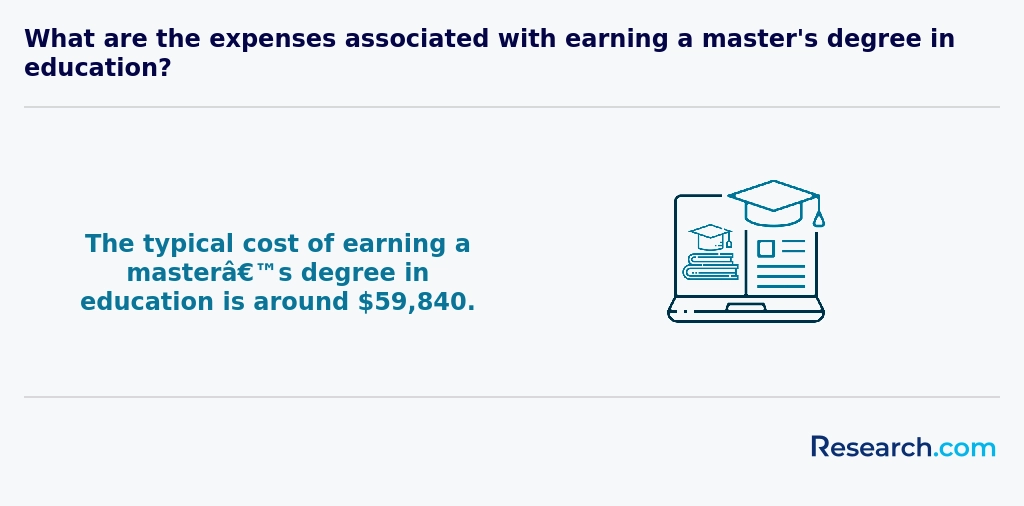
Many Dallas-area learners are turning to online education programs to balance high-quality coursework with budgetary constraints. By choosing an accredited online program, students can reduce commute and housing costs while accessing the same curriculum and faculty support as on-campus peers. Online delivery also allows for part-time pacing, enabling working professionals to spread tuition over a longer period and ease financial pressure. To identify the most affordable, reputable online degrees, consider exploring the Inexpensive Online Education Degree Programs Ranking in North Dakota. Although focused on North Dakota, this resource highlights national institutions offering low-cost online tuition, many of which extend in-state rates or competitive scholarships to out-of-state enrollees. Comparing these benchmarks can reveal hidden bargains for Dallas students seeking quality at a fraction of traditional costs. When evaluating cost-effective online options, prioritize programs that: • Offer flat-rate tuition per credit or generous transfer credits to minimize overall hours. • Provide bundled textbook and technology fees, reducing unexpected expenses. • Maintain clear pathways to Texas state certification, ensuring licensure requirements are met without extra coursework. • Feature robust financial aid packages, including merit-based scholarships and federal grants. By strategically leveraging nationwide affordability rankings and scrutinizing program structures, Dallas-based learners can secure a valuable education degree without overextending their budget.
Students pursuing education degrees in Dallas have access to multiple financial aid options that can make a significant difference in managing costs. Federal programs, accessed by completing the FAFSA, are common sources. For example, Pell Grants offer need-based aid up to $7,395 annually, helping many education students reduce reliance on loans. Federal TEACH Grants specifically support those planning to teach in high-need Dallas schools, offering up to $4,000 per year, which some graduates have found pivotal in easing their debt burden.
State aid, like the Texas Educational Opportunity Grant, benefits students attending public institutions such as the University of North Texas at Dallas. Meanwhile, local scholarships from organizations like the Dallas Foundation target aspiring educators, providing crucial funding that alumni often recall as motivation to stay in the profession.
Institutions including Southern Methodist University also provide merit scholarships and grants tailored for education majors, acknowledging academic excellence and diversity. Additionally, working professionals in the Dallas education sector frequently leverage employer tuition assistance, a real advantage noted by returning students balancing careers and studies.
For many students, the decision to pursue an education degree goes beyond rankings and statistics-it’s about preparing for a dynamic and fulfilling career. In this section, we share expert advice and practical next steps to help you make an informed choice, from evaluating program quality to mapping out your future career path. Experts recommend that you: • Develop a clear career vision by identifying the educational roles that best align with your passion-whether it’s classroom teaching, curriculum development, or educational administration. • Research accreditation and institutional support systems, including resources such as hands-on training, mentorship programs, and alumni networks that provide real-world insights into the education sector. • Consider a blend of traditional learning and online opportunities. For example, exploring options like the most affordable online master's degrees in educational leadership can offer flexibility while still delivering a quality education. • Plan your finances by reviewing scholarship opportunities, state and federal grants, and part-time work-study programs that can ease the financial burden. • Build a roadmap that includes internship experiences and participation in local educational communities, as these practical exposures are key to long-term career success. By taking these proactive steps and leveraging expert insights, you’ll be better positioned to choose a program that aligns with both your professional goals and personal circumstances, ensuring a successful transition from student to education leader.
Enrolling in an education degree program in Dallas typically requires candidates to have completed a high school diploma or an equivalent credential like a GED. Graduates from local universities often recall first submitting official transcripts that reflected a GPA around 2.5 to 3.0, underscoring the importance of steady academic performance without overly rigid expectations. While some institutions still ask for SAT or ACT scores, many Dallas schools-such as the University of Texas at Dallas-have embraced test-optional policies, allowing applicants to highlight other strengths instead.
Beyond academics, a clean criminal background check is usually mandatory, particularly for teaching certification paths, reinforcing the community's emphasis on safety. Some students found that having prior volunteer or work experience in educational settings made their applications more competitive and personally meaningful, especially at universities like Southern Methodist University.
Applicants often describe navigating financial planning as a critical step, with public institutions' tuition hovering near $10,500 annually, while private colleges may expect higher fees. Letters of recommendation and personal statements remain important, giving candidates a chance to express their motivation and dedication to education in Dallas's vibrant academic environment.
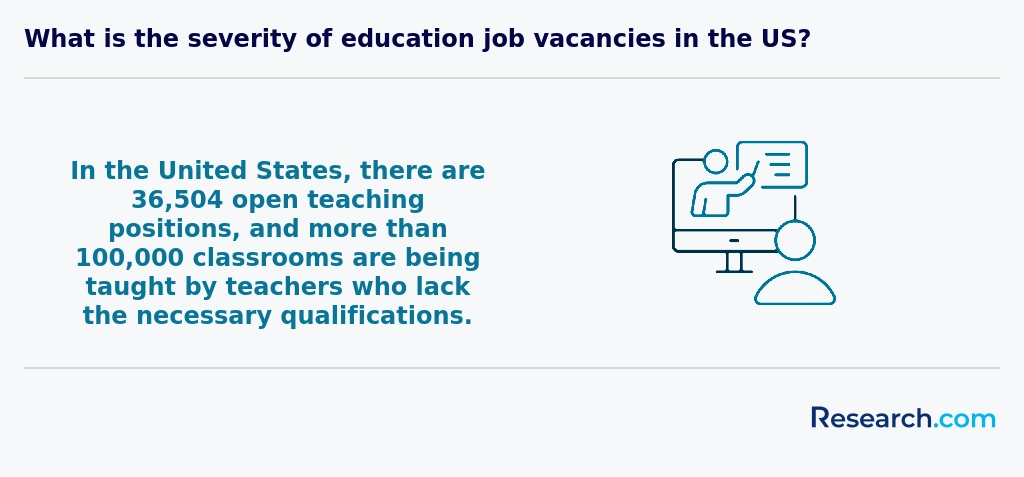
Choosing an accredited Education degree program in Dallas, TX, is critical for ensuring quality instruction, smooth licensure and broader career mobility. Accreditation signals that a program meets rigorous standards set by recognized agencies such as the Council for the Accreditation of Educator Preparation (CAEP) and the Southern Association of Colleges and Schools Commission on Colleges (SACSCOC). Graduates of CAEP-accredited programs are more likely to have their coursework accepted by state licensing boards and benefit from streamlined certification processes through the Texas Education Agency (TEA). When evaluating program accreditation:
- Verify regional accreditation via SACSCOC or an equivalent regional body.
- Confirm CAEP accreditation for teacher preparation programs.
- Cross-check state approval status on the TEA website to ensure licensure eligibility.
- Look for programmatic endorsements in specialized fields (e.g., special education, school leadership). Accredited programs also offer advantages in:
- Financial aid and scholarships: Federal and state grants typically require enrollment in accredited institutions.
- Transferability: Credits from regionally accredited schools are more easily transferred if you pursue advanced degrees.
- Employer recognition: School districts often prioritize applicants from accredited programs when hiring new teachers. For students balancing cost and quality, exploring cost-effective accredited offerings can be invaluable. For instance, our Inexpensive Online Education Degree Programs Ranking in North Dakota highlights accredited online options that may reduce tuition expenses while maintaining high standards. By prioritizing accreditation and certification, prospective educators in Dallas can protect their investment, meet state requirements, and position themselves for successful careers in diverse educational settings.
Education degree programs in Dallas typically include courses in child development and educational psychology, which graduates often describe as eye-opening for understanding diverse student behaviors. At universities such as the University of Texas at Dallas, students share how learning about these topics helped them approach classroom challenges with empathy and effective strategies.
Instructional methods and curriculum development are also central, with hands-on experience in designing lesson plans tailored to Texas state standards. Graduates from popular Dallas colleges report feeling confident creating inclusive lessons that engage students with various learning styles, often drawing examples from their practicum placements.
Assessment and evaluation courses equip students to measure learning outcomes critically, while technology integration classes prepare them to use digital tools actively, a skill many find rewarding when applying innovative methods in actual classrooms.
Specialized courses in special education, bilingual education, and educational leadership address pressing local community needs in Dallas, empowering graduates to support diverse populations or take on administrative roles with enthusiasm and purpose.
Education degree specializations Dallas students commonly pursue include Early Childhood Education, Elementary Education, Secondary Education, and Special Education. Graduates from well-known Dallas colleges often describe Early Childhood Education as rewarding, especially when working with young children in the city's diverse neighborhoods, where the demand for qualified educators remains strong.
Others in Elementary Education appreciate the flexibility their degrees offer, enabling them to teach multiple subjects across early grade levels. Secondary Education specializations allow aspiring teachers to focus on subjects like math or English, preparing them to engage middle and high school students effectively. Special Education is particularly valued by graduates who find fulfillment in supporting learners with disabilities, a crucial need in Dallas schools.
Some students explore educational leadership paths, aiming for administrative roles, and may consider options such as most affordable online master's degrees in educational leadership. Such programs are available in Dallas and reflect broader education degree program options designed to meet local community needs. These specializations reflect a diverse and practical approach to teaching in Dallas.
Choosing the best education degree in Dallas means balancing multiple priorities carefully. Graduates from popular Dallas institutions often share that understanding program accreditation and how it aligns with Texas state certification requirements is essential. For example, those attending the University of North Texas at Dallas appreciate the CAEP-accredited programs, which directly support their eligibility for teaching credentials. Cost also plays a significant role; while some Dallas schools offer competitive tuition, others may strain budgets, so researching affordable education degrees Dallas TX options is wise.
Flexibility is another factor; working students report positive experiences with programs offering evening classes or hybrid formats, enabling them to gain practical experience while managing job responsibilities. Graduates frequently highlight the value of local student teaching placements in Dallas schools, which foster connections and boost confidence before entering the workforce. To explore cost-effective alternatives, consider reviewing the Inexpensive Online Education Degree Programs Ranking in North Dakota as a reference point for affordability and quality outside Dallas.
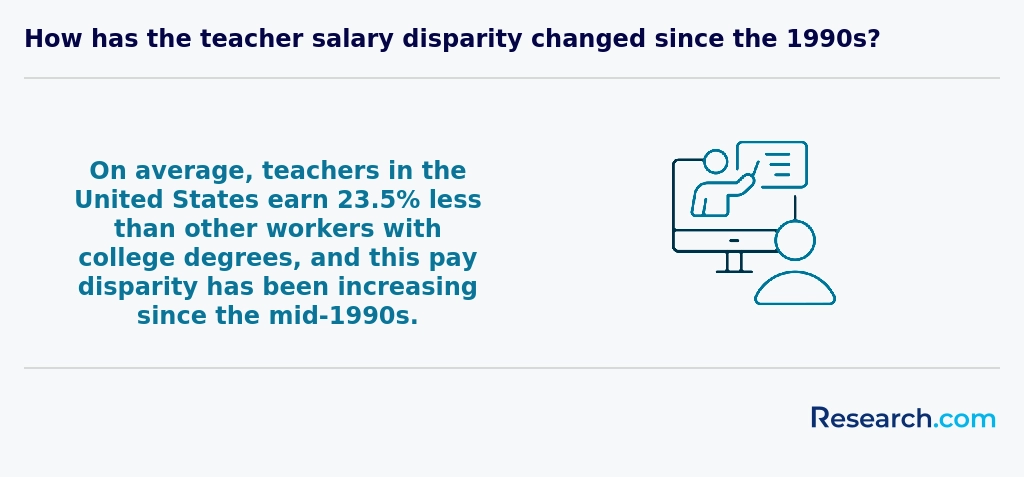
Graduates with an education degree in Dallas encounter varied career paths, reflecting the city's large, diverse school districts and robust educational ecosystem. Many find rewarding roles as public school teachers, often requiring Texas state certification. These educators specialize in areas like bilingual education or special education, responding directly to Dallas's multicultural student base. Some graduates from institutions such as the University of Texas at Dallas share how their hands-on experiences in local schools helped them feel ready to address real classroom challenges, particularly in ESL programs. Exploring education degree job opportunities in Dallas reveals that beyond teaching, roles like curriculum developers or instructional coordinators also attract motivated degree holders seeking to impact education at a systemic level.
Career options with education degree Dallas extend into administration, where former teachers become principals or assistant principals, blending leadership with frontline insight. Typical administrators in Dallas hold advanced degrees and often discuss the fulfillment found in shaping school policies to improve student outcomes. Others pursue niches as special education coordinators or adult education instructors, careers that graduates describe as deeply satisfying due to their community impact. For those considering alternative pathways, exploring accelerated online associate degrees can offer flexible options aligned with these aspirations.
The job market for education degree graduates in Dallas remains promising, driven by the city's expanding school population and ongoing efforts to enhance public education quality. Graduates from local universities often find opportunities, especially in high-demand areas like STEM, bilingual education, and special education. These fields reflect Dallas's diverse community and evolving educational needs, offering favorable employment prospects that attract aspiring teachers.
Graduates from popular Dallas colleges report feeling optimistic, noting that the moderate tuition cost of institutions such as the University of Texas at Dallas allows them to pursue education degrees without overwhelming debt. This balance between affordable education and competitive teacher salaries around $60,000 annually creates a rewarding professional outlook for many. However, some recognize that competition is stronger in affluent districts, requiring persistence and continuous credential upgrades.
For those exploring flexible learning options, programs among online schools with open enrollment provide valuable alternatives to in-person study, helping sustain career momentum while adapting to personal schedules. This adaptability is crucial given the evolving demands of Dallas-area education roles.
Dallas education degree employment outlook hinges on sustained student growth, specialized teacher demand, and local initiatives supporting retention, indicating steady but selective opportunity growth for new educators.
2027 Most Valuable Education Degree Programs Ranking in Dallas
Investing in your education is a significant decision that can profoundly impact your future, and the Research.com team recognizes the importance of making well-informed choices. To support prospective students in Dallas, we have diligently developed the "2027 Most Valuable Education Degree Programs Ranking in Dallas." Our dedication to quality, credibility, and accuracy is demonstrated through rigorous research and thorough analysis in compiling this ranking.
We utilized the following reputable data sources to ensure a comprehensive evaluation of education degree programs:
By exploring this ranking, readers will gain valuable insights into the most worthwhile education degree programs in Dallas, empowering them to make confident decisions about their educational journeys. For a detailed explanation of our methods, please visit our Research.com methodology page.
# 1 position
Dallas College
Bachelor of Science in Education



Frequently Asked Questions About education
Education degree students in Dallas can maximize their learning experience by actively engaging with local school districts that partner with universities. Hands-on teaching practice in Dallas Independent School District, which serves over 150,000 students, provides critical real-world experience. According to the Texas Higher Education Coordinating Board, involving in internships and student teaching placements in diverse classrooms improves retention of pedagogical skills.
Joining student organizations focused on education and networking with Dallas-area educators also enhances learning. Utilizing resources at Dallas colleges, such as tutoring and career services, can strengthen academic performance.
Finally, keeping informed about state certification requirements through the Texas Education Agency ensures students align their studies with necessary credentials.
The education field in Dallas is evolving with new specialized areas gaining attention. One significant emerging niche is educational technology, driven by the demand for digital learning tools. The Dallas Independent School District has increased investments in tech integration, creating fresh opportunities for educators skilled in blended learning and instructional design.
Another growing area is special education, particularly focused on autism spectrum disorders, where local demand outpaces supply. With Texas ranking high in special education enrollment, Dallas programs emphasize inclusive strategies.
Additionally, there is rising interest in bilingual education to serve the city's diverse population, reflecting broader demographic trends highlighted by the U.S. Census Bureau. These niches indicate where future education professionals might focus their studies and careers.
Preparing for the job market after completing an education degree in Dallas involves several key steps. First, graduates should pursue Texas Teacher Certification, which is mandatory for public school employment. This requires passing state exams like the TExES.
Networking plays a vital role; joining local organizations such as the Dallas Education Foundation can provide valuable connections and job leads. Dallas Independent School District (DISD) remains one of the largest employers of newly certified teachers in the area, making it a primary target for job applications.
Gaining practical experience through student teaching or internships significantly boosts employability. According to the Texas Education Agency, over 4,000 teaching positions were posted statewide in 2023, highlighting a competitive but opportunity-filled market.
Employers in Dallas prioritize a combination of practical and interpersonal skills when hiring education degree graduates. According to the Texas Education Agency, effective communication and classroom management rank among the most sought-after abilities. These skills enable teachers to create positive learning environments and engage diverse student populations.
Data from Dallas Independent School District highlights the importance of adaptability, especially in integrating technology into teaching. Proficiency with digital tools supports remote and hybrid learning models relevant in today's classrooms.
Additionally, employers value strong organizational skills and cultural competence, reflecting Dallas's diverse community. Graduates with collaborative problem-solving capabilities tend to perform better in team-driven school settings.
Finding internships in Dallas for education degree students involves leveraging local school districts, universities, and community organizations. Dallas Independent School District (DISD) often partners with universities to offer internships that provide classroom experience. Students should explore programs at institutions like the University of Texas at Dallas or Texas Woman's University, both known for strong education departments.
Online platforms such as Handshake and Indeed also list numerous teaching internships in Dallas, allowing students to filter opportunities by their interests. Networking with local educators through professional groups like the Dallas Alliance of Black School Educators can increase chances of placement. According to Dallas College data, around 65% of education students secure internships before graduation, highlighting the importance of proactive searching.
In Dallas, holding an education degree significantly enhances career mobility and advancement opportunities within the public and private education sectors. According to the Texas Education Agency, educators with at least a bachelor's degree can access a wider range of teaching positions across Dallas Independent School District and surrounding districts.
Advanced degrees, such as a master's or doctoral degree, often lead to leadership roles like curriculum director or principal, which typically offer higher salaries and greater job security. Data from the Bureau of Labor Statistics shows Dallas educators with graduate degrees earn approximately 20% more on average than their peers with only bachelor's degrees.
Furthermore, certification prerequisites in Texas require specific educational credentials, making degree completion essential for career progression. Overall, education degrees provide essential qualifications that support sustainable career growth in Dallas's competitive educational landscape.
Studying for an education degree in Dallas equips students with the skills needed to navigate complex, interdisciplinary roles in educational settings. Dallas institutions emphasize collaboration across fields like psychology, social work, and technology, reflecting a growing demand for educators who can integrate diverse expertise. According to the Texas Education Agency, Dallas schools increasingly seek teachers proficient in special education, ESL, and STEM, highlighting interdisciplinary knowledge as essential.
Many programs include coursework and practicum experiences that connect pedagogy with community engagement and data analysis. This approach readies graduates to address varied student needs and policy challenges.
Choosing between a thesis and a non-thesis education degree program in Dallas depends on your career goals and personal preferences. Thesis programs typically require conducting original research and writing a detailed paper, which prepares students for roles in academia or research.
Non-thesis programs focus more on coursework and practical skills, appealing to those aiming for leadership or administrative positions in local schools. According to the Texas Higher Education Coordinating Board, Dallas institutions offer both options, with about 40% of education graduate students opting for thesis tracks to deepen research expertise.
Consider how much time you can dedicate, as thesis programs often extend study duration.
Students based in Dallas seeking to study education abroad have several avenues through U.S. higher education institutions with international partnerships. Universities like the University of Texas at Dallas often facilitate study abroad programs in countries such as the United Kingdom, Australia, and Canada, focusing on educational theory and practice.
Additionally, Dallas students can access exchange programs coordinated by organizations like the Council on International Educational Exchange (CIEE), which offers options tailored for future educators. These programs provide valuable cross-cultural experience, enhancing teaching skills.
According to Open Doors 2023 data, Texas ranks within the top five states sending students abroad for education degrees, highlighting growing interest and institutional support in this area.
In Dallas, part-time job opportunities that complement education degree programs are diverse and practical. Working as a teacher's aide or substitute teacher in Dallas Independent School District allows students to gain hands-on classroom experience. According to the district's 2023 employment report, these roles often lead to flexible hours suitable for students.
After-school tutoring positions are also in demand, especially in subjects like math and reading. Organizations such as Big Thought provide structured tutoring roles that help build instructional skills. Additionally, Dallas public libraries frequently hire part-time assistants, offering exposure to educational resources and literacy programs.
Jobs in childcare centers and early learning facilities offer experience with young learners, aligning well with early childhood education studies. These roles provide practical knowledge of child development crucial for future educators.
Education students in Dallas benefit from numerous networking opportunities that connect them with local teachers, administrators, and education professionals. Universities like the University of Texas at Dallas and Texas Woman's University frequently host education fairs, workshops, and speaker events designed to foster professional relationships.
Dallas Independent School District (DISD) collaborates with higher education institutions, providing students with internships and mentoring programs that enhance hands-on experience and networking.
The Dallas Regional Chamber and other professional education organizations also sponsor events where students can meet potential employers and peers, supporting career advancement.
According to the Texas Education Agency, Dallas hosts over 1,400 public schools, creating a broad education community for students to engage with during their studies.
Alumni networks provide significant benefits for education degree students in Dallas by offering valuable professional connections and mentorship opportunities. Graduates from Dallas institutions such as the University of Texas at Dallas and Southern Methodist University often remain active in alumni groups, facilitating access to local school districts and education agencies.
These networks help students find internships and job placements, crucial in a competitive market. According to the Dallas Regional Chamber, 65% of education graduates network through alumni connections to secure employment within the city.
Additionally, alumni events and online platforms foster continuous learning and resource sharing, enhancing career growth. Networking also supports access to professional development workshops tailored for Dallas educators.
Customizing an education degree program in Dallas allows students to align their studies with specific career objectives. Many universities in Dallas offer flexible curriculum options, such as selecting electives in special education, curriculum development, or educational technology. This flexibility helps tailor learning experiences to fit roles like school administration or instructional coordination.
Students may also choose between different degree levels, including bachelor's, master's, or doctoral programs, depending on their professional goals. Additionally, some Dallas institutions provide online and hybrid courses, accommodating working professionals seeking advancement. According to the Texas Higher Education Coordinating Board, over 30% of education students in Dallas opt for such flexible formats for convenience and personalization.
Education students in Dallas frequently encounter several challenges during their degree programs. One major issue is balancing rigorous coursework with fieldwork requirements, such as student teaching placements, which can be demanding and time-consuming. According to the Texas Education Agency, the need for diverse clinical experiences often requires traveling across the Dallas-Fort Worth metroplex, creating logistical difficulties.
Another challenge lies in navigating standardized testing and certification processes. Many must pass the Texas Examinations of Educator Standards (TExES), which has a pass rate of about 85% statewide but can be stressful for candidates. Additionally, students face financial pressures; the average tuition for education programs in Dallas is rising, impacting accessibility for some undergraduates.
Lastly, adapting to evolving educational technology and inclusive teaching methods is essential but sometimes overwhelming without adequate support. These factors combine to make the path to becoming an educator in Dallas both challenging and demanding.
With an education degree in Dallas, you can pursue a variety of professional certifications to enhance your career prospects. The most common certification is Texas Teacher Certification, required to teach in public K-12 schools. This involves passing the Texas Examinations of Educator Standards (TExES).
Other popular certifications include specialized endorsements in bilingual education, special education, and ESL, reflecting Dallas's diverse student population. These endorsements often require additional coursework and exams.
Beyond teaching, certifications in education administration, such as Principal or Superintendent certifications, are available for those interested in leadership roles in Dallas area schools.
According to the Texas Education Agency, nearly 6,000 educators obtained new certifications in the Dallas region during 2023.
Writing a winning application for an education program in Dallas begins with thorough research of local institutions. Dallas hosts several reputable universities offering education degrees, including the University of Texas at Dallas and Texas Woman's University, both known for strong education programs. Admissions committees often look for clear statements of purpose that demonstrate your passion for teaching and understanding of local community needs.
Be sure to highlight relevant experience, such as volunteer work or internships in Dallas-area schools. According to the Texas Higher Education Coordinating Board, education programs in Dallas emphasize practical skills and cultural competence. Including specific goals related to Dallas's diverse student population can strengthen your application.
Lastly, prepare for standardized tests like the GRE if required, and request strong letters of recommendation from educators familiar with your abilities. Meeting deadlines and following application instructions carefully are critical for success.
The global view of an education career emphasizes adaptability and cultural awareness. In the United States, including Dallas, education professionals are increasingly expected to prepare students for a diverse, interconnected world. The U.S. Department of Education highlights the importance of global competence as a key skill for educators.
Dallas schools reflect this trend, integrating multicultural curricula and language programs. According to the Dallas Independent School District, over 40% of students speak a language other than English at home, underscoring the need for educators skilled in inclusive teaching methods. This demand influences education degree programs in Dallas to emphasize global perspectives, preparing graduates to teach effectively in diverse environments.
Furthermore, international education benchmarks, like those from the OECD, encourage U.S. educators to engage with global educational practices. Education degrees in Dallas often include courses on comparative education and global policy to meet these expectations.
Gaining practical experience while studying for an education degree in Dallas often involves engaging in local internships and student teaching programs. Many Dallas colleges partner with Dallas Independent School District (DISD) and other local schools to provide hands-on classroom experience.
Student teaching placements allow candidates to work directly with certified teachers, typically lasting one semester. This opportunity helps develop classroom management and lesson planning skills. According to the Texas Education Agency, about 70% of education programs in the state require supervised practicum experiences.
Additionally, volunteering in community education centers or after-school programs in Dallas can add valuable skills. Networking events and education-focused workshops hosted by Dallas area universities also offer practical exposure and professional connections.
Choosing the right concentration within an education degree program in Dallas begins with understanding your career goals. Concentrations can range from early childhood education to special education, administration, or curriculum development. According to the Texas Education Agency, Dallas-area schools have a growing demand for teachers specialized in STEM and bilingual education, reflecting the region's diverse population.
Research local job market trends and consult resources like the Dallas Independent School District's employment data. Programs accredited by the Council for the Accreditation of Educator Preparation (CAEP) often offer concentrations aligned with state licensure requirements. Consider your interests, strengths, and the student demographics you wish to serve.
Visiting Dallas universities' websites and attending informational sessions can also help clarify available concentrations and their outcomes, ensuring a clearer fit for your professional aspirations.
- 2027 Most Valuable Education Degree Programs Ranking in Mobile
- 2027 Most Valuable Education Degree Programs Ranking in Birmingham
- 2027 Most Valuable Education Degree Programs Ranking in Montgomery
- 2027 Most Valuable Education Degree Programs Ranking in Colorado Springs
- 2027 Most Valuable Education Degree Programs Ranking in Denver
- 2027 Most Valuable Education Degree Programs Ranking in Atlanta
- 2027 Most Valuable Education Degree Programs Ranking in Tallahassee
- 2027 Most Valuable Education Degree Programs Ranking in Indianapolis
- 2027 Most Valuable Education Degree Programs Ranking in Macon
- 2027 Most Valuable Education Degree Programs Ranking in River Forest
See What Experts Have To Say About Studying Education
Read our interview with Education experts

Nooshan Ashtari
Education Expert
Professor & Book Author
University of Southern California

Alan J. Singer
Education Expert
Professor of Teaching, Learning and Technology
Hofstra University

- The importance of networking in the education sector https://www.tlclive.com/blog/the-importance-of-networking-in-the-education-sector
- Teacher of Global Perspectives (IGCSE) https://www.scie.com.cn/jobs-global-perspectives/
- Teaching Degree Requirements in 2023 | Teachers of Tomorrow https://www.teachersoftomorrow.org/blog/insights/teaching-degree-requirements/
- 5 Tips on Choosing the Right Course or Study Program - Edunation https://www.edunation.co/5-tips-on-choosing-the-right-course-or-study-program/
- Education Degree Entry Requirements https://universitycompare.com/advice/student/education-degree-entry-requirements
- Top 10 Effective Networking Tips for Students https://www.unfc.ca/blog/networking-tips-for-students
- Engaging Students in Meaningful Learning Experiences https://www.facultyfocus.com/articles/effective-teaching-strategies/engaging-students-in-meaningful-learning-experiences/
- How To Become A Teacher In Dallas: Your Path To A Rewarding Career In The Classroom - City Teaching Alliance https://cityteachingalliance.org/blog/how-to-become-a-teacher-to-dallas/
- Workforce Development Programs - Workforce Solutions Greater Dallas https://www.wfsdallas.com/programs/
- How To Write A Great Cover Letter For Teacher Training - Engage Education https://engage-education.com/blog/how-to-write-a-great-cover-letter-for-teacher-training/


