
2027 Most Affordable Online Master's in Education Degree Programs Ranking in West Virginia

Co-Founder and Chief Data Scientist
Choosing the right online master's in education program can feel overwhelming, especially when balancing work, life, and studies. To help, this article presents the 2027 Most Affordable Online Master's in Education Degree Programs Ranking in West Virginia, created by the Research.com team of data scientists.
This ranking highlights affordable, quality options so you can make an informed decision on your education journey. Exploring these programs opens doors to new career opportunities and personal growth.
Whether you're advancing your skills or starting fresh, this guide supports your goals with trustworthy and relevant information.
Key benefits of getting online education degree in West Virginia
- Graduates with an education degree in West Virginia can expect strong salary opportunities, such as Education Managers earning around $129,330 annually and Curriculum Specialists earning about $77,200, offering financial stability.
- Career paths include roles like Education Program Manager or Education Consultant, where graduates from schools like West Virginia University have successfully found rewarding leadership and advisory positions.
- Completing an education degree online from institutions such as West Virginia University offers flexibility and convenience, allowing graduates to balance work, family, and studies while gaining the same respected credentials as traditional programs.
- Key benefits of getting online education degree in West Virginia
- What can I expect from online education degree in West Virginia?
- Where can I work with online education degree in West Virginia?
- How much can I make with online education degree in West Virginia?
- 2027 Most Affordable Online Master's in Education Degree Programs Ranking in West Virginia
- Key Findings
- How long does it take to complete online education degree in West Virginia?
- Exploring Affordable Education Options in West Virginia
- What's the difference between online and on-campus education degree?
- Regional Comparison: How West Virginia Stacks Up Against Neighboring States
- What is the average cost of online education degree in West Virginia?
- Teacher Certification and Licensing Requirements
- What financial aid is available to online education degree students in West Virginia?
- Teacher Certification and Licensure
- What are the prerequisites for enrolling in online education degree program in West Virginia?
- Accreditation and Quality Assurance
- What courses are typically in online education degree programs in West Virginia?
- What types of specializations are available in online education degree programs in West Virginia?
- How do you choose the best online education degree in West Virginia?
- What career paths are available for online education degree students in West Virginia?
- What is the job market for online education degree in West Virginia?
- Related Education Rankings for Nearby States
- Top Trending Education Rankings
- See What Experts Have To Say About Studying Education
What can I expect from online education degree in West Virginia?
The average cost of an online education degree in West Virginia generally falls below the national average, making it a financially appealing option for many students. Graduates from institutions like West Virginia University and Marshall University often highlight how their tuition rates were reasonable compared to peers in other states. One graduate recalled feeling relieved that the lower cost did not equate to compromised quality, appreciating that the programs still met state licensing requirements essential for career advancement.
Many students find that more affordable tuition, combined with the convenience of online learning, reduces both financial and logistical stress. However, it's important to consider additional expenses such as technology needs and local practicum placements, which might vary. While cost is a significant factor, some graduates note that thoughtful program design and access to supportive faculty added value beyond price.
Overall, the moderate tuition fees supported by state policies and scholarship opportunities contribute to a positive educational experience for West Virginia residents seeking flexible, accredited online degrees in education.
Where can I work with online education degree in West Virginia?
Graduates with an online education degree in West Virginia often find employment in diverse roles across public schools, higher education, and community organizations. Many begin as teachers in K-12 schools, with a steady need for qualified educators in core subjects like math, science, and special education. Those who studied at well-known institutions such as West Virginia University or Marshall University describe feeling confident stepping into classrooms or administrative roles, supported by their online training's flexibility and rigor.
Beyond teaching, some find rewarding careers in academic advising, curriculum design, or educational technology at colleges and universities. For instance, graduates working within West Virginia's higher education system highlight the satisfaction of shaping programs that impact student success. Others pursue positions in educational nonprofits or state agencies, where they contribute to policy and workforce development.
While salaries average around $52,000 for many teaching roles, those with advanced degrees or specialized certifications often enjoy higher pay and expanded opportunities. Graduates emphasize that skills gained through online programs-like managing digital learning tools-are increasingly valuable, reflecting a growing demand for tech-savvy educators in West Virginia's evolving schools.
How much can I make with online education degree in West Virginia?
Graduates with online education degrees from institutions like West Virginia University or Fairmont State University often find promising salary outcomes aligned with broader industry data. For example, a graduate stepping into a role as an Education Manager in West Virginia can anticipate an average annual wage around $129,330, based on recent BLS statistics. This reflects a rewarding career path for those who pursue advanced leadership positions after earning their online degrees.
Similarly, roles such as Education Program Manager and Education Consultant offer mean annual salaries of approximately $104,920 and $95,600 respectively, providing solid earning potentials for graduates seeking diverse options within the education sector. Curriculum Specialists typically earn about $77,200, which still surpasses many entry-level teaching salaries in the state.
While starting salaries for newly graduated teachers in West Virginia generally fall between $43,000 and $55,000, graduates of popular online programs describe the satisfaction of steady salary growth and the ability to transition into higher-paying administrative or specialist roles. These pathways illustrate how investing in an online education degree can lead to both financial stability and professional fulfillment within West Virginia's education landscape.
2027 Most Affordable Online Master's in Education Degree Programs Ranking in West Virginia
How do we rank schools?
Investing in your education is a significant decision that can shape your future, and the Research.com team understands the importance of making informed choices. To assist prospective students in West Virginia, we have meticulously developed the "2027 Most Affordable Online Master's in Education Degree Programs Ranking in West Virginia." Our commitment to quality, credibility, and accuracy is demonstrated by the rigorous research and comprehensive analysis behind this ranking.
We utilized the following reputable data sources to ensure a thorough evaluation of affordable online education programs:
By exploring this ranking, readers will gain valuable insights into cost-effective online master's programs in education tailored to West Virginia's learners, empowering them to make well-informed decisions that align with their career goals. For more information about our methodology, please visit our Research.com methodology page.
# 1 position
West Virginia University
Master of Special Education, Autism Spectrum Disorder certification


Key Findings
- Average tuition for online education programs in West Virginia public universities ranges from $300 to $450 per credit hour for in-state students.
- Education-related jobs in West Virginia are expected to grow about 4% over the next decade, matching the national average for the sector.
- Entry-level salaries for education graduates start around $40,000 annually, with public school teachers earning about $48,000 on average in 2023.
- Seasoned educators or administrators can earn between $60,000 and $70,000 annually in West Virginia.
- Online degrees must be from regionally accredited institutions to meet the State Board of Education certification requirements.
- Many West Virginia universities offer flexible, fully online master's programs in education focusing on curriculum, instructional technology, and leadership.
How long does it take to complete online education degree in West Virginia?
Completing an online education degree in West Virginia generally takes between 1.5 to 3 years, depending on enrollment status and program pacing. Graduates from institutions like West Virginia University and Marshall University often report that full-time study allows finishing in about two years, while part-time enrollment can extend this to three or more years. This flexibility helps students balance work, family, and education without feeling overwhelmed.
Some students choose accelerated tracks, completing their degrees in as little as 12 to 18 months. While these programs are intense, they appeal to motivated individuals eager to advance quickly. Others appreciate the option of year-round courses with multiple start dates, which reduce downtime and maintain momentum throughout the year.
Additionally, credit for previous teaching experience or graduate coursework can lighten the credit load, speeding up graduation. Overall, students at West Virginia's leading universities describe their online education journey as manageable yet rewarding, with flexible pacing options that suit diverse lifestyles.
Exploring Affordable Education Options in West Virginia
For prospective students seeking to pursue a master's degree in education without breaking the bank, understanding the affordability of various programs is crucial. One key aspect to consider is the cost-benefit analysis of attending institutions that offer high-quality education at a lower price point. To assist in this endeavor, researching the most affordable education schools in west virginia can provide valuable insights into the financial implications of such a decision. By weighing the costs of tuition, fees, and living expenses against the potential career advancements and salary increases, students can make informed decisions that align with their financial goals and career aspirations. This thoughtful approach enables individuals to navigate the complex landscape of higher education, ultimately selecting a program that offers the best possible return on investment.
What's the difference between online and on-campus education degree?
The primary difference between online and on-campus education degrees in West Virginia centers on how learning is delivered and experienced. Graduates from West Virginia University often share how on-campus programs provide rich face-to-face interaction with professors and peers, fostering strong mentorship and hands-on opportunities like student teaching practicums. This direct engagement can make the learning feel more immersive and connected to the campus community.
In contrast, those completing online education degrees from institutions such as Marshall University highlight the convenience of accessing lectures and assignments anytime, which suits busy schedules and family commitments. One graduate described how this flexibility allowed them to balance a full-time job while pursuing their degree without sacrificing quality.
Cost considerations also differentiate the two paths. On-campus programs tend to involve tuition around $8,000 to $12,000 annually for in-state students, plus additional expenses like housing. Online programs often reduce these costs by eliminating commuting and housing fees, making education more affordable while still accredited.
While some on-campus students value the in-person community events and networking, online learners appreciate interactive tools such as discussion boards and video calls that create a supportive environment despite physical distance.
Regional Comparison: How West Virginia Stacks Up Against Neighboring States
As prospective students weigh their options, understanding how West Virginia’s affordable online education offerings compare regionally can provide valuable context. While West Virginia boasts an average annual tuition of $9,364 for in-state students, neighboring states may offer even lower rates or unique specialties. For example, Kentucky’s programs have been praised for both cost-effectiveness and curriculum innovation-see the Low Cost Online Education Degree Programs Ranking in Kentucky for a detailed breakdown. North Carolina and Ohio also present competitive alternatives. North Carolina’s public universities average slightly higher tuition but often include generous teaching assistantships and state-funded scholarships. Ohio’s community colleges, meanwhile, offer two-year online associate pathways that can seamlessly transfer into four-year master’s programs, reducing overall expenses. In contrast, West Virginia’s streamlined online master’s tracks-with tuition around $18,198-strike a balance between affordability and comprehensive curriculum design. Beyond tuition, consider support services and credential value. Kentucky programs frequently include early-career mentorship initiatives, while Ohio institutions excel in technological integration workshops. West Virginia distinguishes itself through robust instructor accessibility and personalized academic advising, ensuring students receive tailored guidance throughout their studies. By comparing these regional attributes, learners can choose the state and program that best align with their financial constraints and professional ambitions. Ultimately, students seeking the most affordable online education master’s programs will benefit from a side-by-side analysis of tuition rates, financial aid options, and program features across state lines. This comparative approach empowers candidates to make informed decisions, whether they prioritize cost savings, specialized tracks, or enhanced support networks.
What is the average cost of online education degree in West Virginia?
The average cost of an online education degree in West Virginia generally centers around $18,198, reflecting median data for both in-state and out-of-state students. This cost estimate helps frame realistic expectations for prospective students exploring affordable online master's in education West Virginia programs, such as those offered by widely recognized institutions in the state. Many graduates from these programs recall the balance between affordability and quality as a key factor in their decision-making, especially when compared to pricier national averages.
Students pursuing online education degrees often face tuition fees calculated per credit hour. For example, some West Virginia universities' fees can range broadly, with residents paying rates around $300 to $500 per credit, while non-residents might encounter prices exceeding $1,000 per credit. This variability means the total tuition investment for a typical 30- to 36-credit online master's program can differ significantly depending on residency and institutional policies. These nuances highlight the financial considerations prospective students must weigh carefully.
Many graduates share positive reflections about the accessibility of online education options in West Virginia, noting the practical blend of flexibility and manageable costs. They often mention additional expenses, including technology fees and course materials, which factor into their budgeting but do not overshadow the overall value. For those seeking further guidance on where to find the most cost-effective options, the most affordable education schools in west virginia provide useful starting points to compare programs and financial aid availability.
Teacher Certification and Licensing Requirements
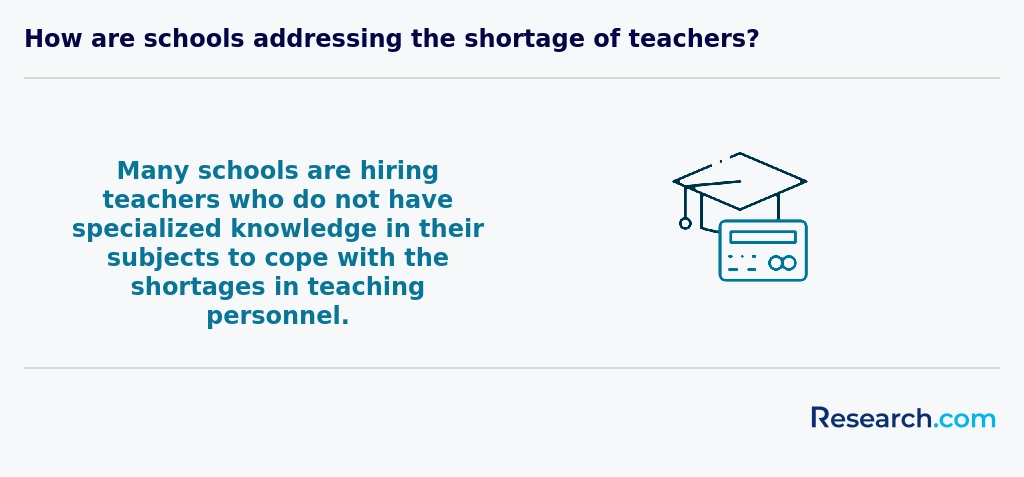
After completing an online master’s in education in West Virginia, graduates must secure state licensure before entering the classroom. The West Virginia Department of Education (WVDE) oversees certification, requiring candidates to: • Hold a bachelor’s degree from an accredited institution and complete a state-approved education program • Pass the Praxis Core Academic Skills for Educators and the Praxis Subject Assessments specific to your endorsement area • Submit official transcripts, background check clearance, and a completed licensure application via WVDE’s online portal Many online master’s programs integrate test preparation modules and practicum experiences aligned with WVDE standards, ensuring you gain both theoretical knowledge and hands-on practice. Additionally, candidates pursuing specialized endorsements-such as special education or instructional technology-should verify prerequisite coursework and any field-based requirements, which vary by subject area. For educators moving to West Virginia or comparing options, it’s valuable to explore alternative state rankings. For example, our Low Cost Online Education Degree Programs Ranking in Kentucky highlights affordable, accredited programs that may meet neighboring state certification criteria. Understanding these licensing pathways upfront empowers future teachers to plan effectively, avoid delays, and transition smoothly from student to certified educator in West Virginia.
What financial aid is available to online education degree students in West Virginia?
Financial aid for online education degrees in West Virginia often hinges on a combination of federal, state, and institutional resources. Graduates from well-known institutions like West Virginia University find that completing the FAFSA opens doors to federal Direct Loans and sometimes Pell Grants, although the latter is more common for undergraduates. These options help ease the immediate financial burden but require a careful approach to borrowing and repayment.
State-specific aid, such as the West Virginia Higher Education Grant, is a crucial lifeline for many online learners, especially those from low- to moderate-income families. A graduate from Marshall University shared how this grant significantly lowered tuition costs, making the pursuit of a master's in education feasible without overwhelming debt.
Additionally, merit scholarships and assistantships available at several West Virginia colleges reward academic effort and dedication, often linked with partnerships between schools and local education organizations. Online students working as educators have reported relief through employer tuition assistance programs, a particularly encouraging option that makes continuing education less financially stressful.
- Veterans benefit from supplementary aid like the GI Bill, offering further financial stability.
- Nonprofit scholarships provide targeted support but often require proactive research and early applications.
Teacher Certification and Licensure
After earning your online master’s in education, you must complete West Virginia State Department of Education requirements to teach in public schools.
- Program approval: Enroll in a program accredited by the Council for the Accreditation of Educator Preparation (CAEP) and approved by the WVDE.
- Required exams: Pass the Praxis Core Academic Skills and Praxis Subject Assessments relevant to your endorsement area.
- Application process: Submit your official transcripts and exam scores through the WVDE eCert portal and pay the licensure fee.
- Maintaining licensure: Renew every five years by completing 6 semester hours of graduate-level coursework or 180 professional development points.
- Compare other affordable online graduate options: cheapest online graduate programs
What are the prerequisites for enrolling in online education degree program in West Virginia?
To enroll in an online education degree in West Virginia, candidates usually must hold a bachelor's degree from an accredited institution, often preferred in education or related fields. For example, graduates from schools like West Virginia University or Marshall University recall needing to submit official transcripts that verified their academic history and demonstrated preparedness for graduate courses. A minimum GPA around 3.0 is common, though some programs show flexibility depending on other strengths.
While standardized test scores like the GRE have traditionally been part of the application, many West Virginia institutions now make them optional, reflecting a shift to more holistic admissions. Letters of recommendation and personal statements remain essential; graduates describe these as valuable opportunities to express their passion and clarify career goals.
Programs aligned with licensure often require candidates to hold or be eligible for state teaching certification, ensuring alignment with West Virginia's professional standards. Residency status also matters-many graduates appreciate the financial relief of in-state tuition, which public universities price significantly lower than out-of-state rates.
Lastly, reliable technology and digital literacy are crucial for navigating online coursework, an aspect graduates emphasize as both a challenge and a rewarding part of their learning journey.
Accreditation and Quality Assurance
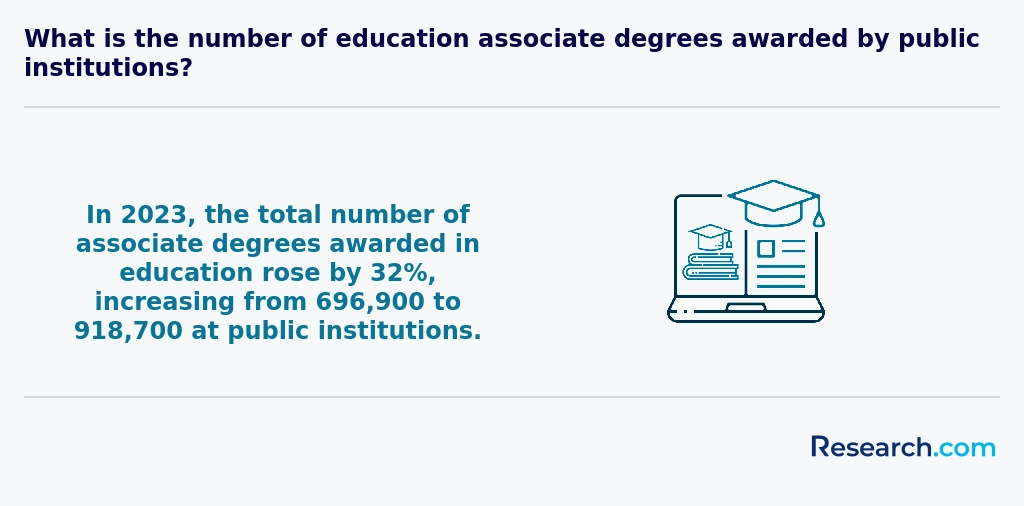
Choosing an accredited online master’s in education program is fundamental to ensuring your degree is recognized by employers, state licensure boards, and future graduate schools. Regional accreditation-such as that granted by the Higher Learning Commission (HLC) or the Middle States Commission on Higher Education (MSCHE)-validates that an institution meets high standards for faculty qualifications, curriculum rigor, and student support. In addition, look for programmatic accreditation from the Council for the Accreditation of Educator Preparation (CAEP) or the National Council for Accreditation of Teacher Education (NCATE), which specifically evaluates educator preparation programs against best practices in classroom instruction, assessment, and diversity. Accreditation impacts more than just credibility. It affects your eligibility for federal financial aid, the ability to transfer credits between institutions, and your qualification for state teaching licensure. For example, graduates from CAEP-accredited online programs report smoother pathways to certification and often benefit from reciprocity agreements when relocating to teach in other states. Before applying, verify an institution’s standing via the U.S. Department of Education’s Database of Accredited Postsecondary Institutions and Programs (DAPIP) and confirm programmatic recognition on CAEP’s directory. Beyond West Virginia, aspiring educators seeking both quality and affordability may also explore our Low Cost Online Education Degree Programs Ranking in Kentucky, which highlights regionally accredited programs offering competitive tuition rates. By prioritizing accredited schools, you safeguard your investment, maintain eligibility for licensure, and ensure your online master’s degree opens doors to leadership roles, specialized certifications, and continued professional development.
What courses are typically in online education degree programs in West Virginia?
Online education degree programs in West Virginia typically include a diverse range of courses designed to equip students with both theoretical knowledge and practical skills. For example, graduates from West Virginia University often highlight the emphasis on foundational courses such as Educational Psychology and Classroom Management, which help them understand student behavior and maintain a positive learning environment. These courses provide relatable insights, like managing a lively classroom or adapting teaching methods to diverse student needs.
Coursework in Curriculum Development and Instructional Design is common, teaching students how to craft engaging lesson plans tailored to various grade levels-something that graduates often find immediately applicable when stepping into real West Virginia classrooms. Programs at Marshall University incorporate Educational Technology, allowing students to explore tools that make remote and in-person instruction dynamic and accessible.
Importantly, students also encounter state-specific content, such as West Virginia education laws and policies, ensuring compliance and relevance. Many programs also require hands-on clinical experiences within local schools, which graduates describe as invaluable for bridging theory with everyday teaching realities in their home communities.
What types of specializations are available in online education degree programs in West Virginia?
Online education degree specializations West Virginia programs often feature core areas such as Curriculum and Instruction, Educational Leadership and Administration, and Special Education. Graduates from institutions like West Virginia University share how focusing on Curriculum and Instruction enhanced their ability to design engaging lesson plans and use technology effectively. Meanwhile, the Educational Leadership track prepares students for real-world challenges as principals or district supervisors, often emphasizing legal and organizational skills. This specialization is especially relevant given the state's increased need for qualified school administrators. Some graduates emphasize the rewarding experience of the Special Education focus, where they learn strategies for supporting diverse learners in inclusive classrooms.
Additional options like Early Childhood Education, School Counseling, and Reading and Literacy also reflect West Virginia's comprehensive approach to teacher preparation. These programs align with the state's efforts to address emotional well-being and literacy development. However, students should explore all focus areas critically to select one that matches their career goals and local community needs. Those concerned about cost may find appeal in West Virginia's tuition, typically lower than the national average. For more information on affordable choices nearby, consider Low Cost Online Education Degree Programs Ranking in Kentucky.
How do you choose the best online education degree in West Virginia?
Choosing the best affordable online education degrees West Virginia offers begins with verifying accreditation, as graduates from West Virginia University and Marshall University often highlight how accreditation impacted their job prospects. However, it's crucial not to assume all accredited programs are equal in quality or flexibility. Many graduates appreciate programs with asynchronous coursework that fit their busy lives, yet some found value in programs offering occasional in-person residencies for hands-on experience.
Cost considerations must include more than just tuition. Graduates emphasize looking closely at financial aid opportunities and comparing in-state tuition rates, since West Virginia's public universities typically charge around $8,000 annually, which contrasts with national averages exceeding $18,000. For these reasons, understanding the top online education programs West Virginia cost versus benefits can shape wise choices.
Some graduates advise prospective students to explore curriculum specializations aligned with career goals, whether it's elementary teaching or educational leadership. Others found student support services, such as career counseling vital to their success. If you want to explore what suits your needs, programs often highlight these aspects clearly-or you might benefit from reviewing best degrees for seniors online as a comparative step.
What career paths are available for online education degree students in West Virginia?
Graduates from online education degree programs in West Virginia often pursue diverse career opportunities based on the state's unique educational landscape. Many become licensed teachers, specializing in elementary, middle, or high school levels, with a strong focus on serving rural communities where the demand for qualified educators remains high. Graduates from well-known local institutions report that their programs provided practical preparation to meet licensure requirements and real-world classroom challenges. Those interested in teaching often find their degrees open doors not only in traditional schools but also in roles supporting literacy or special education.
Beyond teaching, career opportunities with online education degree in West Virginia include administrative positions such as principals or curriculum coordinators. These roles typically require advanced degrees and offer appealing salaries, with administrators earning around $74,000 annually. Graduates express positive experiences transitioning from teaching to leadership, appreciating the opportunity to influence educational policy and school culture. Additionally, emerging fields like educational technology and instructional design offer exciting paths, as institutions adapt to digital and hybrid learning environments.
Some graduates explore counseling or student support services, though these may require additional credentials. The varying career paths reflect the dynamic nature of West Virginia's educational workforce. Many aspiring educators find financial aspects manageable, thanks to relatively affordable tuition at state colleges and universities. For those weighing options, understanding the balance between passion and job market realities is key-resources detailing highest paying bachelors degrees help clarify these choices.
What is the job market for online education degree in West Virginia?
The job market for graduates holding an online education degree in West Virginia presents various teaching career opportunities West Virginia online. Many graduates from institutions like West Virginia University or Marshall University find rewarding positions in elementary and secondary schools, special education, or workforce training. These roles often provide job stability due to steady local demand driven by state education initiatives and retirements among current teachers.
Some graduates share how affordable tuition and flexible online programs allowed them to balance work and study while preparing for roles as school administrators or instructional coordinators. Despite salary averages around $52,000 being below the national level, the opportunity to step into specialized or leadership roles offers a path to higher earnings. This balance of affordability and opportunity makes pursuing an online education degree in West Virginia appealing for many seeking stable careers.
For those uncertain about their options, understanding what is the easiest bachelor's degree to get can also influence the choice. Exploring local education degrees, combined with stable job outlooks, creates a practical pathway for those dedicated to improving their communities through education.
Frequently Asked Questions About education
Students pursuing online education degrees in West Virginia can maximize their learning by actively engaging with course materials and participating in virtual discussions. According to the West Virginia Higher Education Policy Commission, interaction with instructors and peers greatly improves comprehension and retention. Setting a consistent study schedule also helps manage time effectively, reducing procrastination risks.
Making use of university resources, such as online libraries and tutoring services, further supports academic success. Many West Virginia institutions offer tailored support for online learners to address unique challenges. Staying organized with digital tools and taking advantage of practicum opportunities can enhance practical skills, aligning education with state teaching standards.
The education field is rapidly evolving, with several emerging niches gaining traction, especially through online degree programs. In West Virginia, areas such as special education, educational technology, and leadership in school administration are seeing increased demand. For example, the Bureau of Labor Statistics projects a 7% growth for special education teachers nationally through 2030, reflecting a trend mirrored locally.
Educational technology is another growing sector, driven by the rise of digital classrooms and remote learning tools. West Virginia universities offer online master's degrees focusing on integrating technology in teaching.
Leadership roles in education also represent a promising niche, with school administrators and instructional coordinators needed to manage evolving school systems effectively. Data from the West Virginia Department of Education highlights growing investment in leadership training to meet these needs.
After completing an online education degree in West Virginia, preparing for the job market involves several strategic steps. First, graduates should familiarize themselves with the state's teaching certification requirements, which vary depending on grade level and subject. The West Virginia Department of Education provides guidelines and resources for licensure.
Networking is crucial. Joining professional organizations like the West Virginia Education Association can offer valuable connections and job leads. Additionally, gaining practical experience through substitute teaching or internships strengthens resumes.
According to the U.S. Bureau of Labor Statistics, teacher employment in West Virginia is expected to grow moderately, emphasizing the importance of staying current with state education standards and digital teaching skills. Career counseling and job placement services offered by many West Virginia universities also assist graduates in transitioning successfully into the workforce.
Employers in West Virginia prioritize a combination of academic knowledge and practical skills when hiring education degree graduates. Strong classroom management and effective communication skills are essential, as educators must engage diverse student populations. According to the West Virginia Department of Education, the ability to implement differentiated instruction tailored to various learning styles is highly valued.
Technological proficiency is another key skill, especially given the rise of online and blended learning environments. Familiarity with digital tools enhances teaching effectiveness and student engagement.
Additionally, collaboration and teamwork skills stand out, as schools in West Virginia increasingly emphasize cooperative approaches to improve student outcomes. Understanding state-specific curriculum standards is also important for success in local schools.
Finding internships in West Virginia relevant to an education degree involves leveraging local school districts and educational organizations. Many public school districts across the state, including Kanawha County and Monongalia County, offer internship or student teaching placements for education students. According to the West Virginia Department of Education, these partnerships are vital for practical training.
Online students should also explore West Virginia universities' career services, which often maintain internship databases and connections with area schools. Additionally, the West Virginia Higher Education Policy Commission provides resources linking students to field experiences. Networking through local education conferences and volunteering can enhance internship opportunities.
Online education degrees in West Virginia can significantly enhance career mobility and advancement, especially in the teaching profession. According to the West Virginia Department of Education, educators with advanced degrees often qualify for higher pay scales and leadership roles. Since many districts recognize online degrees from accredited institutions, professionals can upskill without disrupting their current jobs.
The flexibility of online programs allows working adults to pursue certifications or master's degrees that meet state licensure requirements. For example, obtaining a Master's in Education online can open doors to positions such as instructional coordinators or school administrators, which typically offer better salaries. The West Virginia Center for Nursing also notes that advanced degrees improve retention rates, showing value in long-term career growth.
Studying for an education degree online in West Virginia offers preparation for interdisciplinary roles by integrating diverse fields such as psychology, technology, and curriculum development. Many programs emphasize practical skills alongside theoretical knowledge, helping students adapt to various educational environments.
West Virginia's higher education institutions often include coursework on collaboration with health professionals, social workers, and community organizations. According to the National Center for Education Statistics, West Virginia colleges have expanded online education offerings by 15% since 2020, supporting flexible learning tailored to current workforce needs.
This approach equips graduates to address challenges across educational, social, and technological domains, reflecting the state's growing emphasis on holistic education strategies.
Choosing between a thesis and a non-thesis education degree program in West Virginia depends on your career goals and learning preferences. Thesis programs require original research and are ideal for students aiming at doctoral studies or research careers. Non-thesis options focus more on coursework and practical skills, which suit educators pursuing leadership or administrative roles.
West Virginia's online master's programs often reflect this distinction, with thesis tracks typically demanding more time commitment. According to the West Virginia Higher Education Policy Commission, about 35% of graduate education students select thesis options, indicating a preference for research-oriented paths.
Your decision should consider faculty support, resources for research, and future job requirements in West Virginia's education sector.
Students in West Virginia interested in studying education abroad have several options through online programs offered by U.S. institutions with international components. While direct study abroad through West Virginia universities is limited, many accredited online master's programs include global perspectives, virtual exchanges, or internships abroad. Schools such as West Virginia University and Marshall University provide online education degrees that emphasize multicultural education, preparing graduates for diverse classrooms worldwide.
Due to federal and state regulations, internationally delivered degrees must be recognized by U.S. accrediting bodies. This ensures the quality and transferability of credits for West Virginia residents.
According to the National Center for Education Statistics, only about 14% of West Virginia graduate students participate in study abroad programs, but online international learning continues to grow.
In West Virginia, part-time job opportunities that complement education degree studies include tutoring, teacher's assistant positions, and substitute teaching. According to the West Virginia Department of Education, nearly 1,300 substitute teaching positions are available statewide, offering flexible schedules suitable for online students.
Tutoring, particularly in subjects like math and reading, is in demand through programs supported by local school districts and community centers. This role enhances practical teaching skills.
Additionally, early childhood education centers seek part-time aides, providing hands-on experience working with young learners, which aligns with many education degree requirements.
Such roles not only build professional expertise but also contribute to West Virginia's goal of improving overall educational outcomes as reported by the National Center for Education Statistics.
Online education students in West Virginia have several networking opportunities despite the virtual format. Many public universities, including West Virginia University and Marshall University, offer virtual student organizations and professional development events. These platforms connect students statewide and beyond.
The West Virginia Department of Education and local chapters of national education associations provide additional networking through webinars and meetings. Participation in regionally recognized conferences, such as the West Virginia Education Conference, is often encouraged.
Research by the West Virginia Higher Education Policy Commission shows that about 40% of online learners engage in online peer collaboration, which supports professional connections. This blend of virtual and occasional in-person opportunities helps build meaningful networks for career advancement.
Alumni networks provide valuable support for online education degree students in West Virginia by fostering connections with graduates who share similar academic and professional goals. These networks often offer mentorship opportunities, enabling current students to receive career advice and guidance from experienced educators. According to the West Virginia Higher Education Policy Commission, strong alumni engagement contributes to higher employment rates for graduates within the state.
In addition, alumni networks help students access localized job markets and professional development events, which are crucial given West Virginia's unique educational landscape. Many universities in the state maintain active online communities, which ease networking for remote learners.
Customizing an online education degree program in West Virginia allows students to align their studies with specific career goals. Many West Virginia universities offer flexible curriculum options, including elective courses and specialization tracks in areas such as curriculum design, special education, or educational leadership. This flexibility helps students build expertise relevant to roles in teaching, administration, or counseling.
Advisors often assist students in tailoring their course load based on current job market demands in West Virginia's education sector, which is influenced by state initiatives to improve teacher quality and retention. According to the West Virginia Higher Education Policy Commission, about 30% of online education students choose concentrations that enhance leadership skills, preparing them for advanced positions within schools or districts.
Additionally, some programs facilitate internships or practicum experiences within West Virginia schools, enabling students to gain practical insights and professional networking opportunities. Choosing programs accredited by the Council for the Accreditation of Educator Preparation (CAEP) ensures quality and recognition across the state's school systems.
Students pursuing online education degrees in West Virginia often face connectivity issues due to the state's rural nature. According to the West Virginia Broadband Enhancement Council, about 35% of residents lack reliable high-speed internet, which can disrupt access to coursework and live sessions.
Another challenge is balancing education with work and family responsibilities, especially since many online learners in West Virginia are adults returning to school. Institutions sometimes offer limited flexible scheduling options, which can add stress.
Additionally, some students report feeling isolated without face-to-face interaction, impacting motivation and engagement. Technical support and academic advising services vary widely across West Virginia schools, influencing student success rates.
An online education degree in West Virginia can prepare you to pursue various professional certifications. Notably, many graduates aim for teacher licensure through the West Virginia Department of Education, which requires certification tests such as the Praxis exams. These certifications authorize you to teach in public schools across the state.
Additionally, online education graduates may pursue certifications in specialized areas like Special Education, Reading Specialist, or Administration. West Virginia also offers the National Board Certification for experienced educators seeking advanced credentials recognized nationwide.
These certifications can improve job prospects and salary potential in West Virginia's education sector, which, according to the West Virginia Department of Education, employed over 30,000 educators in 2023.
To write a winning application for an online education program in West Virginia, start by thoroughly researching the specific school and program requirements. Most West Virginia institutions value clear goals that align with their curriculum and community impact. Highlight your professional experiences, especially those related to education, and how they prepare you for advanced study.
Strong letters of recommendation are crucial; seek references from educators or supervisors who can attest to your commitment and skills. Also, craft a concise personal statement that emphasizes your passion for education and your plans to contribute to West Virginia's schools.
According to West Virginia Higher Education Policy Commission data, applications with well-articulated goals and relevant experience have higher acceptance rates. Lastly, ensure all transcripts and test scores are submitted on time, as deadlines are strictly enforced.
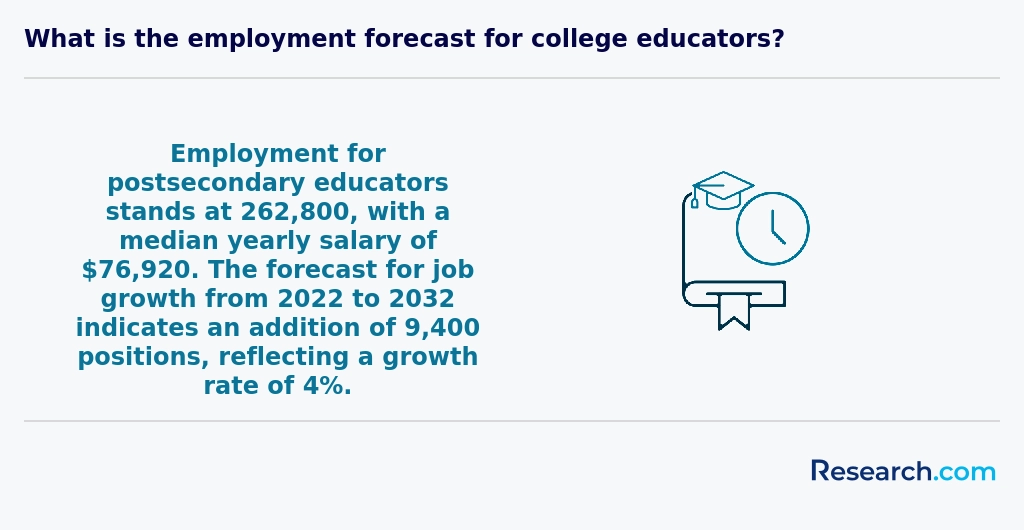
Careers in education are increasingly viewed with respect and importance worldwide, including in the United States. Globally, teachers are seen as key drivers of social and economic development. In West Virginia, education professionals contribute significantly to community growth, with the state ranking below the national average in teacher salaries but showing strong demand for qualified educators. According to the U.S. Bureau of Labor Statistics, employment for postsecondary education instructors is projected to grow 12% from 2022 to 2032, faster than average.
Internationally, education careers emphasize continuous learning and cultural competence, skills vital for educators in West Virginia's diverse classrooms. Online degrees offer flexibility, which aligns with global trends toward lifelong education and professional development.
Gaining practical experience while studying for an online education degree in West Virginia is essential for career readiness. Many programs require or encourage fieldwork through local school partnerships, enabling students to complete supervised internships or student teaching within their communities. This experience often includes classroom observation, lesson planning, and teaching practice under professional guidance.
West Virginia's Department of Education supports these collaborations to ensure that candidates meet state licensure requirements. Additionally, some universities offer virtual simulation tools, allowing students to develop classroom management skills remotely.
According to the West Virginia Higher Education Policy Commission, about 60% of education students participate in some form of practicum or internship before graduation, enhancing their job prospects.
Choosing the right concentration within an online education degree program in West Virginia involves aligning your career goals with local demand and your personal interests. West Virginia's education sector emphasizes special education, administration, and literacy due to ongoing needs reported by the West Virginia Department of Education. Concentrations that lead to teaching licensure or administrative roles often increase job opportunities within the state.
Consider the program accreditation and whether the concentration addresses West Virginia's specific educational challenges, such as rural schooling or technology integration. Data from the National Center for Education Statistics shows growing demand in specialized fields, making choices like special education or curriculum development valuable.
Research the state's salary averages for educators in your chosen concentration through the West Virginia Higher Education Policy Commission. This helps balance cost and expected returns on your degree investment.
Related Education Rankings for Nearby States
- 2027 Most Affordable Online Master's in Education Degree Programs Ranking in Virginia
- 2027 Most Affordable Online Master's in Education Degree Programs Ranking in Ohio
- 2027 Most Affordable Online Master's in Education Degree Programs Ranking in Kentucky
- 2027 Most Affordable Online Master's in Education Degree Programs Ranking in Pennsylvania
- 2027 Most Affordable Online Master's in Education Degree Programs Ranking in North Carolina
- 2027 Most Affordable Online Master's in Education Degree Programs Ranking in Indiana
- 2027 Most Affordable Online Master's in Education Degree Programs Ranking in South Carolina
- 2027 Most Affordable Online Master's in Education Degree Programs Ranking in Georgia
- 2027 Most Affordable Online Master's in Education Degree Programs Ranking in New Jersey
- 2027 Most Affordable Online Master's in Education Degree Programs Ranking in Michigan
Top Trending Education Rankings
See What Experts Have To Say About Studying Education
Read our interview with Education experts

Alan J. Singer
Education Expert
Professor of Teaching, Learning and Technology
Hofstra University

Nooshan Ashtari
Education Expert
Professor & Book Author
University of Southern California

References
- Home https://www.teachercertificationdegrees.com/
- One moment, please... https://www.wvjc.edu/online-programs/
- Teaching Job Roles | Teach For Life https://www.teachforlife.com/teachingjobs/global-perspectives-teacher
- Seven Major Challenges Facing Education in the 21st Century https://www.internationalschoolparent.com/articles/seven-global-education-challenges/
- Tips for Choosing Your Graduate Concentration - Graduate Programs for Educators https://www.graduateprogram.org/blog/tips-for-choosing-your-graduate-concentration/
- Is a thesis always mandatory in a master's degree program? - EFMU: The Euler-Franeker Memorial University and Institute https://euler.euclid.int/is-a-thesis-always-mandatory-in-masters-degree-program/
- How to Gain Real-World Experience While Studying Online | American National University https://an.edu/how-to-gain-real-world-experience-while-studying-online/
- Networking For Educators: How To Grow A Professional Circle - Carlow University https://www.carlow.edu/networking-for-educators/
- Students share their experiences of West Virginia schools https://mountainstatespotlight.org/2026/07/15/students-west-virginia-schools/
- Online Colleges in West Virginia | OEDb.org https://www.oedb.org/west-virginia/


