
2027 Most Affordable Education Degree Programs Ranking in Ponce

Co-Founder and Chief Data Scientist
Considering a career in education can open doors to meaningful work and lasting impact. For students in Ponce, choosing the right degree program is an important step toward a rewarding future.
This article presents the 2027 Most Affordable Education Degree Programs Ranking in Ponce, developed by the Research.com team of data scientists. It offers reliable insights to help you find quality programs that fit your budget.
By exploring this ranking, you'll gain clarity and confidence in selecting an education degree that suits your goals and resources.
Key benefits of getting education degree in Ponce
- Education degree graduates in Ponce can enjoy rewarding salaries, such as Special Education Teachers earning around $76,000 annually and Instructional Designers making about $77,200.
- Graduates from popular local colleges often pursue diverse careers including Early Childhood Educator, ESL Teacher, or Instructional Designer, offering a variety of fulfilling opportunities in education.
- Online education degrees from Ponce universities provide flexible schedules and easy access to coursework, helping students balance studies with personal commitments while preparing for successful careers.
- 2027 Most Affordable Education Degree Programs Ranking in Ponce
- What can I expect from education degree in Ponce?
- Where can I work with education degree in Ponce?
What can I expect from education degree in Ponce?
When considering the cost of pursuing an education degree in Ponce, it's important to recognize the genuine affordable advantage local students enjoy. Graduates from institutions like the University of Puerto Rico at Ponce often share how manageable tuition helped them focus fully on their studies and practical training without the heavy financial burdens typical of mainland universities.
Annual tuition and fees for public colleges in Puerto Rico usually range around $10,000 to $15,000, which is noticeably less than many U.S. states. This affordability makes a meaningful difference, especially when combined with the rich, hands-on experience you'll gain through supervised teaching internships in local classrooms-an essential stepping stone toward becoming a confident, effective educator.
Many who have walked this path express how the balanced cost and immersive learning environments create a strong foundation, preparing them to excel in bilingual settings and meet certification standards comparable to those throughout the U.S. This practical blend nurtures not just knowledge but the passion and resilience needed for a rewarding teaching career.
Where can I work with education degree in Ponce?
Graduates with an education degree from institutions like Universidad Católica de Puerto Rico or Pontificia Universidad Católica de Puerto Rico often find rewarding careers right here in Ponce. Many step into teaching roles across public and private K-12 schools, where their passion makes a real difference, especially in STEM, bilingual education, or special education programs. Imagine guiding a classroom full of eager young learners, shaping their futures every day-you'll feel the impact firsthand.
Others expand their careers by becoming school counselors or educational coordinators, working behind the scenes to support student success. Some graduates leverage additional certifications to secure these roles within local school districts or community centers, enriching youth development programs backed by local initiatives.
There are also exciting opportunities beyond traditional classrooms. Graduates have found fulfilling work in government agencies focusing on education policy or with nonprofits designing programs that promote literacy and mentorship. Plus, with the growing demand, some have embraced roles as instructional designers or e-learning coordinators, crafting digital learning experiences that reach Puerto Rican communities worldwide.
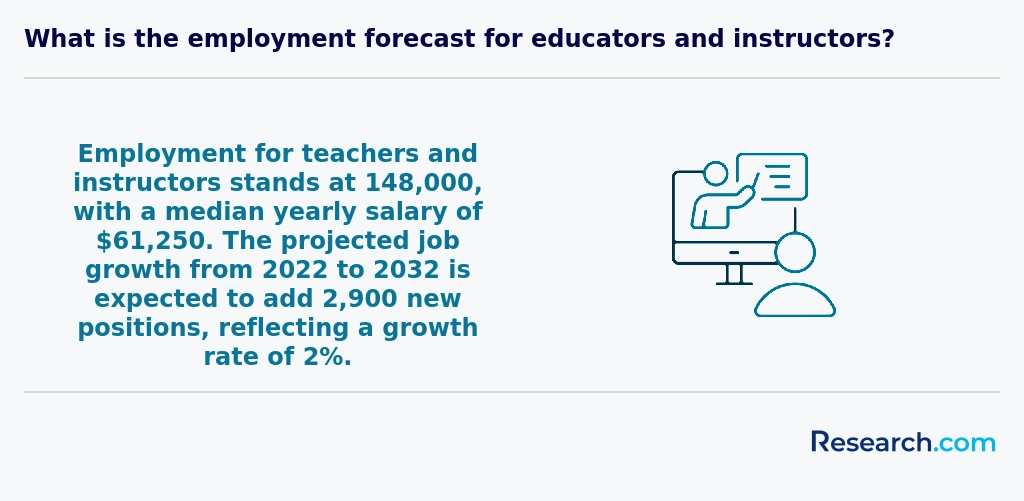
Graduates with education degrees in Ponce often find themselves earning between $25,000 and $40,000 annually, depending on their experience and role within the local school system. For example, a recent graduate from the University of Puerto Rico at Ponce pursuing elementary education might start near the $25,000 mark, but with dedication and additional certifications, their salary can grow substantially.
Special education teachers in Ponce stand out as promising earners, with salaries typically ranging from $30,000 to $38,000. This aligns well with the U.S. Bureau of Labor Statistics data, which reports a mean annual wage around $76,000 nationally, showing potential for growth if teaching experience or further qualifications are pursued.
Those interested in niches like English as a Second Language (ESL) teaching or instructional design can anticipate earnings near $65,430 and $77,200 respectively nationwide, and graduates from local colleges who focus on these areas often supplement their income through tutoring or extracurricular programs.
From personal stories at Ponce's most respected education programs, it's clear that passion coupled with strategic career steps opens rewarding financial and professional doors in Ponce's education landscape.
- The cost for a bachelor's degree in education in Ponce ranges from $6,000 to $9,000 per year at public universities, and $8,000 to $12,000 at private institutions.
- Starting salaries for new teachers in Ponce average between $30,000 and $35,000 annually.
- With experience and advanced certifications, education professionals in Ponce can earn between $40,000 and $50,000 per year after five to ten years.
- There is a stable job market for teachers in Ponce due to student population growth and retirements.
- Educators must pass state exams and meet experience requirements to become certified in Puerto Rico.
Completing an education degree in Ponce is an achievable goal that many local students pursue with determination. Typically, a bachelor's degree in education at institutions like the Interamerican University of Puerto Rico, Ponce campus, or Universidad de Puerto Rico en Ponce takes about four to five years. Graduates often share how balancing classes with work or family commitments shaped their journey, with some opting for part-time study to accommodate these demands.
For those aiming higher, master's programs in education generally require an additional two years of full-time study. Students who have taken advantage of flexible schedules or evening classes-which many universities in Ponce offer-find this path more manageable. Some even choose accelerated or part-time tracks that can extend the timeframe but provide valuable flexibility.
Doctoral and education specialist programs, while more intensive, typically span three to six years. These paths involve research and dissertations, a challenge embraced by many who seek to impact education beyond the classroom.
The supportive environment in Ponce's institutions, with affordable tuition and adaptable scheduling, empowers students to realize their goals at a pace that works best for them.
Choosing between online and on-campus education degrees in Ponce truly shapes your learning journey. Imagine balancing your job and family while attending classes from home-that's the flexibility online programs offer. Many graduates appreciate this freedom, especially working professionals who need to manage their time carefully. On the other hand, those studying at the Pontifical Catholic University of Puerto Rico often describe the rich face-to-face interactions with professors and classmates as invaluable, forming lasting connections and gaining hands-on experience in local schools.
Cost is another key difference. Public universities in Ponce may charge around $5,000 annually for in-person degrees, while private institutions can exceed $15,000. Online programs may reduce some expenses but sometimes add technology fees. Graduates often highlight the need for self-discipline in online learning, contrasting with the structured routine of on-campus classes.
Both paths have rewarding experiences tailored to your lifestyle and goals in education, especially here in Ponce's vibrant academic community.
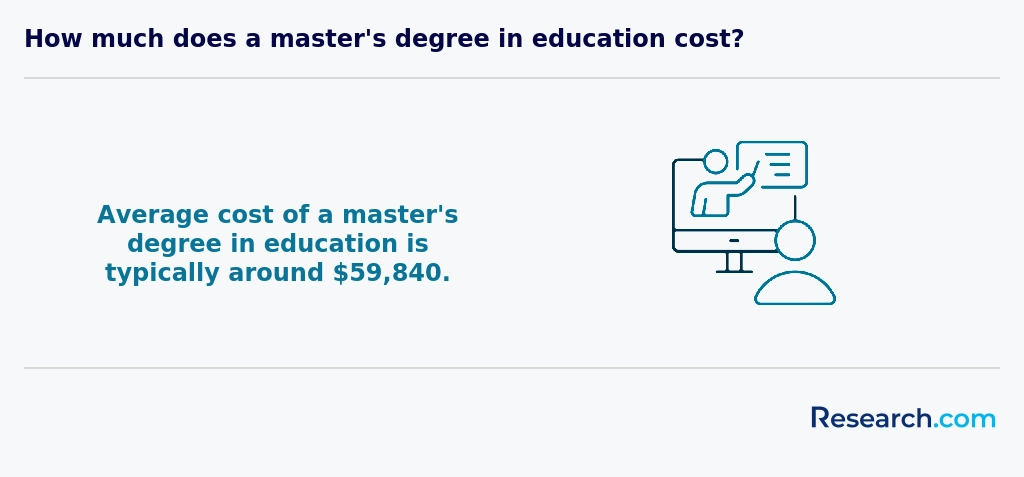
The average cost of an education degree in Ponce typically centers around $6,650 for in-state students, making public universities a viable and affordable choice for many. Graduates from well-regarded institutions often share how managing tuition alongside books, technology fees, and daily expenses required careful budgeting but ultimately felt rewarding as they pursued their passion for teaching. This understanding of the average cost of education degree in Ponce helps prospective students set realistic financial goals and seek scholarships or work-study options offered by these universities.
Private colleges in the area, popular among those seeking specialized education programs, have higher tuition expectations, with total costs that can approach $18,956. While this figure may seem daunting, many students recall the support and financial aid that softened the investment, emphasizing that affordable education degree programs Ponce 2027 will continuously evolve with new funding opportunities. It is not uncommon for determined learners to explore different funding resources early to secure the best possible aid packages.
Additional costs like textbooks-up to $1,200 annually-and technology fees should be factored into the budget. Some students find part-time options helpful, balancing coursework with employment or family commitments. For those interested in quicker qualifications, local community colleges offer 6 month courses that pay well, providing alternative routes into teaching without the higher costs of long university programs.
Choosing a program accredited by recognized bodies ensures quality training and clear paths to teacher certification in Puerto Rico. Look for accreditation from:
- Council for the Accreditation of Educator Preparation (CAEP)
- Puerto Rico Council on Education (CPR)
- Regional accreditor such as the Middle States Commission on Higher Education
Upon graduation, candidates must:
- Complete a state-approved teacher preparation program
- Pass the Puerto Rico Competency and Multiple Assessment System (PCMAS) exam
- Apply for certification through the Puerto Rico Department of Education, which includes background checks and documented practicum hours
For flexible formats aligned with certification requirements, explore online college degrees.
If you're pursuing an education degree in Ponce, know that many students face similar worries about financing their studies-and yet, there is a strong support system waiting to empower you. Graduates from the University of Puerto Rico at Ponce often share how federal aid played a pivotal role in their journey. For example, many rely on Federal Pell Grants, which don't need to be repaid and can provide up to $7,395 a year, easing the burden of tuition and books. Imagine being able to focus more on your teaching practice without stressing over bills.
Others benefit from Federal Student Loans that offer low fixed interest and, crucially, subsidized options where interest doesn't accrue while you're in school-saving you significant money over time. The TEACH Grant is a game-changer for future educators in Ponce committed to teaching in high-need schools, offering up to $4,000 annually.
Many students also highlight the value of local scholarships from institutions like the University of Puerto Rico, awarded for both merit and need. These scholarships often cover tuition or help with supplies and living costs. Don't overlook federal work-study programs either-working part-time on campus or in community schools provides not just income but valuable hands-on experience. Over 60% of education students in Puerto Rico receive aid, so I encourage you to reach out early to the financial aid offices at your chosen school to explore all available resources tailored for Ponce students.
To embark on an education degree in Ponce, you'll first need a high school diploma or its equivalent, paired with a solid academic record. Graduates from institutions like the University of Puerto Rico at Ponce often share how maintaining a GPA around 2.5 can open doors to bachelor's programs, though some paths may require a bit more rigor. Think of your GPA as the foundation of your teaching journey-it sets the stage for success.
Standardized tests such as the SAT, ACT, or their local counterparts are common hurdles, but many find that focusing on steady preparation pays off. Beyond academics, bilingual fluency is vital in Ponce's vibrant classrooms. Many students recount how proving their skills in both Spanish and English through interviews or exams helped them connect deeply with diverse communities.
For those aiming higher, master's programs usually expect a bachelor's degree with a GPA above 3.0, along with recommendations and a heartfelt statement illustrating your passion for education. Teaching experience can also strengthen your application, reflecting your real-world commitment. Remember, these prerequisites shape your path, helping you become a confident educator ready to inspire Puerto Rico's next generation.

Education degree programs in Ponce are thoughtfully designed to prepare you for real classroom success. Graduates from local institutions often reflect on how courses like Educational Psychology helped them understand the unique ways children grow and learn, which made a huge difference when they first started teaching in Ponce's diverse schools.
Core subjects cover essential skills such as Curriculum Design and Instructional Strategies, equipping you to create engaging lessons tailored to both English and Spanish speakers. You'll also dive into Assessment and Evaluation Methods, which teaches you to track student progress and adjust teaching approaches effectively.
Classroom Management classes prepare you for maintaining a positive learning atmosphere, something every new teacher quickly realizes is crucial. Programs in Ponce emphasize Diversity and Inclusion too, helping you connect with culturally varied students across the island.
Many students value hands-on experiences through supervised student teaching in Ponce-area schools, bridging theory with everyday practice. These real-world moments build confidence, making you feel ready to inspire the next generation.
If you're pursuing an education degree in Ponce, you'll find a range of specializations perfectly suited to diverse teaching careers. Many graduates from the city's well-regarded universities choose Early Childhood Education, where they develop skills to nurture children from birth to third grade. Imagine crafting lesson plans focused on early development stages, just like successful students who thrived in Ponce's classrooms.
Another rewarding path is Special Education, designed for those passionate about supporting learners with disabilities. Many graduates express pride in how their training aligned with federal laws like IDEA, allowing them to make a real difference in local schools. For those drawn to secondary education, colleges in Ponce offer subject-specific tracks in mathematics, science, English, or social studies, helping educators master both content and teaching methods.
Emerging opportunities in Educational Technology prepare you to integrate modern digital tools-a skill graduates say is invaluable in today's hybrid classrooms. The city's focus on affordable teaching major options Ponce offers an inviting environment for dedicated students. If you're wondering what is the fastest and easiest bachelor's degree to get, exploring these specializations might just spark your passion and guide your path forward.
Choosing the best education degree in Ponce means focusing on programs accredited by respected bodies like the Middle States Commission on Higher Education, ensuring quality and recognition. Graduates from popular universities in Ponce often share how this accreditation opened doors for them, especially when pursuing teacher certification or federal aid. Keep in mind the importance of affordable education degree programs in Ponce, where tuition ranges attract students looking for value without sacrificing quality. Many find the $3,000 to $6,000 annual costs manageable compared to mainland options.
Beyond price, think about flexibility-programs offering evening or online courses can be a game-changer for those balancing family or work. Graduates often highlight how internships within local schools gave them confidence and real-world experience. Check for schools with strong academic support and specializations that excite you. If you want insights into career prospects tied to your degree, explore resources on top paying majors to align your passion with opportunity.
Graduates with an education degree in Ponce often find rewarding job options that truly make a difference. Many start as certified classroom teachers in local schools, where bilingual education and STEM subjects are in high demand. These roles allow graduates from institutions like the University of Puerto Rico at Ponce to connect deeply with students and communities, creating meaningful impacts every day. Beyond teaching, education degree jobs in Ponce include leadership roles such as school principals or curriculum coordinators, offering positions where you can shape the learning environment on a larger scale.
Other career opportunities with education degree Ponce graduates explore include special education specialists who support diverse learners and instructional coordinators who develop teaching materials and training programs. Some graduates embrace early childhood education, a growing area full of potential. Others venture into corporate training or nonprofit work, broadening their influence beyond traditional classrooms. Those aiming for advancement often pursue master's degrees or additional certifications to unlock leadership roles and higher salaries. For those seeking flexible study options, consider the best affordable online colleges that accept financial aid, which can support your educational journey.
The job market for education degree graduates in Ponce is encouraging and full of opportunity for those ready to make a difference in local schools. Graduates from popular colleges in Ponce often find roles not only as teachers in public and private K-12 schools but also in administrative and support positions, such as curriculum coordinators or counselors. This steady demand reflects the city's focus on improving education, especially in areas like special education and bilingual programs. Many graduates share inspiring stories of quickly stepping into roles that help shape the future of Puerto Rican youth.
For students concerned about affordability, studying education locally is an accessible option, with tuition costs generally ranging from $5,000 to $10,000 per year. This financial accessibility, combined with the opportunity to pursue certification through local licensure exams, makes the journey more attainable. Those exploring different pathways might also consider online college degrees as flexible alternatives that complement on-campus experiences while maintaining strong ties to the Ponce job market.
Job seekers will find that the average teacher salary in Ponce ranges between $30,000 and $45,000, which, while below mainland averages, is balanced by a lower cost of living. Graduates who embrace community needs and local certification tend to experience rewarding careers with lifelong impact. Understanding these local nuances helps students navigate education degree job opportunities in Ponce with confidence and optimism.
2027 Most Affordable Education Degree Programs Ranking in Ponce
Investing in your education is a significant decision that can shape your future, and the Research.com team understands the importance of making informed choices. To assist prospective students in Ponce, we have meticulously developed the "2027 Most Affordable Education Degree Programs Ranking in Ponce." Our dedication to quality, credibility, and accuracy is demonstrated through comprehensive research and analysis to produce this ranking.
We utilized the following reputable data sources to ensure a thorough evaluation of affordable education degree programs:
Readers will gain valuable insights into affordable and credible education degree options in Ponce, empowering them to make well-informed educational decisions. For further information on how this ranking was created, please visit our Research.com methodology page.
# 1 position
Pontifical Catholic University of Puerto Rico-Ponce
Bachelor of Science in Education
# 2 position
Pontifical Catholic University of Puerto Rico-Ponce
Master of Education
# 3 position
Caribbean University-Ponce
Master of Arts in Teaching

Frequently Asked Questions About education
Education degree students in Ponce can maximize their learning by engaging actively in both classroom and field experiences. Ponce houses reputable institutions like the Pontificia Universidad Católica de Puerto Rico, offering practical student teaching opportunities that enhance real-world skills. According to the Puerto Rico Department of Education, hands-on practice in diverse classroom settings increases teacher preparedness by 30% compared to traditional lecture-based learning. Students should also regularly participate in study groups and seek mentorship from experienced faculty, which can improve academic performance and professional networking. Utilizing campus resources such as tutoring centers and attending educational workshops further supports comprehensive learning.
Emerging niches within the education field reflect growing demand for specialized skills and innovative teaching methods. In Ponce, as across the U.S., areas like educational technology and special education are expanding rapidly. For example, programs focusing on digital learning tools prepare educators to effectively integrate technology in classrooms, responding to increases in virtual and hybrid learning environments.
Another significant niche involves bilingual education, especially important in multicultural regions such as Puerto Rico. Educators skilled in both English and Spanish instruction are increasingly sought after to support diverse student populations.
Career and technical education (CTE) is also gaining traction. According to the U.S. Department of Education, CTE programs offer pathways for students to develop workforce-ready skills, a trend reflected in Ponce's educational institutions adapting their curricula accordingly. These emerging areas offer promising prospects for prospective students pursuing education degrees locally.
Preparing for the job market after completing an education degree in Ponce involves several strategic steps. First, obtaining valid Puerto Rico teaching certification is essential for public school employment. The Department of Education of Puerto Rico provides specific licensure examinations and requirements tailored to local standards.
Networking is another key approach. Engaging with local education associations such as the Puerto Rico Education Association can open doors to job opportunities and professional development.
Internships and student teaching experiences gained through Ponce institutions enhance practical skills and resumes. According to the National Center for Education Statistics, candidates with classroom experience are 30% more likely to secure employment quickly.
Continuing education and professional certifications related to bilingual education or special education increase a candidate's competitive edge in Ponce's diverse school market.
Employers in Ponce seeking graduates with education degrees prioritize strong communication skills. Effective verbal and written interaction is essential for working with students, parents, and colleagues.
Critical thinking and problem-solving abilities are also highly valued. Teachers must adapt to diverse classroom situations and challenges, requiring flexible instructional strategies.
According to the Puerto Rico Department of Education, cultural competence is increasingly important in Ponce's diverse community. Graduates who demonstrate sensitivity to different backgrounds stand out.
Technology proficiency is another key skill. Many schools in Ponce are integrating digital tools, making tech-savvy educators preferable.
Lastly, teamwork and collaboration skills are crucial for contributing to school initiatives and professional learning communities.
Finding internships in Ponce relevant to an education degree involves several focused steps. Start by exploring local public schools and educational centers, as many partner with universities to offer practical teaching experiences. The University of Puerto Rico at Ponce, a key institution in the city, often facilitates internships through its education programs, connecting students with nearby schools.
Additionally, check with the Puerto Rico Department of Education for listings or partnerships specifically aimed at education students. Networking with local educators and attending relevant job fairs can increase your chances. According to the Puerto Rico Education Department, about 65% of education students secure internships through institutional connections.
Online platforms used nationally, like Handshake, may also list internship opportunities in Ponce that suit education majors. Early outreach and strong academic standing improve internship prospects.
Obtaining an education degree in Ponce significantly enhances career mobility and advancement opportunities in the local and broader Puerto Rican education sectors. According to the Puerto Rico Department of Education, teachers holding bachelor's degrees often qualify for higher pay scales and leadership roles compared to those without formal qualifications. Additionally, a degree opens doors to specialized positions such as curriculum coordinator or school administrator, which demand advanced academic credentials.
Research from the Institute of Education Sciences highlights that educators with degrees report greater job security and opportunities for professional development. In Ponce, schools increasingly prefer candidates with accredited degrees to meet state and federal education standards. This trend further helps degree holders progress faster in their teaching careers.
Studying for an education degree in Ponce equips students with skills essential for interdisciplinary roles by integrating diverse academic fields into their curriculum. Local universities emphasize collaborative learning, blending pedagogy with psychology, sociology, and technology. This approach fosters versatile professionals capable of addressing complex educational challenges.
Programs often include hands-on experiences in nearby schools and community centers, allowing students to apply theory across different subjects and age groups. According to the Puerto Rico Education Council (2023), over 60% of education graduates from Ponce institutions engage in roles that require knowledge beyond traditional teaching.
This preparation aligns well with the evolving US education landscape, where interdisciplinary skills increase employability and adaptability in diverse career paths.
When choosing between a thesis and a non-thesis education degree program in Ponce, consider your career goals and learning preferences. Thesis programs emphasize independent research, preparing students for roles in academia or advanced study. Non-thesis options focus more on practical skills and coursework, ideal for those seeking immediate application in educational settings.
Data from the University of Puerto Rico at Ponce shows about 40% of education graduate students opt for thesis tracks, reflecting a strong academic emphasis. Thesis programs may require two additional semesters compared to non-thesis tracks, impacting time and cost.
Additionally, consider your interest in research and availability of faculty mentors, as thesis projects demand substantial guidance. Non-thesis programs often feature internships or applied projects, offering hands-on experience.
Students based in Ponce interested in studying education abroad have several options within the United States higher education system. While no local universities offer direct overseas programs, many institutions provide online or hybrid degrees designed for remote learners. For example, universities in states like Florida and New York offer affordable education degrees with flexible schedules, allowing students in Ponce to maintain local commitments.
Additionally, programs accredited by the Council for the Accreditation of Educator Preparation (CAEP) ensure quality and recognition nationwide. According to the National Center for Education Statistics, over 200 institutions offer teaching degrees that cater to out-of-state enrollees, making it possible for Ponce residents to study anywhere in the US without relocating. Scholarships and financial aid are often available to support this pursuit.
Students pursuing education degrees in Ponce have several part-time job opportunities that complement their academic training. Working as teacher's assistants in local schools helps gain practical classroom experience. According to the Puerto Rico Department of Education, Ponce has over 30 public schools where such roles are often available.
Another option includes tutoring younger students, which strengthens communication and instructional skills. Community centers and after-school programs in Ponce regularly seek tutors for various subjects.
Part-time roles in daycare centers or early childhood programs also provide valuable hands-on exposure to child development theories studied in education degrees.
These jobs not only reinforce classroom learning but also improve resumes for future educators in the competitive U.S. job market.
Education students in Ponce benefit from several networking opportunities that enhance their academic and professional growth. Local universities, such as Pontificia Universidad Católica de Puerto Rico, frequently host education-focused workshops, seminars, and career fairs that connect students with faculty and local school districts.
Additionally, Ponce's strong community ties offer students chances to engage with experienced educators through internships and practicum placements in nearby public and private schools. According to the Puerto Rico Department of Education, involving local educators in these programs enriches networking by fostering mentorship and hands-on learning experiences.
Professional organizations like the Puerto Rico Association of Educators also provide events where students can build connections within the educational field.
Alumni networks provide vital support to education degree students in Ponce by fostering professional connections and mentorship opportunities. Graduates from local institutions often share job leads, which is crucial in a competitive market. According to the University of Puerto Rico at Ponce, alumni involvement contributes significantly to student career readiness programs.
These networks also offer guidance on navigating certification processes required in Puerto Rico's education system. Participation in alumni events helps students build relationships with experienced educators, enhancing their practical understanding. Studies show students active in alumni groups secure teaching positions up to 20% faster than their peers without such support (Puerto Rico Department of Education, 2023).
Customizing an education degree program in Ponce involves selecting electives and specializations that align with your career goals. Many local institutions offer options in early childhood, special education, or administration, allowing students to focus on areas of interest. For example, the University of Puerto Rico at Ponce provides coursework tailored to leadership and curriculum development. Additionally, practical experiences like internships in Ponce's schools can enhance skills and employment prospects.
Students should consult academic advisors early to map out a plan that meets licensure requirements while addressing personal interests. This approach helps create a targeted degree pathway fitting individual aspirations.
Education students in Ponce often face several notable challenges during their studies. One primary issue is limited access to modern classroom technologies and updated learning resources, which can impact practical training effectiveness. According to local educational reports, many institutions in Ponce still struggle to provide the necessary infrastructure for fully immersive teaching experiences.
Additionally, balancing fieldwork requirements with academic coursework presents difficulties. Students are expected to complete numerous hours of practicum in diverse school settings, which can be time-consuming and stressful. Financial constraints also affect many students, as scholarships and funding options remain limited compared to mainland programs.
These challenges are further compounded by the need to stay current with evolving pedagogical standards amid budget cuts in Puerto Rico's education sector, making it harder for prospective teachers in Ponce to fully prepare for their careers.
With an education degree, individuals in Ponce can pursue several professional certifications to enhance their teaching careers. One of the most common is the state teacher certification, which qualifies graduates to teach in public schools across Puerto Rico, including Ponce. This certification is regulated by the Puerto Rico Department of Education and requires passing specific exams and completing supervised teaching practice.
Additionally, individuals may seek certifications in specialized areas such as special education, bilingual education, or ESL (English as a Second Language). These certifications address regional student needs and improve employment opportunities.
Other options include administrative licenses for those interested in school leadership roles. According to the Puerto Rico Department of Education's latest reports, certified teachers in Ponce enjoy better job stability and salary prospects compared to uncertified educators.
Applying to an education degree program in Ponce requires a clear, well-organized application that highlights your passion and qualifications for teaching. Begin by researching local institutions such as the Pontifical Catholic University of Puerto Rico, which offers respected education programs. Admissions committees seek candidates with strong academic records; typically, a minimum GPA of 2.5 on a 4.0 scale is expected. Your personal statement should explain why you want to teach and how you plan to impact the local community.
Include relevant experience such as volunteer work or tutoring to demonstrate commitment. Letters of recommendation from educators or employers significantly strengthen your application. Test scores may also be required depending on the program. Following these steps increases your chances of acceptance into education degrees in Ponce.
Globally, a career in education is valued for its significant social impact and steady demand. In the United States, including regions like Ponce, educators play a critical role in shaping future generations. The Bureau of Labor Statistics reports that employment of teachers is projected to grow 5% from 2021 to 2031, reflecting ongoing need across all education levels.
International perspectives emphasize adaptability and lifelong learning as key teacher qualities. In Ponce, education degrees often incorporate multicultural competence to prepare graduates for diverse classrooms. According to the Puerto Rico Department of Education, over 15% of schools in Ponce serve bilingual learners, underscoring the demand for skilled educators.
The US higher education system encourages accreditation and continuous professional development, ensuring quality in teaching careers. National Board Certification, for example, is recognized as a mark of excellence. These standards align with global trends promoting teacher effectiveness to meet 21st-century skills requirements.
Gaining practical experience while studying for an education degree in Ponce is essential for professional development. Many universities in the region, including the University of Puerto Rico at Ponce, integrate fieldwork or student teaching into their programs. These opportunities allow students to apply teaching theories in real classrooms under the supervision of experienced educators.
Additionally, partnerships between local schools and higher education institutions provide internships or practicum placements. According to the Puerto Rico Department of Education, over 70% of education degree students in Ponce participate in supervised teaching activities by their final year. This hands-on experience helps develop classroom management and instructional skills.
Choosing the right concentration within an education degree program in Ponce depends on your career goals and interests. Areas like early childhood, special education, and educational administration are popular concentrations in Puerto Rico. According to the Puerto Rico Department of Education, demand for teachers in special education and bilingual instruction continues to grow. You should also consider your strengths and the populations you want to serve. Many institutions in Ponce offer hands-on training and practicum opportunities, which can help you gain practical experience in your chosen concentration. Researching faculty expertise and program curriculum is essential before deciding.
See What Experts Have To Say About Studying Education
Read our interview with Education experts

Nooshan Ashtari
Education Expert
Professor & Book Author
University of Southern California

Alan J. Singer
Education Expert
Professor of Teaching, Learning and Technology
Hofstra University

- Top 10 Effective Networking Tips for Students https://www.unfc.ca/blog/networking-tips-for-students
- Networking Tips and Advice for Students https://schoolshouldbe.com/post/networking-tips-and-advice-for-students/
- PHSU Financial Aid | Ponce Health Sciences University https://phsu.edu/admissions-and-aid/tuition-fees-scholarships/financial-aid.php
- Inter American University of Puerto Rico - Ponce Campus Majors and Degrees | CollegeData https://www.collegedata.com/college-search/Inter-American-University-of-Puerto-Rico-Ponce-Campus/academics
- Promising Niches in the Global EdTech Landscape - Blog https://rocketech.it/blog/post/global-edtech-landscape-what-niches-are-the-most-promising
- 10 Reasons Why Education Helps to Advance Your Career - Insight Training https://insight.edu.au/blog/career-advancement-through-education/
- What Is the Job Market Like in Ponce for Newcomers? https://thepuertoricohandbook.com/what-is-the-job-market-like-in-ponce-for-newcomers/
- Why Experience is Just as Important as Education https://lateral-connect.com/why-experience-is-just-as-important-as-education/
- Students: This is How You Should Prepare for the Job Market https://www.agencycentral.co.uk/articles/students-this-is-how-you-should-prepare-for-the-job-market/
- The Future of Education: Emerging Trends Reshaping Learning Environments http://www.gesseducation.com/gess-talks/articles/future-education-emerging-trends-reshaping-learning-environments


