
2027 Most Affordable Education Degree Programs Ranking in Lynchburg

Co-Founder and Chief Data Scientist
Choosing the right education degree program in Lynchburg can feel overwhelming, but finding an affordable option that fits your goals is key. This article introduces the 2027 Most Affordable Education Degree Programs Ranking in Lynchburg, carefully crafted by the Research.com team of data scientists to guide you toward smart decisions.
Exploring this ranking will help you discover programs that balance cost and quality, making your path to becoming an educator more accessible. Pursuing an education degree opens doors to rewarding careers and meaningful community impact.
Take this opportunity to make an informed choice for your future.
Key benefits of getting education degree in Lynchburg
- Salary for education degree graduates: Graduates in Lynchburg can expect competitive salaries, such as $70,740 annually for elementary school teachers, $76,000 for special education teachers, and $65,430 for ESL teachers, reflecting rewarding financial stability.
- Career paths: Education graduates from Lynchburg's institutions often find diverse roles, including classroom teaching, instructional design, and early childhood education, offering fulfilling and impactful career opportunities.
- Benefits of online degrees: Earning an education degree online in Lynchburg offers flexibility and the chance to balance work and study, enabling graduates to advance their careers without sacrificing personal commitments.
- Key benefits of getting education degree in Lynchburg
- What can I expect from education degree in Lynchburg?
- Where can I work with education degree in Lynchburg?
- How much can I make with education degree in Lynchburg?
- 2027 Most Affordable Education Degree Programs Ranking in Lynchburg
- Key Findings
- How long does it take to complete education degree in Lynchburg?
- Cost-Saving Strategies for Prospective Education Students
- What's the difference between online and on-campus education degree?
- Teacher Licensure and Certification Process in Lynchburg, VA
- What is the average cost of education degree in Lynchburg?
- Financial Planning and Budgeting for Education Students
- What financial aid is available to education degree students in Lynchburg?
- Return on Investment for Education Degrees in Lynchburg, VA
- What are the prerequisites for enrolling in education degree program in Lynchburg?
- Expert Perspectives on Future Trends and Career Advancements in Education
- What courses are typically in education degree programs in Lynchburg?
- What types of specializations are available in education degree programs in Lynchburg?
- How do you choose the best education degree in Lynchburg?
- What career paths are available for education degree students in Lynchburg?
- What is the job market for education degree in Lynchburg?
- Top Trending Education Rankings
- See What Experts Have To Say About Studying Education
What can I expect from education degree in Lynchburg?
Students pursuing education degrees in Lynchburg often find that the cost is manageable compared to larger cities, with tuition typically ranging from $15,000 to $25,000 per year for in-state enrollment. For many graduates from Liberty University and the University of Lynchburg, this pricing allows them to focus on their studies without overwhelming financial stress, especially when combined with available scholarships and financial aid. One graduate shared how these resources made it possible to gain practical classroom experience through student teaching placements while balancing part-time work.
This affordability encourages a positive learning environment where students can immerse themselves in hands-on training and deepen their understanding of educational psychology, curriculum design, and classroom management. The experience of walking into local schools for clinical practice becomes less daunting when tuition costs do not dominate their concerns, fostering confidence and enthusiasm throughout their educational journey.
Where can I work with education degree in Lynchburg?
Graduates from education programs in Lynchburg often find themselves warmly welcomed into various local career paths that truly make a difference. Many step into classrooms within the Lynchburg City Public Schools district, where the student-teacher ratio of about 15:1 fosters meaningful connections and personalized instruction. These graduates frequently share how rewarding it is to contribute to students' growth from early childhood through high school.
Others discover fulfilling roles beyond public schools, such as teaching at private institutions like Lynchburg Christian Academy. Here, educators enjoy the opportunity to engage with specialized subjects, from special education to advanced placement courses, expanding their professional skills and impact.
For some, working with adult learners at local community centers or literacy programs provides a unique sense of purpose-helping adults gain GEDs or workforce skills creates palpable change in the community. Alumni of the University of Lynchburg and Lynchburg College often reflect on how supporting adult education or serving as academic advisors in higher education settings enriches their careers in unexpected ways.
Employment opportunities also extend to public libraries and youth centers, where education degree holders design creative programs that reach young learners in informal environments, enhancing both their teaching abilities and community ties.
How much can I make with education degree in Lynchburg?
Graduates with education degrees from Lynchburg institutions often find their efforts rewarded with competitive salaries aligned with local and national trends. For example, an elementary school teacher typically earns around $70,740 annually, a figure that resonates well with the experiences of recent graduates from Lynchburg colleges who have secured positions in nearby public schools. These salaries reflect the meaningful impact teachers have from day one.
Those specializing in special education can expect even stronger earnings, with average salaries close to $76,000. Graduates pursuing ESL teaching opportunities often see earnings near $65,430, complemented by hourly wages around $31.46, which supports flexible, part-time roles as well.
Early childhood educators, while starting at slightly lower salaries of about $41,410, often share how their work lays a critical foundation for young learners and offers rewarding community experiences in Lynchburg's diverse educational settings.
Instructional designers, an emerging field for those holding advanced degrees, can earn around $77,200 annually. Many graduates working in Lynchburg's educational technology sector highlight the satisfaction of combining creativity with meaningful educational impact while enjoying strong compensation.
2027 Most Affordable Education Degree Programs Ranking in Lynchburg
How do we rank schools?
Investing in your education is a significant decision that can shape your future, and the Research.com team understands the importance of making informed choices. To assist prospective students in Lynchburg, we have meticulously crafted the "2027 Most Affordable Education Degree Programs Ranking in Lynchburg." Our commitment to quality, credibility, and accuracy is reflected in the extensive research and analysis conducted to compile this ranking.
We utilized the following reputable data sources to ensure a comprehensive evaluation of education degree programs:
By exploring this ranking, readers will gain valuable insights into the most affordable education degree programs available in Lynchburg, empowering them to make well-informed decisions about their academic and financial future. For more details on our methodology, please visit our Research.com methodology page.


Key Findings
- The cost for a bachelor's degree in education in Lynchburg ranges from $20,000 to $35,000 per year, depending on the institution's public or private status.
- Graduate education programs typically have similar costs, with additional expenses for certification or master's degrees.
- Starting salaries for education graduates in Lynchburg average between $40,000 and $45,000 annually.
- Experienced teachers can earn from $55,000 to $65,000 per year as salaries increase with experience and advanced degrees.
- The job market for educators in Lynchburg is growing at about 5% over the next decade, especially in STEM and special education fields.
- Teacher certification in Virginia requires passing state exams, and many local programs help candidates prepare for these tests.
How long does it take to complete education degree in Lynchburg?
Completing an education degree in Lynchburg typically takes about four years for a bachelor's program, reflecting the commitment and rewarding journey many graduates recall from schools like the University of Lynchburg. These students often share how balancing general education courses with teaching practicums deepened their understanding and passion for the profession.
For those pursuing quicker entry into education roles, an associate's degree-often completed in two years at local community colleges-provides a practical foundation. Graduates frequently appreciate how this path allowed them to start working sooner, while keeping options open to continue their studies.
Graduate degrees such as the M.Ed. usually require one to two years of full-time study, though many Lynchburg institutions offer flexible schedules. Alumni recalling evening classes often speak warmly of how this accommodation supported their work-life balance, making the learning experience fulfilling despite a longer timeline.
Factors like enrolling part-time or transferring credits can shift these timelines, reminding future students to plan thoughtfully to match their unique circumstances and goals.
Cost-Saving Strategies for Prospective Education Students
Navigating the financial challenges of obtaining an Education degree in Lynchburg, VA, requires proactive planning and resourcefulness. Below are actionable strategies to reduce your overall cost of attendance without compromising academic quality: 1. Maximize Financial Aid Early • Submit the FAFSA as soon as it opens to qualify for Federal Pell Grants and state-based awards. • Explore institutional scholarships at Lynchburg institutions, many of which reserve funds for high-need and high-merit applicants. 2. Leverage Tuition Discounts and Employer Benefits • Inquire about employer tuition reimbursement programs, which can cover up to 100% of course fees for education majors. • Seek out part-time teaching or tutoring roles on campus through work-study, allowing you to earn while gaining field experience. 3. Accelerate Your Path with Community College Credits • Complete general education requirements at Central Virginia Community College to benefit from lower per-credit costs, then transfer seamlessly to a four-year institution. • Verify transfer agreements and articulation pathways to ensure all credits apply toward your bachelor’s degree. 4. Compare Online vs. On-Campus Options • Online formats often eliminate housing and commuting expenses. To identify additional affordable online programs, consult our Inexpensive Online Education Degree Programs Ranking in Indiana for benchmarking ideas. • Prioritize accredited programs that include virtual student-teaching components to meet licensure requirements. 5. Apply for Specialized Grants and Fellowships • Consider the TEACH Grant if you commit to teaching in low-income schools-this can provide up to $4,000 per year. • Look for subject-specific fellowships (e.g., STEM or ESL) that target high-need teaching areas and may cover additional living stipends. By combining these strategies, prospective educators can significantly lower tuition expenses, minimize debt, and focus on developing the skills needed to thrive in Lynchburg’s vibrant teaching community.
What's the difference between online and on-campus education degree?
Choosing between online and on-campus education degrees in Lynchburg often comes down to how you balance life's demands with learning. Graduates from Lynchburg College and surrounding universities often recall the freedom of online programs, allowing them to juggle family and jobs while progressing at their own pace. This flexibility removes commuting barriers, opening doors to courses offered both locally and nationwide.
In contrast, those who experienced on-campus programs frequently highlight the vibrant campus community and hands-on opportunities. Engaging directly with professors and peers in Lynchburg's classrooms enriched their understanding, especially through student teaching placements in nearby schools. The face-to-face interactions fostered a strong sense of connection and immediate feedback often missed in virtual settings.
Financially, on-campus students appreciate the immersive environment but also acknowledge added expenses like housing and meals. Meanwhile, online learners value cost savings but often note the need for discipline and self-motivation. Ultimately, Lynchburg's education degrees-whether online or traditional-offer distinct but equally valid paths shaped by your lifestyle and learning preferences.
Teacher Licensure and Certification Process in Lynchburg, VA
Aspiring educators in Lynchburg, VA must navigate a clear pathway to earn state licensure and begin teaching in K–12 classrooms. First, candidates complete an accredited bachelor’s degree in Education, ensuring all coursework aligns with Virginia’s Standards of Learning. Next, students engage in supervised student-teaching experiences, typically ranging from 12 to 16 weeks, to demonstrate classroom management and instructional skills under mentor guidance. Upon program completion, candidates register for the Virginia Communication and Literacy Assessment (VCLA) and applicable Praxis II subject-area exams. Passing scores must meet Virginia Department of Education benchmarks; resources like prep workshops and study guides are often available through campus testing centers. After exam clearance, applicants submit a formal licensure application, including official transcripts, exam scores, and a background check. The Virginia Department of Education then reviews materials within 4–6 weeks. For those balancing work and study, numerous online degree options can streamline preparation-many ranked institutions mirror affordability principles found in the Inexpensive Online Education Degree Programs Ranking in Indiana. Veterans and career changers may also transfer qualifying credits or benefit from alternative certification programs to expedite licensure. By understanding each step-from coursework to the VCLA and Praxis exams-prospective teachers in Lynchburg can confidently pursue a successful, state-approved teaching career.
What is the average cost of education degree in Lynchburg?
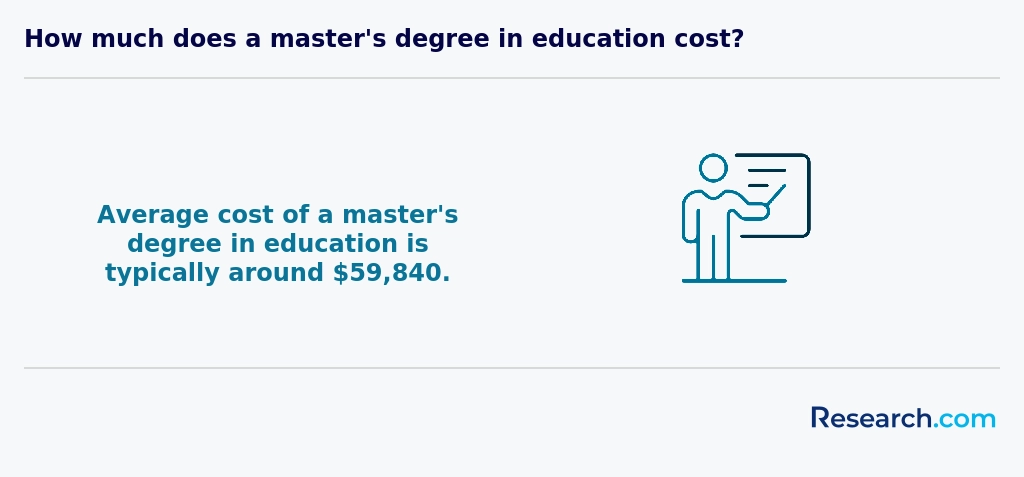
The average cost of a education degree in Lynchburg typically centers around $30,310 for in-state students, reflecting the mix of options available at local institutions. Graduates from Liberty University often recall the balance between tuition costs near $22,000 a year for undergraduate education programs and the value of accessing a well-rounded curriculum in Lynchburg's private education sector. Meanwhile, those attending Lynchburg College appreciated more affordable pathways that align with public university rates, averaging around $10,000 annually for in-state undergraduates.
Many students pursuing education degrees find relief in the existence of community college routes, which can cost as low as $4,000 per year. This affordability is a vital factor for those balancing financial constraints with the aspiration to become educators in the region. Reflecting on affordable education degree programs Lynchburg 2027, recent graduates often highlight how choosing public or transfer pathways allowed them to graduate without overwhelming debt, focusing instead on meaningful fieldwork experiences and local teaching placements that brought their studies to life emotionally and professionally.
It's also important to keep in mind that total costs include fees, textbooks, and other expenses, which all factor into the overall investment. Prospective students should look closely at individual program costs and available aid. For those seeking the cheapest education programs in Virginia, Lynchburg offers a promising blend of quality and affordability that fits diverse financial situations and career goals.
Financial Planning and Budgeting for Education Students
. When considering pursuing an education degree in Lynchburg, VA, financial planning and budgeting are crucial steps that should not be overlooked. Prospective students must weigh the costs of tuition, living expenses, and other fees against potential salaries and financial aid options. For instance, understanding the cheapest education programs in Virginia can help students make informed decisions about their educational investments. By creating a comprehensive budget and exploring financial aid opportunities, such as scholarships, grants, and loans, students can better navigate the financial aspects of their education journey. Effective financial planning enables students to focus on their studies and career goals, rather than financial stress, ultimately leading to a more successful and fulfilling educational experience.
What financial aid is available to education degree students in Lynchburg?
Students pursuing education degrees in Lynchburg often find that financial aid is within reach, offering real support that eases their journey. Graduates from Lynchburg College and nearby institutions frequently share how pivotal federal aid, especially Pell Grants and low-interest loans accessed through FAFSA, was in making their education affordable while balancing work and studies.
Many recall applying for local scholarships offered by Lynchburg foundations and school districts, which not only lightened financial burdens but also fostered a sense of community investment in their teaching careers. Institutional scholarships at these universities, awarded for merit or need, often provided unexpected relief during challenging semesters.
Some graduates reflect fondly on the Virginia Department of Education's loan forgiveness programs, which gave them hope and motivation by easing financial pressures after committing to teach in high-need Lynchburg schools. Additionally, campus work-study jobs offered a practical way to gain experience and manage costs simultaneously.
These layered opportunities create a supportive financial ecosystem, reminding students that with determination and the right guidance, funding an education degree in Lynchburg is achievable and rewarding.
Return on Investment for Education Degrees in Lynchburg, VA
Understanding the financial returns of your education investment is crucial when weighing program affordability against future earnings. In Lynchburg, VA, the average student loan debt for education graduates stands at approximately $37,850, while entry-level salaries range from $38,640 for Early Childhood Educators to $63,130 for ESL teachers and up to $73,080 for Instructional Designers. Here’s how these figures translate into repayment horizons and long-term gains: • Early Childhood Educators – Mean annual salary: $38,640 – Estimated loan repayment period (10-year standard plan): 10 years • ESL Teachers – Mean annual salary: $63,130 – Estimated loan repayment period: 7 years • Instructional Designers – Mean annual salary: $73,080 – Estimated loan repayment period: 6 years By comparing total debt against average earnings, prospective students can estimate a 6–10-year payback period, depending on career path and repayment plan. To maximize your ROI: 1. Prioritize low-tuition programs with strong job placement rates. 2. Leverage federal and state grants to reduce borrowed amounts. 3. Consider accelerated or online formats to enter the workforce sooner. For a broader perspective on cost-effective online options, explore our Inexpensive Online Education Degree Programs Ranking in Indiana to see how Lynchburg offerings compare and inform your decision.
What are the prerequisites for enrolling in education degree program in Lynchburg?
To embark on an education degree in Lynchburg, students first need a high school diploma or an equivalent such as a GED, a foundation that many graduates reflect on as essential for their success at institutions like Liberty University. For those aiming higher, a bachelor's degree is required before entering graduate-level programs, a step that offers an exciting new depth of knowledge and specialization.
Graduates often recall how early coursework in English, math, and social sciences laid a solid groundwork, helping them engage confidently with their future students. Many Lynchburg programs also ask for standardized test scores-SAT or ACT for undergraduates and sometimes the GRE for graduate hopefuls-reinforcing readiness with measurable skills.
Students appreciate the opportunity to demonstrate their reading, writing, and math abilities, often through placement tests, ensuring they're well-prepared to handle the academic demands. In a real-world context, background checks remind everyone of the trust and responsibility involved in working with children, a serious but reassuring step embraced by those who cherish teaching careers in Lynchburg's supportive academic environments.
Expert Perspectives on Future Trends and Career Advancements in Education
As the landscape of education evolves rapidly, industry experts advise that today’s students in Lynchburg, VA, not only focus on attaining an affordable degree but also consider how emerging trends will shape their future careers. Experts emphasize the growing influence of technology-especially in hybrid learning models and digital classroom tools-that is redefining teaching strategies and student engagement. They project a rising demand for innovative roles within education, where advanced skills in curriculum design, educational technology, and leadership become critical. Moreover, scholars note that professionals investing in continuous learning through certificates or advanced degrees can leverage opportunities in more specialized sectors. For instance, many professionals exploring masters in education jobs are well-positioned to secure higher-paying roles and foster lasting career growth. By staying informed about these trends and seeking diverse professional development opportunities, current and prospective educators in Lynchburg can navigate the evolving market while ensuring their skills remain in high demand.
What courses are typically in education degree programs in Lynchburg?
In Lynchburg, education degree programs offer a thoughtful blend of courses that build both knowledge and confidence for aspiring teachers. Graduates from institutions like Liberty University and Lynchburg College often reflect on how foundational classes such as Educational Psychology gave them a real understanding of how students think and learn, making their future classrooms more responsive to individual needs.
Courses like Curriculum Development and Instructional Strategies turn theory into practice, guiding students through the art of creating lessons that truly engage and inspire. Many find that Classroom Management training prepares them well for the lively realities of everyday teaching, helping create supportive environments where students feel safe and motivated.
Special Education classes introduce compassionate approaches to diverse learning abilities, a vital skill many graduates treasure deeply. Paired with Technology in Education courses, students gain modern tools to connect with today's learners. Finally, Fieldwork and Student Teaching in local Lynchburg schools provide an invaluable, hands-on experience-graduates often describe this phase as transformative, turning academic knowledge into heartfelt teaching.
What types of specializations are available in education degree programs in Lynchburg?
Lynchburg's education degree specializations reflect a thoughtful approach to preparing educators for meaningful careers. Graduates from well-known institutions like Liberty University often highlight how focused tracks such as Early Childhood Education offer hands-on experiences that make teaching young learners both rewarding and impactful. Others find their passion in Special Education, where they develop skills to support students with diverse learning needs, a specialization that not only meets growing community demands but also opens pathways in various specialized programs.
Teaching career paths Lynchburg area extend beyond classroom instruction, with many graduates choosing Secondary Education to specialize in core subjects like math or English, providing them with strong content knowledge and teaching strategies for middle and high school students. For those drawn to leadership roles, Educational Leadership programs prepare future principals and coordinators, blending theory with real-world administrative challenges.
Many students appreciate how these tracks align with Virginia's certification standards, making their training practical and market-ready. For insights on advancing your career, consider exploring masters in education jobs that build on these foundational specializations.
How do you choose the best education degree in Lynchburg?
Choosing the best education degree in Lynchburg means considering both the program's reputation and practical benefits. Graduates from well-known institutions, like Liberty University, often highlight the value of hands-on student teaching placements within Lynchburg-area schools, which provide real-world experience that builds confidence and competence before entering the classroom. This connection to the local education community not only enriches learning but also supports networking essential for job placement. Many who pursue affordable education degree programs in Lynchburg appreciate flexible formats such as online or hybrid classes, allowing them to balance work and study efficiently.
It's wise to evaluate the quality of faculty and resources, as programs with professors active in education research can deepen your understanding and inspire innovation. Also, graduates recall the importance of strong licensure pass rates and tailored support services, which make the journey smoother. For those mindful of tuition costs, exploring financial aid and scholarships available locally is crucial. You might also explore Inexpensive Online Education Degree Programs Ranking in Indiana for additional affordable options.
What career paths are available for education degree students in Lynchburg?
Graduates with an education degree in Lynchburg find themselves well-prepared for a diverse range of fulfilling career paths. Many alumni from institutions like Liberty University embrace roles as K-12 teachers, specializing in subjects such as special education or STEM, areas where Lynchburg schools actively seek qualified professionals. The tangible impact of teaching in local classrooms brings a deep sense of purpose and community connection, making careers in public and private school teaching highly rewarding for those pursuing education degree careers in Lynchburg.
Beyond classroom instruction, some graduates pursue leadership opportunities within school administration as principals or academic coordinators, roles that allow them to shape educational policies and improve student outcomes. Others find satisfaction in instructional coaching and curriculum development, guiding fellow educators to enhance teaching methods. The vibrant educational environment in Lynchburg encourages these diverse roles, reflecting a genuine commitment to educational excellence.
For those interested in early childhood education, Lynchburg offers several local programs and agencies where educators nurture young learners' growth before kindergarten. Given the city's emphasis on innovation in education, graduates can also explore educational consulting, applying their expertise to improve learning environments. These job opportunities with education degree Lynchburg graduates often describe as both challenging and inspiring.
In exploring these career options, some students balance their degree costs while considering medical certifications that pay well, alongside education to diversify their professional qualifications.
What is the job market for education degree in Lynchburg?
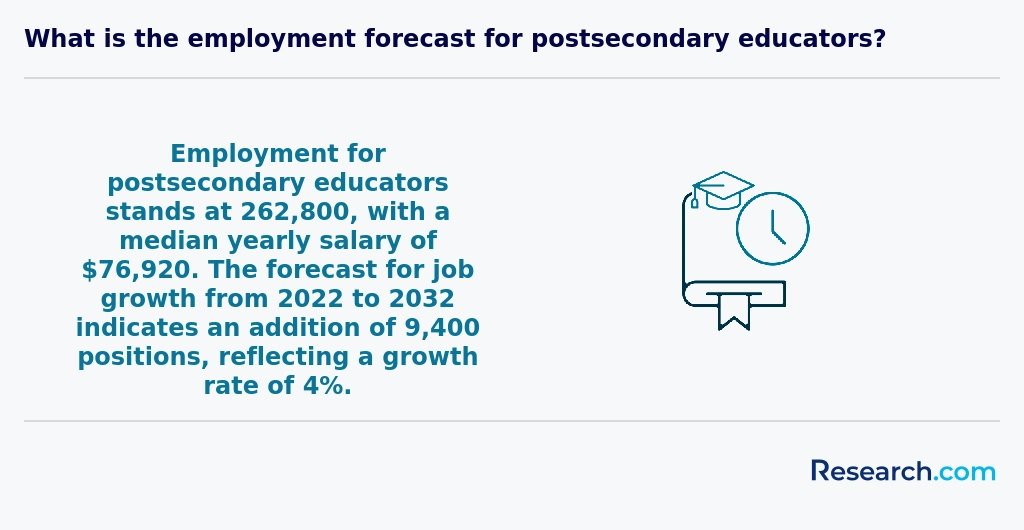
The job market for education degree graduates in Lynchburg reflects a balance of steady demand and meaningful opportunity, particularly for those drawn to public and private K-12 schools or higher education roles. Individuals who have earned their degrees from respected local institutions often share stories of entering classrooms where communities deeply value educators, reinforcing a sense of purpose and belonging early in their careers. This positive atmosphere aligns well with the education degree job outlook Lynchburg offers, where the need for qualified teachers remains consistent due to stable student enrollment and teacher retirements.
Graduates find that teaching careers salary Lynchburg VA provides a sustainable foundation, with wages comparable to the broader state averages, allowing new educators to focus on growth rather than financial strain. Many appreciate that local universities not only prepare them rigorously but also open diverse pathways into education administration, curriculum development, or educational counseling.
Prospective students should consider the advantages of lower tuition at Virginia public institutions, which eases the financial burden of earning an education degree. Those exploring options might benefit from pursuing an affordable online associates degree as a stepping stone toward full certification and rewarding career opportunities.
Frequently Asked Questions About education
Education degree students in Lynchburg can maximize their learning experience by engaging actively with both coursework and local educational communities. Lynchburg is home to several institutions offering teacher preparation programs with strong ties to local schools, providing valuable hands-on practicum opportunities.
Students should seek internships and student teaching placements early, as these real-world experiences enhance understanding of classroom dynamics. According to the Virginia Department of Education, practical experience is a key factor in teacher certification success.
Additionally, forming study groups and participating in education-focused workshops offered by Lynchburg's universities can improve knowledge retention. Utilizing campus resources such as tutoring centers and career services further supports professional growth.
Networking with local educators and joining professional organizations like the Virginia Education Association helps students stay informed about trends and job openings in the region.
Emerging niches within the education field in Lynchburg reflect broader national trends emphasizing technology and diversity. One growing area is educational technology integration, where educators specialize in using digital tools to enhance learning, a response to the increased demand for remote and hybrid classrooms. Another niche is special education, particularly focused on inclusive practices for students with disabilities. According to the Virginia Department of Education, Lynchburg schools have seen a steady rise in enrollment for special education services over the past five years.
Additionally, bilingual education and English as a Second Language (ESL) instruction are expanding, driven by increasing student diversity in the region. Finally, career and technical education (CTE) specialists are in demand to prepare students for skilled labor markets, an area supported by Lynchburg's emphasis on workforce readiness programs.
After completing an education degree in Lynchburg, preparing for the job market involves a strategic approach tailored to the local and national landscape. First, gaining practical experience through student teaching placements or internships within Lynchburg City Schools or neighboring districts is crucial. These opportunities enhance classroom skills and build professional networks.
Next, candidates should pursue state licensure by passing the Virginia Communication and Literacy Assessment (VCLA) and other relevant Praxis exams, as these are required to teach in Virginia public schools.
Research from the Virginia Department of Education shows that demand for qualified teachers in Lynchburg remains steady, especially in subjects like special education and STEM.
Employers in Lynchburg value education degree graduates who demonstrate strong classroom management skills. According to the Virginia Department of Education, effective classroom control positively impacts student learning outcomes and teacher retention rates. Communication skills are also crucial, as educators must engage students, parents, and colleagues clearly and empathetically.
Additionally, employers look for proficiency in lesson planning and adapting teaching methods to diverse student needs. Data from the Lynchburg City Schools highlights the importance of cultural competency, especially in a district with increasing diversity. Critical thinking and the ability to integrate technology in instruction are also prioritized skills.
Finding internships in Lynchburg relevant to an education degree involves leveraging local school districts, colleges, and community organizations. Lynchburg City Schools often partner with nearby universities, including Lynchburg College and Liberty University, to provide education students with practical teaching experience through internships or student-teaching placements. Contacting the university's education department is a crucial first step, as they typically have established connections with local K-12 schools.
Additionally, the Virginia Department of Education offers online resources to help students identify approved internship programs. Networking with local educators and attending education-focused job fairs, often hosted by nearby institutions, can also open doors.
According to the National Center for Education Statistics, about 80% of education degree programs require some form of internship, underscoring their importance in Lynchburg's education training. Students should begin the search early to secure positions that align with their career goals.
In Lynchburg, earning an education degree significantly enhances career mobility and advancement within the local school systems and beyond. According to the Virginia Department of Education, candidates with degrees often qualify for higher starting salaries and accelerated promotion tracks compared to those without formal credentials. Many school districts in Lynchburg require a bachelor's or master's in education for leadership roles or specialized teaching positions.
The availability of advanced certifications allows degree holders to diversify their career options, including administrative roles, curriculum development, and educational consulting. The Georgetown University Center on Education and the Workforce reports that educators with degrees enjoy a 15-20% higher median income nationally, a trend reflected locally.
Continuing education through local colleges in Lynchburg supports ongoing professional development, which is essential for maintaining licensure and improving prospects in this competitive field.
Studying for an education degree in Lynchburg equips students with skills that extend beyond traditional teaching roles. Programs often emphasize interdisciplinary learning, combining education theory with psychology, sociology, and technology. This approach prepares graduates to work in diverse settings such as community outreach, curriculum development, and educational consulting.
Institutions in Lynchburg, including Liberty University and Lynchburg College, incorporate practicum experiences that encourage collaboration across multiple disciplines. According to the National Center for Education Statistics, Virginia's education programs rank well in integrating technology and special education fields, enhancing students' adaptability.
Such training ensures graduates can meet the varied demands of modern educational environments, promoting flexibility and broader career opportunities.
When choosing between a thesis and a non-thesis education degree program in Lynchburg, consider your career goals and learning preferences. Thesis programs typically involve original research and a formal document, suited for students aiming for academic or research careers. Non-thesis options focus more on coursework and practical applications, which can be ideal for educators seeking leadership roles or immediate classroom impact.
In Lynchburg, institutions like Liberty University offer both options, reflecting national trends where thesis programs average two years and non-thesis programs can be completed in 18 months. According to NCES data, over 60% of master's education students nationwide prefer non-thesis paths for quicker completion.
Students based in Lynchburg have several avenues to pursue education degrees with an international focus through study abroad programs. Liberty University, a major institution in Lynchburg, offers various faculty-led and partner exchange options that allow students to gain global teaching experience. These programs often last from a few weeks to a full semester, blending coursework with cultural immersion.
Additionally, students can participate in nationwide study abroad opportunities supported by U.S. Department of Education grants, accessible through Lynchburg colleges. Such programs emphasize multicultural education and global pedagogy trends, essential for modern teachers. According to NAFSA, about 13% of U.S. education majors engage in study abroad experiences, reflecting growing interest.
Financial aid and scholarships specifically for education students studying abroad are also available, easing costs. Lynchburg students are encouraged to consult campus advisors for tailored programs aligned with licensure requirements and career goals.
Students pursuing education degrees in Lynchburg have several part-time job opportunities that complement their academic training. One common option is working as a teacher's aide in local public schools, such as those within Lynchburg City Schools. This role provides hands-on classroom experience and strengthens pedagogical skills.
Another valuable position is tutoring, where students support K-12 learners in subjects like reading and math. Community centers and after-school programs often seek education majors for these tutoring roles.
Lynchburg also offers opportunities to work as childcare assistants, which allow education students to develop early childhood education skills. According to the U.S. Bureau of Labor Statistics, these roles provide important exposure to child development practices.
Volunteering or part-time work at local libraries and educational nonprofits can further enhance practical understanding of education theories and student engagement strategies.
Education students in Lynchburg have access to numerous networking opportunities through local universities and community organizations. Liberty University, one of the largest private schools in the area, frequently hosts education-focused events, workshops, and career fairs specifically designed to connect students with local schools and educational professionals.
Additionally, the Lynchburg Regional Education Consortium offers partnerships with area school districts, enabling students to engage in practical classroom experiences and build relationships with educators. These connections are valuable for internships and job placements.
Local chapters of national education associations also provide platforms for networking, mentorship, and professional development tailored to Lynchburg's education community.
Alumni networks play a significant role for education degree students in Lynchburg by providing valuable connections that support career development. These networks often include former graduates who work in local school districts, offering mentorship and advice based on practical experience.
Many Lynchburg institutions, such as Liberty University, maintain active alumni groups that facilitate internship and job placement opportunities. According to the Virginia Department of Education, mentorship from experienced teachers can increase job retention rates by up to 20%, demonstrating the network's importance.
Additionally, alumni events foster professional collaboration and keep students informed about changes in education policy and best practices within the region.
Customizing your education degree program in Lynchburg allows you to tailor your studies to meet specific career goals. Many Lynchburg institutions offer flexible curriculum options where you can choose specialized courses, such as special education, curriculum design, or educational leadership. Students often have the opportunity to select electives or pursue endorsements that align with their interests.
Additionally, Lynchburg colleges frequently provide fieldwork or practicum placements in local schools, enabling hands-on experience in environments matching your target career path. Licensure tracks may also be adjusted based on grade levels or subject matter, helping you become eligible for specific teaching roles.
According to the Virginia Department of Education, about 68% of education students in the region participate in such customizable programs, improving career readiness. Exploring advising services at schools near Lynchburg can provide personalized planning to help you effectively design your program.
Education students in Lynchburg often face several common challenges during their studies. One significant hurdle is balancing practical classroom experience with academic coursework. Lynchburg's education programs typically require students to complete numerous hours of student teaching, which can be time-consuming and stressful alongside exams and projects.
Another challenge is meeting state certification requirements. Virginia requires passing specific standardized tests, such as the Praxis exams, which many students find demanding. Additionally, navigating funding and financial aid can be complicated, with some students reporting difficulties accessing sufficient support to cover tuition and living costs.
Finally, adapting to evolving educational technologies and diverse classroom environments places extra pressure on education students. According to the Virginia Department of Education, Lynchburg schools serve increasingly diverse populations, making cultural competency a vital but challenging area for future teachers.
With an education degree in Lynchburg, graduates can pursue several professional certifications to enhance their teaching careers. The most common certification is state licensure for K-12 teaching, required by the Virginia Department of Education. This involves passing the Praxis exams and completing a teacher preparation program.
Beyond initial licensure, educators may seek National Board Certification, a prestigious credential that validates advanced teaching skills and can lead to higher salaries. Additionally, certifications in special education, ESL (English as a Second Language), and administration are available to those wishing to specialize or advance into leadership roles.
Local Lynchburg schools often support teachers pursuing these certifications to meet regional educational needs, as reported by the Lynchburg City Public Schools professional development office.
Applying for an education program in Lynchburg requires careful preparation to stand out. Start by researching local institutions like Liberty University, which offers accredited education degrees and values clear, specific personal statements. Highlight your passion for teaching, relevant experience, and understanding of educational theories. Many Lynchburg programs emphasize commitment to community impact, so include examples demonstrating this. Academic records and letters of recommendation carry weight; ensure they reflect your strengths and potential. Be mindful of deadlines and program requirements, which vary across Lynchburg schools. According to the Virginia Department of Education, programs here prioritize candidates ready to contribute to diverse classroom settings.
Globally, education careers are increasingly valued for their role in shaping future generations and addressing diverse societal needs. In the United States, including Lynchburg, educators are part of a larger dialogue about inclusion, technology integration, and lifelong learning. According to the U.S. Bureau of Labor Statistics, the demand for teachers is expected to grow by 5% from 2021 to 2031, slightly faster than the average for all occupations. Lynchburg's local schools often emphasize culturally responsive teaching, reflecting global trends toward diversity and equity in education.
Internationally, teaching is recognized as a profession that requires continuous development, a notion that is increasingly adopted by U.S. institutions.
Educational careers also connect with global initiatives such as the United Nations' Sustainable Development Goals, which highlight quality education as essential for economic and social progress.
Gaining practical experience while studying for an education degree in Lynchburg is essential for career readiness. Many local institutions, including universities like Liberty University and Lynchburg College, integrate fieldwork and student teaching into their programs. These opportunities allow students to work directly in classrooms under licensed teachers' supervision. According to the Virginia Department of Education, student teaching placements often last a full semester, providing hands-on experience with lesson planning and classroom management.
Additionally, internships and volunteer roles in nearby schools and community programs offer further practice. Students can connect with Lynchburg City Schools or Campbell County Schools to find such placements. Practical experience enhances learning and helps in building professional networks crucial for future employment.
Choosing the right concentration within an education degree program in Lynchburg requires understanding your career goals and local educational needs. Lynchburg's schools often emphasize areas like special education, elementary education, and STEM teaching due to regional demand, according to data from the Virginia Department of Education.
Prospective students should review program curricula at Lynchburg College and Liberty University, focusing on concentrations that align with licensure requirements in Virginia. For example, special education specialists are in growing demand, supported by a 10% increase in job openings projected by the Bureau of Labor Statistics for the region.
It is also beneficial to consider your personal strengths and interests, such as working with younger children or high school students, as this will impact your success and satisfaction within a concentration.
Related Education Rankings for Nearby Cities
- 2027 Most Affordable Education Degree Programs Ranking in Greensboro
- 2027 Most Affordable Education Degree Programs Ranking in Winston-Salem
- 2027 Most Affordable Education Degree Programs Ranking in Raleigh
- 2027 Most Affordable Education Degree Programs Ranking in Washington
- 2027 Most Affordable Education Degree Programs Ranking in Charlotte
- 2027 Most Affordable Education Degree Programs Ranking in Pittsburgh
- 2027 Most Affordable Education Degree Programs Ranking in Dover
- 2027 Most Affordable Education Degree Programs Ranking in Greenville
- 2027 Most Affordable Education Degree Programs Ranking in Columbia
- 2027 Most Affordable Education Degree Programs Ranking in Columbus
Top Trending Education Rankings
See What Experts Have To Say About Studying Education
Read our interview with Education experts

Alan J. Singer
Education Expert
Professor of Teaching, Learning and Technology
Hofstra University


References
- Bachelor of Education Degree (Here's What To Expect) https://www.alleducationschools.com/teaching-degrees/bachelors-in-education/
- How to Choose a Concentration for Your Master of Education 3 Questions to Consider https://www.aiuniv.edu/degrees/education/articles/how-to-choose-an-education-specialization
- Financial Aid https://vul.edu/index.php/admissions/financial-aid
- International teaching and education jobs https://www.tes.com/jobs/search/international
- University of Lynchburg Teaching Programs - Teaching Degree Search https://teachingdegreesearch.com/colleges/lynchburg-college/
- Benefits of Networking for Students https://www.melioeducation.com/blog/benefits-of-networking-for-students/
- Online Degree vs. Traditional: Choosing the Right Path https://beal.edu/online-degree-vs-traditional/
- University of Lynchburg Master’s in Education Programs – MastersinEducation.org https://mastersineducation.org/school/university-of-lynchburg/
- Additional Financial Aid Resources | University of Lynchburg https://www.lynchburg.edu/student-life/student-support/solutions-center/financial-aid-overview/additional-financial-aid-resources/
- Putting theory into practice: The value of an interdisciplinary approach to teaching https://my.chartered.college/impact_article/putting-theory-into-practice-the-value-of-an-interdisciplinary-approach-to-teaching/


