
2027 Most Affordable Education Degree Programs Ranking in Johnson City

Co-Founder and Chief Data Scientist
Choosing the right education degree program in Johnson City can feel overwhelming. That's why the Research.com team of data scientists created the 2027 Most Affordable Education Degree Programs Ranking in Johnson City. This carefully researched ranking aims to guide prospective students like you toward options that offer real value without breaking the bank.
By exploring this article, you'll discover programs that balance quality and affordability, helping you make an informed decision for your future. Earning an education degree opens doors to meaningful careers and lasting impact, making this guide a helpful first step on your journey.
Key benefits of getting education degree in Johnson City
- Graduates with an education degree in Johnson City can expect rewarding salaries, such as $76,000 annually for Special Education Teachers and $77,200 for Instructional Designers, offering financial stability and growth.
- Career paths for education degree holders are diverse, including roles like ESL Teachers earning around $65,430 or Early Childhood Educators making about $41,410, allowing you to find a role that fits your passion.
- Completing an education degree online from a university in Johnson City provides flexibility, making it easier to balance work and studies while gaining the same valuable credentials as traditional programs.
- Key benefits of getting education degree in Johnson City
- What can I expect from education degree in Johnson City?
- Where can I work with education degree in Johnson City?
- How much can I make with education degree in Johnson City?
- 2027 Most Affordable Education Degree Programs Ranking in Johnson City
- Key Findings
- How long does it take to complete education degree in Johnson City?
- Certification and Licensure Requirements
- What's the difference between online and on-campus education degree?
- Teacher Loan Forgiveness and Repayment Options
- What is the average cost of education degree in Johnson City?
- Licensure and Certification Requirements for Tennessee Educators
- What financial aid is available to education degree students in Johnson City?
- Campus Life and Community Support in Johnson City, TN
- What are the prerequisites for enrolling in education degree program in Johnson City?
- Teacher Certification Requirements in Tennessee
- What courses are typically in education degree programs in Johnson City?
- What types of specializations are available in education degree programs in Johnson City?
- How do you choose the best education degree in Johnson City?
- What career paths are available for education degree students in Johnson City?
- What is the job market for education degree in Johnson City?
- Top Trending Education Rankings
- See What Experts Have To Say About Studying Education
What can I expect from education degree in Johnson City?
The average cost of pursuing an education degree in Johnson City remains accessible, especially for in-state students at institutions like East Tennessee State University. Graduates often recall how an annual tuition of around $10,800 made their dreams of becoming educators financially feasible without overwhelming debt. This affordability encourages hands-on learning, where students eagerly engage in practicum placements within local schools, knowing they are investing in a career that offers both personal fulfillment and community impact.
Many education students share positive experiences about the support they received through available financial aid and scholarships, which ease the burden and allow them to focus on gaining classroom skills rather than stressing over expenses. As Tennessee expands programs for teacher loan forgiveness and scholarships, future candidates may find even more incentives to study here. For a city like Johnson City, where the demand for qualified teachers is steady, the manageable cost paired with practical opportunities creates a compelling path toward a rewarding education career.
Where can I work with education degree in Johnson City?
Graduates with an education degree in Johnson City find numerous career paths awaiting them, especially within the Johnson City School System, where teaching roles in subjects like math, science, and special education form a solid foundation. Many alumni from East Tennessee State University often share how rewarding it is to make an impact in local schools, thriving in classrooms that welcome innovation and community engagement.
Emerging trends point toward expanding opportunities beyond traditional teaching. Graduates frequently explore careers in educational technology coordination and curriculum development, roles that leverage new digital tools shaping the classroom experience. These positions often exist in both K-12 schools and higher education institutions like ETSU, which hires education graduates as academic advisors and instructional coordinators.
Non-profit organizations and youth programs offer dynamic alternatives, where education graduates positively influence literacy and after-school activities. These settings provide a close-knit environment where many report feeling a deep sense of contribution and growth. As local education continues evolving, the demand for versatile, passionate professionals remains strong, offering promising futures for those graduating in Johnson City.
How much can I make with education degree in Johnson City?
Graduates with education degrees from popular institutions in Johnson City often find rewarding salary prospects in various teaching roles. For instance, an early childhood educator starting their career can expect to earn around $41,410 annually, which nicely supports entry-level lifestyles while gaining valuable classroom experience. Many graduates feel encouraged by this solid starting point, often recalling how hands-on practicum opportunities at local colleges prepared them for real classrooms.
As graduates advance, becoming elementary school teachers typically brings higher earnings, averaging $70,740 per year. Those who specialize, such as in special education, enjoy even more financial reward, with mean salaries around $76,000, reflecting their critical role in supporting diverse learners. Instructional designers, another growing role for education graduates, can earn approximately $77,200 annually, showcasing the expanding careers beyond traditional teaching.
ESL teachers also benefit from competitive pay, averaging $65,430 yearly, highlighting the increasing need for language educators in Johnson City's schools. Graduates frequently report enthusiasm toward these opportunities to impact growing multilingual communities, reflecting a meaningful fusion of passion and income.
2027 Most Affordable Education Degree Programs Ranking in Johnson City
How do we rank schools?
Investing in your education is a significant decision that can shape your future, and the Research.com team understands the importance of making informed choices. To assist prospective students in Johnson City, we have meticulously crafted the "2027 Most Affordable Education Degree Programs Ranking in Johnson City." Our commitment to quality, credibility, and accuracy is reflected in the extensive research and analysis conducted to compile this ranking.
We utilized the following reputable data sources to ensure a comprehensive evaluation of education degree programs:
By exploring this ranking, readers will gain valuable insights into the most affordable education degree programs available in Johnson City, empowering them to make informed decisions that align with their financial and academic goals. For more details on our methodology, please visit our Research.com methodology page.

Key Findings
- East Tennessee State University in Johnson City offers comprehensive undergraduate and graduate education degree programs.
- In-state tuition for a bachelor's in education averages $10,500 per year, while out-of-state students pay about $26,000 annually.
- Graduate education programs typically cost between $8,000 and $15,000 per year, depending on residency and enrollment.
- Starting salaries for newly certified teachers in Johnson City average around $40,000 per year, increasing up to $60,000 with experience.
- There is steady demand for teachers in special education, STEM, and early childhood education due to growing school-age populations and retirements.
How long does it take to complete education degree in Johnson City?
Completing an education degree in Johnson City typically takes timeframes aligned with traditional expectations but with growing flexibility for today's students. Graduates from East Tennessee State University often share that a bachelor's degree generally requires about four years, a period filled with both challenge and excitement as they engage in hands-on teaching experiences and build lasting connections.
For those advancing to a master's degree, many find that one to two years of study balances well with work and family life, especially given options for part-time or online courses. These adaptable pathways empower students to shape their own pace without sacrificing quality, reflecting a strong local commitment to accessible education.
Doctoral candidates pursuing leadership or research roles might take three to six years, often motivated by the rewarding prospect of influencing future educational practices. Johnson City's institutions provide supportive environments where students thrive, fueled by ambitious goals and real-world application of their studies, making each extra year both purposeful and inspiring.
Certification and Licensure Requirements
To teach in Tennessee, graduates must secure a state license by completing:
- A state-approved education degree program with a student-teaching component
- Passage of required exams (Praxis Core Academic Skills, Praxis II content tests, and the edTPA performance assessment)
- Submission of credentials, exam scores, and a background check through the Tennessee Educator Licensing System (TELS)
- Fulfillment of any district-specific requirements or professional development hours
Timeline: Most candidates complete licensure within 3–6 months post-graduation. Fees vary by exam and application.
For students seeking a faster route to licensure, explore our accelerated bachelors degree online options.
What's the difference between online and on-campus education degree?
Graduates from East Tennessee State University often recall the vibrant campus life and direct mentorship they received while pursuing on-campus education degrees in Johnson City. They value the spontaneous hallway discussions with professors and peers that sparked new ideas and deeper understanding. In contrast, online learners appreciate the freedom to balance studies with jobs or family, logging into lectures at midnight if needed, without the stress of a 23-minute daily commute across town.
Looking ahead, the blend of these experiences may evolve with virtual reality tools enabling immersive classroom simulations for online students in Johnson City. Imagine completing practicum hours through interactive digital environments reflective of local schools, enhancing practical skills without leaving home. This future could bring emotional ease and confidence while maintaining rigorous standards.
Financially, future programs might offer modular tuition adjusted for online or hybrid participation, helping Johnson City students tailor education to budgets and lifestyles. As employers increasingly acknowledge diverse learning modes, the distinction between online and on-campus education degrees may blur, with both paths nurturing passionate, well-prepared educators ready to inspire the next generation.
Teacher Loan Forgiveness and Repayment Options
Graduates pursuing an Education degree in Johnson City, TN, can take advantage of several loan forgiveness and repayment programs designed to reduce long-term debt and ease financial burdens.
- Public Service Loan Forgiveness (PSLF): Qualifying teachers working full-time in public or non-profit schools may have the remainder of their Direct Loans forgiven after 120 on-time payments under an income-driven repayment plan.
- Tennessee Teacher Loan Forgiveness: Available to educators in critical-need areas, this state program offers up to $5,000 per year toward loan repayment for those committing to at least four years of service in eligible schools.
- Income-Driven Repayment Plans: Plans such as Income-Based Repayment (IBR) and Pay As You Earn (PAYE) cap monthly payments at 10–15% of discretionary income, with forgiveness after 20–25 years.
- Federal Perkins Loan Cancellation: Teachers of special education or in Title I schools can have up to 100% of Perkins Loans canceled over five years of service.
- Teacher Education Assistance for College and Higher Education (TEACH) Grant: Offers up to $4,000 per year for those who agree to teach in high-need fields or low-income schools for four years.
What is the average cost of education degree in Johnson City?
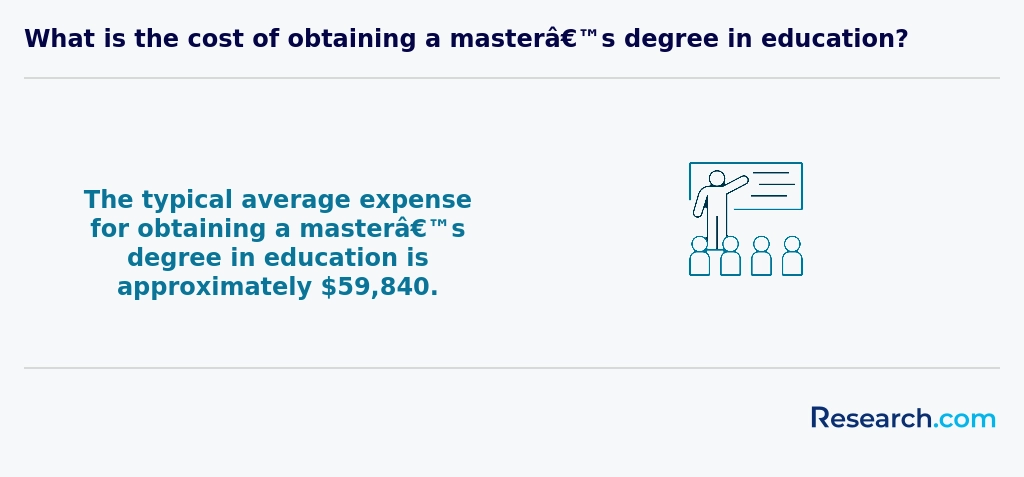
The average cost of an education degree in Johnson City currently stands near $10,472 for in-state students, reflecting a balance between quality and affordability. Graduates from well-known institutions like East Tennessee State University often recall how manageable tuition fees combined with lower living expenses made pursuing their passion feasible. This relatively affordable education degree allows many local students to stay close to home while investing in a promising future. When considering the typical expenses, one should also account for additional fees and materials, which may bring the total yearly cost closer to $14,000.
Private colleges in Johnson City, while offering specialized education programs, often come with a higher price tag-sometimes nearly doubling the in-state public rate. However, many students find that scholarships and financial aid reduce these costs substantially, making private education accessible to those who qualify. The affordable education degree programs Johnson City offers enable students to balance costs against the quality of training and resources, fostering a positive and practical learning environment.
Many graduates emphasize how smart financial planning and support from state-sponsored grants contributed to their ability to complete their degrees without overwhelming debt. Considering future trends, the net cost might improve further as universities adopt more flexible models that integrate online learning and work-study options. Exploring such pathways can give prospective learners a comprehensive view of education opportunities and costs in the area.
For students curious about the career possibilities after earning their degree, researching pathways on https://research.com/careers/education-careers provides valuable insights tailored to Johnson City's landscape.

Licensure and Certification Requirements for Tennessee Educators
Upon completing an education degree in Johnson City, graduates must fulfill specific licensure and certification requirements set by the Tennessee Department of Education to teach in public schools. These steps ensure that aspiring teachers meet both academic and professional standards, enhancing the credibility and impact of your degree. To qualify for a Tennessee teaching license, candidates typically need to:
- Earn a state‐approved education degree from an accredited institution or complete an alternative certification pathway. Many prospective teachers find value in programs like the best online bachelors in education, which are designed to meet Tennessee’s educator preparation standards.
- Pass the required Praxis exams, including Praxis Core Academic Skills for Educators (reading, writing, mathematics) and Praxis II content assessments specific to your subject area or grade level.
- Complete a background check and fingerprinting process as part of the state’s safety protocol for educators working with children.
- Submit an application for licensure through the Tennessee Educator Licensing and Recruitment System (TELR), along with official transcripts and exam score reports. After initial licensure, Tennessee educators must engage in ongoing professional development to renew their license every five years. Renewal requirements may include:
- Accumulating a set number of Continuing Education Units (CEUs) through workshops, seminars, or graduate coursework.
- Demonstrating satisfactory classroom performance via evaluations or mentor recommendations.
- Completing specialized endorsements if you choose to teach ESL, special education, or advanced levels such as middle and high school. Understanding and navigating these certification steps early in your program can streamline your journey from student to licensed teacher, ensuring you’re fully prepared to make a lasting impact in Tennessee classrooms.
What financial aid is available to education degree students in Johnson City?
Students pursuing education degrees in Johnson City often find financial aid options that make their journey more accessible and hopeful. Graduates from East Tennessee State University frequently share how federal grants like the Pell Grant and FSEOG helped them focus on studies instead of finances, covering thousands of dollars annually. The Tennessee Student Assistance Award and HOPE Scholarship create additional layers of support, encouraging academic excellence and persistence.
Many education majors also tap into loan forgiveness programs tailored for future teachers, easing long-term debt worries after service in local schools. Work-study opportunities on ETSU's campus have allowed students to earn while gaining practical experience, blending income with career readiness seamlessly. Some who already work in education sectors mention how employer tuition assistance from school districts elevated their plans for advanced degrees, further sparking enthusiasm for teaching careers.
Looking ahead, the integration of hybrid learning and evolving state aid programs promises even greater flexibility and tailored support, inviting more hopefuls in Johnson City to envision a debt-manageable, rewarding path in education.
Campus Life and Community Support in Johnson City, TN
Johnson City offers an enriching campus environment where academic excellence meets strong community support. Students not only benefit from top-notch education programs but also enjoy vibrant campus life with active clubs, mentorship opportunities, and career support services designed to foster both personal and professional growth. Universities in the area maintain close ties with local schools and educational centers, providing hands-on internship experiences, networking events, and community service initiatives that nurture future educators. These supportive ecosystems ensure comprehensive learning by coupling theoretical knowledge with real-world application. For those exploring budget-friendly options that combine excellent academics with a lively, supportive atmosphere, check out our insights on the cheapest education programs in tennessee. With dedicated student support services including counseling, academic advising, and frequent professional development workshops, Johnson City’s educational institutions are committed to preparing graduates for success in today’s dynamic education landscape.
What are the prerequisites for enrolling in education degree program in Johnson City?
Enrolling in education degree programs in Johnson City already involves clear prerequisites, but these are evolving to better support student success. Graduates from East Tennessee State University often recall how maintaining a minimum GPA of 2.75 was just the start-personal qualities like dedication and a genuine love for teaching made a difference. Future applicants might expect even more tailored assessments of interpersonal skills, with enhanced interviews or virtual simulations to showcase readiness for real classroom challenges.
Current students share that background checks and letters of recommendation are vital from day one, ensuring safety and community trust. In coming years, schools could integrate digital portfolios or recorded volunteer experiences in education settings, offering richer snapshots of candidates' commitment beyond test scores.
As programs embrace flexibility, test-optional policies may expand. However, those with strong SAT or ACT scores continue to stand out, illustrating academic confidence. For advanced degrees, holding a relevant bachelor's and passing Praxis exams remain foundational, though innovative evaluation methods could redefine these standards soon.

Teacher Certification Requirements in Tennessee
To teach in Tennessee public schools, you must follow these key steps:
- Complete an accredited educator preparation program (start with the easiest associate degree to get for paraprofessional roles if you need a flexible entry path).
- Pass required exams: Praxis Core Academic Skills for Educators and Praxis Subject Assessments in your chosen subject area.
- Apply for initial licensure through the Tennessee Department of Education’s online portal.
- Undergo a fingerprint-based background check and submit required licensing fees.
- Maintain and renew your certification every five years by completing continuing education units or enrolling in advanced degree coursework.
What courses are typically in education degree programs in Johnson City?
Students pursuing education degrees in Johnson City typically engage in a dynamic mix of courses designed to build confident, adaptable teachers ready for tomorrow's classrooms. At institutions like East Tennessee State University (ETSU), graduates often recall how classes such as Educational Psychology didn't just explain learning theories but encouraged them to apply those ideas during hands-on practicum experiences. This combination helped them feel truly prepared to support diverse learners.
Courses like Curriculum Design and Classroom Management are presented through real-world case studies, allowing students to envision themselves handling challenges like motivating a disengaged middle school class or integrating new educational technology effectively. The emphasis on Special Education and culturally responsive teaching also resonates deeply with many, as they picture themselves fostering inclusive environments for all students in Johnson City's increasingly diverse schools.
Emerging trends in these programs include greater integration of digital tools and a focus on English language learners, reflecting the evolving needs of local communities and enabling graduates to step confidently into expanded educator roles.

What types of specializations are available in education degree programs in Johnson City?
Education degree specializations in Johnson City are evolving to meet the dynamic needs of both students and the community. Graduates from local universities often highlight how Elementary Education provides a strong foundation for teaching young children, preparing them to inspire curiosity in subjects like reading and science. Meanwhile, those pursuing Secondary Education focus deeply on subject-specific teaching, which many find rewarding as they shape the critical thinking skills of middle and high school students.
Special Education continues to be a vital track, embraced by students passionate about supporting diverse learners. Its growing importance reflects broader inclusion trends, making graduates feel empowered as they create more equitable classrooms. Some also explore Early Childhood Education and Educational Leadership, aiming to impact early learning or school administration. Curriculums include hands-on experiences aligned with Tennessee's certification standards, boosting confidence and career readiness.
Several students report that Johnson City affordable education degree programs encourage them to pursue advanced studies or even explore Illinois teaching credentials to expand their future opportunities.
How do you choose the best education degree in Johnson City?
Choosing the best education degree in Johnson City means focusing on programs that combine accredited quality with affordability, especially as many graduates testify to the value of ETSU's offerings. Imagine yourself gaining hands-on teaching experience through practicum placements in local schools, where theoretical lessons transform into confident classroom leadership. This approach has helped many students develop the skills needed for high licensure exam pass rates and seamless job placement.
As you consider affordable teaching degrees Johnson City supports, envision a future where hybrid learning options fit your busy life, allowing you to balance family or work commitments without sacrificing education quality. Graduates often highlight the strong faculty support and manageable class sizes, which make the learning environment both personal and engaging. For those looking to diversify their expertise, exploring complementary fields like library science is increasingly popular, with accessible pathways such as online library science master's degree programs enhancing career prospects.
What career paths are available for education degree students in Johnson City?
Graduates with an education degree in Johnson City find diverse and evolving career paths ahead, driven by the region's strong educational institutions and community needs. Many start as certified teachers in Johnson City Schools, experiencing the rewarding challenge of supporting diverse classrooms and rising inclusion efforts. Others quickly move into educational administration, where graduates from local colleges step into roles as principals or coordinators, shaping the future of school programs with promising salaries and impactful leadership opportunities. The hands-on experiences at East Tennessee State University often prepare graduates for innovative roles beyond K-12, such as academic advising and program coordination, expanding job prospects with education degree in Johnson City.
Emerging trends point to careers as educational consultants and instructional coordinators, where graduates advise on cutting-edge teaching strategies and curriculum design. Some find passion instructing adult learners or providing student support as school counselors, roles that deepen personal fulfillment. Additionally, for those interested in the intersection of education and technology, pursuing an online master's in digital librarianship opens further doors.

What is the job market for education degree in Johnson City?
The job market for education degree holders in Johnson City remains promising, driven by steady demand across elementary, secondary, and special education sectors. Graduates from East Tennessee State University often share how their training directly prepares them for local schools, where emphasis on STEM and early childhood education opens doors to diverse teaching roles. For those exploring teaching career opportunities Johnson City offers, opportunities extend beyond public schools into private education and community colleges, reflecting the region's growing need for skilled educators.
Many graduates experience satisfaction working in Johnson City's community-focused schools, supported by a median annual salary around $50,000, which aligns well with the local cost of living. The affordability of regional degree programs also encourages entering the workforce without overwhelming debt. Students researching their paths find programs recognized in elementary education degree rankings helpful when considering tuition and financial aid options.
Looking ahead, increasing efforts to improve student outcomes alongside teacher shortages suggest that the education degree job outlook Johnson City maintains upward momentum, with expanding roles in educational leadership and specialized instruction likely to grow.
Frequently Asked Questions About education
Students pursuing education degrees in Johnson City can maximize their learning by engaging actively with local school districts for practical experience. Johnson City benefits from partnerships between its universities and K-12 schools, enabling education majors to complete internships that enhance classroom skills. For example, East Tennessee State University, located in Johnson City, emphasizes hands-on teaching practicums, which are crucial for career readiness, according to the university's College of Education data.
Additionally, students should take advantage of available academic support, including tutoring and workshops focused on instructional strategies. Joining professional organizations such as the Tennessee Education Association can provide networking opportunities and access to the latest teaching methodologies.
Emerging niches in the education field increasingly focus on technology integration and specialized support roles. In Johnson City, education programs now emphasize preparing teachers to use digital tools effectively, reflecting a nationwide trend towards remote and hybrid learning models. According to the Tennessee Higher Education Commission, local institutions report a 15% growth in graduates specializing in educational technology since 2020.
Another growing area is special education, particularly addressing diverse learning needs and inclusive classrooms. Programs targeting autism spectrum disorders and behavioral intervention strategies are expanding, responding to rising demand in local schools.
Additionally, careers in education leadership and administration are evolving with a focus on data-driven decision-making and community engagement, essential for modern school management.
Preparing for the job market after earning an education degree in Johnson City involves strategic steps tailored to local opportunities. Graduates should focus on obtaining Tennessee state teaching licensure, as this credential is essential for working in public schools. Professional development workshops offered by regional education centers can enhance skills and networking.
Johnson City benefits from strong ties to the regional school district, which often hosts job fairs and internship placements. According to the Tennessee Department of Education, about 85% of education graduates in the state find employment within one year of graduation, with Johnson City closely mirroring this trend.
Building a strong resume emphasizing classroom experience, volunteering, and student teaching is crucial. Additionally, joining state teaching associations can provide valuable job leads and professional guidance. Understanding local curriculum standards and utilizing online job portals focused on Tennessee education roles further boost employment chances.
Employers in Johnson City seek several key skills in graduates with education degrees. Strong communication abilities are crucial, as teachers must clearly convey information and engage with diverse student populations. According to the Tennessee Department of Education, effective classroom management skills are highly valued to maintain a productive learning environment. Employers also prioritize adaptability, particularly given the increasing integration of technology in schools throughout Johnson City. Analytical skills and the ability to assess student progress are essential for meeting state standards and improving educational outcomes. Collaboration and teamwork skills are often required, as educators frequently work with colleagues and parents to support student success.
Finding internships in Johnson City related to an education degree involves leveraging local schools, universities, and community organizations. East Tennessee State University (ETSU), a key institution in Johnson City, offers education students access to internship opportunities through its College of Education. Students can connect with nearby public schools for classroom assistant roles or tutoring positions, which provide valuable hands-on experience.
Networking through ETSU's career services and education department is advisable, as they often have partnerships with local elementary, middle, and high schools. Additionally, local education nonprofits sometimes offer internships to support program development and student outreach.
According to recent data from the Tennessee Department of Education, Johnson City schools participate in internship programs designed to prepare future educators for licensure requirements. These internships typically involve at least 100 hours of supervised field experience, crucial for practical training.
Students should also monitor city and county education board announcements online, as these occasionally list openings for internship or volunteer positions within the school system. Online internship platforms tailored to Tennessee education may additionally provide listings specific to Johnson City schools and educational agencies.
In Johnson City, obtaining an education degree significantly enhances career mobility and advancement opportunities within the local school systems and educational institutions. According to the Tennessee Department of Education, teachers with a bachelor's degree in education can expect higher starting salaries and more rapid promotions compared to those without formal education training. Johnson City educators holding advanced degrees often qualify for leadership roles such as curriculum coordinators or school administrators.
Moreover, local districts prioritize candidates with state-accredited education credentials, which align with Tennessee's licensure requirements. This official recognition facilitates transfers between districts and access to specialized positions. Data from the Johnson City School District shows that nearly 65% of teachers with education degrees receive salary increments within their first five years of service.
Studying for an education degree in Johnson City equips students with skills that extend beyond traditional teaching roles. Programs often integrate interdisciplinary coursework combining education theory with psychology, sociology, and technology. This approach reflects the evolving demands of schools and related organizations, preparing graduates to work collaboratively across multiple fields.
Local institutions like East Tennessee State University emphasize practical experiences through partnerships with community organizations, fostering real-world problem-solving skills. According to the Tennessee Higher Education Commission, over 70% of education graduates from Johnson City report readiness for roles that require interdisciplinary knowledge.
Additionally, these degrees often include training in data analysis and communication, aiding graduates in adapting to roles in educational policy, counseling, and curriculum design. This broad preparation strengthens graduates' versatility in a competitive job market.
Choosing between a thesis and a non-thesis education degree program in Johnson City depends largely on your career goals and learning preferences. Thesis programs focus on original research, which is ideal if you plan to pursue a doctorate or a career in academic research. Non-thesis options offer more coursework and practical experience, better suited for those aiming to enter or advance in teaching or administrative roles.
Local institutions like East Tennessee State University provide both formats, catering to diverse student needs. Data from the National Center for Education Statistics shows that thesis programs often require an additional semester but can enhance critical thinking skills.
Consider your available time, financial resources, and professional aims before deciding.
Students based in Johnson City interested in studying education abroad can explore several pathways through U.S. institutions that offer international study opportunities. East Tennessee State University, a prominent school in Johnson City, provides education majors access to study abroad programs in countries like the United Kingdom and Spain. These programs often include classroom learning combined with field experiences in local schools overseas.
Additionally, many education degrees encourage participation in international student teaching or research exchanges. According to the Institute of International Education, about 15% of U.S. education students take part in global learning experiences, enhancing cultural competence and teaching skills.
Financial aid and scholarships specific to education majors seeking study abroad are also available, helping reduce costs. Interested students should consult their university's education department and study abroad office for program availability and application requirements.
Johnson City offers a variety of part-time job opportunities that complement education degree studies. Many students find work as teacher aides or substitute teachers in local public schools, gaining practical classroom experience while earning income. According to the Johnson City School District, these roles often require minimal certification, making them accessible to education students.
Additionally, tutoring services are in high demand, especially for subjects like math and reading. Local centers and private clients seek tutors, allowing students to develop instructional skills. The Tennessee Department of Education reports a steady increase in tutoring jobs statewide, including Johnson City.
Working as after-school program staff or daycare assistants is another popular choice. These roles help students understand child development firsthand. Employers such as Boys & Girls Clubs of Northeast Tennessee provide flexible hours suited to students' class schedules.
Education students in Johnson City have multiple opportunities to build professional networks crucial for their careers. East Tennessee State University (ETSU) is a primary hub, offering access to education-focused student organizations such as the Future Educators Association. These groups often host events that connect students with local schools and experienced educators.
Through ETSU's partnerships with nearby school districts, students engage in internships, providing practical experience and valuable professional contacts. Additionally, Johnson City hosts regional education conferences and workshops, which foster connections among peers and industry leaders. These networking avenues support students' entry into Tennessee's education workforce.
Alumni networks can play a significant role in the success of education degree students in Johnson City. These networks connect current students with graduates who have firsthand knowledge of the local education system and job market. Access to experienced alumni allows students to gain insights on career paths and obtain mentorship, which is crucial in education fields.
Many local institutions, such as East Tennessee State University, maintain active alumni associations that regularly host networking events and job fairs. According to ETSU's 2023 annual report, over 70% of education graduates found employment within six months, with alumni connections cited as a key factor.
Additionally, alumni networks often provide internship opportunities in Johnson City's public and private schools, helping students build practical experience while pursuing their degrees.
Customizing an education degree program in Johnson City allows students to align their studies with specific career aspirations. Many local institutions offer flexible degree options, including concentrations in special education, instructional technology, or administration. Students can choose elective courses that strengthen skills in areas such as curriculum design or counseling. Practicum and internship opportunities within Johnson City schools provide practical experience tailored to individual goals. According to the Tennessee Higher Education Commission, about 70% of education students in the area engage in specialized focus areas to improve job readiness. Academic advisors play a vital role in helping students create personalized study plans that fit their career paths.
Education students in Johnson City often face several challenges during their academic journey. Balancing demanding coursework with required field experiences is a common difficulty, as many programs require extensive hands-on teaching practice in local schools.
Financial pressure also plays a role, with some students managing tuition alongside living expenses. According to the Tennessee Higher Education Commission, the average undergraduate tuition for education degrees in the region can strain budgets.
Additionally, adapting to new technology and remote learning tools has been a recent hurdle, especially following disruptions caused by the COVID-19 pandemic. Lastly, navigating certification requirements and preparing for state licensing exams add further complexity to completing their credentials.
With an education degree in Johnson City, graduates can pursue several professional certifications to enhance their teaching careers. Common certifications include state teaching licensure, which qualifies individuals to teach in Tennessee public schools. The Tennessee Department of Education offers licenses such as the Standard License for initial teachers and the Professional License for experienced educators.
Additionally, many educators earn certifications in specialized areas like special education, ESL (English as a Second Language), or STEM subjects, which increase job opportunities.
Other valuable certifications include National Board Certification, recognized nationwide for demonstrating advanced teaching skills. Local universities and education centers in Johnson City often provide preparation courses for these credentials, supporting career advancement.
Writing a successful application for an education program in Johnson City begins with thorough research. Applicants should clearly demonstrate their understanding of local education challenges and opportunities, which shows commitment to the community.
Highlighting relevant experience, such as volunteer work or internships in schools, enhances credibility. Johnson City's education programs often value hands-on involvement.
Strong academic records and well-crafted personal statements are essential. Be specific about career goals and how the program aligns with them.
According to the Tennessee Higher Education Commission, teacher preparation programs in Johnson City have grown by 8% in the past five years, increasing competition.
Proofreading for grammar and clarity is critical to avoid common mistakes.
The global perspective on an education career emphasizes adaptability, cultural awareness, and ongoing professional development. In the United States, including Johnson City, educators are increasingly expected to prepare students for a diverse and interconnected world. According to the National Center for Education Statistics, the demand for teachers remains steady, with growth particularly in special education and STEM subjects.
Johnson City benefits from access to strong teacher preparation programs, such as those at East Tennessee State University, which integrates global content and practical experience.
Internationally, teaching careers often require understanding educational policies and technologies from various countries. This global outlook enriches classroom practices and student outcomes in Johnson City and beyond.
Gaining practical experience while studying for an education degree in Johnson City is essential for career readiness. Many local universities, such as East Tennessee State University, provide structured fieldwork opportunities through partnerships with nearby schools. These programs allow students to observe classrooms, assist teachers, and eventually lead lessons under supervision.
Additionally, students can engage in internships facilitated by school districts in Johnson City, which offer hands-on experience handling diverse student populations and educational settings. According to ETSU's 2023 reports, over 85% of education students participate in these practical placements before graduation.
Volunteering and substitute teaching are other effective ways to build experience while studying.
Choosing the right concentration within an education degree program in Johnson City involves considering local job market demands and your personal interests. For example, concentrations in special education and STEM teaching are in growing demand nationwide and reflected in regional employment trends, according to the Tennessee Department of Labor.
It is essential to research area schools and districts' hiring patterns in Johnson City, as well as required certifications. Nationally accredited programs at institutions like East Tennessee State University often offer specialized tracks aligned with state licensure requirements.
Additionally, consider your strengths and career goals-whether you prefer early childhood, secondary education, or educational administration. Consulting academic advisors and local education employers can provide valuable guidance tailored to Johnson City's education landscape.
Related Education Rankings for Nearby Cities
- 2027 Most Affordable Education Degree Programs Ranking in Knoxville
- 2027 Most Affordable Education Degree Programs Ranking in Greenville
- 2027 Most Affordable Education Degree Programs Ranking in Charlotte
- 2027 Most Affordable Education Degree Programs Ranking in Winston-Salem
- 2027 Most Affordable Education Degree Programs Ranking in Greensboro
- 2027 Most Affordable Education Degree Programs Ranking in Columbia
- 2027 Most Affordable Education Degree Programs Ranking in Raleigh
- 2027 Most Affordable Education Degree Programs Ranking in Atlanta
- 2027 Most Affordable Education Degree Programs Ranking in Orangeburg
- 2027 Most Affordable Education Degree Programs Ranking in Cincinnati
Top Trending Education Rankings
See What Experts Have To Say About Studying Education
Read our interview with Education experts

Alan J. Singer
Education Expert
Professor of Teaching, Learning and Technology
Hofstra University

Nooshan Ashtari
Education Expert
Professor & Book Author
University of Southern California

References
- Can Higher Education Improve Long-Term Career Success https://studysphereadvisors.com/how-higher-education-influences-long-term-career-growth/
- Online Degree vs. Traditional: Choosing the Right Path https://beal.edu/online-degree-vs-traditional/
- Employment - Johnson County https://www.jocoed.net/employment
- Get the skills employers want | Study UK https://study-uk.britishcouncil.org/why-study/succeed-your-career/get-skills-employers-want
- Students: This is How You Should Prepare for the Job Market https://www.agencycentral.co.uk/articles/students-this-is-how-you-should-prepare-for-the-job-market/
- Tips for Choosing Your Graduate Concentration - Graduate Programs for Educators https://www.graduateprogram.org/blog/tips-for-choosing-your-graduate-concentration/
- Navigating Challenges In Education, Learning & Development - those who can https://www.thosewhocan.org/navigating-challenges-in-education-learning-and-development/
- Early Childhood Programs - Johnson City Schools https://www.jcschools.org/families/early-childhood-programs
- EDUCATION AS A KEY IN CAREER BUILDING https://journals.vilniustech.lt/index.php/JBEM/article/download/15399/10674
- What Employers Actually Want From Graduates https://bodyswaps.co/resources/blog/what-employers-actually-want-from-graduates


