
2027 Most Affordable Education Degree Programs Ranking in Baton Rouge

Co-Founder and Chief Data Scientist
Choosing the right education degree program can shape your future and career path. This article presents the 2027 Most Affordable Education Degree Programs Ranking in Baton Rouge, created by the Research.com team of data scientists. It's designed to help you make informed decisions about which programs offer the best value without compromising quality.
Exploring this ranking gives you a clearer view of affordable options available locally, so you can pursue your passion for teaching with confidence. Taking the first step toward an education degree is an exciting journey worth considering.
Key benefits of getting education degree in Baton Rouge
- Salary for education degree graduates: Graduates can expect competitive salaries, such as $70,740 annually for elementary school teachers and $76,000 for special education teachers, providing financial stability in Baton Rouge.
- Career paths: Education degree holders from LSU in Baton Rouge often pursue roles like instructional designers or ESL teachers, enjoying varied opportunities to inspire and support diverse learners.
- Online degree benefits: Earning an education degree online from a local university offers flexibility for working adults and allows you to balance studies with personal commitments without compromising quality.
- 2027 Most Affordable Education Degree Programs Ranking in Baton Rouge
- What can I expect from education degree in Baton Rouge?
- Where can I work with education degree in Baton Rouge?
What can I expect from education degree in Baton Rouge?
When considering the cost of an education degree in Baton Rouge, students often find a welcoming balance between quality and affordability. For example, graduates from Louisiana State University experience in-state tuition rates around $11,000 per year, a figure that reflects the city's commitment to accessible education. These rates are notably lower than the national averages, easing financial pressures and allowing aspiring teachers to focus more on their passion for teaching.
Many Baton Rouge students appreciate how this affordability pairs with strong academic support and hands-on experiences. Graduates frequently share how their practical internships in local schools helped them see theory come alive, making every dollar spent feel truly worthwhile. Institutions like Southern University also offer competitive tuition fees, providing options for students with different financial situations.
Living and learning in Baton Rouge means engaging directly with a vibrant community of educators and learners, where your investment in an education degree opens doors to rewarding careers while maintaining practical budget concerns.
Where can I work with education degree in Baton Rouge?
With an education degree in Baton Rouge, your career possibilities are rich and varied. Many graduates find fulfilling roles in public and private K-12 schools throughout East Baton Rouge Parish, where demand for passionate teachers spans subjects from early childhood education to STEM. Imagine yourself shaping young minds in a vibrant classroom, just as many graduates from Louisiana State University have done, feeling the daily joy of inspiring curiosity and growth.
Beyond teaching, education graduates often step into leadership positions like school principals or curriculum coordinators, which offer a chance to influence entire school communities. Graduates from Southern University have shared how advanced certifications opened doors to these impactful roles, where they guide educators and craft programs that truly make a difference.
Higher education institutions in Baton Rouge also provide dynamic opportunities. Serving as academic advisors or program coordinators at LSU or Southern University lets you support college students on their own learning journeys, fostering success at a critical stage of life.
Additionally, community organizations and nonprofits enliven the education landscape here. Working with local libraries or youth programs allows education graduates to extend learning beyond the classroom, enriching Baton Rouge's neighborhoods through outreach and development.
Finally, the growing field of educational technology offers fresh, exciting paths-graduates are increasingly engaging in online education and instructional design, meeting the needs of students in innovative ways in Baton Rouge's evolving educational scene.
Graduates with an education degree in Baton Rouge often find rewarding career paths with strong earning potential. For instance, those who become elementary school teachers can expect a mean annual wage around $70,740, which aligns well with the local market. Many education graduates from universities in Baton Rouge appreciate how this salary supports a balanced life in the city.
Special education teachers earn even more, with average annual pay near $76,000, reflecting the specialized skills they bring to the classroom. Similarly, instructional designers, a growing profession for those interested in educational technology, can earn approximately $77,200 per year, opening diverse opportunities beyond traditional teaching roles.
Those starting as early childhood educators in Baton Rouge typically earn close to $41,410 annually, which is a solid foundation for gaining experience and expanding credentials. English as a Second Language (ESL) teachers receive about $65,430 yearly, an encouraging figure for graduates aiming to support a diverse student population.
Many graduates from local colleges share stories of feeling proud to earn these competitive salaries while contributing meaningfully to Baton Rouge's educational landscape. This blend of financial stability and personal fulfillment is what makes an education degree so valuable here.
- Baton Rouge has multiple schools offering education degrees, including Louisiana State University and Southern University.
- In-state tuition at public universities ranges from $8,000 to $11,000 per year, while private schools often cost over $15,000 annually.
- Starting salaries for education graduates are around $40,000 to $45,000, rising to $60,000 to $65,000 mid-career.
- There is steady demand for teachers, especially in special education, STEM, and ESL fields, as well as roles in administration and counseling.
- Graduates must pass state certification exams to teach in Louisiana public schools.
Completing an education degree in Baton Rouge typically takes patience and dedication, but the journey is incredibly rewarding. Most graduates from places like Louisiana State University and Southern University complete their bachelor's degrees in education in about four years. This timeline includes hands-on student teaching and engaging field experiences that truly prepare you for the classroom.
For those eager to advance, pursuing a master's degree in education usually adds one to two years. Many working professionals appreciate the flexible, part-time options available at local institutions, allowing them to balance work and study without rushing their learning process.
Doctoral degrees, such as a Ph.D. or Ed.D., require a longer commitment-often three to six years-depending on your pace and research focus. Graduates often describe this period as challenging but deeply fulfilling, as they contribute original insights to education.
Remember, your enrollment status, program specialization, and prior credits can shift your timeline. Many students find that carefully planning their path makes a lasting difference, turning ambitions into achievements in Baton Rouge's vibrant education community.
Meeting Louisiana’s teacher certification requirements ensures you’re prepared and legally eligible to teach in Baton Rouge. Many affordable online colleges offer programs aligned with state standards, helping you fulfill these steps remotely.
- Graduate from an accredited educator preparation program approved by the Louisiana Department of Education
- Pass required Praxis exams: Core Academic Skills (Reading, Writing, Mathematics) and relevant Subject Assessments
- Complete a supervised student teaching practicum or clinical internship
- Submit an application to the Board of Elementary and Secondary Education (BESE) with official transcripts and exam scores
- Undergo a fingerprint-based background check and pay endorsement fees
- Renew certification every five years through continuing education or graduate coursework
Choosing between an online and an on-campus education degree in Baton Rouge comes down to your lifestyle and learning preferences. Many graduates from LSU's online program share how the flexibility of studying anytime and anywhere helped them balance work and family while progressing toward their teaching goals. This asynchronous setup allows you to dive into lectures after putting kids to bed or during lunch breaks, making it feel manageable and empowering.
On the other hand, those who chose on-campus paths at institutions like Southern University often praise the rich interactions with professors and classmates. They experience firsthand the energy of teaching labs and campus resources, which build confidence through direct feedback and peer collaboration-something that's hard to replicate online.
Cost is another factor: while LSU's online bachelor's tuition is around $8,400 yearly for in-state students, on-campus programs usually run closer to $9,000, with additional savings possible by skipping commuting and housing expenses.
Ultimately, Baton Rouge educators-in-training find that both routes deliver quality, meeting state accreditation standards and equipping them fully to inspire future students.
The average cost of a education degree in Baton Rouge typically centers around $10,938 for in-state students, a figure that many graduates from Louisiana State University (LSU) and Southern University can confidently attest to. These universities are well-known for making education degrees accessible without sacrificing quality. In fact, students often share how affordable tuition combined with manageable living expenses in Baton Rouge has allowed them to focus more on their studies and less on financial stress. This affordability is a significant factor when considering the average cost of education degree in Baton Rouge, especially for those who plan to make a long-term impact in teaching and education leadership.
Out-of-state students, meanwhile, experience higher costs, with the median total tuition for education degrees exceeding $38,000, highlighting the value of residency benefits. Graduates often mention balancing this investment with scholarships and state grants, which are crucial in lowering the net cost. Baton Rouge's pricing is competitive nationally, making it an attractive choice for those seeking quality education degrees without overwhelming debt.
Many students appreciate how local institutions actively support education majors through financial aid and scholarships tailored to their field. Exploring options at the cheapest education school in louisiana can maximize opportunities for funding and reduce out-of-pocket expenses, making achievement in education more attainable.

Understanding the return on investment (ROI) for an education degree is crucial for making informed decisions about your academic and financial future. In Baton Rouge, the typical break-even point for in-state bachelor’s students is around 8–10 years, considering an average four-year cost of $39,000 (tuition, fees, and living expenses) and median starting salaries near $42,000. Out-of-state students may face a longer horizon-10–12 years-due to higher tuition. Key factors to weigh include: • Annual Salary Growth: Education professionals in Baton Rouge see an average 3% salary increase per year, which can accelerate your ROI timeline. • Debt Repayment Plans: Opting for income-driven repayment or refinancing high-interest loans can shorten payback periods by 1–2 years. • Specialization Premiums: Degrees in instructional technology or special education often command salaries 5–10% above the local average, boosting long-term earnings. • Online vs. On-Campus Costs: Online programs often reduce living expenses and offer flexible pacing. Consider comparing on-campus and virtual costs by exploring our curated list of high-quality online education programs. By modeling these variables-total cost, salary trajectory, and loan terms-prospective students can forecast their personal ROI and choose the most cost-effective pathway toward a rewarding career in education.
If you're pursuing an education degree in Baton Rouge, financial aid options can truly lighten your path. Many graduates from Louisiana State University and Southern University share how completing the FAFSA unlocked access to Pell Grants-sometimes covering thousands of dollars without the worry of repayment. This grant alone, reaching up to $7,395, often makes a visible difference in managing tuition bills.
State aid programs like the Taylor Opportunity Program for Students (TOPS) go a step further for Louisiana residents. Imagine reducing your tuition costs just by qualifying for TOPS-graduates often describe this as a game changer that allowed them to focus more on their studies and less on financial stress.
Many Baton Rouge students also benefit from university scholarships and teaching assistantships offered by these leading institutions. Balancing coursework while earning a stipend through assistantships not only helps financially but also builds valuable classroom experience. Finally, loan forgiveness programs reward those dedicated to serving in Louisiana public schools, lifting long-term financial burdens.
When evaluating the true cost of an education degree, it’s helpful to compare Baton Rouge with other regions known for budget-friendly programs. In Baton Rouge, in-state tuition at public universities averages $9,750 per year, with total annual expenses (including room, board, and supplies) around $27,146. By contrast, prospective students seeking fully online or out-of-state options may find even lower rates elsewhere. For example, Research.com’s Cheapest Online Education Degree Programs Ranking in Fayetteville, AR highlights several accredited online offerings whose annual tuition can be up to 15–20% less than Baton Rouge rates, making them a compelling alternative for budget-conscious learners. Beyond tuition, living costs in Baton Rouge-approximately $12,302 on campus-also factor into total expenses. In Fayetteville, many online students eliminate housing and meal plan fees entirely, gaining flexibility to study from home or while working. Additionally, Arkansas-based programs often offer state-sponsored grants and scholarships specifically for online learners, whereas Louisiana aid may require residency or campus attendance. When comparing financial aid packages, students have reported securing federal grants such as the Pell or SEOG alongside state awards in both regions, but found the combination of online convenience and lower program fees in Fayetteville particularly attractive. Academically, Baton Rouge and Fayetteville both deliver strong curricula in core education topics like classroom management, curriculum development, and special education. However, online programs in Fayetteville frequently integrate asynchronous lecture modules and virtual practicum partnerships with K-12 districts nationwide, allowing students to complete student teaching locally without relocating. Baton Rouge on-campus cohorts benefit from in-person mentorship and local network building, which remains a key advantage for those committed to teaching within Louisiana. Ultimately, weighing the balance of in-state support, campus resources, and overall cost will guide each student to the most affordable-and academically rigorous-path for their education career.
To enroll in an education degree program in Baton Rouge, you'll first need a high school diploma or equivalent like a GED. This foundational step is essential, ensuring you're ready to take on college-level challenges. Graduates from Louisiana State University often share how meeting these basics gave them the confidence to thrive in their studies and beyond.
Many programs, especially at LSU, expect a strong academic record, including a GPA that reflects your dedication. While some schools may request SAT or ACT scores, Baton Rouge institutions tend to view your whole application, which means your passion and experiences matter just as much as test results.
Applicants typically prepare a personal statement or recommendation letters. These let admissions see your commitment to education and your unique story-just like successful graduates who impressed their committees with genuine enthusiasm and clear goals.
For those aiming at teacher certification, be ready for background checks, an important step to build trust with the schools where you will eventually gain crucial hands-on experience.

To teach in Baton Rouge, LA, graduates must obtain state certification through the Louisiana Department of Education (LDOE). First, candidates complete an accredited bachelor’s or master’s program in education and maintain a minimum 2.5 GPA. Next, they must pass the Praxis Core Academic Skills for Educators (reading, writing, and mathematics) and the Praxis Subject Assessments specific to their certification area-such as Elementary Education or Special Education. After passing these exams, applicants submit official transcripts, test scores, and a fingerprint-based background check to the LDOE through the Teach LA portal. Once approved, new teachers receive a Level 1 teaching certificate, valid for five years. To advance to a Level 2 certificate, educators must complete an induction program-often including mentorship in a Baton Rouge school-and achieve a passing score on the edTPA performance assessment. Renewal of Level 2 certification requires 120 continuing education hours, which can be earned through workshops, online courses, or graduate-level classes. Many graduates streamline this process by enrolling in flexible online professional development modules; for those exploring cost-effective options, consider the Cheapest Online Education Degree Programs Ranking in Fayetteville, AR. By understanding these licensure steps-degree completion, exam requirements, application procedures, and continuing education-prospective educators can chart a clear path from graduation to a fully certified teaching career in Louisiana.
If you're diving into an education degree in Baton Rouge, expect a rich blend of courses that prepare you for real classroom success. At LSU or Southern University, graduates often reflect on how foundational classes like Educational Psychology helped them truly understand student behavior-like recognizing why a shy child might retreat instead of engaging. These courses aren't just theory; they paint clear pictures of daily classroom life.
Next, Curriculum Development teaches you to craft engaging lesson plans, turning abstract standards into activities that spark curiosity. Imagine designing a math lesson that students can't wait to try at home. Instructional Technology courses show you how to confidently use digital tools, essential in today's classrooms where technology is everywhere.
Classroom Management strategies learned in Baton Rouge programs empower you to create a lively yet respectful environment. Graduates often recall how mastering this helped them handle everything from group projects gone awry to maintaining focus during lively discussions.
Finally, practical experience through internships supervised by certified teachers bridges the gap between learning and doing, anchoring your knowledge in unforgettable real-world teaching moments.
When pursuing an education degree in Baton Rouge, you'll find a rich variety of specializations to match your passion and goals. Graduates from local universities often highlight Elementary Education as a rewarding path, where they gained hands-on teaching experience in K-5 classrooms, mastering essential subjects like reading and math. For those drawn to middle and high school levels, Secondary Education offers focused training in subjects such as English and science, preparing future educators to meet Louisiana's certification standards.
Another vital specialization is Special Education, which equips students to support learners with diverse needs using inclusive strategies and an understanding of relevant legal frameworks. Baton Rouge teaching program concentrations also include Educational Leadership and Administration, paving the way for roles as principals or district administrators, emphasizing real-world skills in budgeting and staff management.
More recent graduates appreciate options like Early Childhood Education and Curriculum and Instruction, areas that inspire creativity and innovation. For students eager to explore digital tools in classrooms, many institutions encourage blending technology with instruction. To explore options beyond Baton Rouge or for flexible timing, consider the available high-quality online education programs that complement local studies and career planning.
Choosing the best education degree in Baton Rouge starts with prioritizing accreditation. Graduates from Louisiana State University and Southern University often share how knowing their programs were CAEP-accredited gave them confidence in their training and eligibility for state certification. As you explore the best affordable education degree programs Baton Rouge offers, also weigh tuition carefully. Many find LSU's financial aid options invaluable since in-state tuition here typically ranges from $9,000 to $12,000, a more manageable sum when compared to national averages.
Focus on specializations that match Baton Rouge's job market demands, like special education or STEM fields, where graduates often find rewarding careers right after finishing their studies. Hearing success stories from recent alumni who benefited from strong partnerships between local schools and universities underscores how crucial job placement rates are.
Flexibility matters too. Many students balance work and study by choosing online or hybrid formats offered by local institutions. For those exploring affordability alongside flexibility, consulting rankings like the Cheapest Online Education Degree Programs Ranking in Fayetteville, AR can offer valuable insights.
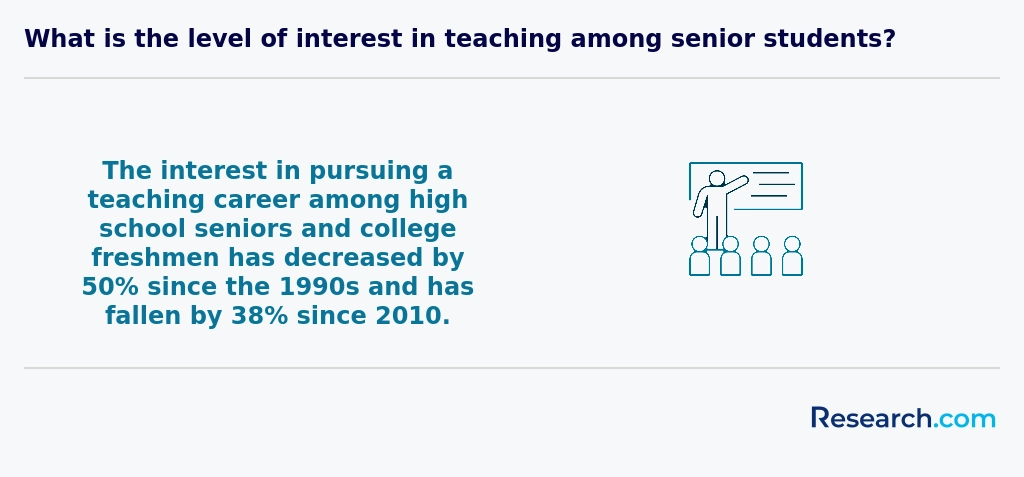
If you're considering an education degree career options in Baton Rouge, know that the possibilities extend far beyond becoming a traditional classroom teacher. Graduates from popular universities like Louisiana State University often find rewarding roles not only as K-12 teachers but also as school counselors, education administrators, and curriculum specialists. Many graduates describe feeling inspired by their practicum experiences, where working firsthand in Baton Rouge's diverse school settings nurtured their passion for supporting students' academic and emotional growth.
Teaching and education jobs Baton Rouge also include specialized positions such as special education teachers and instructional coordinators. Some graduates choose to impact adult learners or shift into corporate training roles, demonstrating how versatile an education degree can be. For those eager to start their journey quickly, programs that enable you to get associate's degree online fast provide accessible pathways into these careers. The vibrant educational community here encourages graduates to pursue meaningful, locally impactful work that shapes future generations.
The job market for education degree graduates in Baton Rouge offers steady demand and real opportunity, especially for those emerging from renowned institutions like Louisiana State University and Southern University. Graduates often find rewarding roles across public schools, private institutions, and community education programs, reflecting the region's varied educational landscape. Many have shared how their hands-on experiences during their studies prepared them to meet local demands in special education or bilingual classrooms, where talented educators are highly sought after.
Understanding the Baton Rouge education degree career outlook means recognizing the importance of certification and degree completion. Public schools require state certification, and those who earn advanced degrees or specialized credentials tend to see sharper salary growth and more stability. Beginning salaries usually fall between $40,000 and $45,000, with experienced teachers reaching about $60,000, making it a viable career path for long-term growth and security.
If you're considering how to start your journey, exploring the best degrees for older adults online can provide flexible learning options while you prepare to join this fulfilling profession in Baton Rouge.
2027 Most Affordable Education Degree Programs Ranking in Baton Rouge
Investing in your education is a significant decision that can profoundly impact your future, and the Research.com team is fully aware of the importance of making well-informed choices. To support prospective students in Baton Rouge, we have carefully developed the "2027 Most Affordable Education Degree Programs Ranking in Baton Rouge." Our dedication to quality, credibility, and accuracy is demonstrated through the thorough research and rigorous analysis undertaken to produce this ranking.
We utilized the following reputable data sources to ensure a comprehensive evaluation of education degree programs:
By exploring this ranking, readers will gain valuable insights into the most affordable and high-quality education degree programs in Baton Rouge, empowering them to make informed decisions about their academic and financial futures. For more information about how this ranking was created, please visit our Research.com methodology page.

# 4 position
Louisiana State University and Agricultural & Mechanical College
Bachelor of Science in Education

# 5 position
Louisiana State University and Agricultural & Mechanical College
Master of Arts in Teaching
Frequently Asked Questions About education
Education degree students in Baton Rouge can maximize their learning experience by actively engaging with local schools through internships and practicum placements. Louisiana State University and Southern University both offer accredited programs that emphasize hands-on teaching experience, which research shows significantly improves skill retention and job readiness. Students should also take advantage of tutoring centers and peer study groups often available on campus to reinforce coursework.
Participating in workshops and networking events hosted by organizations like the Baton Rouge Teacher Mentorship Program helps build professional connections. According to the Louisiana Board of Elementary and Secondary Education, such involvement correlates with higher employment rates post-graduation. Utilizing digital resources and Louisiana's state education standards further ensures students meet current educational requirements.
The education field is expanding into several emerging niches that are gaining attention in Baton Rouge and across the U.S. One significant area is educational technology, where professionals design tools and platforms that enhance learning. This niche is growing as schools increasingly adopt digital resources.
Special education remains critical, with new focuses on autism spectrum disorders and inclusive teaching strategies. Louisiana's Department of Education highlights rising demand for specialists in these fields.
Another developing niche is social-emotional learning (SEL), which supports student mental health and interpersonal skills. SEL programs are becoming integral in Baton Rouge schools to improve student outcomes.
Lastly, bilingual education and cultural competence are notable, reflecting Baton Rouge's diverse population and the need for educators skilled in multilingual instruction.
Graduates with education degrees in Baton Rouge should begin preparing for the job market early. According to the Louisiana Department of Education, the local region experiences steady demand for qualified teachers, especially in STEM and special education fields. Gaining practical experience through student teaching or internships is crucial, as most school districts require this prior to employment. Networking with local educators and attending job fairs hosted by Baton Rouge schools can increase job prospects. Additionally, obtaining necessary state certifications after graduation is mandatory for teaching positions in Louisiana public schools. Staying informed about district-specific requirements helps smooth the transition into the workforce.
Employers in Baton Rouge highly value education degree graduates who demonstrate strong classroom management skills. According to the Louisiana Department of Education, effective behavior management directly correlates with improved student outcomes across the state's schools.
Communication abilities are also essential. Graduates must interact clearly with students, parents, and colleagues to foster a positive learning environment. Local school districts emphasize cultural competency due to Baton Rouge's diverse student population, making sensitivity an important skill.
In addition, proficiency in using educational technology is increasingly critical. The Baton Rouge community colleges report a growing demand for teachers adept at integrating digital tools to enhance instruction.
Data-driven decision making is another top skill, supporting lesson planning and student assessments. These capabilities prepare teachers to meet state education standards and improve academic achievement effectively.
Finding internships in Baton Rouge for education degree students involves leveraging local resources and university partnerships. Louisiana State University (LSU) and Southern University offer career services that connect education majors with Baton Rouge schools and community programs. These internships provide practical teaching experience required for state teacher certification.
Students should also explore the East Baton Rouge Parish School System, which frequently offers internships and student teaching placements. According to the Louisiana Department of Education, gaining hands-on classroom experience strengthens credentials and employability in the region.
Networking through local education conferences and organizations like the Louisiana Association of Educators can further uncover opportunities. Utilizing online platforms such as Handshake, provided by many Baton Rouge universities, helps locate internship listings tailored to education fields.
In Baton Rouge, obtaining an education degree significantly enhances career mobility and advancement opportunities within the local job market. According to the Louisiana Department of Education, nearly 70% of K-12 teaching positions require at least a bachelor's degree in education, making this credential essential for entry into public schools. Beyond initial employment, educators with advanced degrees or certifications often qualify for higher salaries and leadership roles such as instructional coaches or administrators. Data from the U.S. Bureau of Labor Statistics shows that education-related job growth in the Baton Rouge area remains steady, increasing the value of formal qualifications for career progression.
Additionally, local school districts frequently prioritize candidates with education degrees due to their preparation in curriculum development and student engagement strategies. Programs at institutions like Louisiana State University provide graduates with nationally recognized credentials, further facilitating mobility across various educational settings. Overall, an education degree in Baton Rouge opens doors to diverse career pathways, offering both stability and potential for upward movement within the education sector.
Studying for an education degree in Baton Rouge equips students with skills that extend beyond traditional teaching, preparing them for interdisciplinary roles in various educational settings. Programs often integrate coursework from psychology, sociology, and technology, reflecting the complex demands of modern education. For example, Louisiana State University emphasizes collaborative projects and community engagement, which foster the ability to work across fields.
Many Baton Rouge institutions offer practicum experiences in diverse environments, including special education and curriculum design, promoting adaptability. The Louisiana Board of Elementary and Secondary Education reports that graduates with interdisciplinary training are increasingly favored in administrative and policy roles. This broad approach equips students to address educational challenges holistically.
Choosing between a thesis and a non-thesis education degree in Baton Rouge involves understanding your career goals and learning preferences. Thesis programs usually require original research and a formal paper, preparing graduates for roles in academia or advanced research positions.
Non-thesis options often focus on practical skills and coursework, suitable for educators seeking leadership roles or certification without a heavy research requirement. For example, Louisiana State University in Baton Rouge offers both paths, with thesis tracks typically lasting longer due to research demands.
Consider your timeline, interest in research, and future job market; the Bureau of Labor Statistics notes teacher leadership roles growing by 8% nationwide, increasing demand for applied skills.
Students in Baton Rouge seeking education degrees with an abroad experience have several pathways through U.S. institutions. Louisiana State University (LSU), the primary university in Baton Rouge, offers study abroad programs that can complement education degrees. These programs often include partnerships with universities in Europe, Latin America, and Asia, allowing students to gain global perspectives on teaching methods and educational policy.
Many education students opt for semester-long exchange programs or summer sessions overseas. According to LSU's Office of International Programs, approximately 150 education students participate annually in such experiences, enhancing their cross-cultural competencies.
Additionally, Baton Rouge students can enroll in programs that offer international internships or service opportunities in education. These options help fulfill degree requirements while encouraging a deeper understanding of global education challenges.
Part-time job opportunities in Baton Rouge that complement an education degree are varied and valuable for practical experience. Many students find work as teacher's aides or paraprofessionals in local public schools, where they support classroom instruction and student engagement. According to the Louisiana Department of Education, these roles provide hands-on learning aligned with education theory.
Another option is tutoring, either privately or through organizations such as the East Baton Rouge Parish Library system, which often hires tutors to assist with literacy programs. These roles enhance communication skills and deepen content knowledge.
Working as a substitute teacher is also common, allowing students to gain full classroom management experience. The East Baton Rouge School System regularly accepts substitute teachers with minimal certification requirements, making this accessible for those pursuing education degrees.
Finally, positions in after-school programs or childcare centers provide additional interaction with children and help develop leadership skills useful for future educators. Overall, these jobs offer practical, professional benefits for education students in Baton Rouge.
Education students in Baton Rouge benefit from numerous networking opportunities connected to the city's strong academic and professional communities. Louisiana State University (LSU), the state's flagship institution, hosts several education-related organizations and career fairs that attract local school districts and national employers. These events provide valuable face-to-face connections for future educators.
Students can also join professional groups like the Louisiana Association of Educators, which offers workshops, conferences, and mentoring programs aimed at fostering partnerships and career growth. Additionally, Baton Rouge's public and private schools frequently collaborate with universities, creating internships and practicum placements important for hands-on experience and networking.
Alumni networks play a significant role for education degree students in Baton Rouge. These networks connect current students with graduates who have real-world teaching experience in local schools. According to research by the Louisiana Board of Regents, Baton Rouge alumni associations often host job fairs and workshops, increasing employment opportunities for students.
Membership in these networks provides mentorship, helping students navigate certification processes and classroom challenges. Many Baton Rouge universities report that over 60% of their education graduates find teaching positions through alumni referrals. Additionally, alumni connections facilitate access to professional development resources and continuing education.
In Baton Rouge, students can customize their education degree programs by selecting concentrations or specializations that align with their career goals. Many universities in the area, such as Louisiana State University, offer options like early childhood education, special education, or educational leadership. This allows students to gain targeted skills relevant to their intended careers.
Students can also tailor their practicum or student teaching experiences by choosing schools or districts that match their career interests. Additionally, some programs provide flexible course scheduling and online classes to accommodate working professionals. According to the Louisiana Board of Regents, over 60% of education students pursue such specialized tracks to better prepare for local job markets.
Education students in Baton Rouge often face several challenges during their degree programs. One common difficulty is balancing fieldwork and coursework, as students must complete practicum hours in local schools while maintaining academic performance. According to the Louisiana Board of Regents, managing time effectively is critical to success in these programs.
Additionally, many students encounter financial pressures. Tuition and fees at institutions like Louisiana State University can strain budgets, especially without extensive financial aid options. Research by the Baton Rouge Area Chamber highlights that around 35% of education students work part-time jobs to support themselves.
Another challenge is adapting to diverse classroom environments in Baton Rouge's urban schools. Exposure to varied student needs requires strong cultural competence and classroom management skills, which can be demanding for novices. Faculty emphasize the importance of mentorship and practical training to address these issues effectively.
With an education degree in Baton Rouge, graduates can pursue several professional certifications to enhance their teaching careers. One common option is obtaining Louisiana state teaching certification, which qualifies individuals to teach in public schools across the state. This certification requires passing the Praxis exams and completing a background check.
Specialty certifications are also available, such as those in special education, English as a Second Language (ESL), and reading instruction. These can improve job prospects and salary potential.
Additionally, local institutions like Louisiana State University offer pathways to advanced certifications aligned with state standards, supporting continuous professional development.
Writing a winning application for an education program in Baton Rouge requires clear focus and preparation. Start by thoroughly researching local universities like Louisiana State University, which offers accredited education degrees recognized statewide.
Highlight relevant academic achievements and practical experience, such as any volunteer work or internships in schools. Given Baton Rouge's growing demand for qualified teachers, demonstrating a commitment to community engagement can strengthen your application.
Personalize your statement of purpose to explain why you want to study education in Baton Rouge, referencing local educational challenges or goals. Including up-to-date test scores and strong letters of recommendation also improves your chances.
Lastly, maintain accuracy and professionalism throughout all documents, as universities here carefully evaluate written communication skills.
The global perspective on a career in education reflects both opportunities and challenges shaped by diverse cultural and economic contexts. In the United States, including Baton Rouge, education degrees are highly valued for their role in shaping future generations and improving community outcomes. According to the National Center for Education Statistics (NCES), teacher demand in Louisiana is expected to grow by 7% from 2020 to 2030, a trend reflecting nationwide needs.
Internationally, countries prioritize education differently, impacting career paths and job security. For Baton Rouge students, understanding global standards, such as UNESCO's focus on inclusive education, offers a broader view of potential impact.
Additionally, earning an education degree in Baton Rouge can open doors to diverse roles like administration, counseling, and curriculum design, reflecting global career adaptability. The region's education programs often incorporate comparative studies emphasizing global learning trends and classroom technologies, preparing graduates for both local and international careers.
Gaining practical experience is essential while pursuing an education degree in Baton Rouge. Many local universities, including Louisiana State University, offer student teaching placements in nearby K-12 schools. This hands-on experience allows you to apply classroom theories in real settings under the supervision of certified teachers.
Additionally, Baton Rouge's school districts often collaborate with universities to provide internships and mentorship programs. These opportunities help students develop classroom management and lesson planning skills.
According to the Louisiana Department of Education, student teachers must complete a minimum 12 weeks of classroom experience, ensuring considerable exposure before certification.
Volunteering during semesters is another way to build skills and a professional network within Baton Rouge's education community.
Choosing the right concentration within an education degree program in Baton Rouge involves understanding your career goals and local educational needs. Baton Rouge, home to institutions like Louisiana State University, offers concentrations such as elementary education, special education, and educational leadership. Employment in education-related fields in Louisiana is expected to grow by about 6% through 2030, according to the U.S. Bureau of Labor Statistics, highlighting the importance of selecting an in-demand specialization.
Research local K-12 school district priorities and teacher shortages for insight. For example, special education remains a high-need area nationwide and regionally. Consider program accreditation and whether the concentration supports required certification in Louisiana. Speak with academic advisors and review course offerings to find a concentration matching your passion and the community's needs.
- 2027 Most Affordable Education Degree Programs Ranking in Mobile
- 2027 Most Affordable Education Degree Programs Ranking in Houston
- 2027 Most Affordable Education Degree Programs Ranking in Montgomery
- 2027 Most Affordable Education Degree Programs Ranking in Memphis
- 2027 Most Affordable Education Degree Programs Ranking in Birmingham
- 2027 Most Affordable Education Degree Programs Ranking in Austin
- 2027 Most Affordable Education Degree Programs Ranking in Tallahassee
- 2027 Most Affordable Education Degree Programs Ranking in San Antonio
- 2027 Most Affordable Education Degree Programs Ranking in Atlanta
- 2027 Most Affordable Education Degree Programs Ranking in Nashville
See What Experts Have To Say About Studying Education
Read our interview with Education experts

Nooshan Ashtari
Education Expert
Professor & Book Author
University of Southern California

Alan J. Singer
Education Expert
Professor of Teaching, Learning and Technology
Hofstra University

- Networking For Educators: How To Grow A Professional Circle - Carlow University https://www.carlow.edu/networking-for-educators/
- Education degree - Tłumaczenie po angielsku - Słownik angielsko-polski Diki https://www.diki.pl/slownik-angielskiego
- Top 10 Effective Networking Tips for Students https://www.unfc.ca/blog/networking-tips-for-students
- Know more about thesis vs non- thesis: what is the difference? https://studyfans.com/en/blogs/816
- Teaching Degree Requirements in 2023 | Teachers of Tomorrow https://www.teachersoftomorrow.org/blog/insights/teaching-degree-requirements/
- Financial Aid - Baton Rouge LA Colleges https://deltacollege.com/financial-aid
- Education Study Abroad Programs | Go Overseas https://www.gooverseas.com/study-abroad/education
- EDUCATION AS A KEY IN CAREER BUILDING https://journals.vilniustech.lt/index.php/JBEM/article/download/15399/10674
- How to Pick Your Concentration for Your M.Ed. Degree | ACE Blog https://ace.edu/blog/how-to-pick-your-med-concentration/
- Teaching Jobs in Greater Baton Rouge | Teach For America https://www.teachforamerica.org/careers/teaching-jobs-by-region/greater-baton-rouge


