2027 Fastest Online Master's in Education Degree Programs Ranking in Oregon

Co-Founder and Chief Data Scientist
Choosing the right master's program in education can shape your future in meaningful ways. This article introduces the 2027 Fastest Online Master's in Education Degree Programs Ranking in Oregon, created by the Research.com team of data scientists to help you make an informed decision.
Whether you're advancing your career or starting fresh, this ranking highlights programs that combine quality with efficiency.
Explore options that fit your goals and lifestyle, and embrace the opportunity to grow professionally while impacting education in Oregon.
Key benefits of getting online education degree in Oregon
- Salary for education degree graduates: Graduates can expect strong earning potential, such as Education Managers with a mean annual wage of $129,330 and Education Program Managers earning around $104,920.
- Career paths: An education grad from the University of Oregon might pursue roles like Curriculum Specialist, Education Consultant, or Higher Education Professor, offering diverse opportunities in schools, colleges, and training organizations.
- Benefits of online degrees: Online education degrees from institutions like Oregon State University provide flexible schedules and the ability to balance work and study, making it easier to advance without disrupting your life.
- 2027 Fastest Online Master's in Education Degree Programs Ranking in Oregon
- What can I expect from online education degree in Oregon?
- Where can I work with online education degree in Oregon?
What can I expect from online education degree in Oregon?
The average cost of an online education degree in Oregon typically ranges between $15,000 and $30,000 for the entire master's program. This investment opens doors to flexible learning designed to fit around busy schedules, especially for working professionals and parents. Many graduates from institutions like Oregon State University Ecampus share how affordable and accessible their programs were, allowing them to balance study with daily responsibilities without relocating.
These programs often provide financial aid options, including federal loans and employer tuition reimbursement, making the journey even more achievable. Imagine progressing through interactive virtual classrooms, engaging with passionate faculty, and collaborating with peers from across the state-all without sacrificing work or family time.
By choosing a respected Oregon school with accreditation from NWCCU, students feel confident their education meets high standards, easing the path toward certification and rewarding careers. Many graduates find this combination of value, flexibility, and quality creates a truly empowering experience for achieving their professional dreams.
Where can I work with online education degree in Oregon?
Graduates with an online education degree in Oregon find rewarding opportunities in diverse settings, fueling their passion for shaping future generations. Many step into teaching roles in public and private schools across the state, addressing vital needs in subjects like special education, science, and math. Imagine a graduate from a well-known Oregon university confidently leading a classroom with innovative methods learned through their online program.
Others thrive beyond the classroom as educational coordinators or curriculum developers, designing programs that enhance learning experiences in Oregon's forward-thinking schools. Colleges such as Oregon State University and Portland State University offer online master's programs that prepare students for impactful roles in academic advising or student support, where graduate success stories highlight how these roles build strong communities.
The growing demand for expertise in virtual learning opens doors for graduates as e-learning specialists, helping schools transition smoothly into digital education. Taking on leadership roles like principal or assistant principal is also within reach, inspiring graduates to support educators and students alike with confidence and purpose.
Additionally, community programs and nonprofits rely on education graduates to lead adult education and workforce training initiatives, enabling lifelong learning across Oregon. These career paths reflect the bright, meaningful futures awaiting those dedicated to education in the state.
Graduates with online education degrees in Oregon often find rewarding career paths with encouraging salary prospects. Elementary, middle, and high school teachers can expect yearly earnings ranging from $53,000 to about $67,000, with experienced teachers, especially those holding master's degrees, easily surpassing $70,000 in districts statewide. This increase reflects the real impact of earning an advanced degree from well-regarded institutions like Portland State University or the University of Oregon, where many students balance flexible online coursework while working.
Graduates who pursue specialized roles often achieve even higher salaries. For example, curriculum specialists earn a mean annual wage near $77,200, while education consultants can reach approximately $95,600. Those stepping into leadership roles such as education program managers and education managers enjoy salaries near $105,000 and $129,330 respectively, showcasing the value Oregon employers place on advanced education and real-world experience.
Many online graduates describe their journey as empowering, gaining credentials that open doors to these higher-paying, impactful careers. The growing demand for education professionals in Oregon means your degree not only equips you with knowledge but also positions you for a bright future in a thriving job market.
- Online master's programs in education in Oregon are offered by accredited institutions with options for working professionals and recent graduates.
- Tuition costs typically range from $15,000 to $30,000, with lower rates for in-state residents at public universities.
- Starting salaries for education graduates in Oregon usually range from $45,000 to $55,000 annually, rising to a median of $70,000 to $75,000 with experience.
- There is steady demand for teachers in special education, STEM fields, and early childhood education due to student population growth and state education policies.
- Licensing requires programs approved by the Oregon Teacher Standards and Practices Commission, often including some in-person components despite being mostly online.
- Financial aid, scholarships, accelerated tracks, and part-time options are commonly available to help reduce costs and support working students.
Completing an online education degree in Oregon can be a rewarding journey that fits your unique lifestyle and goals. Many graduates from well-known institutions like Portland State University or Oregon State University share how they completed their bachelor's degrees in about four years, balancing studies with work and family life. For those pursuing a master's degree, the flexibility is inspiring-some finish in as little as 12 to 18 months through accelerated programs, while others appreciate the option to progress at their own pace via asynchronous courses.
This tailored pace means you can design your education experience to match your commitment level and personal needs. Imagine studying evenings or weekends while advancing your career, motivated by the support from Oregon's regional universities.
These programs often allow transfer credits or prior professional experience to shorten your timeline, helping you get closer to your dreams faster. Whether you prefer a cohort experience or independent study, Oregon's online education degrees encourage you to thrive on your terms.
In Oregon, choosing between online and on-campus education degrees opens different doors to success. Online learners often cherish the freedom to study whenever and wherever it suits them, balancing family, work, and school with ease. Graduates from programs offered by institutions like Oregon State University share how this flexibility empowered them to grow both personally and professionally without pause.
On-campus students at schools such as the University of Oregon experience vibrant classrooms and hands-on practicum that bring education to life. They build strong connections with professors and peers, creating a rich network for future opportunities. Many find this immersion sparks inspiration and deepens their teaching skills.
Both paths share respected regional accreditation, ensuring your degree holds value across Oregon and beyond. Whether you thrive in the dynamic classroom or prefer the adaptable online environment, Oregon's diverse education programs are designed to support your unique journey toward becoming a confident, effective educator.
The average cost of an online education degree in Oregon offers an accessible path for many aspiring educators. Graduates from public universities in Oregon often find that in-state tuition balances quality with affordability, typically averaging around $17,680 for a complete degree. This cost is a solid investment that opens doors to enriching careers in education, especially as it compares favorably to national expenses.
Many students at well-known Oregon institutions share stories of how their manageable tuition helped them focus on their passions, not just finances. The in-state tuition rates allow them to pursue comprehensive programs without the heavy burden of overwhelming debt. This is especially true for those enrolling in an online master's in education, tuition fees for which generally reflect this accessible range, making the dream of becoming a skilled educator more attainable.
While private university tuition in Oregon may be higher, some students appreciate the specialized opportunities those programs offer. Scholarships, grants, and financial aid available throughout the state also brighten the prospect of earning a degree by reducing the overall cost.
Students who explore options thoughtfully can also find valuable resources and insights through programs that highlight the top paying 6 month certificate programs, helping them plan financially while advancing their qualifications in education. These resources empower them to turn their passion into a thriving career in a supportive, practical way.
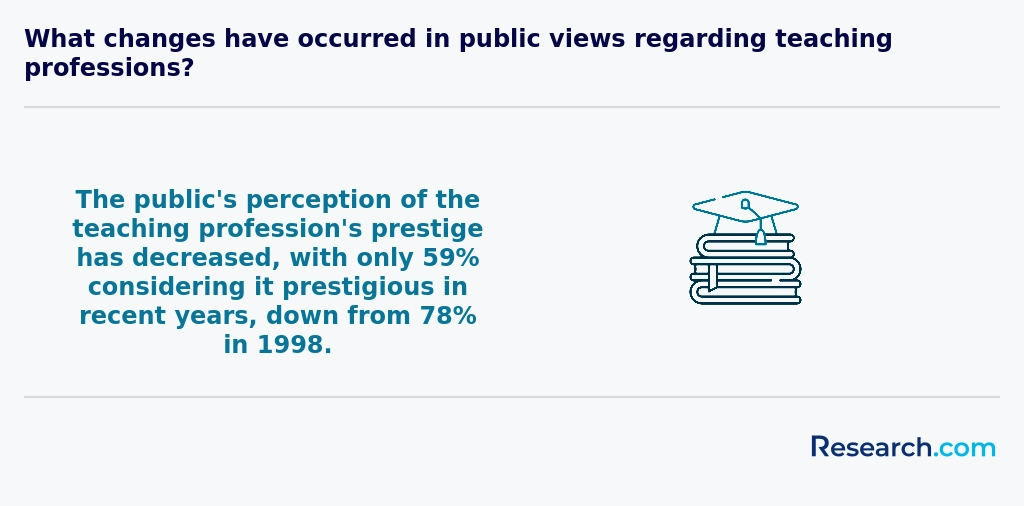
Pursuing an online education degree in Oregon unlocks access to a variety of powerful financial aid options designed to ease your journey. Many students find that federal aid, including Pell Grants with awards up to $7,395, provides essential support that requires no repayment. Graduates from Oregon State University often highlight how these grants gave them the confidence to focus fully on their studies without financial stress.
State-specific aid like the Oregon Opportunity Grant, averaging $3,300 annually, offers a crucial boost for Oregon residents, especially when combined with federal support. Imagine attending the University of Oregon, receiving this grant, and making your dream of becoming an educator a reality.
- Scholarships from Oregon universities, both merit- and need-based, have helped many online students significantly reduce their tuition burden and stay motivated.
- The TEACH Grant provides up to $4,000 annually for those committed to serving in high-need or low-income schools, reflecting a meaningful investment in your future career.
- Employer tuition assistance programs are a valuable option for working professionals balancing career and education.
By early FAFSA completion and proactive collaboration with your school's financial aid office, you can unlock these resources to make your education in Oregon affordable and empowering.
To embark on your journey toward an online education degree in Oregon, you'll need a few key prerequisites that set the foundation for success. Most programs, including those at well-regarded institutions like Portland State University or Oregon State University, ask for a bachelor's degree from an accredited school. This ensures you come prepared with a solid academic background, much like recent graduates who share how their undergraduate studies opened doors to deeper learning.
A minimum GPA of around 3.0 often reflects your commitment and readiness, helping you stand out as a motivated learner ready to embrace new challenges. Official transcripts verifying your academic achievements are a must, offering a clear picture of your educational journey.
Professional experience in education can make your application shine, especially for leadership tracks. Graduates often recount how their hands-on roles in classrooms or administration added real-world insight, boosting their confidence and enriching their online studies.
For certification-focused paths, Oregon's Teacher Standards and Practices Commission requires background checks, a vital step ensuring safety and integrity in schools.
Finally, personal statements and recommendation letters provide compelling glimpses into your passion and dedication, just as many Oregon education students have found these pieces essential in telling their unique stories.
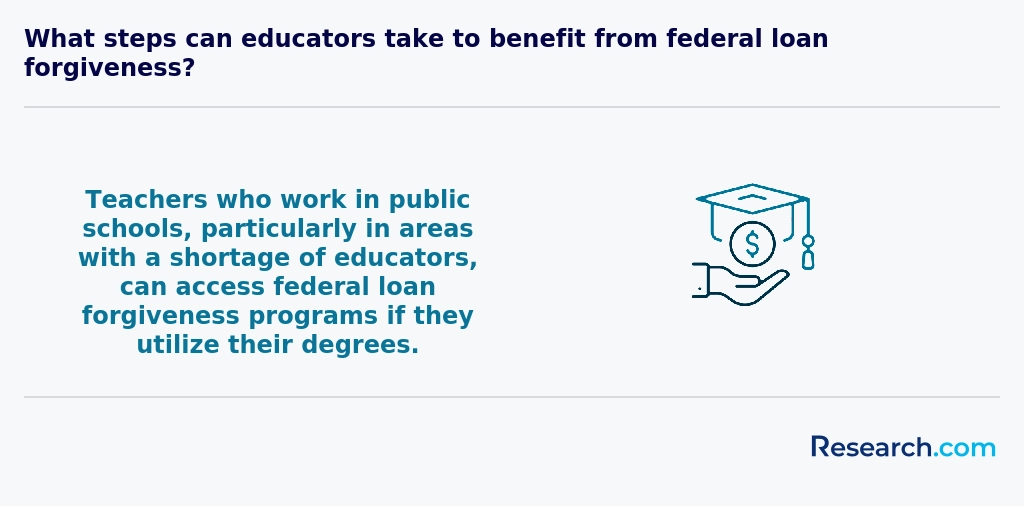
Students pursuing online education degrees in Oregon dive into inspiring courses that build both knowledge and confidence as future educators. At well-regarded regional universities, graduates often recall how Foundations of Education helped them grasp the rich history and essential policies shaping schools today, making classroom challenges feel manageable and meaningful.
Courses like Classroom Management and Instructional Strategies give practical, real-world tools to create engaging, positive learning environments, a skill praised by many graduates who transitioned smoothly into teaching roles.
Understanding student minds through Educational Psychology empowers students to connect deeply with diverse learners, while Technology Integration in Education equips them to confidently use digital tools, especially crucial for teaching in both physical and virtual classrooms popular in Oregon's education landscape.
Specialized courses such as Special Education Law and Practices and Culturally Responsive Teaching foster inclusive mindsets, reflecting Oregon's commitment to equity-a highlight for graduates passionate about making a difference in diverse communities statewide.
Online education degree specializations in Oregon open doors to transformative careers designed to inspire and empower. Graduates from well-known institutions like Portland State University and the University of Oregon often choose Curriculum and Instruction to craft innovative teaching methods that truly engage students in the classroom. Those drawn to leadership find Educational Leadership and Administration rewarding, preparing to become visionary principals or district leaders shaping the future of schools across Oregon's diverse communities.
Many graduate stories highlight the impact of Special Education specialization, where educators gain essential skills to support learners with disabilities, making a profound difference in inclusive classrooms. Oregon's vibrant cultural landscape fuels demand for specializations like English as a Second Language (ESL) and Reading and Literacy, empowering graduates to bridge language gaps and build strong foundations in reading for young learners. By exploring these options, students embrace flexible pathways tailored to their passions and professional goals.
For those balancing busy lives, affordable tuition and financial aid make pursuing an education degree accessible, with programs often costing less than national averages. Consider exploring the best 6-month online associate degree programs to find streamlined, impactful routes into education careers.
When choosing the best online education degree programs Oregon offers, start by focusing on what truly matters to you-quality and alignment with your goals. Graduates from popular Oregon universities often share how the accreditation by CAEP or NWCCU gave them confidence that their degrees hold value in classrooms across the state. Imagine yourself gaining specialized skills in areas like educational leadership or TESOL, tailored to Oregon's unique teaching standards.
Many find that selecting programs with flexible schedules, such as asynchronous coursework, empowers them to balance family life and work while pursuing an affordable master's in education Oregon institutions provide. For example, some graduates highlight how distance learning options at local colleges helped them complete their degrees without relocating or sacrificing income.
Don't overlook cost-saving opportunities and financial aid when exploring degree options. Exploring options like scholarships can ease your path to success. Those seeking quicker pathways can benefit from exploring resources on accelerated programs, including accelerated associate degree opportunities that make education more accessible.
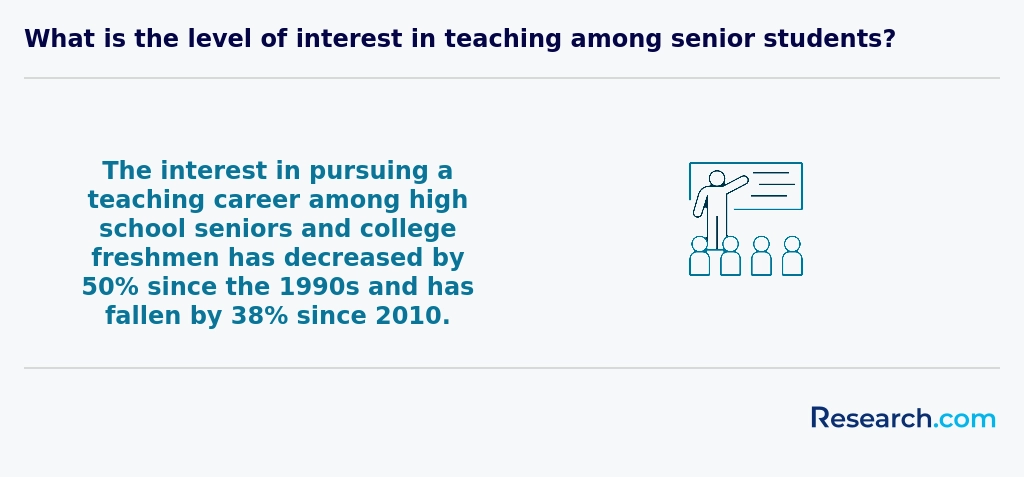
Graduates with an online education degree in Oregon find rewarding pathways in teaching, administration, and educational technology. Many from universities like the University of Oregon have stepped confidently into teaching jobs with online degree Oregon credentials, inspiring young minds in public and private schools across the state. These educators bring passion and innovation to classrooms, specializing in subjects from math to special education, influencing the next generation with enthusiasm.
Others pursue leadership roles such as school counselors or principals, where they shape educational policies and foster supportive learning environments. Graduates from Oregon State University often share how their online degree empowered them to confidently navigate these important roles, positively impacting entire school communities.
The expanding digital landscape in Oregon schools also creates exciting opportunities for educational technology specialists and instructional coordinators. Online programs equip graduates with skills needed to lead tech integration and promote effective teaching tools.
Whether you dream of guiding students one-on-one or advancing educational innovation, pursuing your degree in Oregon opens doors to certifications that pay well and career satisfaction.
The job market for online education degree holders in Oregon is vibrant and growing, offering many exciting opportunities. Graduates from institutions like Portland State University and the University of Oregon often share how their flexible online programs allowed them to balance work and family while preparing for rewarding careers in teaching, administration, or curriculum development. Demand for educators, especially middle and high school teachers, is expected to rise by around 7% through 2032, making it a promising path for anyone pursuing an education degree in Oregon.
Oregon's commitment to integrating technology in classrooms means those with skills in virtual instruction are highly sought after. Many online education degree graduates find themselves leading innovative digital learning initiatives in both urban and rural districts, enhancing student engagement and success. With competitive salaries ranging from $50,000 to $70,000 and state incentives cultivating new teaching talent, the Oregon job market for education graduates is full of possibility.
For those considering this field, exploring options among popular universities equips them with cutting-edge expertise and the confidence to thrive. Prospective students can also discover related college majors that complement their goals and expand their career potential.
2027 Fastest Online Master's in Education Degree Programs Ranking in Oregon
Investing in your education is a significant decision that can shape your future, and the Research.com team understands the importance of making informed choices. To assist prospective students in Oregon, we have carefully developed the "2027 Fastest Online Master's in Education Degree Programs Ranking in Oregon." Our dedication to quality, credibility, and accuracy is demonstrated through rigorous research and analysis performed to create this ranking.
We utilized the following reputable data sources to ensure a comprehensive evaluation of online master's in education programs:
By exploring this ranking, readers will gain valuable insights into the fastest online master's in education degree programs in Oregon, empowering them to make well-informed decisions about their educational journeys. For more details on our methodology, please visit our Research.com methodology page.


Frequently Asked Questions About education
Online education degree students in Oregon can maximize their learning by actively engaging with their course materials and instructors. Research shows that students who regularly participate in online discussions tend to perform better. Oregon has several accredited institutions offering flexible programs, allowing students to balance work and study effectively. Utilizing campus resources virtually, such as tutoring and advising services, can boost academic success. Setting a consistent study schedule helps maintain discipline, especially given the 27.2% increase in Oregon residents pursuing online degrees since 2020, according to the Oregon Higher Education Coordinating Commission.
Emerging niches within the education field in Oregon reflect broader national trends combined with local needs. One key area is educational technology, where professionals design and implement digital tools to enhance learning. Oregon's push for remote learning options has accelerated demand in this niche. Another growing field is special education, especially programs focusing on inclusive practices for students with disabilities. According to Oregon Department of Education data, teacher shortages in these areas highlight opportunities for specialized educators.
Additionally, culturally responsive teaching methods are gaining attention as schools serve more diverse populations. Online degrees increasingly offer coursework in these subject areas to prepare educators for evolving challenges in K-12 and higher education settings.
After earning an online education degree in Oregon, preparing for the job market involves several practical steps. First, graduates should obtain Oregon teaching licensure or certification, as it is required for most public school educator positions. The Oregon Teacher Standards and Practices Commission (TSPC) provides clear guidance on licensure routes and requirements.
Networking is essential. Joining local education associations like the Oregon Education Association (OEA) can connect new educators to job openings and professional development.
Additionally, gaining classroom experience through student teaching or substitute teaching increases employability. Oregon's education job market highlights a growing demand for teachers, especially in rural areas, according to the Oregon Employment Department.
Employers in Oregon prioritize strong communication skills in education degree graduates, as effective interaction with students, parents, and colleagues is essential. According to the Oregon Department of Education, collaboration and teamwork abilities are also highly valued, reflecting the increasing emphasis on inclusive and cooperative learning environments. Additionally, data from the National Center for Education Statistics highlights that adaptability and proficiency with educational technology are crucial, especially for those entering online or hybrid teaching roles. Critical thinking and classroom management remain foundational skills, ensuring graduates can create positive, productive learning spaces. These competencies together prepare educators to meet Oregon's diverse student needs effectively.
Finding internships in Oregon relevant to an education degree involves leveraging local school districts, higher education institutions, and online platforms. Many Oregon universities with online education programs, such as Oregon State University and University of Oregon, provide dedicated internship placement assistance as part of their curriculum.
Additionally, the Oregon Department of Education maintains partnerships with K-12 schools statewide, offering internship and practicum opportunities essential for certification. Students can explore these options on the department's website or contact local districts directly.
Online job portals like Handshake and regional boards often list education internships available throughout Oregon. Networking through professional organizations such as the Oregon Education Association also increases access to practical work experiences.
Obtaining an online education degree in Oregon can significantly improve career mobility and advancement opportunities. According to the Oregon Employment Department, educators with advanced degrees often experience a 10-15% higher employment rate compared to those with only a bachelor's degree. Online degrees offer flexibility for working professionals, making it easier to pursue further qualifications without interrupting their careers.
Many Oregon school districts offer salary increases and leadership opportunities to teachers holding master's degrees. Additionally, a 2023 report from the Oregon Department of Education showed that 65% of administrators and instructional coaches hold advanced education degrees, highlighting their role in career advancement.
Online education degrees can also prepare candidates for specialized roles such as curriculum design or educational technology, fields increasingly in demand within Oregon schools. The ability to obtain credentials remotely ensures accessibility for a wider range of individuals, supporting long-term career growth within the state's education system.
Studying for an education degree online in Oregon equips students with skills applicable across multiple disciplines. Oregon's education programs emphasize collaboration, critical thinking, and culturally responsive teaching, preparing graduates for varied roles beyond traditional classrooms.
Many universities in Oregon, including public institutions, incorporate interdisciplinary coursework linking education with psychology, technology, and social services. According to the Oregon Higher Education Coordinating Commission, integrated curricula help foster adaptability in complex learning environments.
Furthermore, Oregon's diverse population encourages future educators to develop competencies in serving various communities, enhancing their value in interdisciplinary settings such as educational policy, counseling, and administration.
When choosing between a thesis and a non-thesis education degree program in Oregon, consider your career goals and learning preferences. A thesis program requires conducting original research and writing a substantial paper, which is ideal for students planning to pursue a doctorate or roles in academic research.
Non-thesis programs focus more on practical skills and coursework, making them suitable for those aiming to advance in teaching or administrative positions. Oregon universities offering online education degrees often report that non-thesis options provide more flexible, accelerated paths for working professionals (Oregon Higher Education Coordinating Commission, 2023).
Cost and time commitment also differ; thesis programs typically take longer and may require additional faculty mentorship. Evaluate these factors carefully when deciding.
Students based in Oregon who want to study education abroad have several options through US institutions offering online degrees with international components. Many Oregon students enroll in accredited online master's programs that include virtual exchanges, internships, or study-abroad partnerships with universities worldwide. According to the Oregon Office of Student Access and Completion, nearly 15% of education graduate students participate in programs featuring global learning opportunities.
Some online programs provide hybrid models with brief residencies overseas, combining flexibility with immersive experiences. Additionally, Oregon students can benefit from federal financial aid eligibility when attending regionally accredited institutions, making international study more accessible financially. While direct study-abroad in a foreign university is less common online, virtual global curricula continue to expand.
Part-time job opportunities in Oregon that complement education degree studies are plentiful, especially for those pursuing online programs. Many students find roles as teacher assistants or paraprofessionals in K-12 schools, helping support classroom teachers while gaining valuable hands-on experience. According to the Oregon Department of Education, there were over 15,000 paraprofessionals statewide in 2023.
Another common job is tutoring, either through schools or private agencies, which allows students to deepen their instructional skills. Some also work as substitute teachers, which requires a permit but offers flexible hours and exposure to different classroom environments.
School libraries and after-school programs also frequently hire part-time staff, providing further experience working with children and educational materials.
Online education students in Oregon have several networking opportunities despite the remote nature of their studies. Many Oregon universities offering online master's degrees in education facilitate virtual events, webinars, and discussion forums. These platforms connect students with peers, faculty, and education professionals statewide. According to the Oregon Higher Education Coordinating Commission, enrollment in online education programs has grown by over 15% in recent years, increasing virtual networking activities.
Additionally, local education associations and professional groups often host hybrid meetings that online students can attend. Organizations such as the Oregon Education Association provide memberships and networking events for educators across the state.
Some programs also encourage practicum placements in local schools, offering in-person collaboration opportunities.
Alumni networks provide significant benefits to online education degree students in Oregon by fostering professional connections and support. Graduates can access a community of experienced educators across the state, which often leads to mentorship opportunities and job referrals. According to the Oregon Department of Education, networking is a crucial factor in employment for many teachers and administrators in Oregon schools.
Online programs frequently offer virtual alumni events, allowing remote students to build relationships despite geographic distances. These networks also facilitate access to job boards and continuing education resources specifically tailored to Oregon's education sector.
Strong alumni connections can enhance career growth and stability for online students entering Oregon's competitive education job market.
Customizing an online education degree in Oregon allows students to align their studies with specific career goals. Many Oregon universities offer flexible curricula with elective courses focused on areas like special education, curriculum design, or educational leadership. According to the Oregon Higher Education Coordinating Commission, students can often select concentrations or endorsements that meet state licensure requirements.
Additionally, some programs provide opportunities for practical experience through internships or partnerships with local schools. This hands-on training can be tailored to interests such as K-12 teaching or administrative roles. Advisors at Oregon institutions typically assist students in creating individualized learning plans to maximize career relevance and advancement potential.
Online education students in Oregon face several typical challenges that affect their academic success. Connectivity issues remain significant, especially in rural areas where high-speed internet access is limited; the Federal Communications Commission reported in 2023 that about 15% of Oregon households lack reliable broadband.
Another common challenge involves balancing studies with work and family responsibilities. Many students pursuing online degrees are working adults who must manage multiple commitments simultaneously, which can lead to stress and time management difficulties.
Additionally, some students report feelings of isolation due to limited face-to-face interaction with peers and instructors. The Oregon Office of University Coordination notes that this lack of community can affect motivation and engagement in coursework.
Lastly, navigating financial aid for online programs can be confusing, as some students are uncertain about eligibility and available resources specific to Oregon institutions.
An online education degree in Oregon can open doors to various professional certifications that enhance career prospects. One popular certification is the Oregon Teaching License, which requires completing an approved teacher preparation program and passing required assessments. Graduates can also pursue the National Board Certification, a respected credential demonstrating advanced teaching skills.
Additionally, educators may seek certifications in specialized areas like Special Education or English as a Second Language (ESL). For example, Oregon offers the ESL supplemental license to support diverse learners. Online degrees also prepare candidates for administrative certifications, such as the Oregon Principal License.
These certifications align with Oregon Department of Education standards, helping educators meet state-specific requirements while advancing their careers effectively.
Applying to an online education program in Oregon requires careful preparation to stand out among many candidates. Start by researching programs that are accredited by the Northwest Commission on Colleges and Universities (NWCCU), ensuring quality and recognition.
Next, craft a clear and concise personal statement that highlights your passion for education and aligns with Oregon's standards for teacher preparation. Use specific examples of your experience or volunteer work in local schools when possible.
Oregon values diversity and community engagement, so emphasize how you contribute to these areas.
Strong letters of recommendation from educators familiar with your potential are essential.
Finally, submit all application materials well before deadlines to demonstrate professionalism and readiness.
The global perspective on an education career highlights the growing importance of skilled educators in shaping societies worldwide. In the United States, including Oregon, the demand for qualified teachers is increasing due to rising student populations and changing curriculum standards. According to the Oregon Employment Department, education occupations are expected to grow by 6.5% through 2031.
Internationally, education is seen as a key to economic development and social equity. Many countries prioritize teacher training and credentials, aligning with trends in the US that emphasize advanced degrees such as online master's programs. Oregon offers flexible online education degrees, making advanced training accessible for working professionals.
Data from the National Center for Education Statistics shows that pursuing a master's degree in education improves job prospects and salary potential, especially in specialized fields like special education or administration. This trend reflects a global recognition that highly educated teachers contribute to stronger educational outcomes.
Students pursuing an online education degree in Oregon can gain practical experience through several avenues. Many Oregon institutions, such as Portland State University, require or recommend field experiences or student teaching placements as part of their programs. These opportunities allow students to work directly in local schools, helping them apply theories learned online in real classrooms.
Additionally, Oregon's public school districts often collaborate with universities to provide supervised internships and practicum placements. The state's Teacher Standards and Practices Commission (TSPC) oversees certification requirements, which include practical teaching hours, ensuring students gain hands-on experience.
Online students are encouraged to connect with their program advisors to identify local placement options that meet state requirements.
Choosing the right concentration within an online education degree program in Oregon depends on your career goals and interests. Popular concentrations include curriculum development, special education, educational leadership, and technology integration. According to the Oregon Department of Education, areas like special education have increasing demand due to statewide teacher shortages.
Consider the licensure requirements in Oregon if you plan to teach in public schools. Some concentrations prepare students for specific endorsements or administrative roles, which may influence your choice.
Look for programs accredited by the Council for the Accreditation of Educator Preparation (CAEP) to ensure quality training.
Review job market data from the Oregon Employment Department to align concentrations with in-demand roles.
- 2027 Fastest Online Master's in Education Degree Programs Ranking in Washington
- 2027 Fastest Online Master's in Education Degree Programs Ranking in California
- 2027 Fastest Online Master's in Education Degree Programs Ranking in Idaho
- 2027 Fastest Online Master's in Education Degree Programs Ranking in Arizona
- 2027 Fastest Online Master's in Education Degree Programs Ranking in Colorado
- 2027 Fastest Online Master's in Education Degree Programs Ranking in New Mexico
- 2027 Fastest Online Master's in Education Degree Programs Ranking in South Dakota
- 2027 Fastest Online Master's in Education Degree Programs Ranking in North Dakota
- 2027 Fastest Online Master's in Education Degree Programs Ranking in Nebraska
- 2027 Fastest Online Master's in Education Degree Programs Ranking in Kansas
See What Experts Have To Say About Studying Education
Read our interview with Education experts

Nooshan Ashtari
Education Expert
Professor & Book Author
University of Southern California


- Undergraduate Online Financial Aid https://www.bushnell.edu/financial-aid/undergraduate-online/
- Online Colleges in Oregon https://www.onlineschools.org/guides/oregon/
- Postsecondary Success https://educationnorthwest.org/areas-of-work/postsecondary-success
- Online Colleges in Oregon https://mycollegeguide.org/online-colleges-in-oregon/
- Many students enrolled in Oregon colleges and ... https://www.opb.org/article/2025/09/19/think-out-loud-oregon-students-colleges-online-classes/
- Financial Aid Opportunities https://www.soesd.k12.or.us/professional-development/gyo/financial-aid-opportunities/
- Best Online Colleges In Oregon https://www.affordablecollegesonline.org/online-colleges/oregon/
- Online Secondary Education Teaching Certificate https://www.linfield.edu/programs/certificates/secondary-education.html
- Online Education Programs https://online.sou.edu/degrees/education/
- Engaging Students in Meaningful Learning Experiences https://www.facultyfocus.com/articles/effective-teaching-strategies/engaging-students-in-meaningful-learning-experiences/