
2027 Best Education Degree Programs Ranking in Columbia

Co-Founder and Chief Data Scientist
Choosing the right education degree program in Columbia can shape your future and open many doors. Our article presents the 2027 Best Education Degree Programs Ranking in Columbia, created by the Research.com team of data scientists to guide your decision with trustworthy data.
By exploring this ranking, you'll discover top programs that align with your goals, helping you make an informed choice. Pursuing an education degree offers rewarding opportunities to impact lives and grow professionally.
Take a step closer to your dreams by considering valuable insights from experts who understand your journey.
Key benefits of getting education degree in Columbia
- Education degree graduates in Columbia can expect rewarding salaries, such as $76,000 annually for Special Education Teachers and $77,200 for Instructional Designers, reflecting strong financial stability.
- Graduates from local universities often explore careers in teaching, curriculum development, or education consulting, offering diverse opportunities to make a positive impact in schools and communities.
- Completing an education degree online allows flexible scheduling and the ability to balance work and study, as shown by successful alumni from Columbia's popular online programs, making education more accessible.
- 2027 Best Education Degree Programs Ranking in Columbia
- What can I expect from education degree in Columbia?
- Where can I work with education degree in Columbia?
What can I expect from education degree in Columbia?
The average cost of pursuing an education degree in Columbia is surprisingly manageable for many students, especially when considering the strong financial support available. Graduates from the University of South Carolina often recall balancing tuition fees with scholarships designed specifically for education majors, easing their financial journey. While exact tuition varies by program and degree level, many undergraduates find that the combination of school aid, state funding, and loan forgiveness programs lightens the load significantly.
Picture yourself immersed in classroom lessons during the day and then heading out to partner schools for hands-on teaching experience, knowing that the investment you're making is not only in tuition but also in building real career skills. Graduate students often talk about thesis projects fueled by passion, working in Columbia's supportive education network, and feeling confident that job offers await soon after graduation-proof that their education here pays off well beyond the classroom.
The cost might seem like a challenge at first, but when you factor in the generous financial aid options and the promising job market, studying education in Columbia quickly feels like both a smart and exciting adventure.
Where can I work with education degree in Columbia?
Graduates from education programs at Columbia's well-known universities find themselves stepping into a vibrant career landscape filled with rewarding opportunities. Many become enthusiastic K-12 teachers, shaping young minds in public and private schools across the region. Imagine walking into a lively classroom, using innovative STEM lessons or bilingual techniques that reflect your training at a top institution. The passion for teaching shines brightly here, with nearly three out of four graduates pursuing this fulfilling path.
Others dive into leadership roles-becoming school principals or curriculum coordinators-where they can influence educational policies. These exciting positions, often supported by additional certifications earned right in Columbia's educational hubs, bring a deep sense of purpose and impact.
Some graduates embrace the fast-growing field of early childhood education, helping shape little learners' futures in community centers where their work truly feels pioneering. Meanwhile, careers in educational consulting and higher education open doors to dynamic, interactive roles that tap into communication and problem-solving skills honed during intensive coursework and real-world practice throughout Columbia's campuses.
Graduates with an education degree in Columbia often step into a world where their passion meets promising salary prospects. For instance, fresh out of the University of South Carolina's education program, many find entry-level roles like Early Childhood Educator, earning around $41,410 annually-a solid start to build experience and confidence.
As graduates gain classroom time and certifications, salaries rise noticeably. Special Education Teachers, a rewarding and impactful career path, report median earnings of about $76,000, reflecting their specialized skills and dedication. Those who thrive in curriculum development or instructional design can explore roles with salaries nearing $77,200, opening doors to creative and strategic educational careers.
Elementary School Teachers in Columbia enjoy median salaries of approximately $70,740, a figure shared by many alumni who remain committed to shaping young minds locally. ESL Teachers also bring vibrant cultural experiences to classrooms and earn around $65,430 annually, showing how diverse education careers in Columbia truly are.
In essence, pursuing education degrees in Columbia-famous for its academic institutions-means joining a community where professional growth and rewarding pay go hand in hand, sparking excitement for what lies ahead.
- In-state tuition for education bachelor's degrees at the University of Missouri ranges from $11,000 to $13,000 per year, while out-of-state students pay about $30,000 annually.
- Additional costs like books, supplies, and living expenses can add several thousand dollars per year.
- Starting salaries for education graduates working as teachers in Columbia are between $42,000 and $45,000 annually.
- Mid-career educators in the area typically earn from $60,000 to $65,000 per year, depending on their role.
- High demand exists for teachers in special education, STEM fields, and early childhood education due to local budgets and student growth.
- Postgraduate degrees in education can lead to higher salaries and leadership positions in educational administration and specialized instruction.
For those who thrive on deepening expertise, many adventures continue with a master's degree, typically requiring an extra one to two years. Graduates recall how flexible part-time or hybrid courses at local colleges allowed them to balance life and study, stretching the timeline but enriching their experience. Imagine evenings spent exploring curriculum development or educational leadership topics, energized by passionate instructors.
Thrill-seekers aiming even higher pursue doctoral degrees in Columbia, often immersing themselves in research and dissertation work for three to six years post-master's. These extended explorations offer freedom to pace learning according to your ambitions and interests, making every moment feel like a personal discovery.
After earning your Education degree in Columbia, SC, the next critical step is securing state certification to teach in public schools. The South Carolina Department of Education (SCDE) requires candidates to:
- Hold a minimum 2.75 GPA on all professional education coursework.
- Pass the Praxis Core Academic Skills for Educators (reading, writing, math) and the Praxis II content exam in your chosen subject area.
- Complete a SCDE-approved student teaching or internship placement, demonstrating classroom management and instructional proficiency.
- Submit to a fingerprint-based criminal background check through the SC Law Enforcement Division (SLED). Once these elements are fulfilled, you can apply online for Initial Certification via the SCDE Educator Certification System. Turnaround times typically range from 4–6 weeks. For out-of-state educators, South Carolina offers reciprocity agreements with several regions-be sure to check specific transcripts and exam score requirements. To further explore cost-effective pathways and compare tuition models, consider benchmarking against resources like the Most Affordable Online Education Degree Programs Ranking in Kansas, which can guide your financial planning as you navigate licensure.
Imagine you're walking the lively halls of the University of South Carolina, exchanging ideas with peers and professors face-to-face. This is the classic on-campus education degree experience-full of vibrant discussions, hands-on labs, and the buzz of university life. Graduates cherish the direct networking and the immediate feedback that comes with in-person classes. However, these programs often carry higher tuition costs to maintain such rich campus environments.
Now picture a different path: studying education remotely from your own cozy space in Columbia, balancing coursework with family and work. Online degrees, offered by many state universities here, open doors with flexible schedules and lower costs. Graduates highlight how they can pace their studies asynchronously while still meeting local practicum requirements, making it a perfect blend of freedom and structure.
Both routes have unique charms-whether it's the community feeling on campus or the adaptability of online learning, Columbia students can find the best fit to fuel their teaching dreams.
Navigating South Carolina’s teacher certification and licensure process is a critical step after completing your education degree. To become a licensed educator in Columbia, SC, you must first graduate from an accredited program approved by the South Carolina Department of Education (SCDE). Accredited status ensures that your coursework aligns with state standards, preparing you for both classroom success and licensure exams. Once you’ve earned your degree, you’ll need to pass the required Praxis exams. Most candidates take Praxis Core Academic Skills for Educators (Core) tests in Reading, Writing, and Mathematics, followed by Praxis II content-specific assessments. Scoring above the SCDE’s cut scores demonstrates your readiness to teach and unlocks your official certificate. After passing exams, submit an online application through the SCDE Educator Certification System (ECS). You’ll upload official transcripts, test score reports, and background check clearance. The ECS will guide you through selecting the certificate type-initial, professional, or advanced-and any endorsements, such as Special Education or ESL. Keep in mind that some districts require additional requirements like fingerprinting or health screenings for substitute or emergency teaching permits. Maintaining your teaching license involves ongoing professional development. South Carolina mandates 180 renewal points every five years, which can include graduate coursework, workshops, or in-service training offered by local districts. If you’re exploring flexible pathways to renew credentials, consider options highlighted in our Most Affordable Online Education Degree Programs Ranking in Kansas, where affordable online courses may qualify for SCDE-approved professional development credit. Understanding each step-from accredited program completion and Praxis exams to application submission and renewal-will streamline your journey toward a fulfilling teaching career in Columbia, SC.
When exploring the average cost of education degree in Columbia, you'll find that the median total expense hovers around $38,120. For in-state students embracing the vibrant campuses of popular colleges known for their education programs, this cost typically adjusts to about $22,214, making the dream of becoming an educator more attainable. Many graduates have shared how budgeting for tuition was just part of their adventure-balancing books, living costs, and unexpected fees shaped their journey in profound ways.
Imagine walking through a renowned university on a sunny fall day, knowing your investment reflects not only tuition but also the enriching experience of quality instruction and engaging fellow future teachers. Education degree tuition and fees Columbia often include additional costs like textbooks and technology, crafting a full picture of what the financial commitment entails.
Prospective students recommend actively pursuing financial aid-the lifeline that helped many ease the pressure of expenses. Resources for the most affordable education programs in south carolina offer invaluable insights into scholarships and grants to lower your out-of-pocket costs. Taking the time to explore these opportunities can transform the cost question into a manageable, exciting step toward your career in education.
When considering education degree programs in Columbia, SC, understanding the affordability and financial planning aspects is crucial. Students can explore various options, such as federal grants, state scholarships, and institutional aid, to help fund their education. For instance, those looking for most affordable education programs in south carolina can find valuable information to make informed decisions. By evaluating the total cost of attendance, including tuition, fees, and living expenses, prospective students can create a financial plan that suits their needs. Additionally, considering the potential return on investment, such as salary expectations for education graduates, can also play a significant role in the decision-making process.
Imagine sitting in a lecture hall at the University of Missouri, eager to dive into your education degree but wondering how to make the tuition fit your budget. Many students unlock the door to funding through federal financial aid, starting with the FAFSA application, which opens pathways to Pell Grants awarding up to $7,395 annually for those demonstrating financial need. These grants, combined with low-interest subsidized loans, ease the pressure, allowing you to focus on your studies without drowning in debt.
Beyond federal aid, the Missouri Department of Higher Education offers gems like the Access Missouri Financial Assistance Program, providing need-based grants that blend seamlessly with federal help. Graduates from popular Columbia colleges often share how these resources made their teaching aspirations achievable.
On-campus scholarships and assistantships at schools like Columbia College can feel like hidden treasures, rewarding academic excellence or dedication to research with stipends, easing tuition costs. Work-study programs add another layer by letting you earn while gaining invaluable experience within your university community.
And if you dream of teaching in Columbia's underserved schools, some districts champion your journey by offering tuition reimbursements or loan forgiveness, transforming your commitment into a rewarding adventure both financially and professionally.
Earning an Education degree in Columbia, SC is only the first step toward a teaching career; you must also meet the state’s certification and licensure standards. The South Carolina Department of Education (SCDE) oversees this process, ensuring that all educators possess the knowledge, skills, and ethical foundation needed in today’s classrooms. • Complete an Approved Educator Preparation Program: – Maintain a minimum 2.75 GPA in pedagogical coursework. – Fulfill field experiences, including supervised student teaching in K–12 settings. • Pass Required Praxis Examinations: – Praxis Core Academic Skills for Educators (reading, writing, mathematics). – Praxis Subject Assessments for your intended certification area (e.g., Elementary Education, Special Education). – SCDE requires official scores be sent directly from Educational Testing Service (ETS). • Background Check and Fingerprinting: – Submit to a state and federal background check via SCDE’s fingerprinting vendor. – Clear all offenses to qualify for initial licensure. • Apply for Initial Certificate: – File an online application through the SCDE Educator Certification Office. – Upload transcripts, Praxis score reports, and background check clearance. – Pay the non-refundable application fee. • Professional Development and Renewal: – After three years, educators renew by completing SCDE-approved professional development units (PDUs). – Options include workshops, graduate coursework, or in-district training. Whether you aim to teach in South Carolina or compare paths in other states, understanding licensure steps is crucial. For those evaluating cost-effective online routes, you might also consider the Most Affordable Online Education Degree Programs Ranking in Kansas to see how program fees and certification requirements vary regionally.
Diving into education degree programs in Columbia means stepping into a world where preparation meets opportunity. Imagine a graduate from a well-known Columbia university recalling the excitement of submitting their personal statement, capturing their passion for teaching and the impact they hoped to make in classrooms. For undergraduate hopefuls, having a high school diploma with a solid GPA around 3.0 is often the gateway, alongside SAT or ACT results, though some schools embrace alternative assessments, easing the journey for many.
At popular institutions around Columbia, graduate candidates enthusiastically share how their bachelor's degrees and academic records opened doors to advanced studies. Many recall meeting the 3.0 GPA threshold, but also how strong letters of recommendation and meaningful professional experiences helped secure their spots when grades alone weren't enough. It's this blend of proof and promise that shapes admission decisions.
Across all levels, prospective students face familiar steps: gathering heartfelt recommendations, crafting essays that tell their unique stories, and completing foundational courses like psychology or sociology. Graduates often express how passing background checks and fulfilling state requirements for working with youth felt like meaningful rites of passage, drawing them closer to their teaching dreams.
For those ready to take their passion for education to the next level, pursuing a doctoral degree can be a game changer. Advanced degree programs, such as an EdD or PhD in Education, not only expand your expertise but also prepare you for leadership roles in administration, research, and policy-making. These programs dive deep into innovative teaching methodologies, critical analysis of current educational trends, and comprehensive research techniques that can transform classrooms across Columbia, SC, and beyond. Students often report that earning a doctorate amplifies their strategic thinking and broadens their career horizons, opening up opportunities to shape educational systems. If you’re considering stepping into a more strategic role, you might explore options like the best online doctorate in higher education, which offers flexibility and cutting-edge insights designed to meet the evolving demands of the modern educational landscape. Embracing a doctorate not only enhances your professional standing but also fuels your ability to drive systemic change in education.
Diving into an education degree in Columbia means embracing a dynamic mix of courses designed to spark curiosity and practical skills. Graduates from popular universities often share how foundational classes like educational psychology opened their eyes to how students think and learn, transforming their approach to teaching.
Imagine developing lesson plans in curriculum development courses, where you tailor materials to meet diverse learning goals-just as many Columbia students experience hands-on in their coursework. Classroom management classes prepare you to create welcoming, organized spaces where students thrive, a topic graduates describe as empowering when stepping into real classrooms.
Special education and multicultural education courses are particularly enriching in Columbia's diverse settings, equipping you to meet the needs of every learner. Many find their fieldwork placements to be the most memorable part, gaining confidence with real kids in schools around the city.
Electives like educational technology and leadership also invite you to explore future possibilities-from integrating digital tools to leading schools. These journeys make studying education in Columbia feel like an exciting adventure into the heart of teaching.
Exploring education degree specializations in Columbia reveals a vibrant spectrum tailored to ambitious educators ready to make a real impact. Graduates from popular universities in Columbia often mention how Elementary Education prepares them with essential skills to engage curious young minds from kindergarten through fifth grade, blending subjects like reading and math with hands-on classroom strategies. For those drawn to deeper content, Secondary Education offers enriching options in science, English, and social studies, fitting perfectly with students eager to master a subject and inspire teenagers.
Many students find the Special Education track especially rewarding, describing how it equips them to support learners facing challenges, fostering inclusivity in local schools. Others passionate about leadership choose Educational Leadership and Administration to gear up for influential roles like principals or curriculum coordinators, with practical lessons in school law and finance.
Adventure seekers in Columbia often explore Columbia education degree program options like Early Childhood Education or Instructional Technology, where integrating digital tools sparks exciting new teaching methods. Some graduates even pursue higher ambitions, checking out the best online doctorate in higher education to broaden their impact beyond the classroom.
Choosing the best education degree programs in Columbia means diving into options that truly match your dreams and day-to-day life. Imagine yourself joining a vibrant campus in Jefferson City, where graduates often share stories about hands-on teaching internships that shaped their confidence and passion. Whether you lean toward a Bachelor's to jumpstart your teaching path or a graduate program for specialized roles, knowing how Columbia's institutions balance in-state affordability and program quality sparks exciting possibilities.
Many find that understanding affordable education degrees Columbia cost is key-public universities offer great value with tuition around $10,000 for residents, while private colleges, though pricier, bring unique resources and connections. One recent graduate fondly recalls the mix of urban campus life and supportive online classes that allowed her to work part-time and study comfortably. It's worth exploring local partnerships and flexible formats to fit your rhythm.
Don't forget to check out pathways that boast CAEP accreditation and strong employment outcomes. To explore accessible options, consider the Most Affordable Online Education Degree Programs Ranking in Kansas, which guides many Columbia students toward smart, budget-savvy decisions.

Graduates with an education degree in Columbia unlock a treasure trove of career paths filled with meaningful impact and community connection. Many find joy in becoming licensed teachers in local public schools, supported by South Carolina's clear certification standards. Whether teaching young learners in elementary grades or specializing in secondary education, these roles bring daily opportunities to inspire and grow young minds. Others dive into roles as school counselors or educational administrators, where they shape student experiences and run school programs with energy and care. It's not unusual for graduates from the University of South Carolina to share stories of how stepping into classrooms or administrative offices sparked both confidence and a sense of purpose.
For those curious about diverse jobs with education degree in Columbia, instructional coordinators and adult education instructors offer exciting alternatives, steering curriculum and guiding continuing education initiatives. Many also pursue evolving careers in education policy or managing digital learning platforms, embracing the future of education. Some even supplement their career start by exploring one year masters degrees, adding focused expertise to their adventure.
The job market for education degrees in Columbia is vibrant and promising, fueled by a strong demand in public and private K-12 schools throughout the region. Graduates from popular institutions such as the University of Missouri-Columbia often find themselves stepping into rewarding roles as special education teachers or curriculum coordinators, energized by the chance to shape young minds. This environment is shaped by state initiatives focused on reducing teacher shortages and boosting student outcomes, creating an open door for fresh talent eager to make a difference.
Salary prospects for education graduates here are encouraging, with typical starting salaries near $45,000 and experienced educators earning between $55,000 and $65,000. This reasonable range reflects a balanced market where career growth feels within reach, and where many feel motivated by meaningful work rather than just numbers. This sense of possibility draws many to Columbia's education programs, knowing their skills align with vibrant career opportunities and local community needs.
Many graduates recall how access to professional development and advanced certifications helped them advance quickly, reinforcing the allure of education degree job opportunities in Columbia. For those balancing study and life or preferring flexible paths, exploring online college degrees for seniors offers exciting alternatives without sacrificing career momentum.
2027 Best Education Degree Programs Ranking in Columbia
Investing in your education is a significant decision that can shape your future, and the Research.com team understands the importance of making informed choices. To assist prospective students in Columbia, we have meticulously developed the "2027 Best Education Degree Programs Ranking in Columbia." Our commitment to quality, credibility, and accuracy is reflected in the rigorous research and analysis conducted to produce this ranking.
We utilized the following reputable data sources to ensure a comprehensive evaluation of education degree programs:
By exploring this ranking, readers will gain valuable insights into the best educational programs available in Columbia, empowering them to make well-informed decisions about their academic and professional futures. For more information about how this ranking was created, please visit our Research.com methodology page.

Frequently Asked Questions About education
Education degree students in Columbia can maximize their learning experience by actively engaging with both coursework and practical opportunities. According to the National Center for Education Statistics, Columbia's education programs emphasize hands-on classroom experience, which is vital for skill development. Students should seek internships and student-teaching assignments early to apply theory in real settings.
Participating in study groups and academic workshops helps deepen understanding and fosters networking with peers and faculty. Utilizing campus resources, including tutoring centers and advising services, supports academic success. Finally, staying informed about educational research and policy changes in Columbia can prepare students for dynamic teaching environments.
Emerging niches within the education field in Columbia reflect broader trends across the United States. One significant area is educational technology, where specialists develop and implement digital learning tools to enhance student engagement and outcomes. According to the National Center for Education Statistics, demand for education professionals skilled in online teaching methods has increased by over 25% since 2020.
Another growing niche is special education with a focus on inclusive classrooms. Educators trained to support students with diverse learning needs are increasingly sought after, especially in Columbia's public schools. Additionally, there is rising interest in early childhood education, which research shows is critical for long-term academic success.
Teacher leadership and curriculum design are also expanding fields, as schools aim to adapt to new standards and improve instructional quality. These niches offer varied career paths within education beyond traditional classroom roles.
Preparing for the job market after completing an education degree in Columbia involves several strategic steps. Graduates should gain practical experience through student teaching or internships, which are often required by state licensure boards. According to the National Center for Education Statistics, over 85% of U.S. education graduates secure teaching positions within one year of graduation, emphasizing the value of hands-on experience.
Networking is essential; attending local education conferences and joining professional groups like the Columbia Education Association can provide valuable connections. Additionally, obtaining relevant certifications, such as ESL or special education endorsements, can enhance employability in diverse classrooms.
Continued professional development through workshops and training keeps skills current and aligned with district requirements.
Employers in Columbia seek education degree graduates with strong communication and classroom management skills. According to the National Center for Education Statistics, over 85% of school districts prioritize candidates who demonstrate effective student engagement techniques. Critical thinking and adaptability are also essential, as educators must address diverse learning needs and evolving educational standards.
Knowledge of technology integration is increasingly valued. The use of digital tools in classrooms has grown by 40% in the last five years, making tech proficiency crucial. Collaboration skills are important too, since teachers frequently work with parents and colleagues to support student success.
Finding internships related to education degrees in Columbia involves leveraging local school districts, universities, and professional organizations. Many institutions, such as the Columbia University Teachers College, maintain partnerships with nearby schools offering practical experience for education students.
Students should register with their university's career services, as these often provide listings of internships with public and private schools in the city and surrounding areas. In Columbia, the Richland One School District is a common site for education internships, offering opportunities in special education and classroom teaching.
The Virginia Department of Education website also lists approved internship programs and certification requirements that students must fulfill during their degree.
Networking through education-focused events, seminars, or local chapters of the National Education Association can enhance internship prospects.
In Columbia, obtaining an education degree significantly enhances career mobility and advancement opportunities. According to the U.S. Bureau of Labor Statistics, educators with advanced degrees often earn 15% to 25% higher salaries compared to those with only a bachelor's degree.
The Columbia Department of Education reports that teachers with master's degrees are more likely to attain leadership roles such as department heads or curriculum specialists. Additionally, earning certification or an advanced degree can open doors to administrative positions like principal or superintendent.
Overall, continuous educational attainment aligns with higher job stability and access to diverse roles within the education sector in Columbia.
Studying for an education degree in Columbia prepares students for interdisciplinary roles by integrating knowledge from fields such as psychology, sociology, and technology. Programs emphasize collaborative teaching methods and critical thinking, which are essential for addressing diverse learning environments. According to the National Center for Education Statistics (NCES), around 60% of education graduates in Columbia engage in courses that cross multiple disciplines.
This approach equips graduates to work effectively in varied settings like policy-making, community education, and special education. Hands-on experiences and internships further develop skills in communication and problem-solving across fields. The education system in Columbia fosters adaptability, making graduates valuable contributors beyond traditional classroom roles.
When choosing between a thesis and a non-thesis education degree program in Columbia, students should consider their career goals and time commitment. Thesis programs typically require conducting original research, which suits those interested in academia or research roles. In contrast, non-thesis programs focus on coursework and practical skills, ideal for professionals seeking to advance in teaching or administration without heavy research demands.
According to the National Center for Education Statistics, about 60% of graduate education students prefer non-thesis options due to flexible schedules and faster completion. Thesis programs often take longer but provide deeper expertise, beneficial for doctoral study preparation.
Students based in Columbia interested in studying education abroad have several options within the US higher education system. Many colleges offer remote or hybrid education degree programs, allowing students to access high-quality courses without leaving Columbia. Additionally, top-ranked universities across the nation provide Bachelor's and Master's degrees in education fields such as curriculum development, educational leadership, and special education.
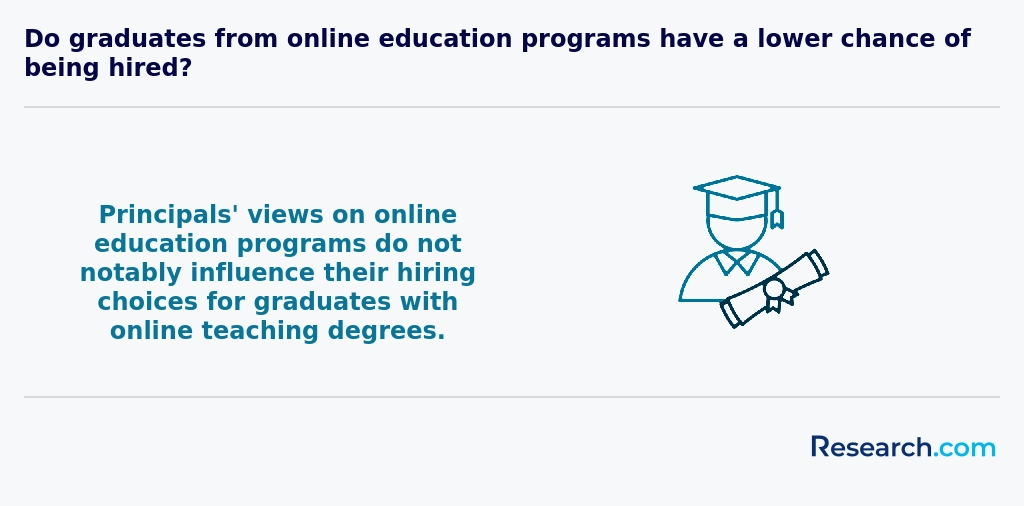
According to the National Center for Education Statistics, over 30% of education students in the US enroll in online programs, increasing accessibility for those in smaller cities like Columbia. These programs often include practicum opportunities to gain real-world experience.
Some institutions also partner with schools or districts near Columbia, simplifying licensure processes and internships for students who wish to teach locally after graduation.
In Columbia, part-time job opportunities that complement education degrees often involve roles in tutoring, teacher's aide positions, and after-school program assistants. These jobs offer practical classroom experience, crucial for future educators. According to the U.S. Bureau of Labor Statistics, education-related part-time jobs can enhance teaching skills and improve resumes.
Many local schools and community centers seek part-time tutors to help students in reading and math, aligning well with education degree coursework. Additionally, working as a substitute teacher provides exposure to diverse student needs and classroom management.
Such roles not only build professional experience but also foster valuable connections in the education sector.
Education students in Columbia benefit from various networking opportunities that connect them with local schools, education professionals, and peers. Many universities collaborate with Columbia Public Schools and other districts, offering students chances to engage in internships and fieldwork. These practical experiences foster connections with educators and administrators, which are vital for future job placements.
Professional organizations such as the Missouri National Education Association (MNEA) provide events and workshops specifically for education students. These gatherings help develop leadership skills and allow students to build relationships with practicing teachers and education leaders.
Additionally, Columbia hosts multiple education conferences and symposiums annually, attracting experts and generating spaces for discussion on innovative teaching practices. According to the Columbia Chamber of Commerce, over 70% of education graduates find jobs through connections made during such networking activities.
Alumni networks in Columbia play a significant role in supporting current education degree students. These networks offer valuable connections to experienced educators and recent graduates, helping students access mentorship and career guidance. According to the Columbia University School of Education, students involved in alumni programs report a 25% higher likelihood of securing teaching positions within six months of graduation.
Alumni networks also provide opportunities for internships, workshops, and job placements. They facilitate professional development by sharing resources and hosting events tailored to education careers. Furthermore, participating in these networks can boost a student's confidence and broaden their understanding of educational challenges in diverse communities.
Customizing an education degree program in Columbia allows students to align their studies with specific career goals. Many universities offer flexible curricula, enabling the selection of specialized courses such as curriculum development, special education, or educational leadership. Students can also choose between online, in-person, or hybrid formats to suit their schedules.
Internships and field experiences often form part of these programs, providing hands-on opportunities that build practical skills. According to the National Center for Education Statistics, about 65% of education graduates in the US participate in internships, which significantly enhance job readiness.
Additionally, Columbia schools frequently provide advisory support to help students tailor their degree plans. This personalized approach ensures the student's education aligns with licensing requirements and local school district needs, increasing employability after graduation.
Education students in Columbia face several notable challenges that affect their academic journey. One major issue is balancing rigorous coursework with practical teaching experiences, which are essential for state certification. According to the National Center for Education Statistics, candidates often report high stress levels due to these dual demands.
Another challenge is the financial burden. The average tuition for education programs in Columbia can range from $15,000 to $30,000 per year, depending on the institution, which may deter some from continuing their studies.
Additionally, students encounter difficulties adapting to evolving state standards in education, which demand ongoing professional development and flexibility.
With an education degree in Columbia, you can pursue various professional certifications that enhance your teaching career. The most common certification is the state teaching license, which allows you to teach in public schools across Columbia. This license typically requires passing the Praxis exams and completing a background check.
In addition, you may consider certifications such as the National Board Certification, recognized nationwide for experienced teachers aiming to demonstrate advanced skills. Columbia also offers endorsements in areas like special education, ESL (English as a Second Language), and STEM, which require specific coursework and exams. These certifications can improve job prospects and salary potential.
According to the Columbia Department of Education, about 40% of teachers pursue additional certifications within five years of their initial licensing.
To write a winning application for an education program in Columbia, begin by clearly outlining your academic goals and passion for teaching. Highlight relevant experiences, such as volunteer work or previous degree studies in education or related fields. Columbia's education schools often look for candidates with strong communication skills and a commitment to diversity and inclusion, as noted by the Teachers College at Columbia University.
Ensure your personal statement is concise and specific, demonstrating your understanding of current educational challenges. Include any leadership roles or community involvement that shows your potential as an educator. According to the National Center for Education Statistics, clear and well-written applications increase admission chances significantly.
Strong letters of recommendation from academic or professional sources are essential. They should emphasize your strengths, work ethic, and suitability for the program. Lastly, meet all application deadlines and provide any required standardized test scores accurately to avoid disqualification.
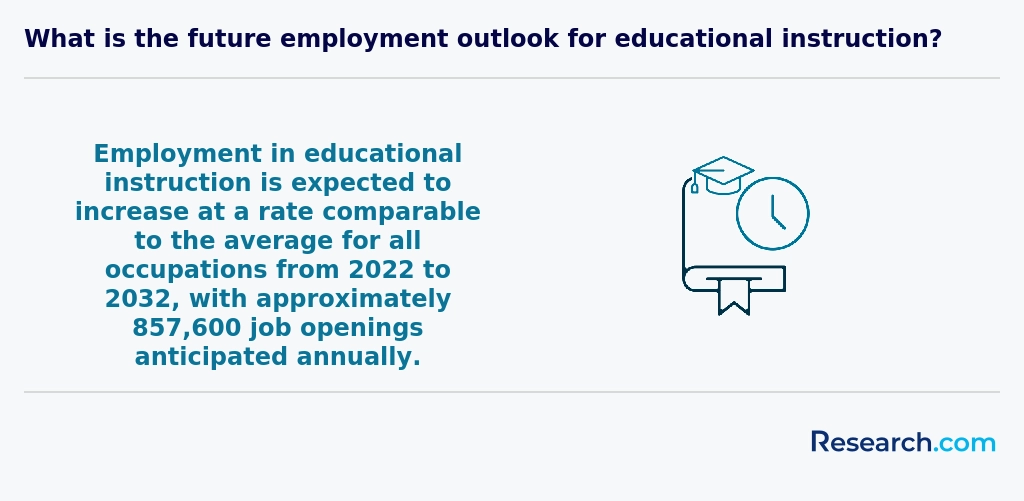
Education careers in the United States, including Columbia, are increasingly valued for their global relevance. According to the U.S. Bureau of Labor Statistics, employment for education professionals is projected to grow by 8% between 2022 and 2032, reflecting strong domestic demand. Globally, educators play a vital role in addressing challenges like literacy and technology integration. A degree in education from Columbia prepares students for diverse roles, including teaching, administration, and curriculum design, with transferable skills applicable worldwide. The U.S. system emphasizes practical training, supporting graduates in meeting international standards and adapting to various educational environments.
Gaining practical experience while studying for an education degree in Columbia is essential for career readiness. Many programs incorporate student teaching internships, allowing you to work directly in local classrooms under supervision. This hands-on training helps build essential classroom management and instructional skills.
Additionally, Columbia's universities often partner with nearby schools to offer field experiences or practicum placements. According to the National Center for Education Statistics (NCES), nearly 90% of education students complete practicum hours before graduation. Participating in community education projects or tutoring can also enhance practical knowledge.
Finally, joining education-focused organizations on campus provides networking and volunteering opportunities relevant to your field.
Choosing the right concentration within an education degree program in Columbia depends on your career goals and interests. According to the U.S. Department of Education, school districts in Columbia currently emphasize STEM, special education, and bilingual education due to local demographic needs.
Review program offerings at universities, focusing on concentrations with strong job placement rates. For example, concentrations in early childhood or special education often have higher demand in Columbia's public schools.
Consider your strengths and passions. If you enjoy working with diverse populations, bilingual education might suit you. For those interested in curriculum development or leadership, concentrations in educational administration or instructional design are worth exploring.
Utilize resources like the National Center for Education Statistics and local school district reports to understand workforce trends.
- 2027 Best Education Degree Programs Ranking in Macon
- 2027 Best Education Degree Programs Ranking in Atlanta
- 2027 Best Education Degree Programs Ranking in Jacksonville
- 2027 Best Education Degree Programs Ranking in Gainesville
- 2027 Best Education Degree Programs Ranking in Tallahassee
- 2027 Best Education Degree Programs Ranking in Montgomery
- 2027 Best Education Degree Programs Ranking in Birmingham
- 2027 Best Education Degree Programs Ranking in Louisville
- 2027 Best Education Degree Programs Ranking in Washington
- 2027 Best Education Degree Programs Ranking in Lakeland
See What Experts Have To Say About Studying Education
Read our interview with Education experts

Nooshan Ashtari
Education Expert
Professor & Book Author
University of Southern California


- What Can I Do With a Teaching Degree (Besides Teach)? https://www.alleducationschools.com/blog/what-can-i-do-with-a-teaching-degree-besides-teach/
- Why Is Education Important in Your Career Advancement? - KWSP Malaysia https://www.kwsp.gov.my/en/w/article/career-advancement
- The 8 challenges of education in a changing world https://casvitrescantos.com/en/the-8-challenges-of-education-in-a-changing-world/
- Your career at KIDS&Co. - dwujęzyczne przedszkola KIDS&Co. https://kids-co.pl/en/career/
- Education Cover Letter: 6 Steps to Write a Job-Winning One [+Example & Template] | Cake https://www.cake.me/resources/cover-letter/education-cover-letter
- 18 Highest Paying Jobs With an Education Degree (not teaching) | Devlin Peck https://www.devlinpeck.com/content/jobs-with-an-education-degree
- Columbia Financial Aid Guide: How I Paid for College https://www.collegeadvisor.com/resources/how-i-paid-for-college-columbia/
- Education Study Abroad | CIEE https://www.ciee.org/go-abroad/college-study-abroad/programs/subjects-disciplines/education-study-abroad
- Why Experience is Just as Important as Education https://lateral-connect.com/why-experience-is-just-as-important-as-education/
- MONPERATOTO Jati Diri Situs Togel Online Resmi Bersama Agen Toto Togel 4D Terpercaya https://writerslife.org/educational-markets/





