2027 Most Valuable Computer Science Degree Programs Ranking in Virginia

Co-Founder and Chief Data Scientist
Choosing the right computer science degree program in Virginia can feel overwhelming. That's why the Research.com team of data scientists created the 2027 Most Valuable Computer Science Degree Programs Ranking in Virginia to guide you.
In this article, you'll find clear insights that help highlight which programs offer strong value and career potential. Pursuing a computer science degree opens doors to exciting opportunities in technology and innovation.
We hope this ranking helps you confidently explore options that match your goals and passions for a bright future.
Key benefits of getting computer science degree in Virginia
- Salary for computer science degree graduates: Graduates in Virginia commonly secure roles such as Software Engineers earning around $138,110 annually or Web Developers making approximately $95,570, reflecting strong earning potential in the tech industry.
- Potential career paths: A computer science graduate from the University of Virginia can explore diverse roles like Data Analyst, IT Support Specialist, or Software Developer, offering exciting opportunities across multiple industries.
- Benefits of online degrees: Completing a computer science degree online from institutions like Virginia Tech enables flexible scheduling and accessibility, making it easier to balance work and study while still accessing quality education.
- 2027 Most Valuable Computer Science Degree Programs Ranking in Virginia
- What can I expect from computer science degree in Virginia?
- Where can I work with computer science degree in Virginia?
What can I expect from computer science degree in Virginia?
Imagine stepping into Virginia Tech's buzzing campus, where a computer science student eagerly balances the cost of ambition-roughly $14,000 per year for in-state tuition-knowing this investment creates a bridge to groundbreaking tech careers. Graduates often recall the thrill of juggling capstone projects and internships, fueled by this manageable tuition that contrasts sharply with pricier private institutions in the state.
Public universities like UVA also offer this sweet spot, where affordability meets top-tier education, inspiring students to dive deep into fields like AI or cybersecurity without drowning in debt. The financial weight feels lighter when paired with scholarship dreams and the state's rich network of tech corridors, turning textbooks into stepping stones.
Veteran students embrace this blend of cost-consciousness and opportunity, relishing a curriculum that's both wallet-friendly and future-ready-where every dollar spent is a seed for a vibrant tech career in Virginia.
Where can I work with computer science degree in Virginia?
Graduates with a computer science degree in Virginia find themselves stepping into a vibrant mosaic of career paths. Imagine launching your journey in Northern Virginia's "Technology Corridor," where the hum of Amazon Web Services, Microsoft, and Capital One offices fuels a daily dance of innovation. Alumni from Virginia Tech and George Mason University often share tales of diving headfirst into cloud computing projects or cybersecurity challenges that protect the country's most sensitive data.
Picture another graduate, fresh from the University of Virginia, navigating Richmond's growing fintech scene-crafting algorithms that reshape banking or health informatics. Their days pulse with collaborative creativity at banks like Wells Fargo or tech startups sprouting in startup incubators buzzing with entrepreneurial zeal.
For those dreaming beyond traditional offices, defense contractors in Hampton Roads and Charlottesville beckon with cutting-edge AI and data science missions. It's a land where code saves lives, and every keystroke can spark breakthroughs.
Virginia is more than a place to work; it's a launchpad where computer science mastery meets a thriving, fast-evolving tech ecosystem-offering roles that range from software artisan to digital guardian, all vividly alive in the Commonwealth's expanding job market.
Imagine graduating from a Virginia university like Virginia Tech or George Mason with a computer science degree and stepping into a world where your coding skills translate into a mean annual wage of about $138,110 as a software engineer or developer-numbers that sparkle brighter than the national average. This salary reflects the pulse of Northern Virginia's booming tech corridors, where big federal agencies and ambitious startups thrive.
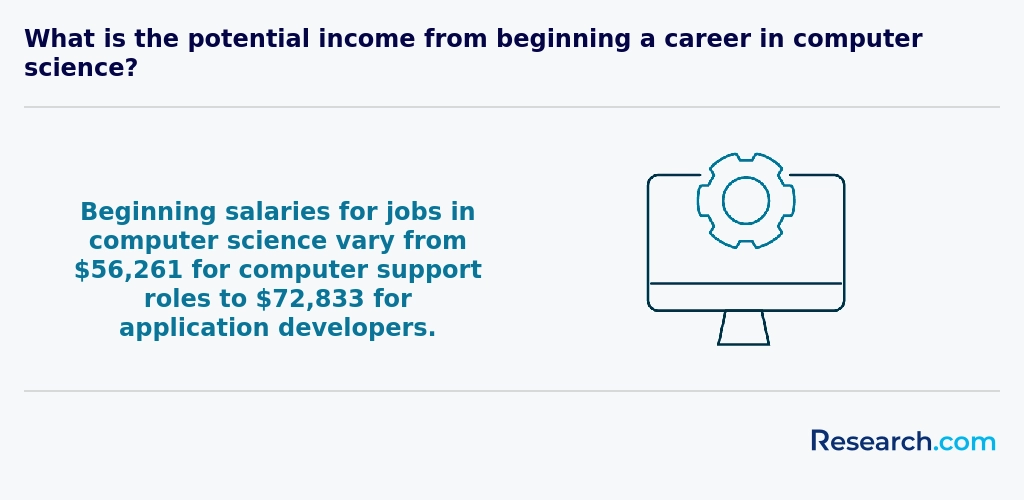
A fresh graduate might start around $65,000 to $75,000, clutching a new laptop with dreams, but soon they could leap to $119,040 as a data analyst, diving into rich data streams, or $95,570 as a web developer shaping the digital frontlines. Even IT support specialists earn a respectable $63,640, keeping systems humming smoothly behind the scenes.
Graduates often share stories of internships leading to jobs at dynamic companies, where their Virginia-earned skills in programming and cybersecurity pay off, especially near Arlington and Fairfax. The salary reflects not just numbers, but the opportunities cultivated by Virginia's vibrant tech ecosystem and growing demand for bright minds.
- In-state tuition for computer science degrees at public Virginia universities ranges from $12,000 to $18,000 per year, while out-of-state tuition is between $30,000 and $40,000 annually.
- Private schools in Virginia typically charge tuition between $35,000 and $50,000 per year for computer science programs.
- Entry-level salaries for computer science graduates in Virginia start around $70,000 per year.
- Experienced professionals can earn median salaries of approximately $110,000 or higher, depending on their role and employer.
- Employment in computer and information technology fields in Virginia is projected to grow by about 15% over the next decade.
- Many Virginia universities offer cooperative education programs and internships that enhance practical experience and job prospects.
Graduates from Virginia Tech often recall the whirlwind adventure of completing their computer science degrees in just four years, a timeline that feels both brisk and rewarding. At the University of Virginia, students balancing full course loads and late-night coding marathons find that hitting that four-year mark is attainable, though many savor the enriching detours like internships that stretch their journey to five years with invaluable real-world skills.
Part-time learners in Virginia know well the art of time-bending, stretching their studies beyond five years while juggling jobs or family life, savoring each concept slowly like a craft perfected over time. Some clever students leverage transfer credits from community colleges, shaving months or even an entire semester off their clocks, turning the usual timeline into a personalized sprint.
Meanwhile, those diving into associate degrees at local colleges embrace the nimble two-year path, igniting their passion early and often leaping toward broader ambitions at Virginia's famed institutions. The blend of traditional and flexible routes here mirrors the vibrant tech landscape students hunt for - a journey uniquely theirs.
Navigating the Admissions Process for Virginia Computer Science programs begins with understanding each school’s timeline, requirements, and selectivity. Most universities in the state offer both Early Decision and Regular Decision cycles, with application portals opening as early as August and deadlines ranging from November 1 (Early) to February 1 (Regular) for flagship institutions. Acceptance rates vary widely: the University of Virginia admits roughly 22% of applicants, Virginia Tech around 63%, and James Madison University approximately 72%. Community colleges and smaller public universities often report rates above 80%, making them attractive options for students seeking a more accessible entry point. Key Application Requirements: • Official high school transcripts (cumulative GPA of 3.0+ preferred) • Standardized test scores (SAT/ACT; many schools are test-optional but consider strong scores competitive) • Personal essay or statement of purpose, highlighting leadership, research interests, or unique projects • Two to three letters of recommendation from teachers or mentors familiar with your technical skills • Optional portfolios or coding samples, especially for applicants with independent projects Strategy and Tips: • Apply Early Decision if Virginia Tech or UVA is your top choice-this can boost your admission chances by 5–8%. • Emphasize research or internship experiences in your essay to demonstrate real-world readiness. • Leverage virtual info sessions and faculty webinars to ask program-specific questions and mention these interactions in your application. • For working professionals considering a specialized track, an ai online degree offers flexible deadlines and rolling admissions, often with streamlined digital submission processes. By planning ahead-gathering materials by November, polishing essays by December, and securing recommendations by January-you position yourself to meet institutional deadlines and improve your competitiveness in Virginia’s diverse Computer Science applicant pool.
Picture stepping onto Virginia Tech's sprawling campus, where the hum of busy labs and spontaneous brainstorming sessions with peers spark ideas into reality. That's the heartbeat of on-campus computer science-a world of tactile learning, hands-on projects, and serendipitous hallway conversations that breed innovation. Graduates often recall how sitting side-by-side with professors felt like an unspoken code debugging session, offering instant feedback and a sense of belonging.
Now, contrast this with a George Mason University student tucked into a cozy corner of their home, juggling lectures during quiet nights or in-between work shifts. Online learning here is a symphony of flexibility, where deadlines dance around your life's rhythm rather than the other way around. Many cherish the freedom to absorb complex algorithms at their own pace without the constraints of physical presence, making it ideal for those balancing job, family, or unexpected Virginia weather.
While online programs cut costs like commuting and dorm fees, on-campus paths unlock rich networks through career fairs and clubs that fuel real-world connections. Deciding between the tactile buzz of UVA's halls or the digital pulse of Old Dominion's remote classes means choosing your own adventure in Virginia's vibrant tech landscape.
Understanding the return on investment (ROI) for Computer Science degrees in Virginia is essential for prospective students weighing tuition costs against future earnings. On average, a bachelor’s degree in Computer Science from a Virginia public university costs around $70,000 in total tuition for in-state students, while private institutions may exceed $130,000. Given the mean starting salary of $68,668 for graduates in Virginia, most students recoup their investment within four to six years, depending on living expenses and financial aid employed. Key factors influencing ROI include: • Total Cost of Attendance: Factor in tuition, fees, and living expenses. • Starting Salary Projections: With roles like Software Engineer at $132,930/year and Web Developer at $87,580/year, Virginia graduates often see above-average earnings. • Break-Even Analysis: Calculating the payback period-tuition divided by annual post-tax income-helps determine financial feasibility. For example, a graduate earning $70,000 annually could offset a $70,000 in-state tuition in about six years, after taxes. To optimize ROI, consider: 1. In-State vs. Out-of-State Tuition: Residency status can halve tuition costs at public universities. 2. Financial Aid and Scholarships: Leveraging university-specific awards and federal grants reduces upfront expenses. 3. Program Delivery Mode: Online or hybrid programs often offer lower fees and flexible schedules, shortening time-to-degree and associated costs. For students seeking even more budget-friendly options, our sister ranking on Low Cost Computer Science Degree Programs Ranking in Rhode Island highlights high-value programs with exceptionally low tuition, serving as a model for cost-effective CS education nationwide.
The average cost of a computer science degree in Virginia hovers around $16,828 for in-state students, a figure that aligns closely with many graduates' experiences at institutions like the University of Virginia or Virginia Tech. These students often share stories of balancing rigorous coursework with the realization that their investment, including tuition and fees, is a stepping stone toward exciting careers in tech hubs nearby. The Virginia computer science degree tuition and fees can seem daunting at first, but many find that entry through community colleges, with their approximately $5,000 annual tuition, offers a more affordable launchpad before transferring to a four-year university.
Out-of-state students often face a heftier bill, moving the median total cost up to about $46,652, a number that reflects their path through higher-priced private universities or public options at non-resident rates. Graduates often emphasize the importance of scholarships and financial aid in offsetting these costs, particularly at private schools where tuition can soar as high as $45,000 per year.
These costs don't just cover tuition; they embrace a broader financial landscape-technology fees, lab access, textbooks, and living expenses add several thousand dollars annually. This fuller picture is vital for anyone exploring these programs. For those eager to explore options on a budget, the cheapest computer science programs in virginia offer pathways that combine quality and affordability.

Imagine a computer science student at Virginia Tech juggling late-night coding sessions and the weight of tuition bills. For them, federal aid like the Pell Grant becomes a beacon, offering up to $7,395 annually to ease financial strain. Meanwhile, a UVA undergrad chasing dreams in algorithms might rely on the Virginia Tuition Assistance Grant, which gifts between $2,000 and $4,000 each year to those attending private colleges, smoothing the path through Virginia's competitive tech landscape.
Many graduates recall how merit-based scholarships unlocked doors, rewarding their passion for STEM with funds that felt like a nod of recognition. Others found encouragement through the Computing Research Association's fellowships, boosting diversity and innovation in the field. And not to be overlooked, work-study gigs on campus don't just lighten wallets-they build real-world skills, blending paycheck and resume builder.
Filing FAFSA early, thanks to Virginia's Completion Challenge, is the secret weapon students swear by, turning financial uncertainty into clarity and opportunity. These aid avenues transform the dream of a computer science degree in Virginia from code to reality.
To step into the vibrant world of computer science in Virginia, you'll need more than just curiosity-you'll need a solid foundation. Imagine sitting in a cozy coffee shop near the University of Virginia, chatting with recent grads who fondly recall their late nights mastering algebra, geometry, and precalculus. These math courses aren't just hurdles; they're the keys that unlock complex algorithms and coding challenges ahead.
At Virginia Tech, graduates often reminisce about the adrenaline rush of preparing for their SATs, especially hitting those high math scores that made their applications pop. It's like gearing up for a sport where numbers are your teammates. Beyond numbers, a touch of programming-maybe dabbling in Python or Java-gives you a head start, setting you apart like a coder who's already spoken the language before the first semester begins.
Then there's the practical path through community colleges across Virginia, where students ease in with placement tests and proof of basic English and math skills. It's a less scary gateway, welcoming those who dream big but want to build their confidence brick by brick before transferring to four-year institutions.
Supporting your application is crucial too-think of crafting your transcript and letters of recommendation as assembling your personal brand, the story that shows admissions officers your passion and readiness. In Virginia's competitive landscape, this thoughtful preparation turns hopefuls into future innovators.
Virginia’s computer science programs are distinguished not only by their rigorous curricula but also by their strong ties with local tech companies and cutting-edge research initiatives. Many institutions facilitate direct engagement with industry leaders through collaborative research projects, internships, and co-op programs that enable students to work on real-world challenges alongside experts. This hands-on exposure helps bridge the gap between academic theory and practical application, ensuring that graduates are better prepared for dynamic career environments. Moreover, such partnerships often open doors to exclusive networking events and career fairs, providing a competitive edge in today’s job market. By leveraging these opportunities, students can access invaluable resources and mentorship that enhance both their technical skills and professional growth. For those looking to invest in a program that balances affordability with quality, consider exploring the cheapest computer science programs in virginia for options that combine cost efficiency with robust industry connections.
Picture yourself diving into Introduction to Computer Science and Programming at a vibrant Virginia university, where the thrill of cracking your first code sets a joyous tone for your journey. Graduates often recall the sparkle in their eyes during those early days in courses like Data Structures and Algorithms, which shape how you think about problems-almost like unlocking secret pathways in a labyrinth.
As you advance, imagine wrestling with operating systems or masterminding database architectures at renowned institutions such as Virginia Tech or the University of Virginia. These courses don't just teach facts; they turn you into a digital architect, crafting systems that hum quietly behind the scenes in everyday tech.
Emerging fields-cybersecurity and AI-add an adrenaline rush, mirroring the excitement graduates felt when decoding real-world cyber defenses or designing intelligent machines. Math isn't just numbers here; it's the language of logic and creativity woven through classes like linear algebra, making algorithms dance.
Even the soft skills-communication, ethics-are game changers, preparing you to lead not just projects but people, blending technical mastery with heartfelt collaboration. It's a Virginia experience where the classroom feels like a launchpad for your tech dreams.
Virginia's computer science degree specializations unfold like a vibrant palette for curious minds. Imagine diving into artificial intelligence and machine learning, where graduates from Virginia Tech marvel at crafting neural networks that mimic human thought, or exploring cybersecurity pathways that spark intense pride as University of Virginia alumni safeguard digital realms linked to top government agencies. Those drawn to Virginia computer science program concentration options often find themselves surrounded by data science challenges, crunching vast datasets to unravel mysteries, or immersed in software engineering projects that build the backbone of breakthrough applications. Even computer graphics enthusiasts at George Mason University enjoy hands-on experience with 3D modeling and virtual reality, turning imagination into interactive worlds.
For those craving a seamless blend of theory and practice, the state's unique industry connections provide fertile ground. Students leveraging these specializations often discover transformative opportunities-whether through internships shaped by Northern Virginia's tech boom or enriching programs like the ai online degree that expands horizons beyond the classroom.
Imagine walking the bustling halls of Virginia Tech, where graduates often recall how choosing a program was like selecting the perfect algorithm-balancing cost, curriculum, and career output. Here, many found that the best computer science degree programs in Virginia weren't just about the price tag, but about diving into specialties like cybersecurity or AI that felt electrifying and right for their future. Picture this: a classroom at George Mason University, alive with discussion, where small class sizes and expert faculty spark curiosity that leads straight to internships in nearby tech hubs.
Costly tuition can cloud the vision, but savvy students tapped into the wealth of options in public universities to avoid drowning in debt, proving that affordable computer science colleges Virginia-wide can offer a launchpad just as thrilling. Those graduates who thrived often pointed to hands-on projects and local partnerships that made lessons leap off the page and into real jobs. If you want to explore more cost-saving paths and options, check out the Low Cost Computer Science Degree Programs Ranking in Rhode Island.
Virginia's tech landscape is a playground for computer science grads eager to carve out their futures. Imagine a graduate from a celebrated institution in Northern Virginia stepping into a buzzing software development role, crafting the next app that changes how people connect across the globe. Others dive into the cybersecurity trenches, defending vital data for federal agencies nestled nearby, feeling the adrenaline of protecting the nation's secrets. The Virginia computer science degree job outlook is not just promising-it's dynamic, with pathways into systems analysis, where graduates translate complex data into everyday solutions, or into artificial intelligence labs pushing the envelope of what machines can learn.
Graduates often describe a thrill in roles as cloud computing engineers, watching their code spin through virtual skies, or as database administrators ensuring the silent pulse of information beats strong. This vivid career tapestry reflects the rich computer science career opportunities in Virginia that blend government's expansive tech needs and private sector innovation seamlessly. For those balancing life and learning, exploring accelerated degree college options for working adults in Virginia offers a real chance to jumpstart these exciting journeys.
Graduates from Virginia's top computer science programs consistently find themselves in a vibrant ecosystem bursting with opportunity. Whether coming from the tech-centric halls of universities in Northern Virginia or the innovative campuses in Charlottesville, these grads dive headfirst into a job market where cybersecurity, software development, and data analytics reign supreme. The Virginia computer science degree employment outlook is bright, driven by a magnetism of federal agencies and private tech startups craving fresh talent.
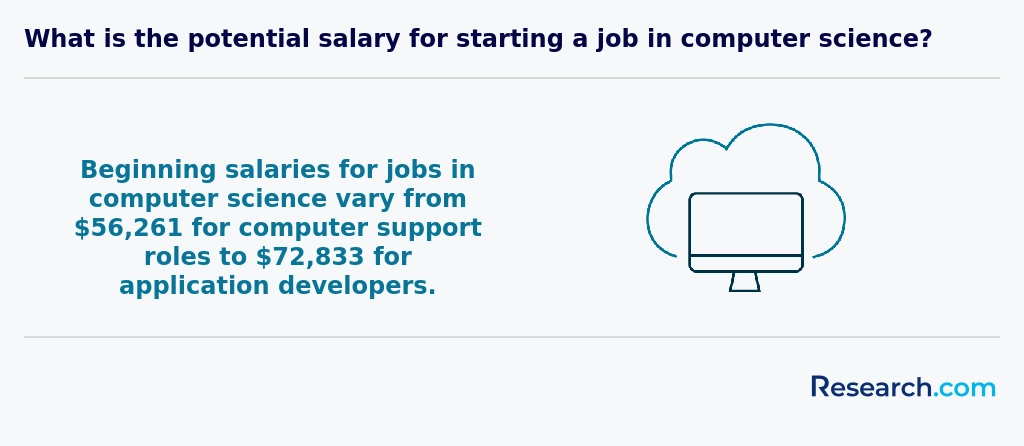
Imagine starting your career with a competitive salary that comfortably ranges from $65,000 to $80,000, with potential to soar beyond $95,000 as you grow. Those fortunate enough to land internships through strong university-industry partnerships say it's transformational - turning theoretical knowledge into hands-on experience that fuels confidence and sparks creativity.
For students weighing cost against opportunity, Virginia's relatively high tuition can feel daunting, yet the return shines through robust job demand and diverse computer science job opportunities in Virginia. Some even explore easy degrees to get online to balance education and earnings potential while tapping into this rich professional landscape.
2027 Most Valuable Computer Science Degree Programs Ranking in Virginia
Investing in your education is a significant decision that can shape your future, and the Research.com team understands the importance of making informed choices. To assist prospective students in Virginia, we have meticulously crafted the "2027 Most Valuable Computer Science Degree Programs Ranking in Virginia." Our commitment to quality, credibility, and accuracy is reflected in the extensive research and analysis conducted to compile this ranking.
We utilized the following reputable data sources to ensure a comprehensive evaluation of computer science degree programs:
By exploring this ranking, readers will gain valuable insights into the most valuable computer science degree programs available in Virginia, enabling them to make informed and confident decisions about their educational paths. For more details on our methodology, please visit our Research.com methodology page.


Frequently Asked Questions About computer science
Computer science students in Virginia can maximize their learning experience by engaging in hands-on projects and internships. The state is home to numerous tech companies, allowing students to gain real-world experience while studying. According to the Virginia Employment Commission, the tech sector in Virginia is expected to grow by 12% from 2022 to 2032, indicating ample internship opportunities.
Participating in research programs at universities such as Virginia Tech or the University of Virginia can also enhance understanding. These institutions often collaborate with government agencies like NASA and the Department of Defense.
Joining student organizations focused on coding and cybersecurity can provide networking and skill-building chances, essential for career development in this fast-evolving field.
Emerging niches within the computer science field in Virginia reflect broader national trends, emphasizing areas like artificial intelligence (AI), cybersecurity, and data science. Virginia's strong government and military presence fuels rapid growth in cybersecurity, with job openings in the state expected to rise by over 20% through 2028, according to the U.S. Bureau of Labor Statistics.
AI and machine learning are also prominent, with several Virginia universities offering specialized courses and research opportunities. Additionally, fields like cloud computing and blockchain technology are gaining traction due to increasing adoption in industries such as finance and healthcare.
These specializations offer promising career paths for students pursuing computer science degrees in Virginia.
Graduates with a computer science degree in Virginia can enhance their job prospects by gaining practical experience through internships and cooperative education programs. Many Virginia universities collaborate with local tech companies, especially in Northern Virginia, a region known for its technology job growth.
Building a strong portfolio with coding projects and contributing to open-source platforms can also demonstrate skills to employers. According to the Virginia Employment Commission, computer and information technology occupations are projected to grow 14% statewide by 2031, indicating strong demand.
Networking is essential; joining professional organizations like the Virginia Tech Computer Science Alumni or local tech meetups helps connect with industry professionals.
Certifications in areas such as cloud computing and cybersecurity may further boost employability in this competitive market.
Employers in Virginia highly value computer science graduates who demonstrate strong programming skills, particularly in languages like Python, Java, and C++. According to the Virginia Employment Commission, proficiency in software development and problem-solving is essential for adapting to diverse industry needs.
Additionally, knowledge of data structures, algorithms, and cybersecurity fundamentals ranks among the top sought-after skills. Graduates familiar with cloud computing platforms such as AWS and Microsoft Azure find better job prospects, reflecting growing tech trends in Virginia's job market.
Communication and teamwork abilities also play a crucial role, as many roles require collaboration on complex projects. Practical experience through internships or co-ops significantly boosts employability in this competitive field.
Finding internships in Virginia relevant to a computer science degree involves leveraging a variety of resources. Many universities in Virginia, such as Virginia Tech and the University of Virginia, offer career centers that list internship opportunities and host job fairs. According to the National Association of Colleges and Employers, the tech sector in Virginia is growing rapidly, with companies like Amazon and Capital One expanding their tech teams.
Students should also explore internship listings on platforms like Handshake, which partner with Virginia colleges. Additionally, local tech meetups and professional organizations such as the Virginia Technology Coalition can provide networking opportunities leading to internships.
Applying early and tailoring applications to emphasize skills in software development, cybersecurity, or data science significantly improves chances of landing internships in this competitive market.
A computer science degree significantly enhances career mobility and advancement opportunities in Virginia. The state hosts a growing tech sector, with Northern Virginia recognized as a top U.S. tech hub, employing over 123,000 IT workers as of 2023 (CompTIA). Graduates with degrees in computer science are well-positioned for diverse roles in software development, cybersecurity, and data analysis, all experiencing high demand.
Employers in Virginia value candidates with formal education due to the technical complexity of roles and innovation-driven projects. According to the Virginia Employment Commission, computer and information technology occupations are projected to grow 16% through 2030, faster than the average for all occupations.
This growth fuels upward career mobility, as advanced roles frequently require specialized degrees or certifications. Networking opportunities through local universities and industry events further support professional advancement.
Studying for a computer science degree in Virginia prepares students for interdisciplinary roles by providing a strong foundation in core computing principles alongside opportunities to engage with other fields. Many Virginia universities offer electives and joint programs that combine computer science with areas like biology, engineering, and business. For example, Virginia's public research institutions integrate data science and AI courses that support applications in healthcare and finance.
According to the National Center for Education Statistics, Virginia awarded over 2,000 computer science degrees in 2021, reflecting a growing emphasis on versatile skills. Graduates often enter careers requiring technical proficiency plus collaboration across disciplines, such as cybersecurity, data analytics, and software development in diverse industries.
Choosing between a thesis and a non-thesis computer science degree program in Virginia depends largely on your career goals. A thesis program emphasizes research and requires a substantial project, which suits students aiming for doctoral studies or research roles. Conversely, non-thesis programs focus more on coursework and practical skills, fitting professionals seeking immediate industry employment.
Virginia institutions like Virginia Tech and the University of Virginia offer both options. According to the National Center for Education Statistics, about 40% of Virginia's graduate computer science students opt for thesis tracks, highlighting strong research interests in the region.
Consider time commitment: thesis programs typically take longer due to research demands. Also, investigate faculty expertise at your chosen school to ensure alignment with your interests.
Students based in Virginia seeking to study computer science abroad have several options through their home institutions. Many Virginia universities with strong computer science programs, such as Virginia Tech and the University of Virginia, offer study abroad partnerships with reputable universities in Europe and Asia. These arrangements often allow students to earn transfer credits toward their degrees.
According to the Institute of International Education, about 10% of U.S. computer science students participate in study abroad programs. In Virginia, some programs emphasize technology hubs like Germany's Berlin or Japan's Tokyo to expose students to global tech innovation.
Additionally, students can explore exchange programs facilitated by the National Student Exchange system, which sometimes includes international campuses of U.S.-based universities. These opportunities help Virginia-based students gain international experience without delaying graduation.
Financial aid and scholarships may be available for such programs, with many Virginia schools providing specific support for STEM students studying abroad, making these experiences more accessible.
Students pursuing computer science degrees in Virginia can benefit from various part-time jobs that enhance their education and skills. Positions such as IT support technician, web developer, or software tester are common and allow practical application of programming and problem-solving abilities. According to the Virginia Employment Commission, technology-related roles are projected to grow 15% by 2030, emphasizing demand in the local job market.
Many Virginia universities also offer paid research assistant jobs in computer science departments, enabling students to work on cutting-edge projects while earning income. Additionally, internships at local tech firms in Northern Virginia's Dulles Technology Corridor provide valuable industry exposure. These opportunities complement academic coursework and increase employability after graduation.
Computer science students in Virginia benefit from a variety of networking opportunities through both academic and professional channels. Many universities, such as Virginia Tech and the University of Virginia, host career fairs and technology conferences that connect students with recruiters from prominent tech firms.
Regional organizations like the Northern Virginia Technology Council (NVTC) offer events and workshops specifically targeting tech students. NVTC reports over 700 member companies, providing extensive networking potential.
Additionally, internships and co-op programs arranged through these institutions give students hands-on experience and valuable industry contacts in Virginia's growing tech sector.
Professional groups, such as the Association for Computing Machinery (ACM) student chapters in Virginia colleges, also facilitate peer and mentor networking.
Alumni networks play a significant role in supporting computer science degree students in Virginia. Graduates often access these networks for mentorship, career advice, and job referrals within the state's growing tech industry. According to the Virginia Economic Development Partnership, the technology sector in Virginia added over 10,000 new jobs in recent years, highlighting strong employment opportunities.
Participating in alumni events connects students with professionals at leading companies like Amazon and Capital One, both of which have substantial operations in Virginia. This access helps students gain internships and full-time positions.
Additionally, alumni networks provide platforms for knowledge exchange, keeping students informed about evolving trends in computer science, benefiting their academic and career growth.
In Virginia, students can tailor their computer science degree to meet specific career goals by selecting specialized electives or concentrations. Many universities offer tracks such as cybersecurity, software engineering, data science, and artificial intelligence. These options allow students to develop skills aligned with high-demand tech fields. For example, Virginia's strong cybersecurity sector creates opportunities for students concentrating in that area.
Additionally, internships and cooperative education programs provided by Virginia institutions connect students with local tech companies, helping to gain practical experience. According to the Virginia Economic Development Partnership, the Commonwealth has over 30,000 technology workers, indicating robust job growth in the sector.
Students can also customize research projects and capstones to focus on industries such as health tech or finance, enhancing their marketability. Advisors often help in crafting a degree plan fitting both academic interests and career ambitions.
Computer science students in Virginia often face several challenges that can impact their academic progress and career readiness. One major issue is the rapidly evolving technology landscape, which requires students to continuously update their skills to stay relevant.
Additionally, many students encounter difficulty balancing rigorous coursework with internships or part-time jobs. According to the Virginia Economic Development Partnership, the demand for skilled computer scientists grows rapidly, but students must compete in a highly competitive job market.
Access to affordable and relevant resources can also be a barrier, particularly at smaller institutions. Finally, some students struggle with imposter syndrome and lack of diversity, as Virginia's computer science programs remain less diverse than other STEM fields, affecting retention rates.
A computer science degree from Virginia opens many doors to valuable professional certifications. Popular options include the Certified Information Systems Security Professional (CISSP), which is highly regarded in cybersecurity fields. Another common choice is the Certified Ethical Hacker (CEH), ideal for those interested in offensive security. Employers in Virginia often seek Project Management Professional (PMP) certified candidates to manage technology projects effectively.
Virginia hosts numerous tech hubs, making certifications such as Amazon Web Services (AWS) Certified Solutions Architect and Google Professional Cloud Architect highly relevant. According to the Virginia Economic Development Partnership, demand for cloud computing skills has grown by over 25% in recent years, boosting certification value.
Writing a winning application for a computer science program in Virginia requires careful preparation and attention to detail. Start by researching specific schools' admission criteria, as many, like UVA or Virginia Tech, emphasize strong math and science backgrounds. Highlight your academic achievements, such as GPA or relevant coursework, especially in STEM fields. Including practical experience with coding projects or internships helps demonstrate your skills.
Additionally, a well-crafted personal statement should explain your interest in computer science and how you plan to contribute to the field. According to the National Center for Education Statistics, competitive computer science programs often look for applicants with a mix of technical skills and problem-solving abilities.
Strong letters of recommendation from teachers or employers familiar with your analytical capabilities also improve your chances. Finally, some Virginia schools may require or recommend standardized test scores like the SAT or ACT, so check each program's requirements carefully to tailor your application effectively.
The global perspective on a computer science career is highly favorable, reflecting strong demand for skilled professionals across industries. In the United States, and particularly in Virginia, this demand is fueled by rapid technology growth and innovation hubs like Northern Virginia's tech corridor.
Virginia's position as a technology center, with prominent companies and government agencies, creates diverse opportunities for computer science graduates. According to the Bureau of Labor Statistics, employment for software developers in Virginia is projected to grow by 21% from 2020 to 2030, well above the national average.
Internationally, the need for computer science expertise aligns with advancing digital economies. U.S. degrees, especially from respected Virginia institutions, remain highly valued globally due to their rigor and practical focus.
Gaining practical experience while studying for a computer science degree in Virginia is essential to enhance your skills and employability. Many Virginia universities offer cooperative education (co-op) programs that integrate paid work terms with academic study. For example, Virginia Tech and George Mason University have robust co-op and internship programs connecting students with local tech companies.
Internships are another valuable option. According to the Virginia Economic Development Partnership, the state hosts a significant tech industry presence, including firms like Amazon and Capital One, providing ample internship opportunities.
Students can also participate in research projects or join campus coding clubs and hackathons, which foster teamwork and problem-solving. Some universities collaborate with government agencies and defense contractors for real-world projects, particularly in Northern Virginia.
Choosing the right concentration within a computer science degree program in Virginia involves understanding your interests and the local job market. Popular concentrations include cybersecurity, software engineering, data science, and artificial intelligence. According to the Virginia Employment Commission, jobs in cybersecurity and software development are growing significantly, with over 6,000 openings expected by 2028.
Consider the curriculum of various schools in Virginia, as some emphasize hands-on experience, while others focus on theory. Align your choice with your career goals and seek programs with strong internship opportunities. Consulting resources like the National Center for Education Statistics can help compare program outcomes and graduation rates in Virginia.
- 2027 Most Valuable Computer Science Degree Programs Ranking in Maryland
- 2027 Most Valuable Computer Science Degree Programs Ranking in North Carolina
- 2027 Most Valuable Computer Science Degree Programs Ranking in Tennessee
- 2027 Most Valuable Computer Science Degree Programs Ranking in Kentucky
- 2027 Most Valuable Computer Science Degree Programs Ranking in Pennsylvania
- 2027 Most Valuable Computer Science Degree Programs Ranking in Ohio
- 2027 Most Valuable Computer Science Degree Programs Ranking in Georgia
- 2027 Most Valuable Computer Science Degree Programs Ranking in New York
- 2027 Most Valuable Computer Science Degree Programs Ranking in Florida
- 2027 Most Valuable Computer Science Degree Programs Ranking in Alabama
See What Experts Have To Say About Studying Computer Science
Read our interview with Computer Science experts

Elan Barenholtz
Computer Science Expert
Associate Professor
Florida Atlantic University

Imed Bouchrika, Phd
Computer Science Expert
Professor of Computer Science
National Higher School of Artificial Intelligence

Kathleen M. Carley
Computer Science Expert
Professor of Computer Science
Carnegie Mellon University

Derek Riley
Computer Science Expert
Professor, Program Director
Milwaukee School of Engineering

- Letter of Motivation for applying Computer Science related fields https://essayforum.com/letters/motivation-applying-computer-science-related-11858/
- 555 Computer Science Internships https://internshala.com/internships/computer-science-internship/
- Study Computer Science Abroad | Go Overseas https://www.gooverseas.com/study-abroad/computer-science
- A Holistic Approach to Studying Interdisciplinary Collaboration: Computer Science https://sciety.org/articles/activity/10.21203/rs.3.rs-8694985/v1
- Computer Science Cover Letter: How to Show You're a Top Tech Candidate https://arc.dev/talent-blog/computer-science-cover-letter/
- What does a Computer Scientist do: Career paths and insights https://vinuni.edu.vn/what-does-a-computer-scientist-do/
- Ada Computer Science https://adacomputerscience.org/student_challenges
- What Can You Do With a CS Degree? 12 Paths for 2026 | Extern https://www.extern.com/post/computer-science-degree-careers-guide
- 8 Tips for Computer Science Graduates to Get Their First Job https://allthecode.co/blog/post/tips-for-computer-science-graduates-to-get-their-first-job
- Discover Scholarships for Computer Science Majors https://www.computerscience.org/scholarships-overview/