2027 Most Valuable Online Computer Science Degree Programs Ranking in New Jersey

Co-Founder and Chief Data Scientist
Choosing the right computer science degree program can shape your future, especially in a competitive field like tech. For students in New Jersey, this article offers valuable insights into the best online options available.
The 2027 Most Valuable Online Computer Science Degree Programs Ranking in New Jersey was created by the Research.com team of data scientists to help you make informed decisions. They analyzed key factors to highlight programs that deliver real value.
Exploring this ranking can guide you toward a program that aligns with your goals, making your investment in education truly worthwhile.
Key benefits of getting online computer science degree in New Jersey
- Computer science graduates in New Jersey can earn competitive salaries, such as $138,110 annually for software engineers and developers, or $63,640 for IT support specialists, offering strong financial rewards.
- Career paths include roles like software engineering, web development, and data analysis, providing diverse opportunities for growth highlighted by graduates from Rutgers University.
- Online degrees from schools like NJIT offer flexibility and convenience, allowing students to balance work and study while gaining the same respected qualifications as traditional programs.
- 2027 Most Valuable Online Computer Science Degree Programs Ranking in New Jersey
- What can I expect from online computer science degree in New Jersey?
- Where can I work with online computer science degree in New Jersey?
What can I expect from online computer science degree in New Jersey?
The average cost of an online computer science degree in New Jersey generally falls between $300 and $600 per credit hour for public institutions. For example, graduates from well-known New Jersey public universities often appreciate that these rates make higher education more accessible, especially when balancing work and family commitments. Many of these students find that financial aid and employer tuition assistance can significantly reduce their out-of-pocket expenses, making the investment feel more manageable.
Students enrolling in programs such as those at Rutgers or Montclair State report that this affordability, combined with flexible online course options, allows them to advance their careers without incurring overwhelming debt. One graduate described how attending a hybrid program reduced travel costs while gaining hands-on experience through local tech partnerships, a common feature among New Jersey institutions.
Private colleges may charge more, but public tuition helps many residents maintain a budget while benefiting from high-quality, ABET-accredited programs that employers in New Jersey's booming tech sector respect. Planning for these costs early and exploring aid options is key to successfully managing the financial commitment of an online computer science degree.
Where can I work with online computer science degree in New Jersey?
Graduates from online computer science programs at institutions like Rutgers University and New Jersey Institute of Technology often find rewarding careers in New Jersey's key industries. Many secure roles in the financial sector around Newark and Jersey City, working with firms like Prudential Financial on software development and cybersecurity projects. These positions offer competitive pay and opportunities to grow technical skills while contributing to vital banking and insurance operations.
Others tap into the pharmaceutical and biotech fields, joining companies such as Johnson & Johnson or Merck. Here, computer science experts support data analysis and bioinformatics tasks, directly impacting medical research advancements. Graduates frequently describe excitement in seeing their code help improve health outcomes.
For those interested in public service, government agencies across New Jersey provide openings in IT support and systems management, giving a chance to improve community cybersecurity infrastructure. Startups in innovation hubs like Hoboken and Princeton also attract graduates eager to build new platforms and experiment with emerging tech, offering dynamic and creative work environments.
By choosing an online degree from reputable local schools, students can combine flexible learning with access to New Jersey's thriving tech economy, leading to satisfying and secure employment options.
If you earn an online computer science degree in New Jersey, expect starting salaries around $65,000 to $75,000 in roles like software developer or IT support specialist. Graduates from leading schools such as Rutgers or Stevens Institute of Technology often begin with jobs paying close to the state's average for IT support specialists, about $63,640. As you gain experience, mid-career salaries rise significantly. Software developers and software engineers in New Jersey typically earn around $138,110 annually, reflecting the region's tech-driven economy. Graduates pursuing data analyst positions at prominent financial firms in Newark or Jersey City can expect averages near $119,040 a year.
Consider these salary ranges when planning your career path. Entry-level roles may feel like a solid start, but consistent skill-building in areas like cybersecurity or AI can push earnings past $130,000 as a senior developer or project manager. One graduate shared how internships in local tech companies helped bridge the gap between theory and practical skills, leading to lucrative offers above average starting salaries.
Networking with local tech meetups and leveraging connections in New Jersey's urban centers can also open doors to higher-paying opportunities and bonuses, amplifying total compensation beyond base wages.
- Online computer science degrees in New Jersey are offered by various accredited public and private institutions, providing flexible options for students.
- The cost for a bachelor's degree ranges from $15,000 to $35,000 at public universities for in-state students, while private schools often charge over $40,000.
- Starting salaries for graduates average about $75,000 per year, with experienced professionals earning over $120,000 annually.
- Job growth in computer and information technology fields in New Jersey is projected at around 10% over the next decade.
- The state's proximity to major tech hubs like New York City and Philadelphia expands employment opportunities for graduates.
- Many schools offer career services and internships to help students gain practical experience and local industry connections.
Completing an online computer science degree in New Jersey generally ranges from two to four years, depending on your start point and study pace. For example, many students at Rutgers University or New Jersey Institute of Technology finish a bachelor's degree in about four years when enrolled full-time. However, if you juggle work or family, part-time enrollment can stretch this period, offering much-needed flexibility without overwhelming your schedule.
If you're starting with an associate degree or bringing in transfer credits from community colleges like Bergen Community College, you could shave off valuable months or even a year. Graduates often share how leveraging AP credits or prior military experience accelerated their path, allowing them to enter the workforce sooner and feel confident about their pacing.
Think practically: full-time students typically tackle around 15 credits each semester. But if life demands less, part-time learners can adjust their course load, extending the timeframe while still progressing steadily. Many online programs in New Jersey recognize these varied experiences, accommodating your individual timeline while keeping your goals in sight.
A robust support system is essential for success in any online Computer Science program in New Jersey. From day one, accredited institutions provide dedicated academic advisors who guide students through course selection, degree planning, and career mapping. Many universities pair each student with a faculty mentor, offering one-on-one coaching sessions to clarify challenging concepts in data structures, algorithms, or cybersecurity modules. Technical support teams ensure seamless access to Learning Management Systems (LMS) 24/7, so you can submit assignments, join virtual labs, or participate in group projects without interruption. Comprehensive online libraries grant remote access to thousands of peer-reviewed journals, e-books, and industry white papers-resources that prove invaluable when researching topics like artificial intelligence or cloud computing. For those eager to specialize further, our curated guide to the online degree artificial intelligence presents additional pathways and support offerings. Career services departments host virtual workshops on resume building, interview preparation, and networking strategies tailored to New Jersey’s tech market. Regularly scheduled employer panels and alumni speaker series connect students with hiring managers from top firms, turning theoretical knowledge into real-world opportunities. Peer-to-peer study groups and student clubs foster collaboration, helping members troubleshoot coding challenges in Python, Java, or other languages while building lasting professional relationships. By leveraging these integrated support systems-academic advising, tech assistance, digital libraries, career coaching, and peer networks-online Computer Science students in New Jersey gain the confidence and resources needed to thrive in a competitive job market.
Choosing between online and on-campus computer science degrees in New Jersey comes down to how you prefer to learn and manage your time. Online programs from schools like Rutgers University or NJIT offer the flexibility to study from home, ideal for those balancing work or family. Graduates often share how this setup helped them maintain steady progress without sacrificing their daily routines.
On-campus options, such as those at Stevens Institute of Technology, offer hands-on experiences in labs and easy access to professors and peers. Students appreciating face-to-face interactions find this environment energizing and motivating, especially when tackling challenging coding projects or group work.
Cost-wise, in-state public university online fees tend to be lower-around $14,000 annually-since you avoid campus service charges. However, some online students mention extra expenses like software or exam proctoring, which are often less visible upfront compared to on-campus costs that include more campus resources.
Ultimately, graduates on both paths confirm that accreditation and employer recognition remain strong for New Jersey programs, so your choice should match your lifestyle and study preferences.
The average cost of an online computer science degree in New Jersey typically centers around $32,460 for in-state students, reflecting median total expenses. Many graduates from well-known universities in the state find this investment manageable when balanced against the quality of education and career outcomes. These students often appreciate how public institutions provide competitive tuition rates, making it easier to budget for the entire degree without overwhelming debt.
For those weighing New Jersey online computer science degree total cost, private schools represent a significant jump in expenses, often exceeding $41,970 for the full program. However, students remark on the value of networking opportunities and advanced resources they accessed, which justified the premium price for their personal and professional growth.
In practice, budgeting should also include ancillary costs such as technology fees, software licenses, and books-all crucial parts of the computer science learning experience. Many find these additional expenses straightforward to manage with careful planning and the support of financial aid. Students attending popular New Jersey colleges recommend exploring every scholarship and grant option before committing.
Lastly, if you're considering other creative or flexible learning pathways, some students complement their computer science studies with flexible online graphic design degrees, balancing costs and skillsets effectively.

Navigating an online degree can be both rewarding and challenging, so it’s important to adopt strategies that set you up for success in your Computer Science program. First, create a dedicated study schedule that mimics a traditional classroom routine-this consistency helps maintain focus and work-life balance. Establishing a supportive online community is equally critical; participate in virtual study groups and connect with professors during live sessions or office hours to foster meaningful academic relationships. Leveraging available resources is also vital. Many institutions offer mentoring programs, career counseling, and tech support to help you troubleshoot both academic and technical hurdles. Additionally, consider exploring guides that compare program affordability and quality; for instance, our detailed ranking of most affordable computer science programs in new jersey can serve as a useful reference when weighing your options. Finally, continuously seek opportunities for hands-on learning through projects and internships, as practical experience is essential in the tech industry. By combining disciplined study habits, proactive networking, and smart use of institutional support, you’ll be well-prepared to excel in your online Computer Science degree program.
Students pursuing an online computer science degree in New Jersey often start by completing the FAFSA to unlock federal aid like the Pell Grant and Direct Loans, which many graduates from Rutgers University have found invaluable in easing tuition costs. These options offer lower interest rates compared to private loans and are tailored for financial need, making them a practical first step in funding your degree.
State-specific aid is another key resource. The New Jersey Tuition Aid Grant (TAG) helps cover tuition for undergraduates at institutions such as New Jersey Institute of Technology. Graduates frequently mention how this grant significantly cut their financial burden while studying online.
Scholarships tailored for computer science students also play a crucial role. Many community colleges, like Brookdale or Camden County College, maintain partnerships with state universities, allowing students to transfer credits and benefit from STEM scholarships offered by local tech councils. Graduates often share that maintaining a good GPA unlocked these scholarships, rewarding their academic efforts.
For working students, tuition reimbursement programs offered by New Jersey employers stand out. Many have successfully balanced jobs with studies, feeling motivated by employer support to advance their tech careers.
To enroll in an online computer science degree program in New Jersey, start by securing a high school diploma or GED. Graduates from well-known institutions like Rutgers or New Jersey Institute of Technology often emphasize how a solid math background-especially in algebra and geometry-made their coursework manageable. Many programs expect this foundation because it directly supports concepts like algorithms and programming logic.
If you're aiming for a bachelor's degree, some schools might ask for SAT or ACT scores, but many have moved to test-optional policies, easing this step. Transfer students should gather official transcripts early to streamline credit evaluations. Graduate applicants typically need a bachelor's degree with coursework in computer science or related fields; submitting GRE scores and recommendation letters can boost your application.
Beyond academics, New Jersey programs require reliable internet and basic computer skills. A former student's experience shows that having updated hardware and software saved time and stress during remote labs and coding projects. Planning ahead to meet these prerequisites ensures you'll confidently navigate your online studies and enjoy your journey in the Garden State's tech community.
Online computer science degree students in New Jersey benefit from a robust network of support services designed to enhance learning outcomes and ensure academic success. From day one, learners have access to dedicated academic advisors who guide course selection, degree planning, and transfer credit evaluations. These advisors regularly host virtual check-ins to monitor progress and recommend supplemental resources tailored to each student’s needs. Centralized online libraries and digital research portals offer 24/7 access to scholarly journals, e-books, and industry white papers. Many institutions partner with leading publishers to provide free or discounted software licenses-such as MATLAB, GitHub Education, and cloud computing platforms-ensuring students gain hands-on experience with tools prevalent in today’s tech job market. Technical support is available around the clock through help desks and live chat, addressing issues from login troubleshooting to video-conference connectivity. Supplementary video tutorials and system requirement checklists help students prepare their personal devices, avoiding unexpected disruptions during synchronous lectures or timed coding assessments. Peer tutoring and mentoring programs connect new enrollees with upper-level students and alumni, facilitating study groups, code reviews, and career advice. Regular virtual workshops cover topics like resume building, interview prep, and emerging technologies-boosting both technical competencies and soft skills. For those exploring cost-effective program options, you may also be interested in our Most Affordable Computer Science Degree Programs Ranking in Wisconsin. Career services offices collaborate with local tech firms to host online career fairs, internship listings, and networking events. Virtual mock interviews and portfolio reviews are conducted by industry professionals, giving students real-world feedback before they enter the job market. By integrating comprehensive academic support, cutting-edge technical resources, and career development initiatives, New Jersey’s online computer science programs ensure students are well-prepared to excel in a competitive, fast-evolving field.
When pursuing an online computer science degree in New Jersey, expect to dive into essential courses like Introduction to Programming, where you'll get hands-on with languages such as Python or Java-skills one graduate from Rutgers University described as a "launchpad for real coding confidence." Data Structures and Algorithms follow, teaching you how to organize and manipulate data efficiently, crucial for developing effective software solutions.
Computer Systems and Architecture courses help you understand how hardware and software interact, something that students at New Jersey Institute of Technology found invaluable when creating optimized applications during internships. Software Engineering classes focus on large project design and maintenance, preparing you to collaborate on real-world development teams.
Other core subjects include Database Management, teaching SQL essentials, and Operating Systems, which explore system-software interactions. Many graduates appreciate how these courses collectively built a strong foundation, enabling them to specialize later in areas like cybersecurity or machine learning, fields rapidly growing in demand across New Jersey's tech sector.
Online computer science specializations New Jersey students choose often reflect the state's industry trends and job market demands. Popular options include cybersecurity, which graduates find especially rewarding given the high demand for protecting networks against increasing cyber threats. Others focus on data science and big data analytics, skills prized in sectors like finance and healthcare. Software engineering remains a reliable track, equipping students with practical programming and project management capabilities needed in tech firms around New Jersey and nearby New York City.
Many students opt for artificial intelligence and machine learning, fields that spark excitement due to their fast growth and applications in robotics and automation. Network and systems administration is another focus, ideal for graduates aiming to maintain business IT infrastructure stability. Information systems management also draws interest for those looking to blend business leadership with IT expertise. Those attending popular institutions in the state report that selecting a specialization within their computer science degree program helped tailor their skills to regional employment opportunities and boosted their confidence in job interviews.
New Jersey online computer science degree focuses are designed to match real-world demands, providing pragmatic value for students planning career paths in technology.
Start by verifying the program's accreditation; graduates from well-known New Jersey institutions emphasize how MSCHE accreditation opened doors for financial aid and employers. Next, focus on curriculum relevance. Look for programs emphasizing core computer science skills like algorithms and programming, yet also embracing trends such as AI and cybersecurity. Flexible scheduling options are a must, especially if you're balancing work or family commitments. Many students from Rutgers and New Jersey Institute of Technology have praised asynchronous classes that fit their busy lives.
Affordability matters, so compare tuition that ranges broadly in New Jersey. Some students found affordable online computer science programs NJ while others invested more for hands-on virtual labs and strong career support. Career services are invaluable-graduates describe how internships facilitated through local tech hubs like Jersey City led to job opportunities. Also, explore student support resources, like quick access to advising, essential for navigating online learning with ease.
For deeper financial insight, review best online master's degrees options, which can shed light on managing costs effectively in New Jersey.

Graduates pursuing online computer science careers in New Jersey often find strong opportunities in software development, cybersecurity, data science, and IT management. For instance, many who studied at well-known state universities transition into software roles designing applications for financial and healthcare companies close to New York City, leveraging the state's strategic location. Graduates frequently describe the satisfying challenge of building solutions that impact real businesses.
Others focus on cybersecurity, protecting critical infrastructure for New Jersey's agencies and private firms, an area where demand and salaries continue to grow. Those interested in data science or data engineering often join pharmaceutical or financial firms in the state, analyzing big data to drive decisions. Many students from community colleges and larger universities credit their programs with preparing them for these technical roles.
Some graduates naturally move into IT management or network administration in New Jersey's diverse tech economy, balancing technical skills with leadership. When planning your path, consider the typical costs of online study and weigh career goals, using tools like the computer science degree cost calculator to make informed decisions.

The job market for online computer science degree graduates in New Jersey is actively expanding, fueled by proximity to major tech hubs like New York City and Philadelphia. Graduates from well-regarded programs at universities such as Rutgers or Stevens Institute of Technology often find roles in software engineering, systems analysis, or network administration. Their practical experience and technical skills make them attractive to employers in finance, healthcare, and pharmaceuticals sectors.
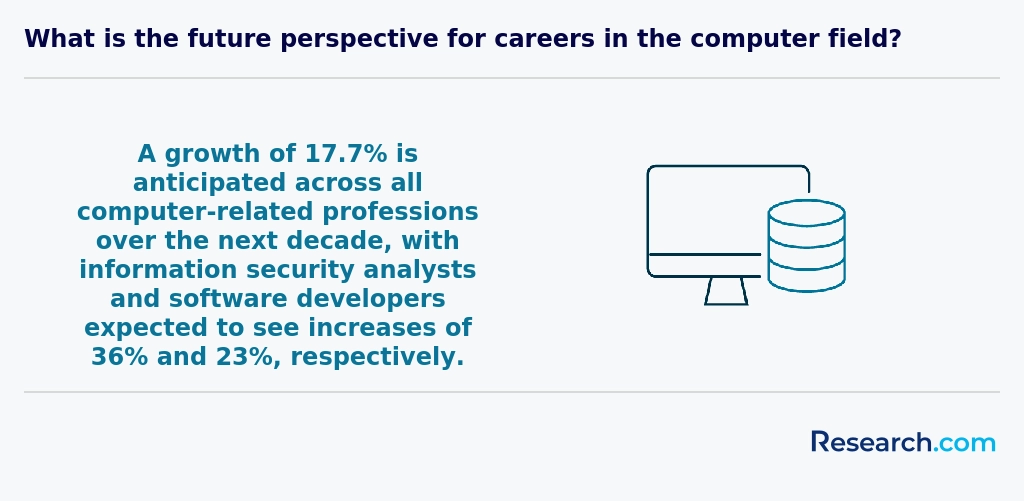
New Jersey computer science degree employment benefits from a projected 15% growth in tech jobs through 2031, translating to thousands of opportunities for skilled graduates. With an average software developer salary around $110,000, graduates report confidence in covering living expenses while gaining career momentum. Networking at local tech meetups reinforces their connections and opens doors to internships and full-time positions.
Students balancing costs discover that online programs support affordability by cutting housing and transportation expenses. Those seeking targeted skills also explore affordable online cybersecurity degrees to complement their computer science background and better align with employer demands.
2027 Most Valuable Online Computer Science Degree Programs Ranking in New Jersey
Investing in your education is a significant decision that can shape your future, and the Research.com team understands the importance of making informed choices. To assist prospective students in New Jersey, we have meticulously crafted the "2027 Most Valuable Online Computer Science Degree Programs Ranking in New Jersey." Our commitment to quality, credibility, and accuracy is reflected in the extensive research and analysis conducted to compile this ranking.
We utilized the following reputable data sources to ensure a comprehensive evaluation of online computer science programs:
By exploring this ranking, readers will gain valuable insights into the most valuable online computer science degree programs available in New Jersey, helping them make informed decisions about their educational paths. For more details on our methodology, please visit our Research.com methodology page.


# 3 position
Thomas Edison State University
Bachelor of Computer Science Technology

Frequently Asked Questions About computer science
Online computer science students in New Jersey can maximize their learning by actively engaging with interactive course materials and participating in virtual labs and coding projects. Utilizing resources provided by accredited universities, such as Rutgers or NJIT, helps ensure access to quality content aligned with industry standards. Joining local tech groups or online forums contributes to networking and real-world problem-solving skills.
Time management is critical; setting a consistent study schedule supports balancing coursework with personal and professional responsibilities. According to the New Jersey Department of Labor, the demand for computer science professionals is projected to grow 15% by 2030, underscoring the value of focused learning.
The field of computer science is rapidly evolving, creating new niches that offer promising career paths. In New Jersey, emerging areas include artificial intelligence (AI), cybersecurity, and data science. According to the New Jersey Department of Labor, jobs in cybersecurity are projected to grow by over 30% through 2030, reflecting a high demand for specialists who protect digital infrastructures.
AI and machine learning are also gaining traction, with companies seeking experts who can develop smart applications. Additionally, data science careers continue to expand as organizations need professionals skilled in managing and analyzing vast amounts of data to drive decision-making.
These niches are often integrated into online computer science degree programs offered by New Jersey institutions, preparing students for high-demand roles in technology.
Preparing for the job market after completing an online computer science degree in New Jersey involves strategic planning. Start by gaining practical experience through internships or cooperative education programs offered by New Jersey institutions or local tech companies. According to the New Jersey Department of Labor, the technology sector in the state is expected to grow by 12% through 2030, increasing demand for skilled professionals.
Networking is crucial. Join regional tech groups such as NJ Tech Council or attend virtual career fairs targeting New Jersey employers. Additionally, build a strong portfolio showcasing projects and coding skills on platforms like GitHub.
Consider earning industry certifications such as CompTIA or AWS, which can enhance job prospects. Utilizing career services provided by your online program and staying current with emerging technologies will also improve employability in the competitive New Jersey tech market.
Employers in New Jersey highly value technical skills such as proficiency in programming languages like Python, Java, and C++. According to the New Jersey Department of Labor, demand for software developers and computer programmers is expected to grow by 15% from 2022 to 2032, emphasizing practical coding knowledge.
In addition to technical ability, problem-solving skills and algorithmic thinking are critical. Graduates must demonstrate the ability to design efficient software solutions and debug complex systems.
Communication skills, both written and verbal, are increasingly important as many New Jersey tech companies operate in team environments and require collaboration across departments.
Familiarity with cloud computing, cybersecurity, and data analysis also enhances employability given the state's growing tech and finance sectors.
Finding internships in New Jersey relevant to a computer science degree involves multiple strategies. Start by exploring online job platforms like Handshake and LinkedIn, which often list internships offered by local tech companies and startups. Many New Jersey universities, including Rutgers and NJIT, provide career services that connect students with internship opportunities tailored to computer science majors.
New Jersey's proximity to New York City expands internship options in major tech firms and financial institutions requiring software development skills. According to the New Jersey Department of Labor, technology employment has grown by 5% annually, increasing internship availability.
Networking through local professional groups and attending tech meetups can also greatly improve chances to secure relevant internships.
In New Jersey, earning an online computer science degree can significantly enhance career mobility and advancement. The state's technology sector has grown steadily, with an increasing demand for skilled IT professionals. According to the New Jersey Department of Labor, computer and information technology jobs are projected to grow by about 13% through 2031, faster than the average for all occupations.
Online degrees offer flexibility for working adults, allowing them to upskill without pausing their careers. Graduates often qualify for higher-paying roles in software development, cybersecurity, and data analysis. Additionally, employers in New Jersey increasingly recognize accredited online degrees from reputable institutions, promoting access to leadership positions.
Furthermore, proximity to major tech hubs like New York City and Philadelphia expands networking and job opportunities for graduates statewide. These factors combined make an online computer science degree a strategic investment for long-term career growth in New Jersey's competitive tech market.
Studying for a computer science degree in New Jersey equips students with skills that cross traditional boundaries, preparing them for interdisciplinary roles. Many New Jersey institutions integrate computer science curricula with fields like data science, healthcare, and finance, reflecting the state's diverse economy. According to the National Center for Education Statistics, New Jersey awards over 1,500 computer science degrees annually, helping meet regional employer demand in tech-driven sectors.
Programs emphasize problem-solving, programming, and data analysis combined with communication and project management. This blend fosters collaboration with professionals in engineering, biology, or business. Additionally, partnerships between universities and New Jersey industries provide practical experiences, reinforcing multi-disciplinary teamwork in real-world settings.
Choosing between a thesis and a non-thesis computer science degree in New Jersey depends largely on your career goals and learning preferences. Thesis programs emphasize research, requiring students to complete an original project and defend it. This path suits those aiming for doctoral studies or research-oriented positions.
Non-thesis programs typically focus on coursework and practical skills, often allowing for internships or projects instead of a formal thesis. These are popular for professionals seeking to advance in industry roles without committing to extensive research.
According to the New Jersey Department of Education, about 65% of computer science master's students in the state opt for non-thesis tracks, reflecting strong demand for applied knowledge.
Consider your time availability, interest in research, and long-term goals when deciding between these formats.
Students based in New Jersey seeking to study computer science abroad have several options through partnerships between local institutions and international universities. While pursuing an entirely foreign online degree is less common, many New Jersey universities offer study abroad programs or dual degrees with overseas partners.
For example, Rutgers University supports exchange programs with top computer science schools worldwide, enabling students to gain global exposure.
New Jersey students may also consider fully online programs from accredited institutions outside the U.S. if those degrees meet state licensure and accreditation standards. The New Jersey Office of the Secretary of Higher Education provides guidelines on recognizing foreign credentials.
Given New Jersey's strong tech industry, studying abroad or through international partnerships can enhance career prospects by providing diverse perspectives and specialized knowledge.
Students pursuing online computer science degrees in New Jersey can benefit from various part-time job opportunities that enhance their education. Roles such as IT support technician, web developer, or data analyst are common and provide practical experience aligned with academic learning.
New Jersey's growing technology sector offers internships and contract work in cybersecurity and software development, which complement classroom knowledge. According to the New Jersey Department of Labor, technology-related positions are projected to grow by 15% through 2028, highlighting strong local demand.
Additionally, freelance projects on platforms catering to tech skills allow flexible work schedules, ideal for part-time students. Employers in cities like Newark and Jersey City value hands-on programming and problem-solving experience, helping students build resumes while earning income.
Online computer science students in New Jersey have access to meaningful networking opportunities through local professional organizations and virtual events. The New Jersey Technology Council (NJTC) hosts regular meetups and conferences focused on technology careers and innovation, which are open to remote learners. Additionally, schools offering online degrees often connect students with alumni networks in the state, enhancing regional ties.
New Jersey's proximity to tech hubs in New York and Philadelphia allows easy virtual collaboration and attendance to industry events. According to the New Jersey Department of Labor, computer science jobs in the state are projected to grow by over 11% through 2030, making networking essential for career advancement.
Alumni networks provide significant advantages for online computer science students in New Jersey. These networks offer access to industry professionals within the state's growing tech sector, facilitating mentorship and career advice. According to the New Jersey Technology Council, the state has over 10,000 tech companies, emphasizing strong local employment prospects.
Graduates can leverage alumni connections for job referrals and internships, which are crucial in competitive fields like computer science. Many universities in New Jersey facilitate online platforms and events to keep alumni engaged, enhancing students' professional growth.
Networking through alumni groups also supports knowledge sharing and collaboration on tech projects, helping students stay current with industry trends and tools.
Customizing an online computer science degree in New Jersey often starts with selecting a program that offers flexible elective courses and concentrations. Many New Jersey institutions provide options like cybersecurity, data science, or software engineering, allowing students to tailor their studies to specific career interests.
Additionally, students can usually choose between project-based assignments or research opportunities, which help develop skills aligned with industry needs. Some programs also offer internships or cooperative experiences with New Jersey tech companies, giving practical exposure.
The New Jersey Department of Labor projects computer and information research scientist jobs to grow by 12% through 2030, suggesting diverse specialization can improve employment prospects.
Online computer science students in New Jersey often face challenges related to balancing coursework with personal and professional responsibilities. Many are working adults who juggle jobs and family, making it difficult to meet assignment deadlines and attend virtual classes consistently.
Technical issues can also hinder progress, especially for those lacking reliable high-speed internet or up-to-date computing equipment, which is essential for programming and software development tasks.
Another common challenge is limited direct access to faculty and campus resources. Despite virtual office hours, students may feel less supported compared to traditional on-campus experiences.
According to the New Jersey Department of Labor, persistent skills gaps within the tech workforce emphasize the importance of strong foundational training, adding pressure on students to keep pace with evolving industry demands.
With an online computer science degree in New Jersey, graduates can pursue various professional certifications that enhance job prospects and specialized knowledge. Popular certifications include the Certified Information Systems Security Professional (CISSP), valuable for cybersecurity roles, and the Certified Software Development Professional (CSDP), offered by the IEEE Computer Society.
Additionally, certifications like Amazon Web Services (AWS) Certified Solutions Architect are highly sought after, reflecting the growing demand for cloud computing skills in New Jersey's tech industry, according to the New Jersey Tech Council.
Many employers prefer candidates with such credentials, which can increase average salaries by 15-20%. Certifications demonstrate proficiency beyond a degree, strengthening resumes in a competitive job market.
When applying to an online computer science program in New Jersey, start by carefully reviewing the specific admission requirements of your chosen school. Many programs require a bachelor's degree, preferably with coursework in mathematics, programming, or engineering. Highlight your academic achievements with a strong GPA, typically above 3.0, which most institutions consider competitive.
Craft a clear personal statement that explains your motivation for studying computer science, referencing New Jersey's growing tech sector as context. Emphasize relevant work or internship experience that demonstrates practical skills and dedication. Strong letters of recommendation from professors or employers familiar with your technical abilities can significantly boost your application.
Standardized test requirements vary; some schools waive GRE scores for online applicants. Confirm current policies on official websites. Finally, make sure to submit all application materials before deadlines, which in New Jersey often fall between December and February for fall admission.
Computer science careers are increasingly recognized worldwide for their strong growth potential and high earning power. In the United States, including New Jersey, the demand for computer science professionals is projected to grow 22% from 2020 to 2030, much faster than the average for all occupations, according to the U.S. Bureau of Labor Statistics. This reflects a global trend as technology continues to shape industries.
New Jersey benefits from its proximity to major tech hubs like New York City, with many companies seeking skilled computer science graduates. Online degrees from New Jersey schools prepare students to compete internationally by focusing on in-demand skills such as software development, cybersecurity, and data analytics.
Globally, computer science careers offer diverse opportunities across sectors like finance, healthcare, and manufacturing. Professionals with such degrees from U.S. institutions, including New Jersey's online programs, often have a competitive edge in the global job market due to strong technical training and networking possibilities.
Gaining practical experience while studying for an online computer science degree in New Jersey is essential for career success. Students can participate in virtual internships offered by local tech companies or startups in the state, especially in hubs like Newark and Jersey City. These internships provide hands-on coding and development experience.
Many New Jersey universities partner with regional employers, allowing online students to access cooperative education (co-op) programs. Additionally, students are encouraged to join coding bootcamps and hackathons hosted by New Jersey's tech community, which enhance real-world skills.
According to the New Jersey Technology Council, nearly 50% of tech jobs in the state require practical experience alongside formal education.
Choosing the right concentration within an online computer science degree in New Jersey requires careful consideration of your career goals and interests. Common concentrations include cybersecurity, data science, software engineering, and artificial intelligence. Understanding regional job market demands can guide your decision; for instance, cybersecurity roles are growing fast in New Jersey, with a 15% increase expected through 2028 according to the New Jersey Department of Labor.
Review program curricula to ensure they align with your skills and interests. Check if the school offers internships or industry partnerships, which are valuable for practical experience. Also, consider program accreditation and faculty expertise to ensure quality education.
- 2027 Most Valuable Online Computer Science Degree Programs Ranking in Virginia
- 2027 Most Valuable Online Computer Science Degree Programs Ranking in Illinois
- 2027 Most Valuable Computer Science Degree Programs Ranking in Pennsylvania
- 2027 Most Valuable Computer Science Degree Programs Ranking in New York
- 2027 Most Valuable Computer Science Degree Programs Ranking in Maryland
- 2027 Most Valuable Computer Science Degree Programs Ranking in Connecticut
- 2027 Most Valuable Computer Science Degree Programs Ranking in Rhode Island
- 2027 Most Valuable Computer Science Degree Programs Ranking in Massachusetts
- 2027 Most Valuable Computer Science Degree Programs Ranking in Kentucky
- 2027 Most Valuable Computer Science Degree Programs Ranking in North Carolina
See What Experts Have To Say About Studying Computer Science
Read our interview with Computer Science experts

Imed Bouchrika, Phd
Computer Science Expert
Professor of Computer Science
National Higher School of Artificial Intelligence

Derek Riley
Computer Science Expert
Professor, Program Director
Milwaukee School of Engineering

Kathleen M. Carley
Computer Science Expert
Professor of Computer Science
Carnegie Mellon University

Martin Kang
Computer Science Expert
Assistant Professor
Loyola Marymount University

- Top Careers in Computer Science | Careers, Salaries, and Resources https://www.computerscience.org/careers/
- The Crucial Role of Networking for Computer Science Students https://dev.to/thisisaayush/the-crucial-role-of-networking-for-computer-science-students-4k2i
- Top Certifications for CSE Students to Boost Their Career https://www.shobhituniversity.ac.in/blogs/top-certifications-for-cse-students
- Computer Science Cover Letter: How to Show You're a Top Tech Candidate https://arc.dev/talent-blog/computer-science-cover-letter/
- Alumni computer science dual https://www.fbi.h-da.de/en/informieren/ueber-uns/alumni/alumni-computer-science-dual
- 8 Tips for Computer Science Graduates to Get Their First Job https://allthecode.co/blog/post/tips-for-computer-science-graduates-to-get-their-first-job
- Bachelor of Science in Computer Science | Online Computer Science Degree Program | University of Phoenix https://www.phoenix.edu/online-information-technology-degrees/computer-science-bachelors-degree.html
- Computer Science students create live network in simulated scenario https://www.stmartin.edu/news-and-stories/stories/computer-science-students-create-live-network-simulated-scenario
- Computer Science Alumni Council https://www.myniu.com/article.html
- 5 Challenges in Teaching Computer Science & Solutions https://www.computingolympiad.org/post/top-5-challenges-in-teaching-computer-science-in-schools-and-how-to-overcome-them