2027 Most Valuable Computer Science Degree Programs Ranking in the USA

Co-Founder and Chief Data Scientist
Choosing the right computer science degree can shape your future career and opportunities. This article presents the 2027 Most Valuable Computer Science Degree Programs Ranking in the USA, created by the Research.com team of data scientists. It's designed to help you make an informed choice about which programs stand out based on real data.
Reading this guide will give you valuable insights into top programs that offer strong returns on investment and meaningful career paths. Pursuing a computer science degree opens doors to innovation, growth, and exciting challenges in today's tech-driven world.
Key benefits of getting computer science degree in America
- Graduates with a computer science degree often enjoy competitive salaries, such as software engineers earning a mean annual wage of $138,110 and web developers making around $95,570, providing strong financial stability.
- Career paths are diverse, including roles like software developer, data analyst, and IT support specialist, offering exciting opportunities for growth and specialization after graduation.
- Online computer science degrees can offer flexible schedules and accessibility, enabling students to balance work and study while gaining the same valuable skills as traditional programs.
- 2027 Most Valuable Computer Science Degree Programs Ranking in the USA
- What can I expect from computer science degree in America?
- Where can I work with computer science degree in America?
What can I expect from computer science degree in America?
The average cost of obtaining a computer science degree in America varies widely depending on the type of institution. Public universities typically charge between $10,000 and $30,000 annually for in-state students, while out-of-state tuition can range from $25,000 to $50,000 per year. Private universities often have higher tuition fees, with annual costs frequently exceeding $40,000. Students at renowned institutions such as the University of California, Berkeley, or Carnegie Mellon University often report tuition combined with living expenses reaching upwards of $60,000 per year.
Graduates from these programs commonly recall the financial investment as challenging but worthwhile, given the strong career prospects. Many emphasize how internships and cooperative education opportunities offered during their studies eased the transition into well-paying roles, helping offset educational costs.
Scholarships, grants, and financial aid remain pivotal for students navigating these expenses. For instance, those attending state universities like the University of Illinois Urbana-Champaign frequently benefit from such resources, reducing the burden and allowing focus on their rigorous coursework and research.
Where can I work with computer science degree in America?
Graduates of computer science programs at institutions like MIT, Stanford, and the University of California often find themselves entering diverse and dynamic career paths across America. These graduates frequently secure roles in software development, designing and maintaining applications for both tech giants and innovative startups. Many experience the excitement of working in vibrant hubs such as Silicon Valley or Seattle, benefiting from robust networking and cutting-edge projects.
Others pursue careers in cybersecurity, a field marked by urgent demand due to rising digital threats. Graduates report fulfilling experiences working for federal agencies or leading private security firms, contributing to critical national security initiatives. Data science and artificial intelligence also attract many alumni, who analyze complex datasets or develop machine learning models that power advancements in industries from healthcare to finance.
Graduates appreciate that a computer science degree opens doors beyond traditional tech companies. Many find rewarding roles in education, research, and government, applying their skills to real-world challenges. These opportunities highlight how versatile and impactful a computer science education in America can be.
Graduates with a computer science degree from prominent institutions such as Stanford, MIT, or the University of California often find rewarding career opportunities with competitive salaries. Entry-level software engineers and developers frequently start with mean annual wages of about $138,110, reflecting strong demand for their skills in the American tech industry.
For those pursuing roles as web developers, the mean annual wage is approximately $95,570, while IT support specialists earn a median of $63,640. These figures highlight a broad spectrum of earning potential depending on specialization and job function.
Data analyst positions, increasingly popular among computer science graduates, offer a mean annual salary near $119,040, demonstrating the value of analytical skills applied in sectors ranging from finance to healthcare.
Many graduates appreciate how their education translates to financial growth, especially when employed in major tech hubs like Silicon Valley or Seattle. These cities often provide salary premiums well above the national averages, reinforcing the career benefits of studying computer science within top American universities.
- Computer science bachelor's degrees usually require four years of full-time study covering programming, algorithms, and software development.
- Annual tuition costs average about $10,000 for public in-state universities and over $35,000 for private universities.
- The total cost for a four-year program ranges from $40,000 to more than $150,000 including room and board.
- Starting salaries for computer science graduates are around $75,000 to $85,000 per year, increasing to over $120,000 after ten years of experience.
- Employment in computer and information technology jobs is projected to grow 15% from 2021 to 2031, adding about 682,800 new jobs.
- Graduates can work in fields like artificial intelligence, cybersecurity, and data science, with internships improving job prospects.
Completing a Bachelor of Science in Computer Science in America typically requires about four years of full-time study, as seen at leading institutions like MIT, Stanford, or the University of California, Berkeley. Graduates often describe this period as intense yet rewarding, balancing foundational courses with advanced electives to build versatile skills. The curriculum usually demands around 120 to 130 credit hours, including math, programming, and theory, which students find challenging but engaging.
Many students appreciate the option to accelerate their studies by taking summer classes or leveraging Advanced Placement credits, enabling some to graduate earlier. Conversely, graduates who worked part-time or participated in co-op programs at colleges like Northeastern University report spending five years but value the real-world experience gained.
For those pursuing graduate degrees, a master's can take one to three years depending on program structure, while Ph.D. candidates often spend four to six years conducting research. This flexible timeline allows students at universities nationwide to tailor their education according to career goals and personal commitments.
Investing in a Computer Science degree goes beyond tuition and fees-it’s about long-term career value. On average, graduates accrue around $30,000 in student debt yet command starting salaries near $72,000, resulting in a typical payback period of just 2–3 years. To assess ROI effectively, consider: • Average Debt vs. Starting Salary – Median student loans: $28,500 – Median starting salary: $72,000 – Estimated payback period: 2.1 years • Five- and Ten-Year Salary Growth – 5-year median salary: $104,000 – 10-year median salary: $142,000 These figures underscore how quickly technical skills translate into income gains. • Top Programs by ROI 1. University A: 2.0-year payback, 10-year salary $155K 2. University B: 2.2-year payback, 10-year salary $148K 3. University C: 2.3-year payback, 10-year salary $150K • Career Acceleration and Specializations Graduates specializing in fields like AI, cybersecurity, and data science often see accelerated returns. For details on high-earning tech roles, explore what is the highest paying coding job. By comparing debt levels, salary trajectories, and program outcomes, you can select a degree path that maximizes value. Remember, ROI isn’t solely about cost-it’s about how your education propels you toward higher earning potential and career fulfillment.
Online and on-campus computer science degrees in the United States differ primarily in delivery and experience. Graduates from on-campus programs at universities like the University of California or the University of Texas often recall the value of face-to-face interactions with professors and peers, hands-on access to labs, and collaborative projects that enriched their learning. These experiences foster strong professional networks and practical skills through internships and campus events.
Conversely, online degree students appreciate the flexibility to balance studies with work or family, as seen in programs from institutions like Arizona State University. Many find the asynchronous format empowering, allowing them to learn at their own pace without sacrificing the curriculum's rigor. However, these students emphasize the need for self-discipline and proactive engagement in virtual communities and career fairs to build connections.
Cost considerations also differ. On-campus students face expenses tied to housing and commuting, while online learners sometimes incur technology fees. Yet financial aid opportunities remain available across formats, ensuring accessibility for diverse learners pursuing computer science in America.
Investing in a Computer Science degree is not just about tuition costs-it’s about the long-term financial payoff and career stability you’ll gain. On average, graduates recoup their educational expenses within three to five years, thanks to starting salaries that often exceed $70,000. When comparing in-state versus out-of-state tuition, your ROI can vary by up to 30%, so it’s crucial to weigh program costs against projected earnings. Mid-career salaries for Computer Science professionals can soar to $150,000 or more, meaning the lifetime value of your degree often outpaces the initial investment by a margin of 3:1 or higher. To maximize ROI, consider factors such as institutional reputation, employer partnerships, and available internships. Programs with strong industry ties frequently lead to higher job placement rates, accelerating your path to that salary threshold. For students balancing budget constraints, exploring affordable yet high-value options can significantly improve ROI. For instance, regional public universities and community colleges often deliver robust technical curricula at a fraction of the cost. For a curated list of such programs, see our Affordable Computer Science Degree Programs Ranking in Chicago, IL. Ultimately, a Computer Science degree’s ROI hinges on both the cost of attendance and the quality of career support services. By selecting a program with transparent salary outcomes, strong alumni networks, and dedicated career centers, you can ensure that your education delivers the greatest possible return on your investment.
The average cost of a computer science degree in America varies widely based on residency status and institution type. Using reliable data, the median total expenses for a computer science degree amount to approximately $46,737. In-state students generally benefit from significantly lower costs, with the median total tuition and fees around $16,306. Out-of-state students face higher costs, which can match the overall median of $46,737. These figures typically cover tuition but do not fully encompass additional expenses such as textbooks, specialized software, and living costs.
Graduates from well-known computer science programs at major public universities often share that while the financial investment is substantial, the breadth of campus resources helps manage some of the extra expenses typical of this major. Many computer science students recall relying on university computer labs and open-source software to supplement their personal study tools, a common scenario in institutions popular for their rigorous CS curricula. The total expenses for computer science degree in the USA, therefore, reflect not only tuition fees but also these tangible day-to-day costs associated with the coursework and campus life.
Financial aid plays a crucial role in easing this burden. Prospective students are encouraged to explore scholarships, especially those targeted at STEM fields, and work-study opportunities. For those researching options, this most affordable computer science colleges resource highlights institutions that offer competitive pricing and financial support, providing practical pathways for students to access quality education without prohibitive costs.
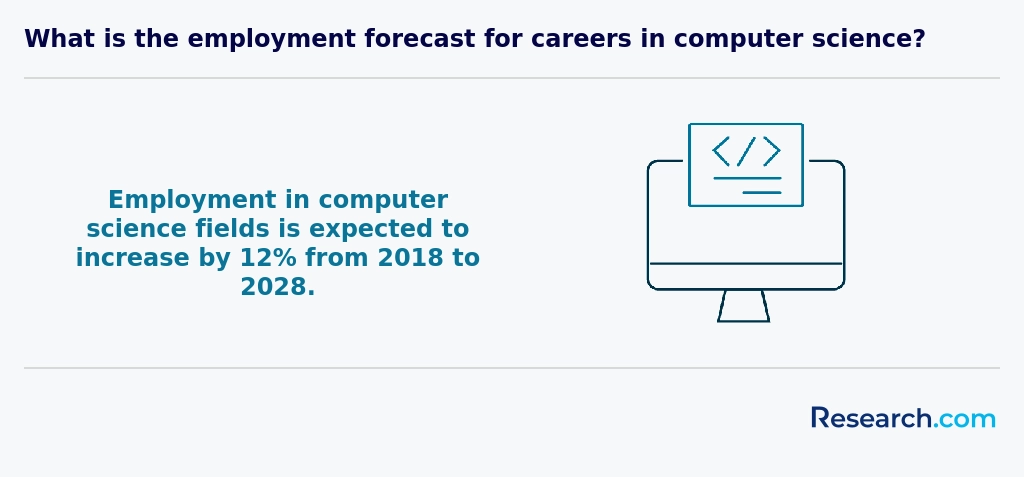
Estimating ROI helps you compare degree value across programs:
- Total Program Cost: median $45,968 (includes tuition, fees, materials)
- Median Starting Salary: approximately $72,000 (software developers, data analysts)
- Payback Period: 9–18 months when salary covers college expenses
- Key Variables: specialization choice, geographic job market, scholarship support
Consider high-demand tracks like AI or cybersecurity for faster salary growth, or explore budget-friendly alternatives at gaming schools online to diversify your skillset while managing overall costs.
Financial aid for computer science students in America primarily includes federal grants, loans, institutional scholarships, and work-study programs. Many students at universities such as the University of California and Georgia Tech benefit from Pell Grants, which provide up to $7,395 for the 2023-2024 academic year, significantly easing tuition burdens. Graduates often recall how these grants made a tangible difference in managing costs without incurring debt.
Direct Subsidized and Unsubsidized Loans also support students throughout their degree, allowing for flexible repayment plans. First-year undergraduates can borrow up to $5,500 annually, enabling many to focus on studies rather than immediate employment. At schools like Georgia Tech, merit-based scholarships recognize academic excellence and foster diversity, sometimes covering full tuition and motivating recipients to excel.
Additionally, private scholarships from organizations like the Society of Women Engineers provide essential support, especially for underrepresented groups. Work-study programs offer part-time employment on campus, allowing students to gain experience while earning income. For those working in tech, employer tuition reimbursement programs present another valuable aid avenue, creating hopeful paths toward degree completion.
When evaluating Computer Science programs, it’s essential not only to consider tuition costs but also to analyze the long-term financial benefits and overall value of the degree. In today’s competitive tech industry, making an informed decision involves comparing program quality, career support services, and potential earnings against your investment in education. Understanding the cost-to-benefit ratio can empower you to identify programs that not only deliver strong academic foundations but also offer strategic advantages for your future career. Many prospective students have found that researching options tailored to both quality and cost is key. For example, analyzing programs that balance comprehensive curriculums with robust career services helps in assessing whether the higher tuition is justified by exceptional internship placements and alumni networking opportunities. Similarly, some universities offer innovative financial aid packages or income-share agreements that make managing costs more feasible while still delivering a high-quality education. If you’re seeking education that blends affordability with strong vocational outcomes, you may want to explore the most affordable computer science colleges in the USA. These institutions have demonstrated success in preparing graduates for lucrative career paths, making them worthy of consideration when planning your financial future. By carefully weighing both financial commitments and the potential return on investment-including starting salaries, growth potential in tech careers, and networking opportunities-you can choose a program that aligns perfectly with your career goals and budget. This strategic approach not only reduces financial risk but also positions you for long-term success in the rapidly evolving world of technology.
To enroll in a computer science degree in America, students must first complete a high school diploma or an equivalent qualification. Admissions committees at leading institutions such as those in the University of California system or the Massachusetts Institute of Technology place strong emphasis on a solid foundation in mathematics and science. Graduates often reflect on how their prior coursework in algebra, calculus, and basic sciences like physics prepared them to grasp challenging concepts in programming and algorithms swiftly.
Many successful applicants also benefit from early exposure to computer programming or technology classes, which build practical skills and confidence. For instance, students recalling their experiences at universities like Carnegie Mellon highlight how even basic programming familiarity helped them adjust easier to advanced coursework.
Standardized test scores, especially in mathematics, remain a factor for many schools, despite some adopting test-optional policies. Letters of recommendation and personal statements showcasing enthusiasm for technology further strengthen applications.

Graduates develop a mix of technical expertise and soft skills essential for thriving in diverse tech environments.
- Mastery of programming languages (Python, Java, C++) and coding best practices
- Deep understanding of algorithms, data structures, and computational complexity
- Practical experience with software development lifecycles, version control, and agile methodologies
- Ability to analyze datasets, apply statistical methods, and prepare for a data science masters online
- Strong problem-solving, critical thinking, and systems design capabilities
- Effective communication and teamwork through collaborative, project-based learning
Computer science degree programs in America typically include a well-rounded set of core courses designed to build both theoretical knowledge and practical skills. Graduates from respected universities often recall how foundational courses like Introduction to Programming-covering languages such as Python, Java, or C++-helped them develop essential problem-solving abilities early on. Data Structures and Algorithms courses provide critical insight into organizing and processing data efficiently, skills repeatedly practiced through challenging projects.
Students also engage deeply with Computer Systems and Architecture to understand how hardware and software interact, a perspective that proves invaluable in hands-on labs. Theory of Computation offers a rigorous exploration of the mathematical logic behind computing, sharpening analytical thinking. Operating Systems courses teach management of hardware resources, giving students practical experience configuring real-world environments.
Other integral subjects include Software Engineering, where students simulate developing and maintaining robust software applications, and Databases, focusing on efficient data management. Courses in Computer Networks expose learners to communication protocols that power the internet. Electives in AI, cybersecurity, and machine learning further excite students, connecting classroom theory with cutting-edge industry trends at leading colleges nationwide.
Computer science degree specializations in the USA offer focused paths such as Artificial Intelligence and Machine Learning, Cybersecurity, Data Science and Big Data, Software Engineering, Human-Computer Interaction, and Networks and Systems. Graduates from universities popular for computer science programs often speak positively about the opportunity to immerse themselves in fields like AI, where they develop skills to design autonomous systems, or Cybersecurity, which prepares them to defend critical infrastructures against evolving threats.
These specializations allow students to tailor their education to emerging industry demands, increasing their confidence and employability post-graduation. Many students at public universities appreciate the flexibility to combine minors or concentrations, which broadens their expertise. For instance, a Data Science focus equips students with capabilities highly valued across sectors, making it easier to explore what is the highest paying coding job options.
By the junior year, students typically commit to top computer science concentration options in America that reflect both their passions and market needs, preparing them for rewarding professional journeys.
To choose the best computer science degree in America, start by verifying the institution's accreditation, particularly regional accreditation and ABET recognition for computer science programs. Graduates from well-accredited universities report greater confidence entering the workforce, knowing their education meets rigorous standards.
Examine the curriculum carefully to ensure it offers specialization options aligned with your interests, such as artificial intelligence, cybersecurity, or data science. Many students at top programs appreciate hands-on research and internship opportunities that reflect real-world industry trends. The reputation of universities like those in California or Massachusetts often helps graduates secure roles at leading tech firms.
Cost is a vital consideration. Many students balance choosing among public and private institutions by consulting resources like the Affordable Computer Science Degree Programs Ranking in Chicago, IL. This helps in identifying affordable computer science degrees in America without compromising quality.
Finally, prioritize programs with strong employment outcomes and career support, as these have proven critical for navigation into key tech hubs. Many alumni from well-connected schools speak positively about internship pipelines that transform academic experience into rewarding careers.
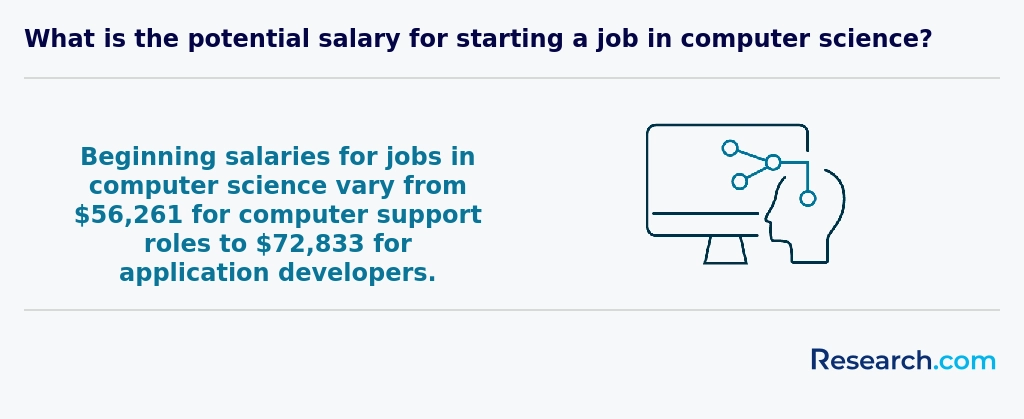
Graduates of a computer science degree in America embark on diverse career paths that reflect the dynamic tech landscape. From bustling campuses at top universities to smaller colleges known for innovation, students often enter roles as software developers, crafting applications that power everyday life. This practical experience, common among graduates, underscores the expanding computer science career opportunities in the USA.
Many graduates also excel as data scientists, a role that perfectly blends analytical skills with business insight to influence decisions at major corporations. Cybersecurity analysts are in high demand, too, defending critical infrastructure from cyber threats. Systems analysts and AI engineers further broaden the scope, shaping technologies that revolutionize industries. These career paths for computer science graduates in America highlight how their education translates into impactful work environments.
Alongside traditional degrees, some students complement their skills with 1 year certificate programs that pay well, enhancing employability and career advancement. The multifaceted opportunities available make a computer science degree a strategic and rewarding investment in today's competitive job market.
The computer science job outlook in USA remains exceptionally strong, supported by consistent growth projected over the next decade. Graduates from renowned institutions such as MIT, Stanford, and the University of California system find themselves highly sought after across industries like technology, finance, and healthcare. Many report beginning their careers with salaries ranging from $70,000 to $90,000, with advanced expertise in areas like cybersecurity or machine learning often leading to even greater earnings.
Employment opportunities for computer science graduates America-wide benefit from the rapid expansion of fields including artificial intelligence and cloud computing. Students graduating from large public universities frequently share experiences about how their practical projects and internships have translated directly into valuable job offers. These opportunities are amplified by the ability to work remotely, enabling access to positions beyond local geographic constraints.
When considering academic pathways, costs vary greatly, but many recognize the investment as worthwhile given high job placement rates. Those seeking flexible schedules often explore the easiest online masters options, which align well with career advancement.
2027 Most Valuable Computer Science Degree Programs Ranking in the USA
Investing in your education is a significant decision that can shape your future, and the Research.com team understands the importance of making informed choices. To assist prospective students in selecting the best computer science degree programs, we have meticulously crafted the "2027 Most Valuable Computer Science Degree Programs Ranking in the USA." Our commitment to quality, credibility, and accuracy is reflected in the thorough research and analysis undertaken to compile this ranking.
We utilized the following reputable data sources to ensure a comprehensive evaluation of computer science programs:
By exploring this ranking, readers will gain valuable insights into the most valuable computer science programs in the USA, enabling them to make well-informed decisions about their educational investments. For more information about how this ranking was created, please visit our Research.com methodology page.


# 4 position
Colorado Technical University-Colorado Springs
Master of Science in Computer Science


# 6 position
University of Arkansas Grantham
Bachelor of Science in Computer Science

# 7 position
Colorado Technical University-Colorado Springs
Bachelor of Science in Computer Science


# 16 position
Rasmussen University-Florida
Bachelor of Science in Computer Science


Frequently Asked Questions About computer science
Students pursuing computer science degrees in America can maximize their learning by engaging deeply with both theory and practical work. Participating in internships or cooperative education programs is critical; according to the National Association of Colleges and Employers, 66% of computer science graduates gain employment through internship experiences. Students should also take advantage of research opportunities offered at many universities, as hands-on projects reinforce classroom knowledge.
Joining coding clubs or hackathons fosters collaboration and real-world problem-solving skills. Additionally, leveraging online platforms like coding bootcamps or MOOCs can complement formal education. Familiarity with current tools and languages, emphasized by the Computing Research Association, boosts job readiness in this fast-evolving field.
The computer science field in America is rapidly evolving, with several emerging niches gaining significant attention. One of the fastest-growing areas is artificial intelligence (AI) and machine learning, where demand for skilled professionals is expected to increase by 40% through 2031, according to the U.S. Bureau of Labor Statistics (BLS). Another important niche is cybersecurity, driven by the rise in cyber threats targeting both private and government sectors. Additionally, fields like data science and quantum computing are expanding, with American universities investing heavily in research and development.
These specialties offer promising career paths within the U.S. tech industry, reflecting broader market trends and innovation efforts ongoing nationwide.
After completing a computer science degree in America, preparing for the job market involves strategic steps. Networking is vital; joining professional groups like the Association for Computing Machinery (ACM) can open opportunities. Internships during studies boost experience and employability, with nearly 60% of CS graduates reporting internships as key to their first job, according to the National Association of Colleges and Employers (NACE).
Developing practical skills through coding projects and contributing to open-source software strengthens resumes. Additionally, certifications in areas like cloud computing or cybersecurity can increase job prospects. Understanding current market trends, such as AI and data science, helps graduates align skills with industry demand.
Employers in America increasingly value a blend of technical and soft skills from computer science graduates. According to the National Association of Colleges and Employers (NACE) 2023 report, proficiency in programming languages like Python, Java, and C++ remains essential. Additionally, skills in data structures, algorithms, and software development are highly sought after for their practical application in problem-solving.
Beyond coding, employers emphasize teamwork, communication, and adaptability. The Computing Research Association highlights that 67% of tech employers prioritize candidates who can collaborate effectively in diverse environments. Cybersecurity knowledge and familiarity with cloud platforms, such as AWS and Azure, are also becoming critical due to evolving industry demands.
Finding internships in America relevant to a computer science degree involves multiple strategies. Most universities offer career services that connect students with tech companies seeking interns. According to the National Association of Colleges and Employers (NACE), 66% of computer science students secure internships before graduation.
Students should also leverage online platforms such as Handshake and LinkedIn, which list thousands of internship opportunities specifically in technology fields. Attending career fairs hosted by computer science departments and tech organizations is another effective approach.
Networking with professors and alumni can open doors, as many internships aren't publicly advertised. Lastly, applying early and tailoring resumes to highlight technical skills increases chances significantly.
A computer science degree in America significantly enhances career mobility and advancement opportunities. The U.S. Bureau of Labor Statistics projects a 22% growth in computer and information technology jobs from 2020 to 2030, much faster than the average for all occupations. This demand creates diverse pathways, allowing graduates to switch between roles like software development, cybersecurity, and data analysis.
Graduates tend to experience faster salary growth compared to non-technical fields. According to the National Association of Colleges and Employers, computer science majors had an average starting salary of approximately $72,000 in 2023.
Many employers prefer candidates with a formal computer science education, as it signals strong problem-solving skills and technical knowledge. This preference often results in quicker promotions and leadership roles.
Studying for a computer science degree in America equips students with versatile skills applicable across many fields. U.S. universities emphasize strong fundamentals in programming, algorithms, and systems, while encouraging collaboration with disciplines like biology, business, and engineering. According to the Computing Research Association, over 60% of computer science graduates engage in interdisciplinary projects during their studies.
Many programs offer minors or electives in related areas such as data science, cognitive science, or digital media, fostering a broad knowledge base. This approach prepares graduates for roles in healthcare technology, finance, and artificial intelligence, where cross-disciplinary expertise is crucial.
Internships and research opportunities, common in American institutions, further develop teamwork and problem-solving skills across diverse sectors.
Choosing between a thesis and a non-thesis computer science degree in America depends on your career goals and learning preferences. A thesis program involves conducting original research, which can be beneficial if you plan to pursue a PhD or a research-oriented job. According to the National Science Foundation, about 25% of master's computer science students in the US opt for thesis programs to strengthen their research skills.
Non-thesis programs typically emphasize coursework and practical skills, suitable for students aiming for immediate industry roles. These programs may also require a project or comprehensive exam instead of a thesis. The U.S. Bureau of Labor Statistics highlights that demand for professionals with practical computer science skills continues to grow across many sectors.
Consider faculty expertise, your interest in research, and career aspirations when choosing between these options.
American students interested in studying computer science abroad have several options through partnerships between U.S. institutions and foreign universities. Many American universities offer exchange programs, allowing students to complete part of their computer science degree overseas while maintaining credits that count toward their U.S. degree. According to Open Doors data from 2022, computer science is among the top majors for study abroad participation.
Popular destinations include European countries like Germany and the Netherlands, where tuition fees can be lower or free. Some programs offer dual degrees, combining an American degree with an international qualification. These pathways provide valuable global exposure and enhance career prospects in the tech industry.
Part-time job opportunities in America can greatly enhance a computer science degree education by providing practical experience alongside academic knowledge. Common roles include software development internships, IT support technician positions, and web development jobs. According to the National Association of Colleges and Employers (NACE), 65% of computer science students secure internships during their studies, significantly improving employment outcomes.
Another growing field is data entry and analysis roles, where students can apply programming and database skills while earning income. Many universities partner with tech companies in Silicon Valley and other hubs, offering students part-time roles remotely or onsite. These jobs not only improve technical proficiency but also develop teamwork and project management capabilities important in the computer science field.
Networking opportunities for computer science students in America are extensive and varied, playing a crucial role in career development. Many universities host tech clubs and organizations like the Association for Computing Machinery (ACM) or IEEE Computer Society, which provide students with chances to meet peers and industry professionals.
Internships and co-op programs are common, offering hands-on experience and direct connections with leading tech companies. According to the National Association of Colleges and Employers (NACE), over 70% of computer science graduates in the U.S. secure employment through internships.
Career fairs and hackathons, often sponsored by universities or tech firms, also enable students to showcase their skills and network with recruiters. Regional conferences such as Grace Hopper Celebration and local meetups further enhance networking possibilities for students nationwide.
Alumni networks play a crucial role in supporting computer science students in America by providing access to professional connections and career opportunities. According to the National Association of Colleges and Employers, 70% of jobs are found through networking, making these connections highly valuable.
Alumni often share job leads, internship openings, and mentorship, helping students navigate the competitive tech industry. Many universities host events and platform hubs where students connect with successful graduates in companies like Google, Microsoft, and Amazon.
Strong alumni networks also facilitate collaborative projects and knowledge exchange, enhancing students' skills and workplace readiness. This peer support translates into better employment rates for graduates nationwide.
In the United States, customizing a computer science degree to match career goals is increasingly common and accessible. Many universities offer flexible curricula that allow students to choose electives aligned with fields like artificial intelligence, cybersecurity, or software engineering. According to the National Center for Education Statistics, over 85% of accredited institutions provide elective options within their computer science programs.
Students can also pursue minors or certificates in complementary areas such as data science or business. Internship opportunities and research projects often play a vital role in shaping career paths. Universities encourage engagement with industry partners, which enhances practical experience. Tailoring your program by selecting coursework and extracurricular activities relevant to your interests is essential for a competitive edge in the evolving tech job market.
Computer science students in America frequently face intense academic pressure due to the rigorous curriculum. Courses require strong proficiency in mathematics, programming, and problem-solving skills, which can be demanding for many learners. According to the National Center for Education Statistics, nearly 30% of computer science students drop out before completing their degrees, often citing workloads as a major factor.
Financial challenges are also common, with tuition costs at public and private universities averaging between $10,000 and $35,000 per year. Many students balance part-time jobs, which can impact study time and academic performance.
Additionally, students often report feeling isolated, especially in programs where underrepresented groups in technology, such as women and minorities, remain small. This lack of diversity can affect peer support and mentorship opportunities.
With a computer science degree in the United States, many professional certifications can enhance your expertise and job prospects. Popular certifications include the Certified Information Systems Security Professional (CISSP) for cybersecurity, offered by (ISC)², which is valued in industries focused on protecting digital information.
The Project Management Professional (PMP) certification is also common for those who want to move into leadership roles within tech projects.
Other certifications often pursued include the Cisco Certified Network Associate (CCNA) and Microsoft Certified: Azure Fundamentals, which emphasize networking and cloud computing skills. According to CompTIA, certified professionals can earn 15% to 20% more than non-certified peers in tech roles.
Writing a winning application for a computer science program in America requires clear demonstration of both academic ability and genuine passion. Most programs expect a strong background in math and science, often reflected by a competitive GPA and standardized test scores like the SAT or ACT. According to the National Center for Education Statistics, the average GPA of admitted students in top U.S. CS programs is around 3.7.
Applicants should highlight relevant experience such as coding projects, internships, or participation in competitions like the American Computer Science League. Many programs also value well-crafted personal statements that explain your motivation and career goals.
Letters of recommendation from teachers or mentors who can attest to your technical skills and work ethic strengthen your file. Finally, submitting supplemental materials such as coding portfolios or GitHub links can differentiate you from other candidates.
Computer science careers in America are recognized globally for their strong foundation in innovation and technology. The US boasts the highest number of top-ranked computer science programs, attracting international students and fostering a diverse workforce. According to the National Science Foundation, over 85,000 bachelor's degrees in computer and information sciences were awarded in 2021, reflecting strong domestic demand.
American graduates are well-positioned internationally due to the emphasis on both theory and practical skills in US programs. Tech hubs like Silicon Valley influence global trends, setting standards in software development, artificial intelligence, and cybersecurity. As a result, US-trained professionals often have competitive advantages in global tech markets.
Additionally, many US universities maintain partnerships with overseas institutions, promoting global collaboration and career opportunities. This international approach helps graduates adapt to a rapidly changing global economy in the tech sector.
Gaining practical experience while studying computer science in America is crucial for career readiness. Many students pursue internships, which provide hands-on exposure to real-world projects; according to the National Association of Colleges and Employers (NACE), 57% of computer science students secure internships before graduation. Another option is engaging in research projects guided by professors, often funded by grants from institutions such as the National Science Foundation. Participating in coding competitions, hackathons, or joining university tech clubs also enhances applied skills. Additionally, cooperative education programs, available at some schools, integrate classroom learning with paid work experience in industry settings. These activities strengthen resumes and technical expertise.
Choosing the right concentration within a computer science degree program in America begins with understanding your interests and career goals. Common concentrations include artificial intelligence, cybersecurity, data science, and software engineering. According to the National Center for Education Statistics, cybersecurity graduates have seen a 30% growth in job opportunities over the past five years, indicating strong demand in this field.
Explore program offerings at universities accredited by the Computing Accreditation Commission of ABET to ensure quality education. Investigate internship and research opportunities, as practical experience can influence your specialization choice significantly.
Salary potential varies by concentration; for example, data scientists earn a median annual wage of about $100,000, according to the U.S. Bureau of Labor Statistics. Align your choice with both market trends and your passion for a sustainable career path.
See What Experts Have To Say About Studying Computer Science
Read our interview with Computer Science experts

Kathleen M. Carley
Computer Science Expert
Professor of Computer Science
Carnegie Mellon University

Derek Riley
Computer Science Expert
Professor, Program Director
Milwaukee School of Engineering

Imed Bouchrika, Phd
Computer Science Expert
Professor of Computer Science
National Higher School of Artificial Intelligence

Martin Kang
Computer Science Expert
Assistant Professor
Loyola Marymount University

- Top Careers in Computer Science | Careers, Salaries, and Resources https://www.computerscience.org/careers/
- How to Find Computer Science Work Experience in Year 12 https://www.savemyexams.com/learning-hub/careers/how-to-find-computer-science-work-experience-year-12/
- Computer Science Alumni Council https://www.myniu.com/article.html
- Fields of Work in Computer Science: Top IT Careers | Walbrook https://www.walbrook.ac.uk/subjects/computer-science/computer-science-fields-of-work-career-in-it/
- Study Computer Science Abroad | Go Overseas https://www.gooverseas.com/study-abroad/computer-science
- Computer Science students create live network in simulated scenario https://www.stmartin.edu/news-and-stories/stories/computer-science-students-create-live-network-simulated-scenario
- Online Degree vs. Traditional | University of Arkansas Grantham https://www.uagrantham.edu/blog/pros-cons-online-degree-vs-traditional-university/
- Letter of Motivation for applying Computer Science related fields https://essayforum.com/letters/motivation-applying-computer-science-related-11858/
- 8 Tips for Computer Science Graduates to Get Their First Job https://allthecode.co/blog/post/tips-for-computer-science-graduates-to-get-their-first-job
- Essential Skills Every Computer Science Graduate Needs | LSBF https://lsbf.edu.my/blog/11-essential-skills-every-computer-science-graduate-needs/