Interview with a Public Health Expert: Answering Students' Questions About Public Health Trends

Co-Founder and Chief Data Scientist
Public health impacts every part of our lives, from the air we breathe to the food we eat. Students often have questions about this field and how it relates to their studies and future careers. As someone with over ten years of experience in career planning, I've reached out to Dr. Deborah A. Cohen, MD, MPH, a research scientist at the Kaiser Permanente Southern California Department of Research & Evaluation’s Division of Behavioral Health, to answer these questions.
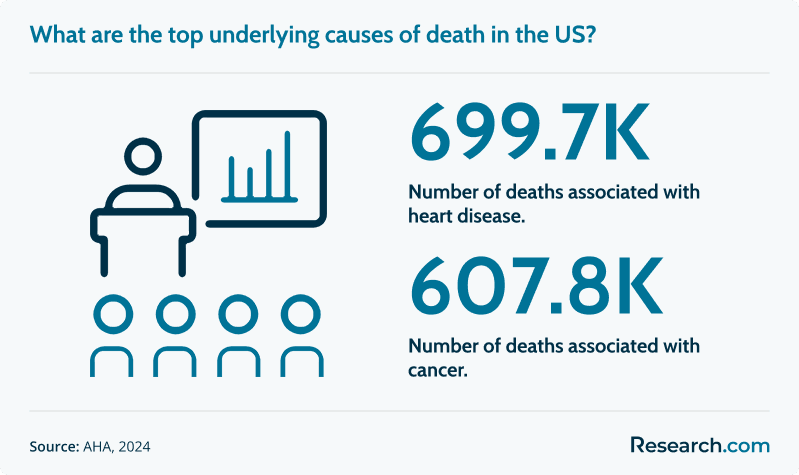
Healthcare jobs are growing rapidly. From 2022 to 2032, healthcare occupations are expected to grow much faster than other fields. On average, there will be about 1.8 million job openings yearly in healthcare. This growth means many opportunities for students interested in public health.
By reading this article, you'll gain first-hand knowledge from an industry expert about public health careers, critical skills, industry trends, and more. This information will help you navigate your studies and plan your future in public health.
- What are the most critical skills public health students should focus on developing during their studies to succeed in the current job market?
- What current public health trends should students be aware of, and how can they leverage these trends to their advantage?
- What role do internships and practical experiences play in the education of a public health student, and how can students maximize these opportunities?
- What advice would you give public health students about preparing for the transition from academia to the professional world?
- Can accelerated MHA programs online advance my public health career?
- What funding options are available for public health students?
- What additional certifications can boost my public health career?
- Can short-term online programs boost my public health career?
- What should I look for in a public health program?
- What careers can you pursue with a public health degree?
- What is the job outlook for public health professionals?
- How can I reduce the cost of my public health education?
- Is an online public health degree credible and valuable?
- How can an advanced degree elevate my public health career?
What are the most critical skills public health students should focus on developing during their studies to succeed in the current job market?
Having the right skills, like statistical know-how and research skills, is crucial for success in public health. Whether you're interested in statistics, program development, or nutrition, knowing which skills to develop can help you stand out. Public health is about more than just numbers and policies; it's about understanding how different factors affect the health and behavior of populations. This knowledge is essential for creating positive health changes in communities.
- Dr. Cohen: "Specific skills depend upon which aspects of public health they will pursue—statistics, program development, research, pollution, water safety, nutrition, etc. However, the most important skill is understanding the big picture and how the context of the environment influences health and behaviors. Understanding the factors that lead to positive health changes and how to handle those are critical to promote population health."
To highlight the expert's point on understanding the big picture in environmental factors and health behaviors, consider how parks influence health equity. Parks are often the only free spaces for physical activity in many communities. They offer places to walk, bike, and relax, which are essential for physical and mental health.
In fact, a recent study in 2024 found that people living near parks took more breaks from sitting, which is vital for older adults. This shows how the environment and access to resources can affect health behaviors, reinforcing the need to understand these big-picture factors.
For students, I suggest focusing on both specialized skills and understanding the broader context. Pay attention to how different environments influence health and behavior. This will make you a better public health professional and help you create effective programs and policies that truly improve community health.
What current public health trends should students be aware of, and how can they leverage these trends to their advantage?
Students must stay informed about current public health trends, such as policy challenges and workforce shortages. These trends can shape future policies and job opportunities in the field. Awareness of these changes helps students prepare for challenges and find ways to make a positive impact.
- Dr. Cohen: "Unfortunately, the current trend is to reduce regulations and limit government control over businesses. Public health students need to find ways to overcome these barriers to create policies to better protect population health and the environment."
Dr. Cohen's concern over the changes in regulations is not unfounded. Recent trends show a push to reduce government regulations, which can hurt public health efforts. For example, in 2022, Arizona passed a law preventing the government from requiring COVID-19 vaccinations. Similarly, Montana now limits the power of local health boards to enforce quarantine orders. These policies can undermine efforts to control disease outbreaks and protect public health.
Understanding these challenges is essential for students. Knowing how to navigate and address these barriers can set you apart in the job market. Focus on developing strong advocacy and policy-making skills. Learn how to create effective health policies, even in environments with strict regulations.
Staying informed and adaptable can help you leverage these trends. You'll be better prepared to advocate for positive changes and protect community health. Understanding the current landscape will also help you become a more effective public health professional.
What role do internships and practical experiences play in the education of a public health student, and how can students maximize these opportunities?
Gaining practical experience through internships allows you to apply what you've learned in real-world settings. It also helps you confirm your career goals or explore new areas of interest, as our expert highlights.
- Dr. Cohen: "Internships do provide practical experience and finding an opportunity that matches with a student's goals will work best to confirm their plans or lead them to pursue a different area."
The place where you intern can depend on your specialization or interests. The best opportunities may be from your field's largest employers. For example, community health workers often find jobs in social assistance (20%), ambulatory healthcare services (17%), and local government (15%). On the other hand, epidemiologists are frequently employed by state governments (36%), local governments (21%), and hospitals (12%).
To make the most of your internship, choose one that aligns with your career goals. If you're interested in community health, look for positions in social services or local government similar to where graduates of affordable human services online degree programs go. If epidemiology is your focus, seek state or local health department opportunities. These experiences can help you gain relevant skills and make valuable connections in your field.
Internships enhance your resume and provide hands-on experience that is invaluable in the job market. Use these opportunities to learn from professionals, ask questions, and get a feel for different public health settings. This practical experience will give you a competitive edge and help you make informed decisions about your future career.
What advice would you give public health students about preparing for the transition from academia to the professional world?
Moving from school to a professional job can be challenging, especially for students committed to bringing positive health outcomes into communities. Public health students must prepare for this transition with patience and a positive outlook. Understanding how to navigate this change will help you succeed in your new career.
- Dr. Cohen : "It does take time to find the best position and to create substantial changes, so having patience and maintaining a positive outlook about future improvements in the conditions in which we live will help students continue on the path to promote public health."
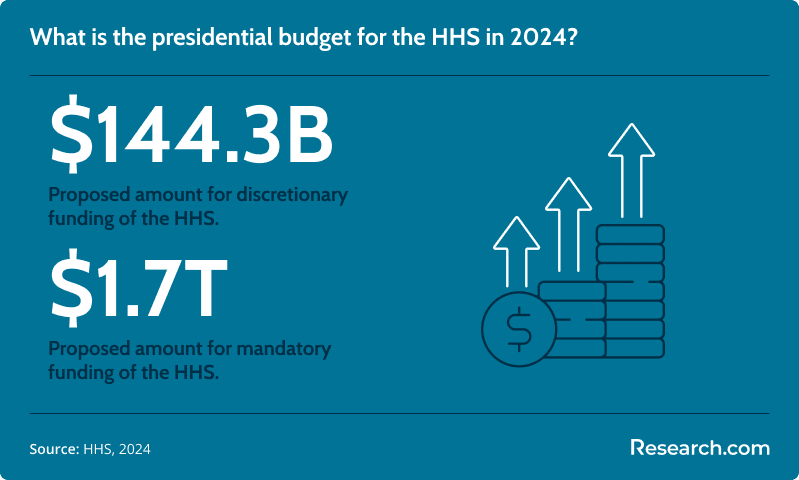
Finding the right job might take time, but there are many opportunities in public health. The FY 2024 President's Budget includes $19.5 billion in funding for the CDC and the Agency for Toxic Substances and Disease Registry. This budget includes funding to recruit and retain public health professionals and improve working conditions for those in high-risk environments, which is great news for new graduates.
As a student, focus on building a strong resume and gaining relevant experience. Look for internships and volunteer opportunities that align with your career goals. Stay informed about funding and job opportunities in public health organizations like the CDC. These organizations often have programs to support new professionals. This include training and development opportunities through public health programs or continuing education programs for those who might want to explore higher degrees like the cheapest online education leadership degrees.
Be patient and stay positive as you search for your first job. The public health field is growing, and many opportunities exist to make a difference. Keep learning and networking; you'll find a position that fits your skills and passions.
Can accelerated MHA programs online advance my public health career?
Accelerated healthcare administration programs often combine rigorous coursework with real-world application to fast-track leadership skills. These fast-track degree programs, such as accelerated MHA programs online, emphasize core components of administrative strategy, financial management, and policy analysis tailored for the public health sector. The condensed structure not only instills advanced management competencies but also prepares professionals to respond swiftly to emerging public health challenges. In this high-demand field, such targeted training can be a strategic asset for assuming leadership roles within community health organizations, hospitals, or government agencies, fostering innovation and decisive action in public health initiatives.
What funding options are available for public health students?
Public health education requires a careful evaluation of financial support options to ensure long-term career success. Assess available scholarships, grants, and loan programs, and consider programs offering employer tuition assistance, graduate assistantships, or reduced rates for qualifying applicants. Additionally, military service members and veterans can benefit from exploring cost-effective pathways, such as programs offered by military online colleges, which provide tailored financial incentives and flexible learning options. Analyze all available resources to balance tuition, fees, and potential debt with future earning opportunities in the public health field.
What additional certifications can boost my public health career?
Public health professionals can enhance their expertise by obtaining targeted certifications that complement their academic degrees. Specialized certificate programs in areas such as epidemiology, biostatistics, health policy, or environmental health provide practical insights and advanced skills. These programs offer flexibility and are designed to accommodate working professionals seeking to address current public health challenges. Explore options through online colleges certificate programs to identify courses that align with your career goals and elevate your professional profile.
Can short-term online programs boost my public health career?
Accelerated online programs can offer a practical entry point into the public health field by providing essential education in a condensed format. These programs are designed to build foundational skills rapidly, helping individuals gain the necessary knowledge to support entry-level roles or complement prior experience. Many professionals use this pathway as a stepping stone while they continue to develop specialized competencies. To explore a cost-effective and flexible option, consider what degree can I get online in 6 months that can serve as a catalyst in launching your public health career.
What should I look for in a public health program?
Choosing the right public health program involves considering factors like accreditation, networking opportunities, and cost. Here are some key factors to consider:
- Accreditation: Ensure the program is accredited by a recognized public health accreditation body specifically by The Council on Education for Public Health. This ensures the program meets high standards and is respected by employers.
- Specializations: Look for programs that offer specializations aligning with your career goals, such as epidemiology, environmental health, or health policy. Specializations can help you gain focused knowledge and skills in your chosen area.
- Practical Experience: Programs with strong internship and fieldwork opportunities provide valuable hands-on experience. As mentioned, practical experience helps confirm your career plans and builds your resume.
- Faculty Expertise: Research the faculty to see their areas of expertise and professional backgrounds. Learning from experienced professionals can provide deeper insights and mentorship opportunities.
- Resources and Facilities: Check if the program can access modern labs, research centers, and public health organizations. Good resources and facilities enhance your learning experience and provide more practical skills.
- Networking Opportunities: Programs with strong connections to public health organizations, alumni networks, and industry events can provide valuable networking opportunities. Networking helps you learn from others and find job opportunities.
- Job Placement Support: Look for programs with strong career services and job placement support. This includes resume workshops, job fairs, and connections to potential employers.
- Research Opportunities: Choose programs offering research projects and collaborating with public health agencies. Research experience is valuable for understanding current health issues and contributing to the field.
- Flexibility: Consider the program’s flexibility, such as part-time options or online courses, especially if you need to balance school with work or other commitments. Flexible programs can help you manage your time effectively.
- Cost and Financial Aid: Evaluate the cost of the program and available financial aid options. Scholarships, grants, and assistantships can help manage your educational expenses. Even the cheapest MPH programs online offer specialized knowledge and skills to help you make a difference in public health.
The chart below illustrates the annual salary of public health workers by degree level in 2024.
What careers can you pursue with a public health degree?
Public health careers often involve creating policies, conducting research, and promoting healthy behaviors. You can work in various sectors like government, healthcare, and non-profits. Some popular roles include epidemiologist, community health worker, and public health educator.
Each career plays a crucial role in promoting and protecting public health. By focusing on the big picture and understanding environmental influences, as our expert mentioned, you can make a significant impact in any of these roles. Here are some of your options:
- Epidemiologist: Epidemiologists study disease patterns and causes in populations. They work to control outbreaks and prevent future health issues.
- Health Educator: Health educators teach people about healthy behaviors and wellness. They design programs and materials to promote health and prevent disease.
- Environmental Health Specialist: These professionals focus on how the environment affects human health. They work on issues like pollution, water safety, and waste management.
- Public Health Administrator: Administrators manage public health programs and policies. They ensure that health services are effective and accessible to communities. They may also choose to pursue an affordable online master's in healthcare administration degree to advance their careers.
- Biostatistician: Biostatisticians use statistics to analyze health data. They help design studies and interpret the results to inform public health decisions.
- Community Health Worker: Community health workers provide support and information to individuals in their communities. They connect people to healthcare services and promote health education.
- Policy Analyst: Policy analysts research and develop health policies. They work with government agencies and organizations to improve public health laws and regulations.
- Occupational Health and Safety Specialist: These specialists ensure safe working conditions to prevent job-related injuries and illnesses. They conduct inspections and develop safety programs.
- Public Health Nurse: Public health nurses work in communities to provide healthcare and education. They focus on prevention and helping people maintain healthy lifestyles. You can start with the cheapest online RN to BSN programs if you're currently a registered nurse looking to go into public health.
- Global Health Professional: Global health professionals address health issues that affect people worldwide. They work on international health projects and help develop global health policies.
What is the job outlook for public health professionals?
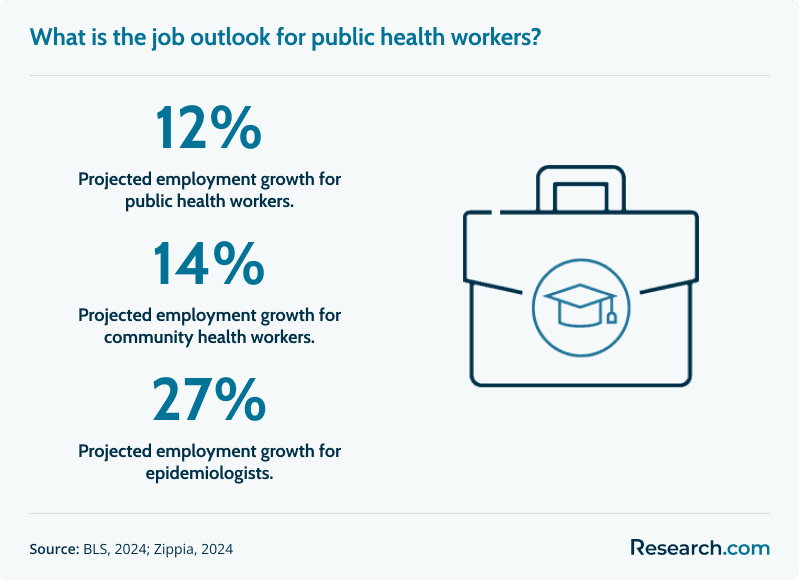
The job outlook for public health professionals looks bright. According to data from 2024, jobs in this field are expected to grow by 12%. This rise comes from the increasing demand for health services and effective public health programs.
Your specialization affects job growth. Community health workers might see a 14% increase in jobs, while epidemiologists could see a 27% rise. Health education specialists who may have graduated from MPH programs or the cheapest online NP programs might see job growth of 7%. These numbers show the importance of choosing a focus that matches job market trends.
The FY 2024 President’s Budget supports this positive outlook. This funding aims to enhance the public health system at all levels, including recruiting and training public health professionals. The budget ensures that the public health workforce can grow and adapt to future challenges by investing in core capabilities and providing better working conditions. With strong funding and increasing demand, students can expect many opportunities in public health.
How to prepare for a successful career in public health?
Public health professionals are in high demand and crucial to improving community health. To succeed in this field, our expert emphasizes that it's essential to stay updated about trends, develop the right skills, and gain practical experience. Internships can help you confirm your career plans and provide real-world insights. Being flexible and staying informed enables you to overcome barriers and create effective policies. Specializing in areas such as epidemiology and community health can lead to many opportunities, as these fields are growing fast. By staying patient, positive, and well-informed, you can make a meaningful impact and find a fulfilling career in public health.
How can I reduce the cost of my public health education?
A cost-effective approach to public health education involves a careful evaluation of tuition rates, financial aid, and flexible program formats. Students are encouraged to compare options that include scholarships, grants, and employer tuition assistance to minimize debt while acquiring essential skills. Investigating alternative pathways, such as accredited online associate degree programs, can offer a solid foundation at a lower cost. For a detailed breakdown of affordability and program comparisons, review How much does it cost to get an associate's degree online?. This analysis can help balance quality with budgetary constraints, ultimately supporting a sustainable career path in public health.
Is an online public health degree credible and valuable?
Online public health programs are structured to meet rigorous academic and industry standards through accredited curricula and flexible learning methods. These programs are designed to offer the same foundational competencies as traditional settings while catering to diverse student schedules and professional demands. For professionals seeking to quickly advance their careers without compromising educational quality, exploring the best degree to get online provides a practical pathway.
How can an advanced degree elevate my public health career?
Advanced degrees offer specialized training that goes beyond the foundational skills acquired during undergraduate studies. They equip professionals with advanced strategies in research methodology, policy analysis, and leadership, all of which are essential for the increasingly complex challenges in public health. An advanced degree can open doors to higher-level positions by signaling expertise and a commitment to continued learning. Employers often value candidates with such qualifications, as they are better positioned to drive strategic initiatives and manage multifaceted projects. For a comprehensive overview of lucrative educational pathways, consider exploring the highest paying masters degrees.
More Information About the Expert We Interviewed:
Deborah A. Cohen, MD, MPH
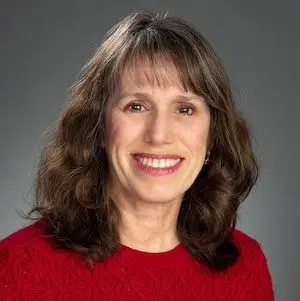
Dr. Deborah Cohen is a research scientist with the Kaiser Permanente Southern California Department of Research & Evaluation. She studies how environmental factors, like food environments and neighborhood parks affect community health and disparities. She also develops interventions to promote healthier diets and physical activity. Previously, she was a senior physician policy researcher at the RAND Corporation and has served on NIH, CDC, and Robert Wood Johnson Foundation panels. She wrote A Big Fat Crisis and co-authored Prescription for a Healthy Nation. Dr. Cohen earned her MD from the University of Pennsylvania and an MPH in Epidemiology from UCLA.
References:
- American Hospital Association (AHA). (2024). 2024 Environmental Scan. AHA.
- Bureau of Labor Statistics (BLS). (2024a). Community Health Workers. Occupational Outlook Handbook. BLS.
- Bureau of Labor Statistics (BLS). (2024b). Epidemiologists. Occupational Outlook Handbook. BLS.
- Bureau of Labor Statistics (BLS). (2024c). Health Education Specialists. Occupational Outlook Handbook. BLS.
- Bureau of Labor Statistics (BLS). (2024d). Healthcare Occupations. Occupational Outlook Handbook. BLS.
- Cohen, M., Burrowes, K., & Gwam, P. (2022). The Health Benefits of Parks and their Economic Impacts: A Review of Related Literature. Urban Institute.
- Motomura, M., Koohsari, M. J., Ishii, K., Shibata, A., Nakaya, T., Hanibuchi, T., Kaczynski, A. T., Veitch, J., & Oka, K. (2024). Park proximity and older adults’ physical activity and sedentary behaviors in dense urban areas. Urban Forestry & Urban Greening, 95, 128275. ScienceDirect.
- The Network for Public Health Law. (2024). Summary of Enacted Laws and Pending Bills Limiting Public Health Authority: The Second Wave. 50-State Legislative Law and Bill Survey. The Network for PHL.
- US Department of Health and Human Services (HHS). (2024). Fiscal Year 2024 Budget in Brief. HHS.
- Zippia. (2024a). Job Outlook for Public Health Workers in the United States. Zippia.
- Zippia. (2024b). Public Health Worker Demographics and Statistics in the US. Zippia.