Interview with Library Science Experts: Answering Students’ Questions About Library Science Trends

Co-Founder and Chief Data Scientist
Library science, as defined by industry experts, is the field dedicated to the management and dissemination of information through libraries and similar institutions. It involves the systematic organization, preservation, and retrieval of information resources, ensuring that knowledge is accessible to diverse user groups. Experts highlight that modern librarians are not just custodians of books but also navigators of digital landscapes, helping patrons access and utilize electronic resources effectively.
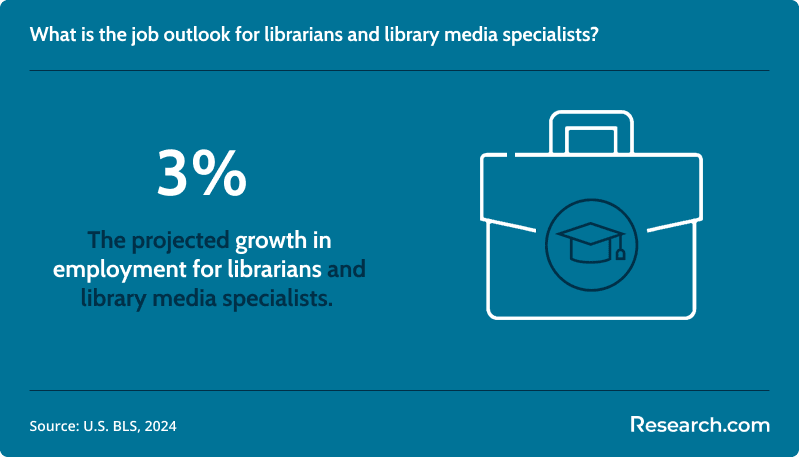
This shift has expanded the role of librarians to include digital archiving, information literacy training, and the integration of new technologies within library services. In fact, the demand for librarians and library media specialists is expected to grow by three percent from 2022 to 2032. These experts highlight that modern librarians are not just custodians of books but also navigators of digital landscapes, helping patrons access and utilize electronic resources effectively. In this article, we have interviewed library scientists to gain insights into the evolving field of library science.
Experts We Interviewed:
- Kay Anne Cassell, Ph.D.: Professor Emerita of Library and Information Science, Rutgers - New Brunswick
- Bea Baaden, M.A.: Director and Associate Professor, School Library Media Program, Long Island University
- Maura Madigan: Author, School Librarian at Fairfax County, Virginia
- Edward Benoit III, Ph.D.: Associate Director, Associate Professor, School of Information Studies, Louisiana State University
Interview with Library Science Experts Table of Contents
- What are the most critical skills that library science students should focus on developing during their studies to succeed in the current job market?
- What current trends in library science should students be aware of, and how can they leverage these trends to their advantage?
- How is technology transforming the library science sector, and what tech skills should students focus on acquiring?
- What role do internships and practical experiences play in the education of a library science student, and how can students maximize these opportunities?
- What advice would you give to library science students about preparing for the transition from academia to the professional world?
- What books, courses, or resources would you recommend to library science students to enhance their learning and exposure?
- How can non-degree credentials boost a library science career?
- How can remote work expand library science career opportunities?
- How can continuous professional development accelerate a library science career?
- How can online education options accelerate a library science career?
- Can accelerated degree programs fast-track career advancement in library science?
- What factors should students consider when choosing a library science program?
- What degrees are available for studying library science?
- What professional certifications and industry memberships can advance a library science career?
- How are libraries preparing for future technological advancements?
- How does library science contribute to society?
- What can we expect for the future of library science?
What are the most critical skills that library science students should focus on developing during their studies to succeed in the current job market?
As the industry increasingly embraces digital technologies and user-centered services, the most critical skills include digital literacy, information management, and strong communication abilities.
In this section, we explore the essential competencies that library science students should focus on to ensure their success and adaptability in a dynamic professional landscape.
- Kay Anne Cassell, Ph.D: “The critical skills to succeed in libraries are soft skills. Most students have decent tech skills but...they [should] know how to work with other people—both other staff and library users. Good communication skills are also needed.”
- Bea Baaden, M.A.: “Critical thinking skills; creative thinking skills; collaboration skills; information literacy, media literacy, and digital literacy skills; working with diverse populations; good listening skills; ability to multi-task; ability to learn quickly, as technology changes rapidly in this profession; ability to adapt to changing situations; ability to communicate patiently and pleasantly; commitment to intellectual freedom concepts.”
- Maura Madigan: “I think it’s good to diversify your skills. You might think you want to work in public libraries, but later realize that you’d prefer school libraries or academic libraries. Having the credentials and skills to be able to work in different types of libraries gives you more options, especially if the job market is tight.”
- Edward Benoit III: “The Library and Information Science (LIS) field includes a wide range of different career possibilities in the 21st century—many more than 50 years ago. While the majority of students enter the MLIS programs with a specific career path in mind, such as a public librarian, archivist, or academic librarian, many approach the degree from a broader generalist perspective. I always recommend that students focus on developing transferable skills—ones that will help them in multiple types of LIS positions. These include but are not limited to: understanding how information is organized, how it can be described (e.g., cataloging and metadata), information searching, and how to understand user (and group) needs. While many students may desire to learn specific technology skills, I do encourage them to do so—it is more important for them to learn how to adapt to new technology. Learning a particular programming language or how to utilize a specific application has a built-in shelf-life—whereas learning how to adapt will benefit them in the long run.”
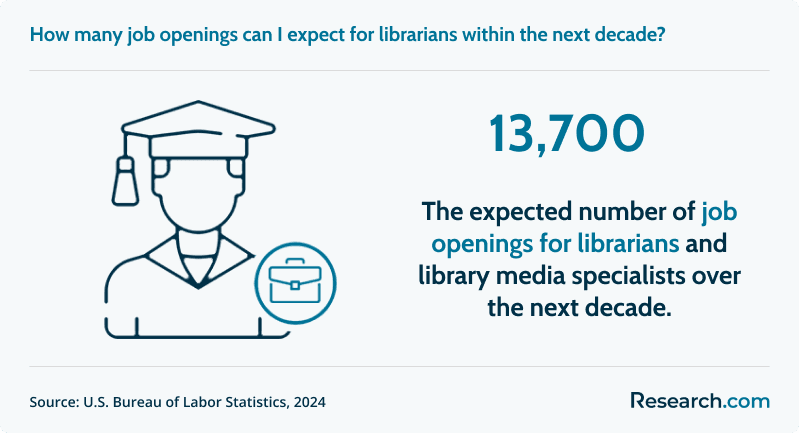
According to statistics, there will be about 13,700 job openings for librarians and library media specialists each year, on average, over the decade. This means that in the ever-evolving field of library science, students must develop a diverse skill set to thrive in the current job market. To support their education and career preparation, students should also be aware of student loan application tips, which can help manage the financial aspects of their studies and ensure they are well-prepared for their professional journey.
What current trends in library science should students be aware of, and how can they leverage these trends to their advantage?
Staying abreast of current trends is crucial for library science students aiming to excel in a rapidly changing field. Key trends include the integration of digital technologies, the emphasis on data management, and the growing importance of community engagement. By understanding and leveraging these trends, students can position themselves as innovative and adaptable professionals, ready to meet the evolving demands of modern libraries.
To prepare for this evolving field, students should also consider the student loan application process, which will play a crucial role in financing their education and ensuring they can fully focus on developing the skills needed for a successful career in library science.
- Kay Anne Cassell, Ph.D: “Some trends that are important are learning to work well with the library's community and promoting the library to its users. They will want to learn how to make good presentations to their public.”
- Bea Baaden, M.A.: “Artificial Intelligence is, of course, the most current, not only what it is but how it can benefit the community; be forward thinking about technological changes, as well as changes in the community's demographics; know very well how to counteract forces for censorship and banning library materials; know the laws that govern the above issues.”
- Maura Madigan: “AI is the big topic these days. Being knowledgeable about AI and its implications for use in various library settings would be good.”
- Edward Benoit III: “While it may not be considered a trend, per se, students should explore the role of participatory and community-based approaches within LIS. These are user-focused and user-driven, and a way to better understand the role of LIS within contemporary society. Students should understand how libraries, in particular, serve communities more broadly. For example, many public libraries have social workers in residence to help patrons access benefits and services. Understanding these approaches can often bring new ideas to the table when starting their first positions.”
When it comes to the demand for library science professionals in the future, it is projected that employment will grow by three percent from 2022 to 2032. As the role of libraries expands beyond traditional boundaries to include digital resource management, community engagement, and information literacy, the demand for professionals who can navigate these new challenges will remain strong.
How is technology transforming the library science sector, and what tech skills should students focus on acquiring?
Technology is revolutionizing the library science sector, reshaping how information is managed and accessed. Students should focus on acquiring tech skills such as digital archiving, data analytics, and proficiency in library management systems.
In this section, we discuss how essential it is to master skills that allow students to the power of technology to enhance library services and meet the demands of a digital-first world.
- Kay Anne Cassell, Ph.D: “I am not a techie person but I do think most students have decent tech skills. Everything keeps changing so librarians must keep working on their skills.”
- Bea Baaden, M.A.: “Librarians are no longer just focused on books or print materials; we are generally the technology specialists in a small community or school library. Know how to troubleshoot simple technology issues. Generally, keep up to date with all technological changes; always engage in staff development to enhance technological skills. As far as skills, good information retrieval, and searching skills in all formats and media; designing, producing and assessing multimedia for a variety of purposes, especially to inform and engage the community; social media and video skills.”
Maura Madigan expressed that similar to the current trends in library science that students should be aware of, AI is also the current technology transforming the sector. Additionally, Dr. Benoit reiterates that students should possess transferable skills to help them adapt to the technological progress in the library science sector. This includes learning about cataloging, metadata, and information searching.
What role do internships and practical experiences play in the education of a library science student, and how can students maximize these opportunities?
Here is what the experts have to say when it comes to the role of practical experiences in the education of a library science student:
- Kay Anne Cassell, Ph.D: “I think that internships and practical experience are now essential. Most libraries would not want to hire someone who has never worked in a library, so some library experience is a must. Also, get a letter from the library where you worked to strengthen your application.”
- Bea Baaden, M.A.: “Internships are critically important for library science students; this is where they receive 'on the job' training, not only in the processes of the profession but in the knowledge of how to engage in the particular community. Having said this, it is not beneficial for a student to just be 'plopped' in a particular site for that one internship class. It's important to include practical experiences within the library science curriculum and to get out in the field for small, focused assignments. This is how to make contacts in the field, too, and to learn practically. I believe that it's important to visit more than one library, as each takes on the flavor of the community and each is different.”
- Maura Madigan: “I can only speak to school librarianship. I’d say that these experiences are really helpful. Visiting different libraries and levels (elementary, middle, and high) gives library science students the chance to see what it would be like to work in a library. You get ideas about what you’d like to do and even things you might not want to do. It’s a good idea to try to visit as many different libraries as possible, even if it’s just for a day. It’s a good way to build connections too.”
- Edward Benoit III: “The LIS field can be highly competitive to enter right after graduate school. It is vital that students gain practical, hands-on experience inside and outside the classroom. This could be through formal or informal internships or volunteering. Students should not wait for positions to be advertised, and be proactive about approaching local institutions to see if they are willing to host an intern or would allow for volunteers. Students should also not be afraid to meet with their faculty during office hours to discuss their particular interests—you never know what connections a faculty (or staff) member might have in the community.”
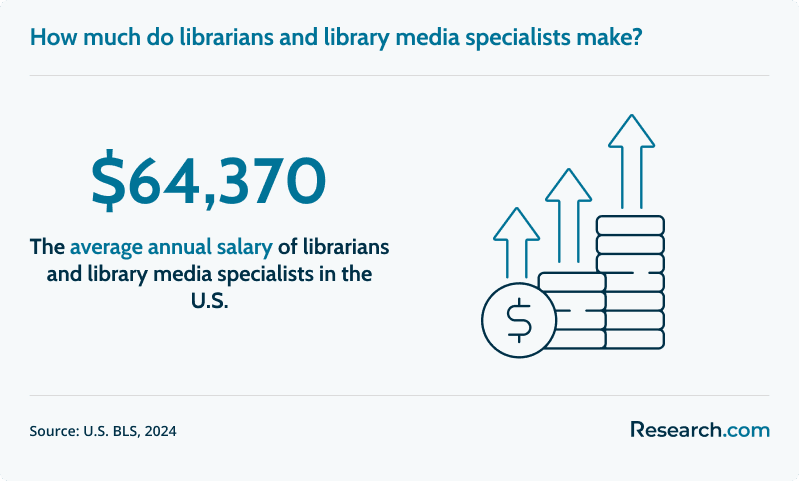
Librarians and library media specialists earn an average of $64,370 per year, highlighting the potential for a rewarding career in the field. However, achieving this level of success often depends on more than just academic knowledge—it requires practical experience gained through internships and hands-on opportunities. Internships play a crucial role in the education of a library science student, offering real-world experience that complements classroom learning.
What advice would you give to library science students about preparing for the transition from academia to the professional world?
In this section, industry experts share their top advice for students, emphasizing the importance of gaining practical experience, staying adaptable to new technologies, and building a strong professional network. Their insights provide valuable guidance for navigating this pivotal stage in a library science career.
- Kay Anne Cassell, Ph.D: “I think that students need to be aware of how different the professional world is. They need to be aware that employers expect staff to show up on time and even go beyond the basics expected. Even more important and often a big surprise is how political the work world is. Study the place you are working so you make the right decisions.”
- Bea Baaden, M.A.: “Visit as many different kinds of libraries as possible, even if that is not the kind of library you intend for your career. View them with an eye toward the commonalities among the various library settings and the differences in procedures. Don't wait until the end of the degree to do an internship. If a professor does not offer practical experience, then ask for one. Read widely: journals, books, blogs, etc. Join professional organizations: the ALA for our national association; a state association; and a local one - go to those meetings as much as possible - get involved.”
- Maura Madigan: “Many school librarians are teachers who are transitioning to the library. I’d say that teaching in a library isn’t that different than teaching in a classroom. Play to your strengths. There isn’t one right way to be a school librarian. Also, you don’t need to accomplish everything in the first year. This is my 10th year as a school librarian and there’s still some things on my to-do list.”
- Edward Benoit III: “Be flexible. It may sound simple, but the most important thing is to be flexible when searching for your first position. It may not be your dream position, it may not be in the field you saw yourself starting out in, and it may not be in the geographic location you want to end up living—but it is most important to get that first position.”
According to research, the median earnings of those with a master’s or higher degree is $80,200, which is the highest compared to those with a bachelor’s degree who earn $66,600 as their highest level of attainment. Furthermore, those who completed high school have median earnings of around $41,800. This data underscores the value of advanced education in boosting earning potential and career prospects. The chart below shows the different median earnings of individuals based on their educational attainment:
What books, courses, or resources would you recommend to library science students to enhance their learning and exposure?
In the rapidly evolving field of library science, continuous learning is key to staying ahead. In this interview section, we asked industry experts to recommend the most impactful books, courses, and resources that can enhance students' knowledge and exposure.
In this section, experts offer some valuable tools for deepening understanding, honing skills, and staying informed about the latest trends and best practices in library science.
- Kay Anne Cassell, Ph.D: “I think everyone should be reading the professional literature. It depends on where you work as to what you read. That will tell you more about the issues of the day and what else you need to learn. There are many ways to pick up a course in an area you need to learn. Also, try to get to conferences in your area of interest. Conferences are good for learning and for making connections with other librarians.”
- Bea Baaden, M.A.: “Courses: a management class (even if you don't think you will ever want to be a library director, etc) because the skills of leadership in management are important for any of library professions; media literacy course (good book: Teaching Media Literacy by Belinha DeAbreu); a collection development course where you learn important principles that govern how to deal with challenged materials; a good reference class.”
- Maura Madigan: “ALA Editions and AASL have so many fantastic books, resources, and eLearning courses. Join the association and your state school library association. These provide you with support and resources. The AASL Standards are a must for all school librarians. Go to conferences. These are the best pd you’ll get. Also, join school library groups on Social Media. I get a lot of great ideas from Facebook and Twitter posts.”
- Edward Benoit III: “I always recommend students join their local and regional professional organizations. These organizations are great opportunities to network and provide low-cost professional development opportunities. Additionally, more students need to take advantage of faculty office hours and utilize the faculty’s expertise for specific recommendations within their field of choice.”
How can non-degree credentials boost a library science career?
In addition to traditional degree programs, non-degree credentials offer a targeted approach for acquiring specialized skills. Many professionals enhance their expertise through focused training provided by accredited online certificate programs, which deliver practical knowledge in areas such as digital archiving, advanced metadata management, and emerging library technologies. These credentials can serve as a valuable supplement to formal education by keeping practitioners abreast of industry innovations and ensuring their competitiveness in a dynamic job market.
How can remote work expand library science career opportunities?
Remote work is emerging as a critical element in the evolving landscape of library science, offering professionals a flexible and geographically independent career path. This mode of working enables experts to engage in digital archiving, remote information management, and the curation of virtual collections while collaborating across institutions and disciplines from various locations. Additionally, remote initiatives often complement traditional roles by promoting innovative project management and enhancing access to emerging digital resources. Prospective students and career changers may also consider academic programs specifically tailored to equip them with the competencies needed for remote positions, such as those outlined in the best masters for remote work.
How can continuous professional development accelerate a library science career?
Continuous professional development is vital for staying competitive in a rapidly evolving library science landscape. Industry professionals are increasingly pursuing tailored training programs, practical workshops, and industry-recognized micro-credentials to bridge the gap between foundational academic knowledge and emerging technological demands. Engaging in focused skill enhancement not only refines technical capabilities but also strengthens leadership and innovation. Moreover, exploring opportunities such as the best certifications for jobs can offer targeted insights and advanced competencies that translate directly to workplace success and career advancement.
How can online education options accelerate a library science career?
Online education delivers flexible pathways that address the evolving demands of the library science field. Digital programs empower aspiring professionals to engage with specialized subjects—such as digital archiving, metadata management, and modern information systems—without geographic and scheduling constraints. This modality supports ongoing skill enhancement and accommodates diverse learning needs. For further exploration of accessible programs, see online colleges with no application fee.
Can accelerated degree programs fast-track career advancement in library science?
Accelerated degree programs offer a streamlined learning journey designed specifically for working professionals seeking rapid career advancement. These intensive formats, such as 1 year master's programs online, focus on cutting-edge subject matter and real-time skill application. Tailored curricula emphasize digital resource management, data analytics, and innovative library technologies, enabling graduates to quickly acquire competencies essential for addressing emerging challenges in the field. This focused approach not only reduces the time to degree completion but also supports professionals in adapting to evolving industry demands with agility and precision.
What factors should students consider when choosing a library science program?
When evaluating library science programs, students should assess program accreditation, curriculum relevance, and career support services without overlooking financial considerations. Review faculty expertise, internship opportunities, and the integration of emerging technologies to ensure the program aligns with evolving industry standards. Flexibility in course delivery, such as online options—illustrated by resources like affordable bachelor's degree online—can further enhance accessibility while accommodating diverse schedules and financial needs.
What degrees are available for studying library science?
Several degrees are available for studying library science, each catering to different career paths within the field. Additionally, understanding private student loan basics can help students navigate their financial options effectively, ensuring they can focus on their studies and make the most of the learning resources available to them. Here are the most common options for library science degrees:
- Bachelor’s Degree in Library Science: While relatively rare, some institutions offer undergraduate programs in library science, often focusing on foundational knowledge in information management, cataloging, and library operations. These programs prepare students for entry-level positions in libraries and related fields.
- Master of Library Science (MLS) or Master of Library and Information Science (MLIS): This is the most common degree for aspiring librarians and information professionals. The MLS/MLIS program typically covers advanced topics such as information organization, digital libraries, research methods, and user services. It is often required for professional librarian positions, particularly in public, academic, and specialized libraries.
- Master of Science in Information Science (MSIS): This degree focuses on the broader field of information science, encompassing library science, data management, and information technology. It is ideal for students interested in the intersection of libraries and emerging technologies, preparing them for roles that require technical expertise in addition to traditional library skills.
- Doctorate in Library Science or Information Science (PhD): For those interested in academic research or teaching at the university level, a PhD in Library Science or Information Science provides in-depth knowledge and expertise. These programs typically involve advanced research in areas like digital information systems, archival studies, or information policy.
- Certificate Programs in Library Science: For professionals who already have a degree in another field, certificate programs offer specialized training in library science. These programs can focus on specific areas such as archival studies, youth services, or digital libraries, providing targeted skills for career advancement. For those considering financial aid, you can learn about the student loan process to help you navigate the funding options available for your education.
These degrees equip students with the necessary knowledge and skills to pursue various roles in the library science field, from traditional librarian positions to more tech-focused and specialized roles. For those with a degree in library science, there are also similar occupations that you can apply to. Examples are archivists, curators, and museum workers who earn $57,120, high school teachers who earn $65,220, and instructional coordinators who earn $74,620. There are also library technicians and assistants who earn $36,700 and middle school teachers who earn around $64,290. The chart below shows the salary comparisons of occupations that are similar to being a librarian:
What professional certifications and industry memberships can advance a library science career?
Pursuing recognized certifications and joining professional organizations can significantly bolster a career in library science. Certifications such as those in digital archiving, metadata management, and specialized library services validate expertise and commitment to continuous professional development. Membership in influential associations offers exclusive access to industry events, workshops, and networking opportunities, fostering a community of practice that keeps professionals informed of current trends and challenges. Additionally, advanced academic programs—including the cheapest MLIS degree online—can complement these certifications, ensuring a well-rounded profile that meets evolving market demands.
How are libraries preparing for future technological advancements?
Libraries are actively preparing for future technological advancements by embracing innovation and adapting their services to meet the evolving needs of their communities. As part of this preparation, prospective students and library science professionals should also consider financial aspects such as choosing student loan rates, which can significantly impact their education affordability and career planning. Here are some key strategies libraries are employing:
- Adopting Digital Technologies: Libraries are increasingly integrating digital technologies to expand their offerings. This includes the use of digital libraries, e-books, and online databases, allowing users to access information from anywhere. Libraries are also incorporating tools like RFID for efficient inventory management and self-checkout systems to improve user convenience.
- Implementing Artificial Intelligence (AI): Many libraries are exploring AI applications to enhance user experience and streamline operations. AI-driven chatbots provide 24/7 assistance to patrons, while machine learning algorithms help in personalized recommendations and automating tasks like cataloging and classification.
- Expanding Digital Literacy Programs: As technology becomes more integral to everyday life, libraries are focusing on digital literacy by offering training programs that teach users how to navigate the digital world. These programs help bridge the digital divide and ensure that all community members can take advantage of new technologies.
- Building Digital Archives and Preservation Systems: Libraries are developing digital archives to preserve cultural heritage and historical documents. Advanced digital preservation techniques ensure that valuable resources are accessible to future generations, even as formats and technologies evolve.
- Collaborating with Technology Partners: Libraries are forming partnerships with tech companies, educational institutions, and other organizations to stay at the forefront of technological developments. These collaborations enable libraries to pilot new technologies, share resources, and bring cutting-edge innovations to their communities.
How does library science contribute to society?
Library science plays a crucial role in society by ensuring that information is organized, preserved, and accessible to everyone. Through the work of librarians and information specialists, people from all walks of life can access a vast array of resources, from books and academic journals to digital media and online databases. This democratization of information empowers individuals to educate themselves, make informed decisions, and engage more fully in civic life.
Moreover, library science promotes information literacy, teaching people how to locate, evaluate, and use information effectively. Libraries often offer programs and workshops that enhance these critical skills, helping communities become more informed and resilient. Additionally, library science contributes to the preservation of cultural heritage. Libraries and archives maintain collections of historical documents, rare books, and other significant materials, ensuring that future generations can learn from and appreciate the past. This preservation work is vital for maintaining a collective memory and fostering a sense of identity within communities.
What can we expect for the future of library science?
The future of library science is poised to be shaped by several key trends and innovations, reflecting the ongoing evolution of technology and societal needs. One of the most significant developments will be the continued integration of digital technologies into library services. We can expect libraries to increasingly rely on digital resources, such as e-books, online databases, and digital archives, making information more accessible to a global audience.
Another critical aspect of the future of library science is the emphasis on community engagement and social responsibility. Libraries are expected to continue evolving as community hubs, offering not just access to information but also spaces for collaboration, learning, and cultural exchange. As libraries take on more roles in promoting digital literacy, supporting lifelong learning, and addressing issues like digital equity, they will remain vital institutions in their communities.
Kay Anne Cassell, Ph.D.
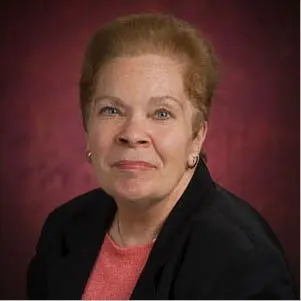
Dr. Kay Anne Cassell is an expert in library and information science with a focus on user services, library management, and professional development. She holds a Ph.D. in Library and Information Science from Rutgers University and has extensive experience in academic librarianship. Her research includes topics such as information behavior and the impact of library services on diverse populations. As a professor at Rutgers University’s School of Communication and Information, Dr. Cassell contributes to advancing the field through teaching, research, and service, with a particular emphasis on enhancing library practices and user experiences.
Bea Baaden, M.A

Beatrice C. Baaden is a specialist in library and information science with a focus on information organization, cataloging, and metadata. She holds a Ph.D. in Library and Information Science and serves as a professor at Long Island University. Her research interests include the development and evaluation of library systems and metadata standards. Dr. Baaden’s work involves improving the efficiency of information retrieval and organization, and she contributes to the field through her teaching, research, and involvement in professional organizations.
Maura Madigan

Maura Madigan is a seasoned expert in library science with a school libraries and instruction. She holds an advanced degree in Library Science and has 10 years of experience in school library settings. She published two books for school librarians and elementary educators—Learning Centers for School Libraries and Project-Based Learning for Elementary Grades. She also published several articles for school librarians in School Library Journal, American Libraries, and School Library Connection. She presents frequently at local, state, national, and international conferences. Her next book, The School Librarian's Guide to (Almost) Everything, will be published in 2025 by ALA Editions.
Edward Benoit III, Ph.D.

Edward Benoit, III is Associate Director and Associate Professor in the School of Information Studies at Louisiana State University. He coordinates the archival studies and cultural heritage resource management programs. He received an MA in History, MLIS and PhD in Information Studies from the University of Wisconsin-Milwaukee. His research focuses on participatory and community archives, non-traditional archival materials, climate change, and archival education.
Resources:
- National Center for Education Statistics. (2024). Annual Earnings by Educational Attainment. https://nces.ed.gov/programs/coe/indicator/cba/annual-earnings
- U.S. Bureau of Labor Statistics. (2024). Occupational Outlook Handbook: Librarians and Library Media Specialists. https://www.bls.gov/ooh/education-training-and-library/librarians.htm