2027 Christian Counseling Student Debt Report: Borrowing, Monthly Payments, and Repayment Risk

Co-Founder and Chief Data Scientist
Christian Counseling programs often require extensive practicum and internship hours, extending time-to-completion beyond traditional graduate degrees. These fieldwork obligations, combined with accreditation standards that emphasize licensed professional preparation, shape borrowing behaviors distinct from other disciplines. Recent data from the National Center for Education Statistics (2024) indicate that master's level enrollments in counseling-related fields increasingly consist of nontraditional, mid-career students balancing employment and family responsibilities. This demographic trend influences both the scale and structure of debt incurred. Analyzing monthly payment burdens within this context reveals repayment risks tied to variable salary trajectories and licensure-related delays. This report explores these dynamics to clarify how Christian Counseling graduates manage debt over time.
Key Things to Know About Christian Counseling Student Debt
- Christian Counseling student debt often accumulates with extended part-time study, trading quicker entry into the workforce for spreading costs, which can increase total interest paid and delay financial stability.
- Employers in faith-based and nonprofit sectors frequently prioritize demonstrated counseling experience and licensure over borrower debt level, impacting graduates' prioritization of repayment versus professional development.
- Recent 2024 data indicates that 25% of Christian Counseling graduates face repayment challenges within five years, reflecting the tension between modest income growth and persistent loan balances during early career stages.
- Key Things to Know About Christian Counseling Student Debt Key Things to Know About Christian Counseling Student Debt
- How Much Student Loan Debt Do Christian Counseling Graduates Typically Have at Graduation? Average Studen Loan Debt
- What Factors Have the Biggest Impact on Christian Counseling Student Loan Debt? Student Debt Key Factors
- What Is the Average Monthly Student Loan Payment for Christian Counseling Graduates? Average Monthly Payment
- How Do Repayment Rates Compare Between Public and Private Institutions? Public vs. Private Institution Repayment Rates
- Do Online Christian Counseling Graduates Have Different Repayment Outcomes Than Campus-Based Students? Online vs. On-Campus Student Loan Repayment
- Which Industries Provide the Best Financial Return Relative to Borrowing Costs? Which Industries Provide the Best Financial Return Relative to Borrowing Costs?
- Does Student Debt Affect Which Jobs Christian Counseling Graduates Accept? Does Student Debt Affect Which Jobs Christian Counseling Graduates Accept?
- What Factors Increase Student Loan Repayment Risk for Christian Counseling Graduates? Loan Repayment Risk Factors
- How Can Christian Counseling Students Reduce Student Loan Debt While Earning Their Degree? Tips to Reduce Student Debt
- How Should Prospective Students Evaluate Borrowing Risk Before Enrolling? Evaluating Student Debt Risk
How Much Student Loan Debt Do Christian Counseling Graduates Typically Have at Graduation?
Graduates of Christian Counseling degree programs often face an average student loan debt that typically ranges between $40,000 and $60,000 at graduation. This estimate aligns with recent data from federal sources such as the College Scorecard and the National Center for Education Statistics, reflecting median debt amounts for master's-level counseling and related mental health fields. These figures reveal the financial realities many students encounter as they complete their specialized graduate education, underscoring the importance of understanding average student loan debt for Christian Counseling graduates as a key factor in planning for educational expenses and post-degree budgeting.
Several factors contribute to the wide variation in typical graduation debt amounts in Christian Counseling programs. Institutional differences play a major role, with private religiously affiliated schools often charging higher tuition than public universities, which can significantly increase borrowing needs. Additionally, program length-usually spanning two to three years-combined with whether students attend full-time or part-time, influences total accumulated debt. Some students mitigate costs through scholarships or employer support, but those attending out-of-state institutions or facing higher living expenses tend to accumulate more debt. Enrollment patterns and financial aid availability thus create a complex borrowing landscape that prospective students must navigate carefully.
Higher loan balances can intensify repayment challenges after graduating, especially given that starting salaries in faith-based or nonprofit counseling roles are generally modest. Income-driven repayment plans offer some relief, but substantial debt relative to income may pressure financial stability and affect career decisions, such as choosing between agency employment or private practice setups. Recognizing these tradeoffs can help borrowers evaluate the affordability of Christian Counseling programs more realistically, balancing the vocational mission with prudent financial planning. For those looking at related academic pathways, exploring direct admit nursing programs by state may provide alternative perspectives on financing graduate healthcare education.
What Factors Have the Biggest Impact on Christian Counseling Student Loan Debt?
Levels of student loan debt among Christian counseling students stem from a complex interplay between institutional pricing models and individual financial decisions. No single factor drives borrowing; rather, debt accumulates through a combination of program length, enrollment patterns, aid availability, and living costs, each influencing the total amount students must finance. Understanding these components illuminates why borrowing can vary widely within this field and highlights the structural challenges shaping debt formation. These dynamics are critical for prospective and current students assessing realistic repayment prospects and financial risk.
- Institutional Pricing and Type: The kind of institution a student attends strongly shapes tuition and fees, with private nonprofit schools typically charging more than public options. This pricing difference directly impacts borrowing because higher sticker prices reduce the coverage from grants or subsidies, pushing students to rely on loans. For-profit institutions often have different cost structures and financial aid availability, altering borrowing patterns further.
- Program Length and Enrollment Intensity: Christian counseling degrees frequently require graduate-level study, with many students pursuing master's or doctoral programs. Longer durations naturally increase total borrowing, especially since graduate students report average debt loads near $66,000 according to National Center for Education Statistics data. Part-time enrollment or program retakes can extend timelines, compounding debt through additional tuition and living expenses.
- Financial Aid Availability and Composition: Access to grants, scholarships, and federal aid limits is pivotal in controlling loan amounts. Many Christian counseling programs operate in niche markets with relatively small cohorts, often leading to constrained merit-based aid offerings. Federal loan caps restrict borrowing at undergraduate levels, but graduate programs typically exceed these limits, which forces students to turn to private loans that come with higher interest rates and repayment risks.
- Living Expenses and Geographic Location: Costs beyond tuition-such as housing, transportation, and healthcare-push students to borrow more, particularly in high-cost regions. These expenses interact with enrollment patterns and institutional price points, meaning a student attending an affordable public school in an expensive urban area may borrow as much as one at a pricier institution in a lower-cost location.
- Student Financial Behavior and Planning: Individual decisions on budgeting, employment during study, and debt tolerance influence borrowing levels. Students who work part-time may reduce loan needs but risk longer program durations or lower academic performance. Conversely, overestimation of post-degree income can drive higher borrowing, raising default risk given median salaries for Christian counseling roles typically range between $40,000 and $55,000, creating a delicate balance between manageable debt and career earnings.
For those navigating Christian counseling student loan debt by program format and financial reality, pursuing free online college applications can be a practical first step toward identifying programs with more favorable cost structures or aid options.
What Is the Average Monthly Student Loan Payment for Christian Counseling Graduates?
Recent data from the U.S. Department of Education and Federal Reserve reports in 2024 place the average monthly student loan payment for Christian Counseling graduates between approximately $250 and $450. This range reflects the combined effect of moderate debt loads typical for these programs and the income constraints faced early in counseling careers. Unlike high-cost professional degrees, the debt accumulated usually aligns with master's-level borrowing patterns spanning $30,000 to $60,000. Given that annual starting salaries for entry-level counselors commonly fall between $40,000 and $50,000, monthly repayments tend to stay manageable but can vary significantly depending on individual circumstances and repayment structures.
The variation in monthly payments stems from several financial dynamics, foremost among them the chosen repayment plan and total loan balance. Many graduates opt for income-driven repayment plans that tie payments to discretionary income, often reducing monthly obligations compared to fixed 10-year schedules. Interest rates and cumulative capitalization can extend repayment periods and inflate total costs, especially for those with private or higher-interest loans. Furthermore, counseling salary variability, influenced by geographic location and employment setting, adds unpredictability to repayment capacity, meaning some graduates face higher payments or longer debt servitude while others can accelerate paydown as earnings increase.
One graduate recalled applying to a Christian Counseling master's program amid rolling admissions, feeling hesitant as they awaited confirmation while juggling existing financial commitments. The delay in acceptance prolonged uncertainty over when to begin loan repayment planning, leading them to research income-based options proactively. This cautious approach helped them manage monthly payments within their modest salary range once enrolled, while also preparing for possible adjustments if employment shifted. Their experience highlights how timing, financial foresight, and understanding repayment flexibility play crucial roles alongside raw debt figures in shaping post-graduation payment realities.
How Do Repayment Rates Compare Between Public and Private Institutions?
Recent data from the U.S. Department of Education and 2024 analyses reveal that graduates from public institutions with Christian Counseling degrees generally demonstrate stronger loan repayment rates within the initial three years after graduation compared to those from private schools. According to the College Scorecard, about 53% of public university alumni successfully reduce their student loan balances in this timeframe, whereas private institution graduates show a lower repayment progression near 45%. The Federal Reserve's 2024 student loan report further identifies that graduates from private colleges face a notably higher risk of default, a challenge tied more closely to repayment difficulties than employment status alone. These disparities underscore important structural differences in how borrowers navigate post-graduate debt in Christian Counseling programs across institutional types.
The variation in repayment success largely reflects underlying financial and economic factors. Public institution students tend to borrow less on average, resulting in more manageable monthly payments relative to their incomes. Additionally, public university Christian Counseling graduates often command higher median salaries, which aids in maintaining steady repayment. In contrast, private institutions typically charge higher tuition, increasing debt burdens and making repayment more challenging, particularly given the variable income trajectories common in counseling fields.
Differences in financial aid availability and loan counseling resources between public and private schools also influence borrowers' preparedness and ability to manage debt effectively. These factors collectively shape the repayment landscape, illustrating how cost structures and earning potential intersect to affect long-term financial outcomes for Christian Counseling graduates.
Do Online Christian Counseling Graduates Have Different Repayment Outcomes Than Campus-Based Students?
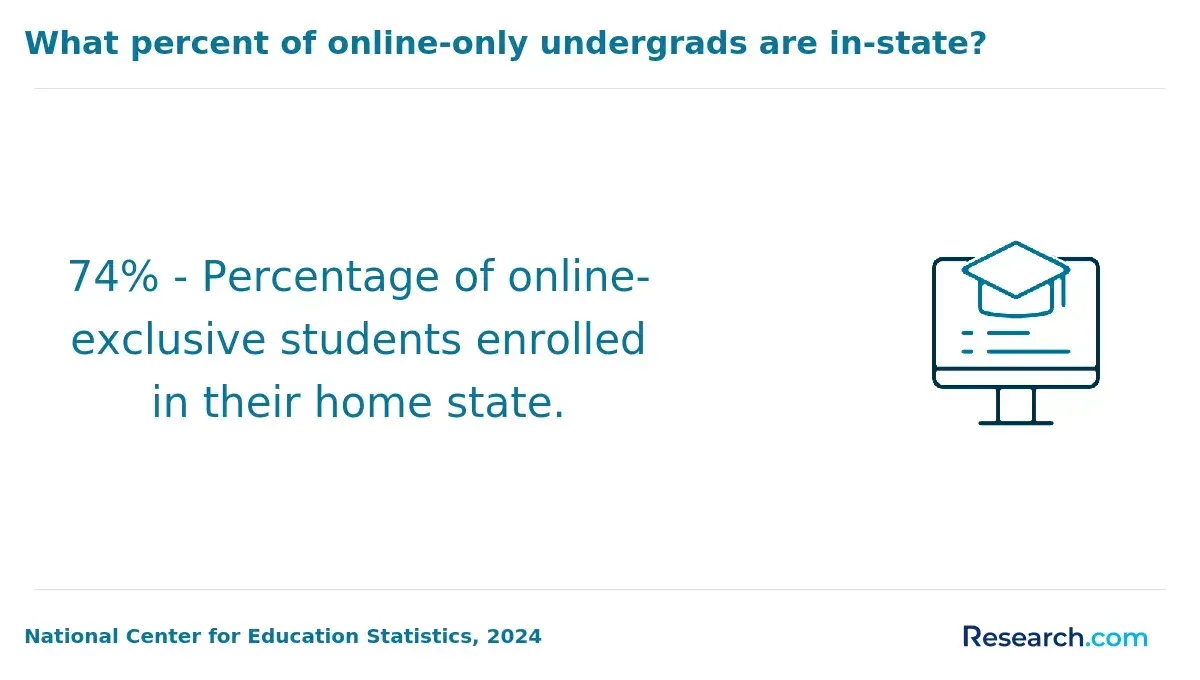
Recent data from the 2024 National Postsecondary Student Aid Study (NPSAS) and the U.S. Department of Education highlight that graduates from public institutions in Christian Counseling degree programs generally demonstrate higher student loan repayment rates than their private institution counterparts. Public university graduates often show repayment rates about 12% greater within three years post-graduation, reflecting patterns consistent across campus and online modalities. This trend reveals important distinctions not only in repayment performance but also in borrower profiles and financial outcomes linked to institutional sectors. Understanding online christian counseling graduate loan repayment rates within these contexts provides sharper insight into how institutional characteristics and student demographics influence long-term debt obligations.
The disparities in repayment outcomes stem largely from differences in tuition pricing, average borrowing amounts, graduate earnings, and the distribution of financial aid. Public institutions typically charge lower tuition and fees, resulting in smaller average debt loads for students, which places them in a stronger position to manage repayment. Conversely, private colleges-including many online christian counseling programs-tend to have higher tuition costs and students who assume larger debt burdens. These dynamics, combined with employment outcomes influenced by institutional prestige and practicum opportunities, affect graduates' income and their capacity to repay loans. Consequently, debt-to-income ratios for private institution graduates often challenge repayment, especially when online program durations extend and reduce early earnings potential.
These factors contribute to complex repayment stress patterns and influence perceptions of institutional value and accountability. Lower repayment rates in private Christian Counseling programs correlate with heightened default risk and narrower financial mobility post-graduation, reinforcing the need for prospective students to weigh borrowing levels carefully against realistic salary expectations. For those exploring affordable options or considering the tradeoffs of program delivery mode, examining outcomes alongside costs is critical. Students interested in healthcare-related degrees may also find value in exploring related pathways such as online radiology programs, where comparative affordability and employment prospects can differ substantially from counseling fields.
Which Industries Provide the Best Financial Return Relative to Borrowing Costs?
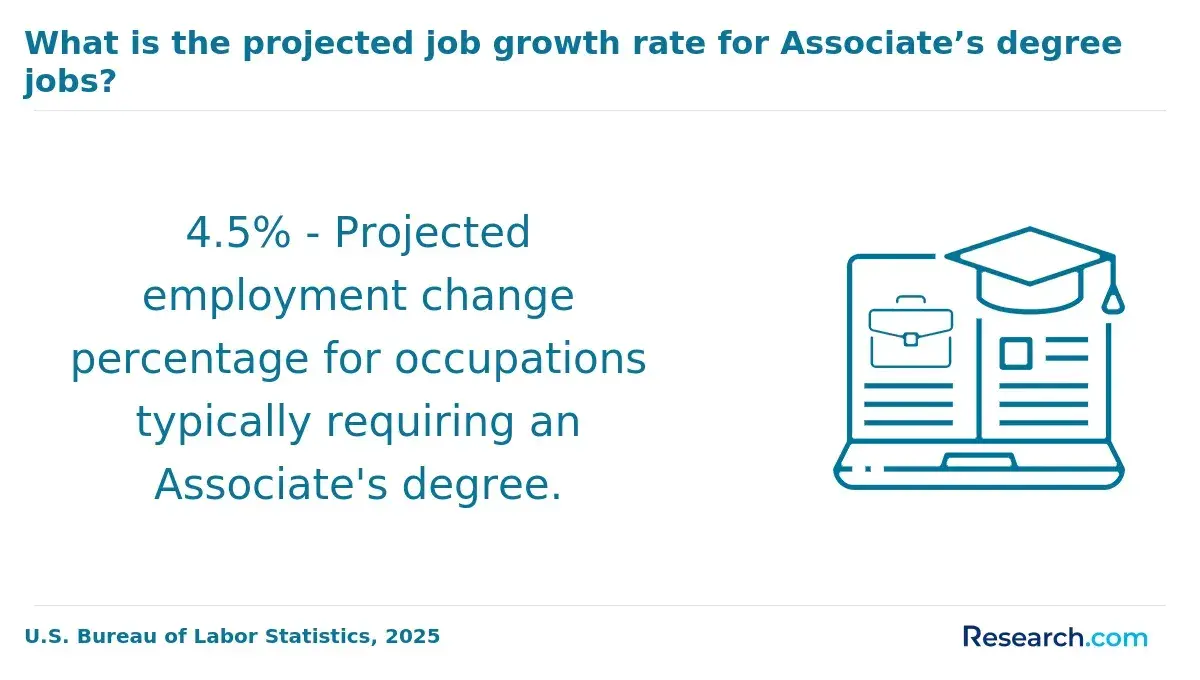
Financial return for graduates with Christian counseling degrees varies notably across industries and hinges on how earning potential balances against typical borrowing levels. Rather than focusing solely on salary figures, it is essential to consider wage growth, job stability, demand, and how quickly earnings can offset student loan debt. Data from the U.S. Bureau of Labor Statistics (2024) suggests that median annual incomes for counseling-related roles range broadly, and the outright salary must be viewed in conjunction with average federal student loan debt in the $30,000 to $40,000 range for these programs. This balance directly influences repayment feasibility and long-term financial risk.
- Mental Health Services: This sector generally offers relatively strong wage trajectories paired with consistent hiring needs driven by increasing awareness of mental health. Graduates often find salaries in the moderate to upper $40,000-$60,000 range, allowing for manageable debt-to-income ratios. Rapid career progression and credentialing requirements align well, improving long-term ROI by reducing repayment duration.
- Social Work: Social work positions linked to community or faith-based organizations tend to provide steady demand, though starting salaries may be lower than some healthcare roles. However, loan forgiveness programs for public service employees in this sector help mitigate debt burden, balancing slower income growth with non-monetary financial relief options.
- Substance Abuse Counseling: Demand in this field is rising due to public health priorities, with salary growth that is moderate but stable. While initial wages can be closer to the borrowing level, consistent employment and certification paths support gradual recovery of educational investment over time.
- Nonprofit Religious Organizations: These roles often come with lower salaries that extend loan repayment periods, but supplemental benefits such as tax advantages and forgiveness options can ease financial strain. The tradeoff includes limited upward mobility and slower salary increases, which may delay debt elimination compared to other sectors.
- Healthcare and Social Assistance Sectors: Positions in these broader sectors can offer above-average wage increases and relatively high job stability. For Christian counseling graduates, opportunities here are attractive because alignment between licensure and job requirements expedites entry and advancement, improving income relative to borrowing.
Considering typical borrowing and earning patterns, industries with steady income growth, public service loan forgiveness availability, and clear credential alignment provide the most effective avenues for offsetting student loan debt among Christian counseling graduates.
Does Student Debt Affect Which Jobs Christian Counseling Graduates Accept?
For many Christian counseling graduates, student debt fundamentally guides the types of job offers they consider viable, particularly in the early stages of their careers. Given that approximately 65% of these graduates carry average loan balances near $45,000 as of 2024, the pressure to secure positions with salaries adequate for consistent loan repayment is significant. The typical salary range in faith-based or nonprofit counseling roles often falls below levels that comfortably accommodate monthly student loan payments, prompting graduates to weigh financial viability heavily when deciding whether to accept lower-paying ministry-aligned positions or pivot toward secular private practice or institutions offering stronger compensation packages. This calculus reflects not merely income needs but also access to loan repayment assistance or income-driven plans, influencing career entry points and professional trajectories.
Beyond individual salary considerations, broader patterns emerge in how debt shapes employment choices within this field. Graduates carrying higher debt levels tend to prioritize sectors and geographic areas where compensation and benefits mitigate repayment burdens, sometimes at the cost of vocational fit or long-term career development in ministry settings. Conversely, those with minimal debt exhibit greater flexibility to pursue niche counseling roles or advanced study without immediate financial constraints. Structural factors such as differing employer incentives in faith-based versus secular organizations and regional salary disparities also affect mobility and opportunity, reinforcing career path bifurcations linked to financial responsibility. Strategic planning, including delayed graduate specialization or certification, often reflects these dynamics as graduates seek to balance sustainable debt management with professional aspirations.
One graduate described navigating admissions during a rolling process while managing existing debt and employment offers. She hesitated to commit to a program before confirming adequate financial aid, balancing timing with looming loan repayment deadlines. The uncertainty prolonged her decision, underscoring how financial readiness and institutional timelines intersect to shape enrollment and early career movement within the Christian counseling field.
What Factors Increase Student Loan Repayment Risk for Christian Counseling Graduates?
Student loan repayment risk for Christian Counseling graduates arises from a blend of financial, academic, and labor market variables rather than any single cause. This risk is shaped both by the total debt graduates acquire through extended education and by the stability and level of their earnings after completing their programs. Navigating repayment challenges requires understanding how these factors combine to influence graduates' financial viability over time, particularly given the unique constraints of faith-based and nonprofit career paths.
- Modest Earnings Potential: Counseling roles, especially within faith-based or nonprofit organizations, typically offer lower median wages compared to other mental health professions. Limited income growth directly reduces graduates' ability to manage monthly loan payments, increasing vulnerability to repayment strain and potential default, particularly as many graduates work in settings with strict budget constraints.
- High Debt Burden from Extended Education: Christian Counseling programs often require multi-year master's or doctoral degrees for licensure, resulting in substantial loan accumulation. Prolonged schooling delays income earning and repayment start, compounding debt through accruing interest and raising the overall repayment hurdle post-graduation.
- Employment Stability and Job Structure: Graduates frequently encounter part-time, contract, or otherwise unstable employment without consistent benefits, impairing predictable cash flow needed for reliable loan servicing. This unpredictability amplifies repayment risk compared to peers with full-time, salaried positions.
- Geographic and Sectoral Salary Variations: Regional disparities in counseling salaries, particularly in rural or underserved areas, affect disposable income available for repayment. Additionally, employment in nonprofit or faith-based sectors often comes with lower pay scales, intensifying financial pressure despite potentially lower cost-of-living locations.
According to the National Center for Education Statistics, about 65% of counseling graduates who borrowed for graduate-level training face monthly payments exceeding 10% of their post-tax income, underlining the extent of repayment risk within this group. Such data emphasize the importance of assessing both debt levels and employment outcomes when evaluating the financial implications of Christian Counseling programs.
Prospective students should also consider program format impacts on student debt repayment outcomes for Christian Counseling students, as flexible or part-time study options may alter borrowing and earnings timelines. Those exploring allied healthcare education might compare financial risk profiles by reviewing options like functional medicine NP programs, which reflect differing labor market and repayment dynamics.
How Can Christian Counseling Students Reduce Student Loan Debt While Earning Their Degree?
Reducing student loan debt while earning a Christian Counseling degree requires deliberate planning and strategic choices throughout the educational journey. Effective debt minimization combines financial awareness, academic efficiency, and smart utilization of institutional resources. These elements enable students to balance borrowing limits with educational progress and post-graduation earning potential, helping to manage long-term repayment obligations.
Christian Counseling student loan debt reduction strategies are essential for avoiding excessive borrowing and its associated risks. Practical strategies focus on improving affordability while aligning with realistic academic and career timelines, ensuring that debt levels remain sustainable.
- Enroll in Accredited Part-Time or Hybrid Programs: Choosing programs that offer flexible course schedules allows students to work concurrently, supplement income, and reduce overall loan dependency. According to the National Center for Education Statistics (2024), students who combine employment with study borrow 15% less on average, demonstrating the impact of income supplementation on lowering debt.
- Maximize Use of Scholarships and Grants Specific to Counseling: Sector-targeted scholarships and grants reduce loan principal by covering non-loan costs and are often underutilized. Early application and persistence in seeking these funds can significantly decrease borrowing needs, especially in ministry or counseling-focused pathways.
- Leverage Employer Tuition Assistance and Work-Study Opportunities: Many employers offer tuition reimbursement for employees in related fields. Combining work-study or relevant internships with academic programs not only offsets costs but also builds marketable experience without excessive loan accumulation.
- Begin Coursework at Lower-Cost Institutions: Completing general education credits at community colleges before transferring into Christian Counseling programs can substantially reduce tuition expenses without compromising quality. This lowers total borrowing while preserving time to focus on specialized studies.
- Adopt Comprehensive Early Financial Planning: Creating detailed budgets that consider tuition, fees, books, and living costs prevents last-minute high-interest borrowing and encourages realistic loan limits. Students who proactively plan expenses can better control debt increases, maintain creditworthiness, and ease repayment challenges.
For students exploring advanced degree options, reviewing details about related programs like MFT master's programs online can provide comparative insights on balancing educational investment with career preparation. Ultimately, understanding the operational demands of Christian Counseling degree paths and the financial mechanisms involved is key to managing borrowing risks while positioning oneself for sustainable employment in counseling fields.
How Should Prospective Students Evaluate Borrowing Risk Before Enrolling?
Evaluating borrowing risk before enrolling in a Christian Counseling degree program is essential to understanding the long-term financial implications of the education investment. This evaluation centers on balancing the total expected debt against the projected post-graduation earnings and repayment capacity. Given that nearly 60% of graduate counseling students carry debt exceeding $45,000 according to the National Center for Education Statistics 2024, it's critical to assess affordability with nuanced, outcome-driven criteria rather than simple cost considerations.
- Total Cost of Attendance: Examine all direct and indirect expenses, including tuition, fees, and living costs. Understanding the full financial commitment helps anticipate cumulative debt and frame repayment expectations.
- Projected Earnings: Analyze realistic starting salaries for Christian Counseling graduates in relevant labor markets. Earnings benchmarks contextualize whether monthly payments and debt burdens align with expected income streams.
- Employment Outcomes: Investigate employment rates six to twelve months after graduation within counseling-specific roles. High placement in relevant jobs reduces repayment risk and supports financial stability.
- Loan Repayment Flexibility: Consider options such as income-driven repayment plans and loan forgiveness programs aimed at counseling professionals. These can mitigate default risks during extended certification or transitional work periods.
- Debt-to-Income Ratio: Calculate expected monthly loan payments versus projected monthly income. A sustainable ratio ensures manageable repayment without sacrificing financial security.
- Alternative Funding Sources: Identify scholarships, grants, or employer tuition benefits to lower borrowing needs. Reducing total loan amounts directly minimizes repayment pressure post-graduation.
- Personal Debt Tolerance: Reflect on individual financial resilience and willingness to carry long-term debt given career trajectory uncertainties. Conservative borrowing preserves credit health and reduces refinancing or default likelihood.
References
- Graduate Programs: Counseling https://www.messiah.edu/counseling-ma/
- Student Loan Counseling: Does the Federal Mandate Give Borrowers Necessary Financial Skills? - AAF https://www.americanactionforum.org/research/student-loan-counseling-federal-mandate-give-borrowers-necessary-financial-skills/
- Who is Affected by the Student Loan Crisis and Why? | Rockefeller Institute of Government https://rockinst.org/blog/who-is-affected-by-the-student-loan-crisis-and-why/
- Thinking Carefully About Student Debt: Some Basic Considerations - Cairn University https://cairn.edu/thinking-biblically-about-student-debt/
- Key Figures on Cost, Student Debt, & ROI at Public Universities - APLU https://www.aplu.org/our-work/4-policy-and-advocacy/publicuvalues/key-figures-on-cost-student-debt-amp-roi-of-public-universities/
- Manage Student Loans https://creditcounselingcenter.org/student-loan-counseling/
- 4 Faith-Based Ways to Reduce Student Loan Debt Stress https://www.dbu.edu/blog/4-faith-based-ways-to-reduce-student-loan-debt-stress.html
- Student Loan Counseling Challenges and Opportunities https://www.federalreserve.gov/econresdata/2016-student-loan-counseling-challenges-and-opportunities-findings-by-topic.htm
- Impact of Student Loan Debt on Career Choices https://debthelper.com/how-student-loan-debt-impacts-career-choices/
- Student Loan Consultation | KeyBank https://www.key.com/personal/student-loans/student-loan-consultation.html
Other Things You Should Know About Christian Counseling
Part-time enrollment often extends the time students take to complete their Christian Counseling degrees, which can increase the total borrowing and delay entry into the workforce. While spreading out tuition payments may ease short-term cash flow, it typically leads to higher cumulative debt and longer repayment periods, escalating the risk of financial strain. Students should weigh the benefit of reduced immediate financial pressure against the possibility of prolonged repayment obligations.
Programs that embed internships or practicum experience tend to improve graduate employability and professional networks, which can translate into higher earnings or faster job placement. However, these practical components often add to the total cost and time investment, potentially increasing debt. Prioritizing programs with strong experiential learning may justify borrowing if it significantly improves career outcomes and reduces long-term repayment risk.
Adding certifications or specializations often requires extra coursework and potentially more loans, increasing overall student debt. While these credentials can differentiate graduates and open niche employment opportunities, it's critical to assess whether the local job market values these extras enough to offset the higher borrowing and repayment burden. Students should carefully evaluate the incremental income potential relative to the added debt before investing.
Graduates entering lower-paying positions, common in some faith-based organizations, face higher repayment risk due to limited discretionary income. These roles may align with vocational goals but could necessitate enrollment in income-driven repayment plans or extended loan terms. Students should plan repayment strategies that account for smaller salaries, including prioritizing loan forgiveness options linked to public or nonprofit service.