2027 Christian Counseling ROI by Institution Type: Public vs Private vs Nonprofit Online Programs

Co-Founder and Chief Data Scientist
A prospective student weighs three online Christian Counseling programs that look alike but differ sharply in tuition, graduation rates, and post-graduation debt. One public institution reports a 62% graduation rate with moderate debt loads, while a private competitor boasts an 84% completion rate but carries significantly higher average debt.
Recent 2024 data from the National Center for Education Statistics highlights that lower graduation rates often correlate with limited institutional support, impacting career readiness and repayment ability. These disparities matter because choosing the wrong program risks prolonged debt and weaker job prospects. This article analyzes ROI across public, private, and nonprofit Christian Counseling programs to guide a nuanced comparison of long-term value.
Key Things to Know About Christian Counseling ROI by Institution Type
- Public institutions often offer lower tuition and less student debt exposure but may have lower graduation rates, potentially delaying career entry and reducing initial ROI for working adults balancing study and employment.
- Private online programs frequently provide stronger institutional reputation and employer recognition, enhancing career advancement prospects; however, their higher costs necessitate weighing long-term debt burden against potential income gains.
- Nonprofit online Christian counseling programs emphasize learner support and flexible pacing, improving completion outcomes for transfer or part-time students; this accessibility can offset slower timelines with sustained workforce engagement and minimized financial strain.
- Key Things to Know About Christian Counseling ROI by Institution Type Key Things to Know About Christian Counseling ROI by Institution Type
- What Does ROI Mean for a Christian Counseling Program and How Is It Measured? Understanding Christian Counseling Program ROI
- How Do Public, Private, and Nonprofit Online Christian Counseling Programs Differ in Overall Value? Value by Institution Type
- How Do Tuition Costs Affect the ROI of a Christian Counseling Program Across Institution Types? Tuition Costs and ROI
- How Do Graduation Rates Influence Christian Counseling Program ROI? Graduation Rates Impact ROI
- What Role Do Career Outcomes Play in the ROI of a Christian Counseling Degree? Career Outcomes and ROI
- How Does Student Debt Impact the Long-Term ROI of a Christian Counseling Program? Debt vs. Long-Term ROI
- How Do Flexibility and Adult Learner Support Affect Christian Counseling Program Value? Flexibility and Program Value
- How Do Accreditation and Institutional Reputation Influence Christian Counseling ROI? How Do Accreditation and Institutional Reputation Influence Christian Counseling ROI?
- How Does Time-to-Degree Affect the ROI of Public, Private, and Nonprofit Christian Counseling Programs? How Does Time-to-Degree Affect the ROI of Public, Private, and Nonprofit Christian Counseling Programs?
- How Can You Choose the Best Christian Counseling Program Based on Your ROI Goals? Choosing Programs by ROI
What Does ROI Mean for a Christian Counseling Program and How Is It Measured?
Return on investment for online Christian Counseling programs must be evaluated through a multifaceted lens that goes beyond mere tuition costs. Prospective students should weigh total educational expenses, including fees and living costs, against factors like graduation rates and time-to-degree, which directly influence debt accumulation and delayed earnings.
For instance, choosing a lower-cost public program may reduce upfront expenses, but slower completion rates or fewer support services could extend time in school, increasing opportunity costs and potentially diminishing long-term value. Institutional reputation and career outcomes, such as licensure exam pass rates and relevant employment opportunities, are equally critical in assessing how well a program prepares graduates for the workforce within their specific counseling goals.
Measuring educational ROI of Christian Counseling degrees requires recognizing that different student priorities shift the calculus; working adults balancing job demands might prioritize online scheduling flexibility and institutional support over tuition alone. According to a 2024 report by the National Center for Education Statistics, private nonprofit programs often yield 10-15% higher retention and completion rates, which can offset their typically higher tuition by reducing dropout risks and accelerating labor market entry.
Conversely, public programs may offer affordability but less tailored curriculum and mentoring, affecting specialized career preparation. Borrowers must also monitor debt-to-income ratios and examine alumni employment data to discern if the credential generates sustainable earnings, as median salaries vary regionally and by employer type. This complexity underscores why selecting a program based solely on cost can obscure the nuanced tradeoffs affecting career outcomes.
Long-term planning considerations often compel students to look beyond immediate financial metrics, factoring in program design relevance to licensing or pastoral counseling requirements. Nonprofit providers may emphasize mission-driven curricula aligning with certain ministry roles, while private schools might provide stronger mentorship or networking that facilitates entry into competitive settings.
Balancing these elements with cost containment is essential for those aiming to maximize ROI. Prospective students evaluating such programs should also consult institutional data critically and explore options like the DNP program for broader healthcare system integration, as crossover skills increasingly influence employability and professional versatility in counseling fields.
How Do Public, Private, and Nonprofit Online Christian Counseling Programs Differ in Overall Value?
Choosing between public, private, and nonprofit online Christian Counseling programs hinges on balancing tuition costs, student support, graduation success, and career prospects rather than simply seeking the lowest sticker price. Public programs often provide affordability supported by state funding but may offer fewer personalized advising services, contributing to an average six-year graduation rate near 62%, according to recent data from the National Center for Education Statistics.
In contrast, private programs typically charge higher tuition yet deliver enhanced career counseling and flexible scheduling, resulting in roughly 78% of graduates securing relevant employment within six months, a notable edge in workforce readiness that comes with a higher debt burden. Nonprofit programs frequently occupy a middle ground, combining moderate tuition with mission-focused resources and regional accreditation valued by employers, which may better serve students prioritizing spiritual integration along with practical training.
Decisions about these program types carry real implications for repayment capacity and long-term career outcomes. A cost-conscious learner balancing work and study might lean toward a public institution's lower upfront expenses but confront challenges in tailored support that could delay completion or weaken job placement chances. Conversely, a working professional aiming for rapid credentialing and strong employer recognition could find private programs' higher price justified by their employment rates, accepting the greater debt as an investment.
Nonprofit offerings appeal to those seeking alignment with faith-driven counseling values and a moderate debt-to-support ratio, potentially gaining steady but less immediate ROI. This nuanced appraisal underscores that institutional reputation and service quality can impact not only degree completion but also one's professional trajectory and financial health over time.
A student evaluating these options recalled grappling with whether to pay a premium for a private school's reputation and flexible scheduling or to minimize debt with a public program that lacked robust career services. The nonprofit alternative attracted interest due to its balanced tuition and faith-based approach, though questions about graduation timelines lingered. After extensive comparison, the student felt relieved to identify a nonprofit program accredited regionally that aligned their spiritual values with affordable costs and reasonable graduate success rates.
How Do Tuition Costs Affect the ROI of a Christian Counseling Program Across Institution Types?
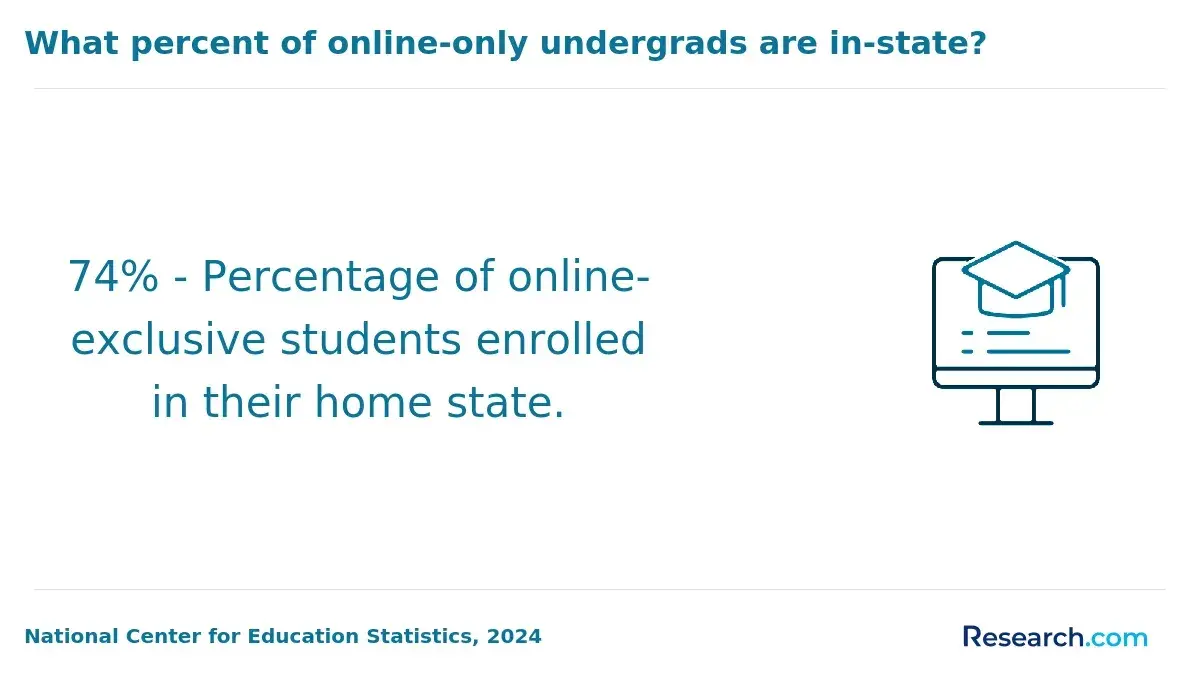
Tuition costs significantly impact the return on investment for Christian Counseling programs, but lower prices do not guarantee superior value. Public online programs often have annual tuition between $7,000 and $12,000, according to 2024 data from the National Center for Education Statistics, offering a more affordable path with reduced debt burdens.
However, these lower costs sometimes coincide with limited curricular specialization or fewer networking advantages, which can affect long-term employment prospects. Conversely, private nonprofit programs with tuition ranging from $15,000 to $30,000 may justify their higher price tags through stronger academic reputations, enhanced learner supports, and higher completion rates, outcomes that can accelerate degree completion and improve job placement.
When comparing institution types, students must weigh the balance between immediate affordability and potential career gains. For example, a student graduating from a well-regarded private nonprofit Christian Counseling program might incur higher debt but gain access to professional networks and employer recognition that lead to better salary offers or promotion opportunities.
In contrast, graduates from public institutions may benefit from lower student debt and steadier financial footing post-graduation, particularly if they can leverage adequate financial aid. Assessing ROI requires examining how tuition costs interact with factors such as graduation timelines, program quality, and debt service relative to starting salaries in counseling fields, recognizing that the best value aligns closely with individual career goals and financial circumstances.
How Do Graduation Rates Influence Christian Counseling Program ROI?
Graduation rates strongly affect the return on investment in Christian Counseling programs by shaping the timeline and costs of degree completion, factors critical for working adults and career changers. Public and nonprofit online institutions often report higher completion rates, driven by robust student support and more flexible progression options, which can reduce debt burdens and opportunity costs associated with extended enrollment.
However, these rates alone don't fully capture program effectiveness, as private programs may accommodate non-traditional learners or part-time schedules that depress traditional metrics despite offering specialized curricula. According to the National Center for Education Statistics 2024, institutions with higher graduation rates generally enhance ROI by limiting prolonged tuition costs and enabling faster entry into counseling roles.
This dynamic underscores practical tradeoffs when comparing online Christian Counseling program graduation statistics across sectors. While fast completion aligns with improved financial outcomes, persistence challenges and varied student demographics complicate direct comparisons. Employers prioritize licensure, demonstrated competencies, and field experience, elements sometimes decoupled from strict graduation timelines.
Prospective students weighing program options should consider how institutional support services and pacing flexibility influence both degree attainment and employability, alongside raw completion data. Those seeking adaptable pathways might explore options like a self-paced bachelor's degree online to better balance personal commitments without unduly risking ROI.
What Role Do Career Outcomes Play in the ROI of a Christian Counseling Degree?
Employment outcomes significantly shape the ROI of online Christian Counseling degrees, particularly when comparing public, private, and nonprofit institutions. Public programs often report marginally higher placement rates-around 78% within a year-reflecting stronger ties with regional employers and comprehensive career services, yet this advantage may come with larger class sizes or less personalized support.
Private and nonprofit providers, while slightly lower in job placement, frequently emphasize mission-driven training and specialized skills development, factors that can appeal to specific employer networks but may result in varied timelines for licensure or advanced certifications. Beyond upfront tuition, students must weigh these employment trajectories against debt accumulation and time-to-degree, as quicker licensure and relevant employment can accelerate payoff despite higher initial costs.
Decisions must also account for how employer recognition of credentials impacts long-term career trajectory and job retention in mental health services. Graduates who access programs aligned with healthcare industry expectations-including clinical competencies and ethical standards-tend to encounter better opportunities for internal promotions or diverse roles, which bolsters ROI over time. Conversely, those from institutions with weaker market alignment risk slower career mobility, which can prolong the financial and professional return period.
One graduate shared that after completing a nonprofit online Christian Counseling degree, they initially doubted the practical career value since financial metrics alone couldn't capture the degree's impact. Over time, however, employer recognition of the program's specialized training led to increased responsibilities and internal promotion opportunities unavailable before. While the upfront costs felt burdensome, the graduate found that the skillset and network gained ultimately justified the investment by opening paths that a purely financial ROI calculation had overlooked.
How Does Student Debt Impact the Long-Term ROI of a Christian Counseling Program?
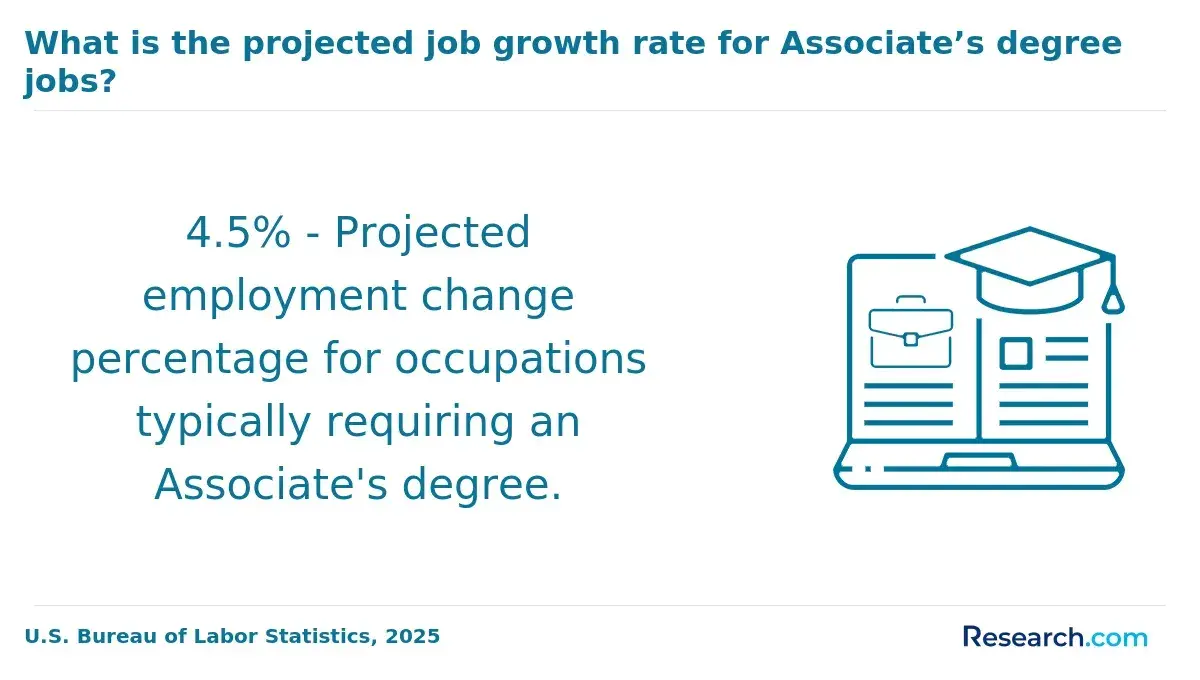
The long-term ROI of a Christian Counseling program critically depends on how student debt interacts with program costs, graduation timelines, and employment outcomes. Students attending private or nonprofit online programs often face significantly higher borrowing levels than those in public programs, impacting their debt repayment ability and financial flexibility post-graduation.
For example, a graduate carrying $50,000 in loans from a private institution may struggle to allocate funds toward housing or further training compared to a peer with lower debt from a public program, affecting their practical financial stability despite similar employment prospects. This dynamic highlights the importance of assessing not just tuition sticker prices but also completion rates and total borrowing duration when evaluating programs.
Understanding the nuanced relationship between debt and educational value is essential for decision-making. While nonprofit programs may offer scholarships that can mitigate upfront costs, this aid is not universally accessible and does not guarantee improved ROI. Graduates should weigh borrowing amounts against expected income and how loan payments influence long-term savings or emergency funds.
Employer preference in counseling fields often favors relevant credentials and hands-on experience over institutional prestige, which means higher debt from elite or costly programs does not necessarily translate into better career advancement. Prospective students comparing the long-term financial impact of student loans for Christian Counseling graduates must analyze how different institution types align with their personal and professional goals, including those considering flexible paths like ASN online programs.
How Do Flexibility and Adult Learner Support Affect Christian Counseling Program Value?
Program flexibility and adult learner support directly shape the return on investment for Christian Counseling degrees, especially for those balancing work, family, or military obligations. Public institutions often provide more affordable tuition and relaxed transfer policies but may lack the personalized advising and career counseling services that improve retention and expedite completion.
For example, a working professional relying solely on synchronous classes might face extended time-to-degree, increasing opportunity costs, whereas asynchronous options coupled with targeted academic support can enhance persistence by up to 15%, according to 2024 data from the National Center for Education Statistics. Private programs typically offer more individualized faculty interaction and career services, which can boost employability outcomes but come with higher tuition and variable financial aid.
Nonprofit providers tend to fall between public and private models, delivering inconsistent support infrastructure that can either support or hinder adult learners depending on the institution's resources. Faculty accessibility remains a crucial factor, as adult learners benefit from instructors adept at linking theory to real-world counseling challenges, a point reinforced by recent surveys highlighting faculty engagement as a key influencer of program value and student satisfaction.
Additional considerations include availability of mental health resources, technology support, and accommodations for military-affiliated students-services that mitigate external pressures affecting study continuity. Choosing between these institutional types involves weighing direct costs against the often undervalued indirect benefits of tailored support and scheduling flexibility, which together help determine not only degree completion rates but also long-term career viability in a competitive counseling workforce.
How Do Accreditation and Institutional Reputation Influence Christian Counseling ROI?
Accreditation and institutional reputation decisively shape the return on investment (ROI) for Christian Counseling students by influencing licensure eligibility, employment prospects, and graduate school access. For example, regional accreditation often carries greater weight with employers and licensing boards than national or program-only accreditation, directly impacting a graduate's ability to enter clinical practice.
A report from the Council for Higher Education Accreditation highlights that graduates from regionally accredited programs have a 15% higher chance of acceptance into advanced counseling licensure programs, illustrating how accreditation status tangibly affects career pathways. Reputation intersects with accreditation but does not replace the need for demonstrable outcomes like graduation rates, job placement, and manageable debt.
Public online programs frequently offer lower tuition and wider credit transfer options, which can enhance affordability and long-term ROI despite sometimes less recognized prestige. Meanwhile, private and nonprofit Christian Counseling programs with programmatic accreditation through agencies such as CACREP can still deliver comparable value if they provide robust student support and clear licensure success, yet higher tuition risks undermining ROI if graduates struggle with debt or employment.
How Does Time-to-Degree Affect the ROI of Public, Private, and Nonprofit Christian Counseling Programs?
Program length directly affects the total financial and time investment required for Christian Counseling candidates, with public institutions typically providing shorter completion times due to streamlined curricula and more generous transfer credit policies. This accelerated pace reduces tuition exposure and opportunity costs, enabling quicker entry into counseling roles and potentially improving the return on investment for students prioritizing affordability and timely workforce integration.
In contrast, private and nonprofit programs often allow part-time enrollment and flexible pacing suited for working adults, but these options frequently extend the time-to-degree beyond three to four years, impacting overall persistence and completion rates, which in turn influences long-term career and financial outcomes. Students weighing online Christian Counseling degrees by institution type must consider how extended timelines affect debt accumulation and wage progression, especially since longer programs may offer deeper clinical experiences but delay full professional earning potential.
For example, a student balancing work and family might choose a nonprofit program for flexibility despite a slower timeline, accepting a tradeoff between extended completion and enriched preparation. Enrollment decisions should factor in data such as the nearly 15% drop in completion rates for part-time students reported by the NCES 2024. Aspiring counselors may also investigate accelerated options like direct entry MSN programs for non nursing majors to compare how different pathways impact educational duration and associated ROI.
Understanding how time-to-degree impacts return on investment in public, private, and nonprofit Christian Counseling programs requires balancing the immediacy of economic returns with the quality and depth of training necessary for sustainable clinical practice. While faster public programs might offer reduced costs and quicker wage gains, private institutions often provide enhanced support structures that may extend timelines but contribute to career longevity. Nonprofit programs attempt a balance but show variable completion outcomes, making it critical for prospective students to align program pacing and institutional resources with their personal circumstances and professional goals.
How Can You Choose the Best Christian Counseling Program Based on Your ROI Goals?
The highest ROI in Christian Counseling programs depends largely on individual priorities rather than institution type alone. While public programs often offer lower tuition and typically result in 20-40% less graduate debt, private institutions may provide substantial scholarships that alter net costs. For example, working adults balancing family obligations might prioritize flexible scheduling and accelerated options found more commonly in public online programs to reduce indirect costs like lost wages.
Conversely, students valuing comprehensive learner support and strong institutional reputation might lean toward nonprofit programs, understanding these factors can improve completion rates and employer recognition, thus enhancing long-term career outcomes. Evaluating Christian Counseling program ROI also hinges on program accreditation, career readiness, and alignment with state licensure requirements, which influence employability and salary potential.
Differences in graduation rates and job placement can shift the balance between short-term affordability and long-term financial benefits. Adult learners and career changers must carefully compare these variables alongside financing options and personal circumstances, including time-to-degree expectations. Prospective students seeking to understand which LPN programs are easiest to get into or comparing broader caregiving education pathways should consider how practical scheduling and support services contribute to overall value.
References
- ‘MBAs for the Public Good’? https://www.vitalcitynyc.org/mbas-for-the-public-good-does-getting-a-masters-degree-make-sense-for-nonprofit-professionals/
- Comparing Christian Counseling Degrees: Which Route Fits Your Calling? https://blog.tfc.edu/articles/comparing-christian-counseling-degrees-which-route-fits-your-calling
- What Makes a Good Christian Counselor? | Nala Counseling https://nalacounselingwellness.com/choosing-a-christian-counselor-tips/
- How To Become A Christian Counselor | CCU Online https://www.ccu.edu/blogs/cags/2011/05/how-to-become-a-christian-counselor/
- CHRISTIAN COUNSELING (BACC) https://gm.edu/academic/bacc/
- What Is Christian Counseling? Is Faith-Based Therapy Right for Me? https://blog.opencounseling.com/faith-based-counseling-centers/
- Accreditation - CACREP https://www.cacrep.org/accreditation/
- The Long-Term Effects of Student Loans | ACE Blog https://ace.edu/blog/the-long-term-effects-of-student-loans/
- OBU Earns Top 10 Ranking for Christian Counseling https://www.okbu.edu/obumagazine/obu-earns-top-10-ranking-for-christian-counseling/
- Net tuition ticks up 2% at private colleges, declines at public institutions https://www.highereddive.com/news/net-tuition-private-public-colleges/730632/
Other Things You Should Know About Christian Counseling
Employers in the counseling field often weigh the reputation and perceived rigor of the institution heavily. Graduates from established private Christian counseling programs may benefit from network connections and a perception of selective admission standards, which can sometimes translate into better initial job prospects.
Public institutions frequently offer more standardized curriculums aligned with state licensure requirements, which employers may view as more directly applicable to public sector roles. Nonprofit programs often vary widely in quality, so candidates must research specific program outcomes rather than rely on institutional type alone. Prioritizing programs with demonstrated clinical training opportunities aligned with licensing boards tends to yield stronger employer confidence regardless of institution type.
Private Christian counseling programs often emphasize intensive, cohort-based formats with strong mentorship, which can drive deeper learning but also require significant time commitments. This may extend the time before graduates enter the workforce but improve practical readiness and potentially long-term ROI through stronger clinical skills.
Public programs typically follow more traditional academic calendars and offer modular courses, providing greater scheduling flexibility but sometimes less individual support. Nonprofit online options may offer asynchronous learning but vary in instructional quality, leading to a risk of longer completion times or weaker preparation, which can diminish returns if job placement is delayed. Candidates should balance workload demands with career timing goals when choosing the institution type.
Licensure is a critical gateway for career advancement and salary improvement in counseling. Public institutions often align their curriculums closely with state licensure criteria, potentially easing the path to credentialing and enhancing ROI through quicker eligibility for licensed roles.
Private and nonprofit programs may emphasize spiritual integration or specialized counseling modalities, which can enrich practice but sometimes diverge from strict licensure requirements. Students focused on maximizing ROI through licensure should prioritize programs with explicit licensure support and high pass rates to avoid costly delays in credentialing and employment.
Graduates from private Christian counseling programs often enter with a network that supports career advancement within faith-based communities, but this can narrow adaptability if they later seek secular roles. Public programs typically provide broader exposure to diverse client populations and regulatory frameworks, which can enhance versatility and open opportunities in various healthcare or social services settings.
Nonprofit programs with limited resources may not offer robust career services or ongoing professional development, potentially hindering long-term growth. For career changers and professionals seeking flexibility, public Christian counseling programs generally offer stronger pathways for evolving roles and broader employment options over time.