2027 Christian Counseling Degree Completion Rates by Format: Online, Hybrid, and Campus Programs Compared

Co-Founder and Chief Data Scientist
Completion rates vary notably across these delivery formats, reflecting differences in student engagement, support systems, and program design. Employers and credentialing bodies often value consistent progress and practical experience, which can hinge on the chosen learning environment. This article compares the completion rates of online, hybrid, and campus Christian Counseling programs, examines key factors that affect student success, and offers insights to help prospective students select the format that aligns best with their educational and professional goals.
Key Things to Know About Christian Counseling Degree Completion Rates by Format
- Data from 2024 reveals campus Christian Counseling programs have a 15% higher completion rate than online-only formats, reflecting stronger peer engagement and structured accountability crucial for practical skill mastery.
- Hybrid program completion rates trend between online and campus, suggesting that the blend of face-to-face and digital interaction partially mitigates isolation, yet requires disciplined self-management often challenging for working adults.
- Lower online completion rates often correlate with reduced direct mentorship and experiential opportunities, which can delay students' practical readiness and impact long-term career progression in counseling roles.
- Key Things to Know About Christian Counseling Degree Completion Rates by Format Key Things to Know About Christian Counseling Degree Completion Rates by Format
- How Do Completion Rates Compare Across Online, Hybrid, and Campus Christian Counseling Programs? Completion Rate Comparison
- What Factors Have the Greatest Impact on Christian Counseling Degree Completion? Degree Completion Factors
- Which Christian Counseling Degree Format Is Hardest to Complete? Completion Difficulty
- How Does Each Christian Counseling Learning Format Affect Student Success? How Does Each Christian Counseling Learning Format Affect Student Success?
- How Does Enrollment Status Affect Christian Counseling Completion Rates? How Does Enrollment Status Affect Christian Counseling Completion Rates?
- Can Transfer Credits Improve Christian Counseling Degree Completion? Transfer Credits
- What Student Support Services Improve Christian Counseling Completion Rates? Student Support Services
- How Do Christian Counseling Completion Rates Affect Career Outcomes? Impact on Career Outcomes
- How Should Students Choose the Best Christian Counseling Learning Format? Choosing the Best Format
- What Are the Long-Term Pros and Cons of Each Christian Counseling Learning Format? Learning Format Pros & Cons
How Do Completion Rates Compare Across Online, Hybrid, and Campus Christian Counseling Programs?
Completion rates for Christian counseling degrees often reflect the diverse characteristics of enrolled students rather than purely signaling program quality. Factors such as students' prior education, personal commitments, and motivation levels heavily influence these outcomes. For instance, traditional campus students might benefit from a more structured routine, which supports persistence, but this advantage is partly due to who chooses that format-not just how the program is designed. This distinction helps explain why raw completion percentages must be interpreted cautiously when assessing online RN to BSN programs no clinicals or other formats.
Variations in completion rates between online, hybrid, and campus Christian counseling programs typically mirror differences in work obligations, enrollment patterns, and access to support services. Fully online students often juggle full-time jobs or family care, making flexible scheduling essential yet potentially challenging for sustained momentum. Hybrid programs strike a middle ground, offering periodic in-person engagement that can boost accountability without sacrificing adaptability. Meanwhile, campus-based formats provide immediate academic resources but demand consistent on-site attendance. Ultimately, success depends on how well each format aligns with individual student circumstances and learning styles rather than inherent superiority.
Prospective students should weigh these completion rate trends alongside their own time availability, external responsibilities, and long-term career intentions to identify the format that best supports degree attainment. For example, a working parent may thrive in a hybrid or fully online Christian counseling degree, provided they harness strong self-discipline and support networks, while a student seeking immersive mentorship might prefer campus study. Using completion data as one component in decision-making can reveal realistic prospects for graduation rather than defaulting to assumptions about program prestige. This approach empowers more informed choices aligned with both educational goals and life realities.
What Factors Have the Greatest Impact on Christian Counseling Degree Completion?
Successfully finishing a Christian Counseling program relies on a complex interplay of personal, academic, and program-related factors rather than just motivation or interest. Students often underestimate how much external responsibilities, financial barriers, and institutional support shape persistence and completion. For example, a working parent enrolled in a hybrid format might stay on track by leveraging campus resources during on-site sessions while balancing family commitments on remote weeks. The following factors consistently influence degree completion outcomes.
- Academic Preparation and Readiness: Students with a solid foundation in critical thinking and prior college experience tend to navigate coursework more efficiently. Programs requiring remediation or lacking preparatory structures often see higher dropout rates, especially among those new to higher education. Strengthening study skills and seeking tutoring early can improve persistence for less academically prepared students.
- Engagement with Faculty and Peers: Close interaction and mentorship substantially boost completion, particularly in campus and hybrid formats that facilitate peer collaboration. Online-only students without structured engagement options may struggle with isolation, lowering graduation likelihood. Actively participating in discussions and forming study groups help maintain academic immersion.
- Time Management and External Commitments: Managing family, work, and ministry duties creates significant obstacles, especially for fully online students who often juggle multiple roles simultaneously. Those unable to allocate consistent study hours face higher risk of non-completion. Building a realistic schedule and obtaining employer or family support can mitigate these challenges.
- Financial Stability and Aid Access: Clear financial aid pathways correlate with a 20% higher degree attainment, according to the National Center for Education Statistics. Students burdened by unclear or insufficient funding tend to interrupt or abandon programs. Seeking ministry-specific scholarships or grants improves sustainability throughout study.
- Availability of Academic Support Services: Tutoring, counseling, and career planning services are critical, particularly in hybrid programs that retain some campus-based support. Fully online program students may find personalized assistance limited, increasing attrition risks. Proactively accessing available resources enhances academic progression.
- Program Delivery Format and Flexibility: While campus programs show higher completion due to immersive environments, well-designed hybrid formats also approach those rates when combining flexibility with in-person support. Fully online formats face about 12-15% lower completion rates owing to less direct interaction. Choosing a format aligned with personal learning style and lifestyle improves odds of graduation.
Deciding between program types means balancing these factors against individual circumstances, often requiring careful consideration of financial, time, and academic variables. Prospective students should explore options such as LPN programs near me to understand how delivery methods impact degree completion in related fields and to identify suitable support systems.
Which Christian Counseling Degree Format Is Hardest to Complete?
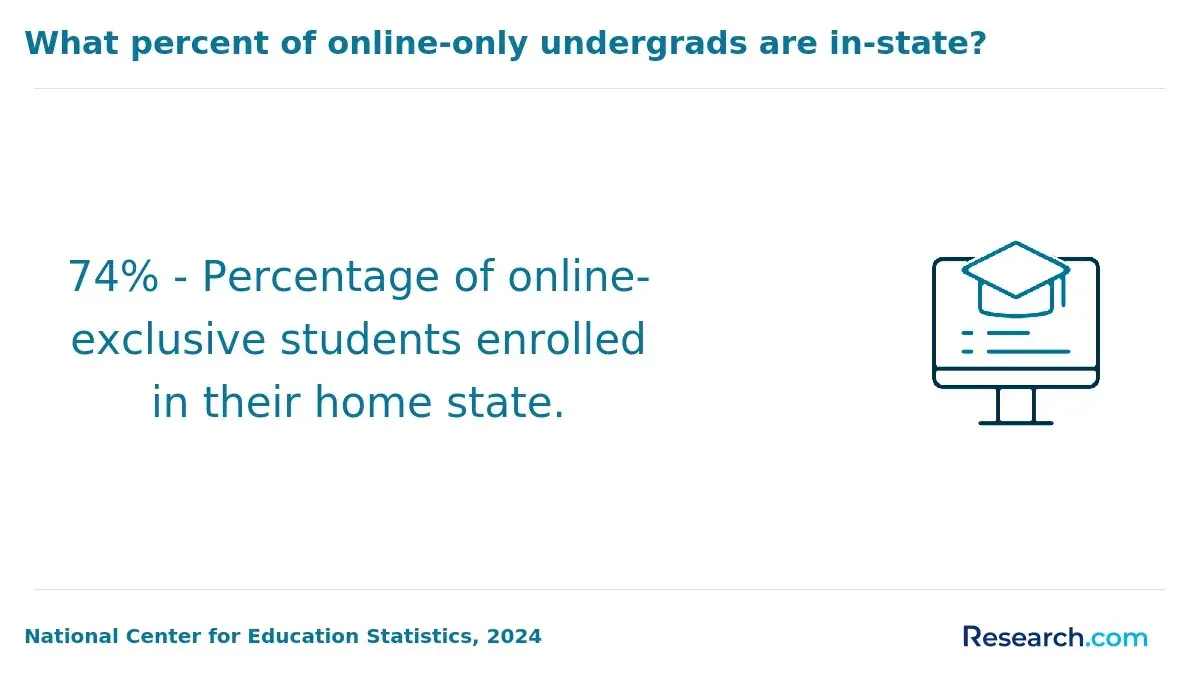
Completion rates for Christian counseling degree programs vary significantly by format, highlighting the distinct challenges each presents. Data from the National Center for Education Statistics in 2024 reveals campus-based programs have roughly a 70% completion rate, outpacing hybrid formats at around 60-65%, and fully online options at about 55%. These differences largely reflect the impact of engagement and access to practical learning environments; campus students benefit from in-person mentoring and group experiences crucial for mastering relational skills, while online learners often navigate self-paced coursework with fewer support resources, increasing the risk of attrition.
Hybrid programs strike a middle ground by combining flexibility with periodic face-to-face interaction, which can bolster persistence but may still limit the depth of interpersonal training compared to fully on-campus paths. For example, a student balancing a part-time job and family might choose online for convenience but struggle without the accountability and peer support that on-site settings provide. The intensity of supervised practicums and collaborative exercises in Christian counseling suggests that formats affording richer social and instructional interaction typically ease completion barriers, though individual circumstances and self-discipline remain critical variables.
One graduate recalled initially enrolling in an online Christian counseling program while managing a full workload and homeschooling children. Despite the schedule flexibility, they found the lack of immediate feedback and peer interaction isolating, which caused frequent doubts about finishing the degree. After switching to a hybrid program offering weekend seminars and occasional on-campus practicums, the student described feeling a renewed sense of community and clearer skill-building opportunities that ultimately sustained their motivation through graduation.
How Does Each Christian Counseling Learning Format Affect Student Success?
Student success in Christian Counseling degree programs hinges more on how well a learning format matches a student's learning style, schedule flexibility, and personal obligations than on the format itself. For instance, a working parent juggling shifts may thrive in a hybrid setting that allows periodic in-person sessions without daily campus attendance. Conversely, a student who benefits from structured environments and immediate access to faculty may find campus-based programs more conducive to staying on track. Recognizing these individual dynamics helps clarify the varying completion rates observed across formats. Here are key factors shaping student success in each learning mode:
- Direct academic support availability: Campus programs typically provide immediate face-to-face interaction with instructors and advisors, facilitating prompt feedback and tailored guidance. This advantage helps students maintain motivation and clarify complex counseling concepts early, boosting persistence rates-especially important for students new to higher education.
- Flexibility versus structure balance: Hybrid formats blend scheduled in-person engagement with online convenience, appealing to non-traditional students balancing work, family, or other responsibilities. This balance reduces attrition risk by accommodating life's demands while sustaining community connection and accountability.
- Social integration and peer interaction: On-campus environments offer richer opportunities for peer study groups, mentoring, and informal support networks that reinforce commitment and knowledge retention. Online-only students often miss these bonds, which can lead to isolation and decreased engagement unless virtual interactions are robust and carefully facilitated.
- Self-discipline and learner autonomy: Fully online Christian Counseling students must independently manage schedules and motivation, posing challenges for those without mature time-management skills. Institutions that provide structured synchronous sessions and interactive coursework help mitigate these obstacles and improve completion rates in remote settings.
- Access to counseling-specific resources: Physical campus facilities frequently include counseling labs, workshops, and experiential learning opportunities critical for developing practical skills. While virtual simulations are improving, they may not fully replicate hands-on experiences valued in licensure pathways, influencing both student readiness and timely degree completion.
- Impact of demographic factors: Recent data from the National Center for Education Statistics in 2024 shows campus-based Christian Counseling students have the highest completion rates, followed by hybrid students, with fully online learners facing the greatest attrition. This reflects how demographic and life circumstance differences interact with format demands, underscoring the need for personalized program fit assessments.
How Does Enrollment Status Affect Christian Counseling Completion Rates?
Enrollment status remains one of the most critical factors influencing Christian counseling completion rates, yet its impact extends beyond simply how many courses a student takes each term. The interaction between a student's lifestyle, external responsibilities, and access to institutional support shapes how full-time or part-time enrollment affects program outcomes. Successful completion depends on aligning enrollment pace with practical realities, not just academic ambition. Below are the primary ways enrollment status shapes degree completion for students considering online, hybrid, or campus formats.
- Time Commitment and Focus: Full-time students often benefit from having more consistent study time and immersive schedules, especially in campus programs where structured class times foster regular engagement. These students typically experience completion rates exceeding 70% according to recent higher education analyses. Conversely, part-time students balancing work or family may face extended timelines or increased attrition risks.
- Flexibility Versus Accountability: Part-time enrollment provides flexibility crucial for students managing caregiving or vocational duties, often seen in online and hybrid formats. While this adaptability supports continued enrollment, the lack of in-person accountability can lead to disengagement unless supplemented by strong personal discipline or institutional coaching.
- Support Systems Availability: Campus programs usually offer integrated advising, cohort learning, and immediate access to resources that favor full-time learners staying on track. Hybrid and online programs have improved with proactive coaching and adaptive tools but part-time students still risk falling behind without consistent institutional support.
- Balancing Real-World Responsibilities: Part-time students frequently juggle employment and family, necessitating a pacing strategy that accommodates these demands. Programs that recognize and support these trade-offs can improve persistence, yet students must realistically assess their capacity to maintain momentum over longer periods.
- Completion Rate Variability by Format: Full-time students in campus formats reach higher completion benchmarks compared to part-time peers who often complete between 40% and 60% of their programs in online or hybrid settings. Understanding these differences helps prospective students weigh format choice alongside enrollment status for best outcomes.
- Financial and Career Implications: Full-time enrollment offers quicker entry into counseling roles but requires sufficient financial and time resources. Part-time paths extend time-to-degree but allow continued income, which suits those prioritizing steady employment alongside education.
- Realistic Goal Setting: Students must consider how their enrollment status aligns with personal goals and external commitments. One scenario highlights a single parent opting for part-time online enrollment to balance caregiving while pursuing certification, fully aware this might delay graduation but enables sustainable progress.
For those exploring less traditional pathways, reviewing accredited options like pharmacy school online accredited programs illustrates how enrollment strategies and format choices combine to impact completion. Prospective Christian counseling students benefit from appreciating these nuanced outcomes rather than assuming full- or part-time enrollment inherently guarantees faster or easier degree success.
Can Transfer Credits Improve Christian Counseling Degree Completion?
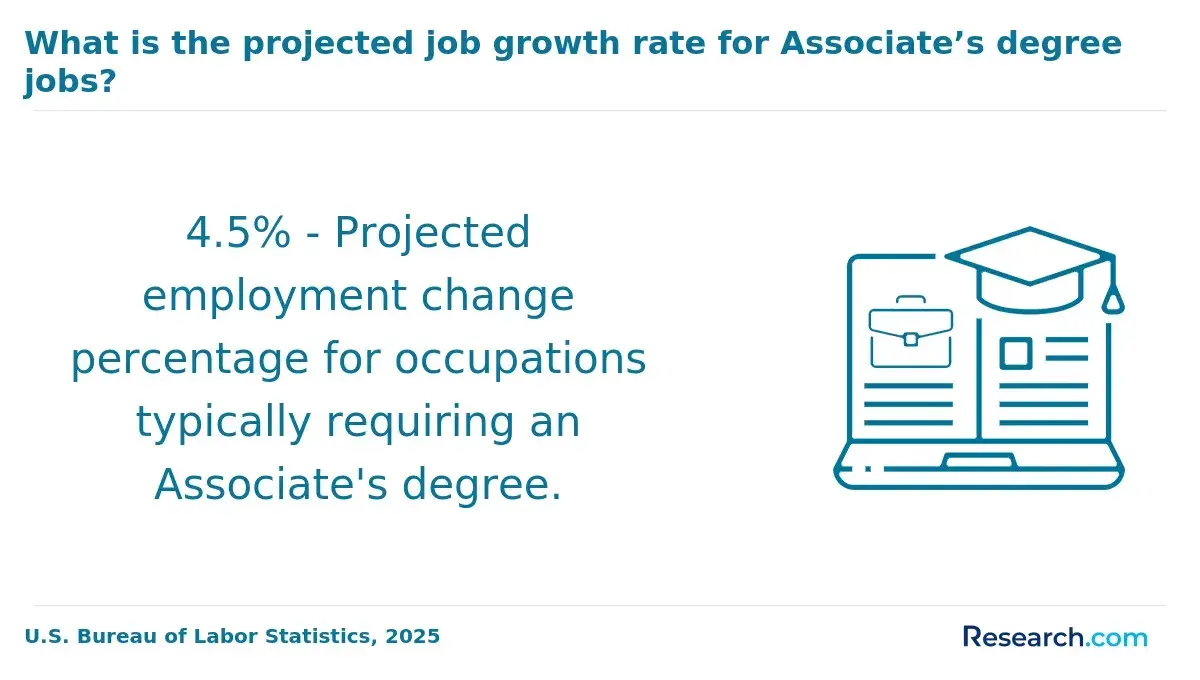
Transfer credits can significantly influence completion rates for students pursuing a Christian Counseling degree, but their impact hinges on several critical variables. A 2024 report from the National Center for Education Statistics shows that students transferring credits from prior accredited institutions have up to a 25% greater chance of graduating within six years than those who start without them. This advantage is especially visible in online and hybrid formats, where non-traditional learners, such as working adults, can leverage previous coursework to reduce redundancy and accelerate progress.
By applying transfer credits, learners avoid repeating foundational courses they've already completed, allowing them to focus on advanced, specialized classes directly related to Christian Counseling. This streamlined pathway often shortens time to degree and enhances engagement. However, the actual benefit depends heavily on how institutions accept and apply these credits. Some schools restrict transferred courses to elective requirements, which may not meaningfully reduce the core academic load or expedite graduation.
Consider a student with military training and some college credits who enrolls in an online Christian Counseling program. If the institution accepts a substantial portion of these credits toward required coursework, this student could finish months or even a year earlier than peers starting fresh. Conversely, if residency mandates or accreditation standards limit transferable credits, that same student might see minimal impact on their timeline.
Given these nuances, prospective students should actively assess their potential credit transfer benefits by obtaining an official evaluation from the admitting institution. Comparing how many credits will be recognized against remaining degree requirements and planned course loads provides a clearer picture of how transfer credits might affect completion time. While credit transfer can be a powerful tool for some, graduation outcomes ultimately depend on a combination of factors, including program policies, course alignment, and student enrollment patterns.
Effective transfer credit use also supports timely entry into the Christian Counseling workforce by accelerating certification readiness. Therefore, transparency and flexibility in credit articulation policies are key considerations for those balancing educational goals with career timelines.
What Student Support Services Improve Christian Counseling Completion Rates?
Completion rates for Christian Counseling degree programs improve notably when students have access to well-structured support services tailored to the delivery format. The challenges faced by online, hybrid, and campus learners differ widely, making certain services more impactful depending on the setting. Research from the National Student Clearinghouse Research Center (2024) confirms that holistic support addressing both academic and emotional needs increases persistence, particularly in emotionally demanding fields like Christian Counseling. Here are the most influential student support services linked to higher completion rates:
- Proactive academic advising: Personalized and timely academic guidance helps students navigate coursework and degree requirements, lowering dropout risk. Online students with regular advisor contact saw up to 15% higher completion rates according to the EDUcause Review (2024).
- Accessible mental health counseling: Emotional resilience is critical in Christian Counseling programs, so mental health support-whether virtual or in person-provides essential coping tools that prevent burnout and stress-related attrition.
- Flexible tutoring and skill workshops: Students balancing work or family benefit from on-demand tutoring and workshops targeting critical skills, helping close gaps that might otherwise derail progress, especially in rigorous campus programs.
- Peer mentoring and community building: Opportunities for connection mitigate isolation, particularly for online learners, fostering accountability and shared experience that sustain motivation over time.
- Career advising integrated with academics: Combining professional development with academic support reassures students of career viability, helping them persist through program challenges.
- Coordinated hybrid support systems: Students in hybrid formats thrive when campus-based services and digital resources work together to address academic and wellness needs seamlessly.
One graduate of an online Christian Counseling program recalled debating whether to continue amid mounting personal stress and workload. The availability of 24/7 academic advising and regular video counseling sessions gave her a vital connection to staff and peers when isolation felt overwhelming. "There were nights I almost quit," she reflected, "but knowing someone was a message away-checking in, guiding me on what to do next-made it possible to keep going." This graduate's experience underscores how integrated, responsive support services can make the difference between attrition and completion.
How Do Christian Counseling Completion Rates Affect Career Outcomes?
Completion rates for christian counseling degrees significantly shape professional outcomes and should be a key factor in program selection. Persistence to graduation affects eligibility for licensure, access to specialized certifications, and competitiveness in a job market that increasingly values credentials along with practical experience. Data from the National Center for Education Statistics shows bachelor's degree holders have a 23% higher employment rate and earn substantially more over a lifetime compared to non-completers. Below are primary ways completing a christian counseling degree influences career success.
- Licensure and eligibility for counseling roles require degree completion: Most states mandate degree completion before candidates can apply for counseling licenses. Graduates of online or hybrid programs who successfully finish their degrees are positioned to meet these requirements and secure roles that provide supervised clinical hours, critical for professional advancement.
- Access to specialized certifications and advanced education pathways depends on graduation: Completing the degree opens opportunities for certifications in trauma, substance abuse, or marriage counseling that boost employability. It also serves as a prerequisite for pursuing graduate study, which many employers value for advanced roles, benefiting students aiming for clinical or leadership positions.
- Stronger alumni networks and structured career support improve job placement: Campus-based and hybrid programs with higher completion rates often provide better access to career services and professional connections. This can fast-track employment for graduates relative to those navigating the job market without institutional backing, which is crucial in counseling fields emphasizing relationship-building and mentorship.
- Financial stability and motivation are linked to timely completion: Students who delay graduation may face mounting debt and decreased motivation, weakening their competitiveness. Conversely, finishing within a reasonable timeframe allows individuals to enter the workforce sooner and capitalize on earnings growth, as supported by evidence on bachelor's degree career success rates.
Choosing a format that supports persistence-whether online, hybrid, or campus-is essential. Working adults juggling family or job responsibilities may find online exercise science degree programs offer flexible scheduling, though these tend to have lower completion rates. Hybrid formats often balance flexibility and accountability, making them a reasonable option for students seeking both support and adaptability.
How Should Students Choose the Best Christian Counseling Learning Format?
Choosing the right learning format for a Christian counseling program significantly impacts degree completion and long-term career feasibility. Data from 2024 by the National Center for Education Statistics highlights that work commitments and student traits like self-discipline influence outcomes more than modality alone. For instance, a working parent juggling caregiving and employment might thrive in a hybrid model, balancing in-person mentorship with flexible online coursework. Below are essential factors students should evaluate when comparing online, hybrid, and campus Christian counseling degrees.
- Self-Discipline and Motivation: Online formats require high self-direction due to fewer structured checkpoints and less peer interaction. Students who struggle with procrastination may find campus or hybrid options more supportive for maintaining consistent progress.
- Time Availability and Work Commitments: Those balancing jobs or family responsibilities often benefit from the flexibility of online or hybrid programs. Campus formats, while immersive, may be impractical for nontraditional students managing external demands.
- Need for Real-Time Interaction: Hybrid and campus programs offer synchronous mentorship and networking opportunities crucial for practical skill development and professional connections, favoring students who prioritize direct engagement.
- Access to Campus Resources: On-campus students usually have easier access to counseling labs, faculty, and peer support. Hybrid learners may access some resources, while online students must rely heavily on digital equivalents, which can vary in quality.
- Learning Style Preferences: Students who learn best through face-to-face interaction or experiential settings might favor campus or hybrid formats, whereas independent learners often succeed in online environments.
- Retention and Completion Trends: Nationwide data indicate campus programs have higher completion rates than purely online formats, largely due to structured environments and accountability, underscoring the importance of choosing a format aligned with personal persistence strategies.
- Financial and Academic Planning: Understanding tuition differences, such as those highlighted in analyses of speech pathology degree cost online, can inform realistic budgeting and long-term planning, which is critical when selecting a Christian counseling program format.
What Are the Long-Term Pros and Cons of Each Christian Counseling Learning Format?
Choosing between online, hybrid, and campus formats for a Christian Counseling degree involves weighing how each impacts completion rates and career readiness. Recent 2024 data from the National Center for Education Statistics and other top research bodies clarify these trade-offs. Consider these key long-term factors before committing to a program:
- Completion Rate Differences: Campus programs show the highest graduation rates due to structured schedules and face-to-face mentorship. Hybrid options have moderate rates, while fully online students face the greatest risk of dropping out without strong discipline.
- Practical Skill Development: On-campus learning fosters hands-on counseling practice and peer interaction critical for counseling careers. Hybrid formats provide some in-person training, unlike online programs which may struggle to deliver equivalent practical experience.
- Flexibility vs. Structure: Online programs offer unmatched flexibility, ideal for working adults or remote students. However, this can challenge learners needing external accountability, who may thrive more in hybrid or campus settings.
- Networking Opportunities: Campus environments enable direct access to faculty and peers, facilitating stronger professional networks. Hybrid programs allow periodic networking, whereas online formats require intentional efforts for connection.
- Time and Geographic Constraints: Campus programs demand location commitment and fixed schedules which can limit accessibility. Online learning removes geographic barriers, supporting those balancing family or jobs.
- Long-Term Career Outcomes: Graduates from campus and hybrid formats generally report better preparedness for counseling roles due to integrated practicum experiences, while online alumni success depends on program quality and student initiative.
- Self-Management Requirements: Hybrid and online learners must excel at time management and self-motivation to complete their degrees, unlike campus students who benefit from structured immersion.
References
- M.A. in Christian Counseling - Erskine College https://www.erskine.edu/academics/christian-counseling/
- Best Online Psychology Degrees: Differences Between Christian and Secular Schools - Grace Christian University https://gracechristian.edu/blog/best-online-psychology-degrees-differences-between-christian-and-secular-schools/
- Western Theological Seminary https://counseling.westernsem.edu/
- Master of Arts in Christian Counseling | Counseling https://www.socalsem.edu/master-of-arts-christian-counseling/
- CHRISTIAN COUNSELING (BACC) https://gm.edu/academic/bacc/
- Christian Counseling: My Life, Calling and the Counseling Ministry | Houston Christian University https://hc.edu/news-and-events/2019/06/28/christian-counseling-my-life-calling-and-the-counseling-ministry/
- The Christian School: Fertile Ground for Biblical Counseling to Flourish https://biblicalcounseling.com/resource-library/articles/the-christian-school-fertile-ground-for-biblical-counseling-to-flourish/
- School of Biblical Counseling https://www.ccef.org/school/
- Transfer Credit | Fuller Seminary https://fuller.edu/academic-advising/program-policies-and-guidelines/
- All Christian Counseling Degrees - TheologyDegree.org https://www.theologydegree.org/programs/christian-counseling-degrees/
Other Things You Should Know About Christian Counseling
Employers in counseling often value practical experience alongside academic credentials. Campus and hybrid programs typically integrate more in-person practicums and internships, which align closely with employer expectations for hands-on skills. This alignment can motivate students to complete their degrees on time to meet those experiential requirements, while fully online students may face challenges securing equivalent fieldwork opportunities, sometimes prolonging their completion timelines.
Online formats often provide greater schedule flexibility but require strong self-discipline due to asynchronous coursework. This can lead to procrastination or drop-off if students lack time management skills, negatively impacting completion rates. Conversely, campus programs impose structured class times and immediate peer engagement, which help maintain consistent progress but may conflict with work or family obligations, causing delays. Hybrid models attempt to balance these tradeoffs but require students to adapt to both self-driven and scheduled commitments.
Networking is a critical component in christian counseling careers for supervision, referrals, and ongoing development. Campus programs inherently support relationship-building through face-to-face interactions, boosting student engagement and retention. Hybrid programs offer moderate networking opportunities, while fully online formats often lack these organic connections, potentially reducing students' motivation to complete the program. Prioritizing formats with stronger networking prospects may improve not only completion rates but long-term career success.
Licensure in christian counseling usually requires completing supervised clinical hours, which can be more seamlessly integrated in campus or hybrid programs. These formats often have established partnerships with local agencies, facilitating smoother clinical placements and timely degree completion. Students focused on licensure should prioritize programs that guarantee practical requirements alongside coursework, as this reduces delays in finishing both the academic and experiential components required for certification.