2027 Christian Counseling Degree Oversupply or Undersupply? Student Volume vs Employer Demand

Co-Founder and Chief Data Scientist
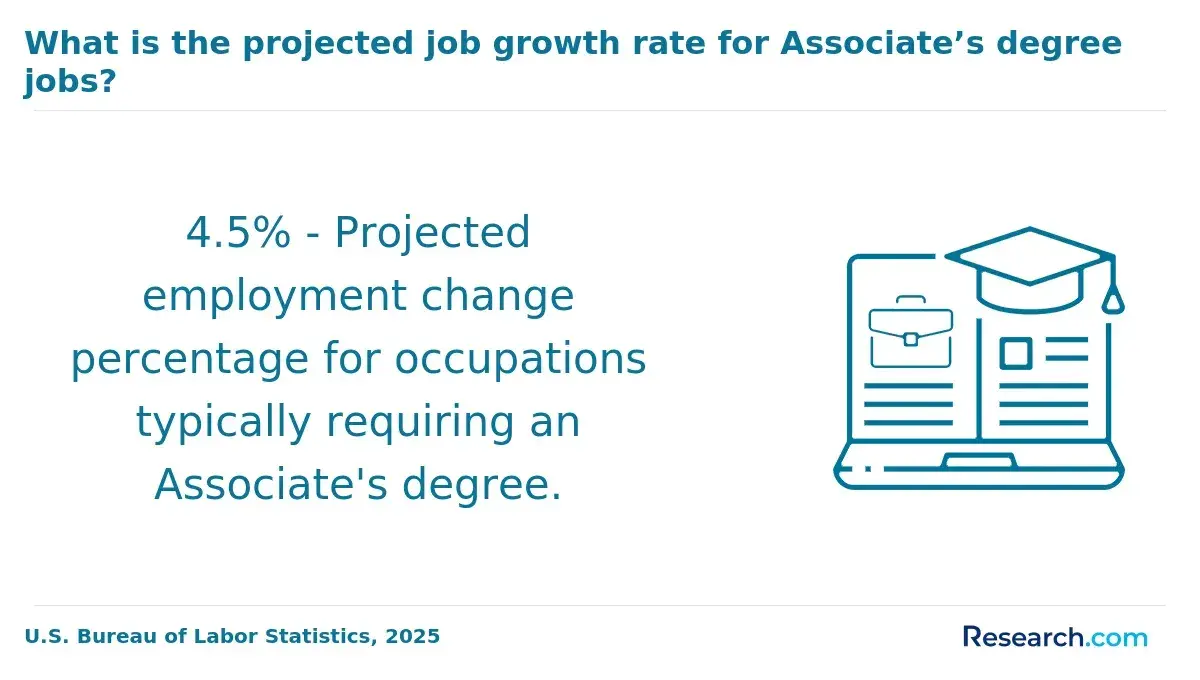
A recent survey found that U.S. Christian counseling programs produced over 8,000 graduates in 2023, while the Bureau of Labor Statistics reported only a 5% projected job growth for counselors through 2032, signaling a potential imbalance. Prospective students and current degree holders face crucial decisions as excess supply in some regions intensifies competition, while limited job openings risk underemployment. Educators must also consider how well curricula align with evolving employer expectations, including licensure and practical skills.
This article examines student volume versus employer demand, job growth, industry needs, geographic factors, and skill gaps to clarify if Christian counseling careers offer sustainable opportunities or face rising challenges.
Key Things to Know About Christian Counseling Graduate Supply and Employer Demand
- Christian counseling program completions outpace regional job growth by 12% annually, creating localized entry-level competition that forces prospective students to weigh prolonged job searches against tuition and time investment.
- Employers emphasize specialized skills like trauma-informed care, yet many graduates hold generalized credentials, leading to credential mismatch that limits immediate placement and pressures programs to adapt curricula.
- Concentration of employers in faith-based organizations predominantly in the South means geographic imbalance challenges graduates in less saturated regions, affecting career mobility and necessitating relocation or remote work readiness.
- Key Things to Know About Christian Counseling Graduate Supply and Employer Demand Key Things to Know About Christian Counseling Graduate Supply and Employer Demand
- Is There an Oversupply or Undersupply of Christian Counseling Graduates? Graduate Oversupply or Shortage
- How is Christian Counseling Degree Enrollment Changing? Degree Enrollment Trends
- How Many Christian Counseling Graduates Enter the Workforce Each Year? Annual Graduate Workforce Entry
- Does Job Growth Support the Rising Supply of Christian Counseling Graduates? Job Growth Versus Supply
- How Competitive is the Entry-Level Market for Christian Counseling Graduates? Entry-Level Market Competition
- Which Industries Have the Greatest Demand for Christian Counseling Graduates? Top Hiring Industries
- Where are Christian Counseling Graduates Most in Demand? Top Geographic Demand
- Which Christian Counseling Specializations and Degree Levels Face the Strongest Demand? Which Christian Counseling Specializations and Degree Levels Face the Strongest Demand?
- Are Employer Skill Gaps Affecting Demand for Christian Counseling Graduates? Are Employer Skill Gaps Affecting Demand for Christian Counseling Graduates?
- What is the Future Supply-and-Demand Outlook for Christian Counseling Graduates? Future Supply-Demand Outlook
Is There an Oversupply or Undersupply of Christian Counseling Graduates?
Current data suggests that the supply of Christian counseling graduates largely corresponds to employer demand when viewed nationally, yet this balance masks significant regional and specialization-based discrepancies. For instance, states with concentrated faith-based organizations frequently report difficulty filling roles, highlighting localized undersupply despite an overall adequate graduate volume.
Conversely, urban and secular areas present intense competition for openings that require a mix of counseling licensure and theological training, sometimes creating a perception of oversupply among new entrants. This uneven distribution impacts career decisions, as graduates must weigh geographic and programmatic factors against the reality of limited positions, especially at the doctoral level, where fewer employers seek advanced credentials.
Enrollment trends and labor market demand for Christian counseling graduates are further complicated by employer expectations for practical experience and licensure, which many programs do not fully address. This disconnect often limits straightforward comparisons of student volume versus job availability, with some graduates facing barriers to employment despite degree completion. Demand tends to be more consistent in youth, family, and addiction counseling niches within Christian frameworks, driven by persistent societal needs and ministry efforts, but less so in specialized or uncommon areas.
Prospective students evaluating Christian counseling options should incorporate this nuanced employment outlook alongside considerations of program fit, licensure pathways, and regional market conditions, rather than relying on simplistic oversupply or undersupply narratives. For alternative degree choices, some may explore options like the easiest BSN program to get into, which might offer different stability dynamics.
How is Christian Counseling Degree Enrollment Changing?
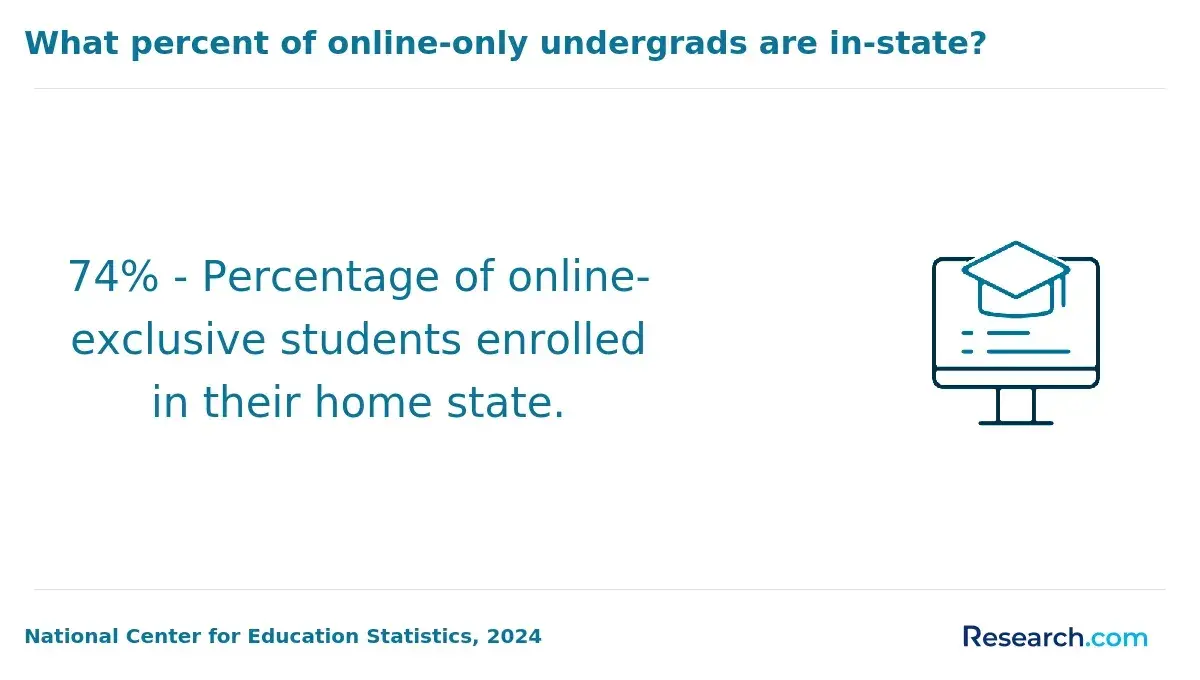
Christian counseling degree enrollments are stabilizing after years of growth, with a noticeable shift from traditional in-person programs to online and hybrid formats, according to 2024 data from the National Center for Education Statistics. This redistribution tempers the risk of graduate oversupply in local markets but complicates workforce planning, as graduates from online tracks may have differing licensure outcomes and employer perceptions. While master's-level enrollment remains steady, fewer students pursue doctoral degrees, potentially limiting future academic leadership and supervisory roles in clinical settings. Employers in faith-based and healthcare sectors might see easing competition for entry-level roles but simultaneously face bottlenecks for advanced positions requiring higher credentials.
The impact of these enrollment patterns varies regionally based on demographic shifts and community support for faith-oriented counseling services. National totals obscure local disparities where some areas report shrinking cohorts, possibly due to changing employer demand or economic constraints. Overlooking this nuance risks misjudging job market saturation or shortage, especially since Christian counseling remains predominantly female and is drawing more younger, ethnically diverse candidates. For prospective students, understanding that stable enrollment does not equal low competition but reflects a rebalancing influenced by program delivery, licensure pathways, and degree level is crucial for long-term career planning.
One current Christian counseling student noted that the program's growing online presence has diversified the cohort but also resulted in more competitive admissions and fewer spots in advanced clinical practicum courses. This student observed how the increase in part-time learners balancing ministry work seemed to slow the pace of doctoral program enrollment. They expressed curiosity about whether the expanding online options would translate into stronger employment prospects or just intensify competition among graduates, especially given the mixed signals between steady master's enrollment and declining doctoral numbers.
How Many Christian Counseling Graduates Enter the Workforce Each Year?
Graduate counts alone do not clarify whether the supply of Christian counseling professionals meets labor market demand, as many variables affect workforce entry timing and role alignment. Data from sources like the National Center for Education Statistics and IPEDS indicate approximately 1,200 to 1,500 students complete related degrees annually, but this includes those pursuing undergraduate and graduate credentials across various program types. Many graduates delay entering counseling-specific jobs due to credentialing requirements, such as state licensure and supervised clinical hours, which extend the transition from degree completion to active workforce participation by several years.
Moreover, not all who graduate seek the same positions; a significant portion moves into related sectors like social services, pastoral care, or education, which shifts the effective labor pool competing for traditional Christian counseling roles. Regional disparities also shape hiring patterns, where some areas demand licensed counselors more strongly than others, impacting how quickly vacancies are filled. Workforce data suggests that around 60% to 70% of graduates take employment closely tied to their degree within two years, reflecting both employer preferences for credentialed professionals and the necessity of meeting rigorous skill standards before independent practice.
Does Job Growth Support the Rising Supply of Christian Counseling Graduates?
Job growth projections for counseling-related roles suggest a 15% increase over the next decade, signaling strong demand, yet this pace does not fully align with the surge in Christian counseling graduates entering the labor market. Many new graduates face a bottleneck as employers seek advanced clinical experience, specific licensure, and cultural competency tailored to faith-based settings, which not all entry-level candidates possess. For instance, a recent graduate might find abundant openings in urban centers saturated with candidates, while rural or underserved regions report shortages, revealing a geographic imbalance in opportunities. This mismatch can lead to underemployment or delays in securing relevant positions despite the optimistic job growth rates reported by sources such as the U.S. Bureau of Labor Statistics.
The reality for employers demanding practical skills and certifications narrows immediate employability, creating a competitive landscape, especially for those without advanced specialization or mobility. Replacement demand driven by retirements partially offsets new labor supply, but not enough to equal the volume of graduates in Christian Counseling, which outpaces openings according to National Center for Education Statistics data. Graduates must weigh specialization focus, licensure hurdles, and regional demand carefully to avoid oversupply risks. Considering alternative pathways, including related fields or programs like an LPN accelerated program, might offer more stable access to roles where practical clinical experience is prioritized over faith-specific credentials, illustrating tradeoffs within workforce strategy.
How Competitive is the Entry-Level Market for Christian Counseling Graduates?
The entry-level job market for Christian counseling graduates in 2024 reflects a nuanced balance rather than a clear oversupply or shortage. While graduate numbers have increased, driven by heightened interest in mental health within faith contexts, employer demand has not expanded at the same pace.
Many openings in faith-based organizations, schools, and community settings require prior hands-on experience, which limits opportunities for recent graduates without internships or volunteer backgrounds. The competition remains steady, with some urban areas and larger employers attracting many applicants for each listing.
Below are key factors shaping this competitive landscape:
- Applicant Volume: Graduate output is growing, creating a moderately competitive field where 10 to 15 candidates often vie for each position. Candidates should assess local job density and scale expectations accordingly.
- Experience Requirements: Most entry-level roles ask for practicum hours or volunteer counseling, effectively narrowing the accessible job pool for fresh graduates lacking field exposure.
- Industry Demand Concentration: Faith-based organizations and schools remain primary employers, but demand fluctuates by region and institution size, influencing where graduates find openings.
- Geographic Variability: Urban centers typically have more opportunities but also intense competition, whereas rural or smaller markets may offer fewer jobs but less applicant congestion.
- Specialization and Credentials: Additional certifications or faith tradition alignment can enhance hiring chances, as employers look for cultural fit alongside clinical skills.
- Remote and Cross-Industry Competition: Some candidates apply outside traditional faith settings or seek remote roles, expanding the labor pool and intensifying competition.
- Demonstrated Competency: Employers favor applicants who combine clinical knowledge with demonstrated interpersonal skills and adaptability to their faith-based mission.
A recent graduate of a Christian counseling master's program encountered repeated challenges landing an entry-level position in a major metropolitan area. Despite relevant coursework, the lack of direct counseling internships led to multiple rejections, often losing out to candidates with more field experience. This graduate subsequently shifted focus to smaller community centers outside the city, where competition was less intense but required more adaptable service offerings beyond strict religious contexts. The experience highlighted that success often depends on flexibility, practical exposure, and willingness to pursue roles that may diverge from initial expectations yet build essential career foundations.
Which Industries Have the Greatest Demand for Christian Counseling Graduates?
Demand for Christian counseling graduates is concentrated in sectors where faith-informed support complements clinical or social services. Industries with entrenched community ties and mission-driven objectives tend to value this specialized skill set most, balancing the dual demands of spiritual guidance and evidence-based practice.
Graduates evaluating their options face trade-offs between job volume, competition intensity, and the specific competences employers seek. For example, healthcare settings typically offer higher job availability but may require additional clinical credentials compared to faith-based nonprofits that prioritize pastoral care experience and denominational alignment.
Regional job growth for Christian counseling professionals also varies, making location a crucial consideration. Below are the primary industries generating the strongest employer demand for Christian counseling graduates:
- Healthcare Facilities: These include mental health clinics, outpatient centers, and integrated care organizations that increasingly seek Christian counseling graduates for roles blending psychotherapy with spiritual care. Employers favor candidates with clinical counseling licenses alongside competencies in culturally sensitive, faith-based interventions, especially as holistic patient support gains traction.
- Religious Organizations: Churches, faith-based nonprofits, and ministries dominate this category, emphasizing roles in pastoral counseling, crisis response, and community outreach rooted in Christian values. Entry positions often require demonstrated experience or training in ministry and spiritual care, while leadership roles may demand specialized certifications.
- Social Assistance Agencies: Family services, adoption, and foster care organizations look for counselors capable of integrating trauma-informed care with ethical decision-making framed by Christian perspectives. These agencies prize evidence-based approaches that respect faith traditions and often seek professionals skilled in both spiritual guidance and social work principles.
- Educational Services: Positions in private Christian schools and campus ministries focus on adolescent and young adult mental health, vocational counseling, and faith development. These roles are niche but provide important opportunities combining psychological counseling with faith integration in educational settings.
- Community Outreach Programs: Some local and regional initiatives concentrate on under-served populations, requiring Christian counseling graduates who can navigate complex social issues with both clinical and spiritual expertise. Employment volume may be lower here, but such roles can offer stronger community ties and potential for in-depth impact.
Graduates weighing these options must consider that while healthcare settings offer the broadest job volume, competition is significant and credentials more demanding. Conversely, faith-based organizations may present fewer openings but often match better with specialized Christian counseling skill sets. Prospective students should also explore complementary educational paths, such as an online bachelor's degree in nutrition, which reflects the growing multidisciplinary nature of healthcare and wellness roles that integrate counseling expertise.
Where are Christian Counseling Graduates Most in Demand?
National demand data for Christian counseling graduates often masks significant regional disparities shaped by local religious demographics, healthcare infrastructure, and state licensing policies. For example, a graduate seeking employment in states like Texas or North Carolina may find more frequent openings tied to faith-based organizations and community health programs than in less densely populated rural areas where funding and client volumes are limited. Urban centers with concentrated faith-aligned mental health services offer more opportunities but invite stiffer competition and often require additional clinical credentials beyond the Christian counseling degree, affecting tradeoffs between immediate employment and credential investment.
The practical value of a location for graduates hinges not solely on job numbers but on factors like cost of living, specialization alignment, and remote work flexibility. A recent labor-market analysis highlights that metropolitan hubs such as Dallas and Atlanta show higher vacancy rates in specialized counseling roles integrated with broader healthcare systems, yet these markets also attract larger applicant pools, raising the bar for candidate differentiation. Conversely, some smaller regions with strong church networks may offer easier entry points but come with reduced earning potential and narrower pathways for professional growth, which graduates must weigh carefully when considering relocation or job acceptance.
Therefore, Christian counseling graduates should interpret job availability through a lens that incorporates regional employer density, licensure barriers, and the specific alignment of graduate skills with local market needs. Those graduating in states with strict clinical requirements may face limited roles without supplemental certifications, while those opting for faith-based wellness sectors might prioritize accessibility over salary scale or upward mobility. Such nuanced understanding helps avoid oversaturated markets, enabling informed decisions that balance realistic employment prospects with long-term career sustainability.
Which Christian Counseling Specializations and Degree Levels Face the Strongest Demand?
Demand for Christian counseling professionals is concentrated in specific specializations and degree levels, reflecting employer priorities that align closely with licensure requirements and clinical expertise. The job market strongly favors candidates who meet credentialing standards tied to marriage and family therapy or clinical mental health counseling, particularly at the master's degree level.
This creates a more competitive environment for bachelor's degree holders or those with doctoral credentials focused on academic or leadership roles, which have narrower hiring pipelines. For example, a graduate with a master's in marriage and family therapy is more likely to find immediate employment in faith-based organizations or private practice networks than a PhD holder specializing in research or theology-driven counseling, who may face a limited number of positions and longer job search periods. The U.S. Bureau of Labor Statistics and LinkedIn Workforce Insights both confirm that licensed professionals with these targeted credentials are in shorter supply relative to employer demand, underscoring strategic value in licensure-aligned programs.
The following Christian counseling specializations and degree-level combinations show the strongest employer demand:
- Master's Marriage and Family Therapy: Employers need licensed marriage and family therapists trained to address relational and faith-centered dynamics in family systems, especially within nonprofit and private practice settings. Licensure and clinical practicum experience are essential for competitiveness.
- Clinical Mental Health Counseling Master's: High demand for licensed counselors focusing on mental health issues integrates faith-based perspectives, enabling work across community agencies and faith-affiliated healthcare providers.
- Trauma-Focused Counseling Master's: Growing recognition of trauma-informed care in Christian counseling elevates demand for practitioners skilled in trauma treatment techniques paired with spiritual sensitivity.
- Substance Abuse Counseling Master's: Specialized training in addiction recovery supported by Christian frameworks meets increasing employer needs in rehabilitation centers and faith-based outreach programs.
- Doctoral Clinical Leadership (PhD/PsyD): In limited but critical roles, doctoral degrees equip professionals for clinical supervision, academic positions, or research in Christian counseling, though employment volume and speed are constrained.
- Bachelor's Degree General Christian Counseling: Positions are scarce and often require further certification or graduate education, reflecting intense competition and licensing restrictions limiting direct employment.
Are Employer Skill Gaps Affecting Demand for Christian Counseling Graduates?
Employer skill gaps are a critical factor influencing demand for Christian counseling graduates in 2024, revealing not a true shortage of candidates but a deficit of professionals with the targeted competencies employers seek. For example, a mental health clinic may list openings that remain unfilled despite steady graduate numbers because candidates lack advanced practical experience, licensure aligned with federal and state standards, or proficiency with telehealth platforms. This mismatch creates hiring delays and competition distortions, especially in regions where employer expectations emphasize integrated care coordination and multicultural sensitivity over general credentialing. Such scenarios caution against interpreting raw graduate volume as synonymous with workforce readiness.
Data tracking demand for Christian counseling graduates by region shows that employers emphasize applied skills like crisis intervention, virtual counseling fluency, and interpersonal agility to navigate faith-based contexts. Candidates from programs that neglect experiential learning or fail to incorporate emerging digital tools often face disadvantages despite comparable academic achievements. This dynamic can produce perceived undersupply in niche roles while broader markets appear saturated. For prospective students and degree holders, strategically pursuing internships, certifications, and skill development aligned with these priorities is essential to bridging the gap between academic credentials and valued workplace capabilities.
Considering the evolving landscape, evaluating program options alongside practical outcomes becomes paramount. Resources comparing pathways in related disciplines, such as the cheapest online school psychology programs, may help inform decisions about specialization and credentialing routes that enhance employability. Aligning educational choices with employer criteria mitigates the risk of credential oversupply while responding to documented regional and skill-specific demand variations in Christian counseling employer skill gaps.
What is the Future Supply-and-Demand Outlook for Christian Counseling Graduates?
Christian counseling graduates often face a competitive job market where targeted, well-researched applications yield better results than large volumes of unfocused submissions. For example, a recent graduate who concentrates efforts on entry-level roles specifying licensure and trauma-informed care within regions showing demand avoids wasting time on positions where oversupply is high. Prioritizing employers that value specialized certifications and tailoring resumes to echo the precise language found in job postings can improve interview callbacks significantly, especially when paired with demonstrable skills from internships or relevant projects.
Understanding regional job market trends for Christian counseling professionals is critical, as rural and underserved areas may offer more openings despite lower population density, contrasting with oversaturated urban markets. Graduates should also pay attention to timing and industry shifts, including growing telehealth needs, which often require additional competencies. Conducting thorough market research and strategically networking to showcase job readiness supports better conversion rates from application to interview without relying on volume alone.
Supply and demand for Christian counseling graduates reveal complexities that impact employment prospects. While the overall mental health sector expands rapidly, some regions are saturated, making it essential to target locales and roles closely aligned with one's qualifications. Prospective students and professionals might consider cross-disciplinary options, such as exploring online BSN programs for non nurses, to diversify career pathways and respond to evolving workforce needs.
References
- 9 Career Paths with an Online Christian Counseling Degree https://blog.utf.edu/articles/9-career-paths-with-an-online-christian-counseling-degree
- Master of Arts in Christian Counseling | Counseling https://www.socalsem.edu/master-of-arts-christian-counseling/
- Employers will increasingly focus on graduates’ skills over technical knowledge https://wonkhe.com/blogs/employers-will-increasingly-focus-on-graduates-skills-over-technical-knowledge/
- Counseling Careers Facts and Figures | CCU Online https://www.ccu.edu/blogs/cags/2012/03/counseling-careers-facts-and-figures/
- The Coming Counselor Shortage Is the Church’s Moment https://biblicalcounselingcenter.org/the-coming-counselor-shortage-is-the-churchs-moment/
- Christian Counseling The Past Generation and the State of the ... https://scholar.csl.edu/cgi/viewcontent.cgi
- Ten Things To Know If You Want To Be a Counselor https://lifeovercoffee.com/10-things-to-consider-if-you-want-to-be-a-counselor/
- Part 5: Four Models (Weaknesses of Biblical Counseling) — New Ground Counseling https://www.newgroundcounseling.com/blog/weaknesses-of-biblical-counseling
- Top 6 Christian Counseling Degree Programs in 2026 https://www.counselingpsychology.org/articles/top-6-christian-counseling-degree-programs/
- What is Christian Counseling? | Houston Christian University https://hc.edu/articles/what-is-christian-counseling/
Other Things You Should Know About Christian Counseling
Accreditation plays a critical role in ensuring that a Christian counseling degree meets minimum educational standards acceptable to employers and licensure boards. However, the degree's theological emphasis can significantly influence employability and job fit, depending on the employer's faith tradition or counseling approach. Students should prioritize programs that balance recognized accreditation with a theological framework aligned to their target job settings, as too narrow a religious focus may limit opportunities in more ecumenical or secular environments.
A program offering extensive clinical practicum experience tends to better prepare graduates for direct counseling roles and is often favored by employers looking for practical readiness. Conversely, programs that emphasize theoretical knowledge or biblical study may enhance depth of understanding but could leave graduates less equipped for hands-on counseling demands. Prospective students should prioritize practicum-rich programs if immediate employability and client-facing competencies are their goals, while recognizing that theory-heavy programs might require supplementary training for effective workforce integration.
High enrollment numbers can signal strong interest but may strain faculty resources and limit access to hands-on training, mentorship, and individualized support essential to counseling education. Conversely, smaller cohorts often enable a more intensive learning environment, closer supervision during practicums, and stronger professional networking. Prospective students should carefully assess program size relative to faculty expertise and experiential learning opportunities, as crowded programs may impede skill development despite degree completion.
Given the competitive nature of counseling roles and varied employer expectations, obtaining certifications such as licensed professional counselor (LPC) credentials or specialized training in areas like trauma or addiction counseling can markedly enhance employment prospects. Immediate pursuit of these additional qualifications is generally advisable, as the base degree often does not suffice for licensure or to meet diverse employer competencies. Prioritizing post-degree certification reflects a strategic approach to bridging gaps between education and workforce demand, ultimately expanding job opportunities and potential career advancement.