2027 Christian Counseling Degree Outlook Through 2030: Enrollment, Salary, and Hiring Projections

Co-Founder and Chief Data Scientist
Choosing to pursue or continue a Christian counseling degree involves more than tracking overall job growth or enrollment spikes. While reported enrollment in related counseling programs increased by nearly 5% in 2024, this growth masks competition intensifying in saturated regions and mounting credential expectations that can limit early-career opportunities. Salary gains vary widely by specialization and geographic area, complicating assumptions about earning potential.
Additionally, changing employer demand-shaped by technological tools and evolving care models-alters traditional hiring practices. This article examines Christian counseling enrollment, salary patterns, hiring projections, industry demand, geographic opportunity, and emerging workforce changes through 2030 to aid better-informed education and career decisions.
Key Things to Know About the Christian Counseling Degree Outlook Through 2030
- Enrollment in Christian counseling programs has grown 8% since 2023, signaling rising interest but also intensifying competition for limited internship placements, which may delay practical experience acquisition.
- Employers increasingly prioritize specialized certifications within Christian counseling, narrowing hiring pools and shifting workforce demand toward candidates with focused expertise, especially in trauma-informed care.
- Salary growth projections through 2030 lag behind broader counseling fields, reflecting tradeoffs between mission-driven roles and financial incentives that influence access and retention in less urban regions.
- Key Things to Know About the Christian Counseling Degree Outlook Through 2030 Key Things to Know About the Christian Counseling Degree Outlook Through 2030
- How is Christian Counseling Degree Enrollment Expected to Change Through 2030? Enrollment Trends Through 2030
- How Many Christian Counseling Graduates Will Enter the Workforce by 2030? Graduate Workforce Entry Projections
- What Are the Hiring Projections for Christian Counseling Graduates Through 2030? Hiring Projections Through 2030
- Which Christian Counseling Careers Will Experience the Most Job Growth? Fastest-Growing Career Paths
- What Is the Salary Outlook for Christian Counseling Graduates Through 2030? Salary Outlook Through 2030
- Which Industries Will Hire the Most Christian Counseling Graduates by 2030? Top Hiring Industries
- Where Will Demand for Christian Counseling Graduates Be Strongest? Strongest Geographic Demand
- Which Christian Counseling Specializations Will Be Most in Demand by 2030? Which Christian Counseling Specializations Will Be Most in Demand by 2030?
- How Will AI and Technology Affect Christian Counseling Careers Through 2030? How Will AI and Technology Affect Christian Counseling Careers Through 2030?
- Is a Christian Counseling Degree Worth Pursuing Based on 2030 Projections? Degree Value Through 2030
How is Christian Counseling Degree Enrollment Expected to Change Through 2030?
Projected enrollment trends for Christian counseling degree programs through 2030 suggest steady but modest increases rather than dramatic surges, influenced strongly by labor-market demand and demographic shifts. Growth is largely driven by students seeking programs that integrate faith perspectives with clinical competencies, often attracted to holistic mental health approaches aligned with their values.
This demand, coupled with expanding access to regionally accredited, flexible online formats, including online nursing programs for working adults, lowers traditional barriers for non-traditional learners, yet tuition cost pressures and varied program quality may constrain wider participation. The consequence is a nuanced enrollment landscape where institutional capacity and program specialization options adapt slowly, impacting class size and admission competition differently across regions.
From a workforce perspective, these enrollment patterns have critical implications for graduate supply and sector readiness. While steady applicant inflow supports stable pipelines of faith-informed counselors, the continued undersupply of licensed practitioners limits the risk of oversaturation in some markets but raises concerns about geographic and specialization-based shortages. Employers increasingly emphasize licensure accreditation and demonstrable clinical experience.
The projected growth of Christian counseling degree enrollment rates by region underscores the importance for prospective students and educators to apply measured caution when interpreting market signals, as local demand and regulatory shifts will significantly affect graduate employability and long-term career trajectories.
How Many Christian Counseling Graduates Will Enter the Workforce by 2030?
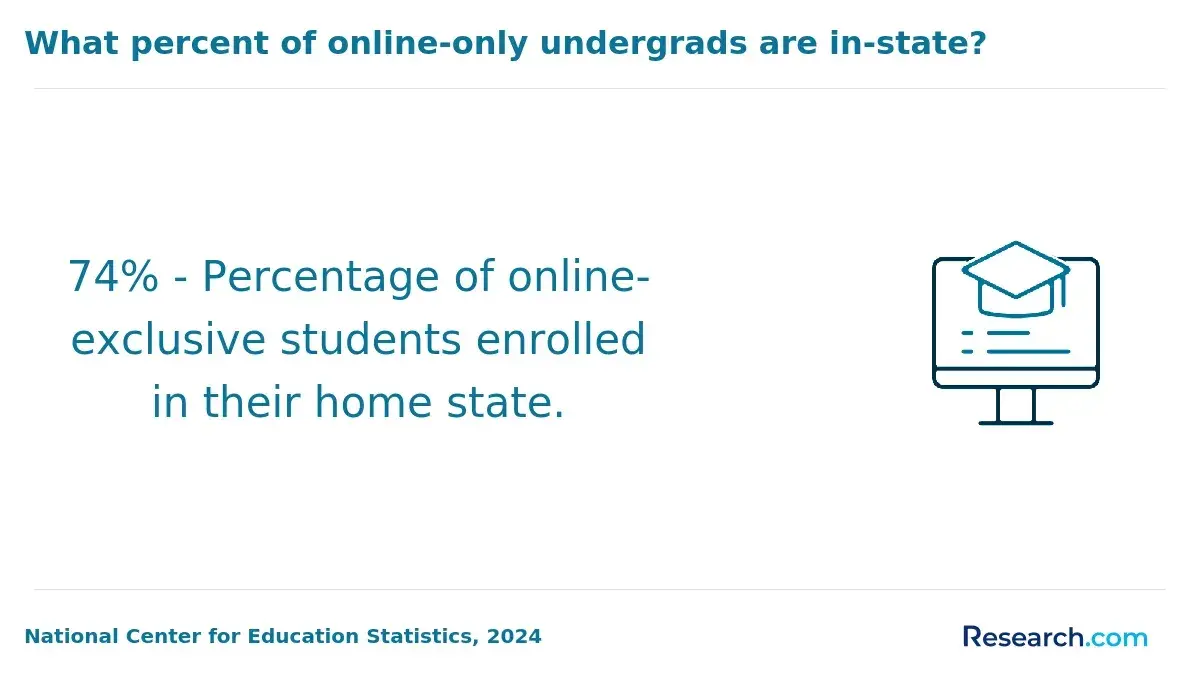
The projected number of Christian Counseling graduates entering the workforce by 2030 must be understood beyond mere graduation figures, as workforce participation depends on multiple factors including licensing requirements, further education, and employment preferences. While data from the National Center for Education Statistics points to steady increases in enrollments for faith-based counseling degrees, actual labor market absorption is influenced by state credentialing variations and employer demand that often favors clinical experience or secular counseling credentials alongside faith-oriented training.
Moreover, some graduates delay workforce entry to pursue advanced degrees or may transition into roles outside traditional counseling settings, which means that not all graduates directly translate into immediate job market competitors. Current trends indicate approximately 5,000 to 7,000 Christian Counseling graduates annually, with a projected growth rate of 2% to 3% per year, resulting in an estimated 40,000 to 50,000 new professionals by 2030.
However, the U.S. Bureau of Labor Statistics forecasts a 22% growth in mental health counseling employment through 2032, a rate substantially higher than average. This growth suggests strong demand, but the competitive landscape remains nuanced as graduates focused solely on religious counseling may face a narrower set of opportunities compared to those with more broadly recognized credentials.
A practical consequence is that prospective students should weigh program alignment with both licensure pathways and broader employer expectations to optimize timely licensure and job placement prospects. A recent Christian Counseling graduate preparing to enter the workforce shared concerns about the increasing number of peers with similar credentials narrowing the pool of entry-level positions, especially in faith-based agencies.
Their job search experience revealed that many employers emphasize supervised clinical hours and secular licensing requirements alongside faith-based knowledge, creating both barriers and strategic decision points. Despite rising graduate volume toward 2030, they maintained cautious optimism by actively pursuing diverse positions including community mental health and hospital chaplaincy roles, recognizing that flexibility in career focus is vital amid shifting supply and demand dynamics in the counseling field.
What Are the Hiring Projections for Christian Counseling Graduates Through 2030?
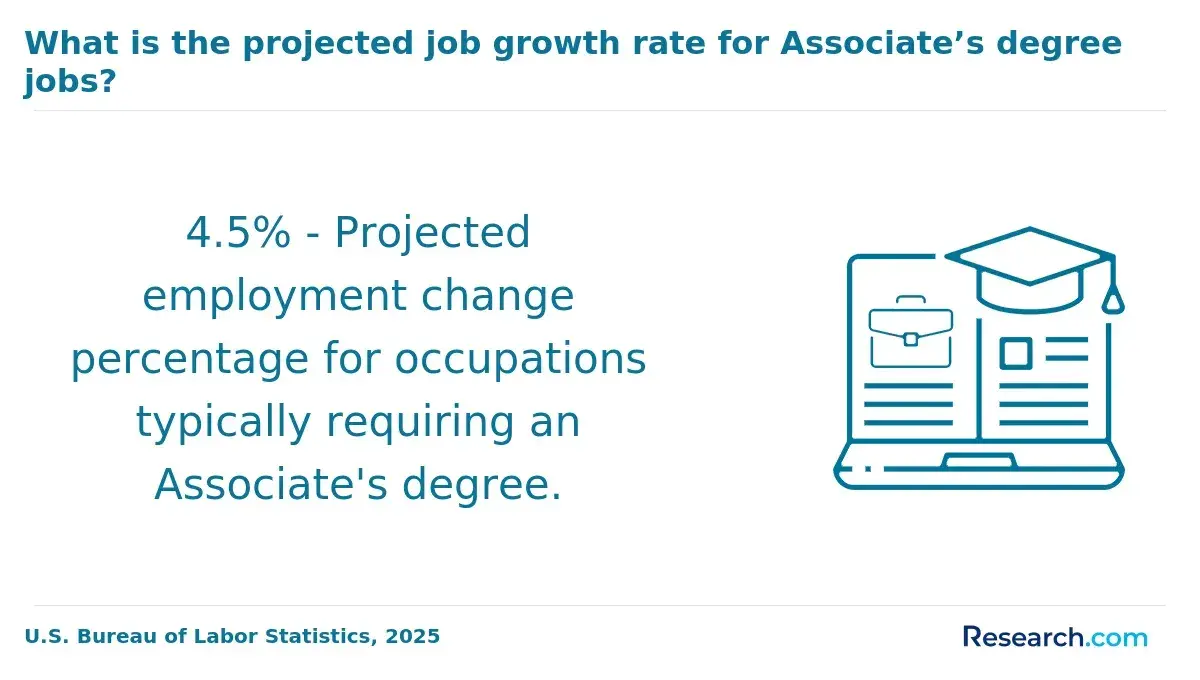
Employer demand for Christian Counseling graduates through 2030 appears moderate but uneven, with significant variation depending on geographic location, institutional settings, and credentialing. While overall employment in mental health-related fields is projected to expand by approximately 22% through 2030, this growth mainly benefits broader counseling disciplines rather than positions exclusively designated as Christian Counseling.
For example, graduates relying solely on faith-based credentials in regions with lower religious affiliation may face limited job opportunities compared to those adaptable to secular clinical environments or holding widely recognized licenses such as LPC or LMHC. Projected annual openings for mental health counselors nationwide, including replacements, range from 15,000 to 20,000, yet Christian Counseling roles often represent a smaller and more dispersed segment of this labor market.
Employers increasingly expect graduate-level education combined with state licensure, signaling that Christian Counseling graduates must supplement their degrees with additional clinical training to remain competitive. Geographic and employer-specific factors strongly influence salary and job availability, meaning a candidate's location and willingness to work across diverse counseling contexts can markedly affect initial employment prospects and long-term career stability.
Relying on broad national growth figures risks overestimating accessible entry-level jobs, especially as regional funding and demand for explicitly Christian counseling services fluctuate. Graduates should carefully weigh credential requirements and regional market conditions against their personal career objectives. Those prepared for flexibility in service settings and credentials are more likely to translate growing mental health care needs into sustainable career opportunities through the next decade.
Which Christian Counseling Careers Will Experience the Most Job Growth?
Job growth in Christian counseling-related careers is notably concentrated among licensed professional counselors (LPCs) who apply faith-based principles, reflecting a wider workplace shift towards holistic mental health services. While pastoral counselors maintain a specialized role that blends theology with counseling, their expansion is slower due to constraints in formal licensure and credentialing pathways.
Marriage and family therapists focusing on religious communities experience steadier demand, reinforced by communities prioritizing therapy that respects spiritual values. However, strong percentage growth does not always translate into large absolute employment increases, so prospective students should consider local job market size and credential complexity when assessing opportunities.
For example, a student weighing a Christian Counseling degree with aspirations to work as a school counselor integrating faith-based interventions must balance program rigor, state licensure requirements, and the variable openness of school districts to faith-informed approaches. Employment growth also depends partly on demographic shifts and organizational trends emphasizing integrated psychological and spiritual care, prevalent in certain regions more than others.
Research from the U.S. Bureau of Labor Statistics and Lightcast highlights that while demand grows, licensed clinicians who pair clinical skills with cultural and religious sensitivity are most competitive. Those exploring accelerated pathways through fast-track schools should evaluate how well such programs prepare them for this nuanced job market.
What Is the Salary Outlook for Christian Counseling Graduates Through 2030?
Salary projections for Christian counseling graduates through 2030 must be considered alongside factors like inflation rates, evolving demand for mental health services, shifting credential requirements, and changes in occupational roles. The median annual wage for counselors specializing in faith-based settings currently hovers around $49,000, but actual earnings vary widely with experience, employer type, and licensure.
Since most Christian counseling roles are embedded within nonprofits or religious organizations, budget constraints often limit early-career salaries compared to secular clinical counseling fields. The following points outline key influences shaping salary trajectories for these graduates.
- Credential Requirements: Higher-level licenses, such as clinical counseling certifications, significantly enhance earning potential by opening doors to private practice and supervisory roles, where compensation frequently exceeds nonprofit levels.
- Work Setting Impact: Employment in faith-based nonprofits or church ministries tends to offer lower salaries but compensates with mission-driven fulfillment; meanwhile, private practice can yield higher income but entails startup costs and client development challenges.
- Experience and Seniority: Mid-career Christian counselors typically earn between $55,000 and $65,000 annually, but moving into specialized therapy or administrative leadership roles within religious contexts is often necessary to surpass this range.
- Regional Demand Variability: Salaries fluctuate based on geographic location, with urban areas and communities that prioritize faith-integrated mental health showing stronger wage growth compared to rural or less diverse regions.
- Cultural Competency Skills: Increasing demand for counselors adept at blending clinical techniques with faith-informed approaches creates niche opportunities that may command wage premiums in specialized agencies.
- Market Saturation and Competition: The relatively specialized nature of Christian counseling limits widespread demand, so graduates must strategically differentiate themselves through dual credentials or niche expertise to remain competitive.
- Inflation and Economic Conditions: Modest salary growth projections must be weighed against inflation trends and funding limitations within religious and nonprofit sectors, which often constrain wage increases.
One recent Christian counseling graduate recounted accepting an entry-level position within a regional faith-based nonprofit, where the initial offer was near $37,000 annually. Despite recognizing the offer was below broader clinical counseling standards, the graduate pragmatically weighed limited local alternatives, the value of mission alignment, and potential for internal advancement.
During salary negotiations, they faced rigid budget ceilings but secured modest professional development support. This early-career experience highlighted how regional market constraints, organizational type, and licensure gaps can temper immediate earning power, underscoring the importance of planned credential upgrades and flexible career pathways to improve long-term financial outcomes.
Which Industries Will Hire the Most Christian Counseling Graduates by 2030?
Demand for Christian Counseling graduates will be shaped by nuanced shifts in mental health integration, faith-based service expansion, and regulatory environments through 2030. Hiring patterns are influenced not only by growth but also by replacement needs due to workforce attrition and evolving service delivery models, including telehealth and community-based programs. Graduates who combine counseling expertise with specialized certifications or practical experience in faith-informed care will find improved access across sectors.
Below is an analysis of the top industries likely to drive employment for Christian Counseling degree holders, which reflects the interplay of service demand, funding stability, and skill requirements.
- Healthcare Sector: Healthcare remains the largest employer for Christian Counseling graduates, with roles available in psychiatric hospitals, outpatient mental health clinics, and substance abuse treatment centers. Demand is fueled by the integration of spiritual care into therapeutic settings, favoring candidates with clinical certifications and experience in faith-based mental health modalities.
- Religious Organizations: Faith-based non-profits and churches require counselors for pastoral care, crisis intervention, and community outreach. Growth correlates with congregation size and funding capabilities, typically offering roles focused on spiritual guidance paired with emotional support, though salary scales here are often lower than clinical counterparts.
- Social Assistance Programs: Family and youth services, as well as rehabilitation initiatives, rely on counselors with the ability to apply ethical frameworks from Christian traditions. Job growth in this sector can fluctuate with government policy and grants, emphasizing the need for versatility and advocacy skills.
- Educational Services: Private Christian schools and universities employ counselors for student emotional well-being and career advising aligned with institutional values. These positions are fewer and competitive but present opportunities for those interested in integrating faith perspectives within educational environments.
- Mental Health Technology Services: Emerging telehealth platforms incorporating faith-informed counseling are creating new entry points, particularly for tech-savvy graduates who can navigate virtual care delivery while maintaining spiritual sensitivity.
- Community Outreach Organizations: Non-profit groups conducting outreach in underserved neighborhoods seek counselors for trauma-informed and faith-based programming. Candidates with cross-cultural competence and community engagement experience are favored.
The dynamic employment landscape for Christian Counseling graduates requires ongoing skill adaptation, especially in balancing clinical effectiveness with faith-based approaches. Prospective students should critically assess alignment between vocational goals and sector-specific realities to navigate hiring complexities effectively. For foundational nursing knowledge that can complement counseling skills in healthcare roles, exploring an online ASN program may be a practical consideration.
Christian Counseling employment growth in healthcare and faith-based organizations reflects a broader societal prioritization of holistic mental health. Meanwhile, the top industries hiring Christian Counseling graduates in the United States by 2030 will reward differentiated skills tailored to specific organizational missions and evolving service models.
Where Will Demand for Christian Counseling Graduates Be Strongest?
Employment prospects for graduates holding a Christian counseling degree are notably uneven across regions and sectors, with the Southeastern United States presenting the most concentrated opportunities due to its population demographics and cultural emphasis on faith-integrated services. In these markets, graduates face increasing employer demand within healthcare facilities such as outpatient clinics and rehabilitation centers, where models blend psychological care with spiritual support.
However, potential entrants must weigh higher job volume against generally moderate salary growth and regional cost-of-living differences, which can affect net income despite more abundant openings. Faith-based nonprofits and school systems with Christian-oriented programs also drive hiring but often require nuanced clinical expertise paired with spiritual literacy, narrowing applicant pools to those who demonstrate cultural competence alongside necessary licensure.
Conversely, in urban Midwestern centers or more rural regions, positions may be scarcer or limited to specialized roles like addiction recovery that integrate faith as an adjunct to medical treatment-factors that influence both competition and long-term career stability. Labor market data from sources like the U.S. Bureau of Labor Statistics highlight that mental health counselor roles linked to faith-based counseling are growing faster than average, yet navigating local credential requirements and employer expectations remains critical to securing these positions.
Graduates should also consider how public and private funding streams impact emerging sectors, especially school-based counseling and substance abuse rehabilitation programs where Christian counseling can be part of a multidisciplinary approach. While remote work options are limited in this field due to the personal and contextual nature of counseling, practitioners embedded in communities with high faith alignment may find sustained demand complemented by opportunities for interdisciplinary collaboration.
Which Christian Counseling Specializations Will Be Most in Demand by 2030?
Analyzing employer demand for Christian counseling specializations through 2030 highlights distinct growth patterns tied closely to evolving societal challenges and healthcare priorities. Prospective students should weigh which niches not only show rising openings but also require licensure, clinical hours, and integration of theological knowledge with evidence-based practices.
For example, a candidate choosing between youth counseling and addiction recovery must consider how volatility in funding and the need for dual clinical and spiritual competencies affect placement and salary trajectories. Demand is strongest where complex personal and family issues intersect with mental health concerns and faith-informed care. The U.S. Bureau of Labor Statistics (BLS) and Lightcast data underline these trends, reflecting shifts in employer hiring behavior in nonprofit, private, and faith-based settings.
Key specializations expected to lead demand by 2030 include:
- Marriage and Family Counseling: Driven by rising divorce rates and family complexity, demand persists for counselors versed in Christian frameworks addressing relational dynamics. Competencies in mediation and licensed therapy credentials increase employability in private practice and agency roles.
- Addiction and Substance Abuse Counseling: The ongoing opioid crisis sustains urgency for counselors combining clinical addiction treatment methods with spiritual recovery models. Employers favor candidates with both certification and practical experience in evidence-based interventions.
- Trauma and Crisis Intervention: Growing recognition of trauma's impact on mental health, especially among veterans and abuse survivors, fuels demand for counselors skilled in trauma-informed, faith-integrated care, requiring advanced clinical training and cultural sensitivity.
- Youth and Adolescent Counseling: Escalating mental health challenges among young people, compounded by pandemic effects and social media pressures, increase opportunities in schools and community organizations for licensed counselors with strong assessment and family engagement skills.
- Faith-Based Grief Counseling: Increasing need for end-of-life and bereavement support in religious communities creates openings for counselors adept at intertwining pastoral care with therapeutic techniques, where theological knowledge is a critical asset.
- Christian Mental Health Integration: Roles expanding in health systems and faith-based clinics that require professionals able to navigate both psychological and spiritual dimensions of care, emphasizing holistic treatment plans backed by counseling licensure.
How Will AI and Technology Affect Christian Counseling Careers Through 2030?
The integration of AI and automation is more likely to augment rather than automate typical Christian counseling responsibilities, particularly through 2030. Routine tasks such as initial client intake, scheduling, and data tracking will increasingly rely on AI-enabled platforms, allowing counselors to devote more time to nuanced, personalized care that demands ethical judgment, empathy, and spiritual sensitivity. Failing to adapt by neglecting digital competency risks marginalizing professionals as employers prioritize hybrid skill sets that blend traditional counseling with technology fluency.
For example, counselors who remain proficient only in conventional face-to-face methods may find fewer job openings as demand shifts toward virtual engagement and digitally enhanced client management. Enrollment decisions should consider that current workforce data from the United States indicate rising expectations for technology skills alongside core counseling expertise, reflecting broader future technology trends in Christian counseling jobs USA.
This underscores the necessity for targeted coursework, certifications, and applied training in digital tools to maintain competitiveness and relevance in evolving labor markets. Moreover, workforce forecasts highlight the growing importance of continuous professional development to navigate tech-augmented counseling contexts. Those who master this integration can expect improved salary prospects and better hiring outcomes, as organizations seek counselors capable of leveraging AI without compromising empathetic, ethical care.
Prospective students and practitioners might also explore related credentials such as acute care certification for FNP as models for combining domain expertise with emerging technologies, informing strategic career and educational planning in Christian counseling career automation impact 2030 United States.
Is a Christian Counseling Degree Worth Pursuing Based on 2030 Projections?
Projected employment growth for counselors and therapists, including those with a Christian counseling degree, is estimated at around 18% through 2030 according to the U.S. Bureau of Labor Statistics. Despite this promising outlook, salary ranges typically remain in the mid-$50,000s annually and vary significantly depending on regional demand, certification, and work environment. For a prospective student weighing tuition costs and time investment, the risk of limited salary advancement compared to broader clinical counseling fields is a key consideration, especially where additional licensure beyond the degree is mandated.
Enrollment trends show moderate growth in Christian counseling programs but face strong competition from secular alternatives offering more clinical breadth, which may impact graduate employability in some markets. Students committed to faith-based counseling should carefully evaluate entry-level pathways and align their career trajectory with organizations valuing these competencies to optimize labor market outcomes.
The long-term prospects depend heavily on navigating credential requirements and understanding the niche market dynamics. For those interested in integrated approaches, exploring online marriage and family therapy graduate programs can provide complementary skills and potentially broaden employment options. Overall, assessing enrollment, salary, and employment data through 2030 reinforces that a Christian counseling degree career outlook requires balancing vocational commitment with realistic appraisal of workforce and compensation trends.
References
- Top 6 Christian Counseling Degree Programs in 2026 https://www.counselingpsychology.org/articles/top-6-christian-counseling-degree-programs/
- [Fast-Path] MA, Clinical Christian Counseling - CrossPointe Theological Seminary https://crosspointe.education/fast-path-master-of-arts-clinical-christian-counseling/
- Faith-Based Counseling Careers at CCA | Employment Opportunities https://www.christiancounselingwpa.com/resources/employment
- Biblical Counseling and AI Therapy https://biblicalcounseling.com/resource-library/podcast-episodes/biblical-counseling-and-ai-therapy/
- Careers & Jobs in Christian Counseling - Rock Your Family https://rockyourfamily.org/about/careers/
- 42 Impactful Careers for Christians — Christians for Impact https://www.christiansforimpact.org/blog/42-impactful-careers-for-christians
- MACC | MA in Christian Counseling - Gordon Conwell https://www.gordonconwell.edu/degrees/counseling/macc/
- Mental Health Counselor Salary and Career Outlook https://teach.com/online-ed/counseling-degrees/online-masters-mental-health-counseling/careers-and-salary/
- OBU Earns Top 10 Ranking for Christian Counseling https://www.okbu.edu/obumagazine/obu-earns-top-10-ranking-for-christian-counseling/
Other Things You Should Know About Christian Counseling
Accreditation plays a critical role in a graduate's ability to secure licensure and employment in many states and organizations. Programs without recognized accreditation may limit graduates' eligibility for professional certification, which employers often require. Prospective students should prioritize enrolling in accredited programs to avoid encountering barriers when seeking supervised clinical hours and jobs, even if those programs appear less costly or shorter in duration.
While online programs offer convenience and flexibility, especially for working adults, they may provide fewer opportunities for hands-on practicum experiences and in-person mentorship that employers value highly. Graduates from predominantly online programs might face challenges demonstrating clinical competency compared to peers from traditional settings. Students should weigh convenience against the quality of supervised clinical training and prioritize programs that facilitate robust, real-world experience components.
Geographic location significantly impacts salaries and hiring volume in christian counseling, with urban and suburban areas generally offering more opportunities and higher pay. However, cost of living and local employer acceptance of specific degree credentials can vary widely. Graduates should consider where they intend to practice and align their educational investment with regional market realities to optimize career outcomes, possibly pursuing supplemental certifications if relocating to higher-demand areas.
Given the field's increasing clinical and regulatory complexity, advanced degrees often open doors to higher-paying roles, supervisory positions, and specialized practice areas. Entry-level credentials may suffice for certain community or faith-based roles but limit advancement in licensed clinical environments. Students aiming for sustainable, upward career trajectories should strongly consider master's or doctoral programs that emphasize licensing preparation and advanced clinical skills.