2027 Christian Counseling Transfer Credit Trends: How Schools Are Adapting for Adult Learners

Co-Founder and Chief Data Scientist
When Maria, a working nurse and mother of two, enrolled in a Christian Counseling program last fall, she assumed her 30 previously earned credits from a regionally accredited university would transfer seamlessly. Instead, she faced a partial denial, forcing her to pay for additional courses and extend her graduation timeline by nearly a semester. This issue affects 42% of transfer students nationwide in 2024, according to the National Student Clearinghouse Research Center, reflecting persistent inconsistencies in credit mobility despite increased institutional efforts. Such barriers impact adult learners' cost-efficiency and career progression, underscoring the urgency for adaptive transfer policies within Christian Counseling programs.
This article examines current trends in transfer credit acceptance, policy shifts, and how schools are redesigning pathways to better support adult learners navigating Christian Counseling degree completion.
Key Things to Know About Christian Counseling Transfer Credit Trends for Adult Learners
- Expanded acceptance of military and workforce training credits in Christian Counseling programs increases credit mobility but may lead to varied equivalency standards, impacting the consistency of graduate preparedness in professional settings.
- Technology-enabled transcript evaluations speed credential assessments, reducing administrative delays; however, adult learners must navigate complex documentation requirements that can limit transfer efficiency and extend time to degree completion.
- Institutional recognition of alternative credits, including prior learning assessments, reflects growing demand for flexible pathways, yet employers often scrutinize nontraditional credits, influencing graduate employability and long-term career progression.
- Key Things to Know About Christian Counseling Transfer Credit Trends for Adult Learners Key Things to Know About Christian Counseling Transfer Credit Trends for Adult Learners
- How Are Christian Counseling Programs Changing Transfer Credit Policies for Adult Learners? Evolving Adult Transfer Policies
- Why Are More Christian Counseling Schools Accepting Credit for Prior Learning and Work Experience? Prior Learning Credit Benefits
- How Do Christian Counseling Colleges Evaluate and Award Transfer Credits Today? Transfer Credit Evaluation Process
- Which Alternative Credits Are Most Commonly Accepted by Christian Counseling Programs? Accepted Alternative Credits
- How Are Christian Counseling Schools Improving Transfer Pathways for Community College Students? Improved Community College Pathways
- How Can Transfer Credits Help Christian Counseling Students Graduate Faster? Accelerating Degree Completion
- How Much Money Can Students Save Through Christian Counseling Transfer Credit Opportunities? Cost Saving Through Transfers
- How Are Christian Counseling Programs Supporting Military Students and Workforce Learners Through Transfer Credits? How Are Christian Counseling Programs Supporting Military Students and Workforce Learners Through Transfer Credits?
- What Transfer Credit Innovations Are Shaping the Future of Christian Counseling Education? What Transfer Credit Innovations Are Shaping the Future of Christian Counseling Education?
- How Can Adult Learners Maximize Transfer Credits in a Christian Counseling Program? Maximizing Your Transfer Credits
How Are Christian Counseling Programs Changing Transfer Credit Policies for Adult Learners?
The shift in transfer credit policies within Christian counseling programs reflects a broader recognition of diverse learner profiles and the operational need to reduce redundancy and extend credit mobility. Many institutions now more actively integrate credits from community colleges and regionally accredited schools, particularly for foundational courses, which can significantly shorten time-to-degree for working professionals balancing education with other commitments. However, these expanded policies require careful academic planning since acceptance is often conditional on articulation agreements and course equivalency, making it essential for transfer students to consult advisors early to avoid surprises in credit denial that could increase both costs and program length. The 2024 National Student Clearinghouse Research Center report underscores that over 60% of transfer students face credit loss, so transparent, flexible practices around credit evaluation are a competitive advantage for Christian counseling programs aiming to serve adult learners effectively.
Christian counseling programs increasingly incorporate recognition of prior learning assessments (PLA) and military training to address the credentials of military-affiliated students and degree completers, acknowledging not only formal coursework but relevant experiential learning. This approach reduces barriers by allowing military occupational specialties or leadership training related to counseling to fulfill certain academic requirements, which directly impacts affordability and access.
Yet, institutional differences remain a major variable: some programs impose stricter quality assurance standards that exclude credits from unaccredited providers or proprietary training, meaning prospective students must weigh their options carefully and may benefit from targeting schools with established pathways for PLA and military credit acceptance. This growing attention to flexible transfer credit options for working professionals in Christian counseling programs highlights a practical pathway for maximizing previously earned credits, though students should remain vigilant about course sequencing and eligibility restrictions to ensure timely progression. Those considering further education might also explore aligned fields, such as pharmacy, through resources like the cheapest online pharmacy school, illustrating the broader landscape of flexible credentialing options for adult learners.
Why Are More Christian Counseling Schools Accepting Credit for Prior Learning and Work Experience?
The increasing incorporation of credit for prior learning (CPL) and professional experience in Christian Counseling programs signals a deliberate shift toward accommodating diverse adult learner profiles rather than merely relaxing transfer rules. Institutions are strategically recognizing military training, industry certifications, and workplace competencies as academically relevant, allowing students to bypass redundant coursework and shorten their path to graduation. This adjustment addresses real-world constraints, such as balancing family, employment, and education, while also reflecting growing pressure to align degree outcomes with workforce readiness. According to a 2024 report by the Council for Adult and Experiential Learning, approximately 85% of adult learners prioritize programs that value experiential credits, revealing an institutional response to evolving enrollment demographics and retention challenges.
While these policies create more flexible degree pathways, they raise questions about maintaining academic rigor and consistent credit evaluation criteria across programs. Variability in how schools assess portfolios, competency exams, and military records means some students may encounter challenges documenting and converting experiential learning into transferable credit. This inconsistency requires prospective students to carefully weigh the tradeoffs between accelerated degree completion and the potential limits imposed by credit caps or institutional skepticism of nontraditional learning. Christian Counseling programs expanding CPL options improve accessibility for working professionals and veterans but also underscore the need for transparent, well-structured PLA (prior learning assessment) frameworks to ensure both educational rigor and student persistence.
One student with a military background pursuing a Christian Counseling degree navigated the prior learning assessment process with a mix of cautious optimism and frustration. Though their extensive leadership training and crisis management certifications aligned with program competencies, assembling the required documentation and scheduling evaluative interviews delayed their credit awards. Their institution's evolving PLA policy meant some credits were accepted quickly, while others required additional evidence or coursework supplementation. This experience highlighted both the potential time savings and administrative complexities that come with integrating professional experience into academic credit, emphasizing the importance of early planning and institutional clarity for adult learners managing multiple commitments.
How Do Christian Counseling Colleges Evaluate and Award Transfer Credits Today?
Transfer credit evaluation in Christian Counseling colleges has evolved into a strategic function that directly influences enrollment management and student success, rather than solely an administrative checkpoint. Institutions now carefully balance accreditation standards, course equivalency, and program-specific learning outcomes to decide credit acceptance, often requiring credits to meet upper-division or core curriculum benchmarks. For example, a military-affiliated student leveraging ACE-recommended credits or documented professional certifications may significantly reduce their time to degree completion, but they must navigate varied residency rules and minimum grade requirements that limit how much prior learning counts toward their credential.
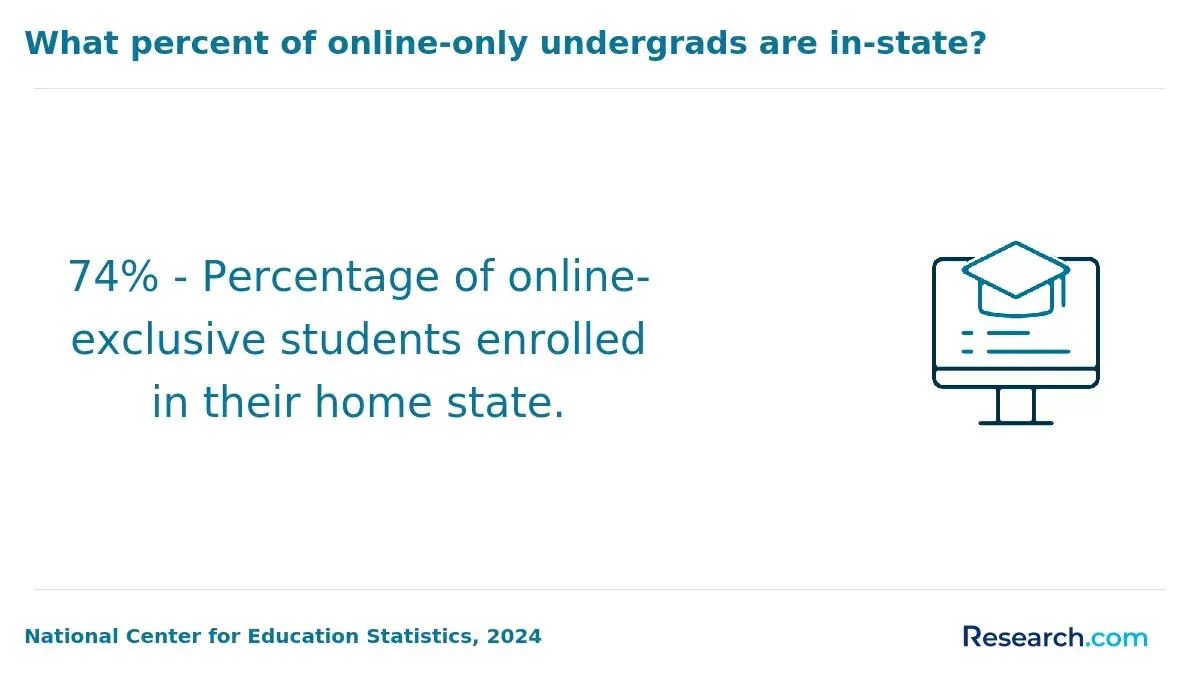
This nuanced assessment impacts not only how many credits transfer but also their applicability toward specialized Christian Counseling competencies, influencing academic and financial planning for adult learners transitioning from community colleges, four-year schools, or workforce training programs. Technologies such as articulation databases and portfolio assessments have increased transparency and efficiency, though tradeoffs remain around the recency and relevance of prior coursework, which can restrict credit mobility. According to recent data from the National Center for Education Statistics, 65% of adult learners benefit from credit for prior learning pathways, highlighting growing institutional commitments to flexible credit portfolios that address the compressed timelines many students face while juggling career and family obligations.
Which Alternative Credits Are Most Commonly Accepted by Christian Counseling Programs?
Acceptance of alternative credits has evolved into a key strategy for enhancing degree accessibility and completion timelines for adult learners in Christian Counseling programs. These programs commonly assess credit for prior learning (CPL), military training, competency-based assessments, and exam-based credits like CLEP to reduce redundant coursework. However, transfer policies often hinge on detailed course equivalency reviews, accreditation standards, and residency requirements, which can limit the applicability of some credits, especially upper-division ones. For example, veterans may utilize military training credits to demonstrate crisis management skills, yet still need to complete clinically focused courses to satisfy licensing prerequisites, underscoring a practical tradeoff between credit maximization and program rigor.
Workforce certifications aligned with mental health and addiction counseling further broaden transfer opportunities, though only when syllabi closely match program competencies. A 2024 CAEL National Prior Learning Assessment report highlights that nearly 68% of colleges with counseling-related programs accept ACE-recommended credits, reflecting broader institutional shifts toward recognizing nontraditional learning. Students must carefully navigate these policies with an eye toward degree-completion timelines and program-specific limits on transferred credits to balance affordability and educational depth. For learners interested in supplementary course options, selected Sophia Learning and Study.com classes-when accepted-offer flexible pathways compatible with Christian Counseling transfer credit acceptance for christian counseling programs. Those exploring credit options might also consider programs like online medical coding programs as complementary education tracks tailored to workforce demands.
How Are Christian Counseling Schools Improving Transfer Pathways for Community College Students?
Christian counseling programs have increasingly prioritized refining transfer pathways to accommodate the varied academic backgrounds and life experiences of community college students. Rather than relying on broad assumptions of credit acceptance, many institutions now implement formal articulation agreements and targeted advising to align incoming credits precisely with program requirements. The National Student Clearinghouse Research Center found that such structured credit pathways correlate with a 15% improvement in transfer student retention, highlighting the tangible impact on degree momentum and timely graduation. However, disparities in curriculum alignment and accreditation standards mean not all credits translate equally, requiring students to undertake detailed planning and sometimes accept credit loss or extended timelines.
To reduce transfer friction, schools are leveraging technology-enhanced transcript evaluations paired with prior learning assessments that recognize military service, certifications, and professional experience-tools especially relevant for adult learners balancing education with work and family. Dual-enrollment frameworks or degree maps tailored for Christian counseling further clarify course equivalencies, helping students avoid unnecessary repetition and maintain academic continuity. These adaptations improve accessibility for nontraditional students but still demand vigilant scrutiny of institution-specific policies, as inconsistent credit acceptance remains a significant variable influencing educational outcomes.
One community college transfer student pursuing a Christian Counseling degree recalled initial frustration when conflicting information about transferable courses complicated their enrollment decision. After engaging with a dedicated transfer advisor and receiving a detailed articulation agreement outlining which credits applied directly to the counseling curriculum, the student felt cautiously optimistic. The clear pathway not only reassured them about preserving previously earned credits but also allowed them to map out a realistic schedule that balanced work obligations with remaining coursework, underscoring how personalized support and transparent credit evaluation can materially affect transfer success.
How Can Transfer Credits Help Christian Counseling Students Graduate Faster?
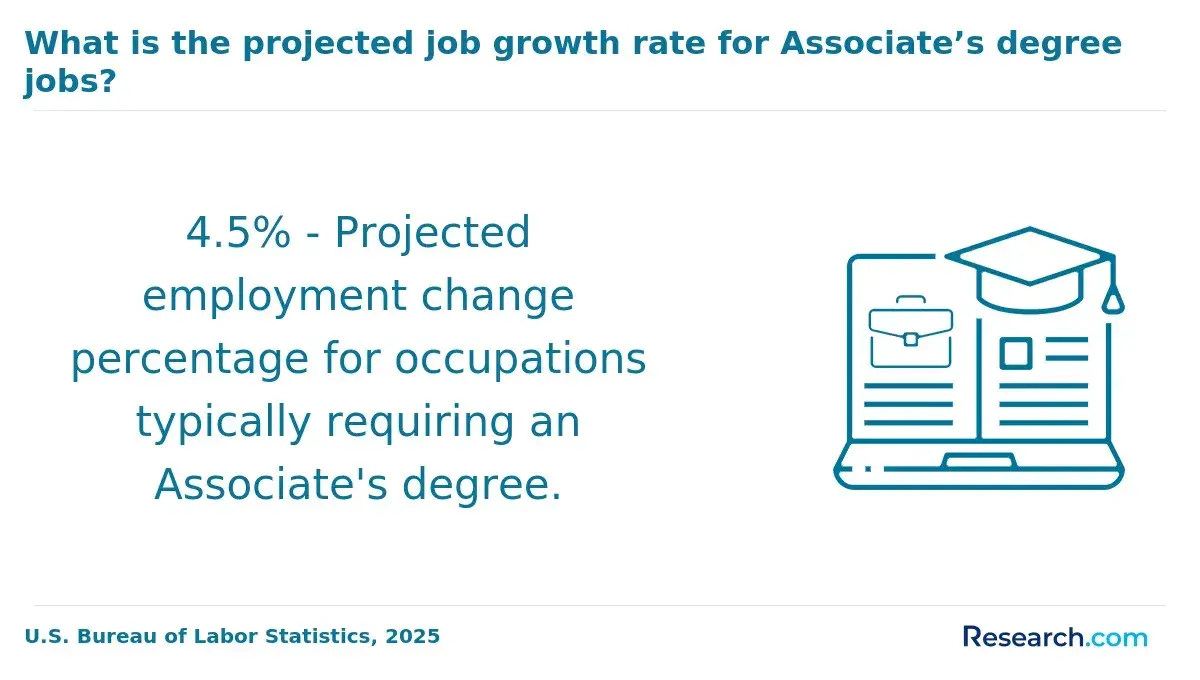
Transfer credits can significantly impact how quickly students complete a Christian Counseling degree, but their practical value hinges on institutional policies and degree applicability rather than mere accumulation. Adult learners and working professionals often face the tradeoff of transferring credits that may not fully apply toward core counseling requirements or meet upper-division residency expectations, which can limit actual time saved. Strategic academic planning is vital, as schools vary in credit acceptance rates and often require specific practicum experiences or content alignment, meaning some previously earned credits might lead to retaking courses instead of bypassing them. This dynamic highlights how Christian Counseling transfer credit trends increasingly emphasize flexible pathways, yet place responsibility on students to evaluate program-specific rules critically before enrollment.
Flexible transfer credit policies in Christian Counseling programs for adult learners and military-affiliated students are adapting to include prior learning assessments and recognition of workforce training, allowing more experiential credits to count toward degrees. These evolving approaches improve affordability and shorten enrollment timelines when properly leveraged, particularly for those transferring from community colleges or nontraditional routes. However, variability in how credits align with professional licensing standards can create challenges, reinforcing the need for consultation with academic advisors and careful credit evaluation. Students exploring accelerated options should also consider how these policies intersect with their career goals and the retention of critical counseling competencies. For insight into alternative online pathways that balance clinical requirements and transferability, consider reviewing the best online DNP programs that may offer comparable flexibility in different healthcare disciplines.
How Much Money Can Students Save Through Christian Counseling Transfer Credit Opportunities?
Transfer credit policies in Christian Counseling programs can meaningfully impact the total educational expenses for adult learners, transfer students, and military-affiliated individuals, but the degree of savings hinges heavily on institutional frameworks. While accepted transfer credits and recognition of prior learning or military training can reduce the number of required credit hours-shortening time to degree completion-students must navigate residency stipulations and credit limits that frequently restrict how many credits apply toward graduation. For example, a military-affiliated student may receive several credits through Service members Opportunity Colleges guidelines, easing tuition costs by several thousand dollars, yet still need to complete a prescribed minimum on-site or online credit workload, which can mitigate some anticipated savings.
Data from the National Student Clearinghouse Research Center's 2024 Transfer and Mobility report indicates nearly 60% of college students utilize credit transfers, underscoring the strategy's prevalence but not uniform effectiveness. Christian Counseling students often confront course equivalency barriers, especially with specialized or older coursework, which narrows options for credit acceptance. Consequently, while many programs offer the potential to cut 20% to 40% off tuition through transfer credits, these figures vary widely depending on each institution's policies and how they classify core counseling versus elective credits. Working professionals must balance credit mobility benefits with program requirements that may limit flexibility, influencing enrollment decisions and longer-term graduation timelines based on realistic credit application and transferability assessments.
How Are Christian Counseling Programs Supporting Military Students and Workforce Learners Through Transfer Credits?
Christian counseling programs increasingly adapt transfer credit policies to reflect the complex educational and professional experiences of military-affiliated and workforce learners. By employing thorough prior learning assessments (PLAs), many programs evaluate military occupational specialties, professional certifications, and apprenticeship experiences relevant to counseling roles, allowing students to convert practical knowledge into academic credit. This approach can significantly shorten degree timelines for students transitioning from service or vocational training, though inconsistencies in evaluation standards and limited faculty expertise often slow credit recognition and complicate academic planning.
These credit policies directly affect degree completion by reducing redundant coursework, improving accessibility for nontraditional students, and aligning academic requirements with demonstrated competencies. According to a 2024 report by the American Council on Education, roughly 70% of military learners successfully transfer credits, which corresponds with observations that adults granted PLA credits graduate on time at a 32% higher rate. However, the balance between credit flexibility and maintaining sufficient academic rigor remains crucial to ensure graduates meet employer expectations in behavioral health, where proving practical readiness is essential.
Transfer strategies, including credit articulation agreements between military, community colleges, and Christian counseling programs, facilitate smoother credit mobility but rarely eliminate the need for supplementary coursework. Prospective students should critically assess how prior learning translates into credit accepted by their specific program, factoring in possible delays and residual credit demands that impact time and cost to degree completion. The evolving landscape underscores the importance of transparent policies and institutional investment in faculty expertise to optimize outcomes for adult learners navigating diverse pathways.
What Transfer Credit Innovations Are Shaping the Future of Christian Counseling Education?
Emerging transfer credit practices are reshaping access and degree mobility for adult learners in Christian counseling programs by integrating technology and expanding recognition of prior learning. AI-assisted transcript evaluation has notably reduced credit assessment times by up to 40%, according to a 2024 study by the National Student Clearinghouse, enabling faster yet accurate credit decisions. However, institutions face challenges in maintaining consistent credit acceptance standards, especially when balancing military and workforce credit articulation with academic quality, which directly impacts degree completion timelines and costs for working professionals.
Credit for prior learning (CPL) policies have become essential pathways, allowing students to leverage portfolios, work experience, and standardized assessments to translate real-world expertise into academic credits. This shift aligns with competency-based education models that emphasize mastery over seat time, providing more flexible degree progression tailored to diverse student backgrounds. Yet, prospective students must carefully evaluate how these innovations interface with institutional transfer pathways and articulation agreements, as the variability in credit portability and acceptance may affect educational accessibility and long-term planning. For those comparing options, including those exploring cheapest online PMHNP certificate programs, understanding these nuances can influence both timeline and employability outcomes in counseling-related fields.
How Can Adult Learners Maximize Transfer Credits in a Christian Counseling Program?
Maximizing transfer credits in Christian Counseling programs demands careful navigation of institutional policies and credit articulation nuances, especially for adult learners balancing prior education and workforce experience. For example, a military-affiliated student may face limits on transferring credits despite extensive training, as some institutions cap transfer acceptance between 60% and 75% of required credits, impacting time-to-degree and cost savings. Given these constraints, adult learners should actively pursue programs with robust prior learning assessments (PLAs) and comprehensive credit evaluations that identify equivalencies tied directly to core counseling competencies, preventing redundant coursework while preserving licensure eligibility.
Strategic degree mapping with academic advisors is critical to align transferred credits with both academic and professional milestones, as not all credits apply to practicum or supervised fieldwork requirements essential for employability in counseling. Programs increasingly leverage articulation agreements between community colleges, military education, and counseling institutions to streamline transfer processes, a shift supported by a 2024 National Center for Education Statistics report showing a 15% increase in credit acceptance for adult learners in counseling fields. Working professionals should weigh these trade-offs carefully since transfer credit decisions influence course sequencing, educational costs, and long-term flexibility amidst rising industry demands, comparable in strategic complexity to fields requiring accreditation such as the best online CAHIIM accredited health information management degree programs.
References
- CHRISTIAN COUNSELING (BACC) https://gm.edu/academic/bacc/
- Partnerships | Davis College https://davisny.edu/admissions/partnerships/
- How to Transfer College Credits and Finish Your Degree Faster https://www.park.edu/blog/transfer-college-credits-finish-degree-faster/
- 5 Things to Consider When Submitting Life Experience for College Credit | CCU Online https://www.ccu.edu/blogs/cags/2020/06/5-things-to-know-with-prior-learning-credit/
- Transfer | Christian Leadership University https://www.cluonline.com/transfer/
- Prior Learning Credit https://portlandbiblecollege.org/academics/prior-ministry-experience/
- Overcoming Barriers to Transfer for California Students - Foundation for California Community Colleges https://foundationccc.org/overcoming-barriers-to-transfer/
- Improving the Experience for Community College Transfer Students https://changinghighered.com/improving-the-experience-for-community-college-transfer-students/
- Advanced Placement & Transfer Credits | Life Christian University https://lcus.edu/advanced-placement-credits/
- The Scoop on College Credit Transfers and More: 6 Questions Online Students Ask the Most https://www.grace.edu/college-credit-transfers-and-more-6-questions-online-students-ask/
Other Things You Should Know About Christian Counseling
Accepting transfer credits can accelerate graduation but may reduce consistent exposure to a program's unique theological framework and counseling philosophy. Since Christian counseling programs often integrate specific doctrinal perspectives with clinical training, students relying heavily on transferred credits might miss foundational courses that shape counseling techniques within a faith-based context. Prioritizing programs that carefully evaluate whether transfer credits align with their core curriculum can help ensure the depth and integrity of students' academic and practical preparation.
Even with substantial transfer credits, Christian counseling programs typically maintain strict in-person or supervised practicum components critical for licensure and hands-on experience. For adult learners juggling work and family, this means that time saved on coursework might not translate into shorter overall program durations due to fixed practicum hours. Evaluating how a program structures these experiential requirements alongside transfer credit policies is essential for realistic planning of workload and graduation timelines.
Focusing solely on the quantity of transfer credits accepted can be misleading if it compromises program cohesion or preparing for employers' expectations in counseling practice. Programs that integrate transfer credits thoughtfully, ensuring alignment between prior learning and their distinct approach to Christian counseling, tend to produce graduates better equipped for faith-based clinical roles. Adult learners should weigh transfer flexibility against curriculum rigor and consider how employers in faith-based settings value certain training experiences.
While transfer credits can reduce time and cost burdens, insufficient exposure to program-specific counseling models or supervised training can limit readiness for licensure exams and employment in church-affiliated or ministry contexts. Graduates with well-integrated transfer credits aligning with both academic and practical requirements generally report better job placement and client outcomes. Prospective students should assess whether a transfer-friendly program supports clear pathways to licensure and employs faculty experienced in bridging transferred learning with specialized Christian counseling competencies.