2027 Christian Counseling Degree Popularity by Gender, Region, and Degree Level

Co-Founder and Chief Data Scientist
Key Things to Know About Christian Counseling Degree Popularity by Gender, Region, and Degree Level
- Women constitute approximately 70% of Christian counseling enrollees in 2024, reflecting gendered career entry patterns that prioritize relational and empathetic skill sets valued by employers in faith-based organizations.
- Southern U.S. states show 45% higher Christian counseling degree enrollment than the Northeast, suggesting regional cultural factors influence program demand and workforce readiness in ministry-linked counseling roles.
- Bachelor's degree programs dominate enrollment due to lower upfront costs and shorter completion times, but this tradeoff often limits eligibility for licensed clinical roles requiring graduate-level credentials.
- Key Things to Know About Christian Counseling Degree Popularity by Gender, Region, and Degree Level Key Things to Know About Christian Counseling Degree Popularity by Gender, Region, and Degree Level
- How Does Job Market Demand Influence Christian Counseling Degree Popularity? Market Demand and Degree Popularity
- How Does Online Christian Counseling Degree Enrollment Compare to Traditional Campus Programs? Online vs. Campus Enrollment
- What Degree Level Is Most Common Among Christian Counseling Students? Most Common Degree Levels
- How Do Enrollment Trends Differ Between Associate, Bachelor's, Master's, and Doctoral Christian Counseling Degrees? Enrollment Trends by Degree Level
- How Popular Is the Christian Counseling Degree Compared to Other College Majors? Degree Popularity vs. Other Majors
- Why Is the Christian Counseling Degree More Popular in Certain States and Regions? Regional Popularity Drivers
- What Demographic Groups Are Driving Growth in Christian Counseling Degree Programs? Growth by Demographic Groups
- What Is the Future Outlook for Christian Counseling Degree Enrollment by Gender, Region, and Degree Level? What Is the Future Outlook for Christian Counseling Degree Enrollment by Gender, Region, and Degree Level?
- How Have Christian Counseling Degree Enrollment Trends Changed Over the Past Decade? How Have Christian Counseling Degree Enrollment Trends Changed Over the Past Decade?
- Where Is the Christian Counseling Degree Most Popular Across the United States? Geographic Popularity Analysis
How Does Job Market Demand Influence Christian Counseling Degree Popularity?
Labor market demand for Christian Counseling degrees significantly shapes enrollment patterns, yet the relationship is nuanced by credentialing and employer expectations. For instance, states with licensure requirements demanding supervised clinical hours and advanced exams often see slower growth in bachelor's level program enrollment despite a strong regional need for counselors. Areas like the South and Midwest, where faith-based counseling has a more prominent role, demonstrate sharper employment increases, but limited local advanced degree offerings can push prospective students either toward graduate education or out of the field altogether. This dynamic emphasizes how regional labor market trends affecting Christian Counseling enrollment diverge according to state regulations and the availability of programs aligned with workforce demand.
Gender disparities within the Christian Counseling field further complicate how demand translates into degree popularity. Women comprise the majority in student populations and counseling roles, suggesting that labor market signals may disproportionately influence female enrollment decisions while male participation remains comparatively static. Additionally, employers increasingly prefer candidates with master's degrees or above, incentivizing many students to pursue advanced credentials rather than entry-level qualifications. This trend is reinforced by evolving workforce needs such as telehealth competencies and multicultural awareness, which require curricula adaptations that can impact student recruitment and retention. Prospective students weighing these factors might also explore accelerated pathways, such as a 1 year MSN to DNP program online, reflecting broader shifts toward streamlined progression in related counseling and healthcare fields.
How Does Online Christian Counseling Degree Enrollment Compare to Traditional Campus Programs?
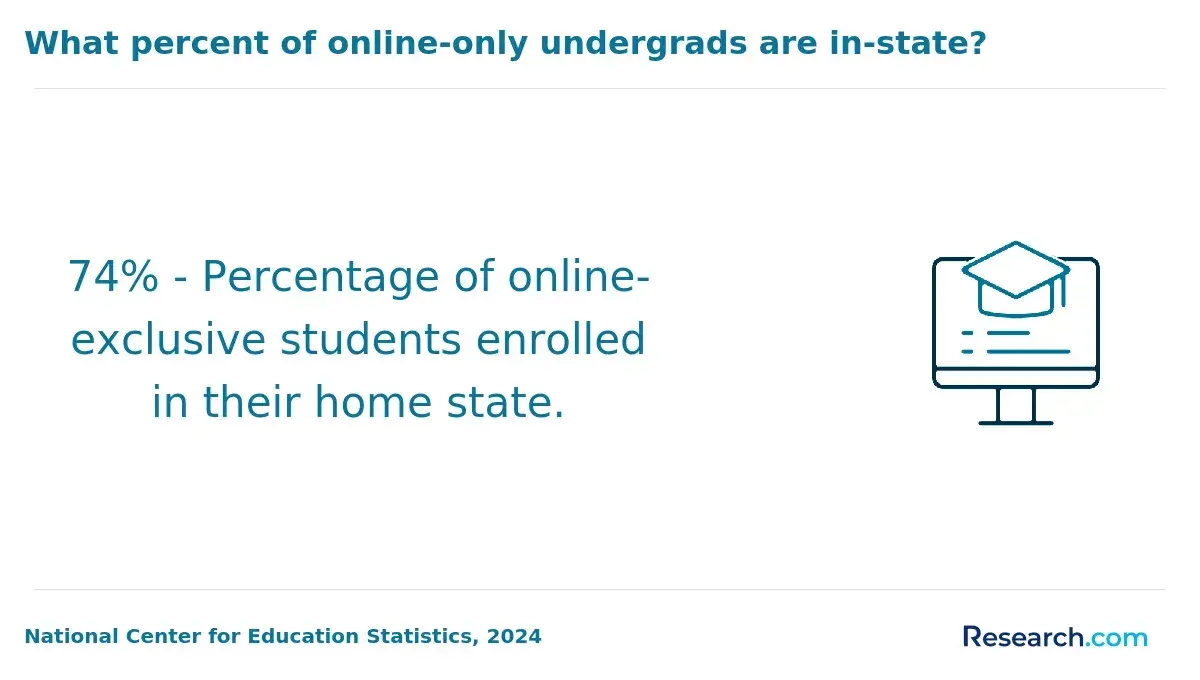
Enrollment data from the National Center for Education Statistics in 2024 highlights a nearly doubled share of students-now approaching 45%-pursuing Christian Counseling degrees through online platforms compared to a decade earlier. This growth largely reflects the modality's appeal to populations constrained by geography or time, including many women and nontraditional learners who are less prevalent in campus-based settings. These online programs have notably expanded access for rural or underserved regions lacking local Christian Counseling institutions, shifting the demographic composition toward greater diversity. However, this enrollment shift carries tradeoffs, as online programs often face challenges in fostering the immersive mentorship and practicum experiences frequently preferred by employers in faith-based counseling roles.
The consequence is a nuanced enrollment landscape where flexibility and accessibility drive the online sector's growth, yet on-campus formats retain advantages in fostering direct supervision and community engagement, which can influence graduation rates and perceived preparation. Prospective students seeking robust clinical immersion may lean toward campus programs despite logistical burdens, while those balancing careers or family obligations often prioritize online options-even if this means navigating self-directed learning challenges. Institutions offering hybrid models or enhanced student support appear better positioned to mitigate these differences, suggesting that modality alone is less predictive of outcomes than program design and resources.
A recent graduate recalled choosing an online Christian Counseling program primarily because her rural location lacked nearby accredited degrees, and her full-time job made commuting impractical. Initially skeptical about the online format's ability to match campus-based training quality, she was reassured by the program's structured support and synchronous sessions with faculty. Though she missed daily peer interactions common in traditional settings, the flexibility allowed her to integrate coursework with family commitments effectively. Her experience underscored how local access and scheduling realities often drive enrollment decisions more than perceptions of program popularity or prestige.
What Degree Level Is Most Common Among Christian Counseling Students?
Master's degrees dominate enrollment among Christian Counseling students due to their critical role in meeting professional licensure requirements and employer expectations. Data from the National Center for Education Statistics in 2024 indicates that around 60% of students in this field are pursuing master's level credentials, reflecting its status as the practical minimum for clinical practice. This prevalence is bolstered by the accessibility of master's programs, often offered in flexible formats that accommodate working adults, positioning them as the most strategically valuable option for those seeking independent counseling roles with integrated faith components.
Bachelor's degrees, accounting for roughly a quarter of enrollments, serve more as preparatory or foundational credentials but lack direct pathways to licensure, prompting many students to advance to graduate study for greater employment flexibility. Associate degrees remain relatively rare and largely function as initial stepping stones rather than terminal qualifications, limiting immediate workforce applicability. Doctoral programs, though more specialized and prestigious, attract a smaller segment focused on research, teaching, or advanced clinical roles, highlighting a distinct tradeoff between enrollment volume and professional niche specialization.
How Do Enrollment Trends Differ Between Associate, Bachelor's, Master's, and Doctoral Christian Counseling Degrees?
The prominence of master's programs in Christian Counseling enrollment reflects their critical role in meeting state licensure prerequisites and employer expectations for clinical practice. With a 7% increase in enrollment over the past five years reported by CACREP, these degrees attract candidates prioritizing timely career readiness and formal qualifications. In contrast, associate Christian Counseling degree enrollment trends reveal a practical, often access-driven choice for students seeking foundational knowledge or quicker workforce entry, especially within community colleges concentrated in the Southern and Midwestern U.S. This demographic predominantly includes individuals balancing economic constraints and immediate professional aims rather than long-term academic pursuits.
Bachelor's programs, growing approximately 4% annually according to NCES data, function both as terminal credentials for entry-level roles and as gateways to graduate education, appealing to younger adults targeting licensure pathways. Doctoral Christian Counseling programs, while experiencing slower 3% annual growth, cater to a narrower segment focused on research, leadership, or academic positions, often attracting older, part-time students managing work-study tradeoffs. These enrollment patterns underscore critical decision points for prospective students weighing program length, intensity, and career trajectory impacts, especially given gender and regional variations shaping educational planning in this field. Those considering advanced academic routes may also explore online nursing doctorate programs to assess alternative doctoral study frameworks in related health disciplines.
How Popular Is the Christian Counseling Degree Compared to Other College Majors?
The relatively low enrollment numbers for Christian counseling degrees, especially when compared to majors like psychology or social work, reflect its more focused application within faith-based contexts rather than broad clinical career paths. Data from the National Center for Education Statistics in 2024 shows psychology programs graduate more than 100,000 students annually, whereas Christian counseling graduates remain a smaller, niche population concentrated mainly in religious institutions. This limited popularity affects program sizes, peer diversity, and regional availability, with higher interest typically found in the Southern United States where evangelical education institutions are more prevalent.
Gender trends strongly favor women in Christian counseling, with approximately 70-80% of enrollees, mirroring broader caregiving patterns in counseling professions. At the graduate level, the degree often prepares students for specialized ministry or pastoral roles rather than widely recognized clinical licensure, reducing its appeal for those seeking comprehensive professional counseling credentials. This specialization, paired with regional cultural factors and narrower employment markets, creates a unique dynamic where program growth is steady but modest compared to secular counseling disciplines, which benefit from broader employer demand and more diverse career outcomes.
A Christian counseling graduate recalled noticing the relatively small class sizes and fewer program options compared to friends studying psychology or social work. They remembered academic advisors mentioning steady but limited enrollment tied to strong but localized demand within faith communities, particularly in their Southern state. This student found the narrower popularity somewhat surprising but ultimately understood how their degree's distinct focus shaped both the opportunities and challenges they would face entering the workforce.
Why Is the Christian Counseling Degree More Popular in Certain States and Regions?
Higher concentrations of religious institutions and community organizations shape the localized demand for Christian counseling degree programs, particularly across the South and parts of the Midwest. States like Texas and Tennessee exhibit elevated enrollment rates due to the interaction between institutional availability and regional workforce needs, where employers prioritize professionals trained to integrate faith into mental health services. This dynamic influences not only where students choose to study but also the networking opportunities and practical experiences available during and after their education.
Regional disparities in educational access, including the availability of online programs, further reinforce these enrollment patterns, allowing students in rural or underserved areas to pursue Christian counseling degrees without relocation. Such accessibility impacts program selection and perceptions of degree value, especially where secular alternatives are limited. Areas with fewer on-campus options may see heightened demand for faith-aligned counseling degrees, affecting local workforce outcomes and program viability. Prospective students weighing these factors should consider how regional educational and employer landscapes affect long-term career trajectories and community integration within the field of Christian counseling.
These regional enrollment patterns highlight the importance of understanding christian counseling degree popularity by state and recognizing the interplay between cultural context, institutional offerings, and labor market conditions. Students and graduates must navigate these factors pragmatically, particularly as degree relevance varies in metropolitan versus more religiously homogenous areas. For those evaluating their education options, including comparisons to programs such as the best online radiology tech programs, recognizing these regional distinctions is central to informed decision-making about employability and program outcomes.
What Demographic Groups Are Driving Growth in Christian Counseling Degree Programs?
The predominance of women in christian counseling degree programs reflects entrenched social roles and workforce expectations within counseling professions, where interpersonal and caregiving skills remain highly valued. With women representing around 70% of enrollments, programs face both opportunities and challenges in tailoring curricula and support services that meet the needs of a predominantly female student body while also addressing underrepresentation of other genders. This gender imbalance may shape peer interactions, mentorship availability, and the cultural climate within cohorts, influencing student retention and professional identity development.
Regionally, growth clusters notably in Southern and Midwestern states, where faith-based education intersects with community demand and cultural norms. States like Texas and Ohio sustain strong enrollments due to entrenched religious networks and locally relevant program offerings, which often prioritize Christian worldview integration alongside clinical competencies. The geographic concentration shapes market dynamics for graduates, who frequently find employment aligned with regional religious institutions or community mental health organizations, impacting mobility and career trajectory decisions.
At the degree level, rising enrollment in master's and doctoral christian counseling programs signals increased professionalization driven by licensure standards and employer expectations for advanced credentials. Online program expansion has been essential in accommodating older adults and first-generation college students, broadening access beyond traditional campus demographics. Approximately 40% of enrollments now occur online, reflecting a strategic adaptation to workforce demands for flexible learning, although the practical tradeoff includes reduced face-to-face clinical training experiences that some employers still prioritize. These enrollment trends underscore evolving program structures that must balance accessibility with rigor to sustain career-relevant outcomes.
What Is the Future Outlook for Christian Counseling Degree Enrollment by Gender, Region, and Degree Level?
Enrollment in Christian counseling degrees is poised to remain heavily female-dominated, with women comprising roughly 70% of students according to National Center for Education Statistics data. This sustained gender imbalance reflects broader workforce patterns in care-oriented professions but also shapes program dynamics and peer environments, potentially influencing recruitment strategies and curriculum focus. As interest from women remains steady or grows, male enrollment may not significantly increase without targeted efforts addressing gender-specific barriers or perceptions about vocational counseling roles.
Regionally, strongholds in the Southern and Midwestern United States will continue to drive enrollment volume due to the prevalence of faith-based institutions and entrenched community demand for religiously integrated counseling. However, demographic shifts such as population expansion in the West and Sun Belt states, alongside growing urban diversity, suggest that these areas will become more prominent over time, encouraging programs to adapt by expanding online offerings and incorporating multicultural competencies. These changes affect program accessibility and the skill sets emphasized, with implications for graduates seeking to serve increasingly diverse clienteles.
Regarding degree levels, master's programs dominate due to licensure requirements and direct employment pathways in clinical and pastoral settings, but doctoral enrollment is trending upward as the field emphasizes advanced specialization and research. The rise of online graduate programs is a critical factor here, offering flexible options for nontraditional students and working professionals. Prospective students should weigh the tradeoffs between practical licensure-focused master's degrees and more research-intensive doctorates, considering long-term career goals, market demand, and the availability of programs adapted to evolving educational and workforce needs.
How Have Christian Counseling Degree Enrollment Trends Changed Over the Past Decade?
Enrollment patterns in Christian counseling degree programs over the past decade reveal significant shifts that affect the degree's functional scope within mental health and faith-based service sectors. Female students consistently comprise nearly 70% of enrollees, highlighting persistent gendered professional norms aligned with caregiving roles, while male enrollment, though slower to grow, reflects a gradual cultural shift in men's mental health engagement within Christian communities. These gender dynamics shape both program demand and workforce composition, influencing how education providers tailor recruitment and curriculum.
Geographic enrollment trends also convey meaningful insights, with southeastern states maintaining the highest concentrations of Christian counseling degree seekers, driven by denser networks of religious institutions and faith-based colleges. In contrast, the Northeast and West Coast demonstrate more stable or declining participation, often attributed to wider access to secular counseling programs and diverse demographics, which challenge perceptions of program relevance. The rise of online and hybrid formats further expands accessibility, particularly for working adults balancing multiple responsibilities, intersecting with broader enrollment shifts documented in other healthcare education comparisons such as Capella RN to BSN vs Chamberlain RN to BSN.
The plateau in bachelor's degree interest alongside increasing master's completions underscores employer expectations favoring advanced credentials and practical experience in counseling roles. Additionally, state-level licensing variability and competition from secular programs offering broader clinical paths contribute to a complex decision landscape for prospective students. These dynamics inform long-term educational pathways by shaping student demand, program availability, and degree valuation across gender, regional, and credential dimensions within Christian counseling degree enrollment trends in the United States.
Where Is the Christian Counseling Degree Most Popular Across the United States?
The popularity of Christian counseling degrees in the United States clusters in specific regions primarily due to the alignment of faith-based educational infrastructure and workforce demand. Southern states lead in degree completions and enrollment, driven by a dense network of seminaries and Christian colleges that integrate counseling education with religious values. This regional concentration shapes student opportunities, as those studying in these areas often benefit from stronger local networks, more specialized program options, and clearer career pathways in faith-based organizations. The degree's practical value in these markets is amplified by persistent demand in churches, nonprofit ministries, and private practice settings that prioritize counselors with a faith foundation.
The geographic disparity also reflects broader cultural and demographic patterns. Regions such as the Northeast and West tend to offer fewer programs exclusively focused on Christian counseling, likely influenced by more secular populations and diverse service ecosystems where counseling credentials emphasize broader or clinical orientations. Rural areas in the Midwest and South show higher degree completion rates partly because faith-integrated services fill professional gaps where alternative providers are scarce. For prospective students evaluating program selection and career placement, understanding the interplay between geographic popularity and workforce integration is crucial, especially since degree perception and employer expectations vary significantly by location. Those interested in mental health careers with a Christian perspective might also explore related fields, including online PMHNP programs with clinical placement, which contribute to the expanding range of faith-conscious healthcare roles.
References
- Online Associate in Christian Counseling | AcademicEarth.org https://academicearth.org/associate-in-christian-counseling/
- MAC - Christian Faith & Counseling https://www.mnu.edu/pgs/mac-christian-faith-amp-counseling/
- Christian Counseling Degree | Psychology Degree Guide https://psychologydegreeguide.org/specialty/christian-counseling/
- How Can Christian Colleges Grow Their Funnels? https://encoura.org/resources/wake-up-call/how-can-christian-colleges-grow-their-funnels
- Comparing Christian Counseling Degrees: Which Route Fits Your Calling? https://blog.tfc.edu/articles/comparing-christian-counseling-degrees-which-route-fits-your-calling
- Where the Growth in Protestant Higher Education Is Happening - Christian Scholar’s Review https://christianscholars.com/where-the-ten-year-in-christian-higher-education-is-happening/
- Counseling Degrees https://www.ccu.edu/ccu/counseling/
- Does A Christian Counseling Degree Make A Difference? https://www.grace.edu/does-a-christian-counseling-degree-make-a-difference/
- [Fast-Path] PhD, Clinical Christian Counseling - CrossPointe Theological Seminary https://crosspointe.education/fast-path-phd-clinical-christian-counseling/
- Undergraduate Programs https://christianbibleinstitute.net/doctorate-degree-programs/doctor-of-christian-counseling-and-psychology-cpsy-d/
Other Things You Should Know About Christian Counseling
Christian counseling programs typically see a higher enrollment of female students, which can influence learning environments and peer interactions. Male students may experience challenges in finding gender-specific mentorship or peer support, potentially limiting networking options that align with their experiences. Prospective students should weigh how gender representation might affect their access to relatable role models and their comfort in group assignments or practicum placements. Choosing programs that actively foster inclusive support structures can help mitigate these disparities.
Programs in different regions often emphasize varying theological perspectives and practical approaches to counseling, shaped by local culture and denominational influences. For example, the South may offer more faith-integrated clinical training, while programs in other areas might prioritize secular counseling techniques alongside faith components. Students should assess whether a program's regional orientation aligns with their intended career settings and employer expectations to ensure relevant preparation, especially if they plan to work outside the program's locale.
Lower degree levels (associate or bachelor's) tend to focus more on foundational theory and general education, whereas master's and doctoral programs require greater clinical practicum hours and advanced counseling techniques. Students seeking immediate applicability in counseling roles might prioritize programs with robust hands-on training at the graduate level. Conversely, those pursuing broader educational foundations or intending to transition to graduate studies may find lower degrees less intensive but also less directly aligned with licensure requirements or employer preferences.
Enrolling in programs within regions where christian counseling degrees are more popular often correlates with stronger local professional networks, more internship opportunities, and greater employer recognition of the program. However, relocating can entail personal and financial tradeoffs. Students should evaluate if the enhanced connectivity and potential job placement advantages justify these costs, especially if their goal is to establish or maintain a career in that particular region. For those targeting national or online career trajectories, staying local may be sufficient despite regional popularity differences.