2027 Christian Counseling Career Outcomes by Degree Level Report: Pay, Employment, and Advancement Patterns

Co-Founder and Chief Data Scientist
Deciding between an associate, bachelor's, or master's degree in Christian Counseling presents a critical challenge: employers increasingly distinguish pay and advancement based on degree level yet publicly available data remains fragmented. A 2024 workforce study found that nearly 60% of employers in faith-based counseling services prioritize candidates holding at least a master's degree, reflecting evolving standards that shape career mobility and earning potential.
Without clear insights into how each degree translates to real-world outcomes, prospective students risk investing time and resources that don't align with their professional goals. This article analyzes pay, employment, and advancement patterns across degree levels to clarify these distinctions and guide informed decisions.
Key Things to Know About Christian Counseling Career Outcomes by Degree Level
- Master's degrees in Christian Counseling correlate with 40% higher employment placement rates than bachelor's, reflecting employer preference for advanced clinical credentials that enable direct client interaction and licensed practice.
- Doctoral credentialing signals specialization but yields diminishing returns in advancement speed, suggesting most career progressions depend more on licensure and supervised hours than terminal degrees.
- Certificate and associate-level programs offer faster entry but limit access to clinical roles, highlighting a tradeoff between quicker workforce participation and long-term credential accumulation critical for career mobility.
- Key Things to Know About Christian Counseling Career Outcomes by Degree Level Key Things to Know About Christian Counseling Career Outcomes by Degree Level
- What Career Outcomes Can Students Expect From Each Christian Counseling Degree Level? Career Outcomes by Degree
- How Much Do Christian Counseling Graduates Earn by Degree Level? Salary by Degree Level
- Which Christian Counseling Degree Level Offers the Strongest Employment Prospects? Best Degrees for Employment
- What Entry-Level Jobs Can You Get With a Christian Counseling Degree? Entry-Level Career Opportunities
- How Do Christian Counseling Degree Levels Affect Career Advancement and Promotion Opportunities? Career Growth by Degree
- Is a Christian Counseling Degree Worth It Based on Salary, Employment, and ROI? Salary, ROI, and Value
- How Do Associate, Bachelor's, Master's, and Doctoral Christian Counseling Degrees Compare? Comparing Degree Levels
- Which Industries and Employers Hire Christian Counseling Graduates by Degree Level? Which Industries and Employers Hire Christian Counseling Graduates by Degree Level?
- What Skills, Credentials, and Experience Improve Christian Counseling Career Outcomes? What Skills, Credentials, and Experience Improve Christian Counseling Career Outcomes?
- Which Christian Counseling Degree Level Is Best for Your Career Goals? Choosing the Right Degree
What Career Outcomes Can Students Expect From Each Christian Counseling Degree Level?
Bachelor's degree holders in Christian Counseling typically access broader employment options including case management and youth counseling within faith-based organizations, reflecting employers' increasing expectations for foundational counseling skills paired with client interaction capabilities. Employment data suggests bachelor's graduates enjoy better retention and incremental advancement partly because their credential supports entry into credentialing tracks required for licensed roles, a critical factor given the workforce demand for qualified mental health professionals. Meanwhile, the Master's degree remains pivotal for those targeting clinical roles with diagnostic and therapeutic responsibilities, where supervised internships reinforce both practical readiness and opportunities for leadership or specialized practice. As mental health needs grow across healthcare systems, understanding these distinctions helps learners optimize their educational investment and align it with credential requirements, avoiding dead-end pathways and enhancing career sustainability. Adult learners and military-affiliated students especially benefit from programs that respect prior learning and offer online completion options, as seen in comparisons of degree-level returns within Christian Counseling.
Doctoral programs primarily cater to career mobility into academia, advanced clinical specialties, and leadership positions that are not typically accessible to master's degree holders, representing a strategic choice for those focused on research or institutional administration. Although more competitive, doctoral-level credentials afford stability and expanded influence in professional settings, often requiring significant time and financial investment. Credential requirements from licensing boards also emphasize that a minimum master's degree with supervised clinical hours is essential for licensure, which remains a gatekeeper for practicing as a professional counselor. Prospective students weighing their options should carefully consider how degree level influences not only immediate job roles but long-term advancement and licensure compliance, using insights from Christian Counseling degree career outcomes by education level to navigate the nuanced tradeoffs between entry-level access, credential attainment, and enduring professional growth. For learners exploring alternative educational pathways, programs described as easy to get into nursing schools offer comparative insights on balancing admission criteria and practical workforce readiness across health-related helping professions.
How Much Do Christian Counseling Graduates Earn by Degree Level?
Earnings among Christian counseling graduates differ widely according to degree level, reflecting not only educational attainment but complex factors like licensure eligibility, job role, and geographic location. Licensed counselors with master's degrees generally achieve median salaries between $50,000 and $60,000, supported by their access to state certification and more stable, specialized roles. By contrast, those with associate degrees or certificates often occupy paraprofessional positions offering wages closer to $30,000 to $40,000, revealing a tradeoff between upfront educational investment and entry-level earning potential. For adult learners balancing work and study, this gap highlights the importance of weighing time-to-completion and transfer credits against longer-term returns in leadership or clinical specialties, especially in urban markets where demand and pay scales are higher.
Doctoral credentials in Christian counseling open doors to supervisory and academic positions that can command 20 to 30 percent salary premiums over master's holders, but candidates must consider the additional years and expenses required amid increasingly stringent certification standards. Employment stability and career mobility improve with advanced degrees, yet some graduates find bachelor's-level qualifications sufficient for community service roles, though these often come with lower wages and limited advancement. Regional labor market conditions further complicate this picture, with earnings varying by local demand and employer preferences for specialized certifications or continuing education. Ultimately, salary data should be contextualized with personal circumstances, including workforce reentry plans, expected duration of study, and employer expectations encountered in actual job searches.
One Christian counseling graduate described hesitating before pursuing a master's degree after comparing local job postings that favored certified professionals over bachelor's holders, despite the higher upfront cost and longer timeline. After conversations with employers and reviewing median salary statistics from the Bureau of Labor Statistics, they decided the advanced degree's enhanced licensure options and potential for supervisory roles justified the investment, though they remain cautiously optimistic about balancing work, family, and study demands during the process.
Which Christian Counseling Degree Level Offers the Strongest Employment Prospects?
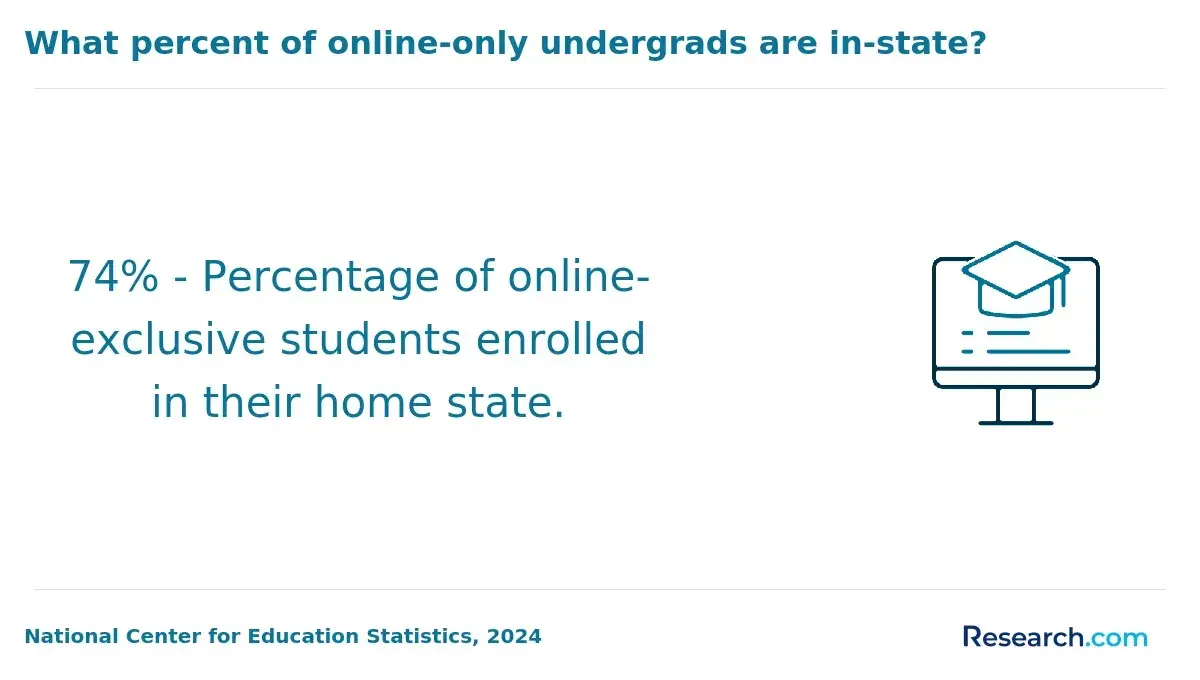
Master's degrees in Christian counseling generally yield the strongest employment prospects due to widespread licensure requirements and employer preferences that prioritize clinical competencies tied to this credential. For example, many states mandate a master's degree plus supervised practice hours for professional counseling licensure, making bachelor's or associate credentials insufficient for fully licensed roles. While entry-level certificates and associate degrees may grant quicker access to support positions within faith-based organizations or community centers, these roles typically lack upward mobility and stable full-time employment, with less than half of certificate holders securing relevant jobs within a year, according to 2024 data from the National Center for Education Statistics.
Bachelor's degrees offer a middle ground with broader job options such as case management but often plateau without graduate education due to limits on clinical responsibilities. Doctoral-level preparation can open doors to specialized, supervisory, or academic positions, yet requires significant time and financial investment and does not guarantee immediate market advantages. Thus, students weighing whether to enter the workforce promptly or invest in extended study should consider regional licensure demands, employer credential expectations, and personal career goals, recognizing that lower credentials may facilitate faster employment but restrict advancement, whereas advanced degrees enhance access to regulated and leadership roles within Christian counseling professions.
What Entry-Level Jobs Can You Get With a Christian Counseling Degree?
Entry-level job prospects for graduates with a Christian Counseling degree vary significantly depending on the credential attained and prior experiential learning. Associate degree holders generally access paraprofessional or support roles, such as behavioral health technicians or pastoral counseling assistants, which typically do not require licensure and focus on foundational counseling support. In contrast, bachelor's degree graduates can pursue roles with more direct client interaction and case management responsibilities, especially when supplemented by internships or practicum experience. However, licensure-dependent counseling positions remain out of reach without graduate-level education and state certification, which limits immediate access to many clinical roles.
The scope of entry-level christian counseling career opportunities also hinges on employers' expectations for demonstrated practical skills, including communication, crisis intervention, and ethical decision-making. Workforce trends indicate a moderate growth in counseling support roles as reported by the U.S. Bureau of Labor Statistics in 2024, suggesting steady-but not rapid-increase in openings within community and faith-based organizations. This labor market landscape underscores the importance of early volunteer experience and networking during one's educational program to offset the "experience required" gap often seen in job postings. Students evaluating their options should consider how the structure of their degree and hands-on exposure align with their longer-term plans for licensure or advancement in mental health service settings.
Moreover, many entry-level roles function as stepping stones reliant on employer-provided training and ongoing mentorship, emphasizing transferable skills over immediate independence. The expanding availability of remote counseling positions within faith-based contexts further demands technological competence alongside traditional counseling techniques. For those comparing associate, bachelor's, or graduate pathways, it is essential to recognize that the depth of initial placement opportunity and trajectory toward stability or licensure differ widely. Students pursuing a masters in health administration may find that combining administrative skills with counseling knowledge offers alternative routes to influence in care settings beyond direct counseling roles.
How Do Christian Counseling Degree Levels Affect Career Advancement and Promotion Opportunities?
Degree attainment in Christian Counseling directly influences access to supervisory positions and specialized roles, but it does not guarantee swift promotion without considering employer licensure mandates and sector-specific demands. Entry-level jobs generally accept bachelor's degrees, yet advancement into leadership often necessitates a master's degree plus licensure such as the LPC, which many faith-based organizations require for credibility and compliance. Doctoral degrees remain less common-pursued by roughly 15% of professionals according to Lightcast 2024-but they distinctly prepare graduates for top-tier roles in clinical supervision, program management, and academia, where research skills and ethical oversight are prioritized over practical experience alone.
For working adults or military-affiliated students with prior credits, transfer pathways from bachelor's to master's programs can accelerate progression, but the decision to invest in advanced degrees must weigh timing against employer expectations for continuing education and certification renewals. Some employers may promote experienced practitioners without further degrees if alternative credentials or specialized training in trauma-informed or integrative models are demonstrated. Thus, navigating advancement involves balancing formal education against practical experience, skills specialization, and regulatory requirements that shape internal mobility and leadership readiness.
One graduate recalled hesitating to pursue a master's after years in entry-level counseling roles at a faith-based agency, uncertain if the degree would make a tangible difference amid organizational promotion limits tied to licensure. After completing the program, they found the credential was critical for eligibility to supervise interns and contribute to clinical policy committees, opening doors previously closed despite extensive field experience. This blend of practical wisdom and formal qualification ultimately eased the transition into leadership, demonstrating how degree level intersects with workplace realities beyond theoretical advancement.
Is a Christian Counseling Degree Worth It Based on Salary, Employment, and ROI?
Christian counseling career salary and employment outcomes vary significantly with degree level, geographic location, and credentialing status, making the degree's worth highly contingent on individual circumstances. For example, those entering with a bachelor's degree generally face lower starting wages and must weigh the opportunity cost of pursuing a master's degree to access more stable roles and higher pay. Employment growth in counseling-related fields is strong but regionally uneven, and faith-based counseling positions often depend on organizational funding that can impact job security. Students and working adults considering this path should factor in the extended time and additional costs for licensure or certification, which can lengthen program completion and delay ROI.
Return on investment for Christian counseling degrees therefore hinges on balancing educational expenses against realistic pay trajectories and advancement opportunities, especially since entry-level salaries tend to be modest without graduate credentials. Part-time study or online programs, such as a fastest online MHA course, may reduce immediate income loss for employed students but may extend total time to degree. Those able to leverage tuition reimbursement through employers or who secure positions in larger health systems may see faster financial gains. Ultimately, prospective and current students must assess local labor demand, licensure requirements, and their capacity to absorb debt, as employment stability and career mobility in Christian counseling often depend on factors beyond the degree itself.
How Do Associate, Bachelor's, Master's, and Doctoral Christian Counseling Degrees Compare?
Choosing where to stop in Christian Counseling education shapes not only entry-level access but also long-term role flexibility and earning potential. An associate degree typically grants immediate, though limited, employment mostly in paraprofessional or supportive church roles, with few options for licensure or significant wage gains without further study. For example, someone entering with only an associate credential might support a community ministry but face a ceiling without bachelor's or graduate credits, highlighting the advantage of credit transfer options that ease advancing to higher degrees.
Bachelor's degrees increase eligibility for licensed positions but rarely suffice alone for independent clinical practice, requiring many graduates to pursue a master's for full licensure and specialized counseling roles. Recent education data show master's-level Christian Counseling graduates enjoy roughly 15% higher employment rates in counseling-specific jobs compared to bachelor's holders, reflecting greater demand for practitioners with advanced training and credentials. While a master's degree balances increased student debt against markedly better job stability and opportunities for niches like family or addiction counseling, doctoral programs cater to a narrower market focused on leadership, research, and teaching roles and may not yield proportional employment volume.
Prospective students must weigh the time and cost of graduate education against tangible career gains and employer preferences, which often prioritize licensure and demonstrated experience over the highest degree alone. Doctoral studies prepare for supervisory or academic positions but entail longer, costlier commitments with limited direct clinical openings, making them most strategic for those targeting policy influence or advanced pedagogy. Ultimately, progressing beyond an associate degree is critical for licensure readiness and earning growth, while deciding on a master's versus doctoral path hinges on career aims, specialization desires, and willingness to absorb associated financial and temporal investments.
Which Industries and Employers Hire Christian Counseling Graduates by Degree Level?
Employment opportunities for Christian Counseling graduates diverge significantly by degree level due to licensure requirements and employer expectations. Those with associate or certificate credentials typically secure entry-level positions such as behavioral health technicians or pastoral support roles within religious organizations, nonprofits, and residential treatment centers. These roles generally do not require licensure, offering faster entry into the workforce but with limited earning potential and advancement. For example, a certificate holder working as a mental health aide in a community organization may face salary ceilings compared to licensed peers, underscoring a tradeoff between speed of employment and career growth.
Bachelor's degree holders often find roles in broader social service settings, including school counseling support and case management, where supervised field experience is valuable but formal licensure is uncommon. Importantly, many employers in faith-based or nonprofit sectors show a preference for bachelor's-prepared counselors, reflected in an employment rate near 65% within the first year after graduation, according to U.S. Bureau of Labor Statistics and National Center for Education Statistics data from 2024. However, master's graduates stand out in clinical environments where licensure matters, qualifying them as licensed professional counselors or marriage and family therapists. These roles command higher salaries - about 30% more on median per EMSI analysis - and better job stability due to insurance reimbursement and regulatory compliance. Doctoral-level professionals often transition to supervisory, research, or policy positions within academia, healthcare systems, or denominational leadership, where advanced credentials and demonstrated leadership substantially influence hiring and promotion decisions.
What Skills, Credentials, and Experience Improve Christian Counseling Career Outcomes?
Career outcomes in Christian Counseling are strongly shaped by a blend of well-defined skills, certifications, and hands-on experience aligned with degree levels and professional ambitions. Bachelor's degree holders often develop foundational competencies such as active listening and ethical decision-making, but these skills alone rarely suffice for independent practice or leadership roles. Advancement to graduate degrees not only builds technical proficiencies in evidence-based therapies like cognitive-behavioral therapy but also incorporates critical internships and field placements that employers prioritize for real-world readiness. The possession of recognized credentials, including specific Christian Counseling certification and licensure requirements such as Licensed Professional Counselor status, is frequently decisive in expanding employment options and strengthening salary negotiation leverage.
Employers explicitly value candidates who can demonstrate applied counseling expertise through portfolios of supervised casework, alongside leadership experience gained via clinical supervision or program coordination. This practical exposure often compensates for gaps in academic credentials, a consideration especially relevant to adult learners, military-affiliated students, or transfer students weighing degree pathways. Master's and doctoral candidates benefit from stacking certifications and targeted specializations - for example, trauma or family counseling - which differentiate them in competitive markets. Prospective students must assess the tangible trade-offs between extended graduate education, licensure pathways, and accumulating experiential learning to optimize their career trajectory within Christian Counseling.
Those combining prior relevant experience with planned credentialing gain a strategic edge in accessing and advancing through roles that emphasize communication, cultural competence, and technical validation. Career mobility and promotion readiness depend on both degree attainment and the depth of applied knowledge, which also influences long-term compensation prospects akin to those seen in fields with comparable credentialing demands such as healthcare information management salary trajectories. Understanding these interdependencies helps focus educational investments on realistic, outcome-driven goals rather than assumptions about candidacy or credential value.
Which Christian Counseling Degree Level Is Best for Your Career Goals?
Career trajectories in Christian Counseling vary notably by degree level, with master's credentials offering the most direct path to licensure and independent clinical roles. While bachelor's degrees provide entry into support or assistant positions within faith-based organizations, they rarely qualify holders for positions requiring clinical licensure, limiting advancement opportunities and salary growth. According to 2024 data from the National Center for Education Statistics, about 65% of counseling-related bachelor's graduates enter the workforce early, but employers typically prefer master's degree holders for clinical roles, reflecting an important workforce expectation. For adult learners or military-affiliated students balancing time and cost constraints, exploring accelerated or part-time master's degrees-such as specialized options like fast track ABA masters online-may offer a strategic balance between credential attainment and opportunity cost.
Doctoral degrees in Christian Counseling open further doors for supervisory roles, academics, or specialized clinical practices but come with significant financial and time investment, often exceeding $60,000 in debt, based on College Scorecard reporting. These advanced credentials enhance upward mobility and specialization prospects but may not align with all learners' immediate practical needs. Aligning degree choice with employment realities and specialization goals is essential, especially when considering the best Christian counseling degree for employment advancement. Transfer strategies also matter; earning a bachelor's as a transfer student and then proceeding to a master's ensures foundational knowledge while preserving financial flexibility.
Ultimately, individuals aiming to maximize pay, employment access, and professional growth should critically evaluate how degree-level choices intersect with licensure requirements, employer preferences, and long-term career mobility within Christian Counseling. Those prioritizing rapid workforce entry must weigh limited clinical role eligibility against the benefits of graduate-level specialization, while others focused on leadership or academic positions should anticipate further education beyond the master's degree. This nuanced approach reflects practical realities rather than generic assumptions about degree value.
References
- CHRISTIAN COUNSELING (BACC) https://gm.edu/academic/bacc/
- Online Ph.D. in Christian Counseling | AcademicEarth.org https://academicearth.org/ph-d-in-christian-counseling/
- 2025 Best Online Christian Counseling Degrees https://www.onlineu.com/degrees/christian-counseling
- All Christian Counseling Degrees - TheologyDegree.org https://www.theologydegree.org/programs/christian-counseling-degrees/
- Skills Every Biblical Counselor Should Develop https://anchoru.com/skills-every-biblical-counselor-should-develop/
- Becoming a Biblical Counselor: A Skeptic’s Journey https://www.ccef.org/becoming-biblical-counselor-skeptics-journey/
- Counseling Careers Facts and Figures | CCU Online https://www.ccu.edu/blogs/cags/2012/03/counseling-careers-facts-and-figures/
- Undergraduate Programs https://christianbibleinstitute.net/doctorate-degree-programs/doctor-of-christian-counseling-and-psychology-cpsy-d/
- Pastoral Counseling and Specialized Ministries. Degree — Salary, Debt & ROI | Is It Worth It? | CollegeValueRanked https://collegevalueranked.com/major/pastoral-counseling-and-specialized-ministries
- Becoming a Christian Counselor: Master’s Degree Guide https://www.vision.edu/web/becoming-a-christian-counselor-masters-degree-guide/
Other Things You Should Know About Christian Counseling
Longer Christian Counseling programs, especially at the master's and doctoral levels, tend to demand more intensive coursework, practicum hours, and research commitments, which can significantly strain work-life balance. Prospective students juggling employment or family obligations should prioritize programs that offer flexibility, such as part-time options or asynchronous learning components. Shorter or less intensive degrees may ease this tension but often come with trade-offs in depth of clinical training and credentialing potential, impacting long-term eligibility for licensure or advanced roles.
Employers typically view doctoral degrees as qualifiers for higher-level leadership or academic positions within Christian Counseling, but many clinical and counseling roles emphasize practical experience and licensure over terminal degrees. Therefore, while a doctorate may expand career options in administration or teaching, it does not guarantee immediate advancement absent relevant work history. Candidates should weigh whether the time and cost of earning a doctorate align with their goal to move into specialized leadership versus gaining applied experience with a master's degree.
Licensure is often essential for clinical practice in Christian Counseling, and master's degrees typically fulfill educational requirements for state licensure, unlike most bachelor's degrees. Students must consider that entering the workforce with only a bachelor's may limit them to support or assistant roles unless they pursue graduate education later. Prioritizing a master's program can therefore streamline licensure and open doors to independent clinical work, which tends to enhance both employability and earning potential in this field.
Higher-level Christian Counseling programs, especially master's and doctoral, generally provide more structured access to internships, mentorship, and professional associations, which critically support career advancement. Bachelor's programs often offer fewer formal networking channels, potentially requiring students to seek external opportunities independently. Students aiming for seamless transitions into employment or leadership roles should prioritize programs with embedded professional development and strong industry connections to maximize career trajectory.