2027 Christian Counseling Affordability by State: Where Students Pay the Most and Least

Co-Founder and Chief Data Scientist
A prospective Christian Counseling student weighing a $5,000 annual tuition difference between an in-state program and an out-of-state alternative must consider more than sticker price. Living expenses, institutional fees, and differing scholarship opportunities can nullify apparent savings.
According to a 2024 National Center for Education Statistics report, students in higher-cost states are 20% more likely to incur debt exceeding $30,000, reflecting uneven state policies on education funding that amplify regional affordability gaps. These disparities shape enrollment behaviors and post-graduation financial pressure, making location a critical factor for sustainable education financing. This article examines state-level Christian Counseling affordability to reveal where students face the greatest and least financial barriers to enrollment.
Key Things to Know About Christian Counseling Affordability by State
- States with lower published tuition for Christian counseling often have higher living costs, increasing total attendance expenses; students must weigh tradeoffs between sticker price and regional cost of living to determine true affordability.
- Employers in states with robust state funding and licensure reciprocity tend to value in-state graduates more, reflecting a workforce preference that impacts job prospects beyond mere tuition savings.
- Students enrolling in out-of-state or online Christian counseling programs face delayed access to scholarships tied to residency, limiting timely financial aid and affecting immediate cost burdens despite potential long-term savings.
- Key Things to Know About Christian Counseling Affordability by State Key Things to Know About Christian Counseling Affordability by State
- Which States Have the Most Affordable Christian Counseling Degree Programs? Most Affordable State Programs
- Which States Have the Highest Christian Counseling Degree Costs? Highest State Tuition Costs
- How Much Does a Christian Counseling Degree Cost by State? Degree Costs by State
- Why Does Christian Counseling Affordability Vary So Much Between States? State Affordability Variations
- How Do In-State and Out-of-State Tuition Rates Affect Christian Counseling Affordability? In-State vs. Out-of-State Rates
- How Does the Cost of Living Impact Overall Christian Counseling Affordability by State? Living Costs and Affordability
- Which States Offer the Best Value for a Christian Counseling Degree? Best Value State Degrees
- What Financial Aid and Scholarship Opportunities Can Reduce Christian Counseling Costs? What Financial Aid and Scholarship Opportunities Can Reduce Christian Counseling Costs?
- Are Online Christian Counseling Degree Programs More Affordable Than On-Campus Options? Are Online Christian Counseling Degree Programs More Affordable Than On-Campus Options?
- Is a Christian Counseling Degree Worth the Cost Based on Career Outcomes and ROI? Degree ROI and Outcomes
Which States Have the Most Affordable Christian Counseling Degree Programs?
Cost disparities in Christian Counseling tuition often stem from how states prioritize public higher education funding and structure residency policies, making affordability a layered issue rather than a simple price comparison. For example, states like Florida and Texas maintain lower average in-state tuition through strong investment in their public university systems, which directly benefits resident students by reducing sticker prices.
This means that a student living in Florida paying approximately $6,360 annually in tuition can access similar program quality at a fraction of the cost paid by out-of-state or private institution enrollees elsewhere, a critical factor for those balancing limited budgets. Such differences highlight how financial aid frameworks and residency advantages materially influence not just costs, but decisions around program selection, enrollment timing, and ultimately the feasibility of degree completion in Christian Counseling.
Geographic cost-of-living variations further complicate affordability, with many Midwestern and Southern states offering a conducive environment for managing ancillary expenses-housing, transportation, and daily necessities-that often make up a significant portion of overall educational costs. Ohio exemplifies this with its combination of moderate tuition rates and targeted state grants that reduce net expenses, illustrating how layered financial support shapes accessible pathways for lower-income students pursuing Christian Counseling degrees.
These regional and policy-driven nuances also inform student choices about whether to pursue traditional campus attendance or explore growing options for accredited online Christian Counseling programs, which can mitigate living cost tradeoffs while preserving educational quality. Budget-conscious learners leveraging these factors can better navigate the practical realities behind Christian counseling tuition costs in the United States, aligning program affordability with career preparation and long-term employment prospects.
Conversely, students in states like California or New York face higher tuition that reflects limited public funding and substantial state economic pressures, creating a real-world scenario where the true cost of attaining a Christian Counseling degree extends well beyond tuition fees alone. For those unable to establish residency or obtain significant aid, such price barriers may necessitate longer completion times, increased debt burdens, or relocation considerations.
Understanding these financial, policy, and market dynamics-rather than relying solely on nominal price tags-equips prospective students to make informed decisions, such as comparing programs that may complement their circumstances or investigating alternatives like an online DNP program to optimize both cost and educational outcomes.
Which States Have the Highest Christian Counseling Degree Costs?
States with the highest costs for Christian Counseling degrees reflect a complex interplay of tuition policies, public funding shifts, and regional economic pressures rather than simple reputation or demand. High living expenses in metropolitan hubs such as New York and Los Angeles push total attendance costs well beyond tuition alone, with some in-state graduate fees surpassing $25,000 annually, as reported by the National Center for Education Statistics in 2024.
Public universities in these states often compensate for diminished state support by increasing tuition, disproportionately impacting students who qualify for in-state rates but still face steep overall expenses. The concentration of smaller private, faith-based institutions further limits competitive pricing, making affordability a critical and ongoing concern for many prospective students weighing degree value against financial burden.
Residency requirements sharply influence decision-making, as nonresidents encounter tuition surcharges that can double educational costs and discourage relocation to states with bulkier price tags despite potentially stronger clinical networks or professional opportunities. For budget-sensitive learners, this often means balancing the long-term benefits of program quality and geographic advantages against upfront debt and living costs that may strain personal resources or delay other life plans.
Online or out-of-state options emerge as pragmatic alternatives but can lack community integration and access to local internships, highlighting a tradeoff between cost containment and immersive, hands-on training vital in counseling careers. Students must also gauge the value proposition of programs where higher tuition does not necessarily translate to better employment outcomes, particularly in markets where financial aid availability and institutional endowments vary widely.
One Christian Counseling graduate shared that while researching programs, they paused over the stark price differences between a well-known private university in Massachusetts and a public institution in a neighboring state with lower tuition but fewer faith-based offerings. Residency status initially complicated their plans, as out-of-state tuition threatened to double costs, making relocation economically risky without sufficient scholarship support.
After exhaustive comparisons of online options and in-person programs, the student decided on the more affordable public university, citing a cautious hope that the practical experience and community connections there would outweigh the prestige and clinical access promised by the costlier alternative. This reflective approach underscored the difficult balancing act many face in navigating geography, finances, and career preparation within the Christian Counseling field.
How Much Does a Christian Counseling Degree Cost by State?
Cost differences in earning a Christian Counseling degree across states often reflect deeper structural factors beyond sticker tuition. For instance, public institutions in states like Wyoming and Arizona can limit total annual expenses to between $12,000 and $18,000, while coastal states such as California or New York frequently push these costs over $30,000 due to higher fees and living expenses. Such disparities influence whether students from outside those states consider relocating or pursuing online options to mitigate out-of-state tuition surcharges, which in some cases can double educational costs.
These variations stem partly from the mix of public versus private providers and the uneven regional allocation of state funding, which affects both tuition rates and the availability of targeted financial aid for counseling fields. A student weighing enrollment decisions might face significantly different borrowing needs or repayment outlooks depending on whether they study in lower-cost inland states with more affordable living conditions or expensive metropolitan areas where housing and transportation strain budgets.
Why Does Christian Counseling Affordability Vary So Much Between States?
Differences in state funding strategies and institutional mix drive the wide disparity in Christian counseling degree costs by state, shaping student decisions around affordability and program access. States that invest significantly in higher education often reduce resident tuition, facilitating lower out-of-pocket expenses, while regions with limited public subsidies commonly see private institutions dominating the market, pushing prices higher.
For example, urban coastal states with elevated living costs tend to impose steeper tuition and fees to cover operational expenses, affecting those weighing local enrollment versus more affordable online or out-of-state options. According to the National Center for Education Statistics in 2024, states with robust per-student funding can have in-state tuition up to 40% less than in underfunded areas, a critical consideration for student budgeting and transfer decisions.
Regional policies around tuition discounts, scholarship availability, and the balance of public versus private providers further influence who can realistically pursue a Christian counseling degree. States offering aggressive resident tuition cuts and comprehensive aid programs reduce financial barriers, especially important given the increasing demand across healthcare systems for qualified counselors.
Meanwhile, smaller programs or those with a higher share of private institutions typically charge more to stay viable, prompting prospective students to carefully evaluate program scale and support before committing. For budget-conscious learners and families, exploring options like affordable LVN to BSN programs or online pathways can mitigate cost challenges while maintaining practical access to credentialing.
How Do In-State and Out-of-State Tuition Rates Affect Christian Counseling Affordability?
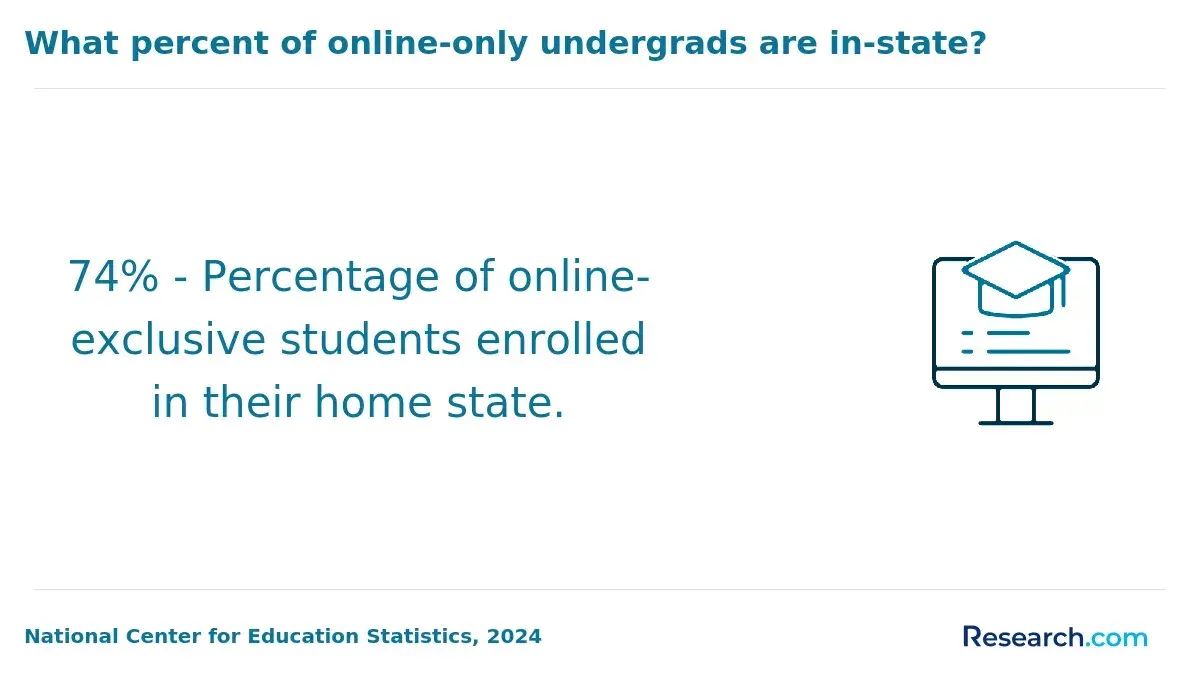
Residency-based tuition differences notably reshape the financial calculus for students pursuing a Christian Counseling degree, as in-state tuition often represents a fraction of out-of-state costs, profoundly impacting program choice and debt levels. Data from the National Center for Education Statistics in 2024 indicates that public universities typically charge in-state students about one-third the tuition faced by out-of-state enrollees, with averages around $9,000 versus over $27,000 annually.
This gap can steer students either toward local institutions or online programs that offer flat rates regardless of residency, yet these alternatives involve tradeoffs in terms of campus resources, networking opportunities, and institutional reputation. Furthermore, variations in state reciprocity agreements and residency reclassification rules add complexity, requiring students to weigh the benefits of relocation or legal domicile changes against immediate financial pressures and aid eligibility.
Beyond tuition sticker prices, Christian Counseling students must consider the compound effect of fees, living costs, and potential income disruptions linked to longer program durations or relocations. State funding policies that sustain lower in-state tuition can indirectly enhance return on investment by reducing loan dependency, a significant factor given the stable but moderate earning outlook typical in counseling professions.
For budget-conscious learners, understanding these nuances influences enrollment strategies, especially when balancing the cost-benefit of attending a more prestigious but higher-cost out-of-state program versus a more affordable in-state option with comparable career outcomes.
One Christian Counseling graduate recalled hesitating before committing to an out-of-state public university due to unexpectedly high tuition despite planning to establish residency. The student spent months navigating residence requirements and ultimately decided to enroll in an in-state online program offering the same degree, finding the financial predictability and ability to work locally outweighed potential prestige gains.
This experience underscores the nuanced deliberations involved when residency status and tuition rates intersect with practical considerations about educational quality, career trajectory, and financial sustainability.
How Does the Cost of Living Impact Overall Christian Counseling Affordability by State?
Cost-of-living disparities significantly alter the financial realities of earning a Christian Counseling degree across states, often outweighing differences in tuition alone. For example, a student in California or New York faces housing costs exceeding $1,500 monthly, which can amplify total educational expenses well beyond sticker tuition rates. This dynamic complicates budgeting, forcing prospective students to weigh the tradeoff between attending a more prestigious or local program versus relocating to a lower-cost state, where rent and transportation may be far more affordable.
Such decisions impact not only immediate expenses but also long-term debt burdens and financial aid strategies, especially in states with high regional price parity. Regional economic factors affecting Christian Counseling tuition prices must incorporate more than just the listed fees to accurately reflect accessibility. Transportation costs, healthcare, and food prices vary notably-in some cases by 15-20%-influencing overall student budgets and daily living standards.
Students in urban environments might pay premium public transit fares or face costly parking, while rural students contend with longer commutes and vehicle maintenance, factors critical to enrollment and completion timelines. These evolving cost profiles encourage many to explore online options or hybrid programs, similar to models found in radiology tech programs online, to mitigate geographic cost penalties while maintaining educational progress.
Recognizing the intersection of cost of living and Christian counseling affordability by state enables a realistic assessment of where pursuing this degree is financially feasible. Students must incorporate these living expense variables to forecast total educational investment accurately, avoid unexpected debt, and shape sustainable completion pathways. Such nuanced understanding is essential for navigating state-specific economic challenges and aligning educational pursuits with practical workforce outcomes.
Which States Offer the Best Value for a Christian Counseling Degree?
Choosing where to pursue a Christian Counseling degree requires analysis beyond tuition sticker prices, as in-state tuition rules and residency restrictions heavily impact financial outcomes. For example, states like North Carolina and Indiana offer public programs with annual in-state fees between $7,000 and $9,000, a substantial saving compared to coastal states where tuition often exceeds $20,000.
However, affordability must be viewed alongside factors such as the cost of living and program completion rates-both critical for reducing debt burdens and minimizing time-to-degree, which directly affect a student's financial sustainability and employment readiness. Degree completion rates in the 70-75% range in some Midwestern and Southeastern states indicate stronger support systems and access to educational resources, which often correlate with more predictable career entry timelines.
Additionally, these regions benefit from growing demands for licensed counselors, aligning educational investments with viable job markets. In contrast, states like California and New York, despite their prestige and abundant job opportunities, impose higher living expenses and tuition, which can offset employment gains, especially for graduates entering non-metropolitan job markets with modest initial salaries. Considering public versus private institution options and potential online alternatives is also crucial for balancing cost, accessibility, and quality.
Ultimately, the most advantageous choice blends tuition affordability with reasonable living costs, manageable residency requirements, and strong regional employment prospects. Students must weigh relocating for residency-based tuition benefits against the practicalities of living expenses and program completion support, recognizing that the lowest tuition often does not equate to the best value.
Employing current data from the U.S. Department of Education's College Scorecard and regional labor statistics can guide budget-conscious students toward states where their educational investment maximizes long-term financial and career returns.
What Financial Aid and Scholarship Opportunities Can Reduce Christian Counseling Costs?
Federal aid programs such as Pell Grants and Direct Subsidized Loans establish a foundational affordability layer for many Christian Counseling students, yet eligibility criteria tied to income and enrollment status considerably shape the net cost outcome. For example, a student living in a state with limited grant programs but qualifying for maximum federal aid may still face significant expenses when out-of-state tuition adds to the burden, underscoring the importance of understanding state reciprocity policies and residency rules before committing.
Institutional scholarships, offered by only about 40% of programs targeting Christian Counseling students according to the Council for Christian Colleges and Universities, can substantially offset costs, but their uneven availability requires proactive research and timely applications to maximize aid stacking without risking renewal eligibility. Employer tuition reimbursement programs have become critical for working adults already engaged in ministry or mental health roles, often covering up to 80% of expenses, though these benefits typically demand balancing job flexibility with academic rigor.
Students must weigh the tradeoff between immediate financial support and the potential strain of juggling work and study commitments, a dynamic that can affect progress and long-term degree completion. Geographic differences manifest sharply in affordability since states like Iowa and Minnesota facilitate lower net costs through tuition reciprocity and robust state grants, while others with fewer supports force greater dependence on private loans or out-of-pocket payments, reinforcing disparities in access and financial planning complexities for Christian Counseling degrees.
Are Online Christian Counseling Degree Programs More Affordable Than On-Campus Options?
The affordability advantage of online Christian counseling degree programs compared to on-campus options depends heavily on individual circumstances and state-by-state tuition policies. While online tuition often runs 15-25% lower per credit hour at public institutions, this baseline discount can be offset by residency requirements or mandatory in-person intensives tied to licensure, which add hidden travel or housing expenses.
For example, a student residing in a state with low living costs but attending an out-of-state campus program may find that the savings on tuition vanish when factoring in relocation and commuting costs. These variations demand a nuanced cost comparison of online and on-campus Christian counseling programs by state to pinpoint true affordability rather than relying on general assumptions.
Technology fees, necessary equipment, and sometimes limited institutional financial aid for online learners further complicate the affordability landscape. Students working while studying might value online programs' flexibility, yet experiential components essential for licensure often require on-site clinical hours that affect both time and money resources. Consequently, net cost calculations should incorporate these opportunity costs alongside tuition figures.
When balancing financial and practical considerations, prospective students should also explore targeted scholarships and grants increasingly available for remote learners. Those seeking accelerated pathways in related health professions might compare models such as the accelerated FNP program for insights into structuring rigorous yet time-efficient online learning options.
Ultimately, evaluating online Christian counseling degree affordability in the United States requires attention to the interplay of tuition rates, residency rules, aid availability, and program design variations across states. This analysis is crucial for budget-conscious learners who must weigh upfront and recurring costs against the practical demands of training and licensure. Finding the right balance can improve financial accessibility without compromising crucial experiential learning, a key determinant of long-term career outcomes in counseling fields.
Is a Christian Counseling Degree Worth the Cost Based on Career Outcomes and ROI?
The practical value of a Christian counseling degree varies significantly based on regional tuition disparities, program completion rates, and local job markets, which prospective students must carefully weigh. For example, states with tuition exceeding $30,000 often see graduates saddled with higher debt-averaging over $40,000-without a guaranteed boost in salary or job availability, complicating the return on investment for many.
Students pursuing a Christian counseling degree career in the United States should therefore evaluate opportunity costs alongside tuition, considering geographic mobility and the likelihood of licensure, since these factors directly affect employability and income potential in counseling roles. Employment growth in counseling fields is robust, with a 22% projected increase through 2032, yet median wages remain typically modest, ranging between $45,000 and $55,000 depending on the region and setting.
This discrepancy makes it essential to compare states not only by tuition affordability but also by local mental health demand and certification pathways that can elevate long-term earnings.
Ultimately, assessing ROI for Christian counseling graduates by state involves balancing tuition costs, debt burden, and the program's alignment with career goals rather than relying solely on sticker price or job growth statistics. Non-monetary benefits like community impact and job satisfaction are often undervalued but critical when considering the holistic value of the degree.
Students who strategically select programs, whether evaluating specialized ministry options or researching the best easiest counseling degree programs to streamline their entry into the field, and focus on stable local demand and strong licensure support optimize their professional outcomes despite significant regional tuition differences.
References
- Scholarships - Divine Mercy University https://divinemercy.edu/financial-aid/scholarships/
- COST/ FEES | United States | Restrorative Christian Counseling https://www.restorativechristian.org/cost-fess
- 7 Best Online Christian Counseling Services | United States https://www.northwoodschristiancounseling.com/best-online-christian-counseling/
- Is a master's degree in counseling worth it? | edX https://www.edx.org/resources/is-a-masters-in-counseling-worth-it
- Data dive into the cost of living crisis - Philea https://philea.eu/analysis/data-dive-into-the-cost-of-living-crisis/
- Part 5: Four Models (Weaknesses of Biblical Counseling) — New Ground Counseling https://www.newgroundcounseling.com/blog/weaknesses-of-biblical-counseling
- New Rankings Reinforce Connecticut’s Decades-Long Affordability Problem https://www.yankeeinstitute.org/2026/03/02/if-cost-of-living-is-the-top-concern-why-are-lawmakers-raising-costs/
- The Value of a Biblical Counseling Master’s Degree - Cairn University https://cairn.edu/the-value-of-a-biblical-counseling-masters-degree/
- Board Certified Christian Counseling Program https://nacconline.org/board-certified-christian-counseling-program/
- Importance of Cost of Living | Goldwater Institute https://www.goldwaterinstitute.org/cost-of-living/
Other Things You Should Know About Christian Counseling
Licensing requirements for Christian counseling vary widely by state, impacting where graduates can practice legally and how long it takes to become licensed. States with more rigorous or prolonged licensing processes may require additional training or supervised hours beyond the degree, which can add time and cost. Prospective students should prioritize states where their degree aligns closely with licensing standards to avoid unexpected delays or additional expenses that reduce the initial affordability advantage.
Yes. Practical experience through internships or practica is often mandatory for licensure and essential for employment readiness. States with more limited local placement options may force students to invest in out-of-state or unpaid internships, increasing overall costs and workload. When affordability is a priority, choosing a state or program with robust field placement support can reduce hidden expenses and improve graduate outcomes.
Employer demand and expectations for credentials can differ, affecting salaries and job availability. In states where employers highly value accredited programs with integrated theological and clinical training, cheaper degrees lacking these components may hamper job prospects. Budget-conscious students should weigh upfront tuition savings against potential income limitations tied to program reputation and state-specific workforce norms.
While cost is critical, program structure-such as the balance between theological content and clinical practice-significantly influences preparedness and employability. Choosing the lowest-cost state program with poor alignment to career goals or licensing requirements can lead to additional expenses or credentialing hurdles. Students are advised to prioritize programs whose curriculum matches licensing demands and employer expectations, even if the tuition is moderately higher, to maximize long-term career success.