2027 Online vs Campus Christian Counseling Outcomes Report: Graduation Rates, Cost, and Career Trade-Offs

Co-Founder and Chief Data Scientist
Deciding between online and campus Christian Counseling programs poses a critical dilemma for adult learners seeking to transfer previously earned credits without extending time to graduation. In 2024, only 62% of transfer credits are fully accepted across accredited institutions, reflecting ongoing institutional hesitancy that often delays degree completion and inflates costs. This trend reveals how credit transfer policies significantly influence access to flexible degree pathways, disproportionately impacting working professionals who balance education with employment.
Understanding these nuanced trade-offs is essential for selecting a format that aligns with individual career timelines, financial constraints, and employer expectations. This article analyzes graduation rates, total costs, and career implications to guide informed choices between online and campus Christian Counseling pathways.
Key Things to Know About Online vs Campus Christian Counseling Outcomes
- Graduation rates for campus Christian Counseling programs average 68%, outperforming online's 54%, signaling higher persistence likely due to structured in-person oversight, which influences timely credential attainment.
- Online formats reduce costs by 20-30%, yet lower employer familiarity with some online credentials may delay initial placement or require supplementary certification, impacting early career trajectory.
- Campus students often benefit from synchronous practicum scheduling, facilitating faster licensure readiness; online learners face longer timelines due to flexible but fragmented clinical hours, affecting entry timing into counseling roles.
- Key Things to Know About Online vs Campus Christian Counseling Outcomes Key Things to Know About Online vs Campus Christian Counseling Outcomes
- What Are the Biggest Differences Between Online and Campus Christian Counseling Program Outcomes? Online vs Campus Outcomes
- How Do Graduation Rates Compare Between Online and Campus Christian Counseling Programs? Comparing Graduation Rates
- Why Do Online and Campus Christian Counseling Students Have Different Completion Rates? Why Completion Rates Differ
- How Do Online and Campus Christian Counseling Programs Compare on Total Cost? Total Cost Comparison
- What Hidden Costs Should Students Expect in Online vs Campus Christian Counseling Programs? Hidden Program Costs
- How Does Financial Aid Affect the Cost of Online and Campus Christian Counseling Programs? Financial Aid Impact
- Do Online and Campus Christian Counseling Graduates Have Different Career Outcomes? Comparing Career Outcomes
- How Do Employers View Online vs Campus Christian Counseling Degrees? How Do Employers View Online vs Campus Christian Counseling Degrees?
- Which Christian Counseling Degree Format Offers Better Flexibility for Working Adults? Which Christian Counseling Degree Format Offers Better Flexibility for Working Adults?
- How Should Students Choose Between an Online and Campus Christian Counseling Program? Choosing Your Program Format
What Are the Biggest Differences Between Online and Campus Christian Counseling Program Outcomes?
The most striking difference in online versus campus Christian Counseling program outcomes centers on graduation rates and the ripple effects on debt and completion timelines. According to 2024 data from the National Center for Education Statistics, campus-based students typically graduate at rates exceeding 65%, compared with around 50% for online learners. This gap often reflects varied student circumstances-online students frequently juggle part-time study alongside work and family responsibilities, which can extend the path to degree and increase dropout risk. For a working adult balancing caregiving with coursework, the flexibility of online programs may be essential, but it can come with longer durations and compounded costs that many overlook early in their planning.
Cost and experiential training are key trade-offs influencing long-term career mobility after Christian Counseling programs. While online programs may advertise lower tuition, total expenses often rise due to added fees and longer enrollment periods resulting in higher debt, as highlighted by the U.S. Department of Education's College Scorecard. Campus students generally benefit from direct access to faculty, peer cohorts, and local internship opportunities that employers value highly for licensure readiness and applied clinical skills.
Conversely, online students may face hurdles establishing supervised field placements, though a growing share of programs have improved support to narrow this divide. Prospective students must weigh whether flexibility and geographic freedom outweigh the potential signaling advantages and practical access that come with being physically present on campus, especially when employer perception can influence early career outcomes within Christian Counseling pathways.
Choosing between formats also involves strategic considerations tied to program persistence and professional preparation within the Christian Counseling field. The difference in engagement levels-driven by in-person interaction versus virtual communication-affects students' sense of community and academic support, factors linked to persistence and satisfaction. Those considering extended trajectories common in online programs should factor in how these dynamics might influence not only time-to-completion and debt accumulation but also early employment chances.
For some, exploring linked credentials such as BSN to DNP programs underscores the importance of hands-on clinical training and employer readiness that campus offerings more reliably provide, though individual career goals and life contexts remain crucial in shaping the optimal choice.
How Do Graduation Rates Compare Between Online and Campus Christian Counseling Programs?
Graduation rates in christian counseling programs vary notably between campus-based and online formats due primarily to differences in student demographics and program structure. Campus programs typically show completion rates around 65-70% within 150% of normal time, while fully online options often report rates closer to 45-55%, based on a 2024 IPEDS dataset. This disparity reflects factors such as part-time enrollment, employment, and family commitments more common among online students, which complicate consistent academic progression. Institutions with cohort models and synchronous sessions tend to improve online retention, but without these, students face higher stop-out risks that raw graduation numbers alone fail to capture.
Interpreting these statistics requires understanding how program design influences persistence and completion. Campus programs generally have more rigid progression requirements and provide in-person advising and peer support, aiding momentum especially for first-time, full-time undergraduates. Conversely, online programs offer flexibility to accommodate diverse life circumstances but often attract students with varying preparedness and transfer credits, which can dilute graduation percentages. Employers may weigh these nuances, placing value on in-person practicum experience and sustained engagement that campus formats facilitate, although well-supported online graduates with robust clinical components increasingly demonstrate comparable job placement outcomes.
A student deciding between formats shared that while exploring campus christian counseling options, the structured cohort and face-to-face advising seemed reassuring for staying on track. However, balancing a part-time job and family commitments made attending campus classes challenging. Researching online programs, the student worried about whether flexible pacing would lead to procrastination without strong academic support or cohort accountability. Ultimately, the decision hinged on evaluating personal capacity to maintain progress amid external demands, confirming that raw graduation rates needed to be viewed in light of such lived realities rather than as standalone success measures.
Why Do Online and Campus Christian Counseling Students Have Different Completion Rates?
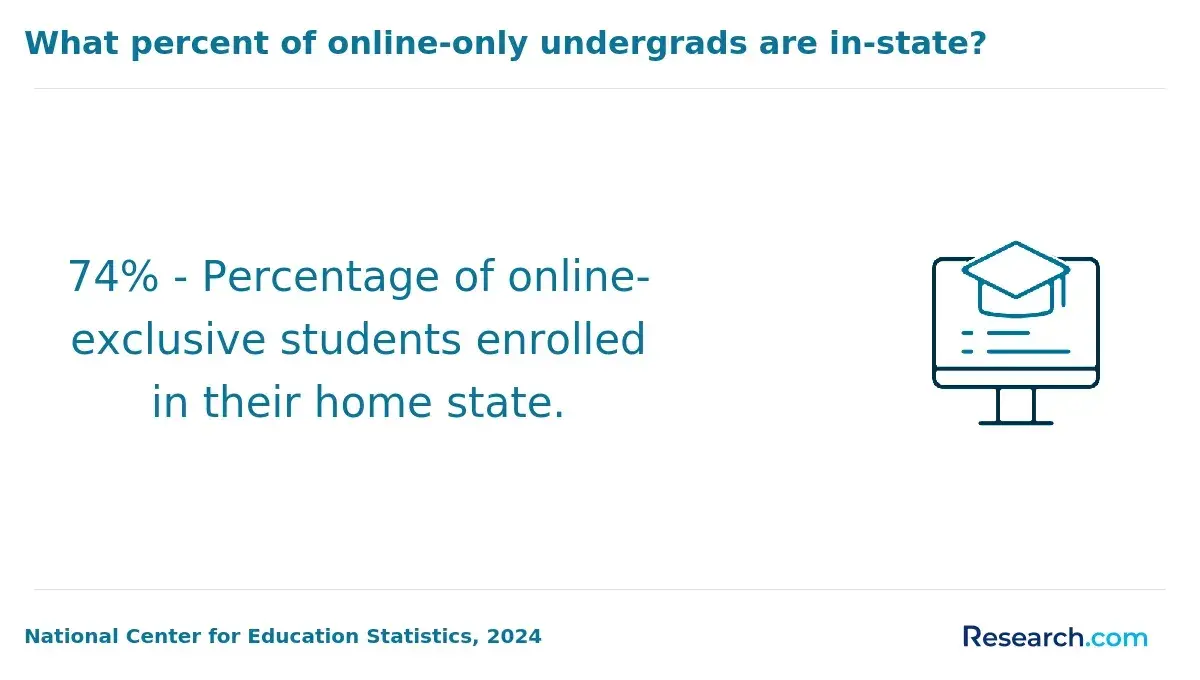
Completion rates in Christian Counseling programs often differ between online and campus settings due to factors beyond the mode of instruction, reflecting the interplay of student life circumstances and institutional frameworks. For example, online students frequently enroll part-time to manage work and family obligations, which slows their academic progress compared to campus peers who usually attend full-time with structured schedules and cohort participation. According to 2024 data from the National Center for Education Statistics, campus students graduate at rates approximately 15-20 percentage points higher than primarily part-time online learners, a gap influenced by challenges in course sequencing, transfer-credit variability, and inconsistent study continuity among online cohorts.
Student support access also diverges significantly and impacts persistence. Campus programs more readily provide real-time academic advising, peer collaboration, and crisis financial assistance, resources that help maintain steady progress through demanding practicum and internship requirements common in Christian Counseling curricula. Conversely, online learners contend with fewer immediate support channels and less community momentum, heightening the risk of attrition especially when balancing external commitments. These differences highlight that completion rates often reflect demographic distinctions-including a higher proportion of older adults and veterans in online cohorts-who face unique barriers unrelated to program rigor but critical to timely graduation.
As prospective students evaluate graduation data, understanding these operational realities is crucial. Those with stable schedules and access to on-campus resources may find cohort-based campus programs better suited to sustaining momentum, while highly motivated, non-traditional learners who require flexibility must account for extended timelines and potentially higher total costs with online pathways. Interpreting completion statistics through this contextual lens supports informed decisions aligned with personal circumstances and career timelines rather than assuming direct equivalence of academic quality across delivery formats.
How Do Online and Campus Christian Counseling Programs Compare on Total Cost?
The total cost comparison of online and campus Christian Counseling programs extends beyond tuition to include a range of mandatory fees and living expenses that influence affordability and timing for students. Campus students often face additional charges like facility and activity fees averaging between $1,000 and $2,000 annually, while online learners typically incur smaller technology fees around $300 to $600. Crucially, on-campus programs add significant housing and transportation costs-estimated at $12,000 to $15,000 yearly-that online students largely avoid, which can offset comparable tuition rates and affect overall debt load and time to graduation.
Financial aid patterns further complicate cost dynamics; working adults pursuing online formats may leverage employer tuition assistance more readily due to schedule flexibility, while campus learners might access institution-specific scholarships tied to in-person engagement. Both delivery models require clinical practice that can introduce travel expenses variably depending on internship placement.
Graduates from online Christian Counseling programs have been reported to carry slightly lower average student loans, reflecting these cost trade-offs. For prospective enrollees weighing affordable Christian Counseling tuition and fees for campus versus online, aligning expected expenditures with personal circumstances and career pace is critical for realistic financial planning.
Choosing between models also involves examining how residency requirements and fee structures impact net price, as well as how online learners maintain work continuity and handle practicum demands. Those seeking a more flexible schedule might benefit from programs like a health information technology associate degree online for comparative cost context, illustrating how total cost differences affect long-term investment and graduation outcomes across flexible learning tracks.
What Hidden Costs Should Students Expect in Online vs Campus Christian Counseling Programs?
Online and campus-based Christian Counseling programs often conceal significant indirect costs that impact true affordability and completion timelines. While online options may appear less expensive upfront, they frequently include technology fees ranging from $100 to $300 per semester to cover software platforms and remote proctoring, expenses not always transparent at enrollment. In contrast, campus students encounter recurring costs such as commuting, parking, and housing-factors that can easily add over $1,200 annually for transportation alone, according to the American Public Transportation
Association, and roughly $1,000 monthly for off-campus rent based on 2024 HUD figures. These expenses, combined with clinical placement travel required for field experience, complicate the cost comparison beyond published tuition rates and influence students' scheduling flexibility and opportunity costs related to lost wages or extended study duration.
Choosing between online and campus Christian Counseling formats requires weighing these hidden expenses alongside personal circumstances and career goals. Campus learners may sacrifice work hours due to fixed class schedules but benefit from structured on-site resources, whereas online students manage flexible timetables that can prolong program completion, increasing overall indebtedness as highlighted by trends in rising student debt reported by the Federal Reserve Bank.
Clinical practicums add another layer, with travel costs and logistical burdens felt differently across formats, potentially affecting placements, networking, and employer perceptions once graduates enter an increasingly demanding and relationally intensive counseling workforce.
A recent graduate recalled hesitating between two programs due to unclear extra fees. Though an online program boasted lower tuition, she was surprised by mandatory technology surcharges and proctoring costs plus challenges securing local clinical sites independently.
Meanwhile, the campus alternative entailed parking fees, housing expenses, and commuting hours that strained her part-time work schedule. This nuanced discovery process gave her cautious confidence in eventually selecting the format that aligned with her financial and family obligations while understanding that no choice was inherently less costly without careful budgeting beyond sticker prices.
How Does Financial Aid Affect the Cost of Online and Campus Christian Counseling Programs?
Financial aid creates significant differences in net cost between online and campus Christian Counseling programs, but these variations hinge on enrollment status, aid eligibility, and institutional support structures. Campus students often benefit from more robust grant aid packages, including scholarships and assistantships that require on-site participation, which can reduce out-of-pocket expenses by 10-15%.
Conversely, online learners, while avoiding room and board costs, face limited access to such institutional funds and may contend with additional technology fees. Part-time online attendance, common among working adults, frequently results in reduced federal aid and extended program timelines, increasing both total tuition paid and overall debt burden.
Students comparing financial aid options for Christian Counseling programs should weigh employer tuition benefits carefully, as these often complement online formats by accommodating flexible work schedules. However, campus attendees might combine employer support with institutional scholarships requiring physical presence, creating a distinct affordability calculus influenced by residency rules and registration requirements.
Military and veterans' benefits apply across modalities but may factor into program choice if specific enrollment or location criteria affect eligibility. For those exploring alternative pathways, programs like the medical assistant to LPN bridge program offer a comparison point in how financial aid can shape net costs and career outcomes.
Ultimately, the complex interplay of aid availability, enrollment intensity, and program pacing demands nuanced financial planning for Christian Counseling students. Online formats cater to flexibility but often come with higher effective borrowing levels, while campus programs leverage bundled aid packages and assistantships that directly impact graduation costs. Understanding these trade-offs is essential for informed decision-making, especially for those balancing work, family, and education goals in dynamic workforce contexts.
Do Online and Campus Christian Counseling Graduates Have Different Career Outcomes?
Employment outcomes for graduates of Christian counseling programs show minimal variation between online and campus formats, with a less than 3% difference in placement rates within a year of graduation according to 2024 data from the National Center for Education Statistics. However, practical training remains a key differentiator: campus programs often provide more accessible local internships and face-to-face fieldwork, which many employers in faith-based and clinical settings distinctly value. This hands-on experience not only improves career readiness but also facilitates relationship-building with mentors and networks critical for early job placement-advantages that online students may find harder to replicate despite supervised practice requirements.
From a credentialing and licensure standpoint, accreditation equivalency means both delivery modes tend to prepare graduates comparably, but campus students typically benefit from more robust career advising and alumni connections. These networks significantly impact long-term professional growth and geographic mobility, factors that online students might offset only gradually through virtual engagement tools. Additionally, lower overall costs and reduced debt burdens reported among online graduates reflect fewer living and commuting expenses, which can accelerate financial independence but may coincide with somewhat limited immediate access to well-established local employer circuits.
Choosing between online and campus Christian counseling pathways thus hinges on balancing flexibility, cost, and the type of experiential learning essential for one's target employment. Candidates prioritizing geographic constraints and earlier financial freedom may lean toward online formats, yet those seeking deeply immersive clinical settings and direct personal connections in their field typically find campus programs provide more immediate and tangible career-building resources. Understanding these trade-offs is crucial for aligning educational choices with the realities of employer expectations and evolving healthcare landscapes.
How Do Employers View Online vs Campus Christian Counseling Degrees?
Employers assessing Christian Counseling degrees increasingly prioritize accreditation, experiential learning, and program transparency over delivery format. According to a 2024 National Association of Colleges and Employers (NACE) survey, nearly 68% of employers see no significant difference between online and campus credentials when programs meet recognized standards such as CACREP accreditation and include supervised internships.
In practical hiring scenarios, candidates from programs with clear practicum requirements and institutional reputation tend to gain more trust, regardless of completing coursework online or on campus. This reflects a hiring environment where quality indicators outweigh assumptions about online education, although detailed clinical experience remains a critical differentiator for client-facing roles.
Nonetheless, residual skepticism persists, especially among smaller or more conservative employers unfamiliar with online learning models. These employers may weigh campus degrees more favorably due to perceptions about networking opportunities and peer engagement, which can influence early-career placement or faith-based organizational acceptance.
Credential documentation that avoids "online-only" labels and mirrors campus program rigor helps mitigate such biases by signaling equivalency in academic and professional preparation. Students should carefully weigh how institutional employer recognition and the visibility of applied training will shape their career trajectory, particularly in sectors sensitive to delivery methods or regional hiring norms.
Which Christian Counseling Degree Format Offers Better Flexibility for Working Adults?
Choosing between online and campus Christian Counseling programs significantly impacts working adults' ability to manage competing responsibilities. While online programs generally provide asynchronous coursework and flexible pacing, this flexibility is nuanced by practicum requirements that often demand in-person fieldwork, limiting overall schedule control.
For example, an adult learner balancing shift work and caregiving may find online options easier to fit around irregular hours but must plan carefully for mandatory clinical placements. Campus programs impose fixed schedules with synchronous classes and commuting, which can disrupt work continuity but offer more structured cohort interaction and immediate faculty access, potentially enhancing persistence and skill development.
These differences influence not only graduation rates but also the total cost and employment engagement during a Christian Counseling degree. Working adults enrolled online typically face less pressure from rigid attendance, reducing withdrawal risk, yet may sacrifice some immediate mentorship quality found in campus settings. Employer support often leans toward online degrees due to their adaptability for maintaining productivity, as shown in trends favoring flexible Christian Counseling degree options for working adults. However, candidates must weigh these benefits against the potential added expenses or time investment involved in travel or hybrid practicum arrangements. Understanding these operational trade-offs is crucial in formulating a sustainable educational path aligned with career goals.
For professionals assessing pathways, integrating this practical awareness with industry realities, including salary expectations in counseling fields, is essential. The strategic choice of how to engage with program formats, factoring in cohort dynamics and course sequencing, directly affects long-term employability and career progression. Those seeking detailed information on compensation trends relevant to counseling and therapy should consider reviewing data such as the pharmacist salary reports, which offer comparative workforce insights useful for broader decision-making beyond education logistics.
How Should Students Choose Between an Online and Campus Christian Counseling Program?
Graduation rates reflect crucial differences in persistence and institutional support between online and campus Christian Counseling programs, with campus programs averaging around 62% and online formats closer to 48% according to the U.S. Department of Education 2024 data. This disparity underscores the importance of structured environments and direct faculty engagement, which can be decisive for students who require guided progression through complex practicum sequences and licensure-required experiences. Students weighing these options must consider how schedule stability and access to campus resources impact their ability to complete prerequisites and secure the vital internships often needed in counseling fields.
Cost considerations extend beyond tuition to total attendance expenses, where campus programs frequently add commuting, housing, and fees that can exceed $30,000 annually, compared to typical online program costs near $20,000 primarily driven by tuition and technology fees. However, financial aid availability and personal eligibility vary enough that cost should not be the sole factor. Career implications also diverge: campus learners often benefit from in-person networking and faculty mentorship valued by many employers, while online students gain flexibility essential for balancing work or caregiving demands but must actively develop professional connections. This tradeoff shapes long-term career mobility and opportunity costs, pushing prospective students to align their choice with both personal circumstances and employer expectations.
Choosing between an online and campus Christian Counseling program requires a nuanced assessment of graduation outcomes, total cost, and career trade-offs specific to counseling workforce demands. Those prioritizing flexibility might explore how curriculum sequencing and placement support differ by delivery mode, since hands-on experience remains critical in securing roles post-graduation. Given these factors, students are advised to research program accreditation and actual career services rather than rely solely on format convenience. For broader context on selecting efficient healthcare-related pathways, examining options like accelerated nursing programs can offer useful parallels in balancing speed, cost, and employability.
References
- Online Associate in Christian Counseling | AcademicEarth.org https://academicearth.org/associate-in-christian-counseling/
- The Value of a Biblical Counseling Master’s Degree - Cairn University https://cairn.edu/the-value-of-a-biblical-counseling-masters-degree/
- How Employers View Online Degrees: Interviews with Nine Hiring Executives https://www.onlineeducation.com/features/how-employers-view-online-degrees
- How Employers View Online Degrees in Counseling & Psychology https://www.counselingpsychology.org/articles/how-employers-view-online-degrees-in-counseling-and-psychology/
- Christian Counseling - Manna University https://manna.edu/christian-counseling/
- 2025 Most Affordable Online Colleges for Counseling Degrees https://www.onlineu.com/most-affordable-colleges/counseling-degrees
- Financial Aid For Online Colleges https://www.affordablecollegesonline.org/financial-aid/financial-aid-for-online-colleges/
- Bachelor of Arts in Psychology - Christian Counseling | Houston Christian University https://hc.edu/online-learning/degrees/ba-psychology-christian-counseling/
- Board Certified Christian Counseling Program https://nacconline.org/board-certified-christian-counseling-program/
- MACC | MA in Christian Counseling - Gordon Conwell https://www.gordonconwell.edu/degrees/counseling/macc/
Other Things You Should Know About Christian Counseling
Online Christian counseling programs often rely heavily on virtual simulations and remote practicum placements, which can limit hands-on interaction with clients and supervisors compared to campus programs. This difference may affect the development of nuanced counseling skills and professional relationships crucial in faith-based settings. Students prioritizing direct mentorship and immersive clinical experience might find campus programs more beneficial despite greater logistical or financial challenges.
Campus programs typically foster more opportunities for community involvement, faith-based group activities, and spontaneous peer support, integral to spiritual formation in Christian counseling. Online students may miss these immersive experiences, potentially impacting their personal faith integration and networking within religious communities. Those seeking a deeply rooted spiritual environment should weigh the limited engagement options online against their career and ministry goals.
Preparation for licensure varies widely by state, and campus programs often have established partnerships with local agencies facilitating required supervised hours. Online programs may require students to secure their own practicum placements, which can result in uneven access to quality supervision and delays in meeting criteria. Prospective students should verify that an online program's structure aligns with their state's certification rules to avoid extended timeframes or additional costs.
Working adults must consider that online programs offer scheduling flexibility but can demand high self-discipline to manage heavy reading loads and weekly assignments without on-site peer accountability. Campus programs, though less flexible, provide more structured environments and direct faculty interaction, which can aid time management and reduce academic attrition. For those struggling to maintain work-study balance, campus settings may better support sustained progress despite less convenience.