2027 What Classes Are in an Online Exercise & Sports Science Bachelor's Degree?

Co-Founder and Chief Data Scientist
Considering an online exercise & sports science bachelor's degree but unsure what classes are involved-this uncertainty can delay enrollment decisions. With over 45% of students in health-related online programs citing course relevancy as key to retention, understanding curriculum content is crucial. These degrees often blend general education with specialized courses in human anatomy, physiology, biomechanics, nutrition, and exercise psychology.
Many programs also include research methods and practicums to prepare students for certification and employment. This article explores typical courses, specialization options, and experiential components, guiding readers in selecting programs that align with their career goals and learning preferences.
Key Things to Know About the Classes in an Online Exercise & Sports Science Bachelor's Degree
- Core curriculum courses cover anatomy, physiology, and biomechanics-essential foundations that 85% of programs require to ensure a comprehensive understanding of human movement and health.
- Major-specific classes focus on exercise prescription, sports nutrition, and injury prevention, aligning with accreditation standards and preparing students for certifications like ACSM or NASM.
- Capstone courses integrate research methods and practical applications, offering applied projects or internships that enhance employability in a competitive sports science job market.
What Core Curriculum Courses Are Required in an Online Exercise & Sports Science Bachelor's Degree?
Foundational required courses in virtually all regionally accredited online exercise & sports science bachelor's degree programs provide the essential knowledge and skills students need to excel. These core curriculum courses establish a broad scientific and practical base supporting more specialized study and hands-on experiences.
- Human Anatomy and Physiology: Covers the structure and function of the muscular, skeletal, cardiovascular, and respiratory systems. This knowledge helps students understand body movement, responses to exercise, injury, and recovery.
- Introduction to Exercise Science: Offers an overview of exercise principles such as fitness assessment, exercise programming, and health promotion. It sets the stage for applying scientific concepts in practical settings.
- Kinesiology: Examines biomechanics and human movement, focusing on how muscles, joints, and bones coordinate during activity-crucial for designing training and rehabilitation plans.
- Nutrition for Sport and Exercise: Addresses how nutrients affect athletic performance, energy metabolism, and recovery, guiding practitioners on diet's role in overall health and body composition.
- Exercise Physiology: Explores how the body adapts to physical activity through energy systems, cardiovascular function, and muscle physiology, enabling students to assess and improve performance scientifically.
- Research Methods and Statistics: Teaches research design, data collection, and analysis specific to exercise science, vital for interpreting evidence and making informed decisions.
- Health and Wellness Promotion: Reviews strategies to encourage healthy behaviors and long-term exercise adherence at individual and community levels.
- First Aid and Exercise Safety: Provides emergency response and injury prevention training necessary for managing safe fitness environments.
The core curriculum often integrates required general education classes for exercise & sports science online programs to enhance critical thinking, communication, and quantitative skills. Specific course offerings and credit requirements vary by institution and specialization, so reviewing each program's curriculum is essential to align with career goals and prior credits. For students exploring career changes or credit transfers, understanding these core courses clarifies how programs build academic competencies.
For those comparing options across disciplines or looking for flexible online learning formats, it may be helpful to explore related fields through resources like affordable medical billing and coding programs. This can support informed decisions about the best educational paths aligned with professional objectives.
What General Education Requirements Are Part of an Online Exercise & Sports Science Bachelor's Degree?
General education courses form a crucial part of an online Exercise & Sports Science bachelor's degree, typically covering foundational skills across humanities, social sciences, natural sciences, mathematics, and communications. Regional accreditors like SACSCOC and the Higher Learning Commission (HLC) require such coursework to ensure graduates receive a well-rounded education that fosters intellectual versatility and academic rigor.
About 30 to 40 credit hours out of a standard 120-credit bachelor's program are allocated to these general education requirements. This balance allows students to develop transferable skills alongside approximately 80 to 90 credits focused on major-specific coursework. While some students regard gen ed classes as tangential, these courses enhance critical thinking, problem-solving, and communication abilities-traits highly sought by employers in Exercise & Sports Science-related fields, who value professionals capable of interpreting data and collaborating across disciplines.
Many online programs include general education courses such as English composition, public speaking, introductory psychology or sociology, college-level math (often algebra or statistics), and foundational courses in biology or chemistry. This diverse curriculum prepares students for complex settings in applied health, rehabilitation, and human performance. Transfer students also benefit as these courses typically align with regional standards, easing credit transfer and degree progression. For working adults, online formats offer flexible scheduling and asynchronous study options without compromising quality.
Students seeking program options might also consider degrees in similar areas, such as a healthcare administration degree online, which shares overlapping general education standards and skill requirements.
- Purpose and Accreditation: General education courses satisfy regional accreditor requirements, ensuring graduates receive a comprehensive education adaptable to diverse professional challenges.
- Credit Hour Distribution: Usually, 30-40 credit hours support foundational learning, complementing 80-90 credits dedicated to major-focused studies in exercise & sports science.
- Curricular Breadth: Courses span humanities, social sciences, natural sciences, mathematics, and communications to develop broad knowledge and intellectual flexibility.
- Transfer and Flexibility: Standardized coursework facilitates credit transfer for students and offers online scheduling flexibility for working adults balancing education with other commitments.
- Skill Development: These courses build critical-thinking, written and verbal communication, and analytic skills essential for success and employability in Exercise & Sports Science careers.
What Are the Major-Specific Courses That Define an Online Exercise & Sports Science Bachelor's Degree?
Exploring the core academic pathways of an online Exercise & Sports Science bachelor's degree reveals a diverse array of major-specific courses designed to prepare students for careers in sports, fitness, and health.
- Human Anatomy and Physiology: This essential course covers the structure and function of key body systems, focusing on the muscles, skeleton, and cardiovascular components. It provides the biological groundwork necessary for comprehending movement science and supports future coursework related to physical assessment and exercise.
- Exercise Physiology: Expanding on anatomical knowledge, this course investigates how the body reacts and adapts to exercise, including energy systems, cardiovascular and respiratory responses, and muscle dynamics. It emphasizes designing tailored fitness and rehabilitation plans aligned with standards from organizations like the American College of Sports Medicine (ACSM).
- Biomechanics: Students explore the mechanical forces behind human motion, learning to analyze how these forces influence performance and injury risk. The course integrates principles of physics and anatomy, forming a foundation for clinical and sports-related applications.
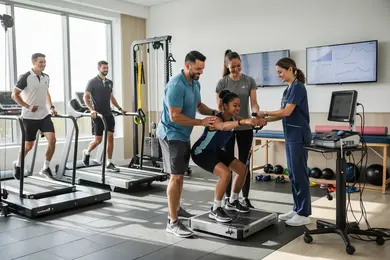
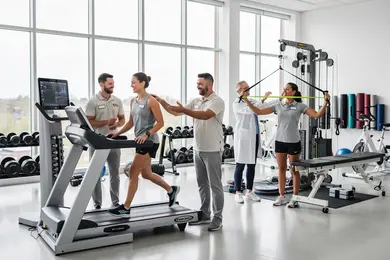
- Exercise Testing and Prescription: This practical course trains students in evaluating individual fitness and creating personalized workout regimens. Lab activities or online simulations reinforce adherence to safety guidelines and industry benchmarks, supporting licensure and certification preparation.
- Nutrition for Exercise and Health: Focusing on dietary factors, this course highlights the role of macro- and micronutrients in enhancing physical performance and recovery, crucial for comprehensive client counseling and program development.
- Kinesiology: Combining elements of anatomy, biomechanics, and physiology, kinesiology examines human movement across different populations. It acts as a synthesis course, bridging earlier material and paving the way for specialization or advanced projects.
- Research Methods in Exercise Science: This course builds competence in designing, conducting, and interpreting research. It stresses data analysis and ethical considerations, preparing students for evidence-based professional practice and graduate studies.
- Practicum or Internship Experience: Hands-on fieldwork is integral to many programs, offering real-world application of theory in clinical, athletic, or rehabilitation settings. This experience fulfills professional standards and enhances job readiness.
What Elective Courses Can Online Exercise & Sports Science Bachelor's Students Choose to Personalize Their Degree?
Online exercise and sports science bachelor programs typically allocate between 12 and 18 credit hours for elective courses, allowing students to customize their education according to individual interests and career objectives. Strategic selection of elective courses can help learners specialize in distinct fields, fulfill graduate school prerequisites, or cultivate additional skills that employers value.
- Biomechanics: Courses like Human Movement Analysis or Kinesiology examine the mechanical fundamentals of exercise and athletic performance.
- Nutrition: Options such as Sports Nutrition or Nutritional Biochemistry focus on athlete fueling and metabolic processes.
- Psychology and Counseling: Electives including Sports Psychology or Counseling Techniques enhance insights into the mental aspects impacting sports performance.
- Research Methods: Classes like Statistics for Health Sciences or Exercise Science Research develop the ability to design and assess scientific investigations.
- Health and Wellness Coaching: Programs may offer Lifestyle Management or Health Promotion courses to prepare students for diverse roles beyond traditional exercise science positions.
Choosing these specialization electives in online exercise and sports science bachelor programs lets students deepen expertise or align coursework with career goals. Early consultation with academic advisors ensures electives complement transfer credits or professional ambitions effectively. Working adults and career changers benefit particularly from tailored academic planning to balance online learning with other demands.
For those considering accelerated pathways, reviewing accelerated degree programs can provide useful options to complete education more efficiently.
Are There Laboratory, Clinical, or Hands-On Components in an Online Exercise & Sports Science Bachelor's Degree?
Accredited online exercise & sports science bachelor's programs include mandatory experiential components to meet standards set by organizations such as the Commission on Accreditation of Allied Health Education Programs (CAAHEP) and the National Strength and Conditioning Association (NSCA). These hands-on requirements apply whether the degree is fully online or hybrid, although the mode of delivery often differs.
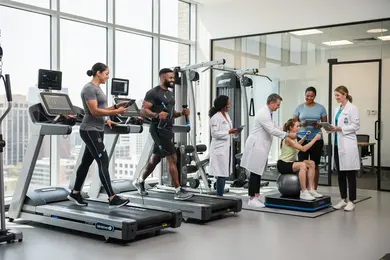
- Local Clinical Placements: Students typically complete internships or clinical hours at approved facilities near their homes, arranged by the university, allowing practical experience without campus visits.
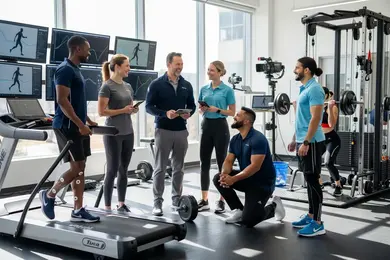
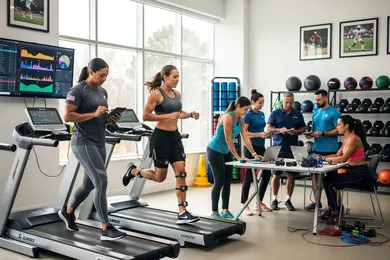
- Virtual Simulations: Programs may utilize advanced computer-based labs or virtual reality technology to mimic real-world exercise science tasks like biomechanical assessments or physiological testing.
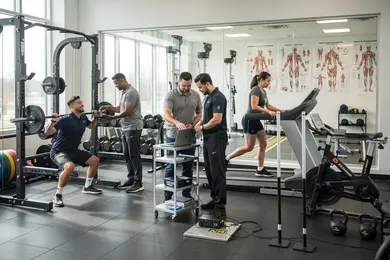
- On-Campus Intensives: Some degrees offer condensed in-person sessions where students engage in lab work or clinical practice over a short period, designed for those able to travel occasionally.
Institutions usually provide clear instructions on scheduling and emphasize the need to verify any on-site participation before enrolling. Occasionally, students can fulfill hands-on criteria through approved employment in relevant fields.
What Capstone or Culminating Courses Are Required in an Online Exercise & Sports Science Bachelor's Degree?
Most online Exercise & Sports Science bachelor's degrees culminate in a comprehensive capstone designed to integrate and apply knowledge gained throughout the program. These final courses usually take place in the senior year and vary in format, including senior theses, projects, portfolios, or comprehensive exams. They serve as a synthesis of theoretical understanding, research capabilities, and practical skills.
- Integration: Students are expected to draw on core areas like anatomy, physiology, biomechanics, nutrition, and exercise prescription to address real-world challenges or conduct original research, ensuring they master essential competencies before graduation.
- Faculty and Industry Collaboration: Capstones often involve mentorship by faculty members who assist with topic development, research design, and execution. Some programs further incorporate partnerships with industry practitioners or community organizations, providing hands-on experiences aligned with current professional demands.
- Format and Credit Hours: Many institutions require a written thesis, research paper, project report, or portfolio, frequently paired with presentations or peer evaluations to assess communication and analytical skills. Typically, these courses range from 3 to 6 credit hours to reflect their comprehensive nature.
- Early Preparation: Initiating the capstone process well ahead of the final semester-by selecting topics and gathering data early-helps maintain manageable schedules and strengthens the quality of analysis. Successful students often choose topics closely connected to their career aspirations or academic strengths.
- Example Programs: One regional university offers a 3-credit Senior Seminar requiring a research project and faculty-supervised presentation, while another features a 6-credit Capstone Project combining literature review, original research, and collaboration with a local fitness center. These examples illustrate how capstones foster professional readiness.
- Recent Trend: According to data from the National Strength and Conditioning Association, 78% of accredited Exercise & Sports Science programs have integrated capstone experiences with an emphasis on applied research or service learning in the last five years, highlighting a shift toward experiential education.
How Are Internships or Practicum Experiences Integrated Into an Online Exercise & Sports Science Bachelor's Degree?
Internship, practicum, co-op, or fieldwork experiences are a vital part of accredited online exercise & sports science bachelor's degrees. These components provide essential hands-on training that complements theoretical coursework, even when most instruction is delivered remotely. Many programs require students to complete these placements at facilities near their homes, such as rehabilitation centers, fitness gyms, or sports organizations, ensuring real-world exposure aligned with academic and professional standards.
Universities often establish employer partnership networks to assist online students in securing appropriate internships close to their regions. For those living in less populated or diverse geographic areas, programs offer clear guidelines to help identify and vet local sites that meet accreditation and program competencies. Ongoing supervision typically involves on-site professionals and remote faculty oversight, with students submitting logs, evaluations, and reflective reports to document their progress and learning outcomes.
A 2023 study found that 87% of online exercise & sports science programs either require or strongly emphasize completing internship or practicum experiences, underscoring their importance for employability. Though obtaining placements can be challenging due to high demand and location limitations, early planning and strategic application approaches enhance students' chances.
- Mandatory Experiential Learning: Completion of internship or practicum hours is often a required part of program accreditation and helps meet licensure prerequisites.
- Local Placement Flexibility: Programs assist students in finding supervised, local opportunities that fit their schedules and geographic constraints.
- Structured Supervision: Practical experiences include professional mentorship at the placement site and academic review through virtual check-ins.
- Employer Partnerships: Networks established by programs expedite placements and diversify available real-world settings.
- Application Strategies: Initiating the search early, effective communication, and highlighting relevant skills improve students' ability to secure competitive internships.
What Research Methods or Statistics Courses Are Required for an Online Exercise & Sports Science Bachelor's Degree?
Online exercise & sports science bachelor's degree programs commonly require students to complete courses in research methods or statistics, fostering crucial quantitative reasoning skills for analyzing scientific data and interpreting findings. These programs often begin with introductory statistics or research design classes before advancing to specialized topics tailored to sports science.
Incorporating the research methods courses for online exercise and sports science bachelor's degree ensures students are prepared for evidence-based practices essential in the field. Students gain hands-on experience designing surveys and experiments, conducting literature reviews, and applying both descriptive and inferential statistical techniques.
Proficiency in software tools such as SPSS, R, and Excel is emphasized to manage complex datasets effectively. Mastery of these analytical skills is highly valued by employers and graduate programs, particularly those seeking candidates confident in data-driven decision-making.
To prepare for these research-focused classes, programs usually require prerequisites like college-level algebra or introductory biology. Many degrees provide flexibility, allowing students to choose from multiple statistics classes required in exercise and sports science degree programs to fulfill the research methods requirement.
Working adults or transfer students can benefit from these adaptable course options that align with varying schedules and prior credits. Career-changers should note that completing these rigorous research and statistics courses will help meet prerequisites for licensure and advanced study. For those considering related healthcare pathways, exploring CMA to LPN programs offers another potential route.
- Core Quantitative Skills: Courses develop expertise in descriptive and inferential statistics, survey design, and literature review methods critical to exercise & sports science research evaluation.
- Software Proficiency: Training includes practical use of SPSS, R, and Excel, enhancing students' abilities to analyze data relevant to future careers and graduate study.
- Prerequisite Requirements: Foundational math or biology classes are typically needed to ensure students grasp fundamental concepts before tackling quantitative research methods courses.
- Flexible Coursework: Multiple course options often satisfy research requirements, accommodating diverse student backgrounds and professional goals.
- Support Resources: Online tutoring, writing centers, and statistical consulting help students overcome quantitative challenges and improve academic success.
How Do Online Exercise & Sports Science Bachelor's Programs Sequence Courses From Introductory to Advanced Levels?
Online exercise and sports science bachelor's programs typically sequence courses from foundational 100-level classes through advanced 400-level seminars, ensuring a coherent progression that supports student success. Entry-level courses introduce broad subjects like human anatomy, physiology, and nutrition, establishing a knowledge base essential for the more specialized content encountered later.
Prerequisite requirements govern course enrollment, requiring completion of foundational science and introductory classes before advancing to upper-division topics such as biomechanics and exercise physiology. This sequencing prevents gaps in knowledge and helps ensure academic success. Academic advisors are vital in creating tailored four-year or accelerated plans that comply with these requirements, guiding working adults and career changers to balance program demands with personal schedules.
A representative sample sequence might begin with first-year courses in biology and general education, proceed to mid-level kinesiology and exercise testing courses during the second and third years, and culminate in senior-year seminars, research methodology, and internships designed for experiential learning.
Transfer and part-time students or those with prior credits often follow customized pathways, emphasizing the importance of advisor consultations to align credits and optimize graduation timelines. Students seeking an exercise science online degree should carefully evaluate how programs handle sequencing introductory to advanced exercise and sports science classes to ensure their needs and goals can be met effectively.
- Structured Progression: Courses advance from broad foundational subjects to specialized upper-division classes, supporting comprehensive knowledge development.
- Prerequisite Importance: Completion of lower-level courses is required before enrolling in advanced topics, maintaining academic rigor and continuity.
- Advisor Support: Personalized planning helps students, including transfer and part-time learners, meet sequencing requirements within their individual circumstances.
- Representative Curriculum: A typical path starts with general biology and education classes, advances through kinesiology, and ends with experiential and research-based learning experiences.
- Flexible Pathways: Adjustments for credit transfer and part-time enrollment provide adaptable options for diverse student backgrounds and goals.
Are There Technology or Software-Specific Courses in an Online Exercise & Sports Science Bachelor's Degree?
Online Exercise & Sports Science bachelor’s programs are designed to provide students with a comprehensive understanding of human movement, fitness, and sports performance. As technology continues to evolve, many programs incorporate specialized courses to equip students with the skills needed to leverage the latest tools and software in the field.
- Biomechanics and Motion Analysis: This course trains students to use specialized video capture and biomechanical software to analyze human movement for enhancing performance and preventing injuries. Hands-on practice with these tools helps develop essential digital skills relevant to sports science careers.
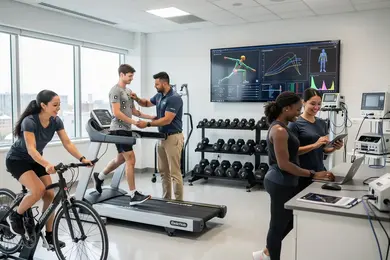
- Exercise Physiology Laboratory Technologies: Students gain experience operating digital equipment such as heart rate monitors, metabolic carts, and other data collection devices. Simulated or virtual labs provide practical exposure, integrating theory with technology-driven assignments to build proficiency.
- Sports Performance Data Management: Coursework emphasizes statistical and data analysis software widely adopted by professionals to evaluate athletic and health metrics. Mastery of these digital tools supports evidence-based decision-making in sports performance and rehabilitation settings.
Programs often require students to either purchase or license software, although some institutions offer access via subscriptions to ensure equitable participation. Curricula evolve continuously to align with emerging technologies and workforce demands-recent surveys note that 67% of exercise science professionals expect digital fluency in assessment tools within five years of entering the field.
Prospective students should inquire about technology prerequisites and available technical support before enrollment, ensuring the program's resources and format meet their educational and career objectives.
What Ethics or Diversity Courses Are Typically Required in an Online Exercise & Sports Science Bachelor's Degree?
Accredited online exercise & sports science bachelor's programs integrate ethics, diversity, equity, and inclusion throughout their curriculum, reflecting essential professional competencies. Accrediting organizations like the Commission on Accreditation of Allied Health Education Programs (CAAHEP) and professional bodies such as the National Strength and Conditioning Association (NSCA) embed ethical and cultural competence standards into their program criteria.
These requirements ensure graduates are equipped to address complex social dynamics and foster equitable client relationships across diverse populations. Rather than standalone courses, ethics and diversity themes appear across various classes designed to build core skills. Common course titles include:
- Ethics in Exercise Science: Covers confidentiality, informed consent, professional responsibility, and moral decision-making relevant to client care and research practices.
- Cultural Competence in Health and Fitness: Examines how culture, ethnicity, and socioeconomic status influence health behaviors and exercise motivation to promote inclusive coaching methods.
- Health Equity and Social Justice: Focuses on systemic barriers affecting access to physical activity and encourages advocacy and policy literacy.
Typical learning outcomes emphasize analyzing ethical challenges, practicing culturally sensitive communication, and demonstrating respect for diverse clients. This approach makes ethical reasoning and cultural awareness foundational professional skills, essential for meeting workforce and certification expectations in diversity, equity, and inclusion (DEI).
Many programs accommodate working adults and transfer students by offering flexible, online formats with case studies, interactive discussions, and reflective assignments. These learning methods prepare students to apply ethical and cultural principles effectively in varied clinical and community settings while facilitating credit transfer and accommodating non-traditional schedules.
What Do Graduates Say About Their Classes in an Online Exercise & Sports Science Bachelor's Degree
- Lennon: "The online course format was a perfect match for my busy schedule-I could study whenever I had time between work and family commitments. I appreciated how my previous college credits seamlessly transferred, saving me time and money. Plus, the program's clear pathway to licensure gave me confidence that I was pursuing the right courses for my career goals."
- Forest: "What stood out most about the program were the interactive classes that catered to different learning styles, especially the hands-on virtual labs. Having already some relevant credits, the program made it very straightforward to apply them and focus on more advanced topics. I felt reassured knowing that the curriculum aligned perfectly with professional standards in exercise & sports science."
- Leo: "The rigorous curriculum challenged me to grow both personally and professionally, combining theory with practical application. My previous coursework in related fields was recognized, which accelerated my path to graduation. The program's emphasis on meeting licensure requirements gave me peace of mind that I was well-prepared to enter the workforce."
Other Things You Should Know About Exercise & Sports Science Degrees
In 2027, transfer credits can significantly impact the curriculum of an online exercise & sports science bachelor's degree. Accepted transfer credits can reduce the number of required courses, allowing students to bypass certain introductory classes. However, this varies by institution, and students should verify specific credit transfer policies to understand how their previous coursework aligns with the program requirements.
Courses in anatomy, physiology, and biomechanics often pose the greatest challenges due to their technical content and emphasis on detailed understanding of the human body. Students should prepare by engaging with interactive digital resources, dedicating regular study time, and participating in virtual labs or simulations when available. Strong foundational science knowledge benefits success in these areas.
Concentrations like kinesiology, sports nutrition, or athletic training add specialized courses tailored to those fields. This shifts the curriculum by replacing some elective or general major classes with focused subjects that develop industry-specific skills. Students must complete these tailored courses to meet the competencies required for their chosen career path.
Courses in exercise physiology, kinesiology, and sports medicine are crucial for licensure or certification preparation. These classes cover core concepts typically tested by credentialing bodies and include practical applications relevant to professional standards. Programs often incorporate exam preparation strategies within these courses to support student success.
References
- Exercise Science, B.S. https://catalog.newhaven.edu/preview_program.php
- Research Methods in Exercise Science & W (ESW 228) https://www.mc3.edu/courses/esw-228-research-methods-in-exercise-science-and-w
- Bachelor of Science (Exercise and Sport Science) https://www.curtin.edu.au/study/offering/course-ug-bachelor-of-science-exercise-and-sport-science--b-exsprhb/
- Online Bachelor's in Exercise Science Online Curriculum https://online.maryville.edu/online-bachelors-degrees/exercise-science/curriculum/
- Top 15 Affordable Exercise Science Degree Online Programs https://www.sports-management-degrees.com/affordable-online-bachelors-sports-science/
- Online Exercise Science Program https://stmary.edu/online-programs/exercise-science.html
- Best Online Bachelor's in Exercise Science Programs of 2025 - Intelligent https://www.intelligent.com/best-online-bachelors-degree-in-exercise-science/
- Bachelor of Science (Exercise and Sports Science)/Bachelor of Commerce (Sport Business) https://www.ecu.edu.au/degrees/courses/bachelor-of-science-exercise-and-sports-science-bachelor-of-commerce-sport-business
- 10 Online Bachelor’s in Sport and Exercise Science 2026 https://www.collegevaluesonline.com/10-online-bachelors-in-sport-exercise-science/
- Online ACSM Certified Exercise Physiologist with Fitness and Health Internship from Eastern Washington University https://careertraining.ewu.edu/training-programs/acsm-certified-exercise-physiologist-with-fitness-health-internship/