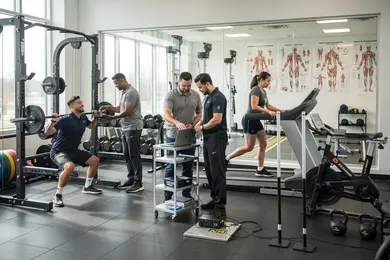
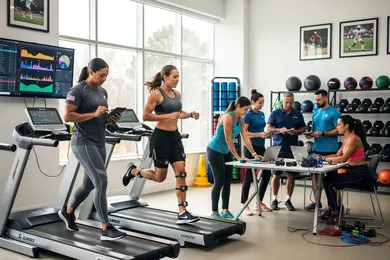
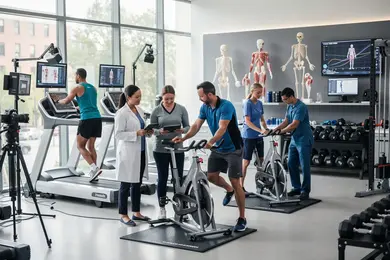
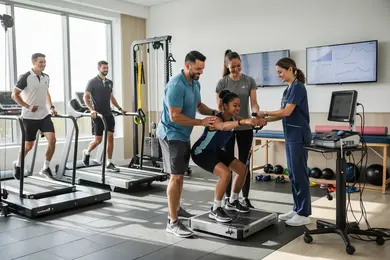
2027 What Jobs Can You Get With an Exercise & Sports Science Bachelor's Degree?

Co-Founder and Chief Data Scientist
Individuals pursuing a career in exercise & sports science often face uncertainty around which roles best match their degree and long-term goals. Many wonder how to translate specialized knowledge into sustainable employment amid a competitive health and fitness market.
The U. S. Bureau of Labor Statistics projects a 19% growth in related health and wellness occupations through 2032, highlighting expanding opportunities.
Understanding the range of career paths is essential for making informed decisions about further education or certifications. This article explores the diverse job options available to graduates with a bachelor's degree in exercise & sports science and provides insights to guide career planning.
Key Benefits of the Jobs You Can Get With a Exercise & Sports Science Bachelor's Degree
- Graduates in exercise & sports science can work across healthcare, fitness, education, and research sectors, illustrating the degree's strong versatility in various industries.
- The median salary for exercise & sports science professionals exceeds $50,000 annually, with advancement opportunities into specialized, higher-paying roles.
- The degree fosters long-term career growth, enabling diverse pathways including physical therapy, coaching, sports management, and graduate study options.
What Entry-Level Jobs Can I Get With a Exercise & Sports Science Bachelor's Degree?
A bachelor's degree in exercise & sports science opens the door to several entry-level careers where graduates can utilize foundational skills in human anatomy, physiology, and fitness principles.
Approximately 60% of bachelor's degree holders find related employment within the first year, reflecting strong practical demand.
For those exploring entry-level careers for exercise and sports science graduates, various roles allow immediate application of academic knowledge in real-world settings.
- Exercise Physiologist: These professionals assess patients' fitness levels and create personalized exercise programs to improve health and manage chronic conditions. Graduates leverage their expertise in human physiology and exercise testing to enhance physical function safely.
- Fitness Trainer or Personal Trainer: Personal trainers guide clients through workout routines that improve strength, endurance, and overall wellness. The degree equips graduates with knowledge of exercise techniques and anatomy critical for safe, effective training sessions.
- Strength and Conditioning Coach: Working mostly with athletes, these coaches develop training plans focused on boosting strength, speed, and injury prevention. Exercise & sports science graduates apply their education to design targeted performance-enhancing programs.
- Rehabilitation Assistant: In support of physical therapists, rehabilitation assistants help patients recover by facilitating therapeutic exercises. The degree provides a solid understanding of movement mechanics and injury recovery to assist treatment effectively.
- Health Promotion Specialist: These specialists create and implement wellness programs to promote healthy lifestyles in communities or workplaces. Graduates draw on their academic background to motivate better health behaviors among populations.
For students seeking to broaden their credentials, exploring accelerated msn to dnp programs can be a valuable next step for advancing clinical expertise and career options in healthcare.
What Industries Hire Exercise & Sports Science Bachelor's Degree Graduates?
A bachelor's degree in exercise & sports science opens opportunities across several industries, with demand varying based on specialized skills in areas like physiology, biomechanics, nutrition, and rehabilitation.
Employers across the healthcare, fitness, and sports sectors increasingly value candidates holding bachelor's degrees to advance evidence-based practices and improve program outcomes. Recent labor market trends show a growing preference for graduates with these qualifications to support diverse organizational goals.
Exercise & sports science career opportunities in healthcare and fitness industries are particularly prominent. Graduates find roles where their expertise in human movement and scientific principles enhances program effectiveness and client outcomes.
- Healthcare: Graduates collaborate with medical professionals to aid patient rehabilitation, design therapeutic exercise routines, and implement wellness programs in hospitals and clinics. Their understanding of physiology is vital for helping patients recover mobility and maintain health.
- Fitness and Wellness: Increasing demand in gyms, corporate wellness, and community health sectors creates roles for designing customized fitness plans. Graduates promote sustainable, healthy lifestyles among diverse populations through tailored exercise guidance.
- Sports Performance: Working with athletic teams and training centers, graduates apply biomechanics and conditioning knowledge to enhance athlete performance, prevent injuries, and optimize recovery strategies.
- Research and Education: Graduates contribute to scientific research on physical activity and health, working in universities or private institutions. They support curriculum development and evidence-based instruction to advance the field.
- Corporate and Public Health: Roles in public health agencies and corporate wellness focus on creating physical activity initiatives that improve employee and community health, utilizing principles of exercise science and behavior change.
For prospective students interested in related health fields but exploring options, programs like cheap RN to BSN programs might also be worth considering as alternative career paths.
Can You Get Jobs Outside Your Major With a Exercise & Sports Science Bachelor's Degree?
Graduates with an exercise & sports science bachelor's degree often find themselves pursuing careers beyond the boundaries of their major. This trend is supported by their acquisition of versatile skills and the changing landscape of the labor market, which increasingly values adaptability.
Research indicates that about 30% to 40% of college graduates work in fields unrelated to their original degree.
- Transferable Skills: The curriculum fosters critical thinking, effective communication, teamwork, and data interpretation skills. These competencies are widely applicable, making it easier for graduates to succeed in various professions.
- Employer Preferences: Hiring managers often seek candidates who bring problem-solving abilities and strong interpersonal skills rather than solely technical expertise. This preference opens doors for exercise & sports science graduates in roles that extend beyond their academic training.
- Experience and Training: Internships, hands-on practice, and continuing education programs enable graduates to fill gaps between their degree and new career paths. Supplementing education with targeted certifications or skills enhances employability in diverse sectors.
What Remote Jobs Can I Get With a Exercise & Sports Science Bachelor's Degree?
Remote work continues to expand across many fields, with more than 70% of employers open to hiring employees who work from home.
Graduates holding a bachelor's degree in exercise & sports science are increasingly tapping into this trend, finding remote roles that leverage their specialized knowledge alongside modern digital tools and communication platforms.
- Online Fitness Coach: These professionals develop tailored workout routines and guide clients through virtual sessions using video apps. Their understanding of anatomy and exercise science ensures training is both effective and safe despite the physical distance.
- Health and Wellness Content Creator: Crafting informative articles, videos, or social media posts about fitness and nutrition, these creators rely on their scientific background to deliver accurate and engaging material, helping audiences make informed health choices.
- Remote exercise program coordinator: Managing virtual fitness initiatives for communities or companies, coordinators apply planning and organizational skills honed during their studies to facilitate online collaboration and maintain smooth operation of programs.
- Telehealth Rehabilitation Specialist: Providing remote support for injury recovery, these specialists use biomechanical and rehab expertise to conduct virtual assessments and demonstrate exercises, promoting patient progress safely from afar.
Success in these roles depends on strong communication, self-discipline, and adaptability to digital work environments. A graduate of an exercise & sports science bachelor's degree program shared her experience navigating remote work:
"Transitioning to virtual coaching was initially overwhelming because it requires building rapport through a screen rather than in person. I had to quickly learn to use various apps and stay organized without direct supervision."
"The challenge was balancing technical skills with genuine client connection, but over time, it became rewarding to see my clients improve remotely. The degree gave me a solid foundation, but adapting to this new format took perseverance and creativity," she continued.
Can I Switch Careers With a Exercise & Sports Science Bachelor's Degree?
Many individuals leverage an exercise & sports science bachelor's degree as a versatile foundation to shift their professional focus, reflecting a growing trend in workforce flexibility.
Studies indicate that nearly 40% of graduates from health and science-related fields pursue career change within five years post-graduation, illustrating a natural move toward diverse opportunities.
This degree offers broad, transferable skills that enable holders to explore options beyond their initial specialization. For those wondering, can you switch careers with an exercise and sports science degree? The answer is often yes, due to the adaptable nature of competencies developed during the program.
The skill set gained through an exercise & sports science degree, like strong communication, problem-solving, adaptability, and analytical thinking, supports a smooth transition into various roles.
Success in career change often depends on building relevant experience through internships, volunteering, or practical training, supplemented by ongoing self-directed education such as online courses.
Access to a self paced degree program can further enhance these efforts. Career change options for exercise and sports science graduates expand when candidates demonstrate a proactive approach to learning and apply their diverse skill base to new challenges.
What Are the Highest-Paying Jobs With a Exercise & Sports Science Bachelor's Degree?
Salary potential for those with a exercise & sports science bachelor's degree depends on factors like industry, experience, and area of expertise.
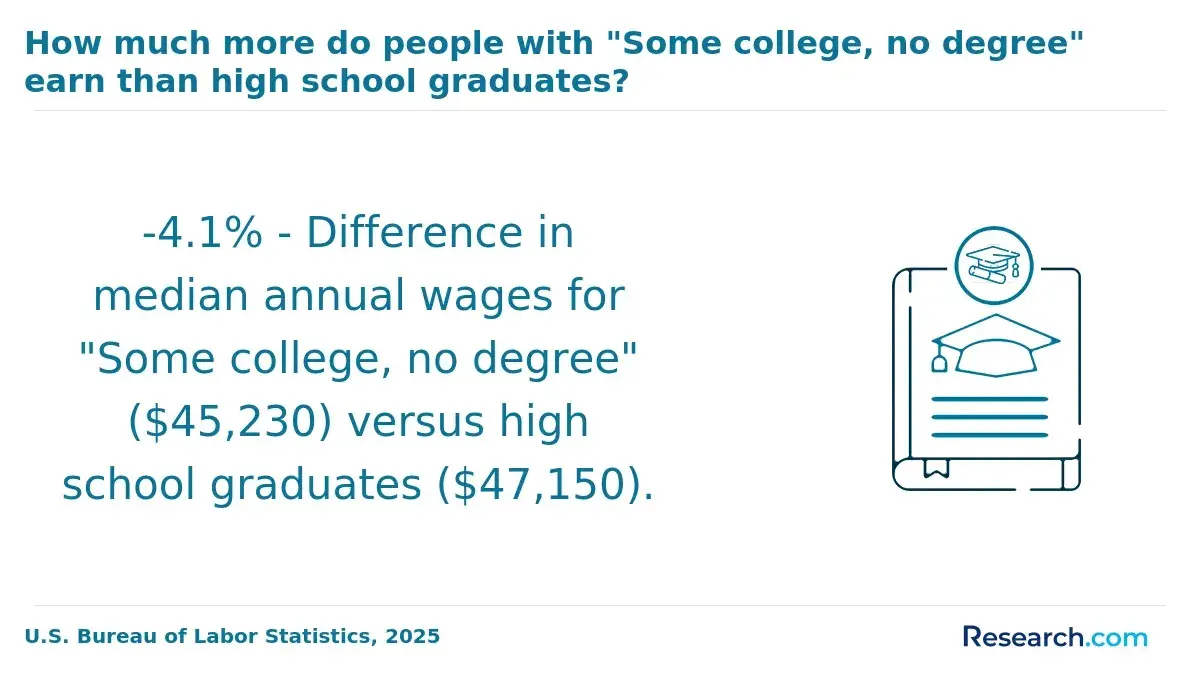
Generally, earning levels for bachelor's degree holders surpass those with just a high school diploma, and career growth often leads to higher wages. Specialized knowledge in areas such as biomechanics and human physiology frequently boosts earning opportunities across various sectors.
- Exercise Physiologist: These specialists create and oversee personalized fitness plans for individuals recovering from medical conditions or managing chronic illnesses. Salaries typically range between $50,000 and $90,000 annually.
- Strength and Conditioning Coach: Focused on improving athletic performance, these coaches design training programs to enhance strength and prevent injuries. Salary ranges can vary from around $40,000 up to $85,000, with professional or collegiate roles offering higher pay.
- Occupational Therapist Assistant: Supporting occupational therapists, these assistants help patients regain daily functioning skills through rehab exercises. Typical earnings fall between $40,000 and $70,000.
- Wellness Coordinator: These professionals organize and manage health and fitness initiatives within corporate or community settings to encourage healthier lifestyles. Compensation usually ranges from $45,000 to $75,000 depending on employer and location.
- Sports Coach: Serving teams from youth to semi-professional levels, sports coaches develop strategies and skills to boost performance. Salaries typically range from $35,000 to $75,000, influenced by competition level and resource availability.
What Career Growth Opportunities Are Available With a Exercise & Sports Science Bachelor's Degree?
A bachelor's degree in exercise & sports science provides a foundation for long-term career development and advancement across diverse roles related to physical health, fitness, and sports performance.
Career growth often includes moving into positions of higher responsibility, such as managing teams or projects, while developing specialized expertise in areas like exercise physiology or rehabilitation.
Professionals also expand into leadership roles or cross-functional areas that combine their scientific knowledge with business, education, or healthcare disciplines.
Experience and strong interpersonal skills enhance opportunities for strategic contributions within organizations focused on wellness or athletic performance.
A professional with a Exercise & Sports Science bachelor's degree shared that early in his career, he faced the challenge of finding roles that allowed him to apply both his technical knowledge and leadership potential. "It was daunting at first," he said, "to step beyond entry-level positions and prove I could contribute to bigger projects."
Over time, gaining hands-on experience and cultivating communication skills helped him transition into program management, where he now enjoys collaborating with diverse teams.
He emphasized that growth was not linear but required patience and openness to new opportunities, noting, "Each step brought a new learning curve, but also rewarding moments that made it worth it."
What Jobs Require Certifications After a Exercise & Sports Science Bachelor's Degree?
Many roles available to graduates with a exercise & sports science bachelor's degree require or strongly prefer additional certifications depending on industry standards and specific job duties. These certifications validate specialized skills and knowledge, improving candidates' eligibility for competitive positions.
Recognizing the sports science career certification and licensing requirements is essential for those aiming to advance in this field.
- Certified Personal Trainer: Employers often require certification from bodies like the National Academy of Sports Medicine (NASM) or the American College of Sports Medicine (ACSM). This certification confirms expertise in creating customized fitness plans and ensuring client safety.
- Strength and Conditioning Coach: The National Strength and Conditioning Association (NSCA) offers the Certified Strength and Conditioning Specialist (CSCS) credential, which is commonly required. It equips professionals to enhance athletic performance while minimizing injury risk.
- Certified Exercise Physiologist: Offered by the ACSM, this certification is ideal for those working in clinical exercise testing and rehabilitation, especially with cardiac or pulmonary patients. It reinforces advanced knowledge in exercise physiology, a key component of exercise & sports science coursework.
- Sports Nutritionist: Certifications such as the Certified Sports Nutritionist (CISSN) from the International Society of Sports Nutrition are highly valued for advising athletes on optimal dietary strategies. The degree provides a strong basis in metabolism and nutrition supporting this role.
- Group Fitness Instructor: Certifications from the Aerobics and Fitness Association of America (AFAA) allow graduates to lead effective and safe group classes, supported by the degree's emphasis on exercise techniques and human movement.
Students interested in related health sciences may also explore online biology degree programs to complement their sports science education.
What Jobs Require a Master's After a Exercise & Sports Science Bachelor's Degree?
While a bachelor's degree in exercise & sports science opens many entry-level opportunities, certain advanced roles require a master's degree for specialized knowledge, professional licensure, or certification.
In fact, over 60% of health and sports-related professions now prefer or mandate master's-level education to meet evolving industry standards. Understanding master's degree requirements for Exercise & Sports Science careers helps graduates position themselves for these advanced roles.
Jobs that generally require a master's degree after earning a bachelor's in exercise & sports science include:
- Physical Therapist Assistant: This role assists physical therapists in rehabilitating patients with injuries or chronic conditions. A master's degree is often needed to gain advanced understanding of anatomy, pathology, and therapeutic methods essential for effective patient care.
- Exercise Physiologist: Many clinical settings demand a master's degree for exercise physiologists to design and implement exercise programs tailored to patients with cardiovascular or metabolic diseases, ensuring safety and efficacy.
- Sports Psychologist: Focused on athletes' mental health and performance, this specialty typically requires a master's degree in sports psychology or related counseling fields to develop counseling skills and conduct psychological assessments.
- Occupational Therapist: Master's-level education is usually necessary to equip occupational therapists with the skills needed to help patients regain daily living and work abilities following injury or illness.
- Strength and Conditioning Specialist: For advanced roles, especially with professional or collegiate athletes, a master's degree is essential to provide expert guidance on optimizing performance and preventing injuries.
For those interested in broadening their expertise in related areas such as nutrition, pursuing an online nutrition degree can complement their exercise & sports science background and enhance career prospects.
What Is the Job Outlook for Exercise & Sports Science Careers?
The job outlook for exercise & sports science careers remains promising, driven by increased interest in health and wellness. The U.S. Bureau of Labor Statistics projects about 19% growth in related fields such as fitness training and physical therapy assistance between 2021 and 2031, significantly above the average for all occupations.
However, employment opportunities can fluctuate depending on the industry and location. Urban and suburban regions with higher incomes typically see steady demand in fitness and wellness, while sectors tied to sports performance or rehabilitation may experience more variation due to economic and funding shifts.
Skill sets, including adaptability and specialized knowledge, also affect career prospects within this field.
Long-term employment trends in exercise & sports science are shaped by advances in technology and changing workplace demands. Innovations like wearable devices, data analytics, and telehealth are transforming how professionals operate, emphasizing the need to integrate new tools.
Demographic shifts toward an aging but active population and an emphasis on preventive health care further bolster workforce needs. Developing versatile skills such as data interpretation and effective communication can enable graduates to find roles across a wide range of environments, maintaining resilience in a dynamic job market.
What Graduates Say About the Jobs You Can Get With a Exercise & Sports Science Bachelor's Degree
- Lennon: "Choosing exercise & sports science was driven by my passion for understanding how the human body performs and recovers. The program equipped me with practical skills that made transitioning into a role as a fitness coach much smoother than I anticipated. It's rewarding to apply what I learned every day in helping clients improve their health and achieve their goals."
- Forest: "Reflecting on my journey, the exercise & sports science degree opened numerous doors in the field of rehabilitation and therapy. The scientific foundation it provided allowed me to stand out during job interviews and confidently contribute to multidisciplinary teams. This education truly shaped my professional identity and commitment to lifelong learning."
- Leo: "My decision to study exercise & sports science was strategic, aimed at entering the sports performance industry. Navigating the job market was challenging, but the interdisciplinary knowledge I gained-from biomechanics to nutrition-proved invaluable. Today, I'm proud to work alongside elite athletes, helping optimize their performance through evidence-based practices."
Other Things You Should Know About Exercise & Sports Science Degrees
Yes, internships play a crucial role in gaining practical experience in this field. Many employers prefer candidates who have completed relevant internships because they demonstrate hands-on skills and professional readiness. Internships also provide valuable networking opportunities and can often lead to job offers after graduation.
Strong communication skills are essential in exercise & sports science careers. Professionals frequently work with clients, athletes, coaches, and healthcare teams, requiring the ability to explain complex concepts clearly. Effective communication ensures better client adherence to training or rehabilitation programs and fosters collaboration across disciplines.
Gaining relevant experience in 2027 is crucial for careers in exercise & sports science. Hands-on experience, such as internships and volunteer opportunities, enhances job prospects, providing practical skills and industry insights that are highly valued by potential employers.
Maintaining physical fitness and good health is often important for careers in exercise & sports science. Many roles involve active participation in demonstrating exercises, conducting fitness assessments, and motivating clients. Practicing what you preach not only builds credibility but also supports the demands of physically engaging work environments.
References
- The Current State of the Sport Science Field and Careers – Integration, Data, and Professional Pathways https://www.nsca.com/education/articles/nsca-coach/sport-science-field-and-careers/
- Top 20 Careers With a Master’s in Exercise Science | PLNU https://www.pointloma.edu/resources/health-sciences/top-20-careers-masters-exercise-science
- What you can do with a degree in Exercise and Sport Science: careers and opportunities in Australia today https://www.curtin.edu.au/news/advice/exercise-sport-science-careers-australia/
- What can you do with a sports science degree? https://www.wlv.ac.uk/news-and-events/wlv-blog/2024/may-2024/what-can-you-do-with-a-sports-science-degree.php
- 10 Highest Paying Jobs For Sports Science Majors 2026 https://www.scijournal.org/articles/highest-paying-jobs-for-sports-science-majors
- 22 Best Exercise Science Jobs You Should Learn About https://www.uopeople.edu/blog/exercise-science-jobs/
- 8 Rewarding Careers for Aspiring Exercise and Sport Scientists https://www.sacredheart.edu/news-room/news-listing/8-rewarding-careers-for-aspiring-exercise-and-sport-scientists/